You’re sitting quietly on the couch, minding your own business, and your cat is watching you from across the room. Nothing unusual there. Then, slowly, almost like something out of a dream, those little feline eyes begin to close. One lazy, deliberate blink – and then they open again, fixed right back on you. What was that? Coincidence? Tiredness? Honestly, it’s neither.
That single, gentle eye movement holds a meaning so rich and emotionally layered, it has genuinely surprised animal scientists. What your cat just gave you is something rare, something earned. And if you’ve been receiving it without knowing what it means, you’re about to see your furry companion in a completely new light. Let’s dive in.
The Cat Slow Blink: What Is It, Exactly?
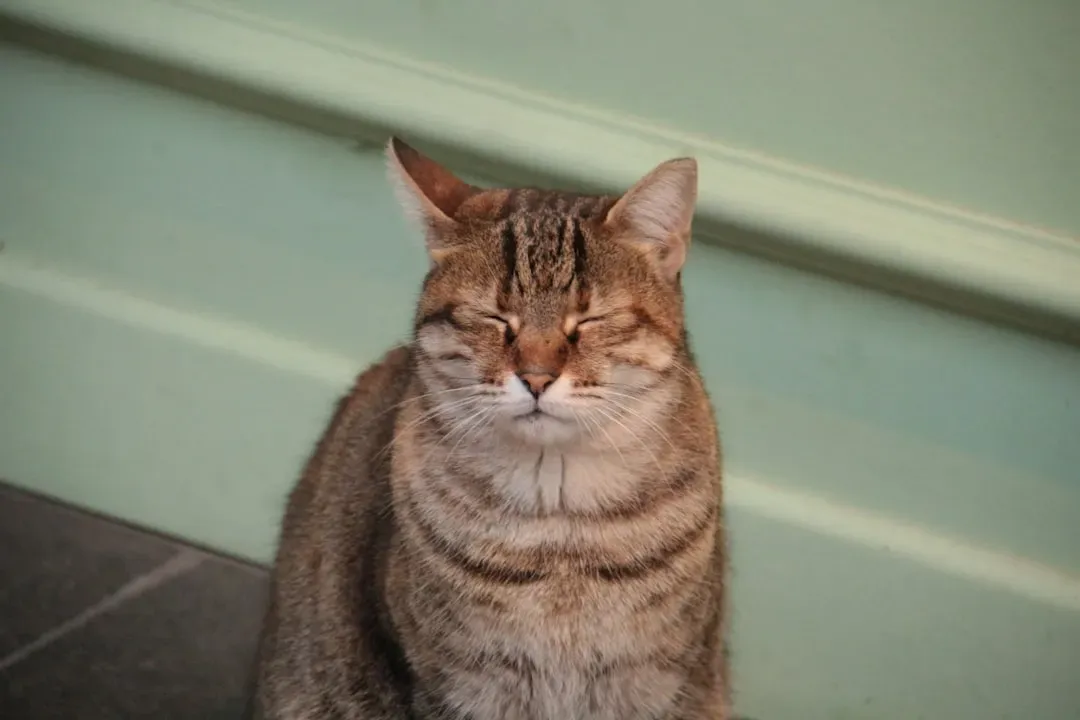
Slow blink sequences typically involve a series of half-blinks followed by either a prolonged eye narrow or an eye closure. It’s not the same as your cat zoning out or fighting off a nap. Research published in The Journal of Physiology notes that cat slow blinking, when both the closing and opening of the eyelid happen at a slow pace, differs from the velocity of a typical cat blink – and this observation is noteworthy because it shows that slow blinking is not a reflexive movement. It is an intentional behavior.
Think of it like this: a normal blink is your cat’s windshield wiper. The slow blink, on the other hand, is a handwritten note. Slow blinking is a subtle feature that has been observed in cats for some time, and is thought to be used by cats to indicate a sense of calm and a positive emotional state. It involves the partial or complete closure of the eyelids, performed slowly and lasting for longer than half a second. Short in duration but enormous in meaning.
The Science That Finally Proved What Cat Lovers Already Knew
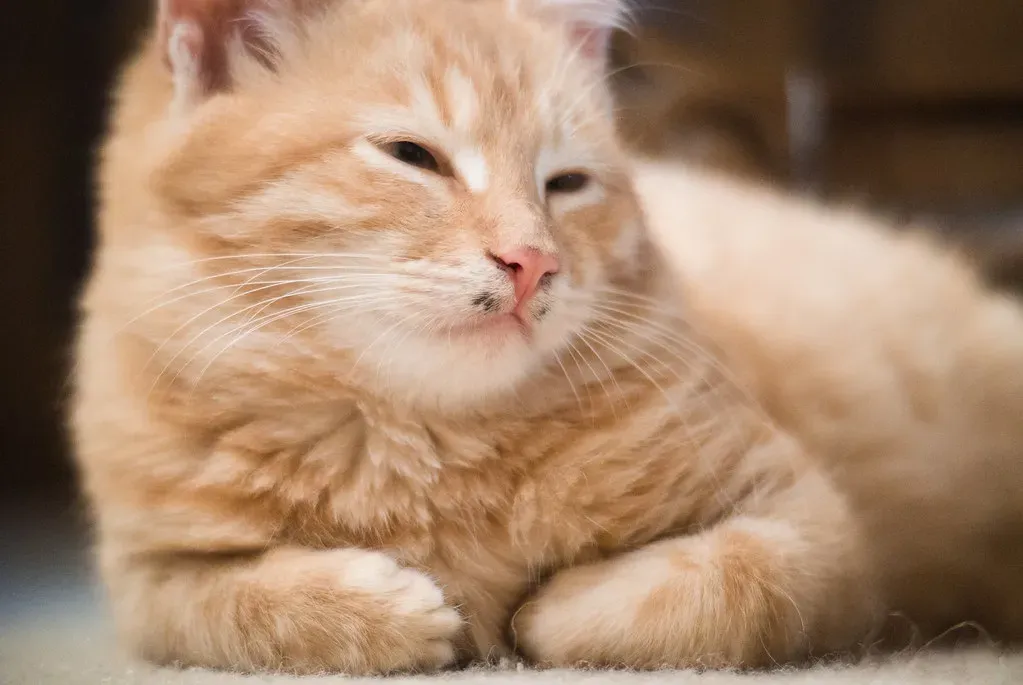
According to a 2020 study published in Scientific Reports, the secret lies in one gentle gesture: the slow blink. Researchers from the University of Sussex in the UK designed two experiments specifically to test whether cats responded differently to humans who slow-blinked at them. In the first experiment, owners slow-blinked at 21 cats from 14 different households. Once the cat was settled and comfortable in one spot in their home environment, the owners were instructed to sit about a metre away and slow-blink when the cat was looking at them. Cameras recorded both the owner’s face and the cat’s face, and the results showed that cats were more likely to slow-blink at their humans after their humans had slow-blinked at them.
In a second experiment, this time where an experimenter provided the slow blink stimulus, cats had a higher propensity to approach the experimenter after a slow blink interaction than when the experimenter had adopted a neutral expression. That’s a remarkable finding. A stranger, not an owner, performing a simple eye gesture, and a cat choosing to walk toward them. This showed that the slow blink is effective even with unfamiliar humans, making it a universal, reliable tool for building trust.
Why Your Cat Closing Its Eyes Around You Is a Big Deal
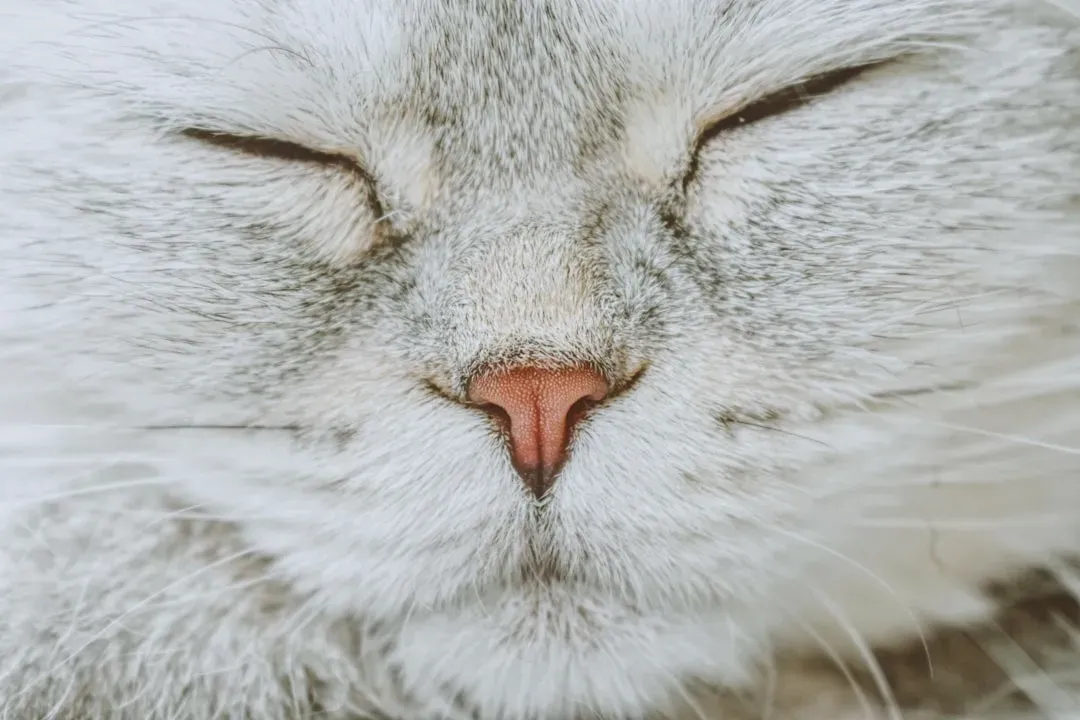
Here’s the thing most people don’t stop to consider: in the wild, closing your eyes around another creature is about as vulnerable as it gets. In the feline world, closing their eyes in the presence of another creature makes them vulnerable, as they are unable to detect potential threats. So when your cat does that soft, slow blink right in your direction, it is literally lowering its defenses for you.
When a cat slow blinks at you, they are often expressing a sense of trust, contentment, and affection. In the feline world, closing their eyes in the presence of another creature makes them vulnerable, as they are unable to detect potential threats. By slow blinking at you, your cat is demonstrating their trust in you and signaling that they feel safe and relaxed in your company. I know it sounds crazy, but your cat choosing to be momentarily “blind” in your presence is one of the most profound things a prey-aware animal can do.
The Feline Smile: What the Slow Blink Communicates Emotionally
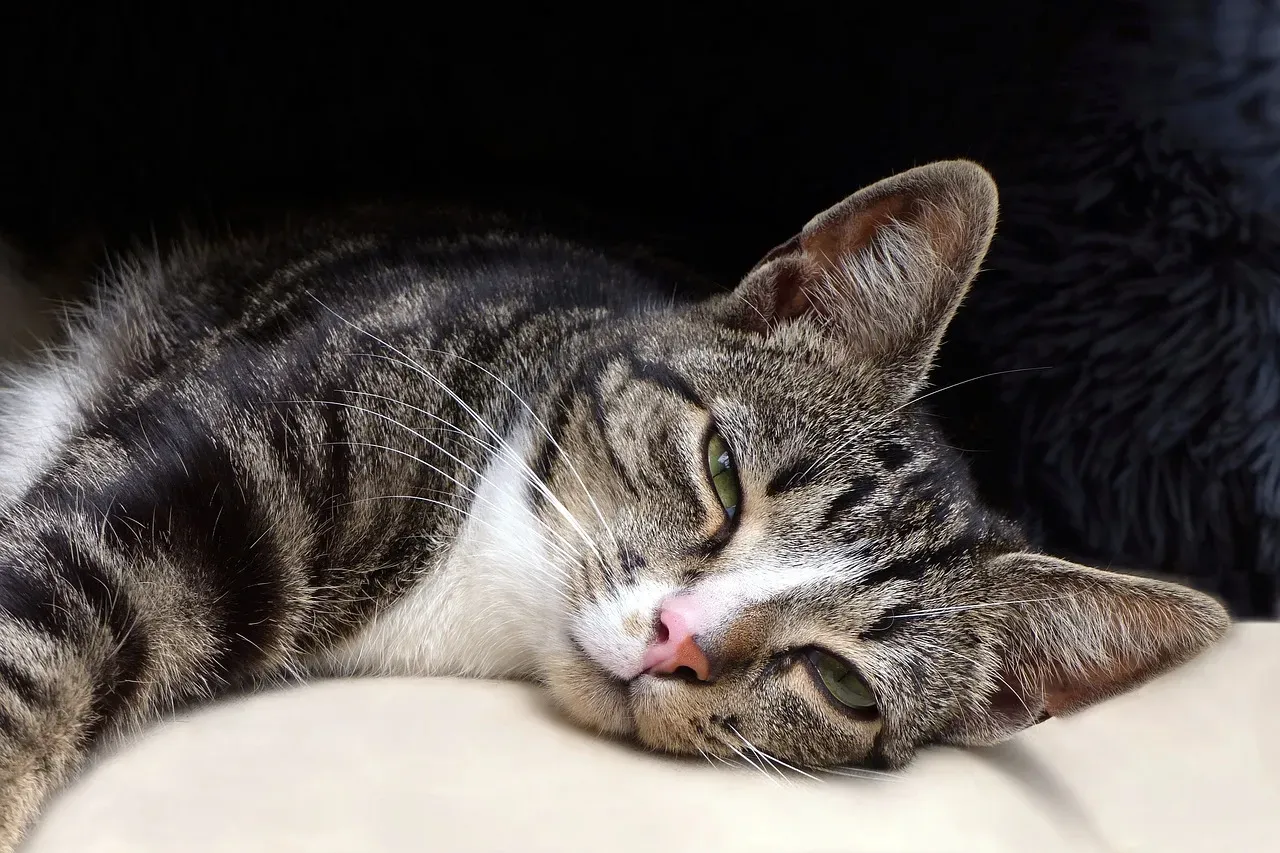
If you’ve spent any time around cats, you’ve probably seen their ‘partially closed eyes’ facial expression accompanied by slow blinking. It’s similar to how human eyes narrow when smiling, and usually occurs when the cat is relaxed and content. That’s a beautiful comparison, isn’t it? Your cat doesn’t pull back its lips to smile the way you do. Instead, it uses its eyes. The slow blink is the feline version of a warm, genuine grin.
The slow blink resembles the Duchenne smile in humans – a genuine, eye-involved smile. The Duchenne smile, for context, is the kind that reaches the eyes, the one that researchers say can’t be faked. So when your cat slow blinks, it’s not performing. By shutting their eyes briefly in your presence, they demonstrate vulnerability and believe you’re not a threat. While cats may not express love the way we do, slow blinking comes pretty close as an emotional declaration. If your kitty is lounging nearby and gives you a slow blink, it’s likely they are relaxed and happy with both themselves and their environment – and with you.
Cats Didn’t Always Do This – The Domestication Connection
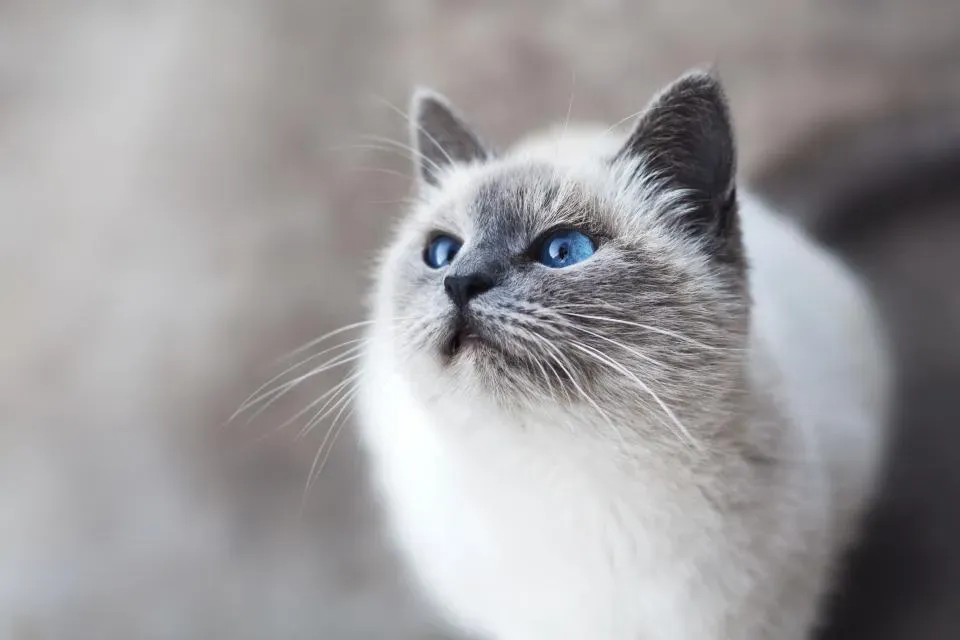
Cats began as solitary hunters who prowled for small rodents at dawn and again at dusk. About 10,000 years ago, farmers in the fertile crescent noticed that cats made terrific allies in the war on mice and birds. Cats became valuable; before long, they were sleeping by the hearth, and the family was sharing tidbits of food with them. Over all that time, something fascinating happened to feline communication.
As cats transitioned from wild creatures into valuable farm animals and finally to family pets, they developed new relational skills. In order to thrive, they had to start noticing their humans’ faces and learning to read social cues. Cats discovered the difference between safe and unsafe situations in a human-centered environment. In a way, they learned our unspoken language – and they learned to talk back to us in theirs. The slow blink may well be one of the most elegant results of that thousands-of-years-long conversation.
You Can Slow Blink Back – And It Actually Works
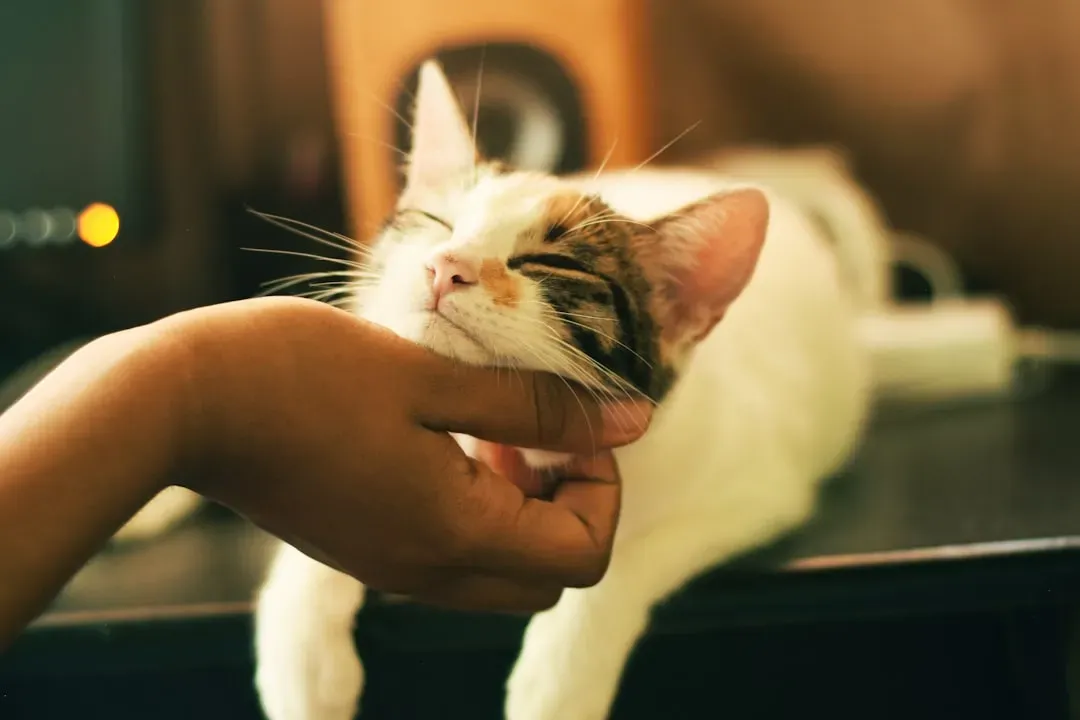
This is where things get genuinely exciting. You don’t just have to receive the slow blink. You can give one. Learning to slow blink can be helpful if you’re approaching or trying to bond with a nervous, scared, or stressed cat. To slow blink at your cat, it’s as simple as doing what cats do: choose a cat you feel comfortable around and want to bond with. From there, the process is surprisingly gentle and intuitive.
Try narrowing your eyes at them as you would in a relaxed smile, followed by closing your eyes for a couple of seconds. You’ll find they respond in the same way themselves, and you can start a sort of conversation. A conversation without a single word spoken. If your cat looks uncomfortable – eyes wide open with big, dilated pupils – don’t try to slow blink. Dilated pupils mean your cat is gathering information because they feel threatened. Be gentle with your eye contact to keep your cat feeling safe and relaxed.
The Slow Blink in Shelters: A Small Gesture That Changes Lives
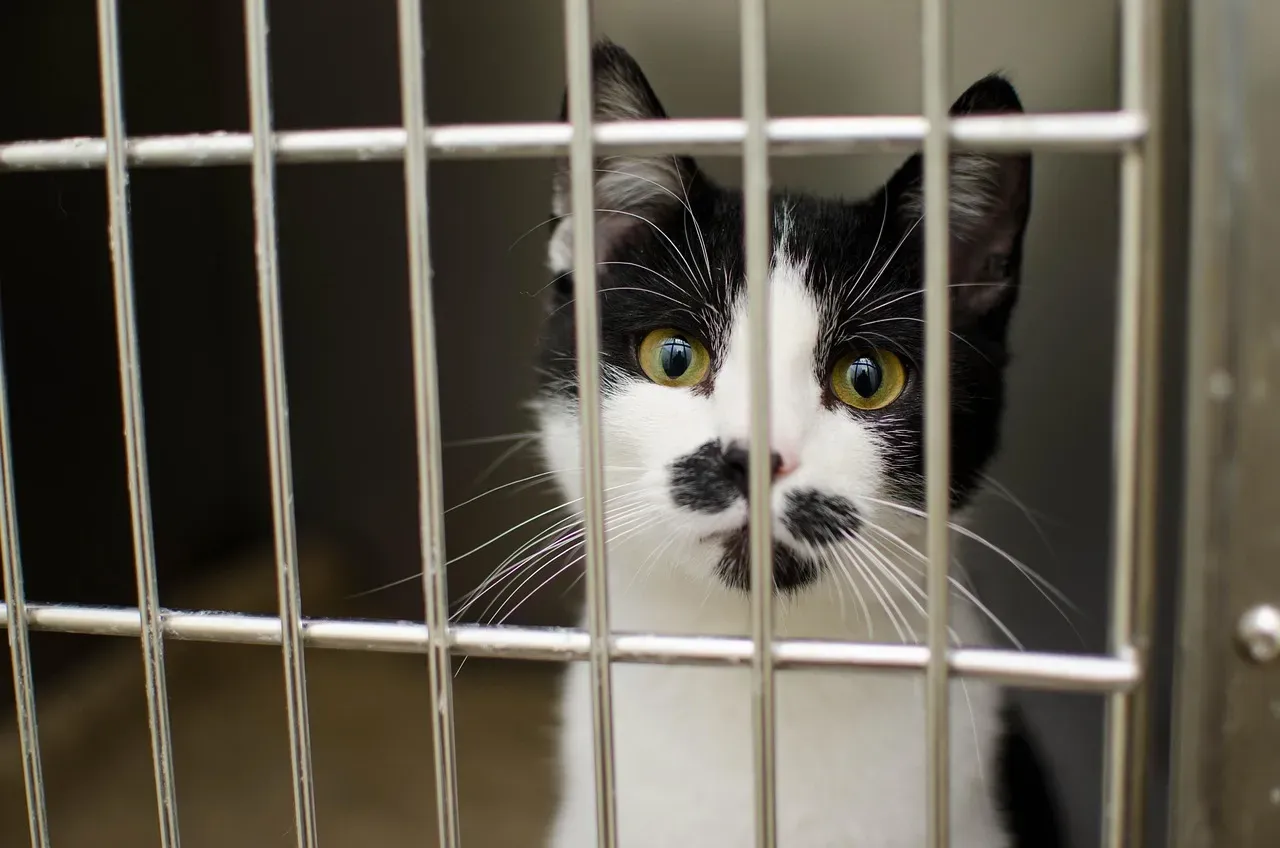
Here’s something that might genuinely move you. Researchers tested whether the slow blink could matter in shelter environments, where cats often sit in small enclosures waiting for someone to take them home. The findings were quietly remarkable. Cats that responded to human slow blinking by using eye closures themselves were rehomed quicker than cats that closed their eyes less.
This suggests that the use of slow blinking may have given cats a selective advantage during the domestication process. Furthermore, cats that were identified as more anxious around humans upon arrival at the shelter had a tendency to spend more time producing slow blink sequences. So even the nervous ones, the cats crouched at the back of the cage, were still trying to communicate in the only gentle way they knew how. If that doesn’t soften your heart a little, nothing will.
When a “Slow Blink” Isn’t Actually One – Know the Difference
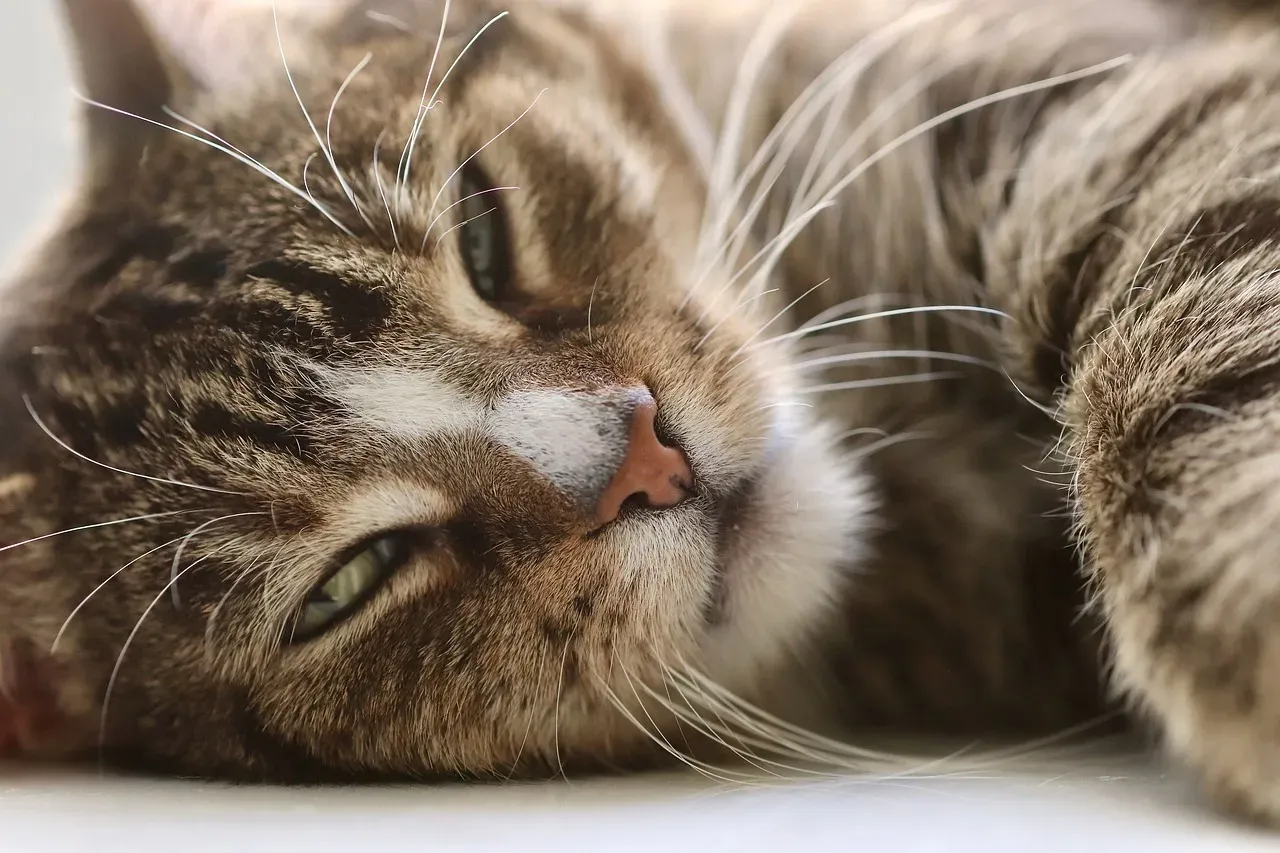
Let’s be real: not every squinty eye moment is a love letter from your cat. It’s important to know the difference between a genuine slow blink and a sign that something might be wrong. A cat’s slow blinking doesn’t always communicate trust or affection. That’s because what looks like a slow blink is actually a squint, which generally means your pet is experiencing pain, discomfort, or injury.
Conjunctivitis is the most common eye disorder in cats, simply an inflammation of the mucus membrane on the outer edge of the eye. Besides squinting, cats may have red eyes, discharge, or a runny nose. Context is everything. A relaxed, lounging cat blinking slowly while gazing at you from a sunny windowsill? That’s love. A cat repeatedly squinting in one eye while showing other signs of discomfort? That’s a vet appointment waiting to happen. Trust your instincts, and when in doubt, get it checked out.
How to Build a Relationship Where Slow Blinks Become Frequent
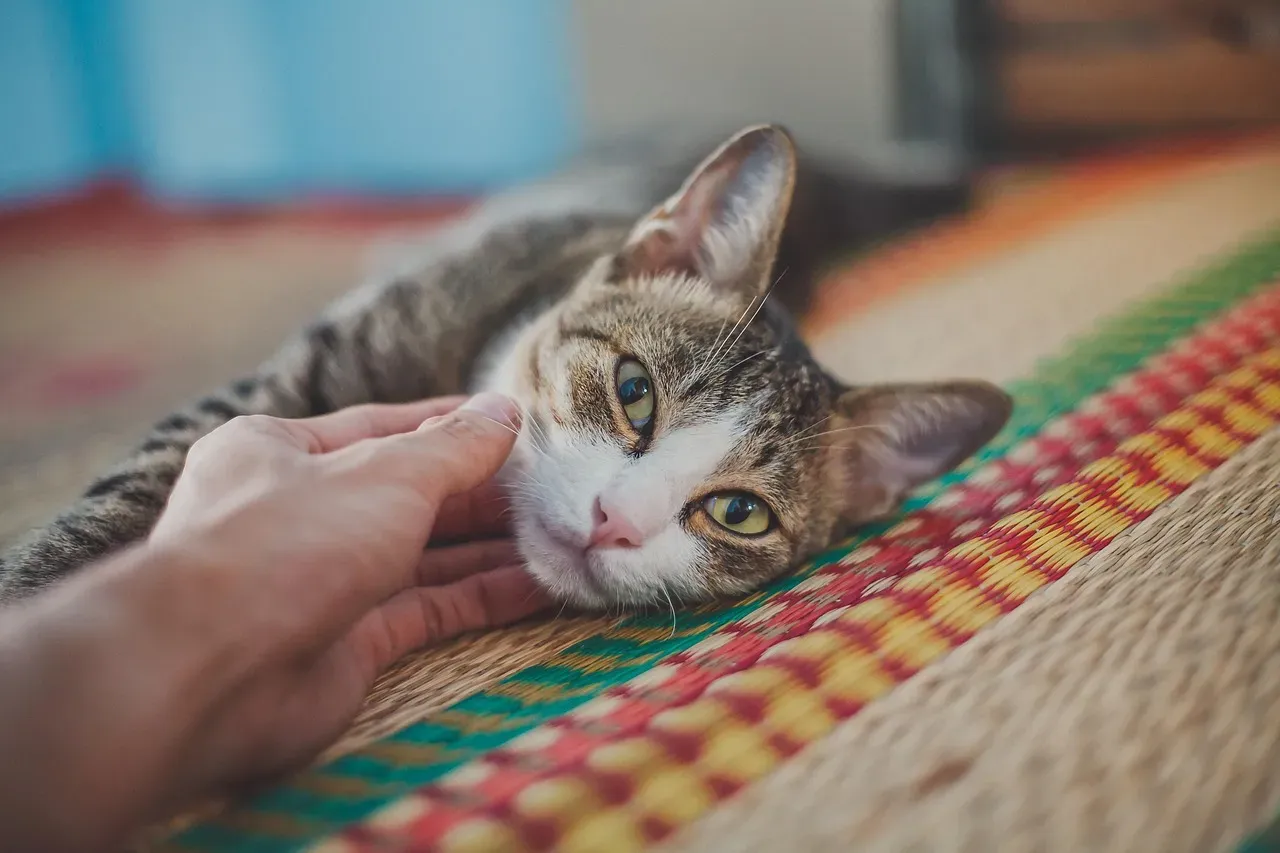
Unlike dogs, which are pack animals and have a more straightforward social structure, cats are more independent creatures that form complex social hierarchies. This means that trust and affection are earned rather than given freely, making the slow blink a valuable indicator of your cat’s feelings towards you. You can’t rush this. Think of it less like training a dog and more like befriending a very particular, very intelligent colleague who values personal space.
Providing a consistent and predictable routine helps, since cats thrive on routine and predictability, and maintaining a consistent schedule for feeding, playtime, and other daily activities can create a sense of security and trust. It’s also essential to respect your cat’s personal space and allow them to approach you on their terms. A rescue cat may take weeks or months before offering its first slow blink. Conversely, a well-socialized kitten raised in a nurturing home might begin slow blinking within days of meeting a new person. Patience isn’t just a virtue here – it’s practically the whole strategy.
Conclusion: The Language Has Always Been There
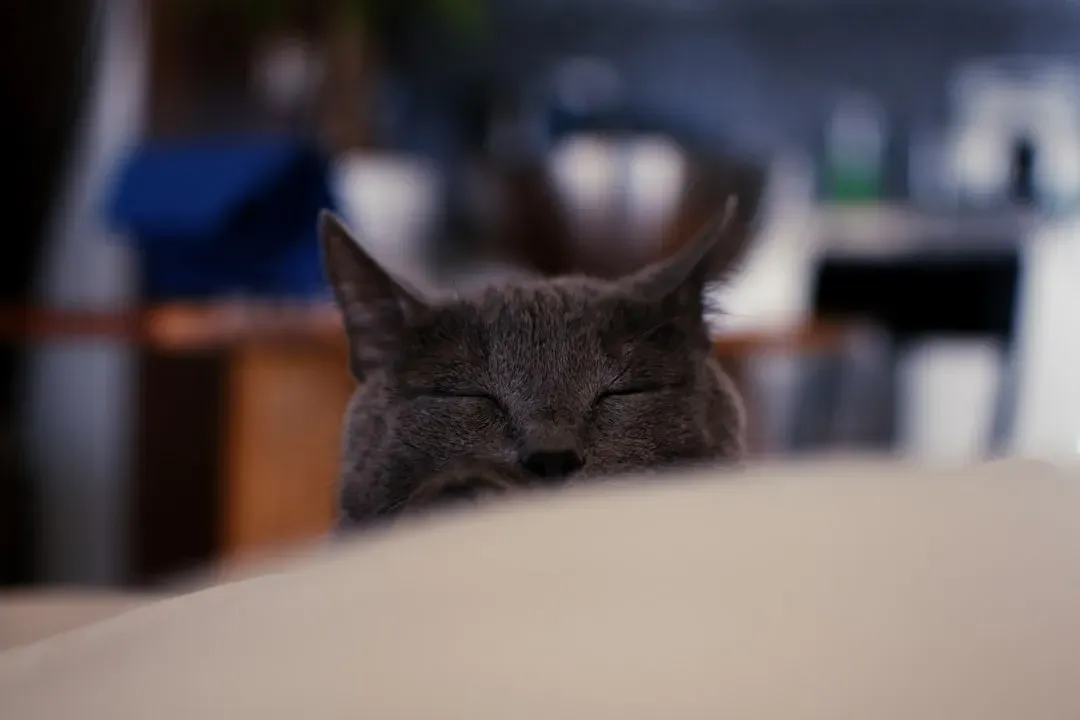
There is something quietly extraordinary about the idea that you and your cat have been holding wordless conversations all along, and you may not have even realized it. That lazy, half-closed blink you’ve been dismissing as your cat being sleepy or uninterested? It was the opposite. It was intimacy. It was trust, made visible.
Research highlights something deeper: cats are far more socially aware than many people assume. Understanding positive human-cat interactions can improve public perceptions of cats and enhance their overall well-being. Interpreting their nonverbal cues gives us insight into the social intelligence of cats, an area still full of unanswered questions and exciting possibilities. So the next time your cat looks over at you from across the room and offers that slow, dreamy blink, don’t just smile and scroll past it. Blink back. Gently. Slowly. You’re not just communicating. You’re speaking a language that took 10,000 years to develop between two very different species – and honestly, it might be the most honest one either of you has ever spoken.
Have you ever tried slow blinking back at your cat? What happened? Tell us in the comments – we’d love to hear your story.