Indianapolis – A wary long-haired black cat emerged from the shadows of a community cat colony, drawn back repeatedly by consistent kindness until he revealed his affectionate nature indoors.
A Shy Newcomer Joins the Colony
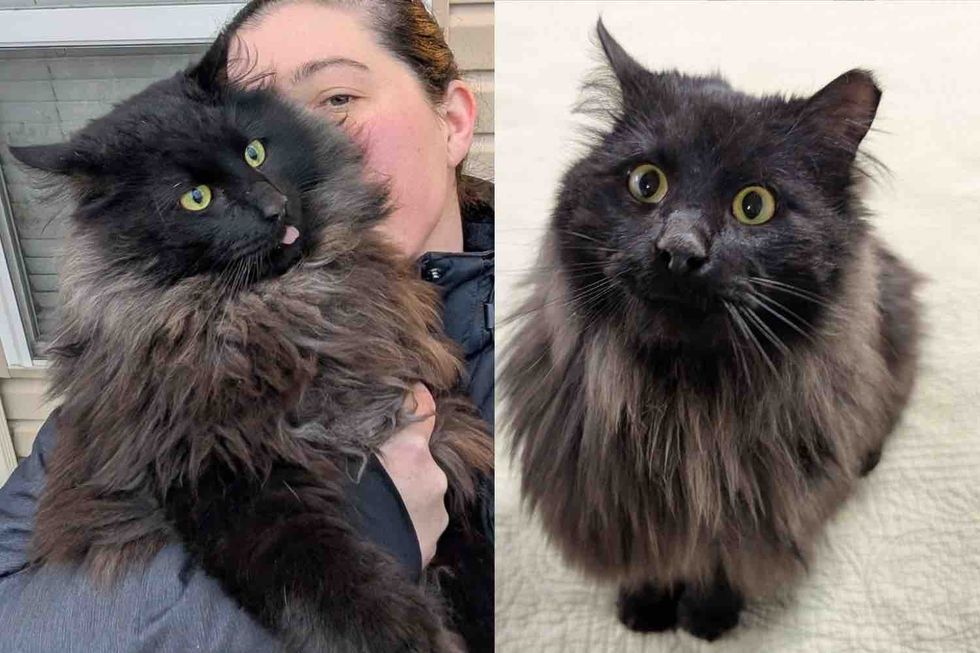
About a year ago, a fluffy black cat appeared among the familiar faces of a managed outdoor cat group in Indianapolis. He arrived hungry and hesitant, keeping his distance from both the resident cats and the humans who cared for them. Kelsey, a dedicated volunteer supporting community cat initiatives, noticed his unfamiliar presence right away. The cats in the colony received regular meals, medical checkups, and sterilization to control the population, but this newcomer stood apart, blending into the group yet clearly not belonging.
His initial wariness showed in every cautious step. He accepted food but fled at the slightest approach, a sign of past hardships on the streets. Over time, however, small changes emerged as Kelsey maintained her routine feedings without pressure. The cat began lingering longer after meals, his eyes less guarded each day.
Disappearance and a Joyful Return
After several months of gradual warming, the cat vanished without a trace, leaving Kelsey scanning the colony at every visit. Feedings continued for the others, but the absence of that distinctive fluffy form weighed on her. Nearly four months passed with no sign, raising concerns about his survival amid urban challenges.
Then, one routine afternoon, he reappeared, bolder than before. Rain or snow made no difference; he showed up daily, rubbing against Kelsey’s legs and eagerly awaiting his share of kibble. This persistence marked a turning point, as he now sought out her presence rather than avoiding it. Gentle pets followed, met with purrs instead of retreat, revealing a playful side hidden beneath his initial timidity. Kelsey named him Olive, fitting for his deepening bond.
Winter’s Call to Action
As colder weather arrived, Olive’s long fur tangled into mats, a clear signal that outdoor life had taken its toll. Kelsey recognized the risks of leaving him exposed to the elements any longer. With an unused room available from her fostering efforts, she decided to transition him inside, prioritizing his safety over his familiar routine.
The move proved challenging at first. Carried in a carrier, Olive voiced his protests loudly upon arrival, then hid under a bed for hours. Yet, once he emerged, familiarity took over; he resumed rubbing against Kelsey and even exposed his belly for scratches. This quick adjustment highlighted the trust they had built outdoors.
Embracing Indoor Comfort and Companionship
Inside, Olive quickly claimed spaces as his own, from couch cushions to Kelsey’s lap. His kneading paws and contented stretches became daily sights, a far cry from his street days. A vet examination revealed old scars from rough encounters, but with grooming, his coat regained its softness, free of knots.
Integration with the household proceeded carefully. Resident dogs and cats observed from afar at first, with introductions paced to avoid stress. Olive adapted to the sounds of home life, showing curiosity rather than fear. He now spends evenings curled nearby, watching television or simply resting close, fully immersed in the security he once sought.
Key Takeaways
- Patience in feeding and gentle interactions can break through a stray cat’s defenses, fostering deep trust over time.
- Bringing community cats indoors during harsh weather saves lives and allows their true personalities to flourish.
- Volunteers like Kelsey play a vital role in urban cat welfare, combining TNR efforts with opportunities for adoption or sanctuary.
Olive’s story underscores the rewards of persistent compassion in animal rescue, transforming a once-elusive stray into a devoted companion. What experiences have you had with community cats? Share in the comments below.