Roux, the plucky two-legged cat born without front legs, captured national attention after her previous owners abandoned her over her quirky litter box habits. This resilient feline, now thriving in a forever home, turned heads with her determination and charm. Her story exposes harsh realities in pet care while celebrating the power of second chances.
Rescuers stepped in just in time, connecting her with adoptive parents who saw past the challenges. What unfolds next challenges everything we think we know about special-needs pets. Let’s dive into how Roux flipped the script on abandonment.
The Heartbreaking Backstory of Roux’s Abandonment
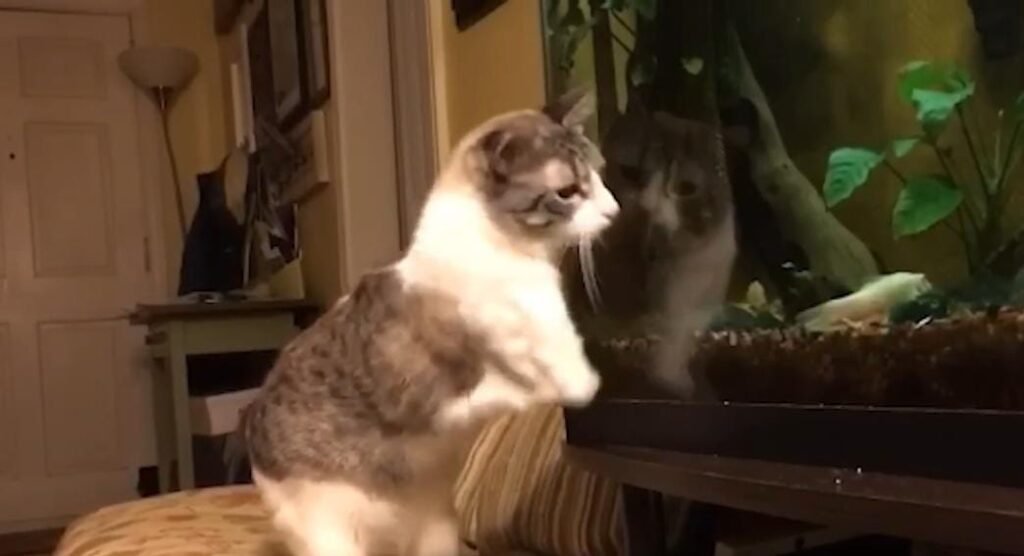
Roux faced a tough start when her original owners left her behind, citing struggles with her unique litter box routine. Born without front legs, she relies on powerful hindquarters and tiny nubs for everything from hopping around to handling her business. This case underscores a disturbing pattern where physical disabilities lead to pet relinquishments, often fueled by owner misconceptions.
Animal welfare advocates point out that many such abandonments stem from a lack of understanding about these animals’ capabilities. Roux’s survival instincts kicked in early, proving she’s no ordinary cat. Her rescue marked the beginning of a remarkable turnaround.
Roux’s Ingenious Ways to Get Around
Despite missing her front legs, Roux moves with a hopping motion powered by her strong back legs and nubs that serve as makeshift paws. She applies this same creativity to her litter box, maneuvering with impressive precision and independence. Veterinarians praise these adaptations as prime examples of cats’ natural problem-solving skills.
Her agility inspires pet owners everywhere, showing that tailored environments make all the difference. Here’s the thing: watching her conquer daily hurdles reminds us how underestimated these animals truly are. Roux doesn’t just survive; she excels.
New Parents Open Up About Instant Love
Roux’s adoptive parents shared their joy in a recent chat with Dodo producer Brielle, describing an immediate bond with the spirited cat. They noted how her nubs make every achievement heart-meltingly adorable. To support her, they outfitted their home with ramps, low platforms, and a custom litter setup.
Gentle play sessions now fill their days, building trust and playing to her strengths. These caregivers emphasize how Roux has transformed their lives, pushing back against outdated ideas about pet care. Their story fuels a shift toward more inclusive adoptions.
Real Challenges in Caring for Special-Needs Cats
Two-legged cats like Roux require mobility aids, specialized vet care, and litter modifications to thrive. Shelters report adoption rates for these pets run about 30 percent lower than for typical cats, largely due to owner inexperience. Yet, with guidance, 85 percent of such adoptions succeed long-term.
Roux’s family turned to orthopedic experts and enrichment toys, boosting her confidence noticeably. Let’s be real: these hurdles demand creativity, but the rewards far outweigh them. Their experience debunks myths and invites more families to step up.
Waves of Support and Broader Impact
Roux’s tale exploded online, sparking donations of custom wheelchairs and pro bono vet visits from the community. Social media buzz includes tips for nub-friendly toys and accessible homes, driving adoption inquiries at shelters. In the U.S., over 6 million cats enter shelters yearly, many due to physical or behavioral mismatches.
Advocacy groups use stories like hers to push for better education and policy changes, such as subsidies for adaptive gear. This momentum signals real change for disabled pets everywhere. Roux’s journey normalizes their place in loving homes.
Final Thought
Roux’s triumph from abandonment to scampering joy proves love and practical tweaks rewrite tough stories. Her nubs symbolize untapped potential in every special-needs pet. What adaptations would you make for a cat like her? Share in the comments.
Source: Original YouTube Video