Social media platforms overflow with hyper-realistic images and videos of wildlife that artificial intelligence produces at unprecedented speed and scale.
Shifting Views on Animal Behavior
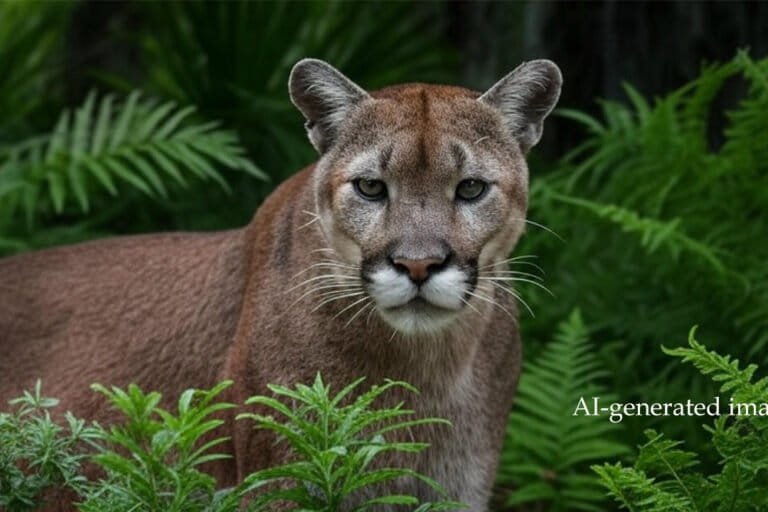
Experts observed that fabricated depictions often place animals in impossible settings, such as a tiger amid African landscapes teeming with giraffes and zebras.
These visuals convinced many viewers of scenarios that defied biology and geography. Lions appeared in regions devoid of their presence. Leopards prowled urban malls. Eagles snatched children in flights that physics rendered unlikely. Such content blurred lines between fact and fiction for casual observers.
Researchers highlighted similar issues in videos, where predators frolicked with prey or wildlife mimicked human antics on trampolines. This anthropomorphism fostered misconceptions about species traits and habitats.
Triggering Harmful Human Responses
False images amplified fears in communities already facing predator conflicts. Farmers mistook fabricated sightings for threats and targeted unrelated animals in retaliation.
Conversely, charming portrayals of wild creatures as docile companions spurred demand for exotic pets. Videos depicted leopards yielding to house cats or raccoons riding crocodiles, normalizing unsafe interactions. Conservationists warned that these trends exacerbated illegal trade and endangered populations further.
- Exaggerated attacks inflamed local anxieties and prompted unnecessary culls.
- Sentimental scenes boosted pet markets for vulnerable species.
- Implausible behaviors misled children, disconnecting them from authentic nature.
- Abundant fake sightings suggested thriving populations, dulling urgency for protection.
Straining Conservation Resources
Agencies expended effort debunking viral falsehoods and fielding inquiries about nonexistent events. Genuine camera trap footage and field records faced growing skepticism as audiences questioned all wildlife media.
Yet artificial intelligence offered benefits too. It processed massive datasets from remote sensors and detected poaching patterns efficiently. Platforms that prioritized clicks over verification accelerated the problem, rewarding sensational fakes.
Steps to Restore Clarity
Calls grew for consistent labeling of AI content across social networks. Conservation groups advocated publishing standards to verify shared material.
Educators pushed media literacy programs in schools to teach discernment between real and generated imagery. Influencers bore responsibility to pause before amplifying dubious posts.
| Challenge | Proposed Solution |
|---|---|
| Misinformation spread | AI labeling mandates |
| Public skepticism | Media literacy education |
| Resource drain | Verification standards |
Key Takeaways
- AI fakes distort perceptions, fueling conflicts and pet trade.
- Trust in real evidence declines, burdening conservation work.
- Balanced use of AI tools can counter harms through labeling and education.
Wildlife protection hinges on accurate shared realities, yet unchecked AI imagery chips away at that foundation. Conservationists urged vigilance to safeguard both nature and public understanding. What steps do you take to spot fake wildlife content? Share in the comments.