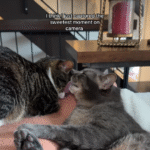
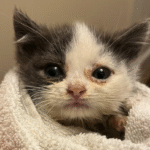
A heated political debate has erupted in Almeria over how the city should manage its wild cat populations. The ruling Popular Party’s plan to concentrate cat colonies in just a few key areas has drawn sharp criticism from Socialist opposition councillors who call the policy “absurd” and poorly thought out.
Socialist councillor Ines Plaza leads the charge against the current approach, arguing that the government shows a fundamental misunderstanding of cat behavior and community needs. She believes Almeria should follow the example of other major European cities that have successfully integrated street cats into urban life rather than trying to relocate entire populations.
Why the Current Wild Cat Management Approach Is Failing

Image by pexels
Plaza argues that the Popular Party’s strategy betrays basic ignorance about cat behavior. The idea that entire wild cat populations can simply be moved to different areas without them returning shows a lack of understanding about how these animals operate in urban environments.
Cats are territorial creatures with strong attachment to their home ranges. Moving established colonies rarely works because cats will attempt to return to familiar territory, often facing dangers during their journey back. This approach also disrupts the delicate balance that many neighborhoods have achieved with their local cat populations.
Furthermore, concentrating large numbers of cats in confined areas can create serious problems. Overcrowding leads to increased disease transmission, territorial conflicts, and greater pressure on local food sources. These super-colonies become unsustainable without significant ongoing support and management.
Community-Based Solutions Work Better
Plaza advocates for embracing community-driven approaches that have proven successful elsewhere. She points to the hundreds of anonymous caregivers throughout Almeria who already help wild cat populations by providing food and arranging sterilization services.
The capture, sterilize, and release programs have gained support in many neighborhoods precisely because residents see the benefits. Sterilized cat colonies help control rodent populations without reproducing uncontrollably. This creates a win-win situation where cats serve a useful purpose while their numbers remain manageable.
Many European cities have developed successful models that Almeria could adopt. These approaches typically involve registering volunteer caregivers, providing veterinary support for sterilization programs, and establishing feeding stations in appropriate locations throughout the city.
The Problems with Relocating Wild Cat Colonies

Image by pexels
The council’s plan to move super-colonies to the city’s outskirts raises serious welfare concerns. These relocated cats would be largely left to fend for themselves in unfamiliar territory, potentially leading to higher mortality rates and increased conflict with wildlife.
Moving cats away from established food sources and shelter also places additional burden on already stretched animal welfare resources. Without the network of community caregivers who currently help sustain urban populations, these relocated colonies could face significant hardship.
Additionally, removing cats from central areas doesn’t address the underlying issues that created large populations in the first place. Without ongoing sterilization efforts and proper waste management, new cats will inevitably move into vacated territories.
Plaza fears that creating giant relocated colonies will destroy years of good work by community volunteers and neighborhood groups. Instead, she suggests building on existing successes by supporting current caregivers and expanding proven programs.