Animal Behavior Says Cats Who Groom Themselves After Being Petted May Be Responding to More Than a Messed-Up Coat
#1 The behavior is far more common than most owners realize
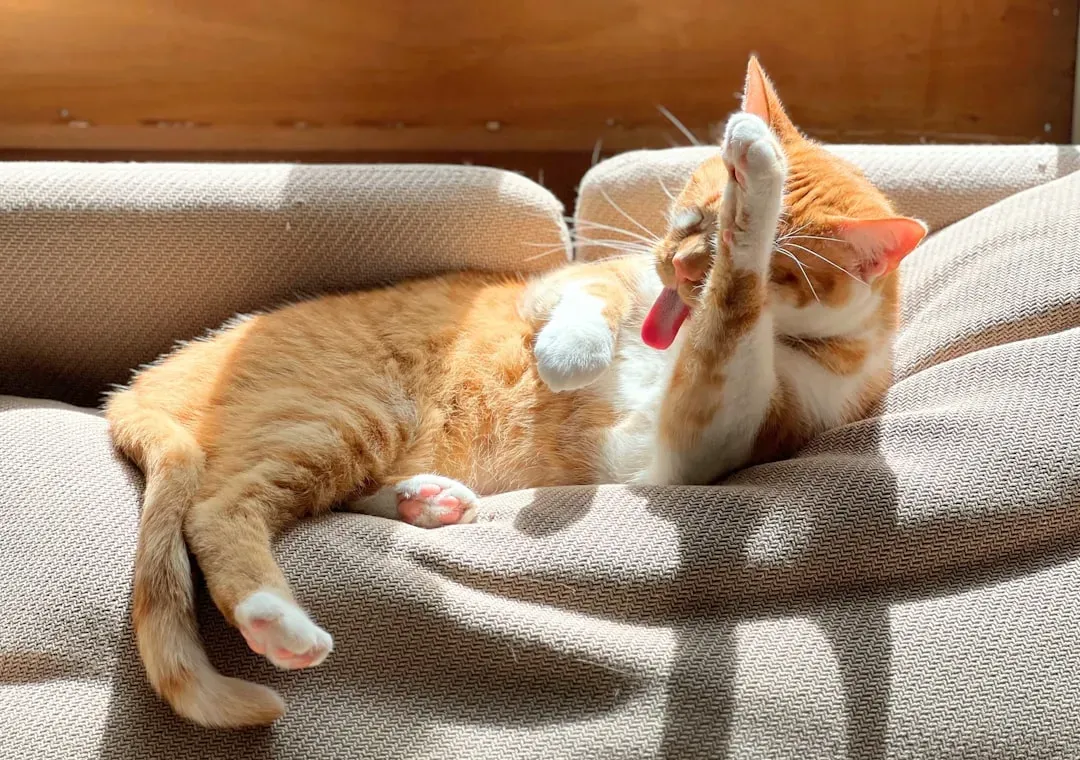
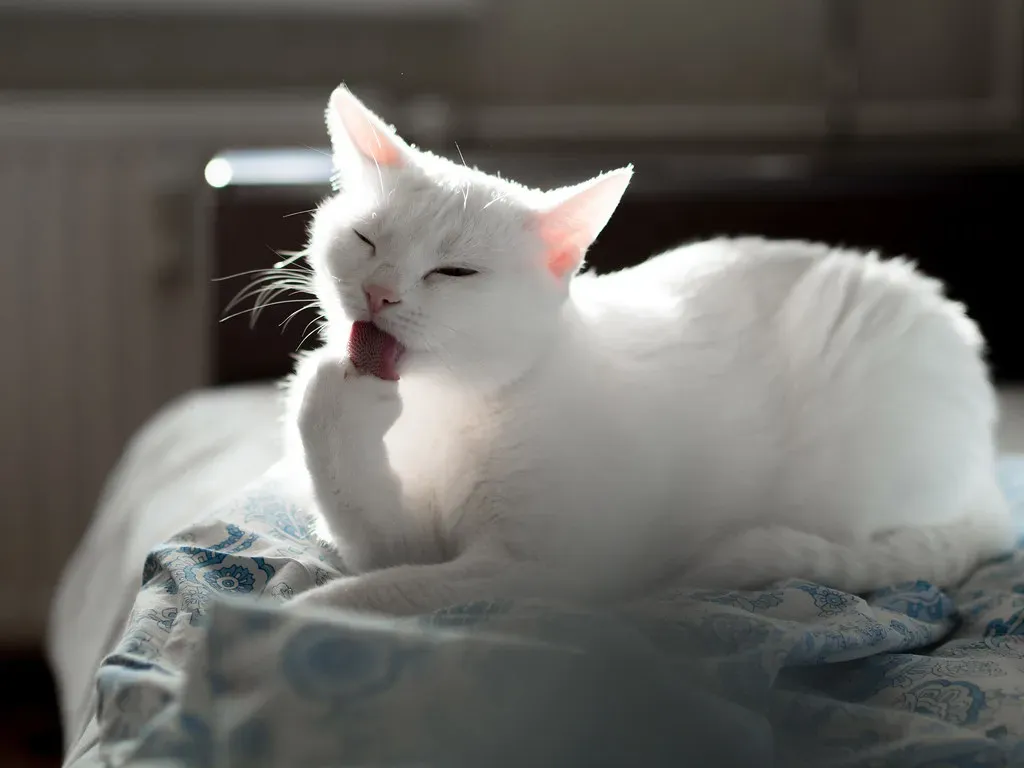
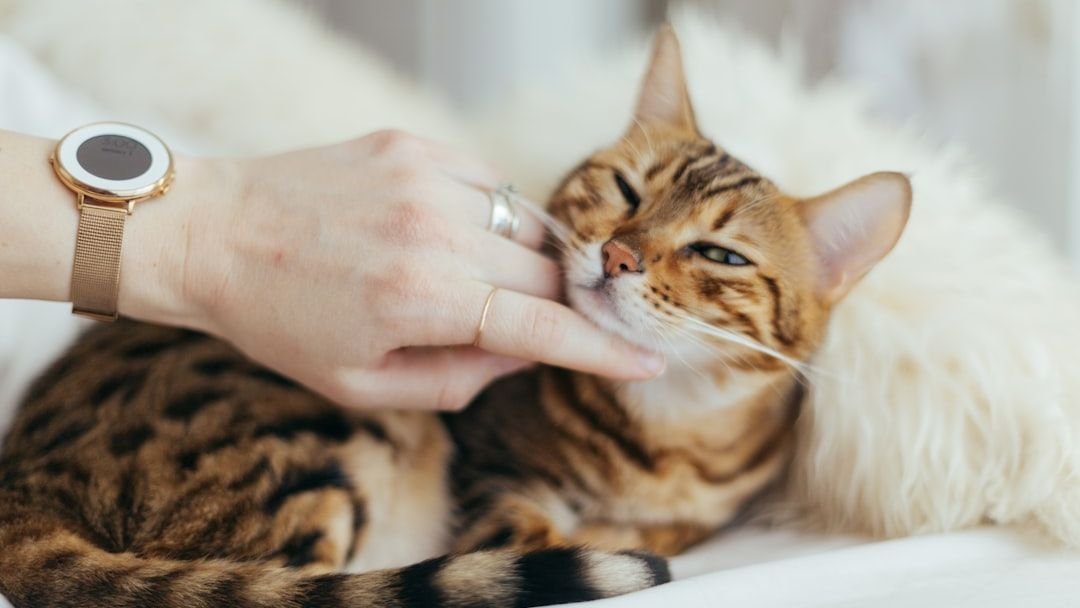
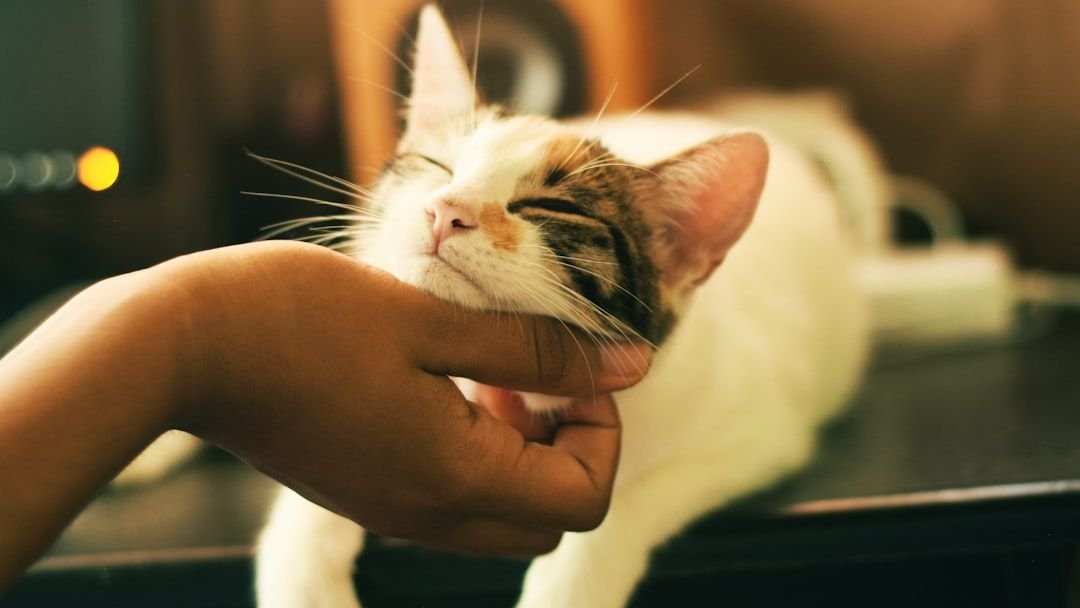
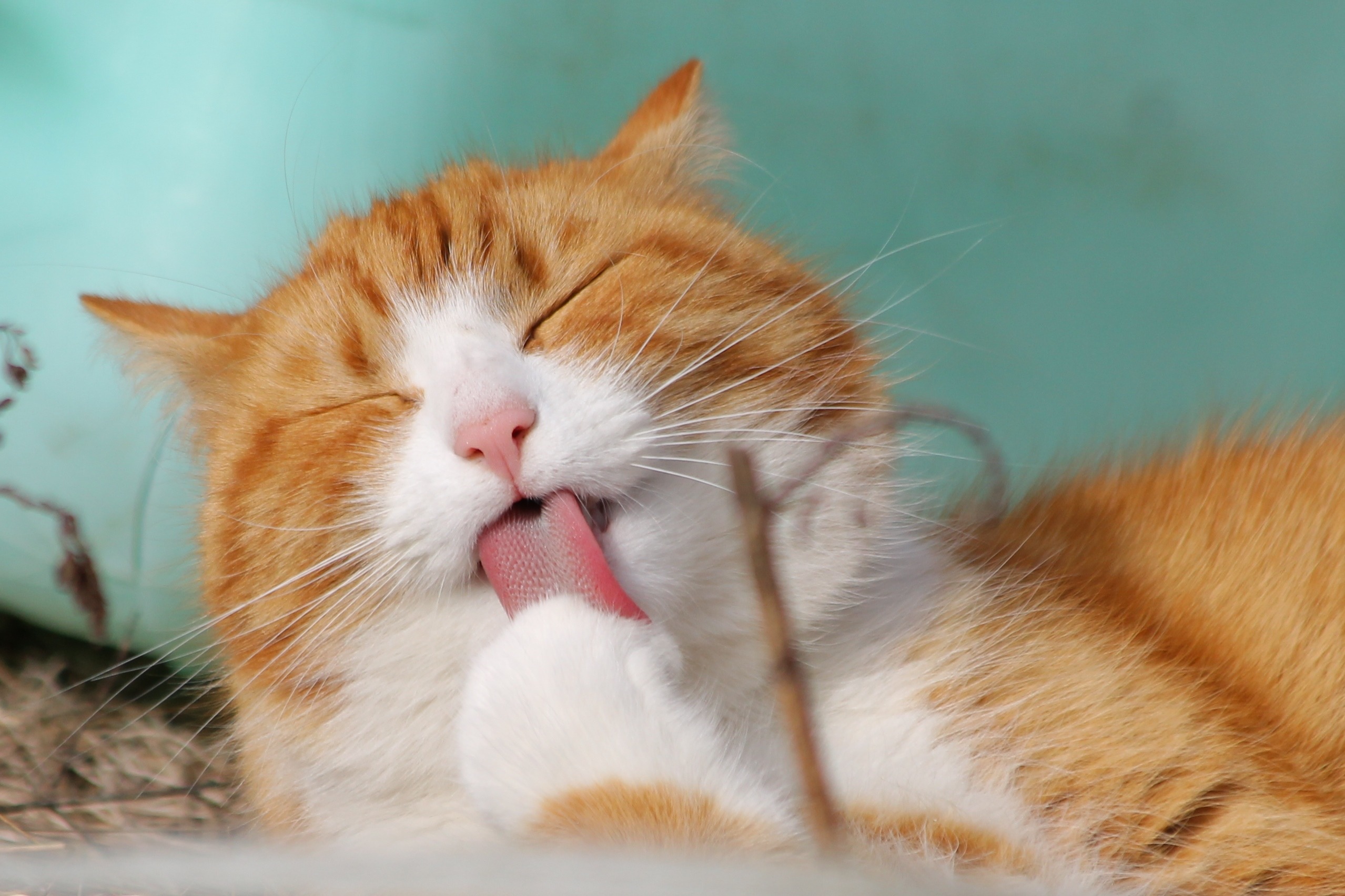
Ask around any cat forum or vet clinic waiting room and you'll hear the same story on repeat. A cat gets petted, seems to enjoy it, and then almost on cue starts grooming the exact spot that was just touched. It happens so consistently that behaviorists have given it its own vocabulary rather than treating it as a quirky one-off.
When cats frantically lick themselves after being petted, there are several reasons for this behavior, and many cat owners observe this pattern after being petted for no apparent reason. The consistency across so many households is part of why researchers started looking past the obvious explanation and digging into what the licking might actually represent emotionally.
#2 Scent transfer is the explanation everyone assumes first
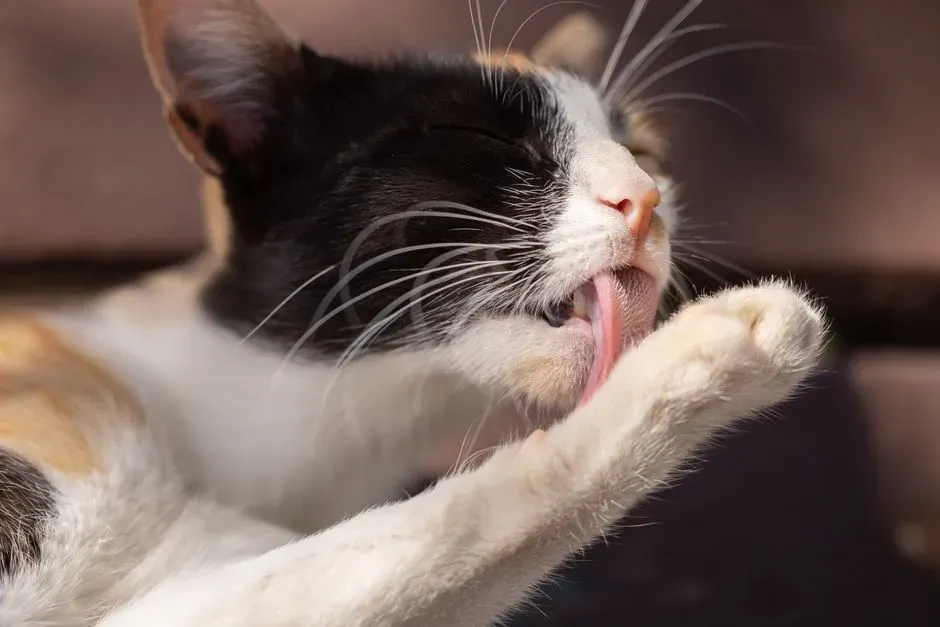
The most repeated theory, and probably the first one that comes to mind, is scent. Cats rely heavily on smell to navigate their world, and human hands leave a chemical trace behind after every petting session.
One of the primary reasons cats lick themselves after being petted is to remove the human scent from their fur, since cats rely heavily on their sense of smell, and when you pet your cat, you transfer your scent onto their fur, which they may feel the need to replace with their own familiar, comforting scent. It's a tidy explanation, and it's not wrong exactly, but more recent behavioral research suggests scent restoration is only part of the picture, not the whole story.
#3 Displacement behavior is where the science gets interesting
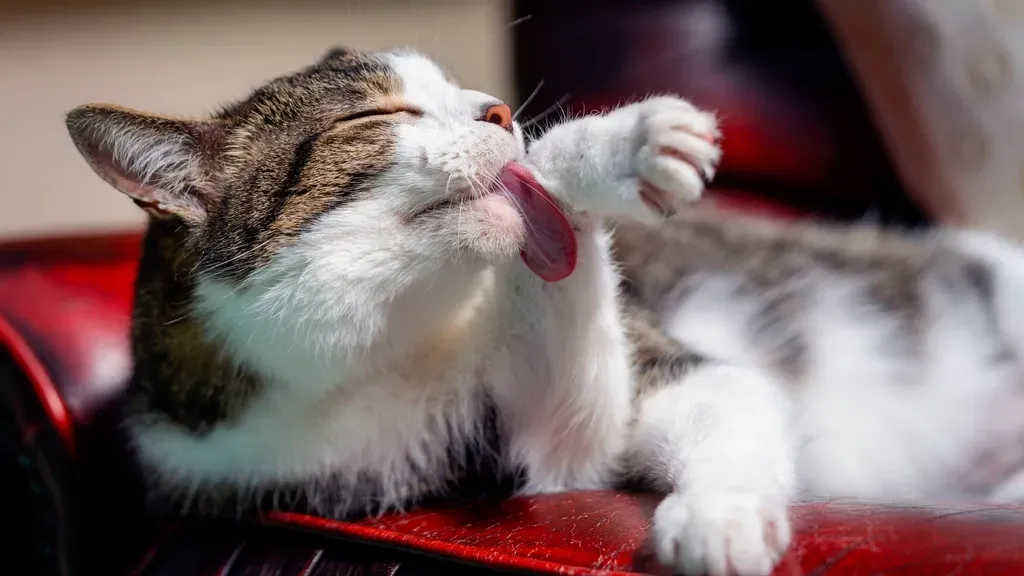
This is the part that surprises most people. Veterinary behaviorists use the term displacement grooming to describe licking that appears completely out of context, triggered not by a dirty coat but by an unresolved internal conflict.
Beyond normal maintenance purposes, grooming in dogs and cats may occur as a displacement behavior, performed out of context as a result of conflict, frustration, or anxiety in response to social or environmental stressors. In plainer terms, the cat isn't sure whether it wants more affection or wants to be left alone, and rather than choosing, it does something else entirely. When a cat is torn between responding with aggression or running away, it may displace into a seemingly unrelated behavior, such as self-grooming, as a way of reducing emotional tension.
#4 Sensory overload plays a bigger role than people think
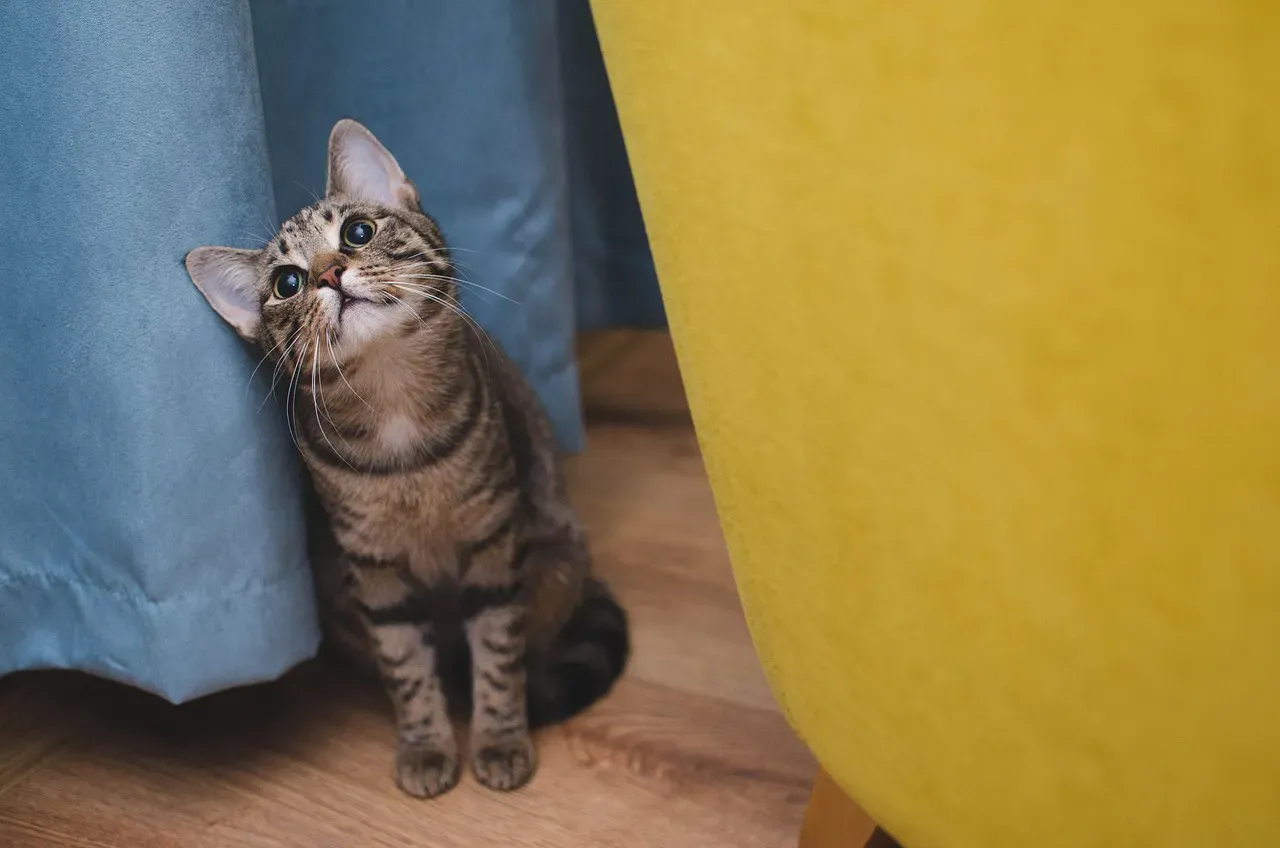
Cats are wired differently than dogs when it comes to touch tolerance, and their skin reflects that. Certain areas of a cat's body are almost overloaded with nerve endings, which is exactly why petting can flip from pleasant to too much within seconds.
A cat's skin is covered with dense nerve endings, particularly along the back, tail base, and abdomen, and these areas are rich in sensory receptors that make touch both pleasurable and potentially overwhelming. Once that threshold gets crossed, grooming becomes the reset button. The repeated motion is calming because licking releases endorphins that relax cats.
#5 It can function as a kind of emotional processing, not rejection
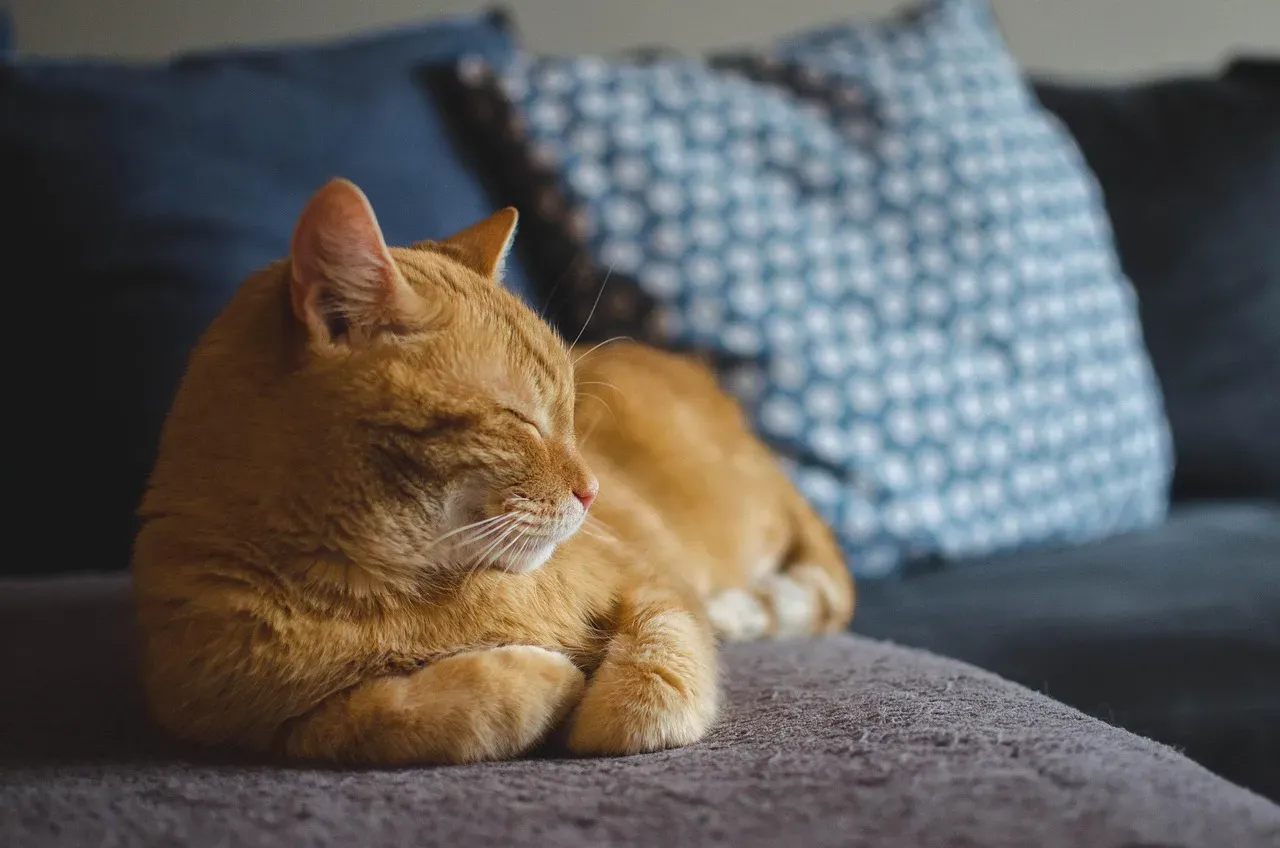
One detail that keeps showing up in behavioral write-ups is that the licking isn't a sign the cat disliked the interaction. It's closer to a pause button while the nervous system catches up with what just happened.
The cat is displaying completely normal behavior stemming from internal tension, wavering between finding the touch pleasant and finding it a bit much, and resolving that minor emotional conflict by resorting to a familiar behavior like grooming. Framed that way, the post-petting lick starts to look less like an insult and more like a cat quietly working through mixed feelings in real time.
#6 Context and frequency matter more than the behavior itself
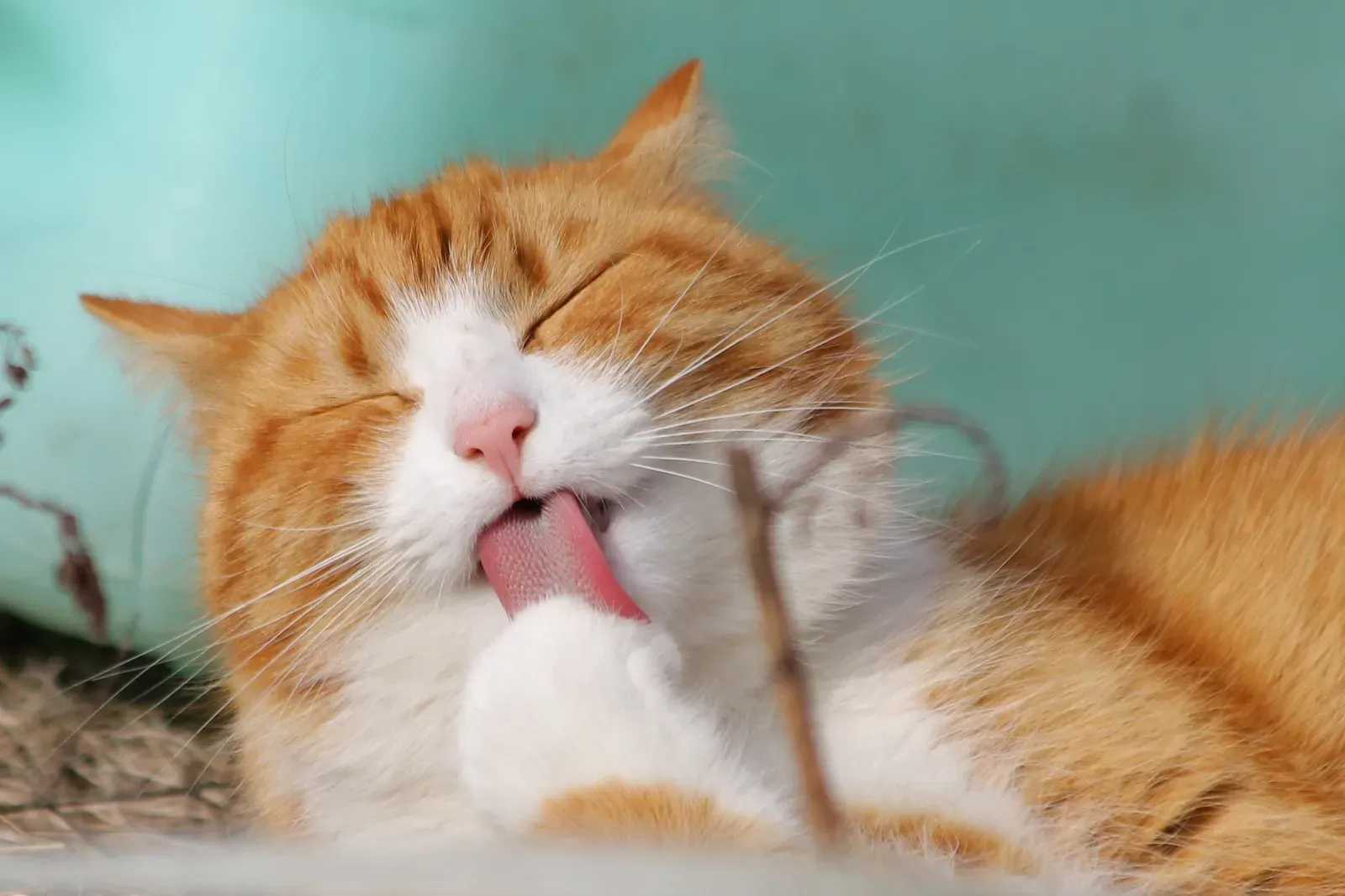
Occasional grooming after petting is considered normal and even expected in most healthy cats. The concern only shows up when the behavior becomes constant, aggressive in its intensity, or paired with other warning signs like flattened ears or skin twitching.
Displacement grooming is a normal adaptive response to transient stressors, however with recurrent or sustained stress, excessive grooming or over-grooming may result. Occasional displacement grooming is normal, but frequent occurrences could indicate anxiety or overstimulation, in which case reaching out to a veterinarian or animal behaviorist is worth considering. That distinction, between an occasional quirk and a repeated pattern, is really the line that separates normal cat behavior from something worth watching more closely.
#7 What this actually means for the way you pet your cat
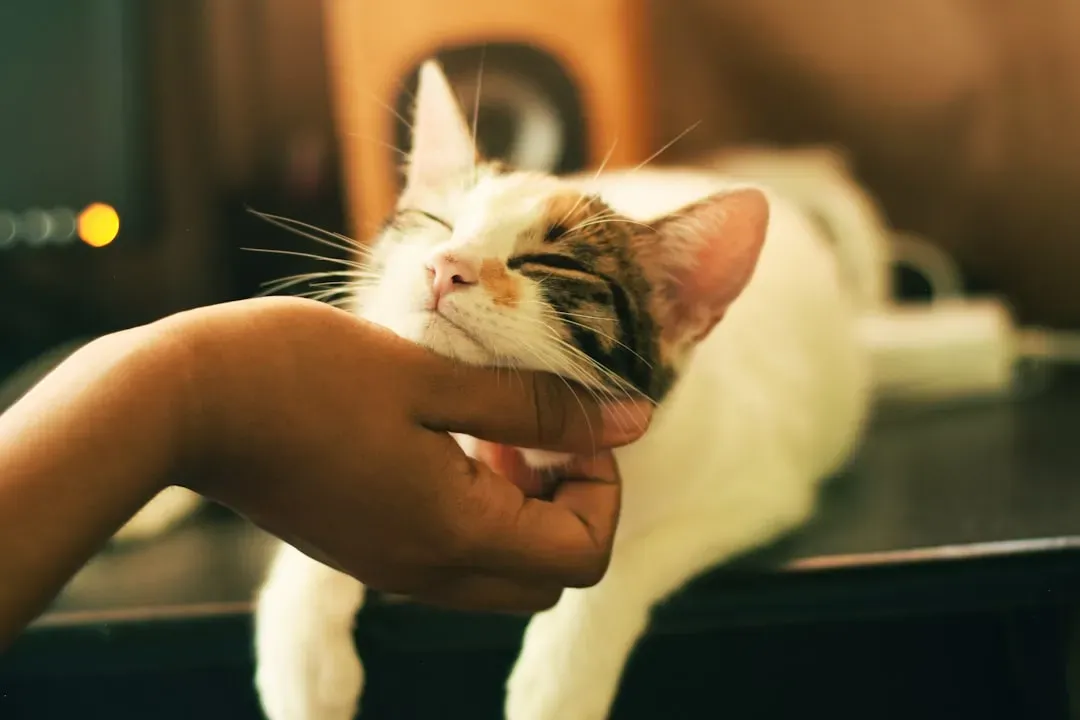
Once you know displacement grooming exists, the whole interaction starts to look different. It's not that your cat is rejecting affection outright, it's that touch is a more layered experience for them than it is for us, blending pleasure, stimulation, and mild uncertainty all at once.
Some cats groom themselves as an expression of comfort in a relaxing environment, but the opposite can be true too, since when nervous or distressed a cat may start grooming themselves as a displacement behavior. Reading the cat's body language in the moments right before the licking starts, tense versus loose, tail flicking versus tail still, tends to tell you far more than the grooming itself ever will.
Final Thoughts