9 Reasons Cats Investigate a Bag or Box the Moment It Enters the House
#1 Novelty Triggers Instant Curiosity
Cats are wired to notice change. In the wild, a shift in the environment could mean prey, danger, or an opportunity worth checking out, and that instinct hasn't faded just because the cat in question sleeps on a heated blanket. A bag or box appearing in a familiar space is an anomaly, something that wasn't there an hour ago, and the feline brain treats that anomaly as information worth gathering immediately.
This isn't random restlessness either. Researchers who study animal behavior often describe this as neophilia, an attraction to new objects that contrasts with the neophobia seen in some other species. Cats tend to approach unfamiliar objects cautiously but persistently, which explains why they'll sniff the edges of a box for a full minute before ever stepping inside.
#2 Boxes and Bags Carry a Flood of New Scents
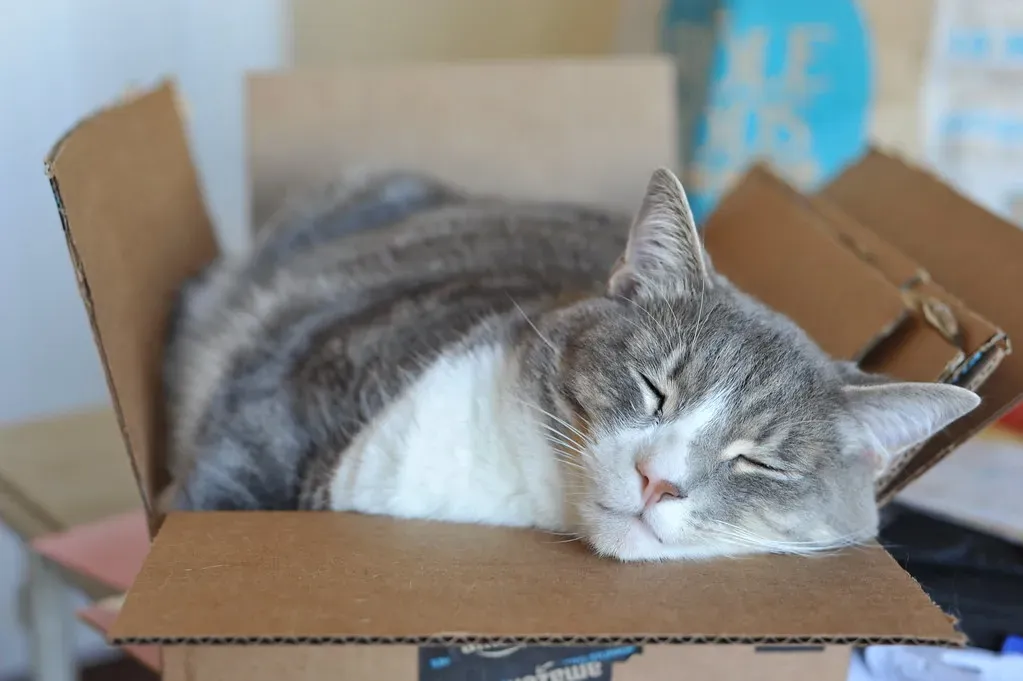
A cat's nose is a far more powerful tool than most people give it credit for, and a fresh box or bag is basically a scent report from the outside world. It might carry traces of the store it came from, the delivery driver's hands, other products it sat next to, or even outdoor air. For an indoor cat especially, that's a rare piece of the world beyond the living room, delivered right to their paws.
This scent investigation isn't just idle sniffing, it's closer to information gathering. Cats have a specialized organ called the vomeronasal organ, located in the roof of the mouth, that helps them process certain scent molecules in more detail. That slightly open-mouthed expression cats sometimes make while sniffing something new, known as the flehmen response, is often triggered by exactly this kind of novel object.
#3 Enclosed Spaces Feel Instinctively Safe
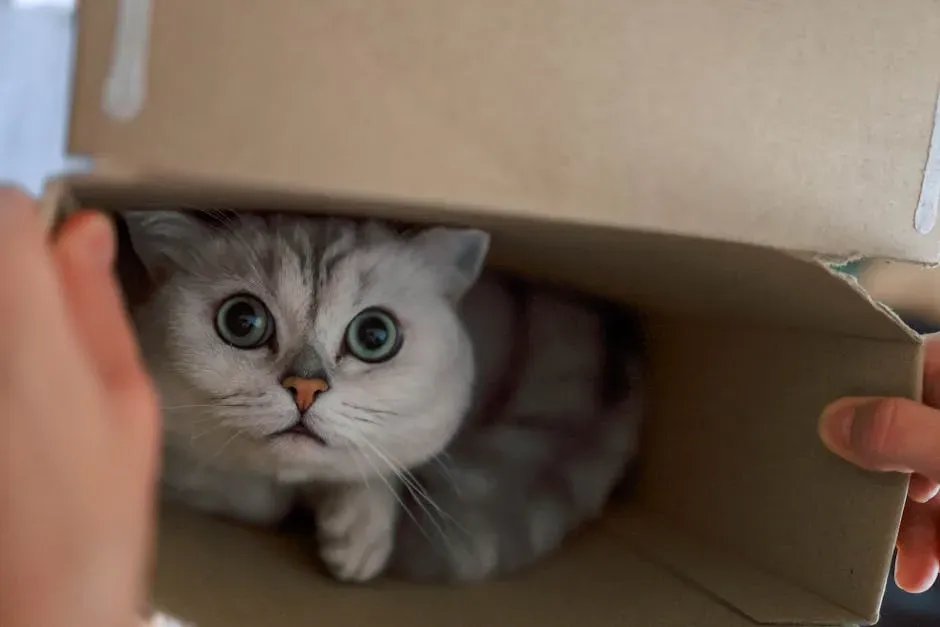
Once the sniffing is done, the climbing in usually follows, and that has less to do with curiosity and more to do with comfort. Cats are both predators and prey in the natural order of things, and tight, enclosed spaces give them a sense of security that open rooms simply don't offer. A box or bag mimics the kind of den-like shelter a cat might seek out in the wild to rest, hide, or watch for danger without being seen.
This is why a cat will often choose a flimsy cardboard box over an expensive cat bed sitting three feet away. The walls of the box provide physical boundaries on multiple sides, which reduces the number of directions a threat could come from. It's a small, simple structure, but from a cat's perspective, it checks a lot of survival boxes at once.
#4 It Satisfies a Deep Predatory Instinct
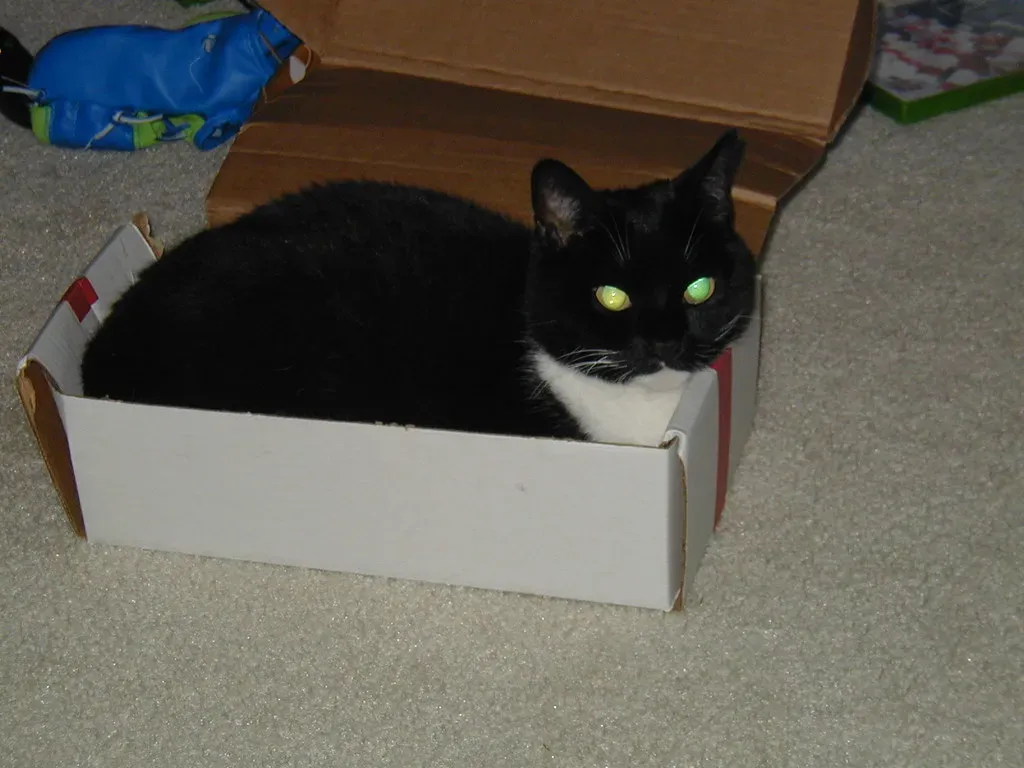
Cats are ambush hunters by nature, and that means they're drawn to spaces where they can crouch, wait, and observe without being seen themselves. A box sitting in the middle of the room is essentially a ready made hiding spot, perfect for watching household activity or planning a surprise pounce on a passing foot or another pet. Even cats who have never hunted a day in their life still carry these instincts fully intact.
This behavior is sometimes called predatory play, and it serves an important psychological function even for well fed, indoor cats. Investigating and entering a box lets a cat rehearse stalking, waiting, and pouncing behaviors in a low stakes way. It's not that different from a human doodling absentmindedly, the action itself is satisfying regardless of the practical outcome.
#5 New Objects Offer Mental Stimulation
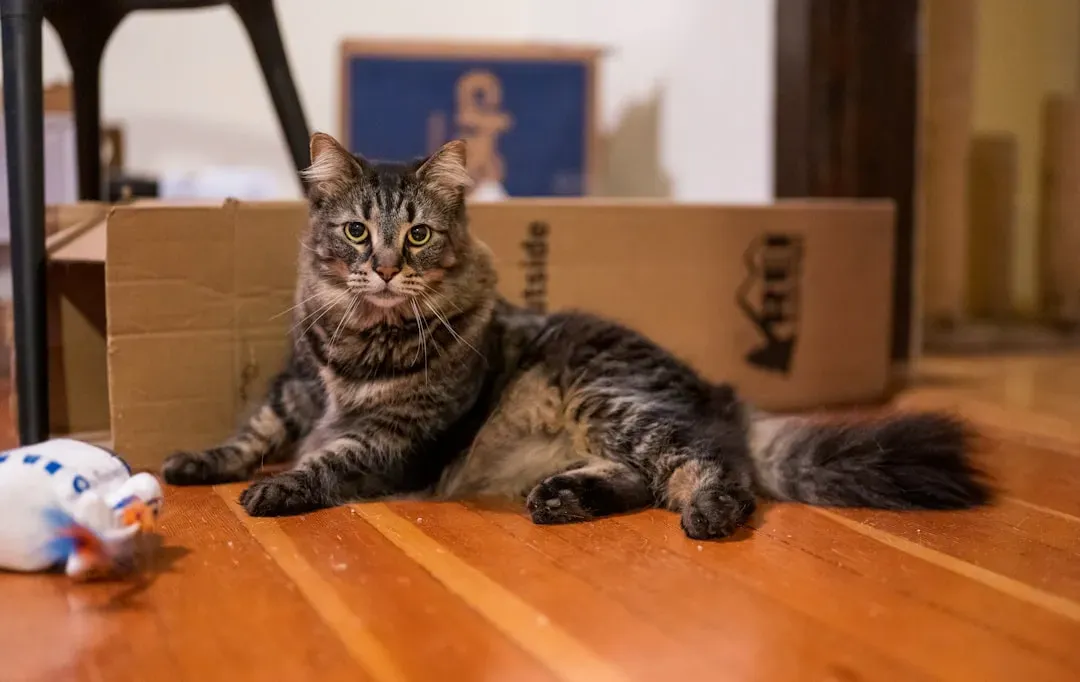
Boredom is a real issue for many indoor cats, and a new box or bag breaks up the monotony of an otherwise predictable day. Investigating something unfamiliar requires attention, problem solving, and a bit of physical coordination, all of which give a cat's brain something to chew on besides watching birds through a window. This kind of enrichment matters more than people often realize, since a lack of mental stimulation has been linked to stress and unwanted behaviors in cats.
Veterinary behaviorists frequently recommend novelty as a simple, low cost way to keep indoor cats engaged. A rotating stash of boxes, paper bags, or even shuffled furniture can mimic the kind of environmental variety a cat would naturally encounter outdoors. In that sense, the humble cardboard box is doing real enrichment work, not just providing a place to nap.
#6 Boxes Provide Warmth and Insulation
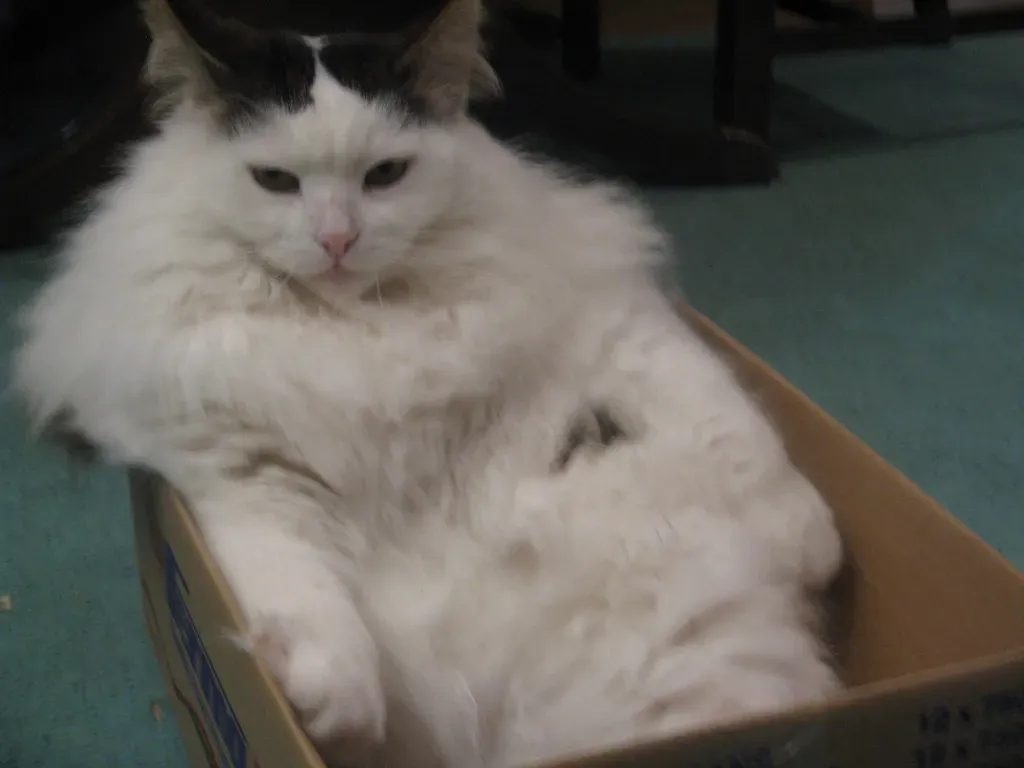
Cardboard is a surprisingly effective insulator, and cats, who prefer warmer temperatures than most humans find comfortable, tend to gravitate toward anything that traps heat. A study conducted by researchers at Utrecht University found that shelter cats given access to boxes showed lower stress levels compared to those without, and part of that effect is believed to be tied to the sense of warmth and enclosure boxes provide. The thin cardboard walls hold in body heat, creating a cozy little pocket that feels noticeably warmer than the open room.
This preference becomes especially obvious in colder months, when cats will seek out boxes near sunny windows or heating vents with almost predictable regularity. It's not just about temperature either, the combination of warmth and enclosure activates a kind of relaxation response. A cat curled into a tight ball inside a box is, in a very real sense, both warm and shielded, two things that matter a great deal to a small mammal.
#7 Investigating New Objects Is a Territorial Behavior
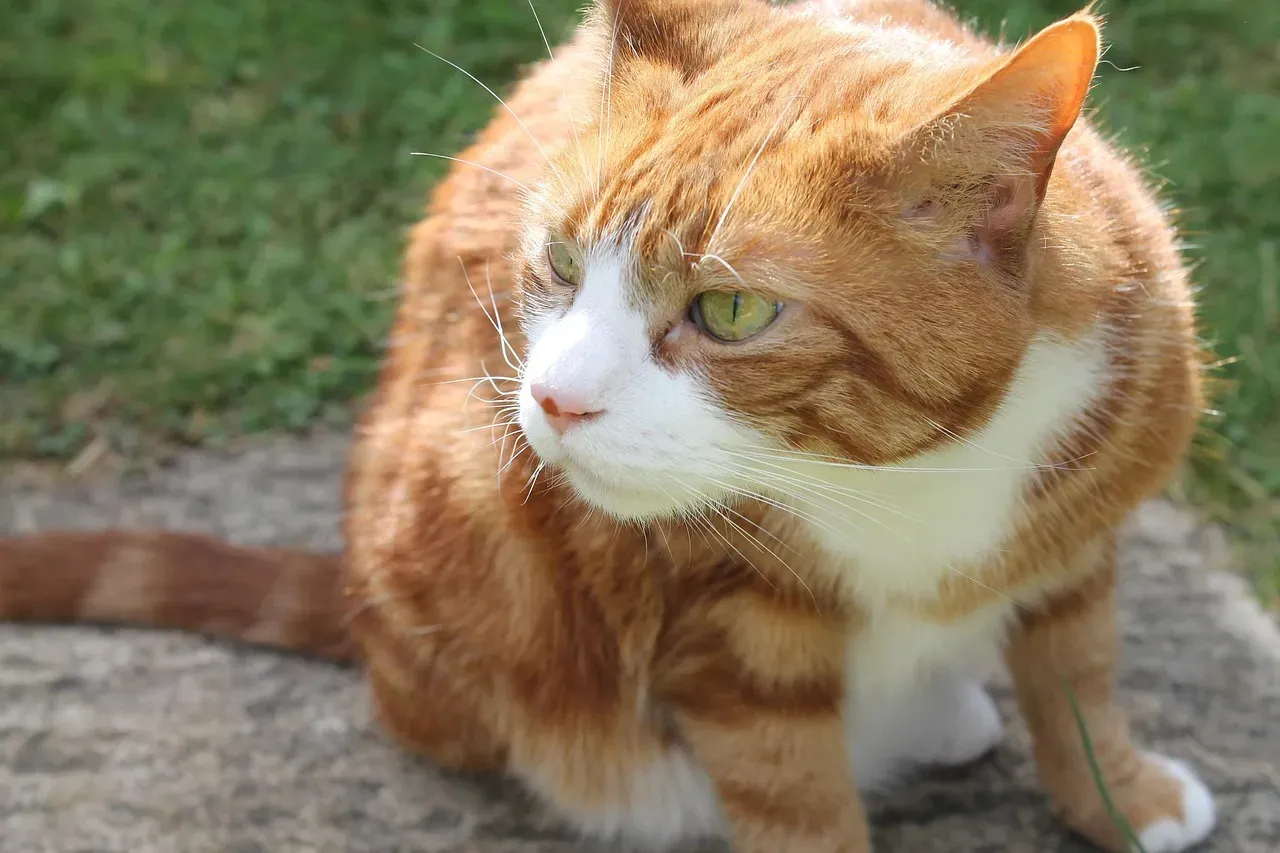
Cats are deeply territorial animals, and anything introduced into their environment gets treated, at least briefly, as a potential intruder or resource that needs to be assessed. Sniffing, rubbing against, and sometimes scratching a new box is a way of gathering information about it while also marking it with the cat's own scent. Cats have scent glands located around their face, paws, and body, and rubbing against a new object transfers pheromones that essentially say this now belongs to me.
This territorial impulse explains why multiple cats in the same household will often take turns investigating the same box, each one leaving its own scent behind. It's a subtle form of communication that doesn't require any vocalization at all. To a cat, claiming a new object isn't about possessiveness in the human sense, it's about maintaining a stable, predictable environment full of familiar scents.
#8 Play Behavior Extends Into Adulthood
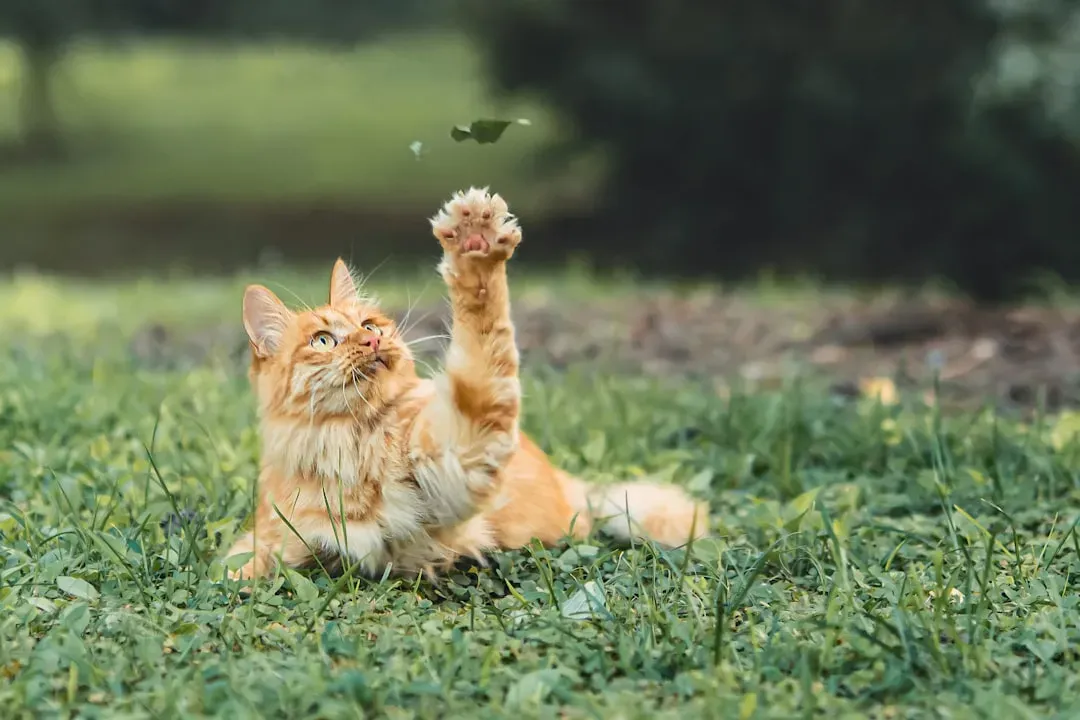
Unlike some animals whose play behavior fades sharply with age, cats tend to retain a playful streak well into adulthood, and boxes tap directly into that. The crinkling sound of a paper bag or the scratchy texture of cardboard provides sensory feedback that many cats find genuinely enjoyable. Batting at the edges, hiding and popping out, or shredding a corner of the box are all forms of self directed play that don't require a human or a toy.
Interestingly, this playful curiosity doesn't really diminish with age the way it does in dogs or many other domesticated animals. Even senior cats, who may have slowed down considerably in other areas, often still show interest in investigating new boxes or bags. It suggests that this particular behavior is less about youthful energy and more deeply rooted in feline psychology itself.
#9 It Offers a Sense of Control in an Unpredictable Environment

Cats value predictability, and the sudden appearance of a new object disrupts that sense of order until it's been thoroughly checked out. Investigating the box or bag is, in a way, the cat's method of restoring balance to its environment, converting something unknown into something familiar and accounted for. Once a cat has sniffed, rubbed, and possibly claimed a new object, it tends to lose a bit of its mystery and, often, some of its appeal too.
This need for control also ties into a broader psychological trait seen across the species, cats generally cope better with change when they can approach it on their own terms rather than having it forced upon them. A box left on the floor allows a cat to investigate at its own pace, retreat if needed, and return later without pressure. That autonomy is a meaningful part of what makes the whole ritual feel satisfying rather than stressful for most cats.
Final Thoughts
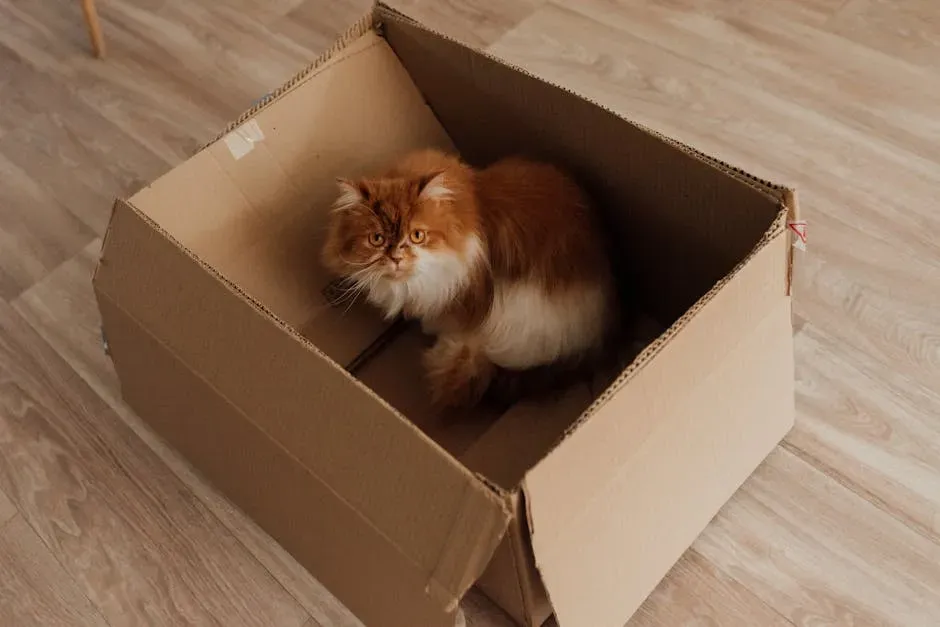
After looking at all nine reasons together, it becomes clear that a cat's obsession with boxes and bags isn't quirky randomness, it's a tightly woven mix of instinct, biology, and emotional need expressing itself in the most ordinary household objects. What looks like a silly habit is really a small, honest window into how a domesticated predator still carries the instincts of its wild ancestors everywhere it goes. If anything, that cardboard box deserves a little more respect than it usually gets, since for a few brief minutes, it becomes shelter, hunting ground, enrichment, and territory all at once. Next time a box shows up and your cat abandons whatever it was doing to go investigate, it's worth remembering that this reaction, odd as it looks, is one of the more genuine and unfiltered expressions of feline nature you're likely to see.
- Animal Behavior Says Cats Who Groom Themselves After Being Petted May Be Responding to More Than a Messed-Up Coat
- 9 Things Cats Do With Their Tail When They Are Deciding Whether to Approach
- 5 Cat Breeds That Thrive on Routine (And 5 That Embrace Spontaneity)
- Why Some Cats Stick Like Velcro—and Others Just Watch