Spend a day with a vocal cat and you start to feel like you’re living with a very small, very dramatic roommate. They chirp at you from the kitchen, complain from the hallway, and mutter under their breath on the windowsill. What’s wild is that, in the feline world, this constant chatter is basically reserved for us. Adult cats almost never “talk” to each other with meows the way they do with humans.
Once you notice that, it raises a surprisingly deep question: if your cat barely meows at other cats but won’t stop talking to you, what exactly are they trying to do? Are they treating us like weird, oversized kittens who need extra help understanding? Or have they essentially invented a special “human language” to get what they want? Let’s dig into what animal behavior research – and a bit of everyday cat chaos – suggests.
#1 Cats Rarely Meow to Other Adult Cats
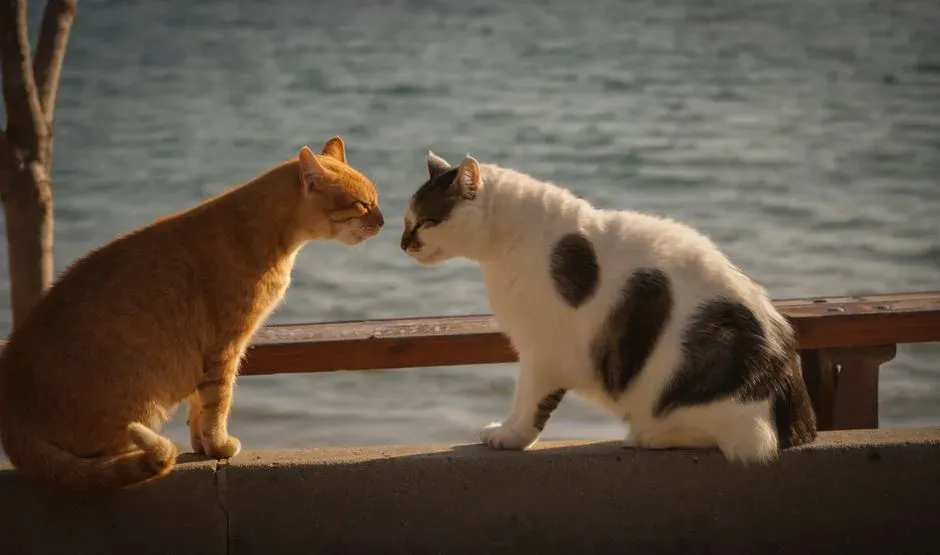
Here’s the first twist: in cat-to-cat communication, meowing is basically background noise. Kittens meow to their mothers when they are hungry, cold, or lost, but as they grow up, that kind of vocalizing mostly fades away. Adult cats living together tend to rely much more on body language, scent, and subtle postures than on constant meows.
Watch two cats that know each other well. You’ll see slow blinks, tail flicks, the angle of ears, the distance they keep, maybe the occasional hiss or growl when boundaries are crossed. But you won’t hear them “chatting” back and forth in long meow exchanges. That constant meowing performance? That’s a show most cats save almost entirely for their humans.
#2 Meows Aimed at Humans Are Like a Custom-Built Social Tool
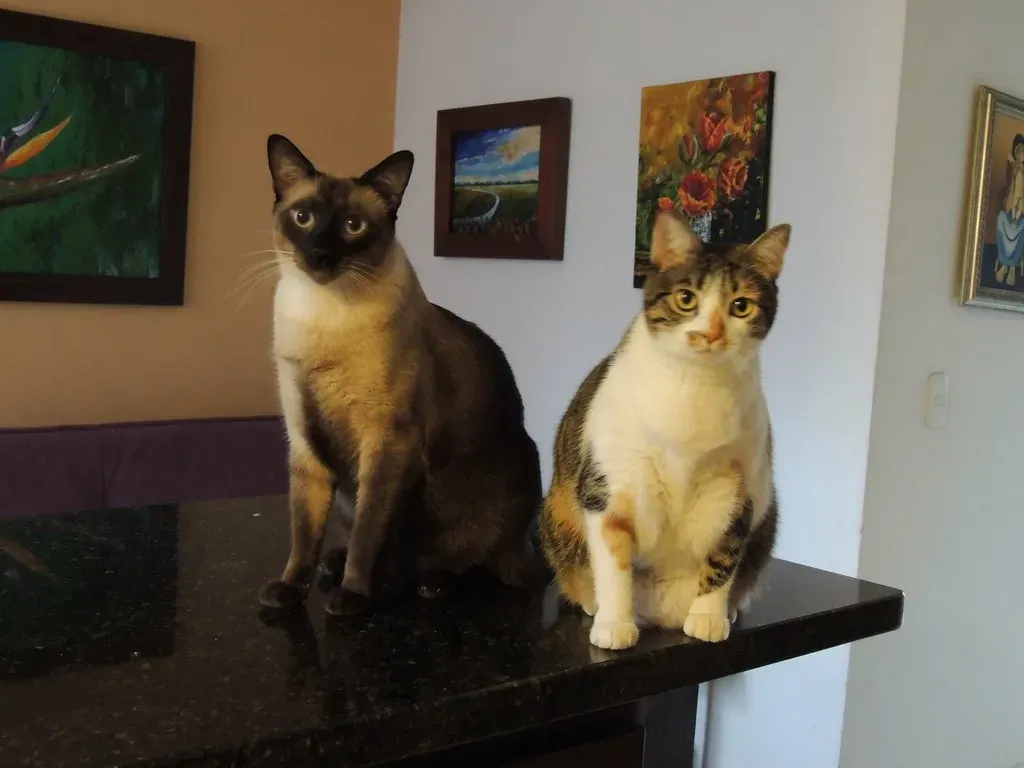
Because adult cats barely use meows with each other, many behaviorists think the nonstop human-directed meowing is something shaped by living with us. Over generations, the cats who were better at grabbing human attention probably did better at getting food, care, and protection. So these sounds turned into a kind of social tool specifically tuned to humans, not to other cats.
From our side, we respond, sometimes without realizing it. The cat meows in the kitchen, we get up. The cat meows at the door, we open it. The cat meows on the bed at 5 a.m., we eventually feed them. With every successful attempt, the message we send back is: this “talking” thing works on humans. Over time, the meow becomes less like a generic noise and more like a flexible instrument to nudge us into action.
#3 Human-Directed Meows Are Surprisingly Speech-Like
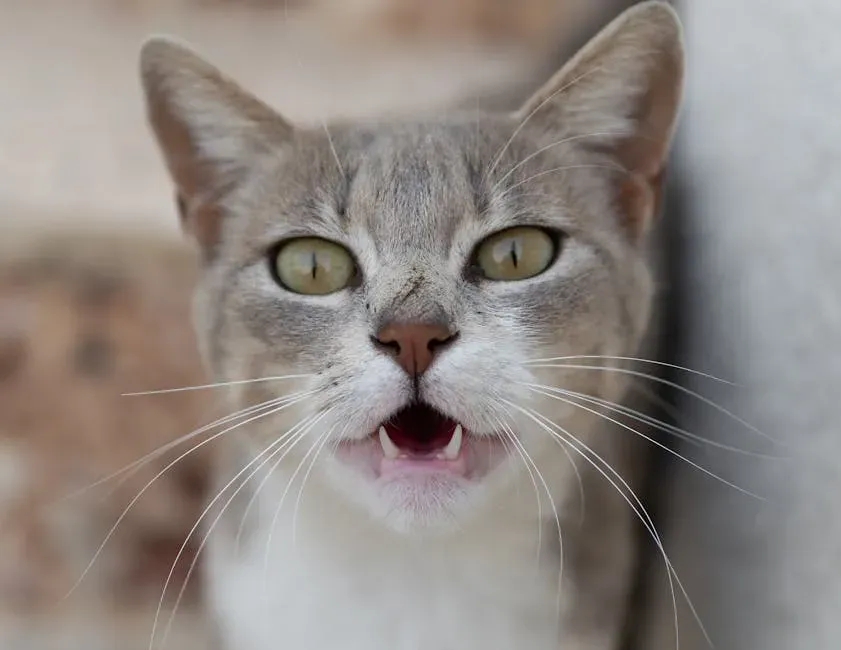
If you listen closely, cat meows aimed at people can sound oddly speech-like. They vary in pitch, length, intensity, rhythm, and even contour in a way that almost feels like syllables. Some are short and sharp, like a demand. Others are soft and drawn-out, more like a plea. You might hear little rising “question marks” at the end of certain meows, as if your cat is asking for confirmation.
When cats talk to each other, their repertoire leans more on hisses, growls, yowls, trills, and silence than on these “word-like” meows. Around us, though, they unleash this huge variety of vocal shapes, as if they’re experimenting with different “settings” to figure out which ones move their human the fastest. It is not speech in the strict scientific sense, but it clearly functions more like a flexible communication system when they are talking to us than when they are talking to their own species.
#4 Context, Not “Words,” Drives What Those Meows Mean
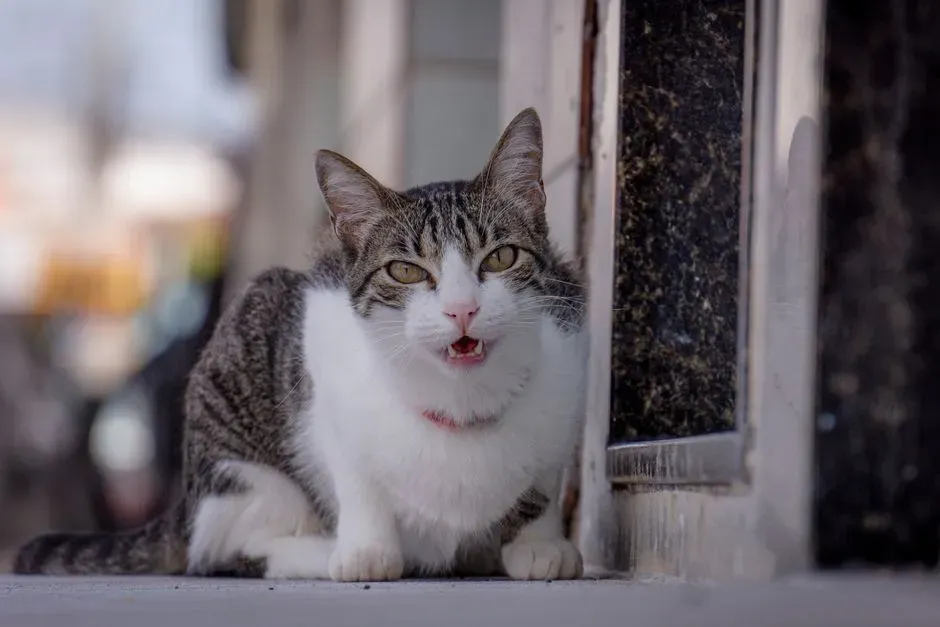
Humans love the idea that a certain meow means food, another means play, and another means “open this door now, peasant.” The reality looks messier. The same cat can use almost identical meows in different situations, and very different meows for the same situation on different days. What really shapes meaning is the overall context: time of day, location, routines, and what has worked before.
Think of it more like tone and timing than vocabulary. A persistent series of meows outside the bathroom door might work because that scenario has been “rewarded” before by you opening up. The cat is not necessarily saying a specific word for “door”; it is more like they are pushing a button labeled “let’s try this sound pattern here and see if it works again.” That kind of loose, context-driven communication looks very different from the more rigid signals they use with other cats, like a growl that almost always means “back off now.”
#5 Cats Also Read Our Voices, Faces, and Routines
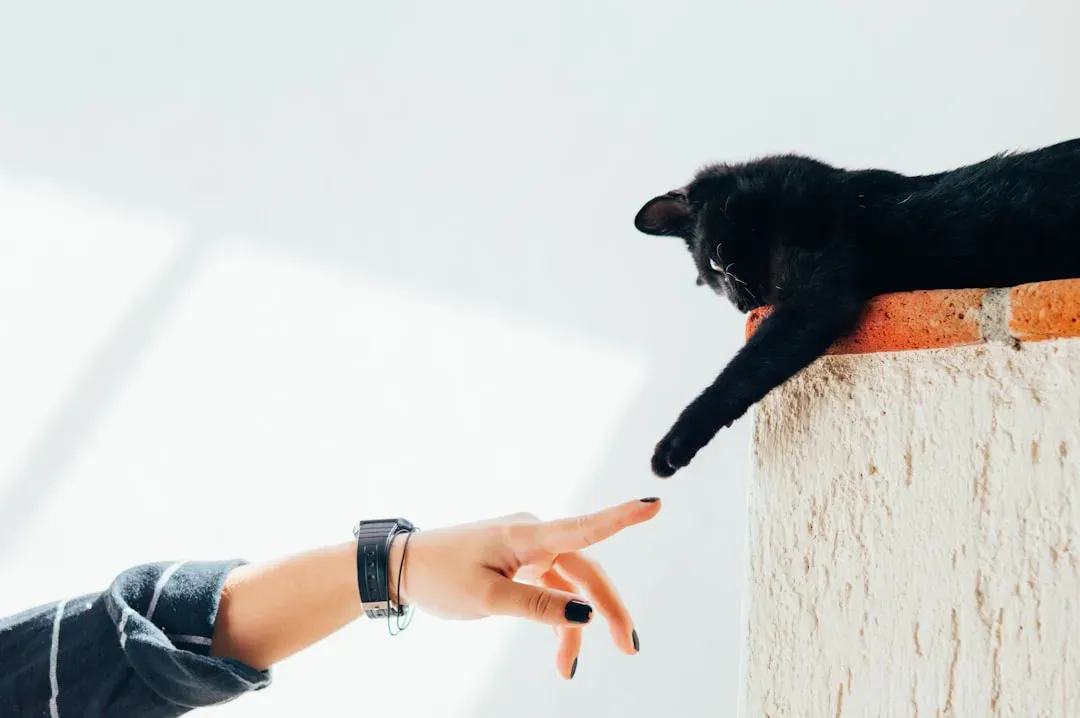
Communication is never a one-way street, and cats are not just broadcasting signals blindly at us. Studies have found that many cats can distinguish their person’s voice from strangers, and they often react differently to happy versus angry tones. Even if they do not understand our words the way we do, they are clearly picking up on emotional color and patterns in how we speak.
On top of that, cats quickly learn our daily cycles in an almost eerie way. The cat that starts meowing near dinnertime is not only relying on the clock; they notice you close your laptop, walk into the kitchen, or change clothes. Over time, their meows are timed to these human routines. It starts to look less like random noise and more like a cat who has carefully learned to “surf” on your habits to get what they want.
#6 Constant Meowing Can Be Both Personality and Strategy
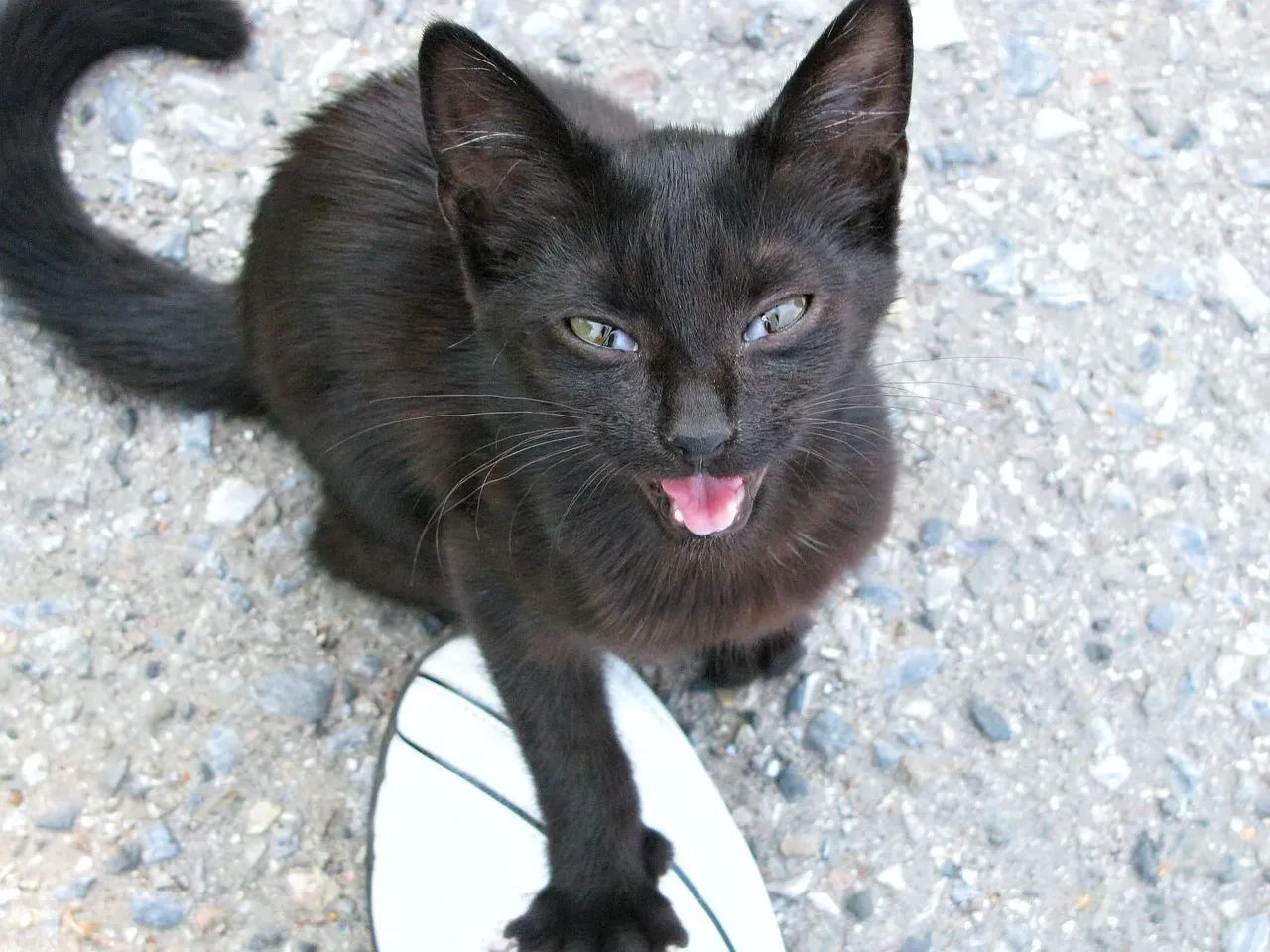
Anyone who has lived with multiple cats knows they are not all equally chatty. Some barely speak unless something is really wrong, while others seem to narrate their entire day. There are breed tendencies, early socialization effects, and pure personality differences. A Siamese raised in a very interactive home might become a walking podcast, while a quieter cat in a low-key environment stays mostly silent.
But beyond personality, constant meowing can be a strategy that has been rewarded over and over. If your cat has learned that even your annoyed response is still attention, they might keep using that tactic. In that sense, they are communicating differently with you than with cats not because they cannot be subtle, but because with humans, noise pays off. With other cats, endless chatter could be ignored or even punished; with us, it often leads to treats, petting, or at least eye contact.
#7 When Meowing Becomes a Red Flag Instead of Cute “Talking”
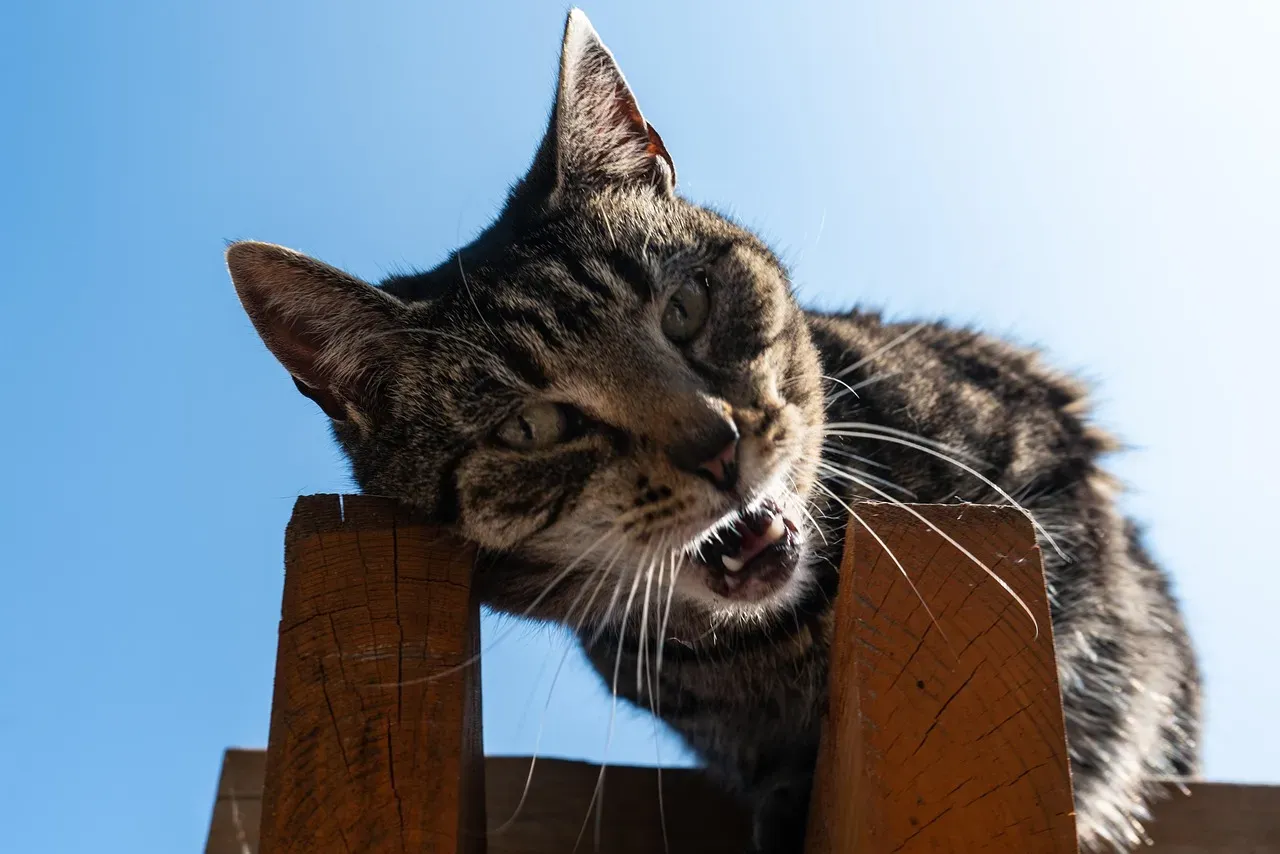
There is a flip side to constant meowing that is important to acknowledge: sometimes it is not about clever communication at all, but about distress. A sudden spike in vocalizing, especially in an older cat, can be linked to pain, disorientation, anxiety, or medical issues like overactive thyroid or high blood pressure. In those cases, the meow is more like an alarm, not a casual conversation starter.
Because we are so used to thinking of meows as “just how my cat is,” it is easy to miss the moment when normal chatty behavior slides into something more worrying. A good rule of thumb is to pay attention to changes in pattern. If the style, timing, or intensity of your cat’s meows shifts in a way that does not match any obvious life change, it is worth talking to a vet. Communication, in that case, might literally be a cry for help.
#8 Living With a “Talking” Cat Means Admitting You’re Part of the System
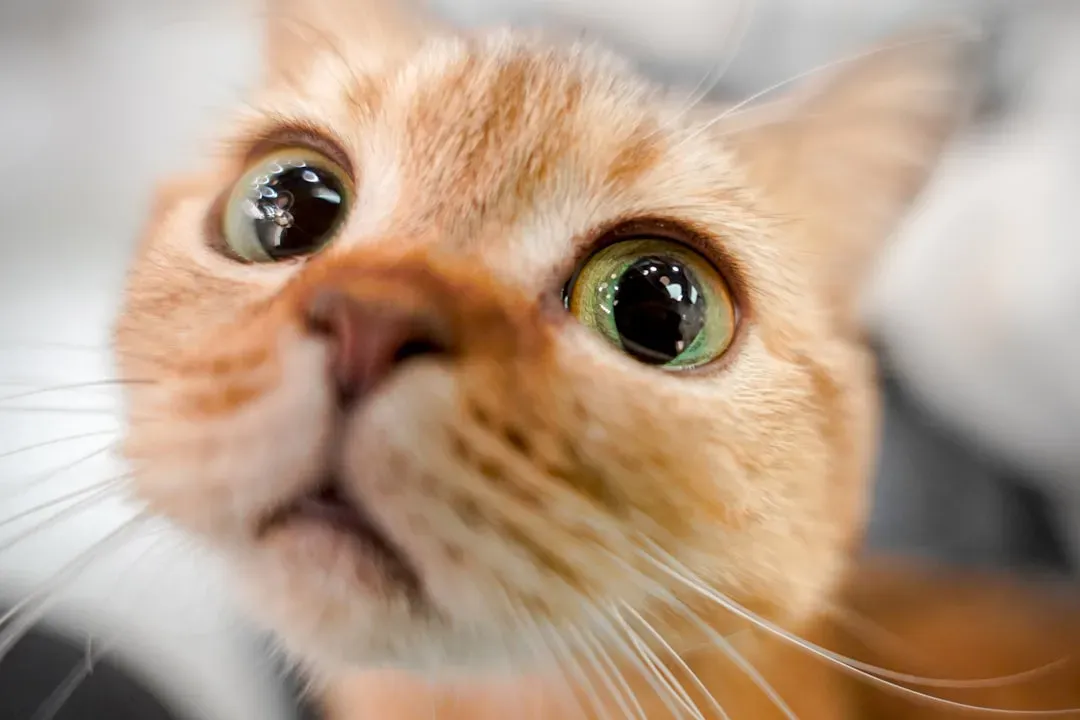
Here is the part many people quietly know but rarely say out loud: we are complicit in our cats’ talkativeness. Every time we respond, even to complain, we help shape their communication style. In my own case, I used to grumble about a cat that yelled at me from the hallway, until I realized I had been answering back like we were having a debate. From the cat’s perspective, it was a roaring success: they had trained me into a daily call-and-response routine.
So yes, cats use communication differently with humans than with other cats, but that is not just because they are clever; it is because we are incredibly easy to train. In my opinion, the most honest way to look at a constantly meowing cat is this: you and your cat have co-created a tiny, strange, shared language that sits somewhere between animal instinct and human habit. The question is not whether your cat is talking to you; it is whether you are willing to admit how well they have taught you to talk back. Did you expect that?
Kristina is a young writer from India. An arts graduate and an avid content creator, Kristina is passionate about animals and wildlife. She enjoys exploring topics related to pet care, animal behavior, conservation, and nature, combining thorough research with engaging storytelling.