You’ve probably crossed paths with a sleek black cat at some point in your life. Maybe you felt a slight twitch of superstition, or perhaps you smiled at the elegant creature. Black cats have been tangled up in human mythology for centuries, sparking debates that range from the ridiculous to the downright fascinating. Some people swear these ebony felines bring misfortune, while others celebrate them as symbols of prosperity.
The truth is far more interesting than any single answer could provide. These creatures have been worshipped as gods, hunted as demons, and everything in between. Their reputation shifts wildly depending on where you are in the world and what century you happen to be living in. Let’s dive in and untangle the mystery surrounding these beautiful animals.
The Ancient World Loved Black Cats
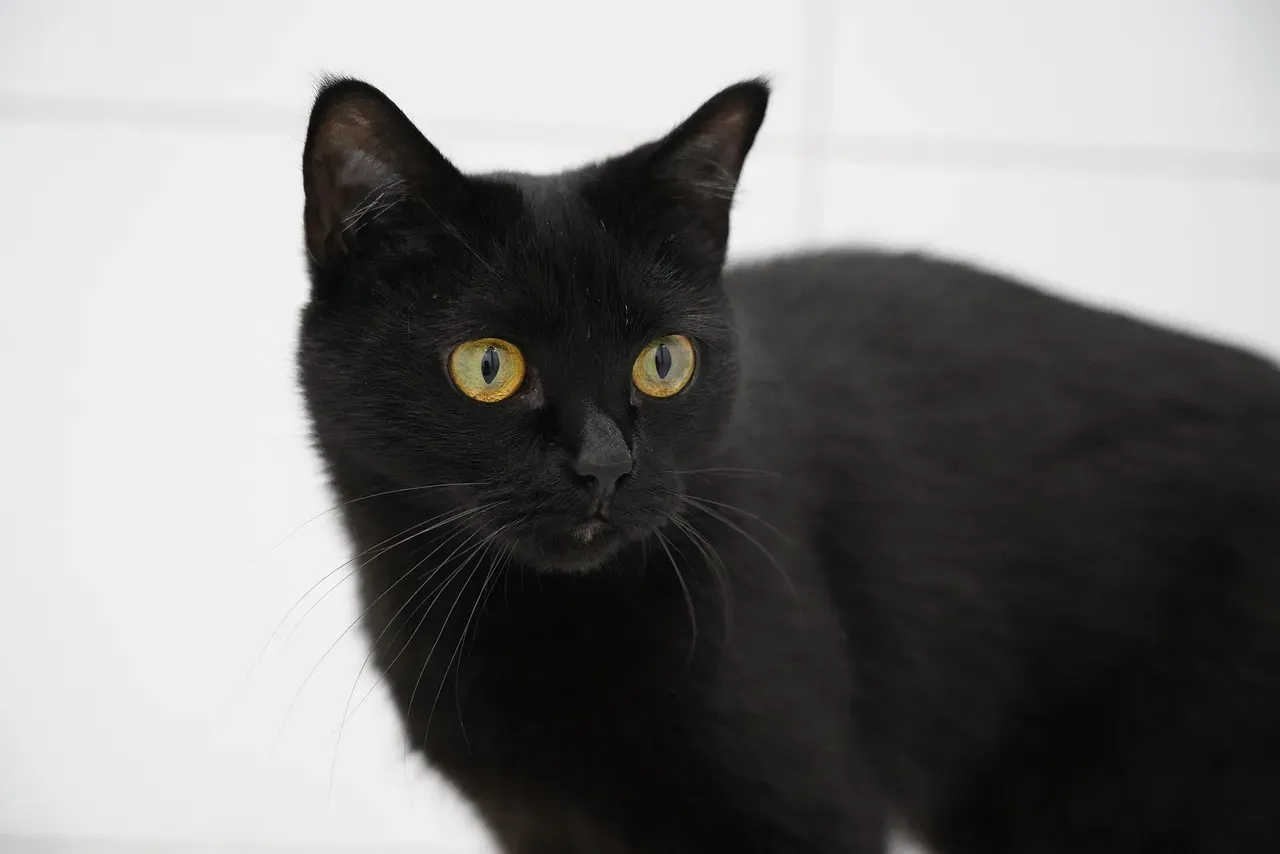
Cats were considered divine symbols in ancient Egypt, one of the world’s earliest civilizations. Black cats were often held in the highest esteem because of their similar appearance to the black cat-headed goddess, Bastet, who represented health, protection from disease, fertility, and the home. Think about that for a second. These weren’t just pets lounging around. They were sacred beings.
Cats were so well respected that even accidentally killing one could result in a death sentence. That’s an extreme level of reverence. Ancient Egyptians viewed cats as excellent at warding off disease and evil spirits, since they kept vermin populations under control, increasing food yield and reducing the spread of diseases. Honestly, it makes sense when you consider how practical these animals were for survival.
Medieval Europe Changed Everything

Written records link black cats to the occult as far back as the 13th century when Pope Gregory IX issued “Vox in Rama” in 1233, declaring black cats an incarnation of Satan. That’s quite a fall from divine status, right? The decree marked the beginning of the Inquisition and church-sanctioned witch hunts that initially targeted Luciferians in Germany but quickly spread across Europe.
Medieval Europeans believed the devil and witches were capable of taking the form of black cats, so a black cat crossing your path might be on a mission from a witch. The superstition materialized from the belief that witches could transform into their black cat companions, with fears that the cat might be carrying out a witch’s task or worse, be the devil in disguise. Fearful peasants might have hurried to the nearest church to pay for a priest’s blessing to rid them of any curse. The church probably didn’t mind that extra income, if we’re being real.
Witchcraft and the Black Cat Connection
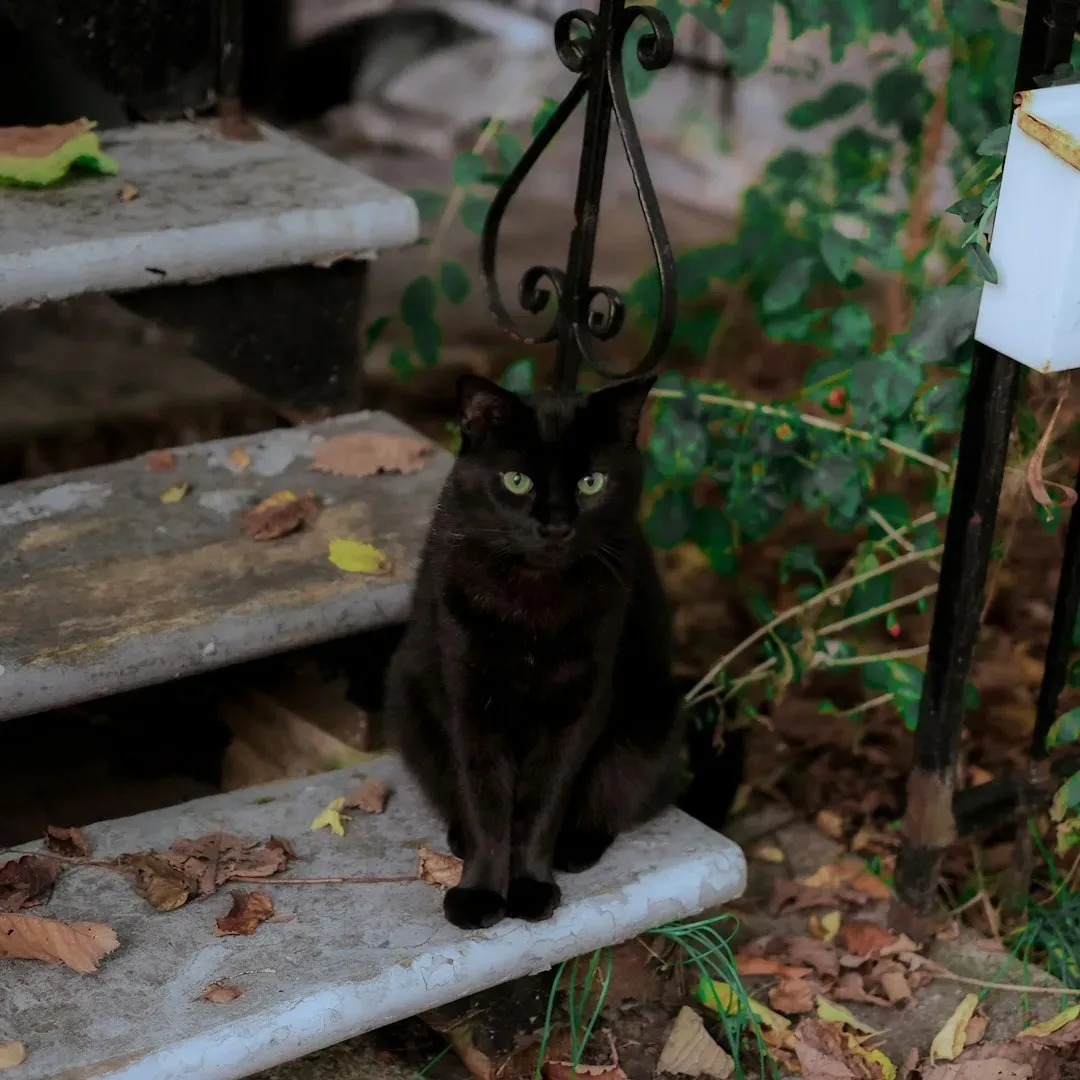
Black cats were depicted as familiars of witches in Western demonology, believed to be low-ranking demons given to witches by the devil, with black cats, toads, dogs, and certain insects thought to be common forms these demons would take. The association between cats and witchcraft became incredibly powerful during this era. When Puritans arrived in the New World and settled in Salem, the fear of black cats came with them, leading to persecution of women accused of witchcraft and the burning of black cats.
People who owned a black cat were subject to persecution for practicing witchcraft or association with the devil. It’s hard to imagine living in a time when owning a pet could get you killed. Many early American settlers believed witches could shapeshift into black cats to sneak around unnoticed while performing magic spells, and that a witch could transform into a black cat up to nine times.
Black Cats Bring Good Fortune in Many Cultures
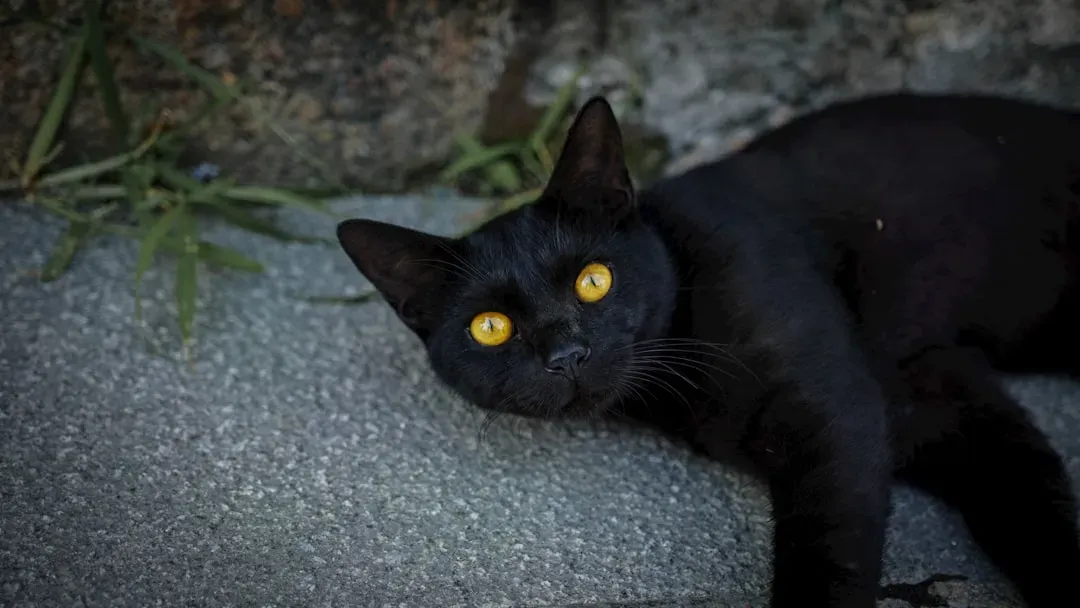
Here’s the thing. The idea that black cats are bad luck isn’t universal, with many cultures believing black cats bring good luck, particularly in Scotland and Japan where they represent prosperity. In the Celtic nations and England, a black cat crossing one’s path is considered good luck, with the RSPCA stating in 2014 that in UK folklore, black cats symbolize good luck.
Scottish lore holds that a black cat’s arrival at a new home signifies prosperity, while Welsh lore states that a black cat brings good health. In some parts of Russia, all cats including black ones are viewed as signs of good luck and prosperity, while in England, a black cat crossing your path signifies good fortune, and in Japan, owning a black cat is thought to bring numerous suitors, especially for single women.
Sailors and Fishermen Considered Them Lucky

English sailors believed that keeping black cats happy would ensure fair weather when they went to sea. Sailors considering a ship’s cat would want a black one because it would bring good luck, and sometimes fishermen’s wives would keep black cats at home to protect their husbands at sea. These seafaring folks weren’t taking chances with superstition.
Many English sailors believed that the presence of a black cat or two on the ship would guarantee safe passage, while cats had a dual purpose as vermin catchers, protecting whatever goods were being shipped. That’s actually pretty smart when you think about long voyages with food stores. Black cats weren’t just lucky charms but practical crew members.
Different Countries, Different Beliefs
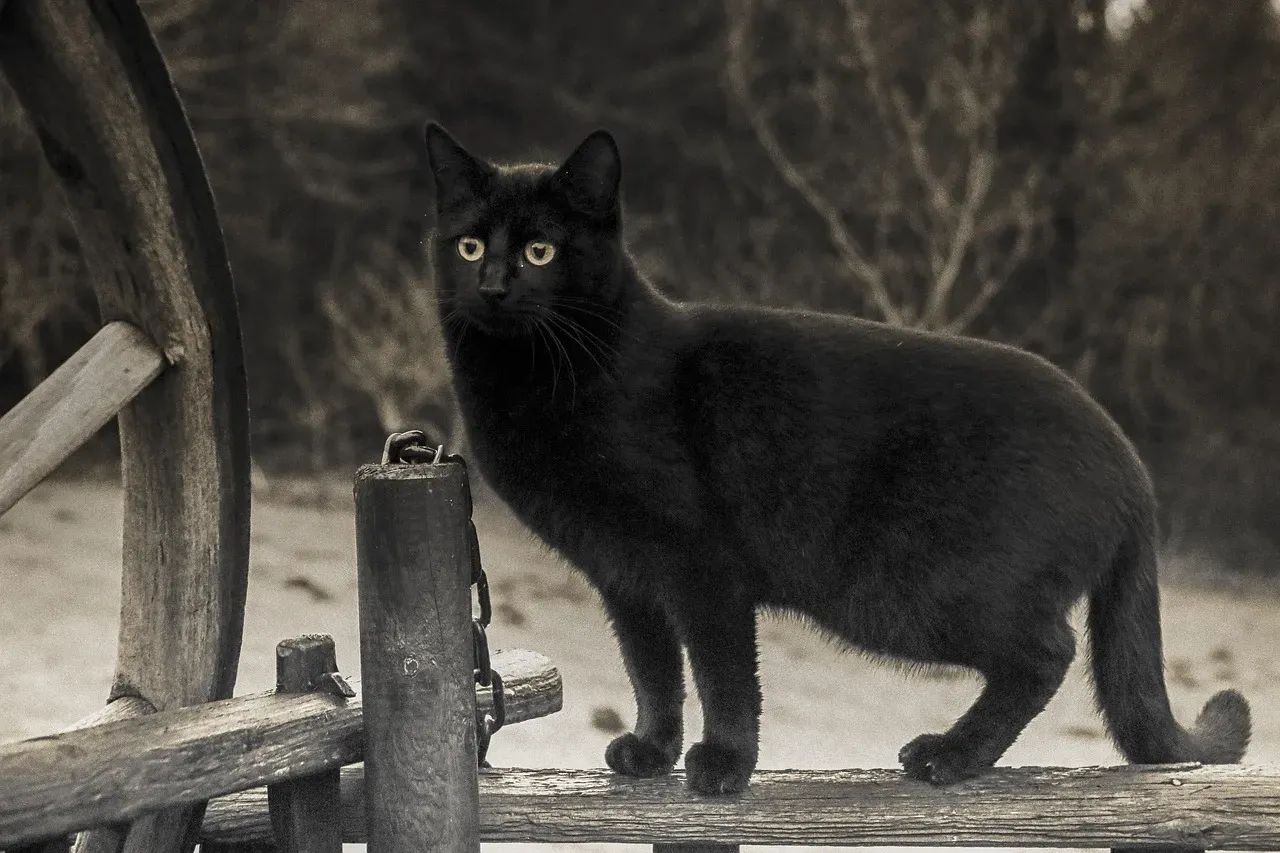
In Latvia, black cats on farms mean prosperity and a good harvest, in Italy black cats mean upcoming good luck, and in Germany, a black cat walking left to right is good luck. The direction matters in Germany, which is oddly specific. In France, black cats are called “matagots” or magician cats, and it’s believed that feeding them or treating them with respect and kindness will guarantee good luck from their magic.
In Italy, there’s a belief that a sneezing black cat will bring good luck, and hearing one sneeze means you can expect a streak of good luck afterward. I know it sounds crazy, but that’s an adorable superstition. In England, giving a bride a black cat on her wedding day is believed to bring good luck and longevity to the marriage, associated with the belief that having a black cat in the home wards off evil spirits.
Why Black Cats Struggle to Find Homes
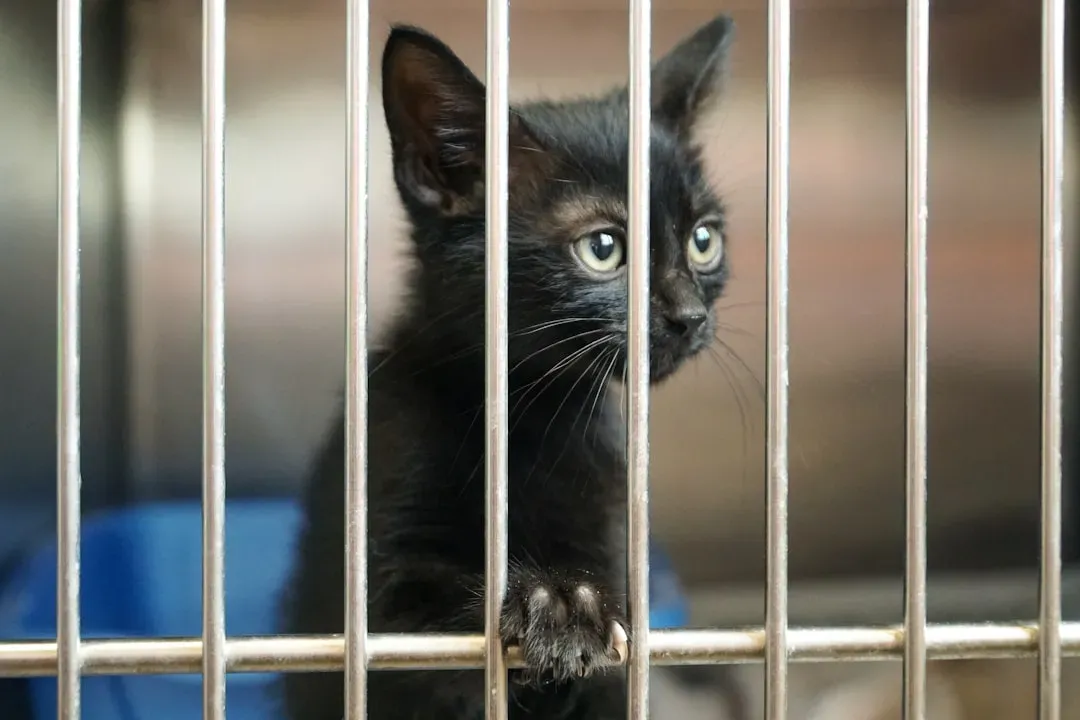
Studies indicate black cats often have higher euthanasia rates and lower adoption rates than other colors in some shelters. White cats tend to have lower euthanasia rates and higher adoption rates. Those trends are devastating. The contrast is striking.
Research verifies that black dogs and cats have a lower chance of being adopted, with tragic facts showing they tend to stay in shelters longer and are more likely to be euthanized due to overcrowding than animals of other colors. Black Dog Syndrome suggests black dogs and cats have lesser odds of being adopted in a timely manner, putting them at higher risk for euthanasia, with contributing factors including hard-to-see facial expressions, difficult observation in dimly lit kennels and difficulty photographing them online.
The Photography Problem

In 2014, the RSPCA reported that seventy percent of abandoned cats in its care were black, noting that though black cats symbolize good luck in UK folklore, one reason for the high percentage was that black cats tend not to photograph as well. That’s a modern problem with serious consequences. Think about how many people browse adoption sites online before visiting shelters in person.
Black fur doesn’t always translate well in photographs, with the lack of contrast making it hard to capture the animal’s expressions and personality in a picture, making them appear less appealing compared to their lighter-colored counterparts. It’s a technical issue that affects real lives. Black cats were rated as less friendly and more aggressive than non-black cats on average, which shows how visual perception influences adoption decisions.
Superstition Still Affects Adoption Rates
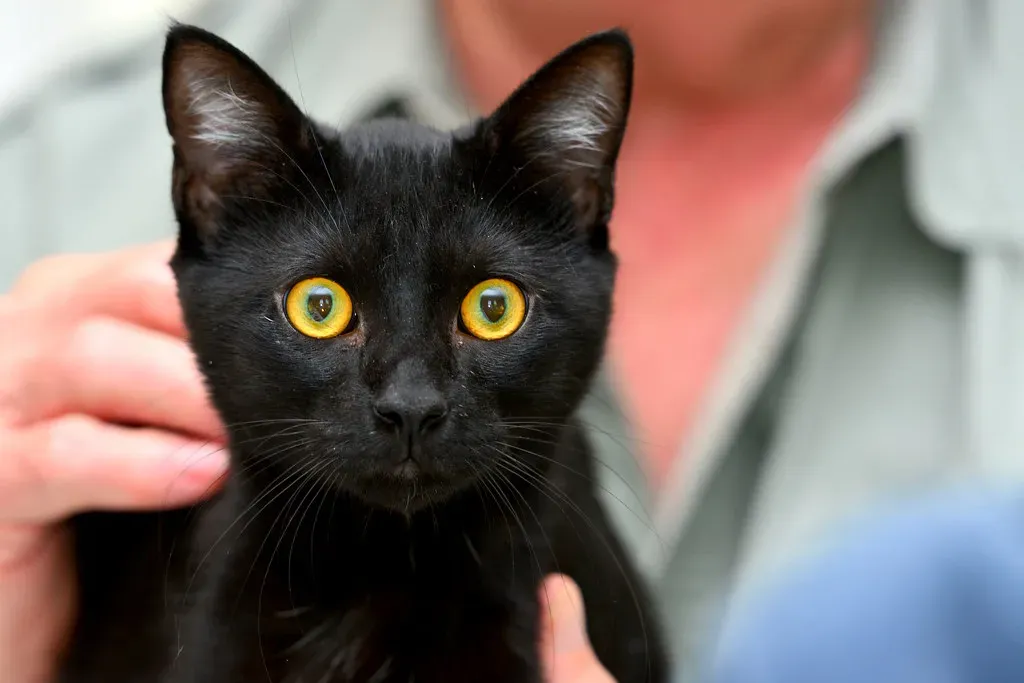
Researchers found that participants who were more superstitious showed greater biases against black cats, viewing them as less adoptable, less friendly, and more aggressive, with superstitious individuals also having less confidence in their ability to read black cats’ expressions. The human mind is fascinating in how it creates these patterns. In many cultures, black cats have been associated historically with the supernatural or powerful malevolent entities, or perceived to be omens of bad luck, so there is likely carryover into some people’s preferences when choosing a companion cat.
Black cats tend to have higher euthanasia rates and lower adoption rates than other colors, with black kittens sometimes facing longer shelter stays. Let’s be real, that’s heartbreaking when you consider kittens usually get adopted easily. The superstition runs that deep.
Breaking the Myths with Data and Love

Not all cultures consider black cats to be unlucky, with Japan viewing them as omens of good fortune, and there’s no scientific evidence that says black cats cannot make loving and deserving pets. It’s time we moved past these medieval fears. There is no reliable data supporting the claim that black cats are targeted for rituals, which is widely regarded as an urban myth.
October 27 has been designated Black Cat Day by Cats Protection in the United Kingdom to celebrate black cats’ virtues and encourage adoption, while in the United States, August 17 is Black Cat Appreciation Day. These awareness campaigns help shift public perception. Many families who have adopted black cats report that these pets are incredibly loving, loyal, and possess unique personalities that make them wonderful companions, with success stories helping challenge preconceptions.
The Bottom Line on Black Cats
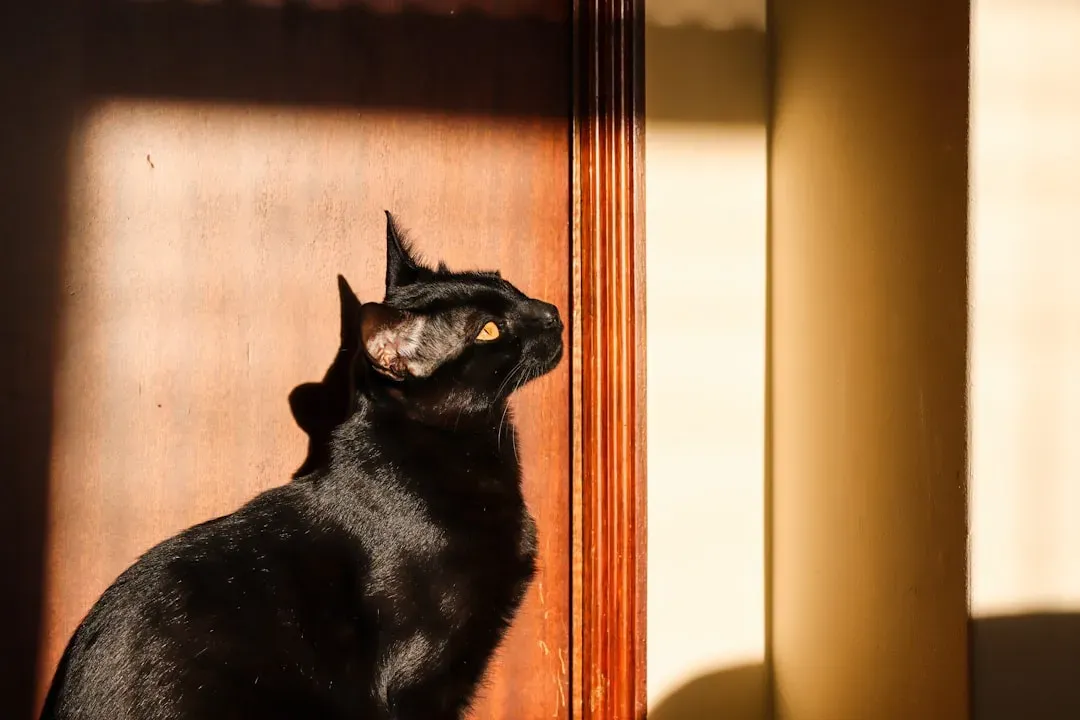
So The answer depends entirely on where you live and what cultural lens you’re looking through. Whether a black cat is viewed as a benevolent creature or an evil supernatural force is entirely based on whichever lore one is likely to embrace. That’s really the truth of it. These animals haven’t changed. Only human perception has shifted across time and geography.
The real tragedy isn’t superstition itself but how it continues to affect innocent animals in shelters today. Black cats are just cats. They purr, they play, they show affection like any other feline. Their coat color shouldn’t determine their fate. Next time you see a black cat, maybe consider that in most of human history and across most of the world, these creatures have been celebrated as bringers of good fortune, prosperity, and protection.
What’s your take on black cats? Do you think ancient Egypt had it right all along?