You’ve probably been rudely awakened at four in the morning by the sound of your cat tearing through the house like a miniature tornado. Maybe you’ve caught them staring at you in the darkness, eyes glowing like tiny headlights. It’s easy to assume your feline friend is a creature of the night, prowling while the rest of the world sleeps. Yet here’s the thing: that assumption might not be entirely accurate. Your cat’s sleep habits are far more complex than you’ve been led to believe, and understanding them could be the key to finally getting a peaceful night’s rest. Let’s dive into the fascinating world of feline sleep patterns and uncover what’s really happening when your kitty decides to host midnight Olympics in your hallway.
The Truth About Nocturnal Versus Crepuscular Behavior
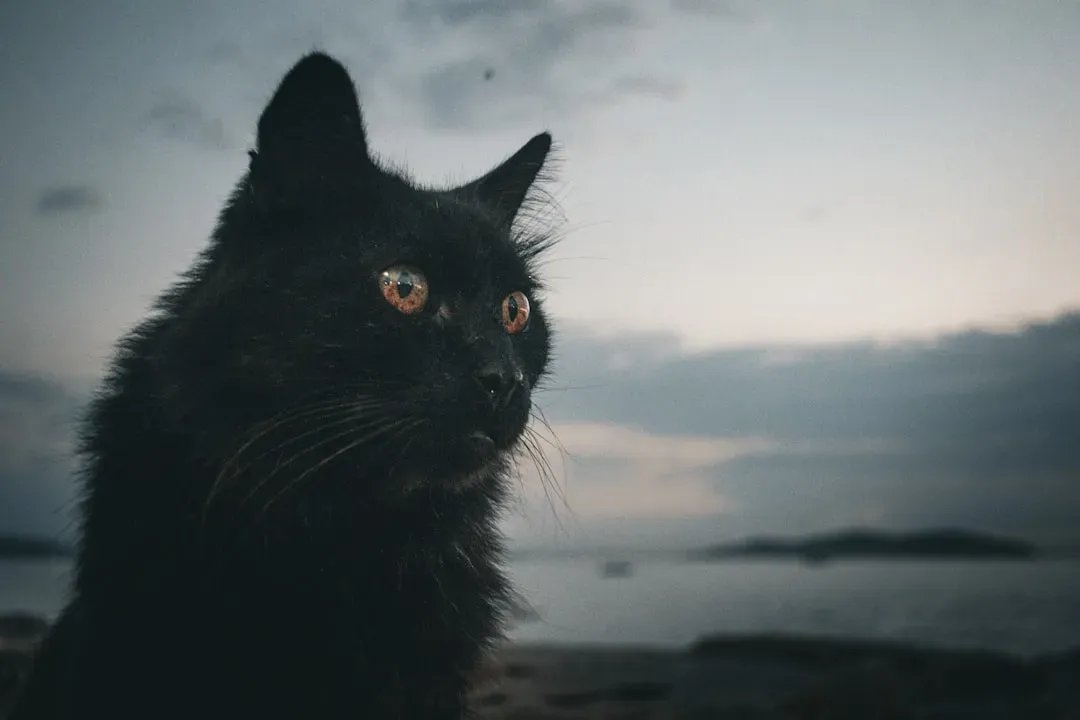
Your cat isn’t actually nocturnal, despite what their three a.m. antics might suggest. Cats are crepuscular, which means they’re most active during the twilight hours of dawn and dusk. This is fundamentally different from true nocturnal animals like owls or bats that are active throughout the entire night.
This twilight activity is an ingrained behavior from their feline predecessors, who relied on catching food during the dawn and dusk hours when their favorite prey animals like mice, rabbits, and possums would be most active. Think of it as an evolutionary strategy that’s stuck around, even though your pampered house cat probably gets their meals from a bowl rather than a hunt. Still, those ancient instincts run deep.
Why Evolution Made Cats Dawn and Dusk Hunters
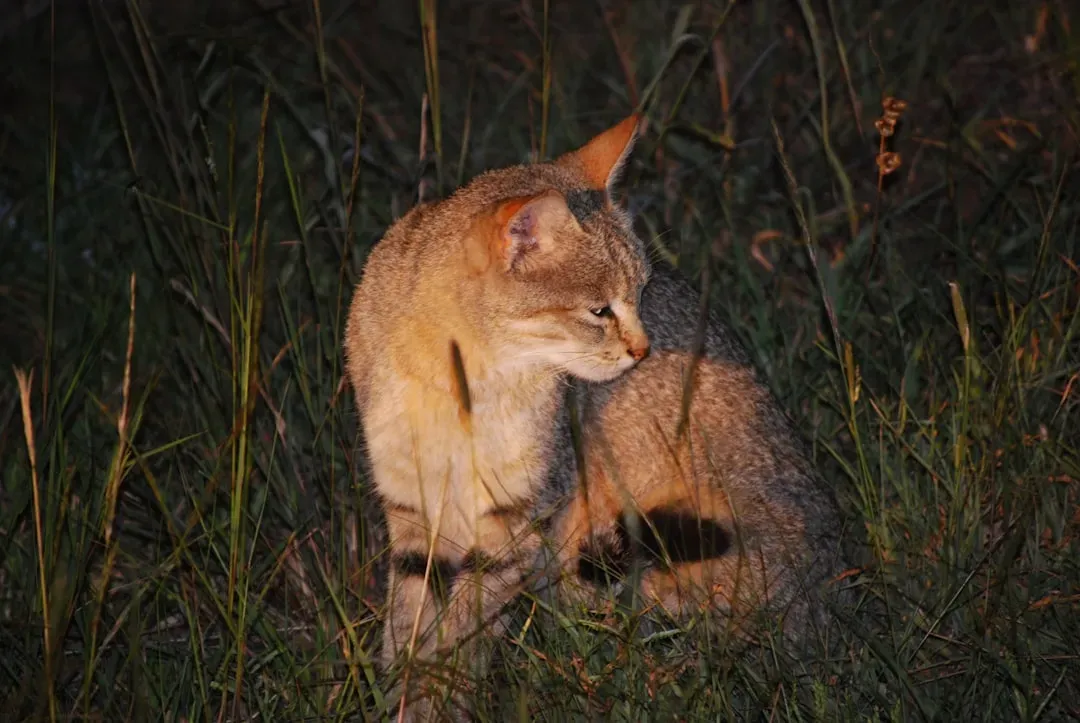
Cats evolved as desert hunters, and dusk and dawn were when the temperatures were coolest in the desert, which made it more tolerable to hunt, while these times provided cats some cover because of the darkness but gave them just enough light to hunt in. Their eyes developed specifically for these low light conditions, which is why they seem to see so well when you can barely make out shapes in the early morning gloom.
Small rodents are most active during the low light hours, making twilight the perfect time for a cat to catch a meal. This alignment between predator and prey activity created a survival advantage that modern domestic cats still carry in their DNA. Even if the only thing your cat hunts these days is a feather toy, their internal clock remains set to those ancient rhythms.
The Science Behind Those Marathon Napping Sessions
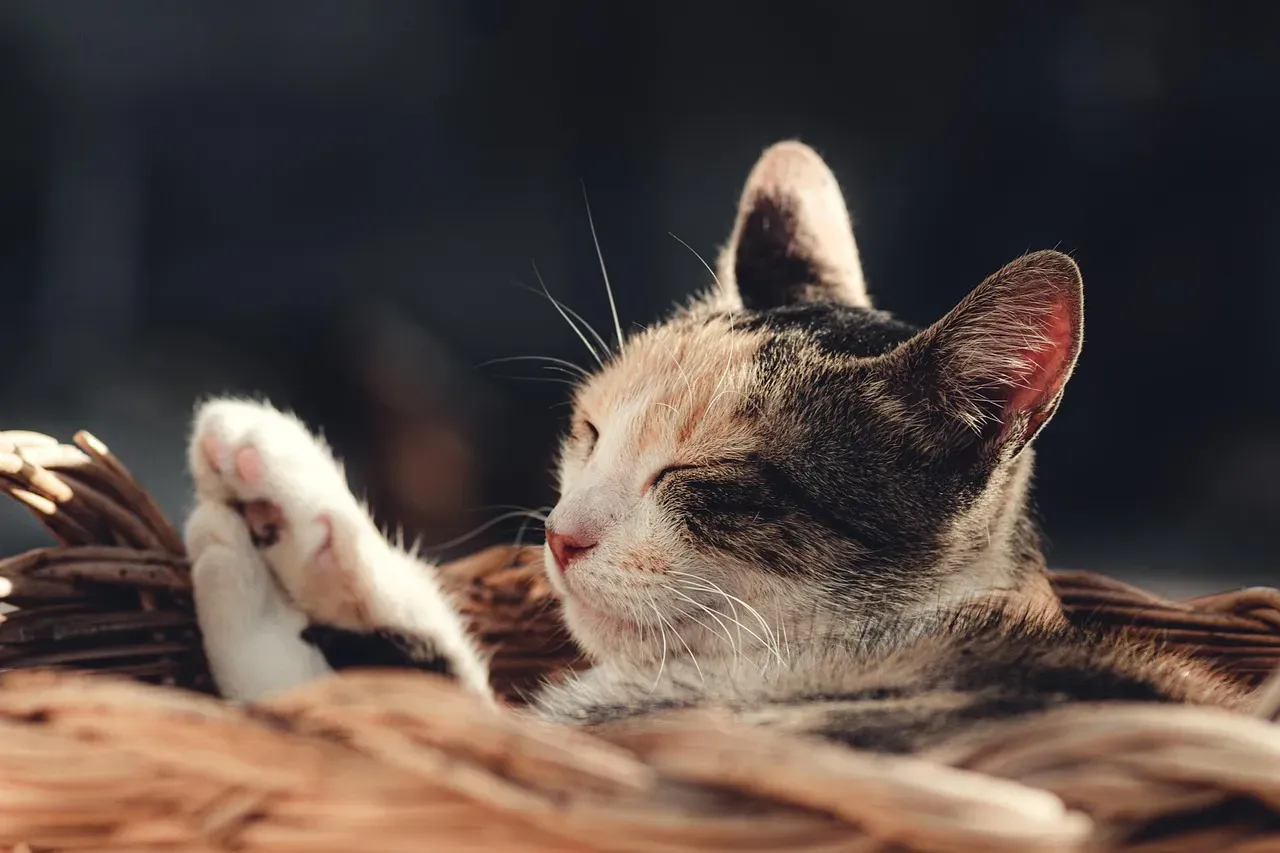
If you think your cat sleeps an absurd amount, you’re not wrong. Most adult cats sleep 12 to 18 hours a day, and nearly 40% of cats sleep more than 18 hours per day. That’s roughly two thirds of their entire life spent snoozing. Honestly, it’s hard not to be a little jealous.
Here’s what’s really happening during all that sleep time. Cats are actually resting in preparation for short bursts of very intense activity. Cats are predators, and sleeping is vital to conserve their energy after hunts, because hunting demands a huge amount of energy. Wild cats spend their time alternating between intense periods of stalking and chasing prey, followed by long rest periods to recover. Your domestic cat mirrors this pattern, even if their “hunt” consists of chasing a laser pointer around your living room.
Understanding Polyphasic Sleep Patterns in Felines
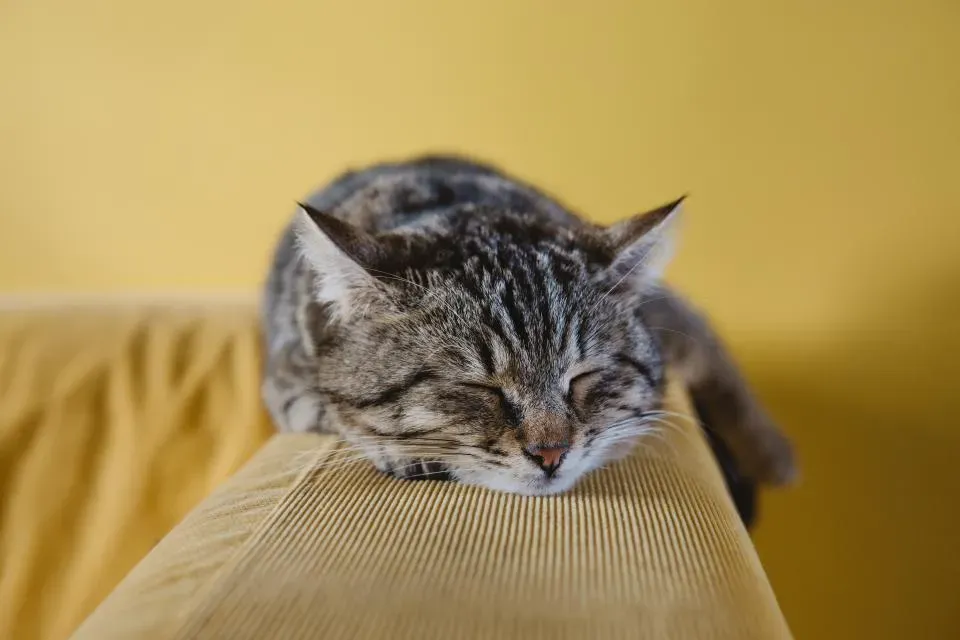
Cats take multiple naps throughout a 24-hour period due to their polyphasic sleep pattern, sleeping between 12 and 16 hours a day, taking short cat naps between periods of activities. Unlike humans who typically sleep in one long stretch, cats break their rest into numerous shorter sessions throughout the day and night.
Despite all that lengthy snoozing, your cat isn’t in a deep sleep for the entire time, only spending about one-quarter of that time in deep sleep, with the rest spent in a very light dozing state. During these lighter sleep phases, your cat remains alert to their surroundings. You might notice their ears twitching toward sounds or their eyes staying partially open. It’s like they’re on standby mode, ready to spring into action at a moment’s notice.
How Domestic Life Changes Natural Sleep Schedules
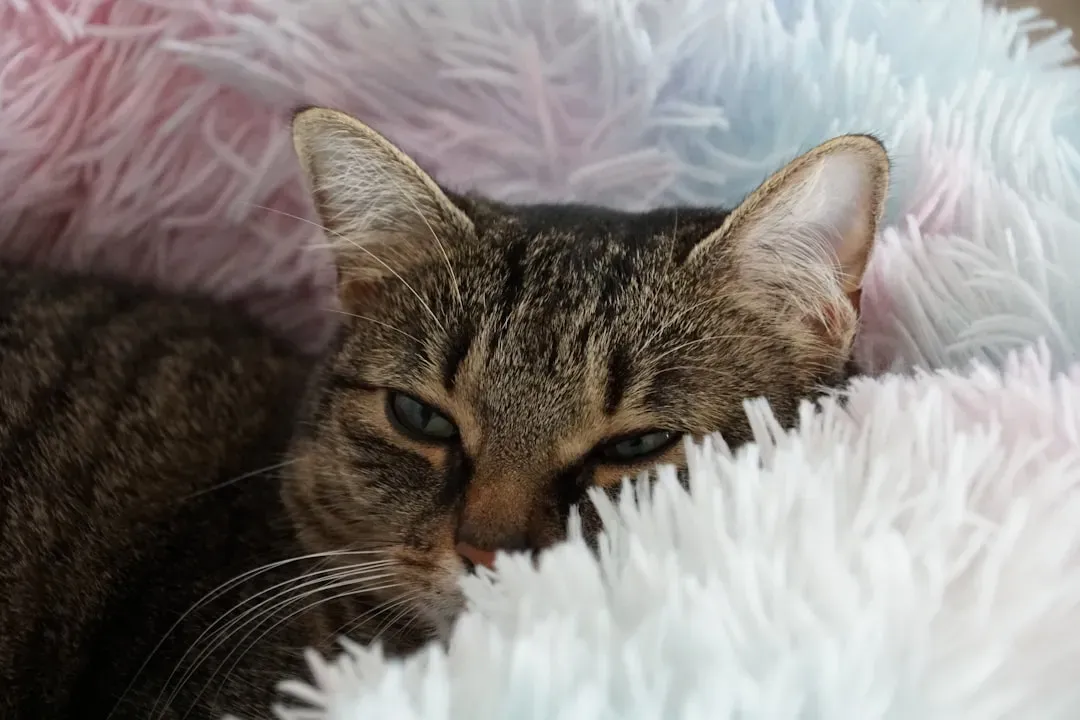
Your cat’s crepuscular nature may depend on your lifestyle and not necessarily be as hardwired as their ancestors, because if you’re home a lot during the day, your cat may stay awake to interact with you, making them more likely to sleep at night. Many cats have learned to adjust their routines to match their human family’s schedule, at least to some degree.
Domestic cats will also sleep when bored, so many cats will sleep through the night with you. Let’s be real, you’re pretty boring when you’re sleeping. Your cat might decide that sleeping alongside you beats prowling an empty, quiet house. On the flip side, if you’re away all day at work, your cat likely naps during those hours and becomes more active when you return home.
What Those Midnight Zoomies Really Mean
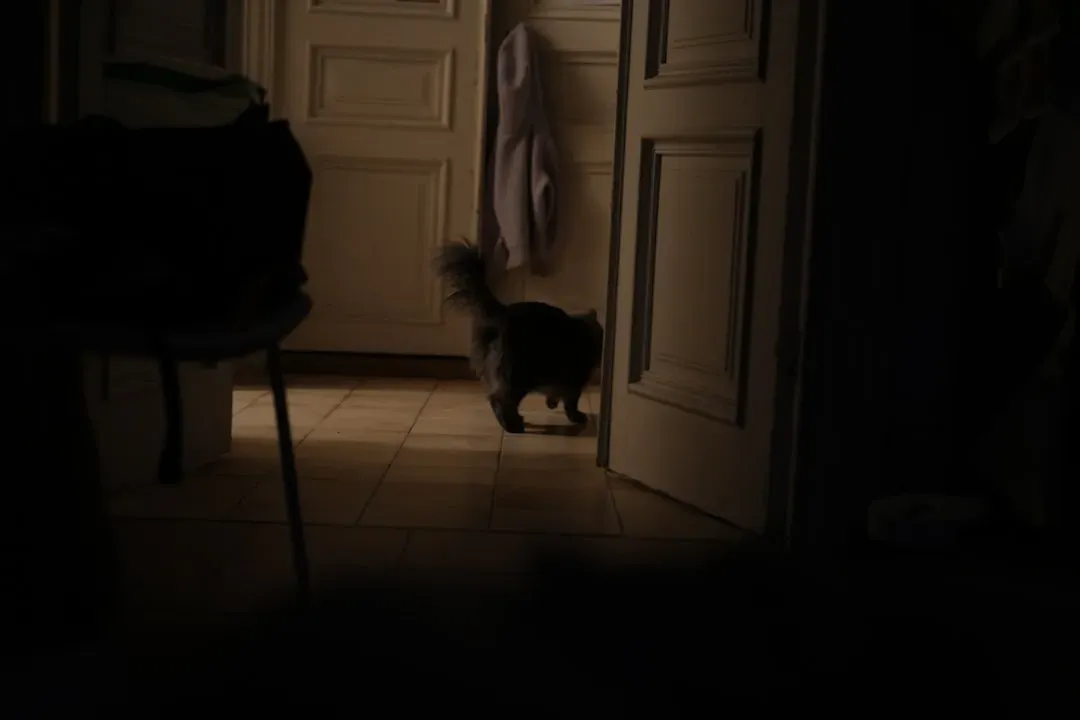
Early morning wakeups coincide with a natural activity peak tied to rising light and feeding expectations, which is one of the most frustrating aspects of feline nighttime behavior. That four a.m. wake up call isn’t your cat being spiteful. It’s their internal clock signaling that dawn is approaching and it’s time to hunt.
Cats that don’t get enough stimulation during the day may channel their pent-up energy into nighttime activity, and providing interactive toys or play sessions during the day can help reduce this. Think of it like this: if your cat sleeps all day while you’re at work, they’ve got a full battery of energy by the time you’re trying to sleep. That energy has to go somewhere, and unfortunately, it often manifests as racing through your bedroom at top speed.
When Sleep Pattern Changes Signal Health Problems
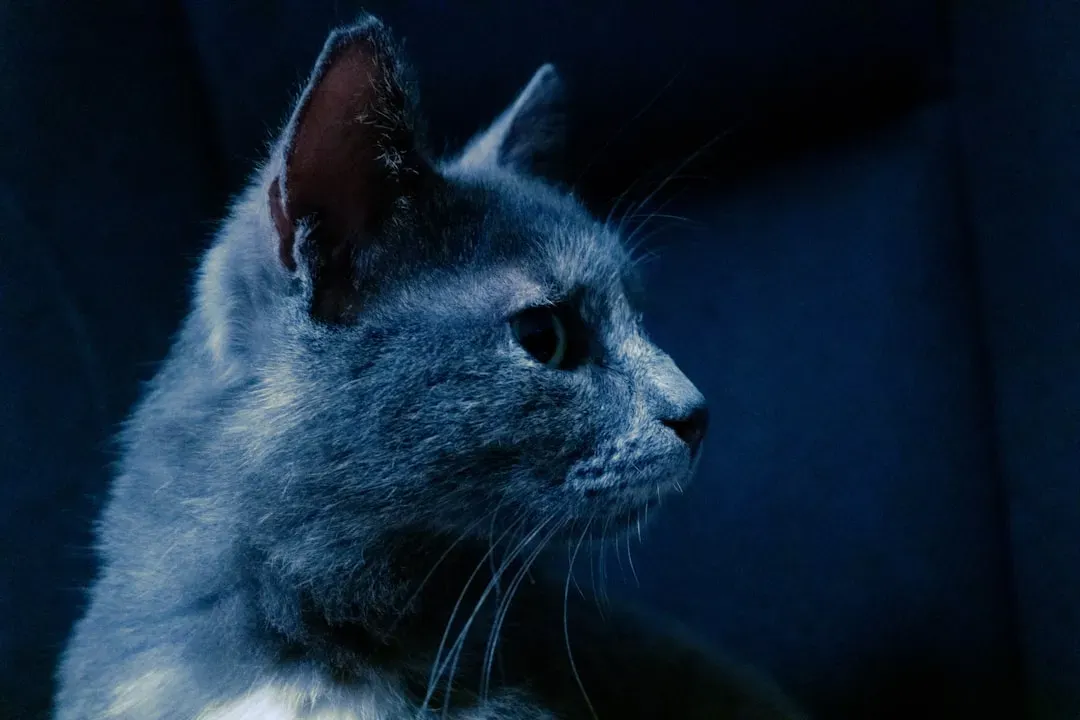
If your cat is spending more time awake at night than they used to, you should mention this to your veterinarian, because some health conditions can disrupt a cat’s sleep schedule and keep them up at night, including hyperthyroidism, hypertension, anxiety and pain. Sudden changes in sleep patterns aren’t something to ignore.
Older cats may experience changes in their sleep wake cycles due to cognitive dysfunction syndrome, and unexplained activity might be a sign that your cat is trying to communicate physical discomfort. If your previously calm senior cat suddenly starts pacing at night or vocalizing more than usual, it’s time for a veterinary visit. These behaviors could indicate underlying medical issues that need attention.
Practical Strategies to Sync Your Sleep Schedules
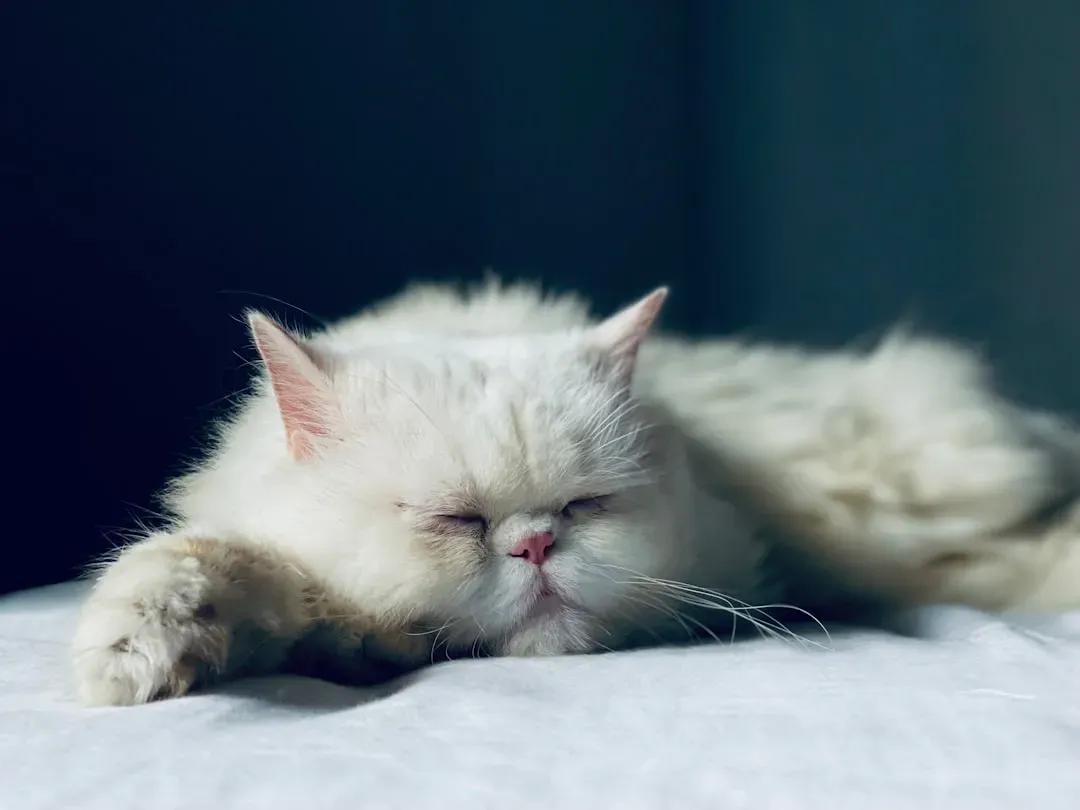
Before bedtime, spend some time playing with your cat and then feed them a small meal, which may help expend some of your cat’s energy, get their tummy full and let both of you get a better night’s sleep. This mimics the natural hunting cycle: hunt, catch, eat, groom, sleep. By recreating this sequence, you’re working with your cat’s instincts rather than against them.
Keeping a consistent meal schedule can help reset your cat’s active and sleep cycles, such as giving them breakfast and dinner at the same time you eat or an hour after waking up and before going to bed. Cats thrive on routine. When they know exactly when to expect food and playtime, they’re less likely to wake you up demanding attention at ungodly hours.
The Role of Mental Stimulation in Better Sleep
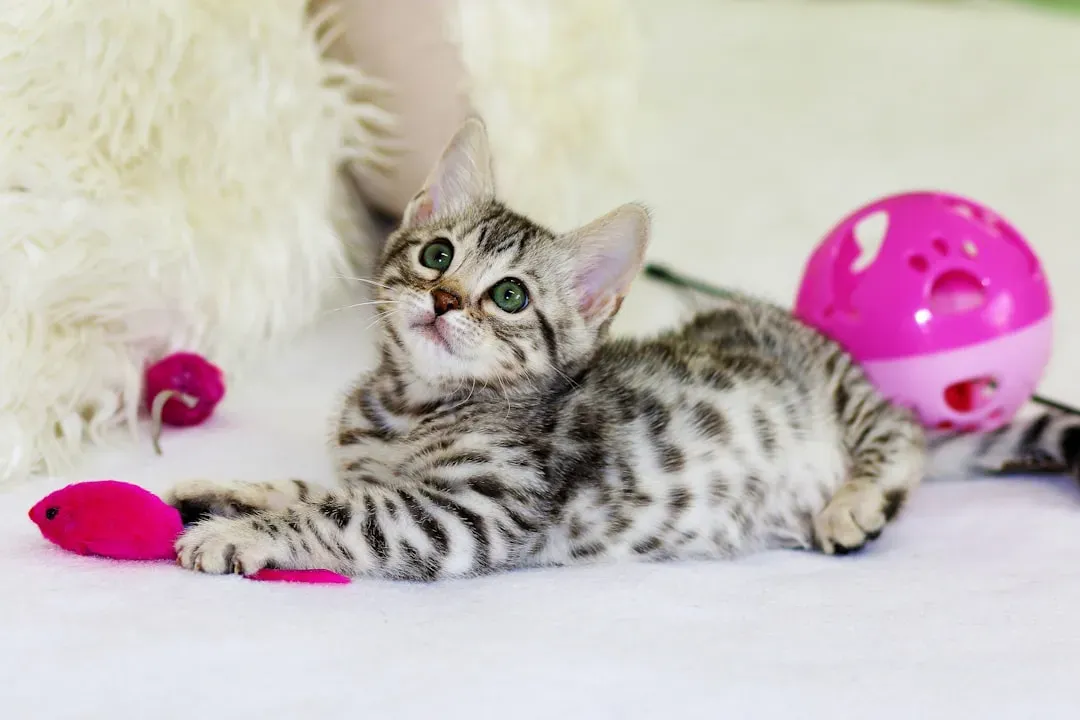
Cats need more than naps to stay happy and balanced, so keep their minds engaged during the day with options like leaving curtains open for bird watching, setting up a bird feeder outside a window, using treat dispensing toys or puzzle feeders, or leaving the TV on a nature channel. Mental exhaustion is just as effective as physical exhaustion when it comes to promoting restful sleep.
Rotate your cat’s toys regularly to keep things interesting. A toy that’s been sitting out for weeks becomes part of the furniture in your cat’s mind. Hide small amounts of food around the house to let your cat “hunt” for it. These activities tap into natural behaviors and give your cat a sense of purpose, which can significantly reduce nighttime restlessness.
Creating the Perfect Sleep Environment for Your Cat
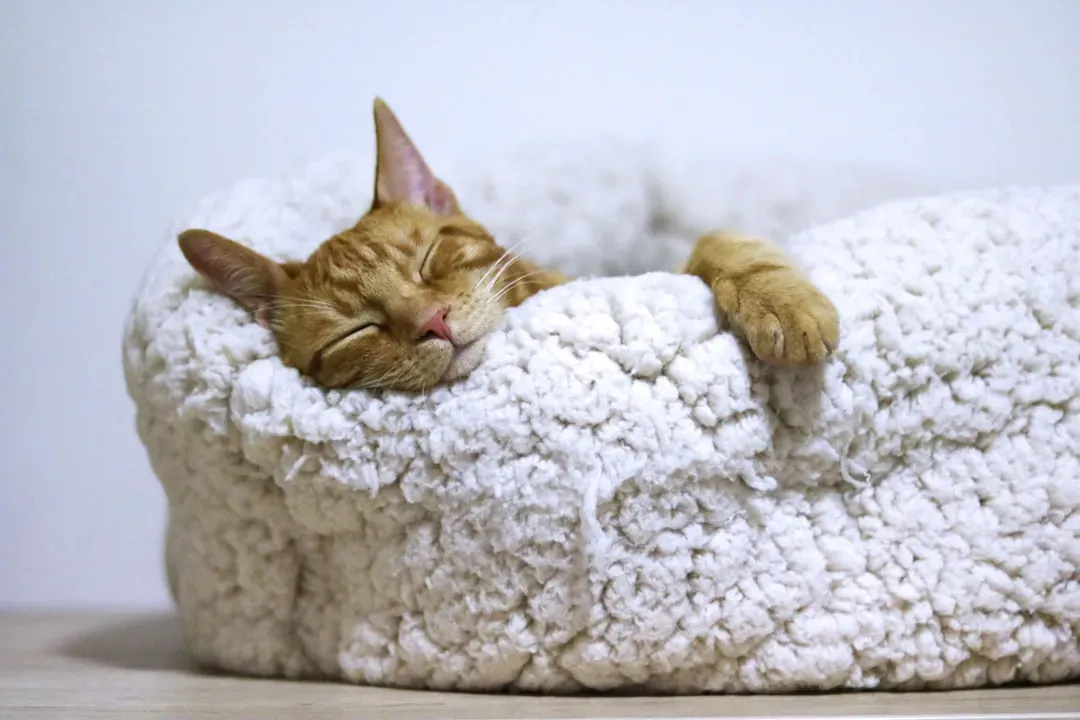
Cats can be pretty particular about where they sleep, so providing them with a comfy bed is a good start, with a focus on a size and type that suits your cat’s sleep style, such as a cave type bed if your cat likes their privacy, or a hammock if they like to be in the middle of it. Some cats want to feel hidden and secure, while others prefer to be in the thick of household activity.
Temperature matters too. Cats seek out warm spots, which is why you’ll often find them sprawled in patches of sunlight or curled up near heating vents. Provide multiple sleeping options throughout your home at different heights and in various locations. This gives your cat choices and increases the likelihood they’ll settle down for a proper rest rather than prowling around looking for the perfect spot.
Conclusion: Working With Nature, Not Against It
Your cat’s sleep patterns aren’t a mystery or a personal vendetta against your rest. They’re the result of thousands of years of evolution that shaped cats into efficient twilight hunters. While cats are not truly nocturnal, their crepuscular nature means they’re active during the times of day when you might prefer to relax.
The good news is that understanding these natural rhythms gives you the power to work with them. By providing adequate physical exercise, mental stimulation, consistent feeding schedules, and comfortable sleeping areas, you can help your cat adjust to a schedule that’s more compatible with yours. It might take some patience and experimentation to find what works best for your particular feline, but the payoff of peaceful nights is absolutely worth the effort. What has your experience been like with your cat’s sleep habits? Have you found any tricks that help everyone in the household get better rest?