You’ve probably scrolled past one of these videos at least once. A cat is minding its own business, peacefully eating from its bowl. Someone quietly places a cucumber behind it. The cat turns around, catches a glimpse of the green intruder, and absolutely loses its mind. The leap. The scurry. The chaos. It’s hilarious, right? Well, maybe not for the cat.
Here’s the thing though – the story behind this viral phenomenon is far more fascinating than the videos themselves. What’s actually triggering that explosive reaction? Is it the cucumber? A deep-rooted fear of snakes? Simple psychology? The answers might genuinely surprise you. So let’s dive in.
How the Viral Cucumber Trend Took Over the Internet
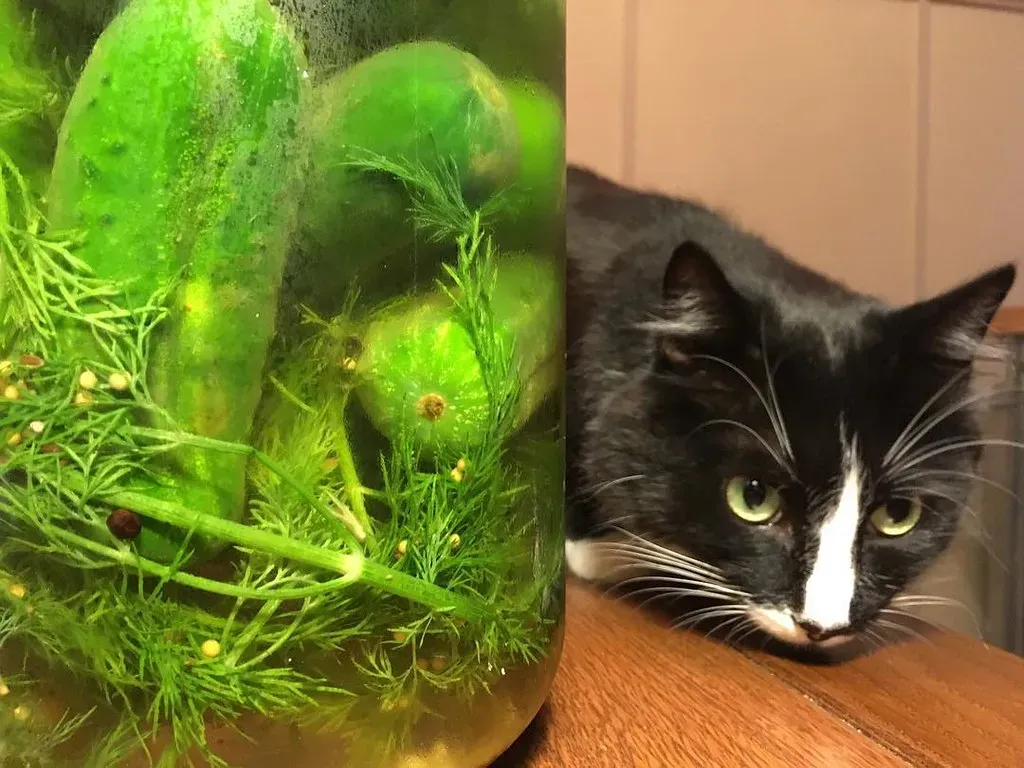
Videos of cats leaping high into the air after being scared by cucumbers went viral, and so many people shared videos testing their own cats’ reactions that YouTube put together a compilation entitled “Cats VS Cucumbers.” It became one of those rare internet moments that felt like a collective inside joke for the entire world.
The cucumber scare trend gained massive popularity through social media platforms, with videos showing cats being startled by cucumbers placed stealthily behind them, often resulting in millions of views. People were hooked. Still, almost nobody stopped to ask whether the whole premise of the joke was actually, scientifically, true.
What Really Happens When a Cat Spots the Cucumber
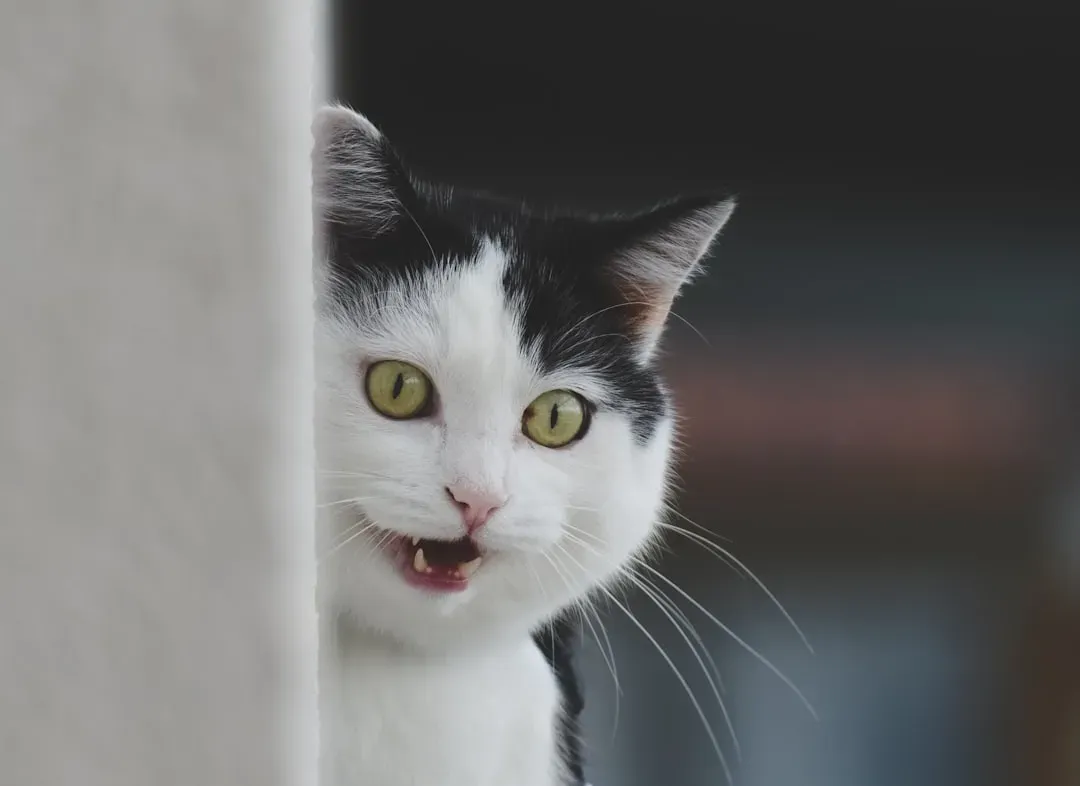
It starts with a cat minding their own business, calmly eating kibble or wet food. Behind the feline sits a cucumber. As the cat finishes their meal and turns, they spy the dark green, cylindrical object, and the calm scene turns to chaos – the cat skitters and jumps, sometimes reaching unnatural heights. Sounds funny on paper. In reality, it’s pure feline panic mode.
Those cats’ reactions are really rooted in fear and confusion, and the reaction can range from a quick jump to a full-blown flight response with scrambling, hissing, or crashing into things. Think less “amusing prank” and more “animal genuinely convinced it might be about to die.”
The Snake Theory: Is There Any Truth to It?
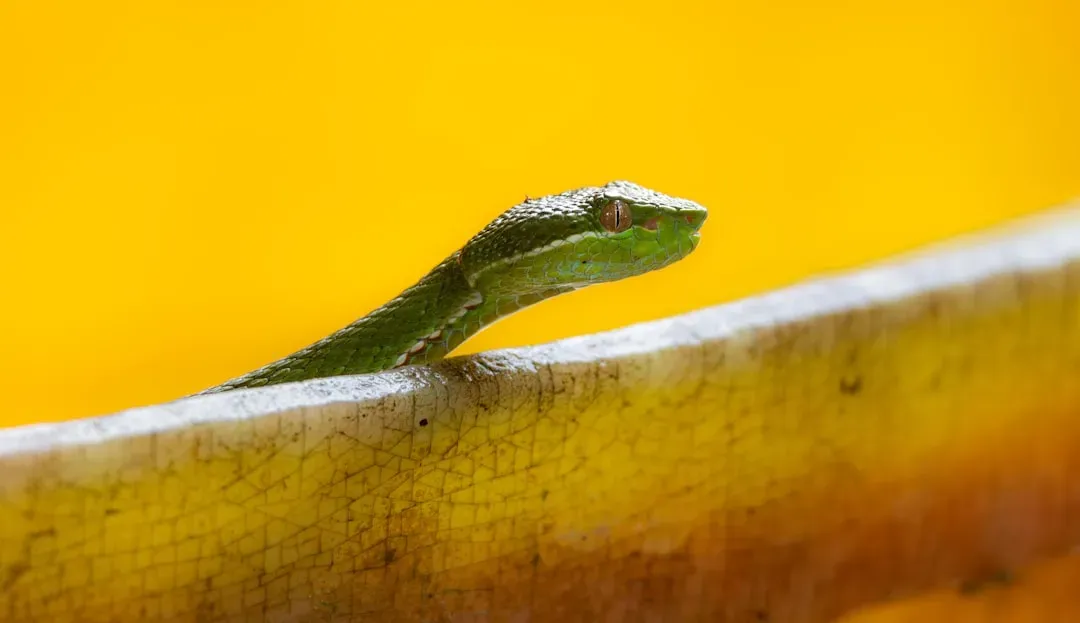
Some behaviorists theorize that the long, curved shape of a cucumber may resemble a snake, one of a cat’s natural predators, and that’s enough to trigger a panic response. It’s a compelling theory, honestly. Cucumbers are long, somewhat curved, and dark green – not exactly a far cry from a garden snake lying in wait.
However, the evidence for this theory is surprisingly thin. Cornell Feline Health Center’s Behaviorist Specialist Dr. Pamela Perry disagrees with the snake theory, noting that “the cats in the videos may be reacting to the sudden appearance of a novel object” and that “cats don’t have a natural fear of snakes.” In fact, many cats will hunt snakes for lack of better prey, and veterinary professionals from Cornell University note it is unlikely they have a deep fear of them, since snakes are simply another potential prey animal.
The Real Culprit: Surprise, Not Salad
According to experts, it is most likely that cats are not scared of the cucumber itself, but rather the circumstances around its sudden appearance that trigger their natural instincts. Let’s be real – you’d jump too if you turned around and found something large sitting silently behind you that absolutely was not there five seconds ago.
It’s not cucumbers per se, but the sudden appearance of an unfamiliar object in a “safe zone” like near their food bowl that triggers panic. Cats have a highly sensitive startle reflex, and their amygdala – the brain’s fear center – fires rapidly when something unexpected appears. This reflex is a survival tool, helping cats avoid predators or sudden threats in the wild. The cucumber is basically just a blameless vegetable caught in the crossfire.
Why the Feeding Bowl Makes Everything Worse
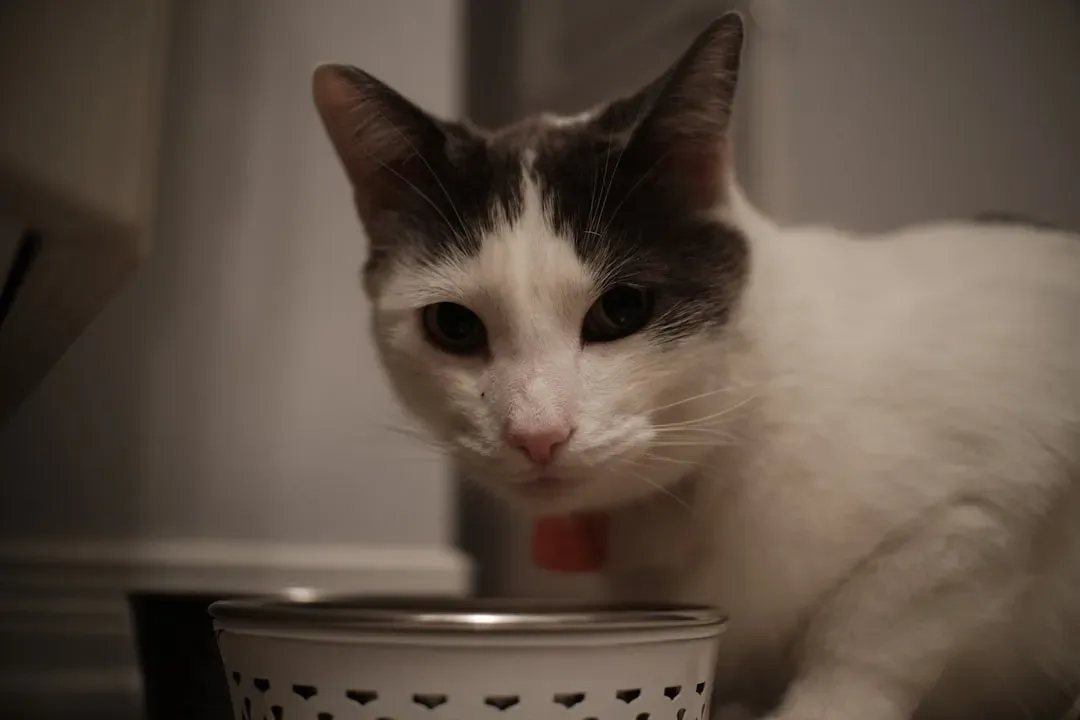
The videos begin when cats have been allowed to exist in a safe space and trust that they can take a minute to eat without fearing for their lives. At some point, an object that seems big to them is placed behind them, sparking that dramatic reaction as they turn to leave their food bowl. Imagine being interrupted in the middle of a meal by something you never saw coming. That’s essentially what happens every single time.
The anxiety is compounded by the fact that this prank is typically pulled while a cat is eating. A cat’s feeding area is sacred ground, and cats are hard-wired to be very territorial about their food – for all they know, this cucumber may be a sneaky thief out to steal their kibble. Territorial, vulnerable, and caught off guard. It’s the perfect storm for a dramatic feline meltdown.
Not All Cats React the Same Way
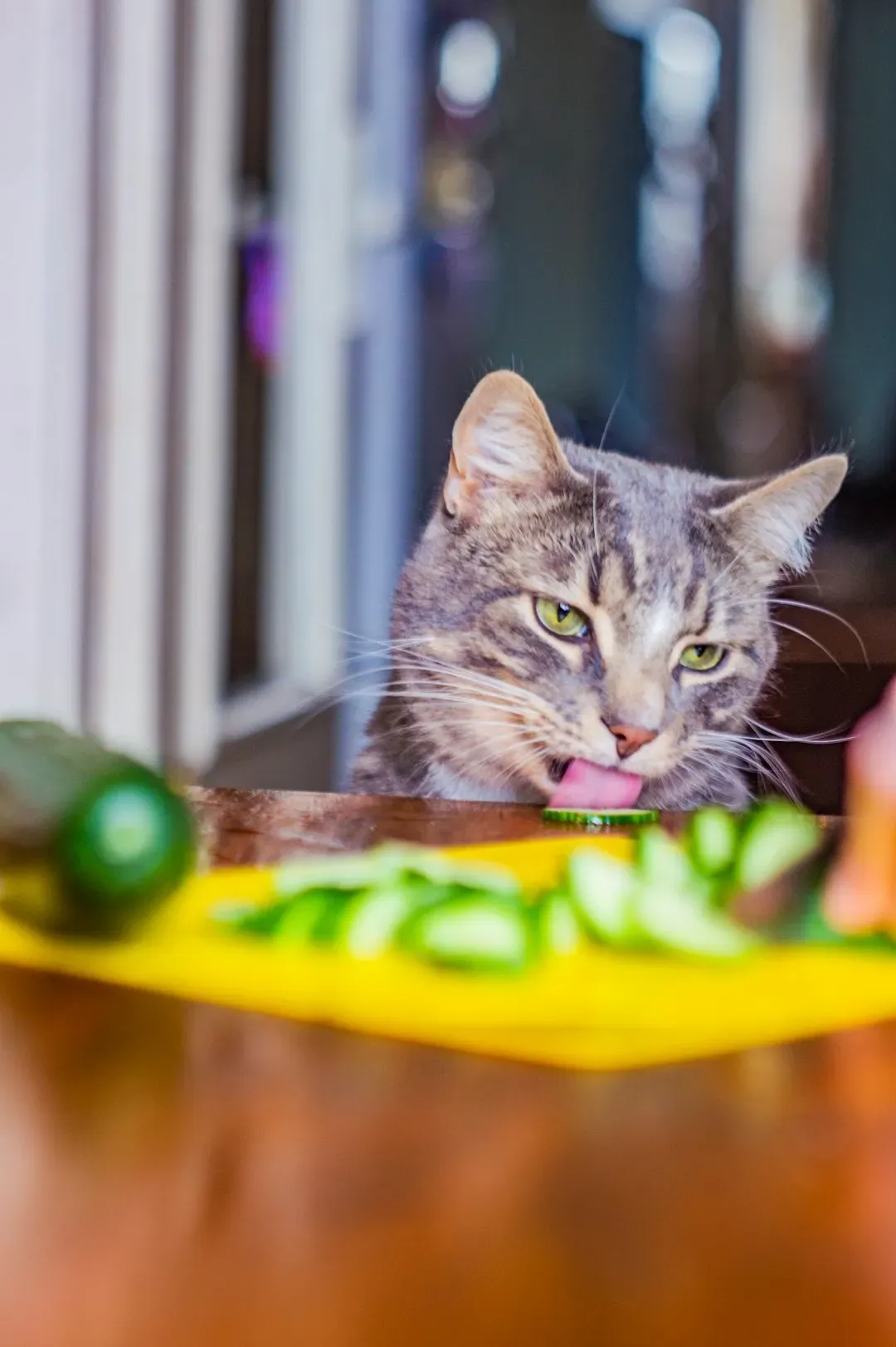
Not all cats react the same way. Some sniff the cucumber, yawn, and walk away. Others launch into orbit. This inconsistency alone should tell you everything you need to know. If cucumbers triggered some hardwired, universal fear, you’d expect every single cat to react identically. They don’t.
Not all cats are afraid of cucumbers. Some might not react to them at all, while others could be mildly curious. A cat’s reaction often depends on its personality, past experiences, and how comfortable it is in its surroundings. Honestly, this makes total sense. Cats, like people, are individuals with wildly different temperaments and thresholds for what sets them off.
The Stress Response: What’s Happening Inside Your Cat’s Body
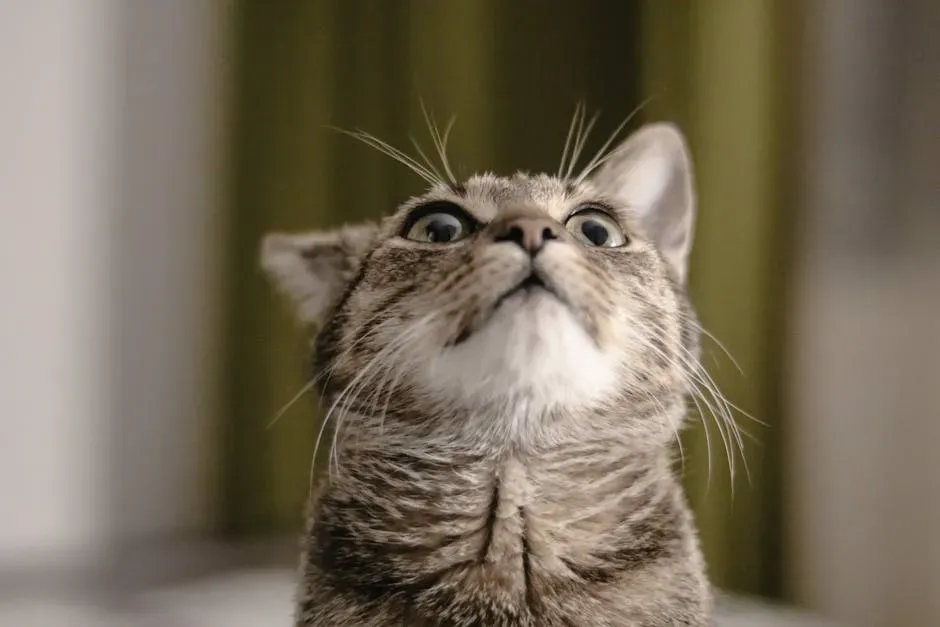
In the wild, cats are both predators and prey, and that “prey animal” mindset has never left the domestic cat. Instinctively, cats are wired to be hyperaware of their surroundings because their survival depends on it, and this includes movements, sounds, and smells. That ancient wiring doesn’t switch off just because your cat now lives in a cozy apartment with a window perch and a subscription box of toys.
Frightened cats experience physiological and behavioral stress responses, and as we all know, stress can have deleterious effects on both humans and animals. When you factor in that cats that experience chronic stress can have medical issues including urinary, gastrointestinal, and grooming conditions, and that stressed or threatened cats will look for an escape route, which can lead to physical injury as they leap or run away, suddenly the “funny” prank doesn’t look so funny anymore.
Why You Should Never Try This at Home
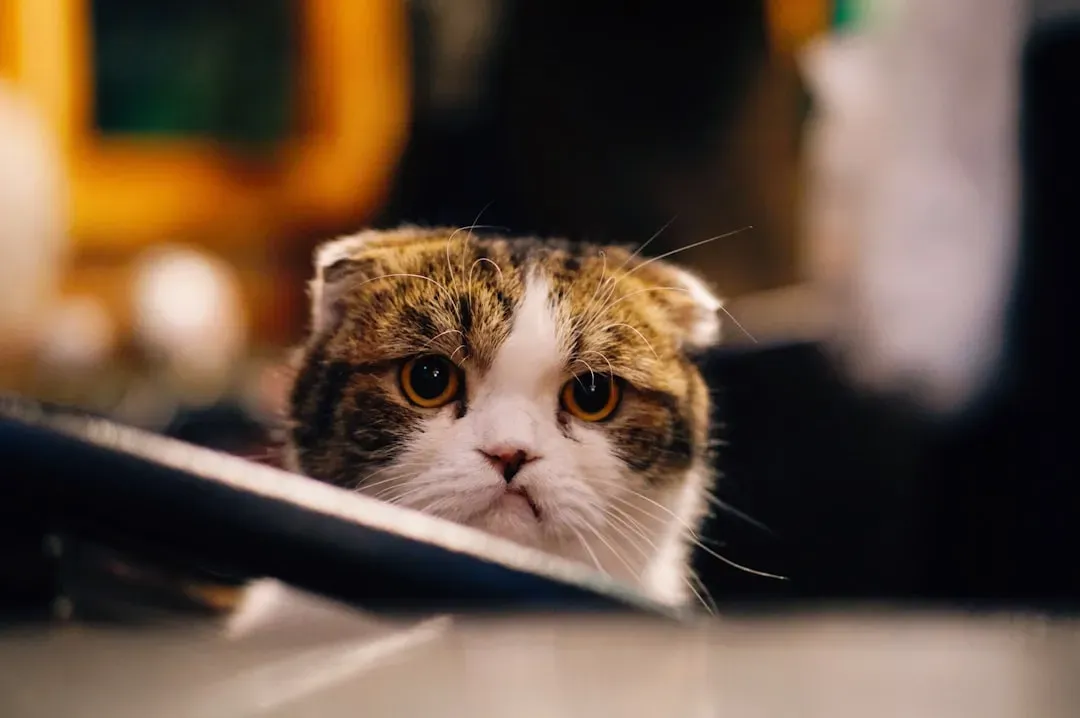
Your cat could end up insecure, anxious, or fearful of a specific room or area where the prank occurred. One expert notes that “pranking cats this way clearly causes them stress, and that stress and the resulting emotional trauma could potentially last a long time.” There is also a risk of injury since a cat startled into fleeing might crash into furniture, slip on slick floors, or injure themselves trying to escape.
Dr. Perry cautions that with consistent teasing, a cat will associate fear with the human playing the prank, not just the cucumber. Think about that for a moment. You could actually become the thing your cat is afraid of. Deliberately inducing fear in your cat can damage the trust and bond between you and your pet, and trust is essential for a healthy and positive human-cat relationship. A few laughs online are genuinely not worth that cost.
What to Do Instead: Keeping Your Cat Happy and Safe
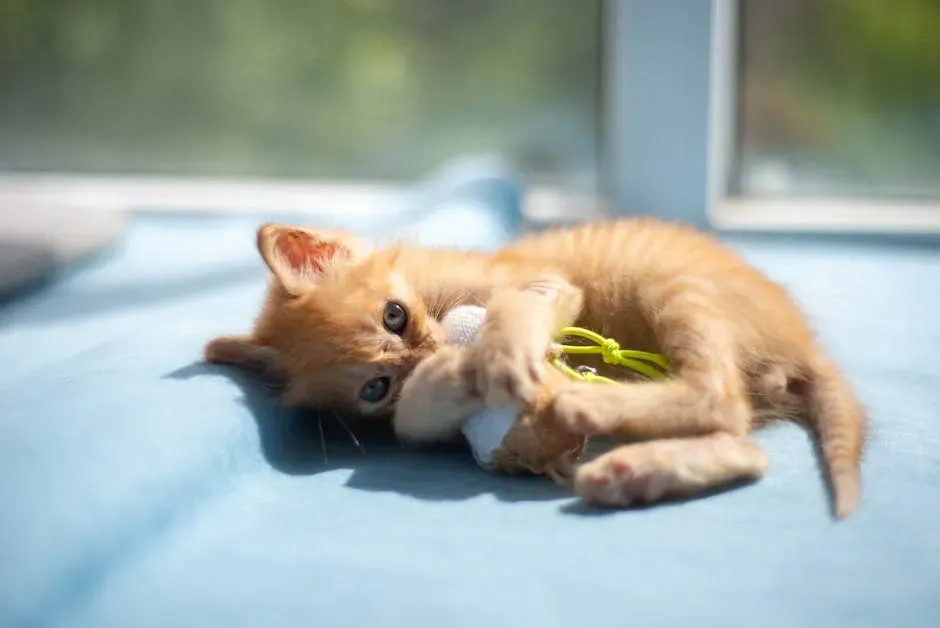
Instead of a prank, you can get a genuinely joyful reaction from your cat by offering cat toys, puzzle feeders, or fun games. Whichever toy or game you choose, your cat is likely to adore it, and it will help strengthen your bond instead of scaring them. It’s a pretty compelling trade-off, honestly.
If your cat does show persistent signs of stress after being startled, like pinned ears, hiding, or excessive grooming, there are a few things you can do. Make sure your living space is quiet and clean, respect your cat’s boundaries, and try to offer toys, puzzles, scratching posts, or other forms of stimulation to distract and comfort them. Your cat wants a safe, predictable world. Give them that, and you’ll have a far happier animal.
Conclusion
So, are cats really afraid of cucumbers? The honest answer is no, not really. They’re afraid of being ambushed in a place where they feel safe. The cucumber just happens to be a convenient, oblong scapegoat that keeps ending up in the wrong place at the wrong time. The viral myth oversimplifies something rooted in genuine animal psychology and survival instinct.
What’s truly worth taking away from all of this is a deeper respect for just how complex your cat’s emotional world actually is. They are not joke props with paws. They are sensitive, intelligent creatures who depend on you to keep their world consistent and secure. Every laugh-at-your-cat video you scroll past is a little reminder of that responsibility.
Next time you reach for a cucumber, maybe just put it in a salad. Your cat will thank you for it – in their own completely unreadable, slightly judgmental feline way. What do you think – does this change how you see those viral videos? Share your thoughts in the comments.