You’ve been there. It’s 2 a.m., you’re finally in deep sleep, and suddenly your cat transforms into a furry tornado tearing through your home like they’re training for the Olympics. You hear the thunderous patter of paws on hardwood, the crash of something falling off a table, and maybe even a wild yowl for good measure. You roll over, wondering if your sweet, docile feline has been possessed by some nocturnal demon.
Here’s the thing, though: what if we’ve been getting it all wrong? What if those midnight zoomies aren’t just random bursts of chaos, but something far more meaningful rooted deep in your cat’s DNA? Let’s be real, most of us dismiss these episodes as our cats just being weird. Yet there’s actually a fascinating explanation behind this behavior that might change how you see your furry friend’s late-night antics.
The Crepuscular Truth We’ve Been Ignoring
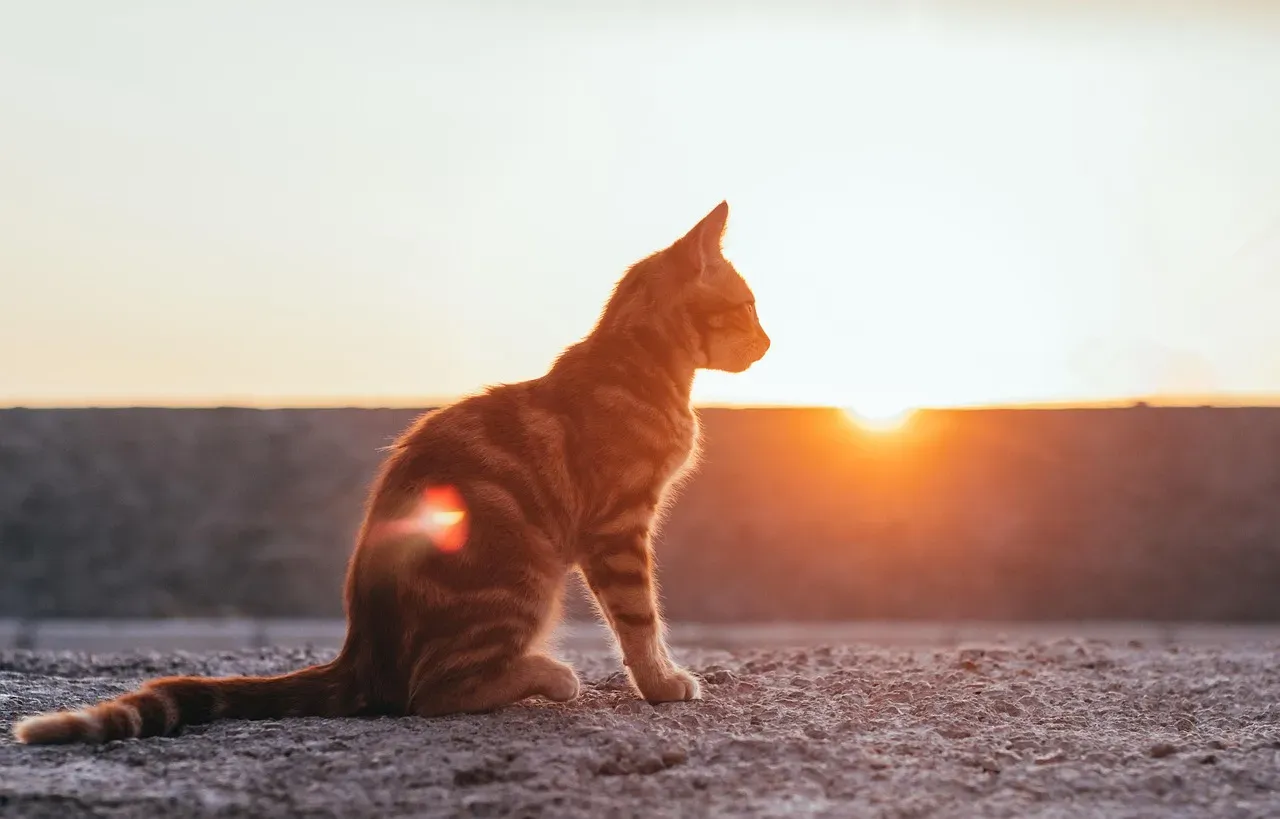
Cats are crepuscular animals, meaning they are most active during dawn and dusk. This behavior can be traced back to their wild ancestors, who hunted during these times to take advantage of cooler temperatures and the movement of prey. So when you call your cat nocturnal, you’re technically wrong. They’re wired for twilight hours, not the dead of night.
While domestic cats no longer need to hunt for their meals, they’ve retained these instinctual patterns of activity. However, many indoor cats adjust their schedule to match their human’s, becoming more active during the day and resting at night. Think about it like this: your cat is living with an internal clock that’s slightly out of sync with yours, like permanent jet lag. The midnight zoomies might just be their body’s way of saying it’s time to hunt, even though the only prey in sight is your ankle under the blanket.
The Energy Storage Problem Nobody Talks About
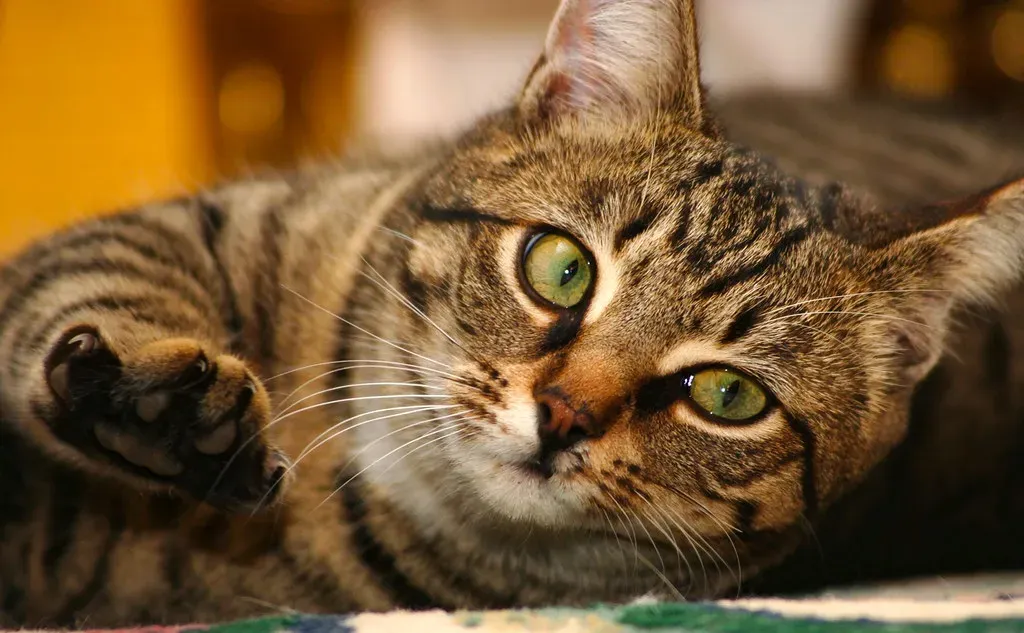
Cats sleep for an average of 13 to 14 hours a day. That leaves plenty of stored energy for when they’re awake. If they haven’t expended enough energy during the day, they may have zoomies at night. Your cat isn’t being difficult on purpose. They’re literally bursting with unused fuel.
Imagine sleeping for more than half your life and then waking up with nowhere to channel that energy. Cats spend so much time napping – especially if they have plenty of alone time. This leads to built-up energy, which eventually comes out in a short, quick rush. It’s like they’re a pressure cooker that needs to release steam, except the steam manifests as your cat ricocheting off furniture at speeds that defy physics.
The Hunting Instinct That Never Left
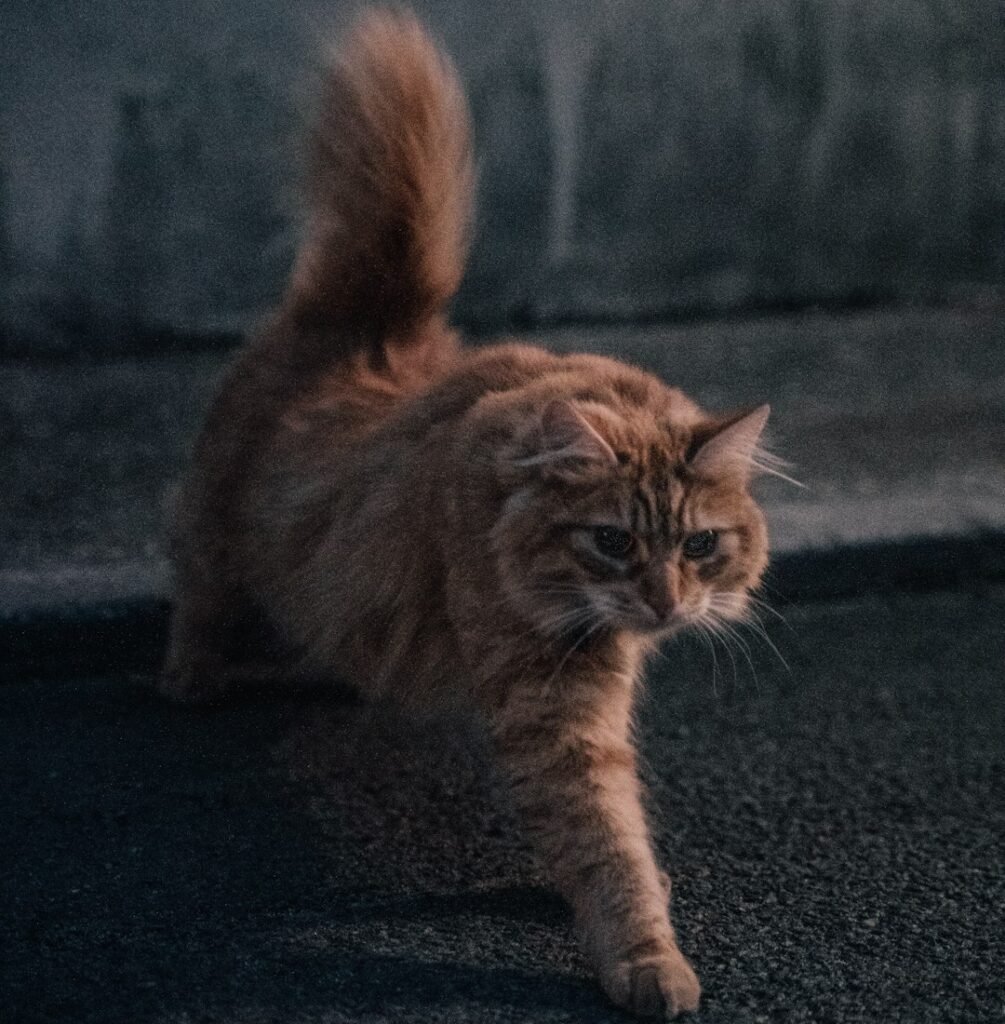
Cats have retained their hunting instincts from their wild ancestors. These instincts can trigger bursts of energy, often at night, even in the absence of actual prey. They may play with toys, chase their tail, or pounce on invisible objects. This is where things get interesting. Your cat isn’t just running around randomly.
Cats are born hunters, and their bodies are designed for short bursts of activity. Indoor living doesn’t always satisfy those instincts, so zoomies act as a way for them to exercise both their muscles and their mind. Those midnight sprints are essentially your cat’s way of practicing skills they’d use in the wild. Your living room has become their hunting ground, even if the only thing they’re stalking is a dust bunny.
Why Your Quiet House Triggers the Crazy
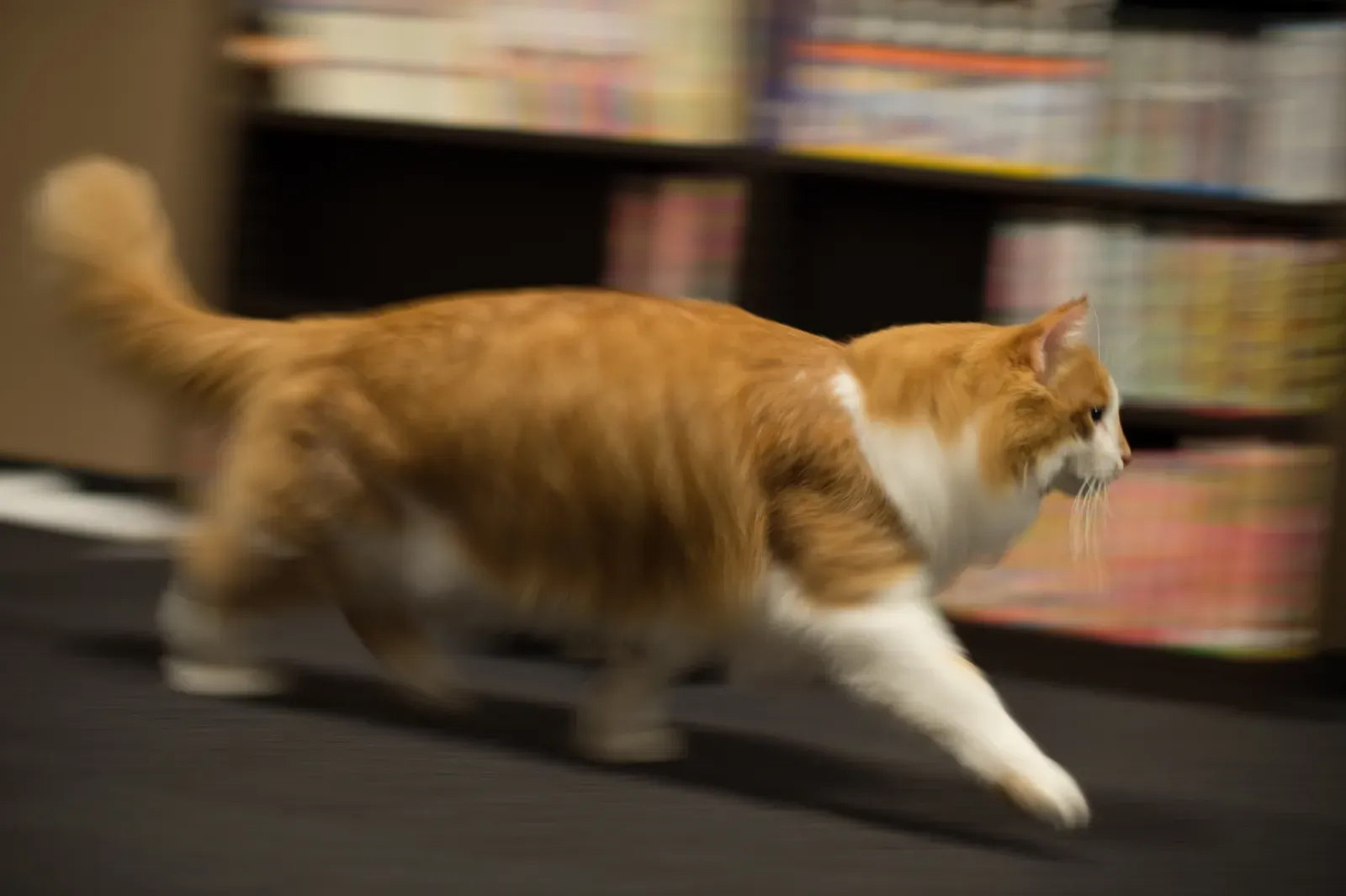
The quiet of the night might make your cat feel more comfortable exploring and playing. During the day, the noise and activity associated with daily life can be intimidating for some cats, causing them to rest and wait for the tranquility of nighttime to get active. This is something most people don’t consider.
Your cat might actually find your daytime routine stressful or overstimulating. The vast majority of zoomies in cats have to do with pent-up energy. Nighttime is when it’s quietest in most people’s homes, and a cat that slept most of the day while the owners were gone may be up and looking for something to do then. When everything finally settles down and the house goes dark, your cat feels safe enough to let loose. It’s honestly quite sweet when you think about it that way.
The Litter Box Victory Lap Phenomenon
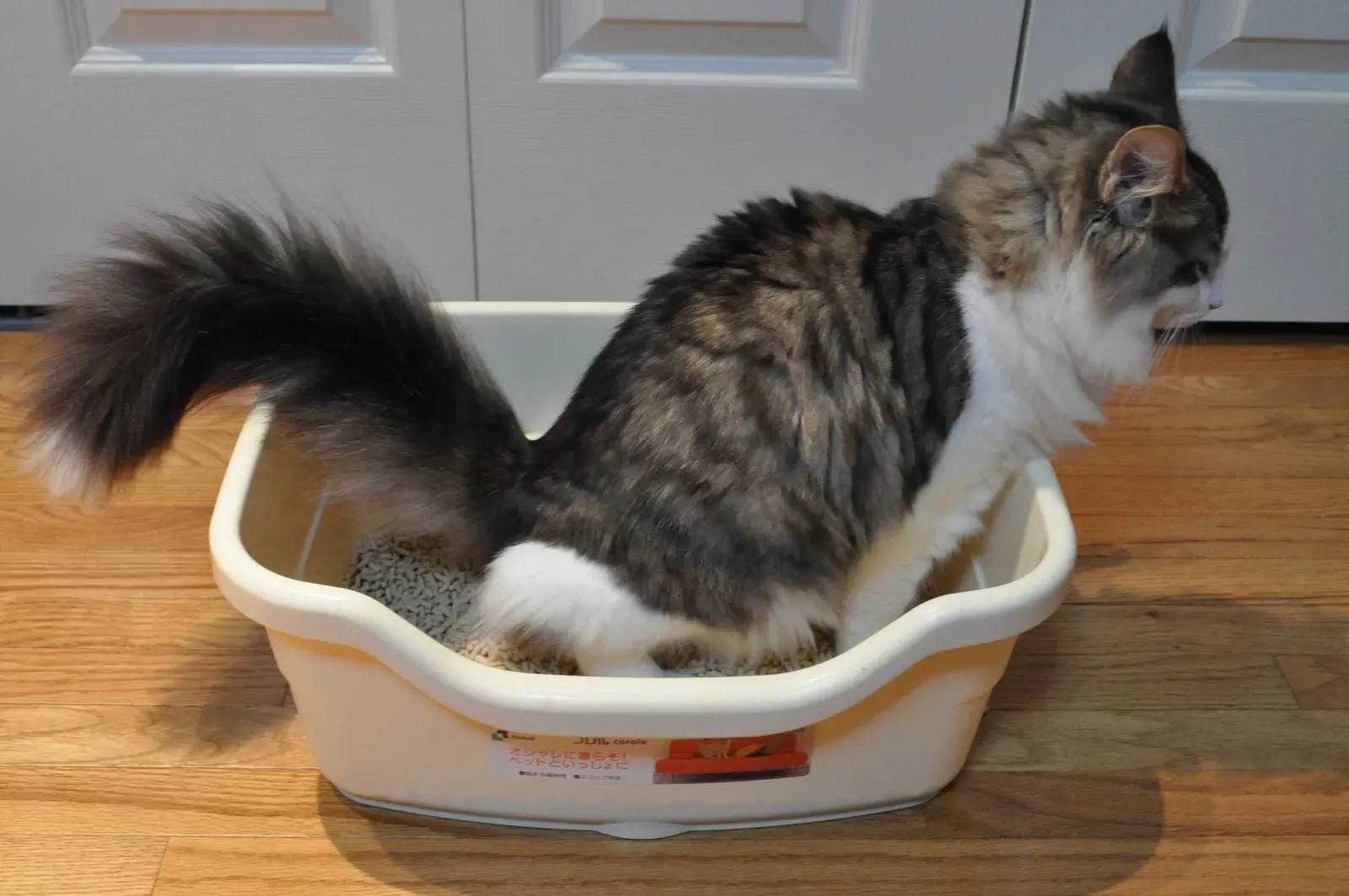
If you’ve noticed your kitty racing around right after using the litter box, you’re not imagining it. Some cats experience a quick adrenaline rush after a successful bathroom break. It’s their way of celebrating. Yes, you read that correctly. Your cat might be doing victory laps after pooping.
This particular type of zooming has a scientific explanation too. Zoomies can occur post-pooping in the litter box. While equally hilarious as the zoomies is the thought of your feline friend taking a victory lap after their trip to the bathroom; it’s important to note whether or not this is a new behavior. Honestly, I think we could all learn something from this level of enthusiasm about basic bodily functions.
The Boredom Factor You’re Overlooking
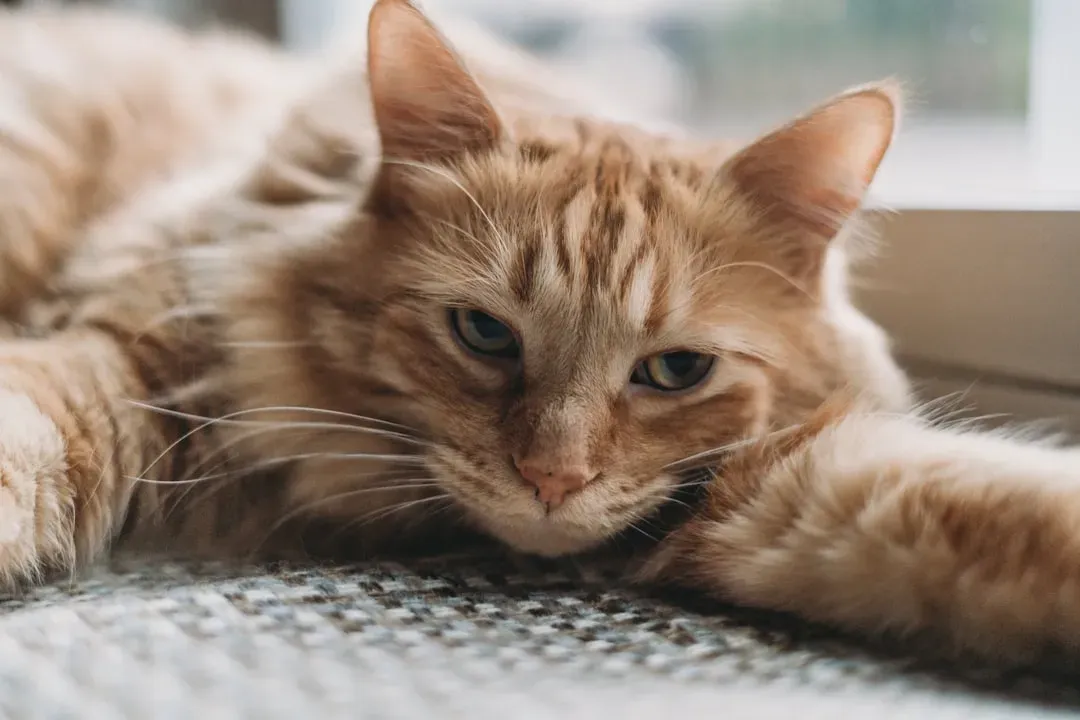
Cats need mental stimulation just like humans do. If they don’t get enough stimulation during the day, they might become more active at night. Your cat’s brain needs exercise just as much as their body does. When they’re understimulated during waking hours, that mental energy has to go somewhere.
Indoor cats that don’t get enough exercise may be overtaken by the need to use that unspent predatory energy – hence running wildly around the house (and maybe knocking over a vase of flowers or a potted plant or two). Engaging your cat in interactive play helps keep them physically and mentally stimulated and burns all the pent-up energy. Sometimes the zoomies are just your cat’s way of screaming, “I’m bored out of my mind and need something to do!”
When Zoomies Signal Something More Serious
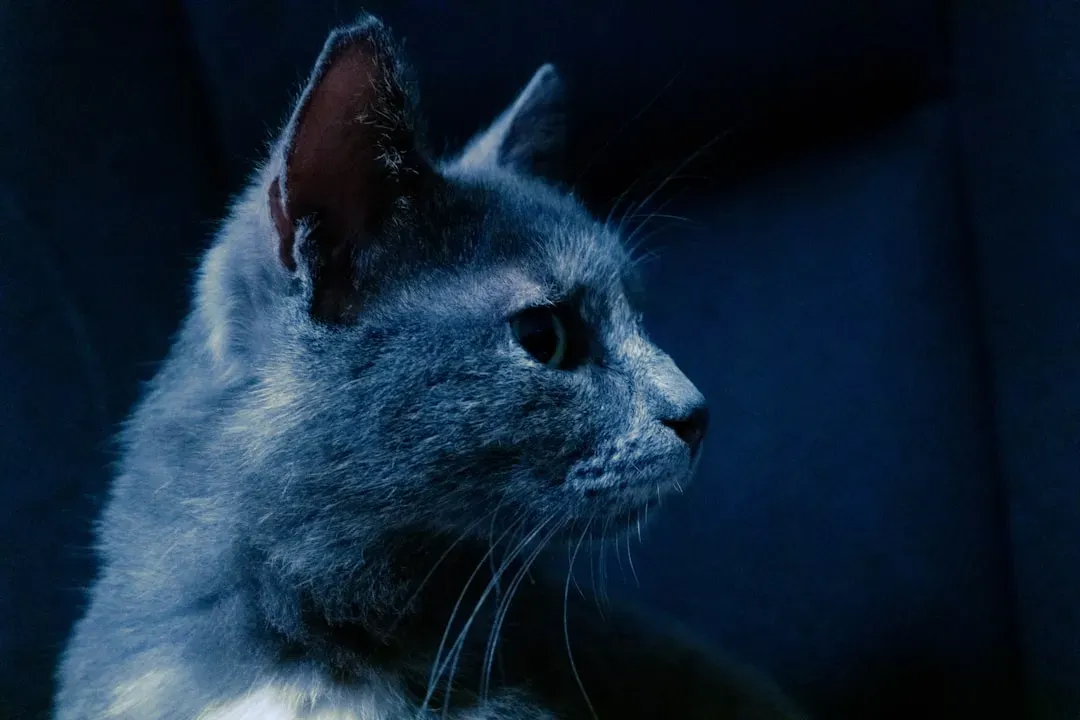
In some cases, excessive nighttime activity may be a sign of an underlying medical issue such as hyperthyroidism. If your cat’s nighttime behavior suddenly changes or becomes more extreme, it’s essential to consult with your veterinarian to rule out any potential health problems. This is the less fun part of the conversation, but it’s important.
When a cat experiences acute pain due to arthritis or has been bitten by fleas, they try to escape the pain or itchiness by running wildly. Not all zoomies are created equal. If your normally calm senior cat suddenly starts zooming frantically, or if the behavior seems distressed rather than playful, something medical could be happening. It’s hard to say for sure, but better safe than sorry when it comes to your pet’s health.
The Multi-Cat Household Dynamic
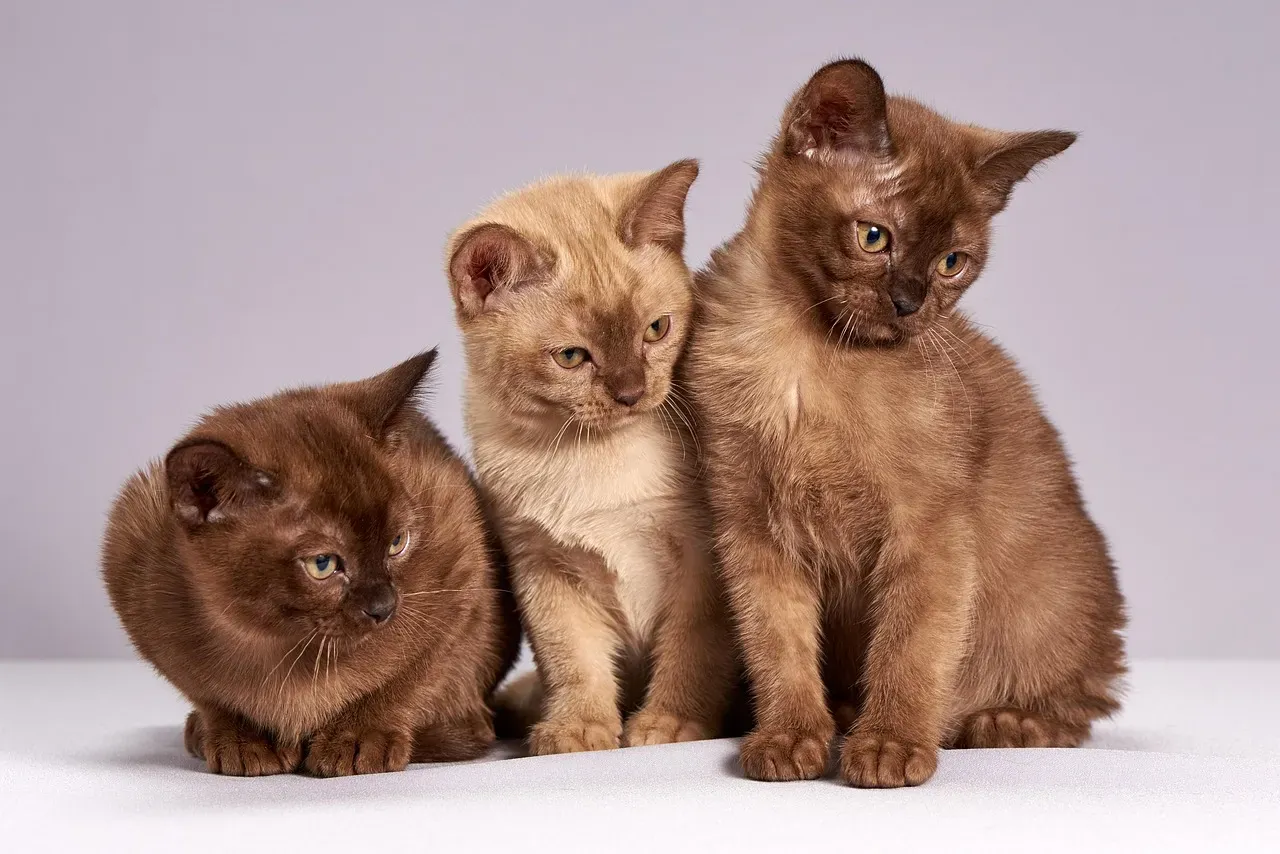
In multi-cat households, the dynamic can be even more complex. Cats may engage in play or display territorial behaviors, which can also result in nighttime activity. If you have multiple cats, you’ve probably witnessed what can only be described as coordinated chaos. One cat gets the zoomies, and suddenly it’s a full-blown race through the house.
This social element adds another layer to the midnight madness. Your cats might be reinforcing each other’s behavior, turning solo zoomies into a group activity. Sometimes they’re playing, sometimes they’re establishing hierarchy, and sometimes they’re just feeding off each other’s energy like furry little mirrors. The complexity of it all is actually pretty fascinating when you stop being annoyed about your broken sleep.
What You Can Actually Do About It
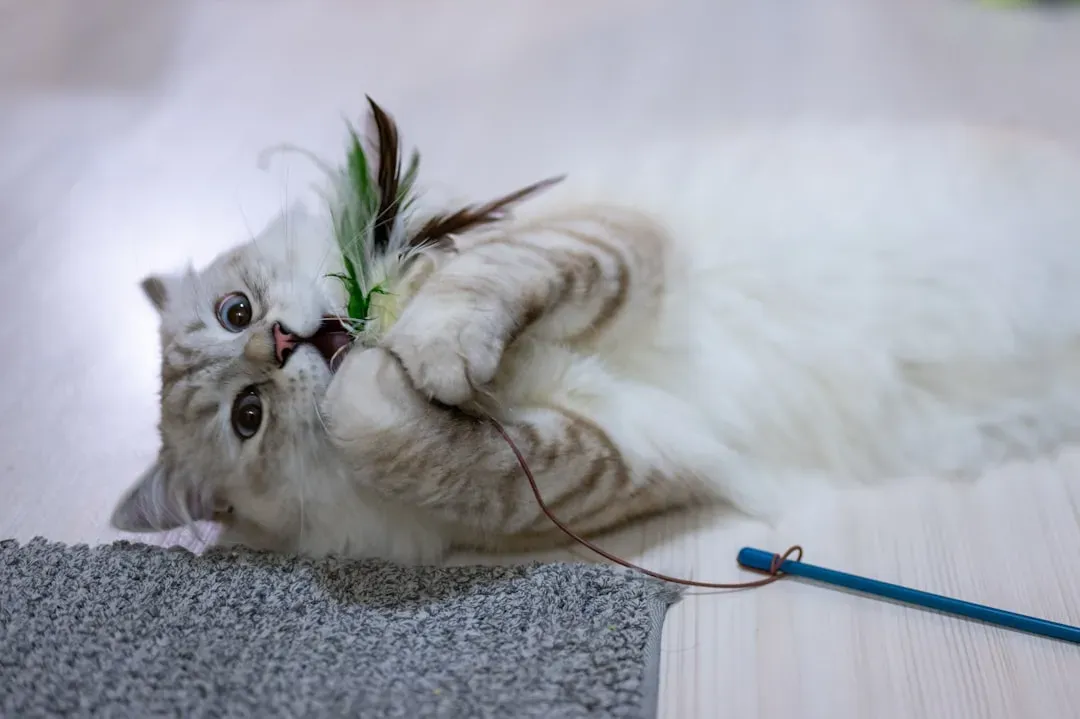
Engage your cat in interactive play sessions, particularly in the evening. Use toys that mimic prey, like feather wands or laser pointers, to satisfy their hunting instincts. This is probably the most practical advice you’ll get. Tire them out before bed, just like you would with a toddler.
Cats tend to sleep after a big meal. Try feeding your cat their main meal just before your bedtime to encourage them to sleep through the night. The hunt-eat-sleep cycle is hardwired into your cat’s brain. Play with them intensely for roughly ten to fifteen minutes, then feed them their biggest meal of the day. Research on indoor cats suggests that feeding times are among the strongest drivers of daily activity. Cats quickly learn when food is likely to appear and adjust their wakefulness accordingly. You’re essentially hacking their natural rhythm.
The Bigger Picture We’re Missing
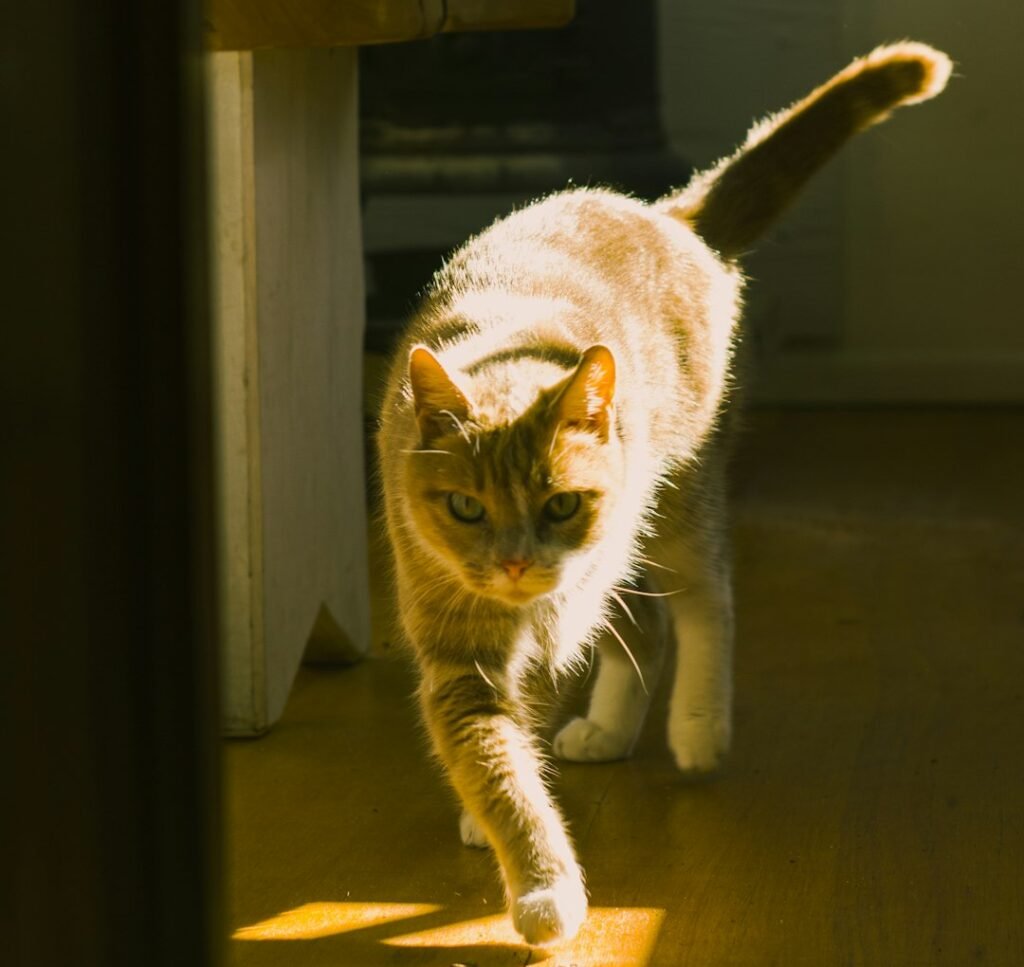
Maybe we’ve been approaching this all wrong. For the most part, it’s just a completely normal expression of their quirky personality! While kittens do tend to mellow out with age, the zoomies don’t necessarily stop! Instead of seeing midnight zoomies as a problem to fix, perhaps we should recognize them for what they are: your cat being authentically, wildly themselves.
Cats have evolved to be most active during twilight hours when their prey is typically most vulnerable. This evolutionary adaptation explains why your cat might seem to “come alive” just as you’re getting ready for bed. Your cat isn’t trying to ruin your sleep. They’re just following millions of years of evolutionary programming. When you frame it that way, those 3 a.m. sprints become less annoying and more like witnessing a tiny predator doing what they were born to do.
The midnight zoomies aren’t a behavioral problem or a sign your cat is broken. They’re a window into the wild animal that still lives inside your domesticated companion. Sure, you can manage them with play and feeding schedules, and you absolutely should for everyone’s sanity. Still, there’s something beautiful about a creature that refuses to completely abandon its instincts, even when living in a temperature-controlled home with regular meals.
So the next time you’re jolted awake by the sound of your cat sprinting through the hallway like their tail is on fire, maybe take a second to appreciate the complexity of what’s happening. You’re not dealing with a misbehaving pet. You’re living with an apex predator whose ancestors ruled the twilight hours, and occasionally, that ancient wildness just needs to come out and play. What do you think – does understanding the why behind the zoomies make them any easier to tolerate? Let us know in the comments.