You’ve probably noticed something peculiar about your feline friend. One week they’re devouring their meals with gusto, and the next they’re turning their nose up at the same food they loved just days ago. Let’s be real, it’s frustrating to open yet another can only to watch your cat sniff, pause, and walk away like you’ve just served them something offensive.
Here’s the thing though. Your cat might not be naturally fussy. There’s a good chance you’ve unintentionally trained them to be selective. I know it sounds crazy, but the way you feed, the variety you offer, and even the bowl you use can transform a perfectly content eater into a demanding food critic. So let’s dive in and discover whether you’re accidentally creating a picky eater right under your own roof.
Offering Too Much Variety Can Backfire
You may have inadvertently created a picky eater by taking advantage of the huge variety of cat foods, including different kibble flavors and sizes, textures and flavors of canned foods, and pouches of semi-moist food. For some cats, too much of a good thing is not necessarily a good thing, and it can lead to cats learning to hold out for their favorites. Think about it like this: if you constantly rotate between chicken, salmon, beef, and duck varieties, your cat starts to realize they have options.
Soon enough, they’re waiting for the good stuff instead of eating what’s in front of them. Your cat might have come to expect to be fed in a fussy way, and if you offer a lot of different options at mealtime and let your cat pick and choose what they prefer each time, they’ve got you trained and will continue to behave this way. Once you’ve created that expectation, breaking the habit becomes significantly harder.
Free Feeding Creates Selective Grazers
It is especially common for cats who graze on dry kibble to become picky eaters, making it difficult to encourage them to try new foods. If they have access to food all day and are always eating, they never really experience hunger and don’t see food as something valuable. Leaving a bowl of kibble out all day might seem convenient, but it teaches your cat that food is always available. There’s no urgency, no anticipation, and honestly, no reason to be excited about mealtime.
Switching your cat to measured, timed meals with a break from food in between actually promotes a healthy metabolism and makes introducing new foods easier. When your cat experiences genuine hunger between meals, suddenly that bowl of food becomes far more appealing. It’s not manipulation; it’s working with their natural instincts.
You’re Serving Food at the Wrong Temperature
Cats were tested in a two-bowl test where they could select the food they preferred in two side-by-side bowls so that the same food at different temperatures could be compared. As a group, cats preferred the room temperature food to the cold food, but preferred the warmed food most of all. Honestly, this one surprised me when I first learned about it. Most of us pull wet food straight from the fridge and plop it into the bowl.
Most cats prefer their food at what we call mouse temperature, which makes sense when you think about the fact that cats are obligate carnivores, and this temperature preference is between one hundred and one hundred and two degrees Fahrenheit. Your cat’s wild ancestors ate fresh prey, and that instinct remains. Warming food slightly releases more aroma and makes it far more enticing to your cat.
The Bowl Itself Might Be the Problem
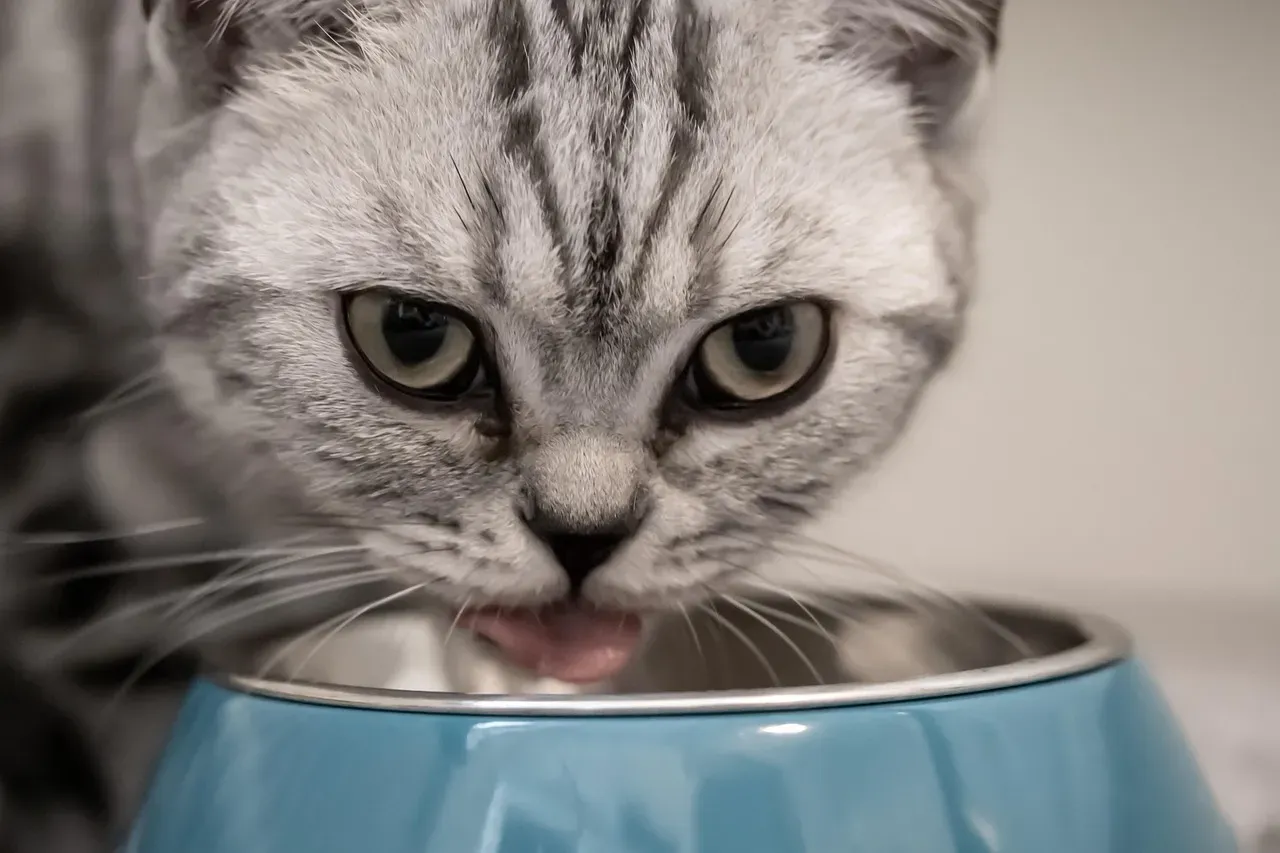
Cats have an uncanny ability to smell changes in the world around them. A dirty bowl can be as off-putting as a fresh bowl that was cleaned with a scented soap, and a brand-new bowl means a new-bowl smell that could be enough to disturb a cat’s eating habits. Some cats refuse to eat from a plastic or hard rubber bowl. It sounds picky, but your cat’s sensitive nose picks up on things you can’t even detect.
Try offering food in wide, shallow bowls or plates instead of small, deep bowls to avoid a cat’s super-sensitive whiskers making contact with anything while eating. Make sure your cat’s bowl is clean, as many cats won’t eat out of a bowl that has bits of old food in it. Would you want to eat off a crusty plate? Your cat doesn’t either. Fresh bowl, fresh food, every single time.
Treats and Table Scraps Are Ruining Their Appetite
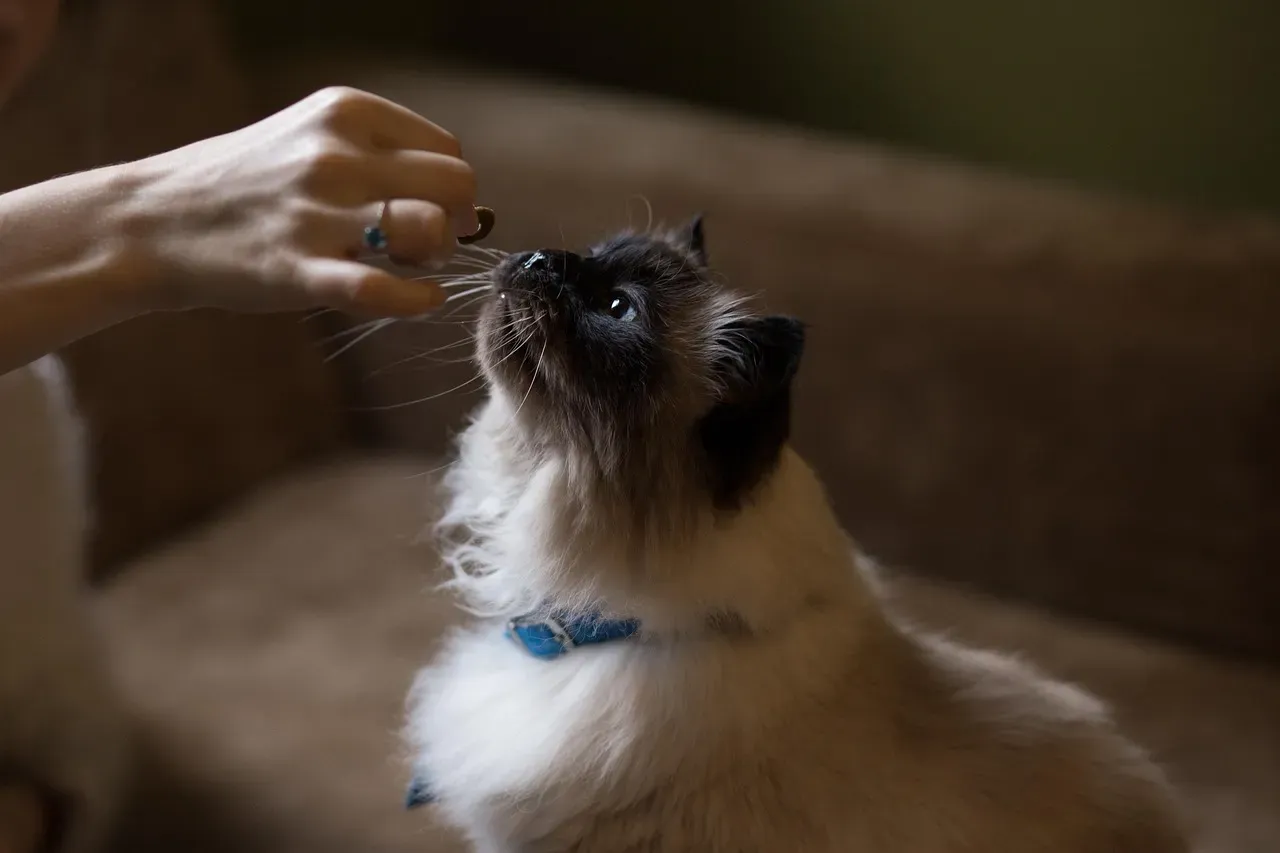
Too many treats can fill your cat up and make them less likely to eat their regular meals. Stick to a routine by limiting treats to small amounts and offering them only as a reward after mealtime to help your cat focus on their main food when they’re hungry. Those little snacks throughout the day add up faster than you might think. Even though each treat seems tiny, the calories accumulate.
Cats quickly become accustomed to being given treats or scraps, which can lead to inappropriate behaviour such as begging and stealing food. Cats used to eating human foods can also become picky eaters, choosing to eat our food over their own. Once your cat gets a taste of that roasted chicken or tuna from your sandwich, their regular cat food suddenly seems boring in comparison. You’re essentially training them to hold out for the premium options.
Your Feeding Location Is Stressing Them Out
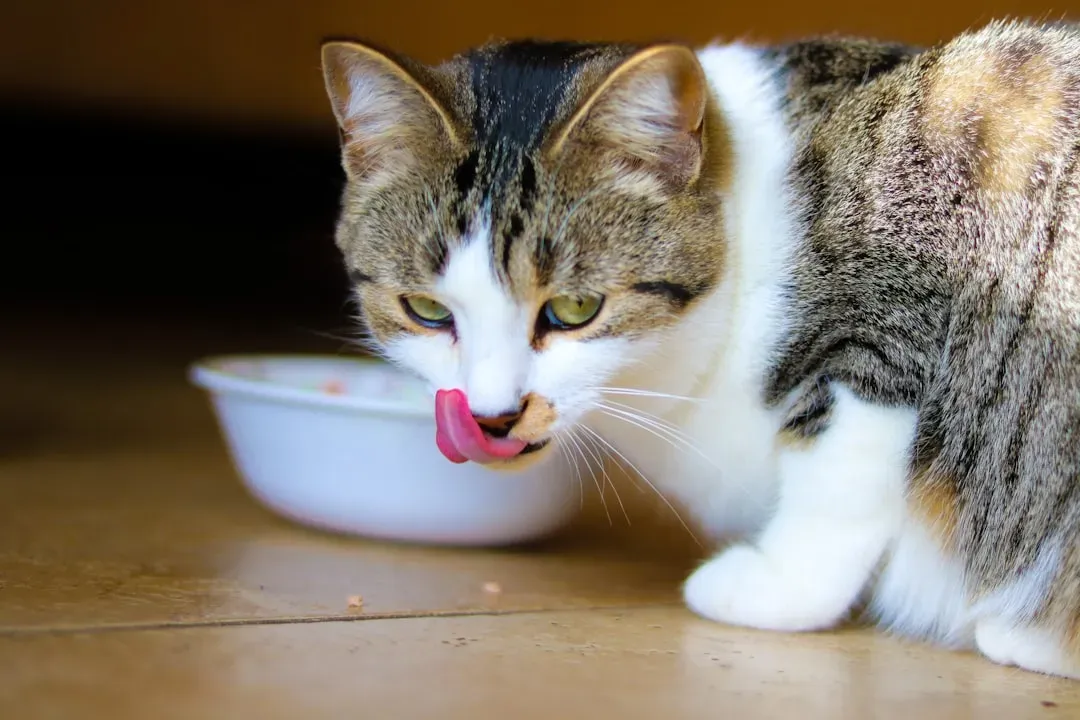
Make sure that your feeding area or station meets your cat’s needs by providing fresh food from clean bowls, and make sure your cat feels safe eating where they can see around them and have plenty of space away from other animals. Cats are vulnerable when they eat, and if the bowl is positioned in a high-traffic area or near a noisy appliance, your cat may feel anxious.
Changes in the home environment, a new pet, or other stressors can cause a cat to go off their food. Maybe you recently moved the food bowl next to the washing machine, or perhaps there’s a new dog in the house. They might feel bored with the same food or feel weird about their eating spot, and stressful changes at home, other pets hovering, and even a dirty dish can throw them off. Small changes that seem insignificant to you can be dealbreakers for your cat.
You’re Not Respecting Their Natural Eating Pattern
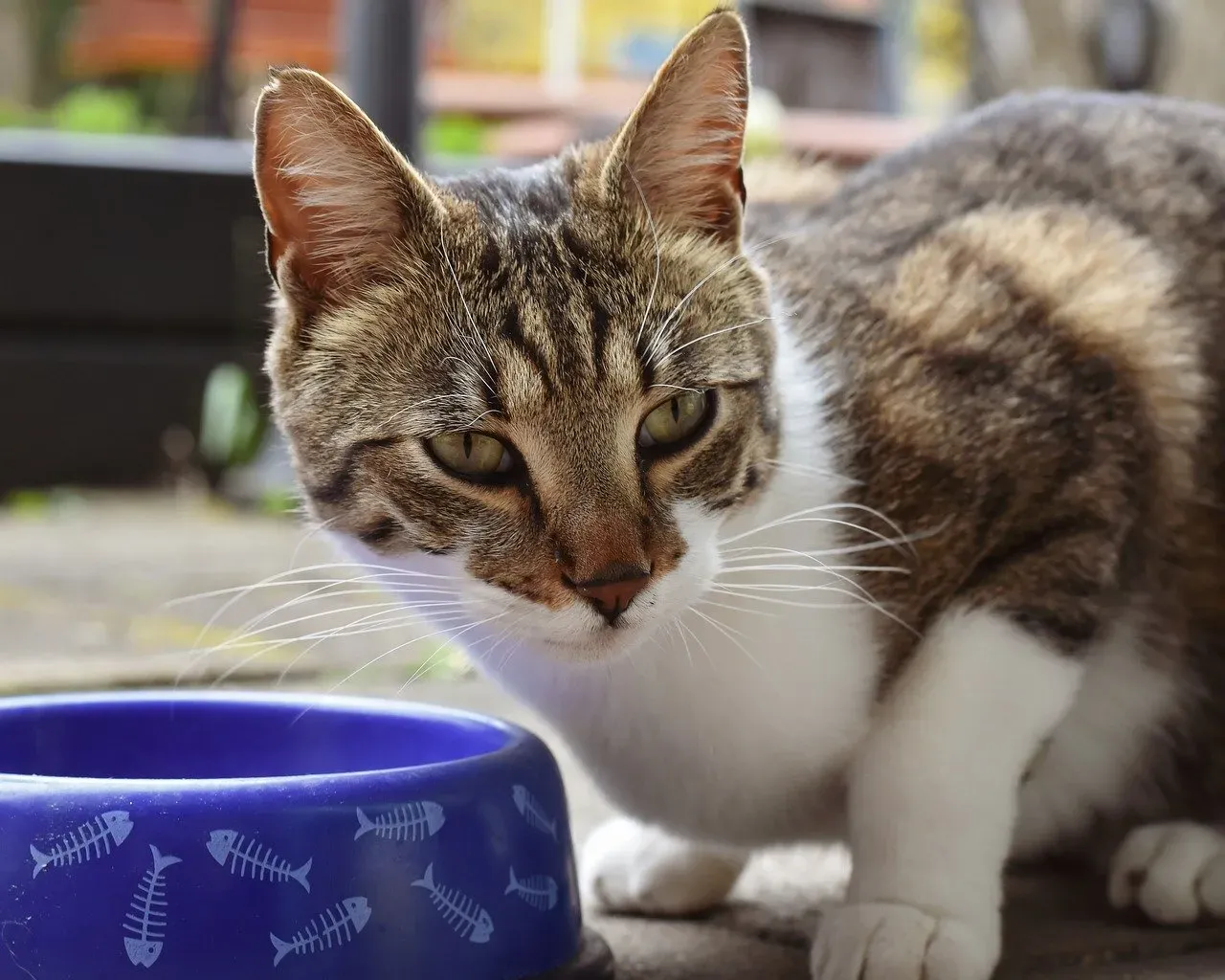
Cats prefer to eat multiple small meals in a day and so this may appear as them not enjoying the food if they walk off after a few nibbles. Wild cats hunt and eat several small meals throughout the day, not two large portions like we typically offer. When your cat takes a few bites and walks away, you might think they’re being fussy, but they’re actually eating in a way that feels natural to them.
Cats naturally eat several small meals each day and many cats prefer to eat just a few bites at a time, and sometimes people misinterpret walking away after a few bites as being picky. If you’re constantly topping up the bowl or offering massive portions, your cat may simply be overwhelmed. They don’t want or need that much food at once, and forcing the issue only creates resistance.
Food Texture Matters More Than You Think
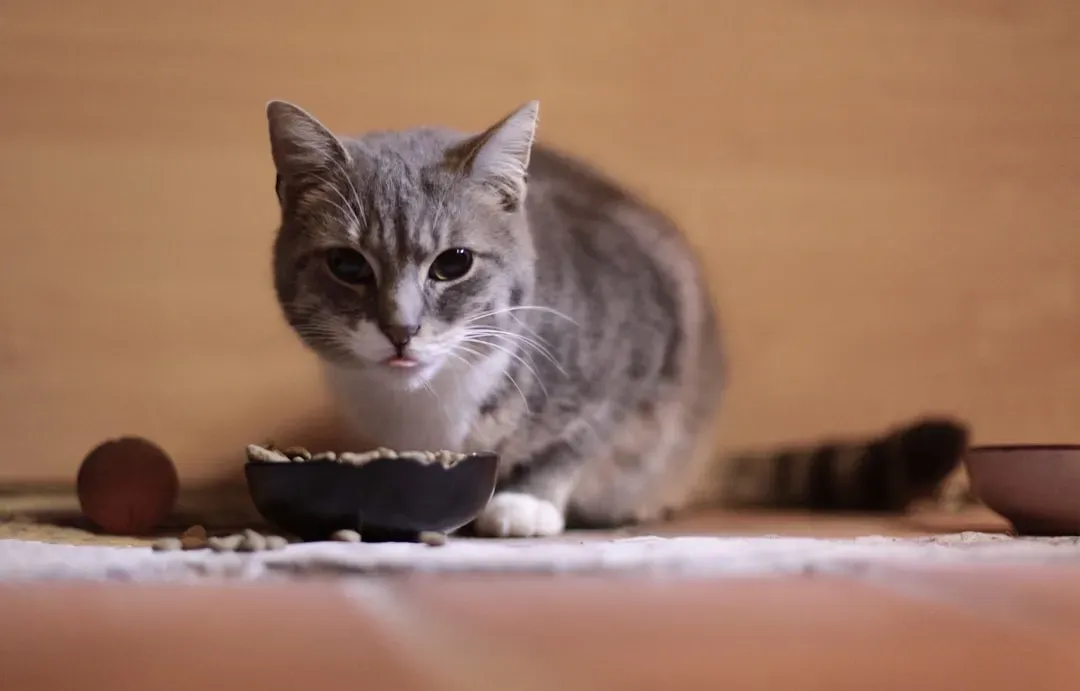
Some cats are picky eaters and have strong preferences when it comes to how their food feels in their mouths, while others are more laid-back but even they have certain texture preferences. The type of wet food you choose for your cat can make a huge difference in their overall eating experience. Maybe your cat adores pate but refuses anything with chunks. Perhaps they’ll only eat shredded varieties and turn their nose up at minced options.
For cats that eat wet food, they may be a bit iffy about the consistency of the food, as some like chunks while others like it to be completely ground, and if your cat has only been eating one type of wet food, they may not like consistency changes at all. Texture is deeply personal for cats. Experimenting with different formats can reveal preferences you never knew existed, but constantly switching things up without consistency can also create a cat who refuses to commit to anything.
You’re Letting Food Sit Out Too Long
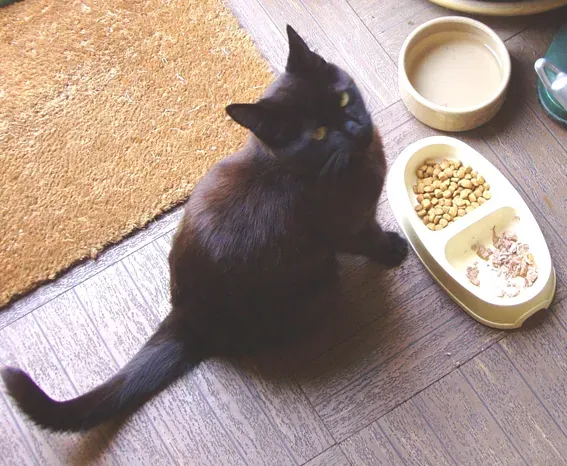
Leaving uneaten food out for too long can make it unappealing to your cat, as dry food can become stale and wet food can spoil quickly, especially at room temperature. That bowl you put down this morning? By evening, it’s dried out, lost its aroma, and possibly even started to spoil. Your cat can smell the difference, even if you can’t.
If your cat suddenly stops eating food halfway through the bag, they may be picky about the food’s freshness, and some cats are very picky about the freshness of their food, so you may have to purchase a resealable container to keep your food in or buy smaller bags. Fresh food smells better, tastes better, and signals to your cat that this is a meal worth eating. Stale kibble or dried-out wet food sends the opposite message.
You’re Switching Foods Too Abruptly
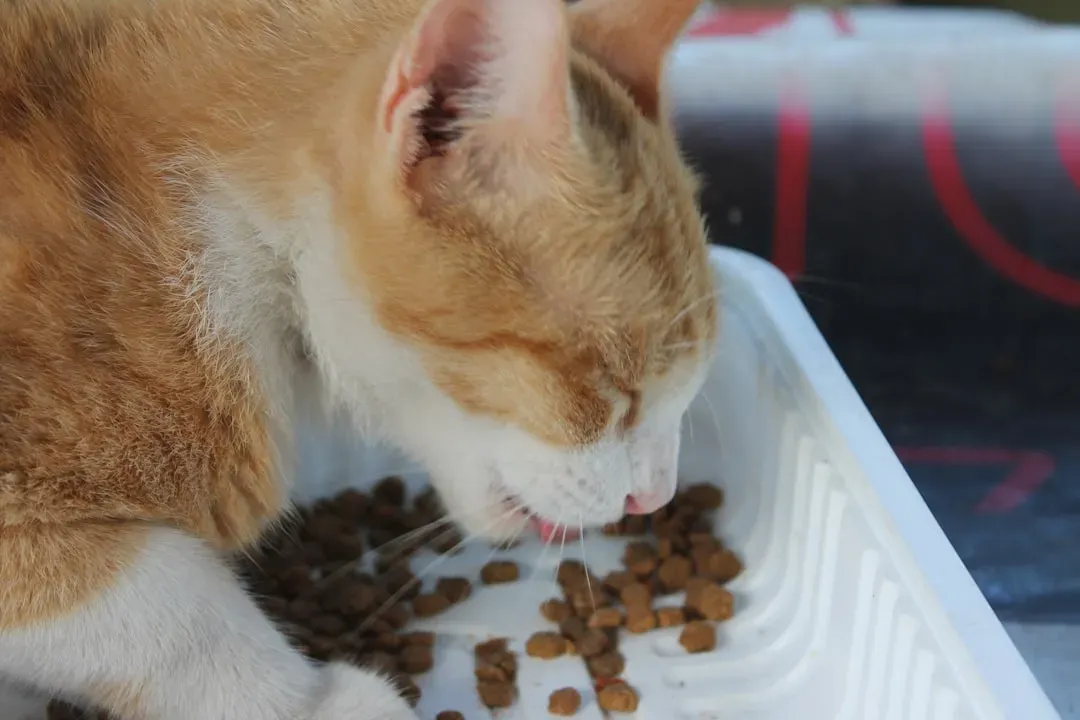
Cats are cautious creatures, so any deviation from their usual routine or diet can make them highly suspicious and cause them to avoid their food. They may become anxious and develop picky eating habits with changes in routine, and feeding cats irregularly or with infrequent large meals might also lead to fussy eating habits. If you suddenly decide to switch from chicken to fish flavor overnight, your cat’s going to be suspicious. They don’t understand that you’re trying to give them variety; they just know something’s different.
Cats are also heavily influenced by the foods they eat as kittens, as they’re learning whether different foods are good or bad for them, often taught by their moms or through exposure to different things. So cats build up these food preferences or aversions, remembering from kittenhood some things that they deem as not good, which may also mean that it might be potentially dangerous. Gradual transitions over seven to ten days give your cat time to adjust without triggering their natural caution.
Conclusion
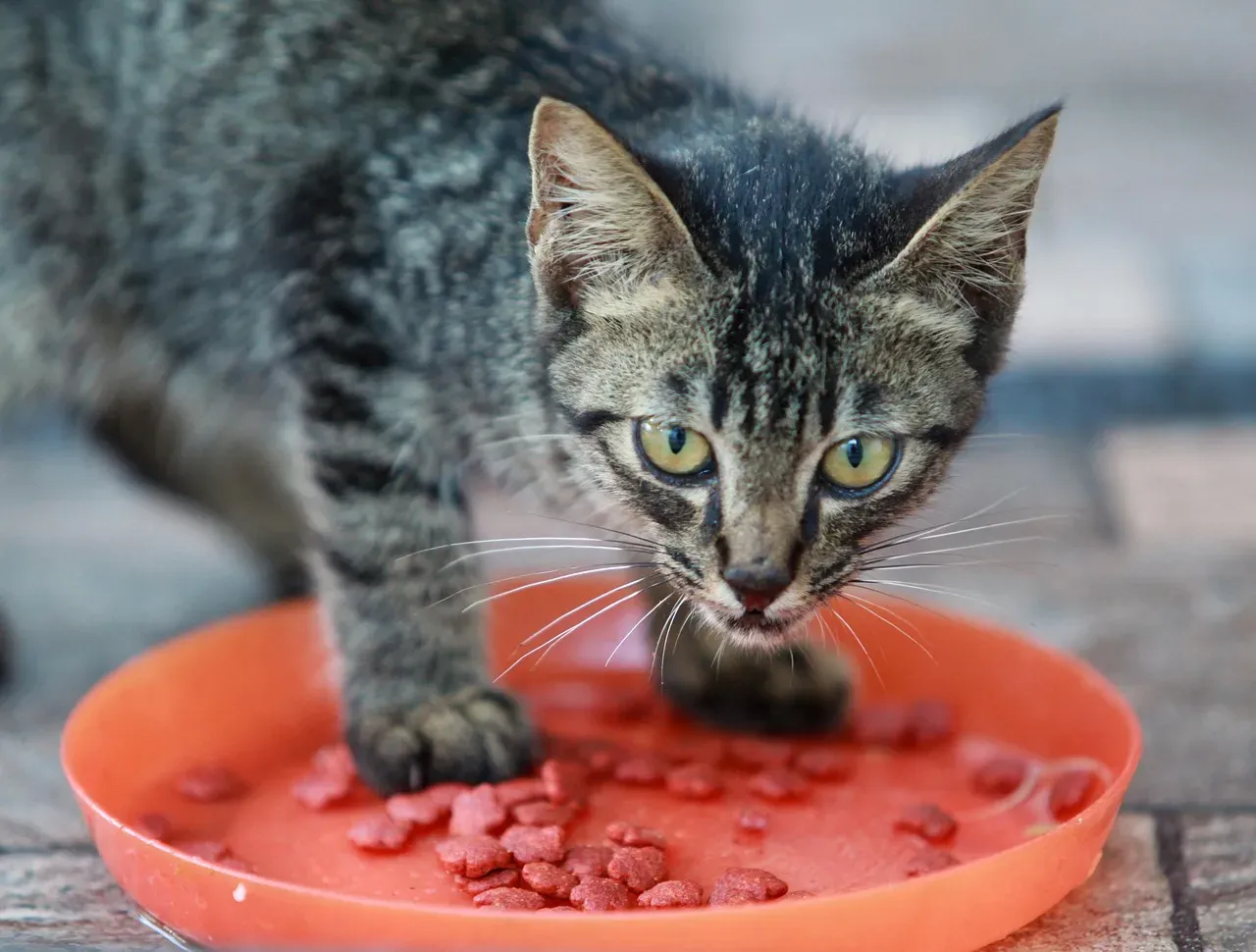
Creating a picky eater isn’t usually intentional, but small habits add up over time. The variety you offer, the way you serve it, the temperature of the food, and even the bowl itself all play a role in whether your cat enthusiastically eats or turns into a finicky diner. Most of the time, picky eating is learned behavior rather than an inherent personality trait.
The good news? You can reverse these patterns with consistency, patience, and a better understanding of your cat’s natural instincts. Stick to scheduled meals, limit variety until your cat eats reliably, serve food at the right temperature, and respect their need for a calm eating environment. Your cat might protest at first, but they’ll adapt. What do you think about it? Have you noticed any of these habits in your own feeding routine? Sometimes the smallest changes make the biggest difference.