You love your cat. You feed them, play with them, and probably talk to them more than you’d like to admit. So the idea that you might be the one stressing them out? That’s a hard pill to swallow. Yet it happens all the time, and most owners never even realize it.
It’s a widespread misconception that cats are aloof and indifferent to their surroundings. In reality, cats are highly sensitive creatures that thrive on routine and familiarity, and even small changes in their environment can trigger real stress – often in ways that are subtle and easy to miss. If you have ever wondered why your cat seems “off” lately, the answer might surprise you. Let’s dive in.
Your Cat Is a Creature of Habit – and That’s No Exaggeration
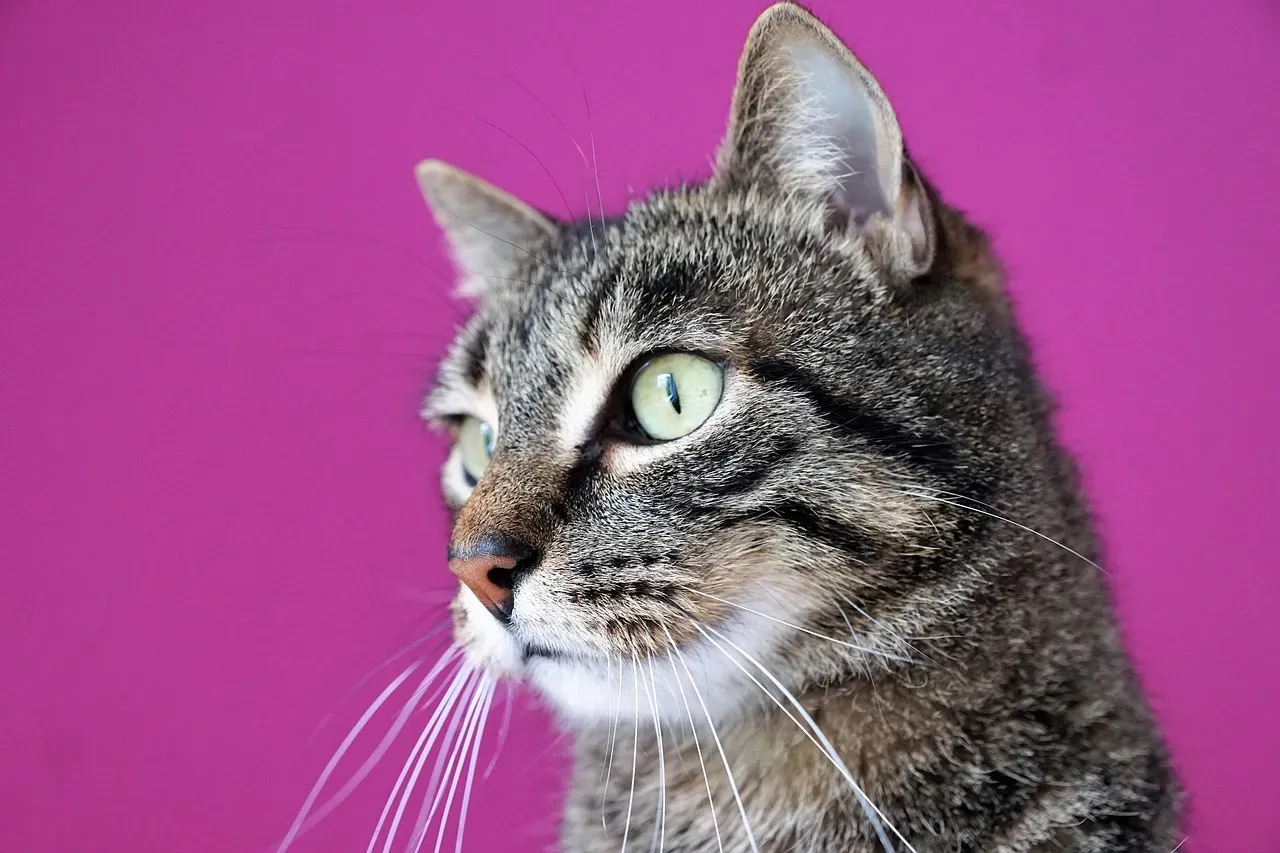
Cats are true creatures of habit. They know every inch of their territory, who is in it, what it smells like, and anything that is new or different. Houseguests, new pets, new babies, or even new objects introduced into your home are all potential sources of stress. Think of it this way: imagine coming home one day to find all your furniture rearranged and a stranger sitting on your couch. That’s essentially what your cat experiences when their world shifts.
Feeding time, your work schedule, playtime – these are routines your cat actively relies on. Even a change in daily routine, such as rescheduling your work or school hours, can cause stress for your cat. So yes, if you started working from home or changed your schedule recently and your cat has been acting weird, that might be exactly why.
You Might Be Touching Them Too Much (or at the Wrong Time)
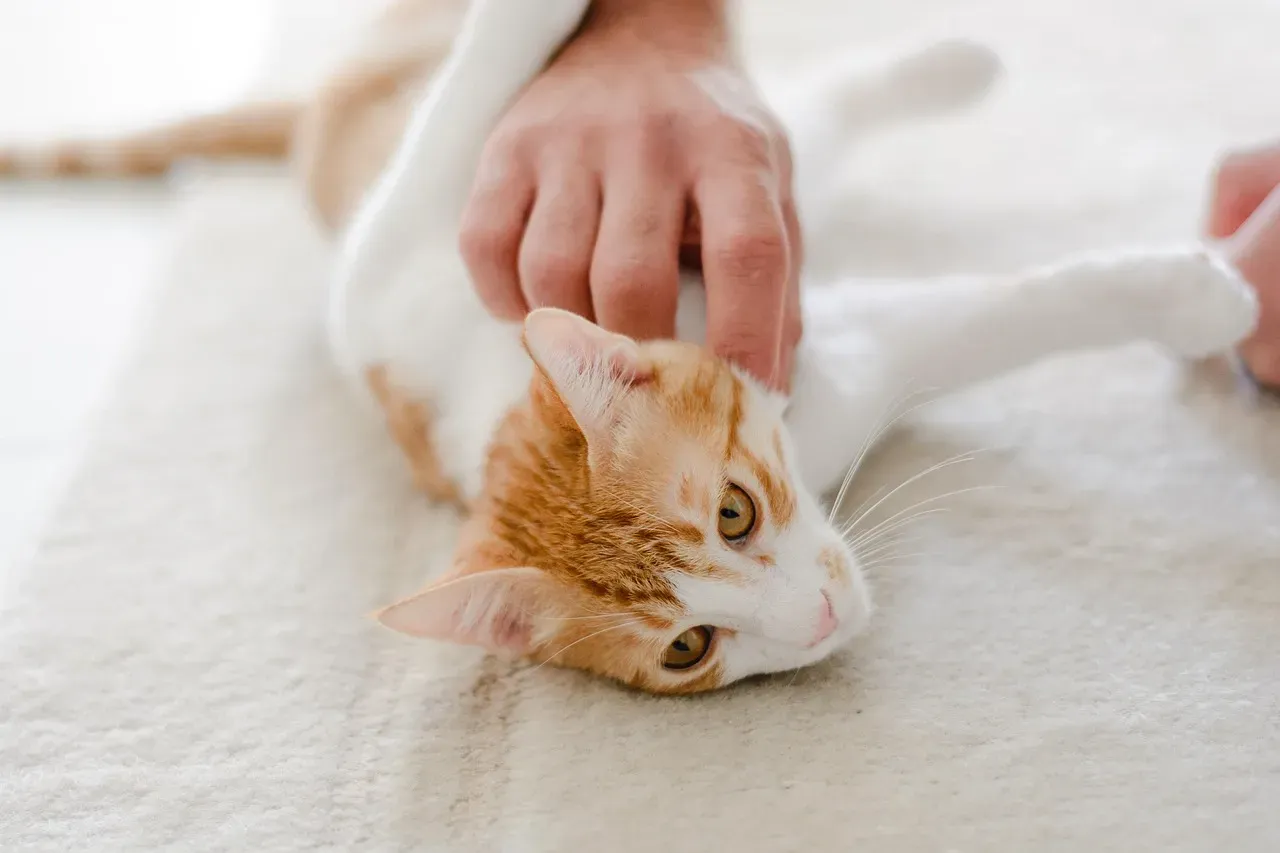
Being stroked or picked up when it’s not wanted or enjoyed is genuinely stressful for cats. While many cats like to be fussed over or stroked, some cats find it overwhelming and stressful. While some cats are quick to let you know they’re not happy, others may not. Paying attention to your cat’s body language and always giving them the option to remove themselves from an interaction is essential.
Also consider that owners themselves can be a direct source of stress. Constant petting and attention can create real problems for a cat that simply wants to be left alone, so it’s important to take your cat’s individual personality into consideration. Here’s the thing – your cat loves you, but they don’t always want a cuddle on your schedule. Learning to read their signals is genuinely one of the kindest things you can do for them.
Their Body Is Sending You Clear Stress Signals
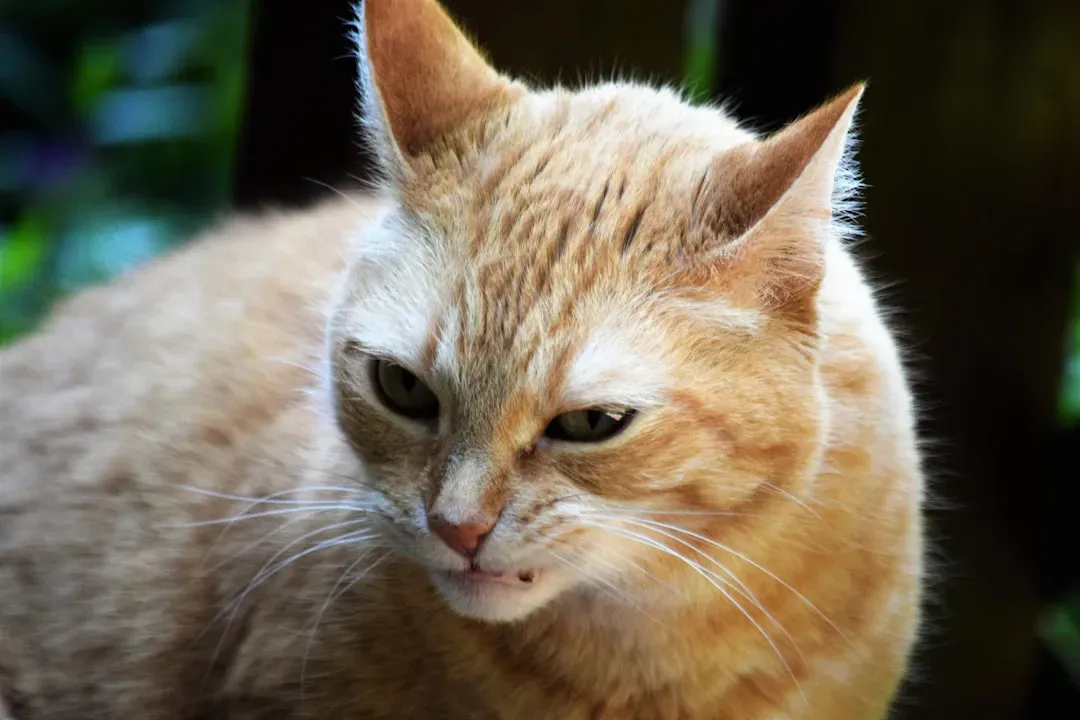
When a cat is feeling stressed, they may have a stiff and tense body held low to the ground. Their tail may be held close to their body, or they may thrash and thump it when feeling stressed or annoyed. A puffed-up “Halloween cat” posture, with an arched back, tail up, and ears back, indicates a very anxious cat. The cat might also curl into a tight position with limbs held under and tail tucked tightly around their body when feeling threatened or afraid.
When your cat’s ears are pinned back and their pupils are wide and dilated, they’re likely feeling scared or overwhelmed. Hypervigilant scanning of the room, increased blinking, and squinting are also signs of stress in cats. Their eyes might appear dark or fixed and hard as pupils dilate and the animal stares. It honestly looks like they’ve seen a ghost, but the trigger could be something as simple as a new piece of furniture or a smell they don’t recognize.
Hiding More Than Usual Is a Big Red Flag
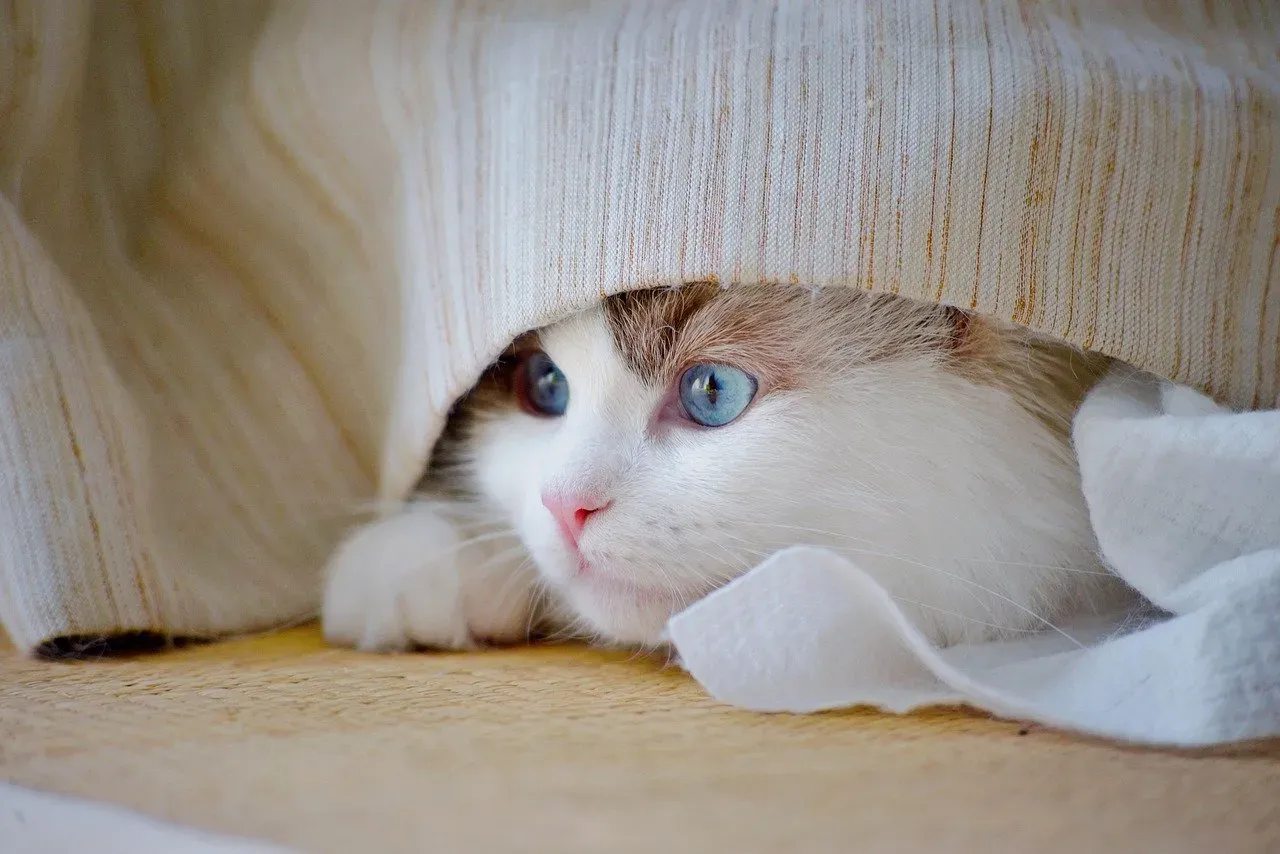
A stressed cat might start hiding more often or withdraw from social interactions entirely. They might seek out secluded spots and spend more time alone. This behavior is a common sign that your cat is feeling overwhelmed or anxious. It’s different from the normal “I want a quiet nap” behavior every cat engages in. When hiding becomes a pattern, something is clearly wrong.
Cats’ chronic stress signs are typically more subtle. If your cat is hiding more than usual, they may be stressed. Depending on your cat’s personality, they may avoid interaction entirely or, conversely, become more needy and clingy. Your stressed cat may not only spend more time in hiding spots but may also sleep much more than usual, despite already seeming to spend a large chunk of their day dozing.
Litter Box Problems Are Not Just Bad Manners
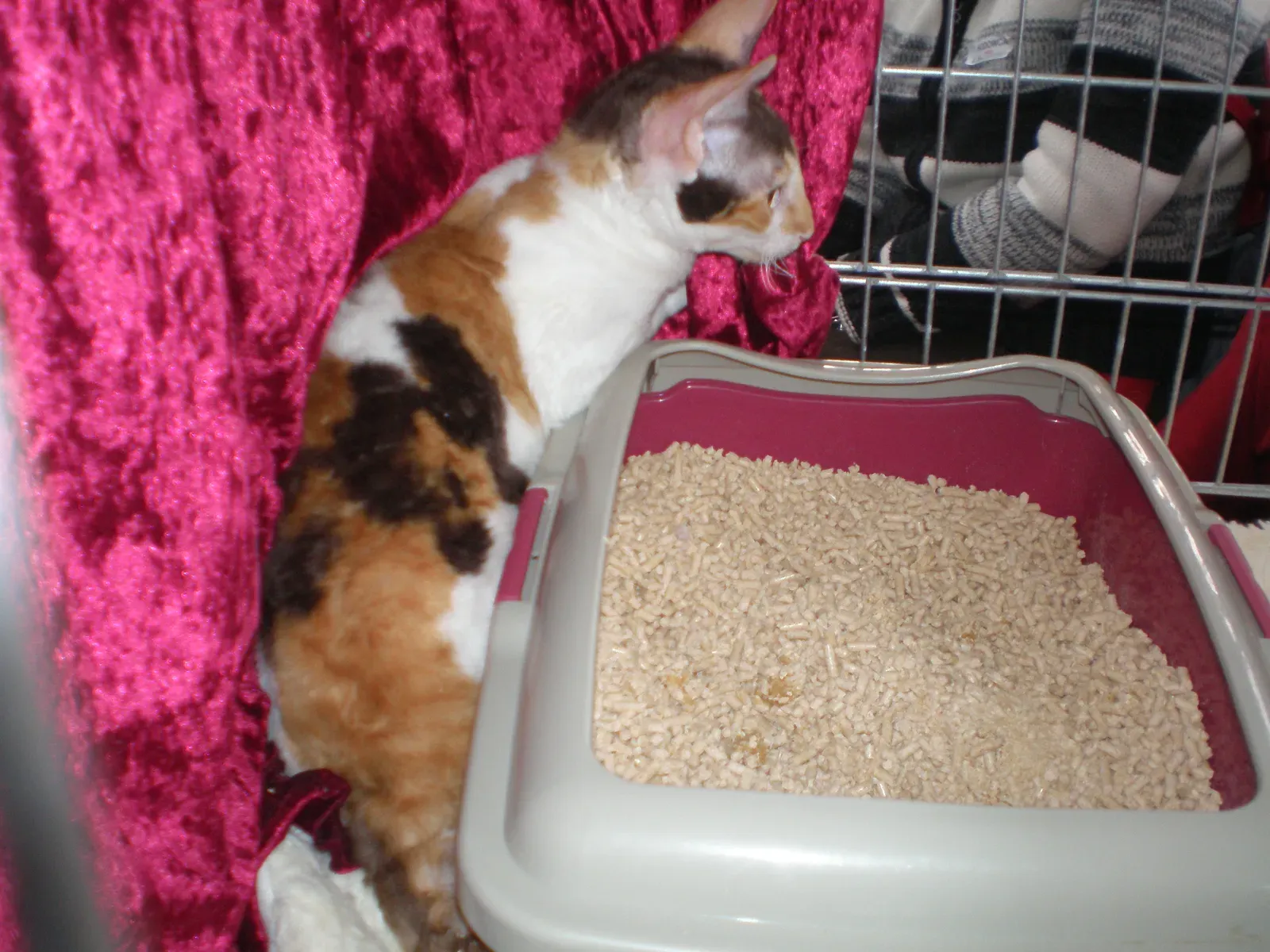
One of the most common signs of stress in cats is urinating outside the litter box. Cats often do this because the smell of their own urine is comforting, and the litter absorbs that smell. Cats may also spray onto vertical surfaces to mark their territory, and this marking behavior can actually be a self-soothing response when they feel stressed. Before you get frustrated, consider that your cat isn’t being difficult on purpose.
Stress can cause cats to develop litter box problems, including urinating or defecating outside the box even if they were previously well-trained. This behavior can be a result of anxiety or a way for the cat to communicate their distress. Keep in mind that urinating outside the litter box can also have medical causes, such as urinary tract infections or kidney issues, so talking to your veterinarian is always the right first step.
Excessive Grooming Is More Than a Vanity Issue
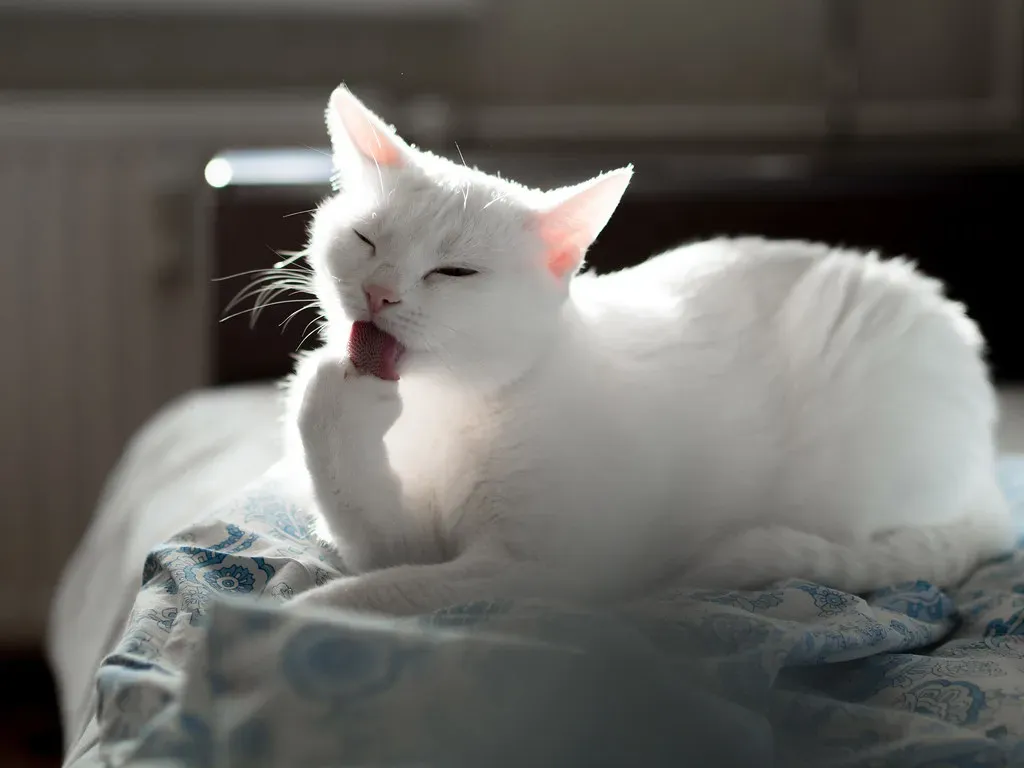
Some cats groom themselves excessively to cope with stress or boredom, perhaps because licking is believed to release endorphins that help alleviate anxiety. If grooming starts making a cat feel better, it can quickly become a compulsive habit. Compulsive grooming is often triggered by a change in the cat’s normal routine or environment and can cause psychogenic alopecia – essentially, stress-induced hair loss. Honestly, it’s a bit like stress-eating, but for cats.
When there is a constant or recurrent source of stress, you may see signs of skin, gastrointestinal, or urinary issues. Some cats will obsessively groom themselves to the point where they become raw and even bald in certain areas. Grooming behaviors do release endorphins, which increase feelings of contentment, and stressful situations may drive cats to overgroom in order to feel better. Over time, overgrooming can lead to further skin irritation and an even stronger urge to lick.
Changes in Appetite and Digestion Are Warning Signs You Shouldn’t Ignore
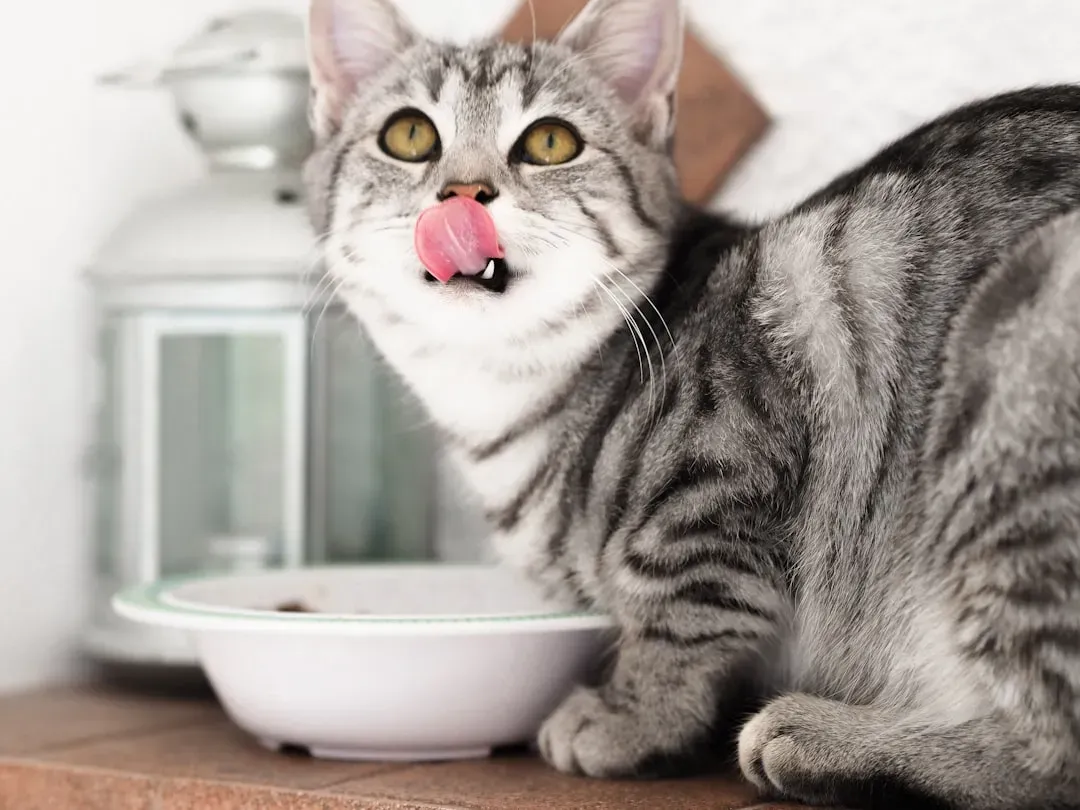
Your cat may not want to eat when stressed. This is because cortisol, a stress hormone, is released into the body, which suppresses appetite and may even cause nausea. Stress can significantly impact a cat’s eating habits. Some cats may lose their appetite and refuse to eat entirely, while others might overeat as a form of comfort. Both scenarios can lead to health issues, so monitoring any sudden changes in your cat’s eating patterns is crucial.
Stress can also lead to inflammation in a cat’s digestive system, making your cat more likely to vomit and experience diarrhea when under pressure. If your cat is showing signs of low appetite, reduced water intake, diarrhea, or vomiting, scheduling a veterinary visit is the right move. Other medical conditions can cause these same symptoms and absolutely need to be ruled out first. Don’t assume it’s “just stress” without a proper check-up.
Increased Aggression or Vocal Behavior Is a Cry for Help
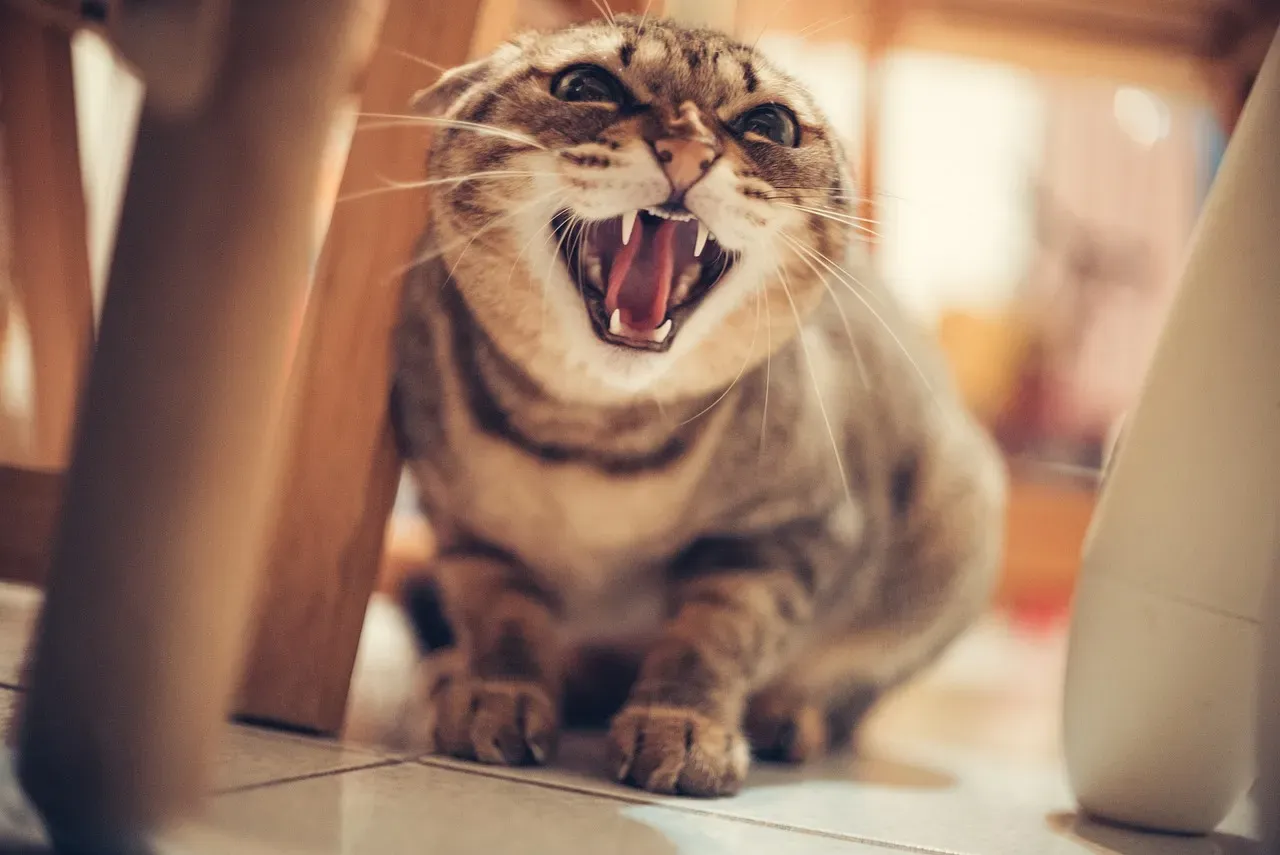
When cats experience stress, they tend to become more vocal. The sounds a cat makes deliver very precise messages about their condition, and a stressed cat may make sounds that directly indicate distress. Increased yowling, crying, or even growling can signal that your cat is feeling stressed. Cats may also meow far more frequently when they’re seeking reassurance. It’s easy to dismiss this as “my cat just being chatty,” but pay attention to the pattern.
If your normally gentle cat suddenly becomes aggressive, hisses, or swats at you or other pets, it might be a direct response to stress. This behavior often stems from fear or anxiety about a perceived threat. Cats who show aggression are actually at the top of the feline fear, anxiety, and stress spectrum, which means you’ve likely missed multiple, more subtle signals along the way. In other words, aggression is rarely the starting point – it’s the final warning.
New People, Pets, and Loud Noises Are Major Culprits
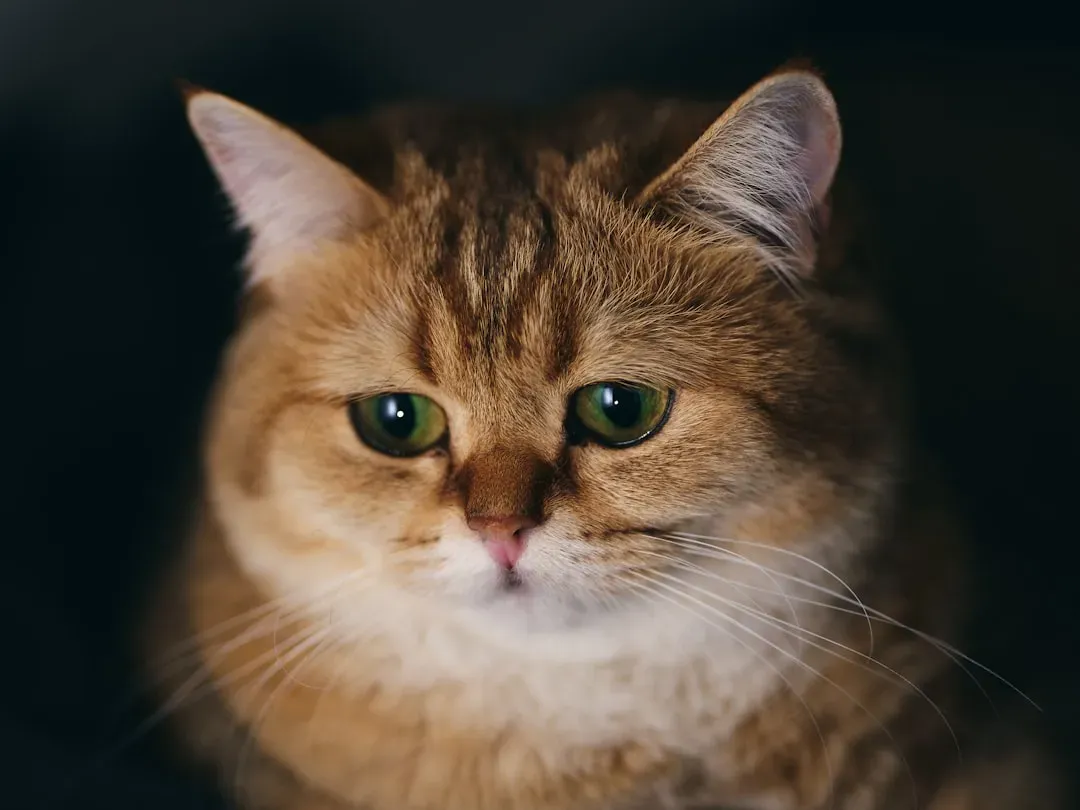
Bringing home a new baby, welcoming house guests, or sending a student off to college can all disrupt your cat’s world. Adopting a new cat or dog can threaten your current cat, creating significant stress and anxiety. Although cats can form friendships with other cats, many prefer their own company. If an introduction is rushed, or if there is not enough space or shared resources, living in a multi-cat household can become very stressful for some cats.
Cats have highly sensitive hearing and can be easily startled by loud noises or sudden movements. Thunderstorms, fireworks, and even everyday household appliances can cause significant stress. Providing a quiet, secure area for your cat can help mitigate these stressors. Gatherings involving unfamiliar people, loud music, laughing, and conversation can frighten your cat. Loud noises such as fireworks, thunder, and construction machinery are all known to trigger stress responses. If your cat disappears under the bed every time friends come over, that’s not anti-social behavior – that’s survival instinct.
Conclusion: Your Cat Is Counting on You to Notice
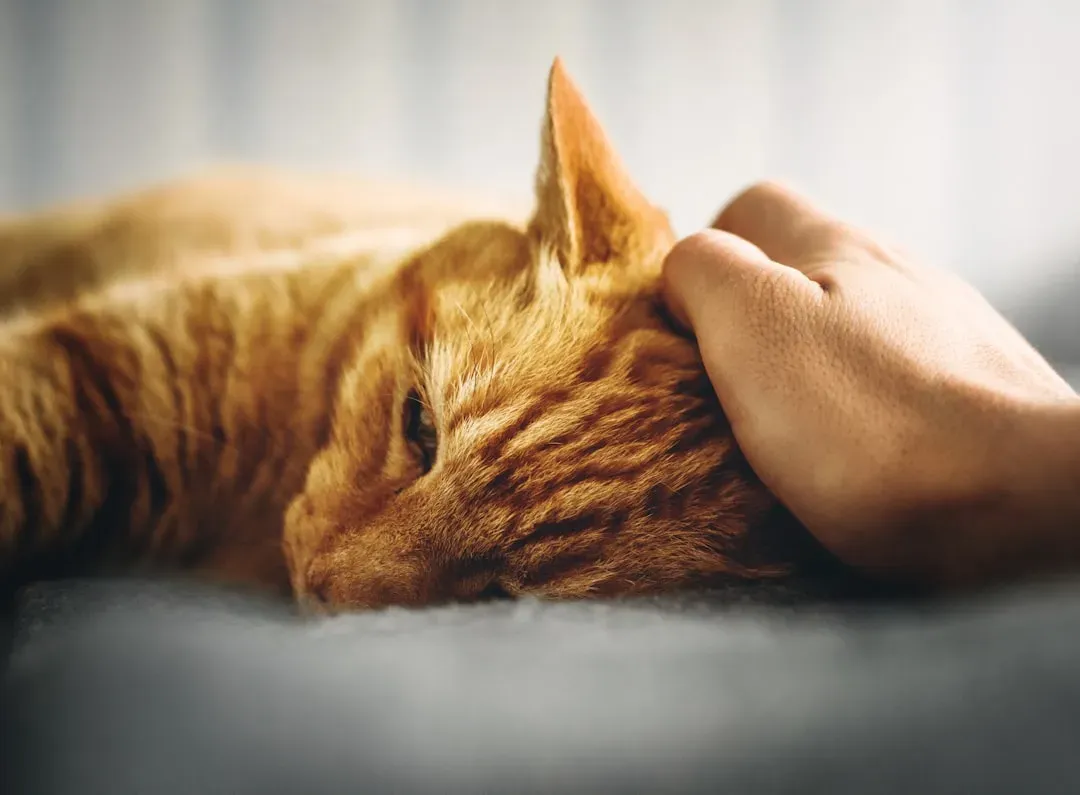
Felines are subtle animals, and it can be genuinely tricky to tell if you have a stressed cat in your home. Their behavior might change slightly, or they might begin doing things that you perceive as being naughty. In fact, domestic cats are great at hiding signs of stress or pain – it’s in their nature. In the wild, this instinct would help them avoid becoming an easy target for predators.
Too much stress can lead to long-term problems with your cat’s mental and physical health. If you can care for your cat and respect their needs, both as a species and as an individual, you stand the best chance of preventing or reducing chronic stress. Your cat cannot tell you what’s wrong in words, but they are absolutely telling you in every other way they know how. The only question is whether you’re listening.
Look closely, trust your instincts, and when in doubt, call your vet. Your cat’s peace of mind is worth every bit of the effort. What signs have you noticed in your own cat that you might have brushed off? Take another look – you might be surprised by what you find. Tell us in the comments!