Your cat is curled up on the couch, purring softly, and seems like the picture of contentment. Everything looks peaceful. Yet beneath that calm exterior, your feline friend might be silently struggling with stress that you’re unknowingly causing. Cats can be great at hiding signs of stress or pain because it’s in their nature. In the wild, showing weakness would make them vulnerable to predators. So while your kitty might look fine, they could actually be dealing with anxiety that’s building up over time.
The tricky thing is, the everyday habits you’ve developed might be the very things causing your cat distress. Maybe it’s that new scented candle you love, or perhaps it’s how you’ve rearranged the living room furniture. Let’s explore the surprising ways you might be accidentally making your cat’s life more stressful than it needs to be.
Your Overly Affectionate Touch
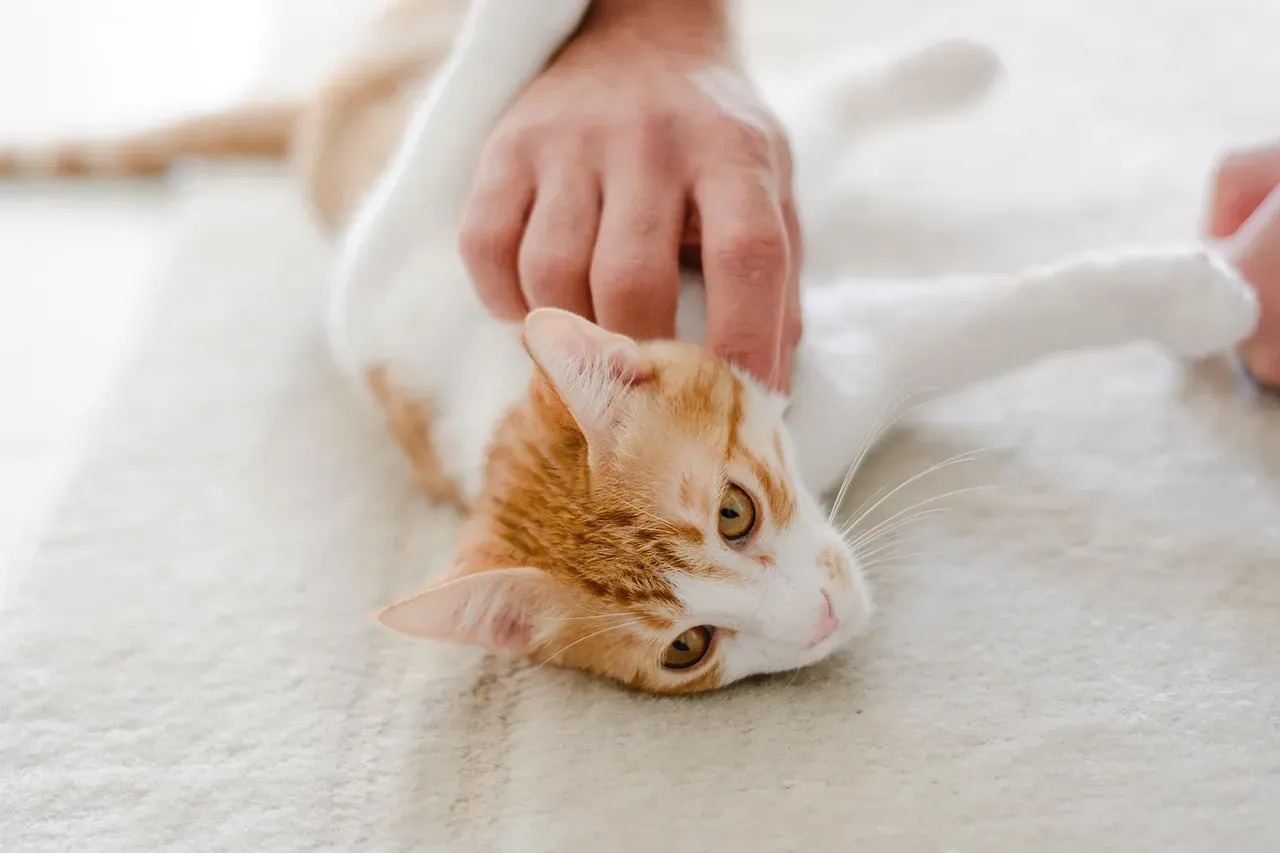
Being stroked or picked up when it’s not wanted or enjoyed is stressful for cats. Think about it from your cat’s perspective: they’re minding their own business when suddenly they’re scooped up or petted in ways they don’t appreciate. Not all cats are cuddly creatures, and forcing physical affection on them can create serious anxiety. Holding a cat against their will or picking them up frequently can make them feel trapped and anxious.
Very young children can be overly enthusiastic when it comes to stroking cats and this persistent attention can become very stressful. Watch for subtle signs that your cat has had enough, like a twitching tail, flattened ears, or attempts to wriggle free. Respecting your cat’s boundaries isn’t just polite; it’s essential for their mental wellbeing and helps build a trusting relationship.
Those Strong Scents You Love
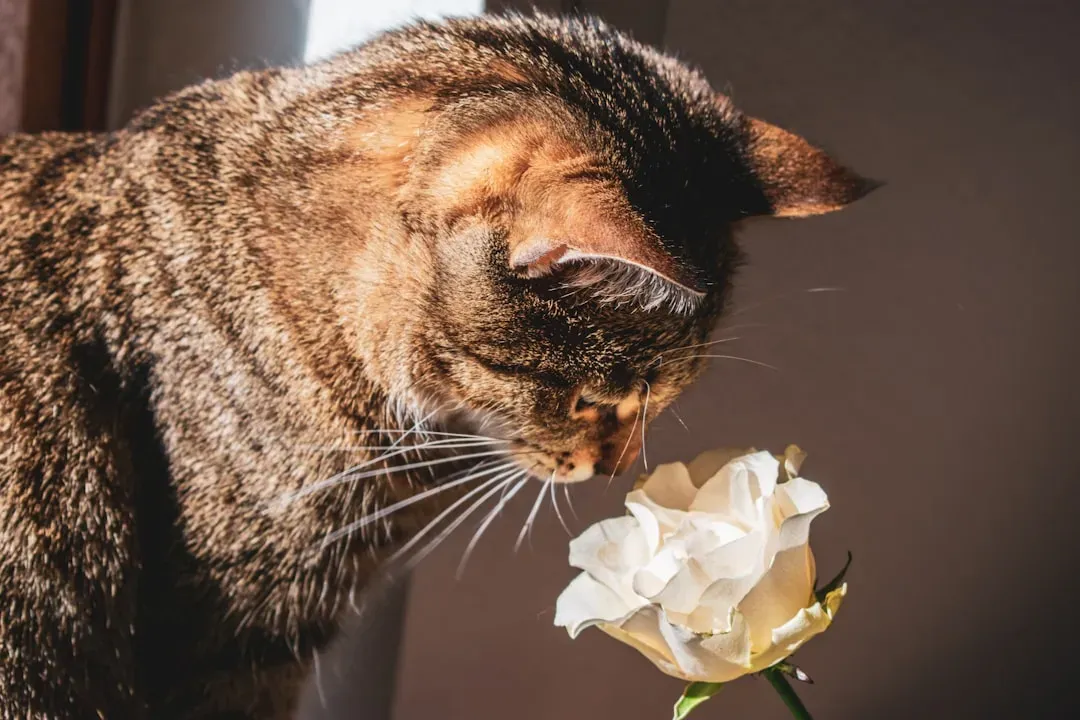
A cat’s sense of smell is roughly 14 times that of a human. That lavender diffuser or citrus-scented cleaner that makes your home smell fresh? To your cat, it might feel like an overwhelming assault on their senses. Cats have such a powerful sense of smell, an offensive odor that they cannot escape can become an unexpected trigger.
Significant changes to the smell of their home can be a real concern to cats, even though it may not be obvious to us. Citrus scents seem particularly problematic for felines. Your cat might avoid certain rooms or seem restless without any apparent reason, all because of a smell you barely notice. Consider switching to unscented cleaning products and being mindful about air fresheners or essential oils around your home.
Rearranging Your Furniture
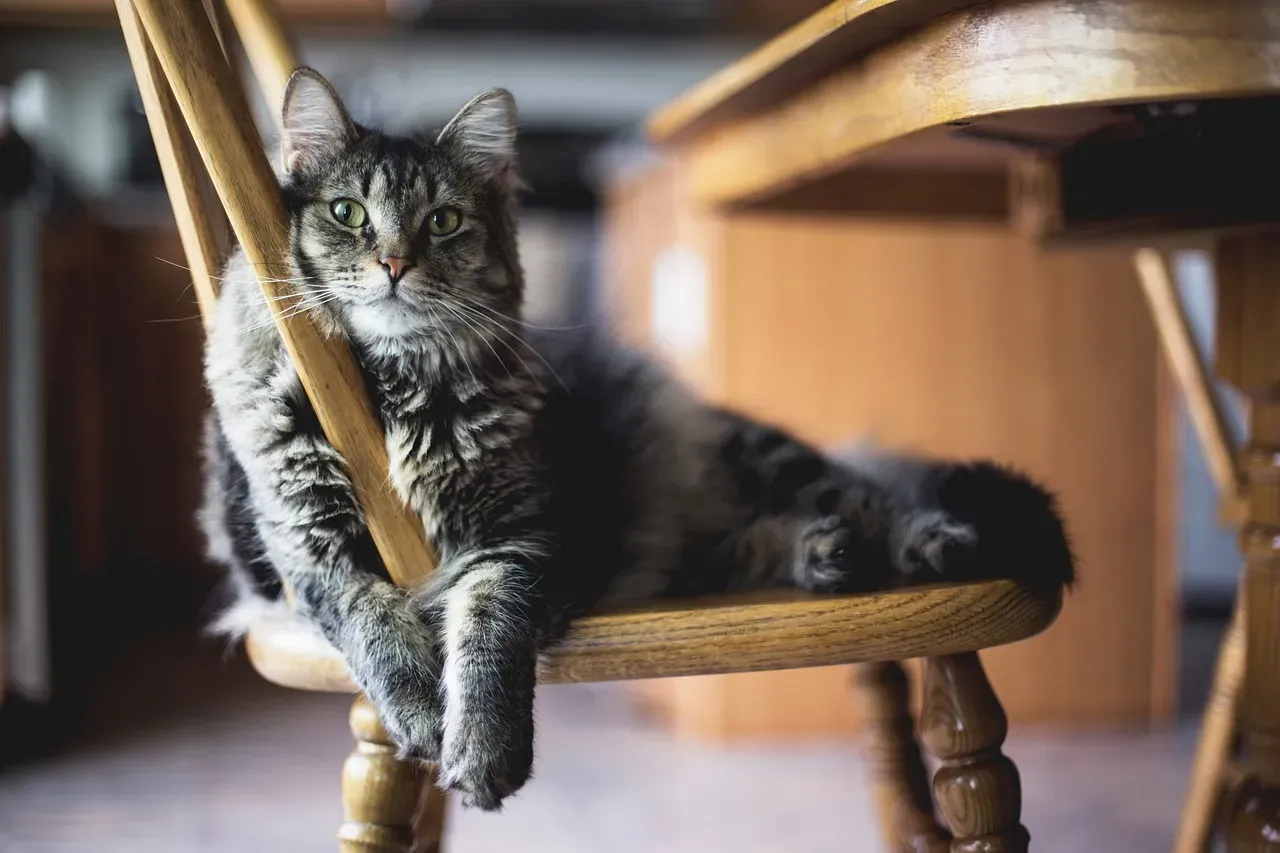
Cats are creatures of habit and do not like change. When you decide to redecorate or move furniture around, you’re essentially destroying your cat’s carefully mapped territory. Changing your cat’s environment, whether via moving or a DIY redesign, is a big source of stress. Cats rely on familiar layouts to feel safe and secure in their homes.
Changes in their surroundings, like rearranging furniture, can create anxiety for animals, so keep things consistent or make changes to the decor slowly. If you must redecorate, do it gradually. Allow your cat to explore new pieces before you put them in place, and try to keep their favorite spots accessible. Sometimes maintaining consistency in your cat’s environment is more important than having that perfectly styled living room.
Your Noisy Household Habits
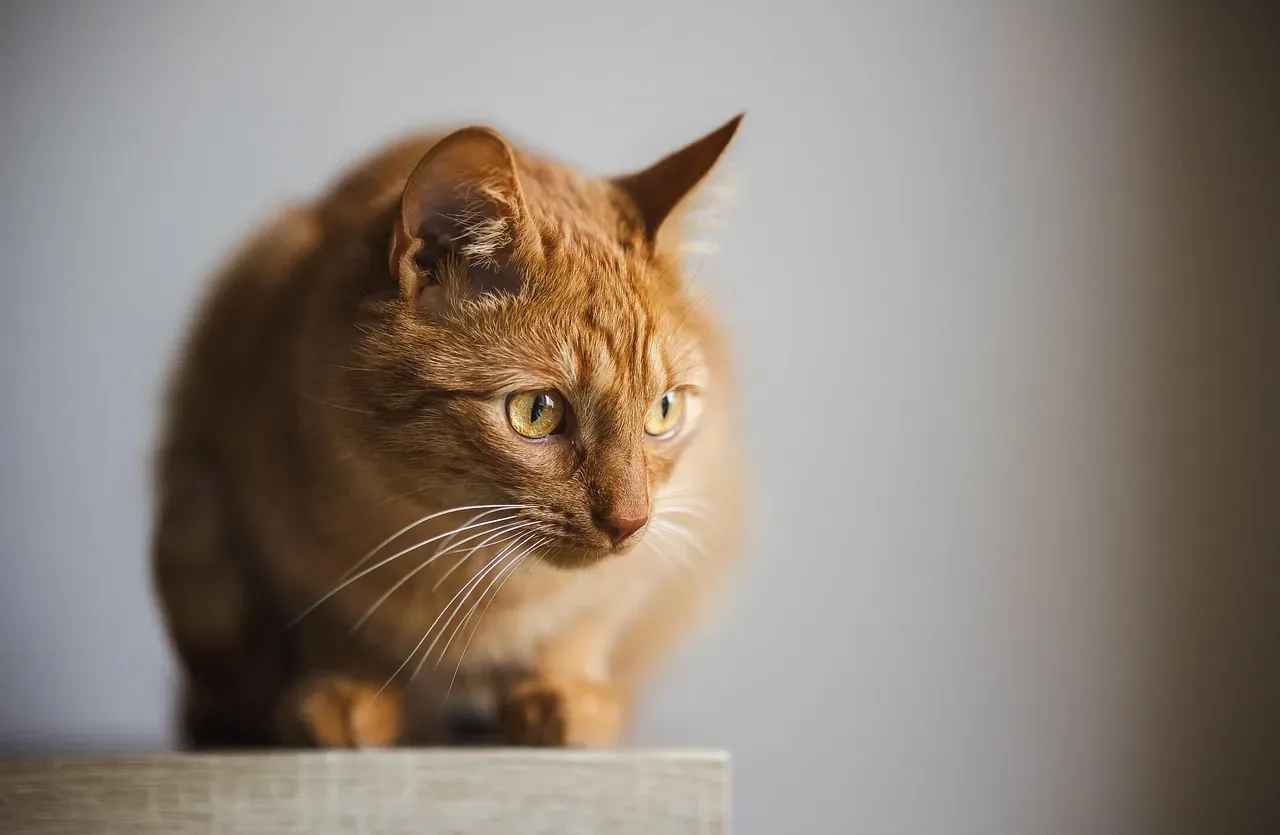
Cats have ultra-strong hearing senses, with about three times the upper range of human hearing. When the garbage truck comes by, when the doorbell rings, or the neighbor’s dog barks incessantly, your cat definitely minds. Even sounds you consider normal background noise can be jarring to your cat’s sensitive ears. High-frequency sounds such as whistling tea kettles and even the sound of our voices can cause anxiety.
Unexpected loud noises are particularly troublesome. Unexpected loud noises and sudden changes in air pressure likely alert cats to be on guard. Your vacuum cleaner, blender, or hair dryer might send your cat running for cover every single time. While you can’t eliminate all household sounds, you can be more mindful about when and how you use loud appliances, and provide safe spaces where your cat can retreat when things get noisy.
Inconsistent Daily Routines
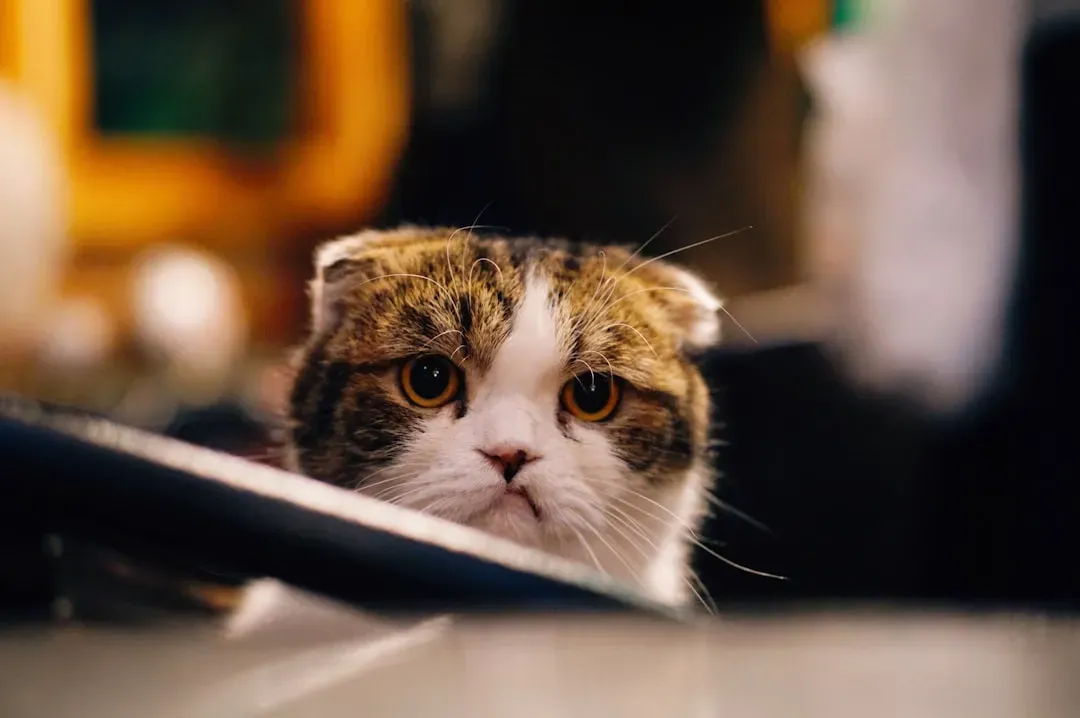
Feeding time, your work schedule, playtime – these are routines your cat relies on. Cats thrive on predictability. When you feed them breakfast at random times or suddenly change your work-from-home schedule, it creates uncertainty that manifests as stress. Cats crave routine.
Cats also tend to mirror their pet parent’s emotions, meaning your stress or schedule shifts can directly impact their behavior and emotional well-being. If your life has become chaotic lately, your cat is probably feeling it too. Try to maintain consistent meal times, play sessions, and bedtime routines even when your schedule gets hectic. Creating predictable patterns helps your cat feel secure and reduces anxiety significantly.
Sharing Resources in Multi-Cat Homes
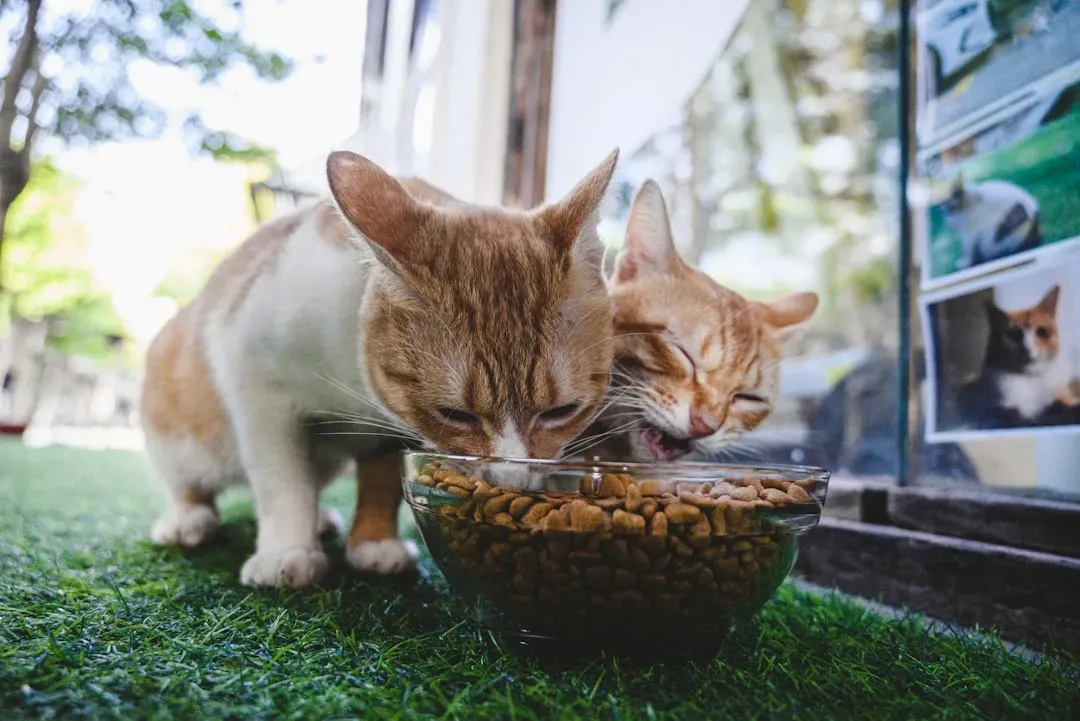
In a multiple-cat household, inter-cat conflict is a common problem, especially if essential needs like the litter box and food are shared. This can result in a battle over resources. Even if your cats seem to tolerate each other, forced sharing creates tension. Living with other cats is one of the most common reasons that can cause stress in cats. They’re not naturally inclined to live with other cats.
If your cat is sharing key resources with cats they don’t get on with, this can cause them a great deal of stress because they will compete with other cats for access to these resources, which may cause conflict. The solution? A good formula to calculate the appropriate number of each resource is “one per cat plus one extra, positioned in different locations”. Give each cat their own food bowl, water dish, and litter box in separate areas to minimize territorial disputes.
Messy or Poorly Placed Litter Boxes
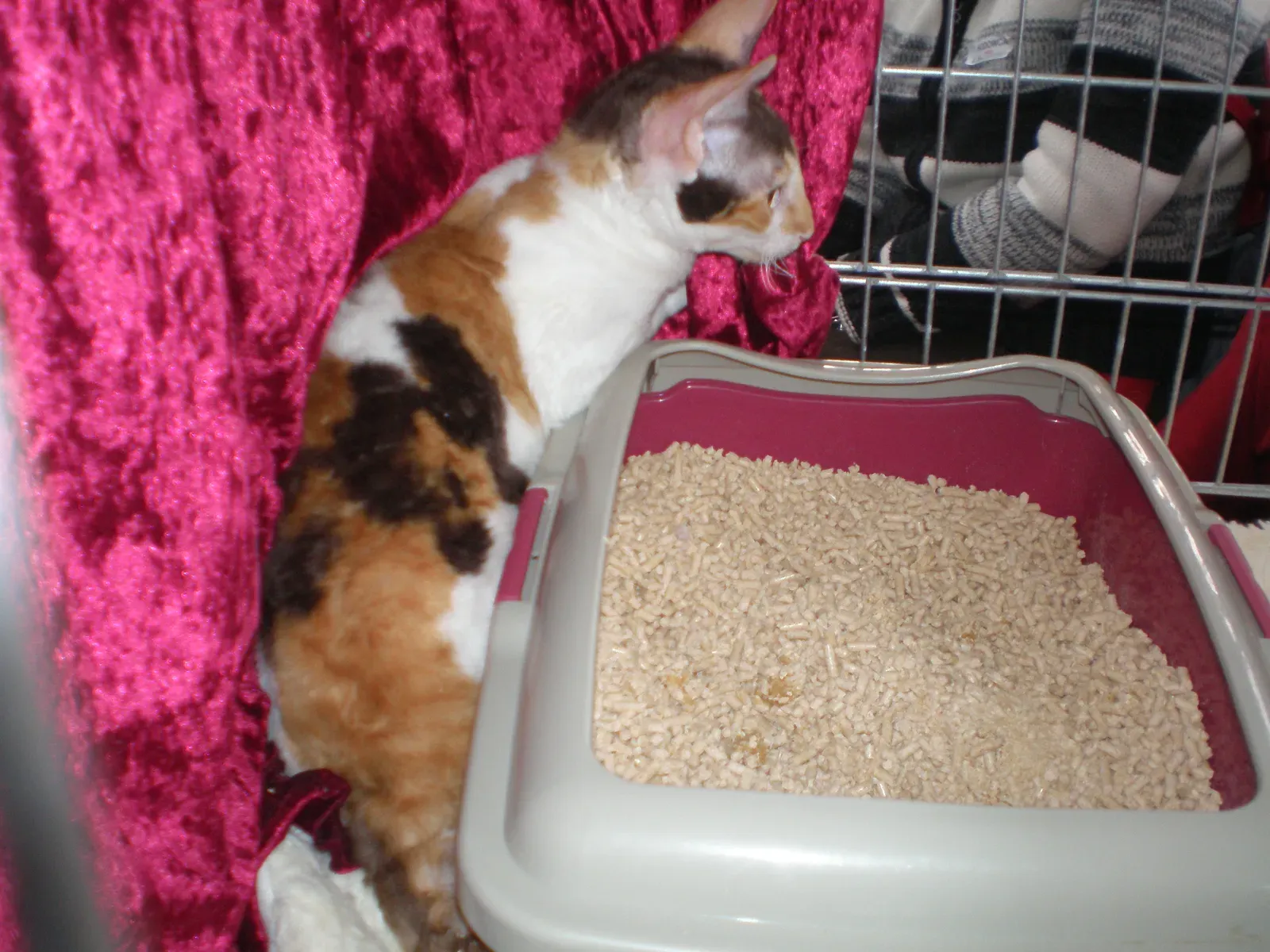
Being unable to access the litter box can be stressful. Cats are exceptionally clean animals, and a dirty litter box can be a major source of anxiety. Cats are very clean animals and like their bathrooms to be well maintained. Beyond cleanliness, location matters tremendously.
Locate the litter boxes away from the furnace or water softener, which can produce noises at unpredictable times. A litter box placed in a high-traffic area or near loud appliances will discourage use. Your cat needs privacy and quiet when using their bathroom, just like you do. Clean the boxes daily and position them in calm, accessible spots where your cat won’t feel vulnerable or disturbed.
Punishment and Negative Reinforcement

Yelling, spraying them with water, or physically reprimanding them can lead to increased stress and a lack of trust. When your cat scratches the furniture or knocks something off the counter, your instinct might be to scold them. However, this approach backfires completely. Absolutely avoid punishment for behavior related to fear, phobia, or anxiety, as this will only increase the fear response and can even lead to aggression.
Scolding your furry friend for sitting on the couch and then inviting him to sit on it with you to cuddle sends mixed messages and stresses him out. Keep house rules consistent to avoid miscommunication. Instead of punishing unwanted behaviors, focus on positive reinforcement. Reward the behaviors you want to see with treats and affection, and your cat will learn much faster without the added stress and damaged trust.
Windows Facing Busy Streets or Neighbor Cats
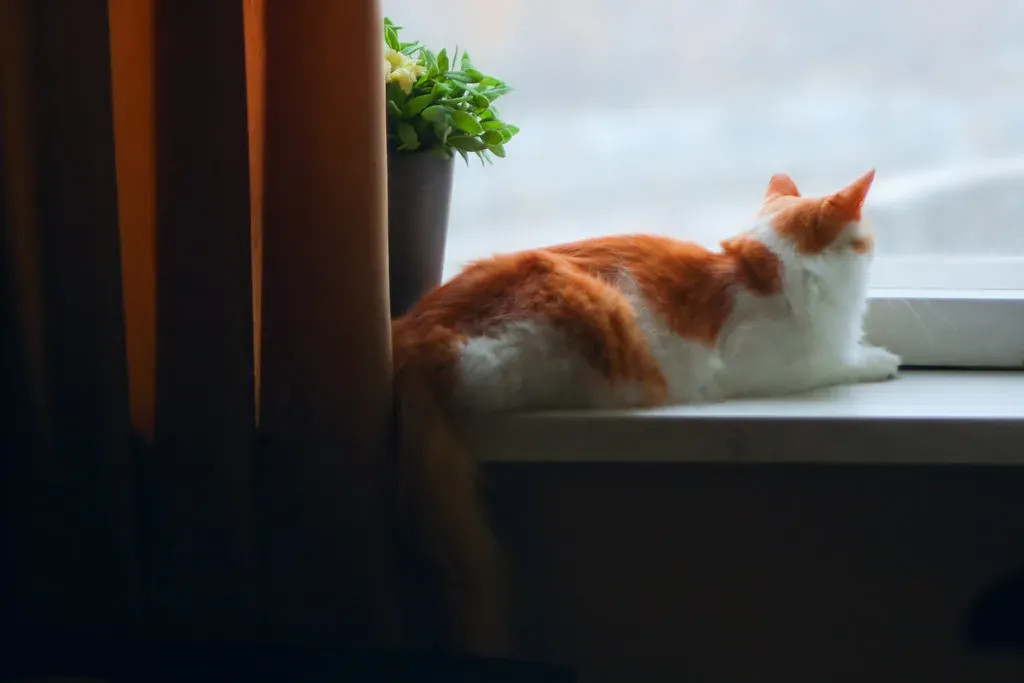
Neighborhood cats, dogs or people coming by the window could stress out your kitty. That window perch you set up might seem like the perfect gift, but if it overlooks a busy street or an area where outdoor cats roam, it’s causing more harm than good. Perhaps a neighbour’s cat likes to visit your home or spend time in your garden. If your cat is being ‘bullied’ by another, there are plenty of things you can do to deter them.
For some cats, that reflection means another cat is invading their territory. Even mirrors can be stress triggers for some cats who don’t recognize their own reflection. Consider closing blinds on windows that face areas with high foot traffic or visiting cats. Provide access to a quieter window where foot traffic is reduced, like a fenced-in yard. Your cat will be much calmer watching birds in a peaceful backyard than dealing with territorial intrusions.
Conclusion
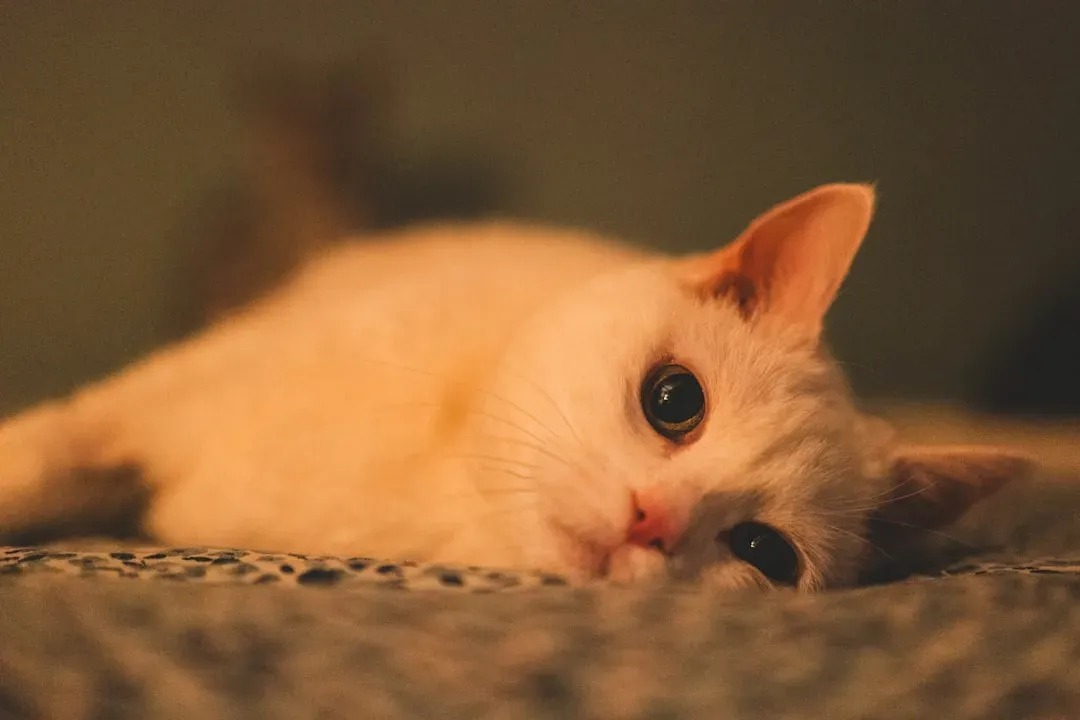
If your cat is stressed, they can become emotionally and physically unwell, resulting in problem behaviors and a worrying time for both cat and owner. The good news is that once you recognize these hidden stressors, you can make simple changes that dramatically improve your cat’s quality of life. Remember, what seems insignificant to you might be a huge deal to your sensitive feline companion.
Creating a calm, predictable environment with respect for your cat’s boundaries isn’t spoiling them – it’s meeting their basic emotional needs. Pay attention to your cat’s body language, maintain consistent routines, and be thoughtful about the sensory experiences in your home. Have you noticed any of these stress triggers affecting your cat? What changes do you think would make the biggest difference in their daily comfort?