You might think you know your cat pretty well. Maybe you’ve learned their feeding schedule by heart, or you recognize the sound of their paws approaching from another room. Yet here’s the thing – cats are masters of subtlety. While dogs practically wear their hearts on their sleeves, your feline companion communicates happiness in ways that are far more nuanced, almost secretive.
These quiet gestures can easily slip past even the most devoted cat parent. Let’s be real, if you’re not paying close attention, you could miss the tender moments when your cat is genuinely telling you they’re content. So let’s dive into these often overlooked signals that reveal your furry friend is living their best life.
The Slow Blink That Speaks Volumes
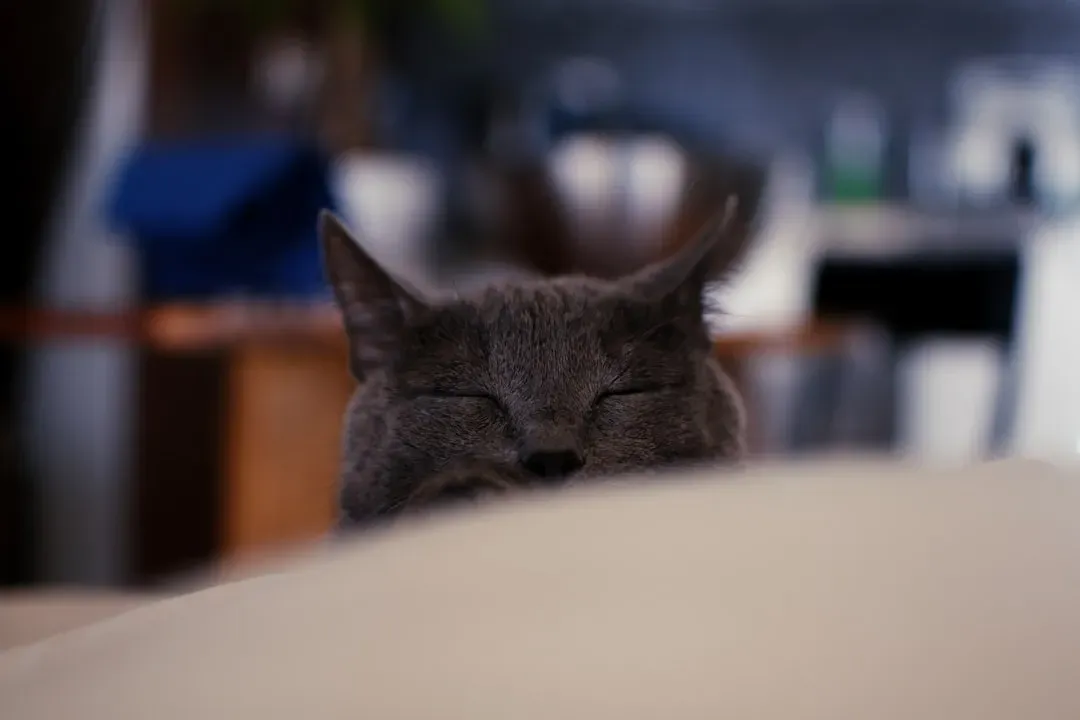
When your cat looks at you and slowly closes their eyes, then opens them at the same gentle pace, they’re saying something profound – they trust you completely. In cat language, this means they’re dropping their guard because cats are naturally alert creatures, so by closing their eyes, they’re showing they trust you to keep them safe. It’s honestly one of the most intimate gestures a cat can offer.
The beauty of this behavior is you can reciprocate it. Simply slowly blink at your cat and move your head slightly to the side – if you’re lucky, your cat will do the same back. This silent conversation creates an incredible bond that words could never capture. Think of it as a secret language between you and your feline friend.
The Social Roll Display
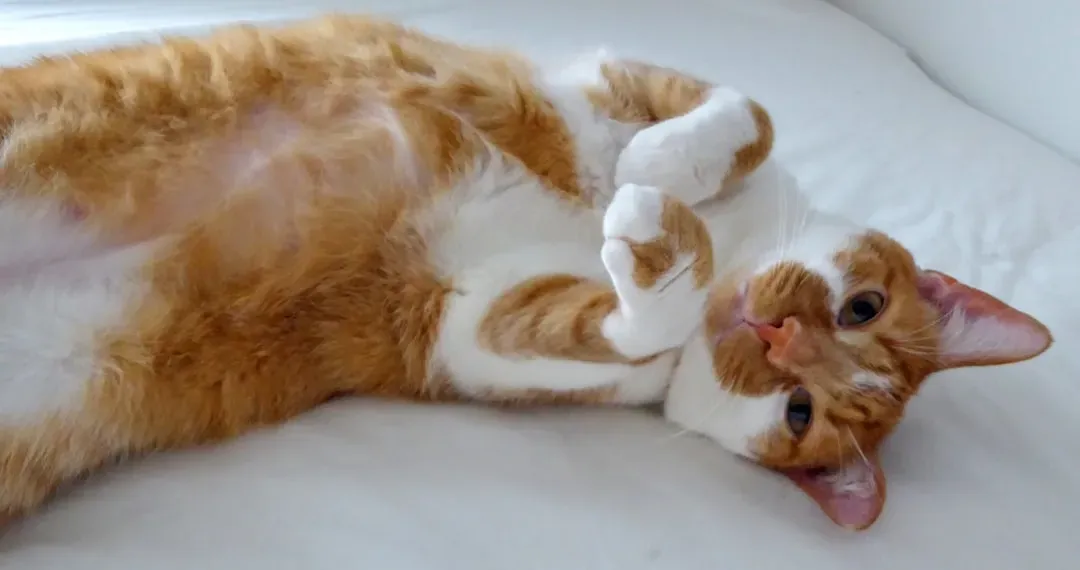
The social roll happens when a cat gets in front of you, puts their head down – often on your feet or shoes – and rolls over, exposing their stomach, a gesture done out of affection and happiness. I know it sounds crazy, but this quirky move is actually your cat’s way of saying they’re thrilled to see you. The belly is a vulnerable area, so it takes considerable trust for a cat to expose theirs.
Here’s where it gets tricky though. While displaying their most vulnerable body part is the ultimate display of relaxation and trust, you shouldn’t mistake this for an invitation to actually rub their belly. Many cats who show their belly are simply expressing comfort, not requesting a tummy scratch. Pay attention to your individual cat’s preferences to avoid turning a happy moment into a defensive one.
Making Biscuits On You
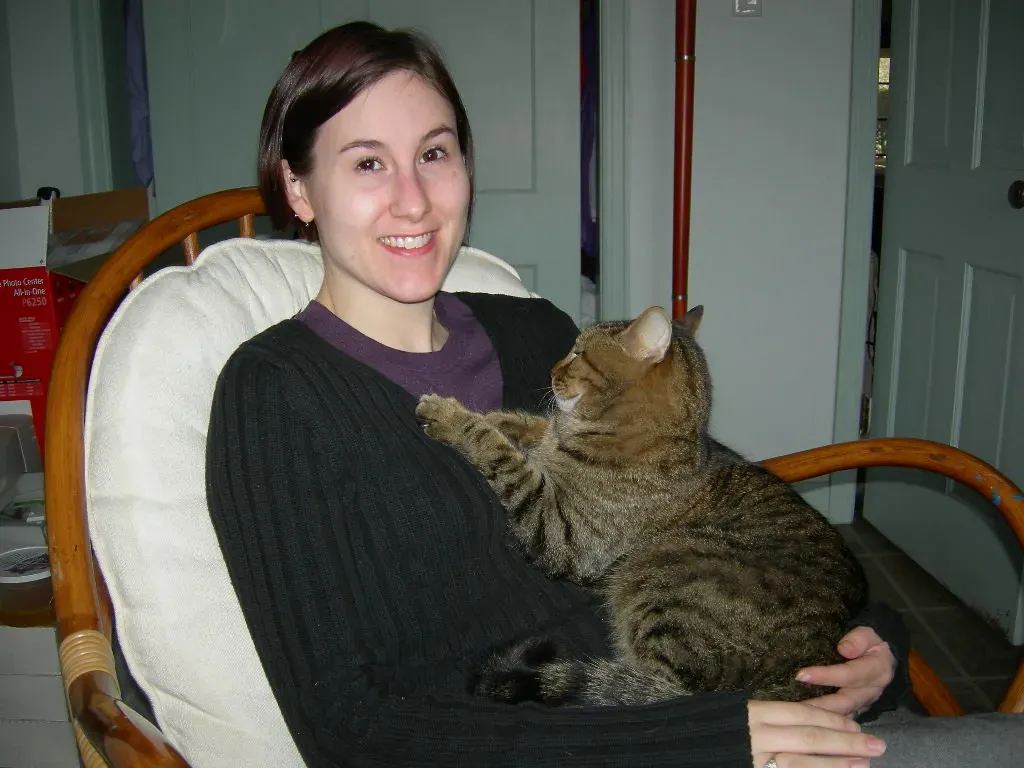
Cats knead soft surfaces with their paws in a motion similar to kneading dough, and they might knead a blanket, their favorite people, or something soft – it’s often the height of contentment. This behavior associated with nursing brings comfort and releases endorphins in the cat’s brain that make them feel safe and content. It’s hard to say for sure, but most experts agree this takes them back to kittenhood.
Watch for this behavior when your cat is curled up beside you or settling into their favorite spot. Adult cats typically knead when they feel safe, happy, and contented, and you’ll often notice this during cuddles, before naps, or while they’re cozying up into a comfortable spot. The gentle pressing of their paws is essentially your cat saying that being with you feels like home.
Chirps And Trills That Sound Like Joy
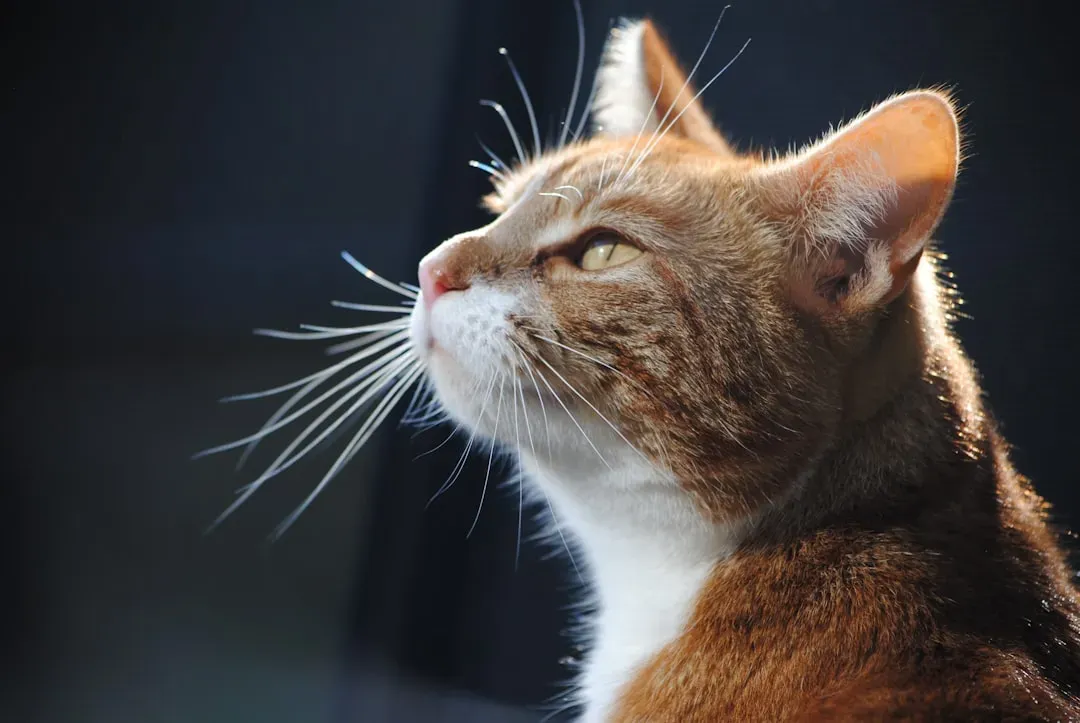
When you hear this trilling sound, you’ll know your cat is happy – a chirrup is often an invitation to follow your cat somewhere or to ask for affection or play. Trilling and chirping are signs that your cat is content, often signaling excitement or a friendly greeting. Not all cats are vocal in this way, so if yours does it, consider yourself lucky.
These cheerful sounds are distinct from regular meowing. Vocal kitties may have long conversations with you, and the pitch of their meow will allude to how they are feeling – a high-pitched meow is a content cat, while a low-pitched meow may indicate an unhappy or annoyed kitty. Listen closely to the melody your cat creates, because they’re quite literally singing you their emotional state.
The Upright Tail With A Gentle Hook
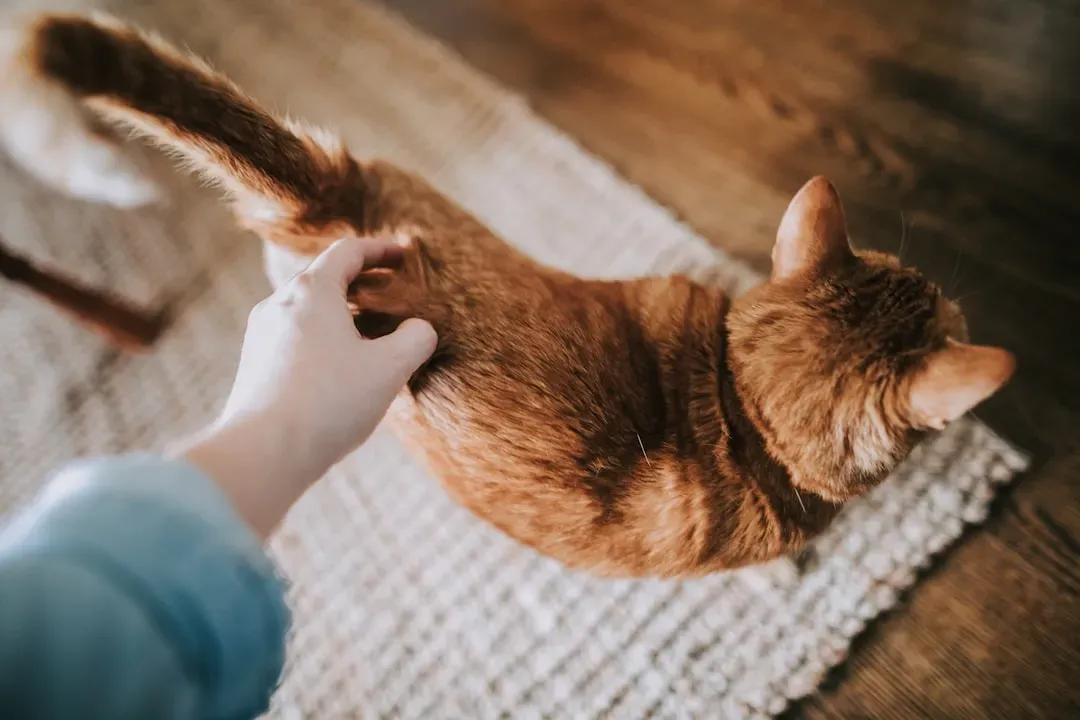
A happy cat’s tail will stay upright, with a slight hook and gentle sways. You can tell your cat is happy if their tail is straight up in the air, usually with a little curve to the end, and some cats’ tails even vibrate slightly when they are really happy and excited. This periscope-like tail is one of the easiest signs to spot once you know what you’re looking for.
When cats greet you with meows and an upright tail that is curved at the tip, they’re showing happiness. The next time you walk into a room and see that proud tail waving like a flag, know that your cat is genuinely pleased to be in your presence. It’s their version of a smile, if you will.
Seeking Out Your Company
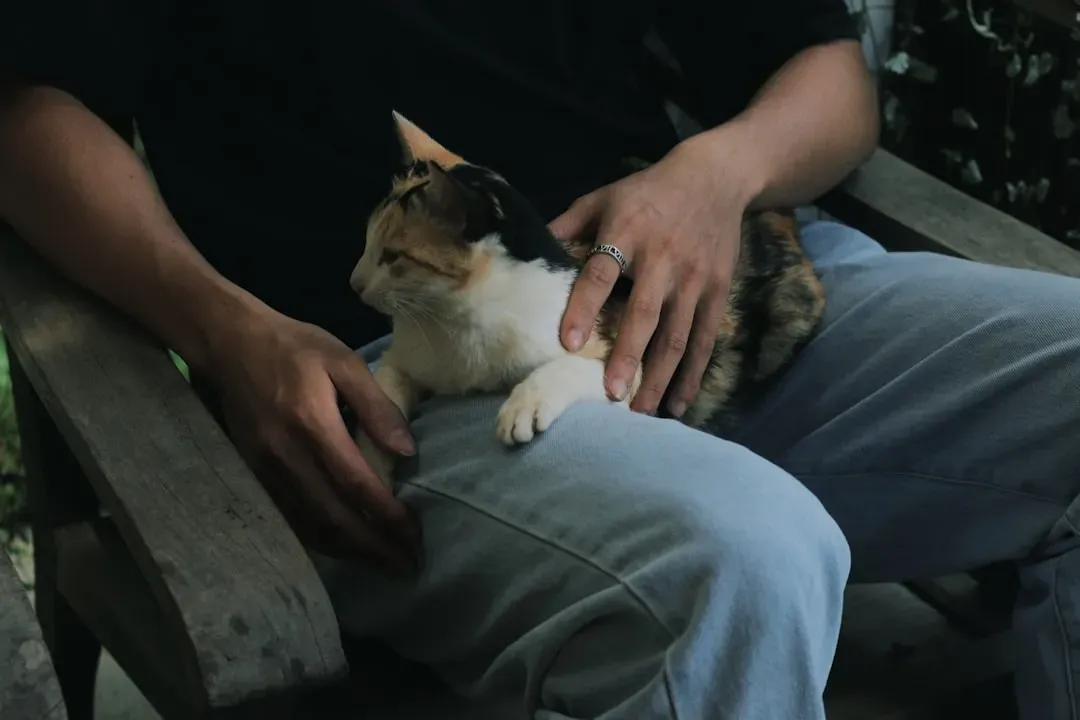
Some cats like to be nearby without touching while others enjoy physical contact – depending on your cat’s personality, they might seek out your company and want interaction with you when they are feeling happy. You’ll know your cat is happy if they show affection to you and want to interact with you – a content kitty loves scritches, snuggles, head boops, and lap sits. Every cat expresses this differently based on their unique temperament.
Your cat may settle on your lap or lean close when you spend time together, showing their love, trust, and happiness. Maybe your cat follows you from room to room, or perhaps they simply choose to nap in the same space where you’re working. Both are valid expressions of feline contentment. The point is, they’re choosing your proximity.
Playful Energy And Curiosity
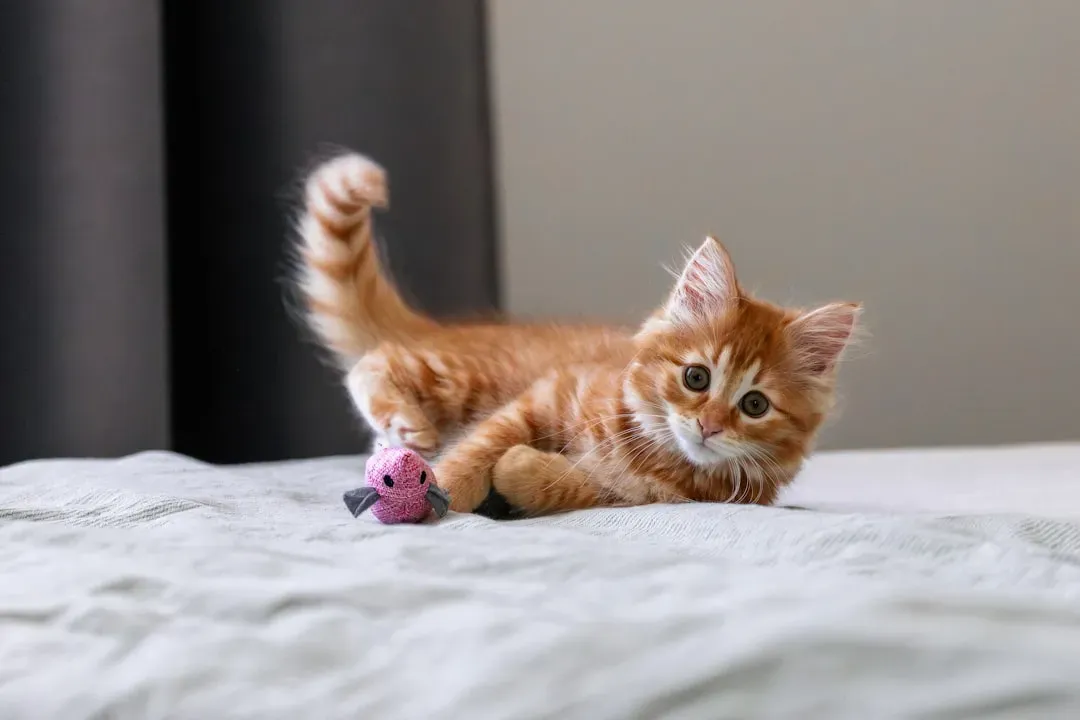
Most happy cats enjoy playing at least a little – a playful cat is a happy cat. A happy cat might show signs of curiosity and an interest in what is going around them – if your cat appears engaged with their surroundings, then that is a good sign. Think about it – when you’re stressed or unwell, you’re not exactly eager to explore or have fun.
Playtime can look different depending on your cat’s age and personality. They might be content playing on their own, batting and pouncing on toys, or they might need you to entice them with something interactive, like a wand toy. The key is noticing whether your cat shows interest in their environment and demonstrates that spark of curiosity that makes cats so endearing.
Relaxed Body Posture And Flopping
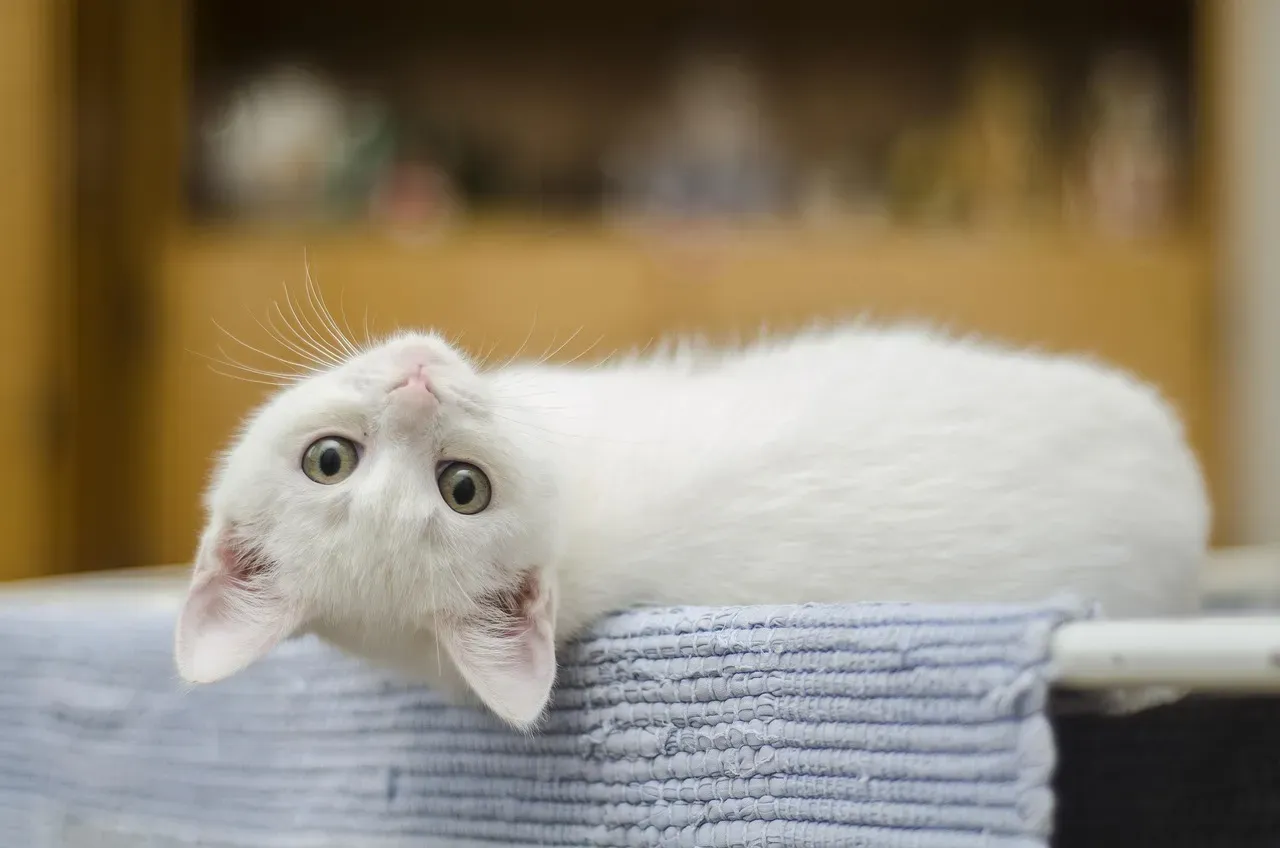
When your cat stretches out, rolls over, or exposes their belly, they’re showing complete trust and comfort around you. When a cat is happy, their posture is typically loose, with their limbs and tail stretched out away from their body when lying down. You’ll notice their whole body appears soft, without any tension in their muscles.
Let’s be real, these relaxed flops can look downright goofy. A cat who is lying on their side or their back with their legs stretched out, their tail loose and out, and their belly on show is relaxed. It’s a stark contrast to an anxious cat, who would tuck themselves into a tight ball with all vulnerable areas protected. When your cat sprawls out like they own the place, that’s confidence and happiness combined.
Healthy Appetite And Enthusiasm For Food
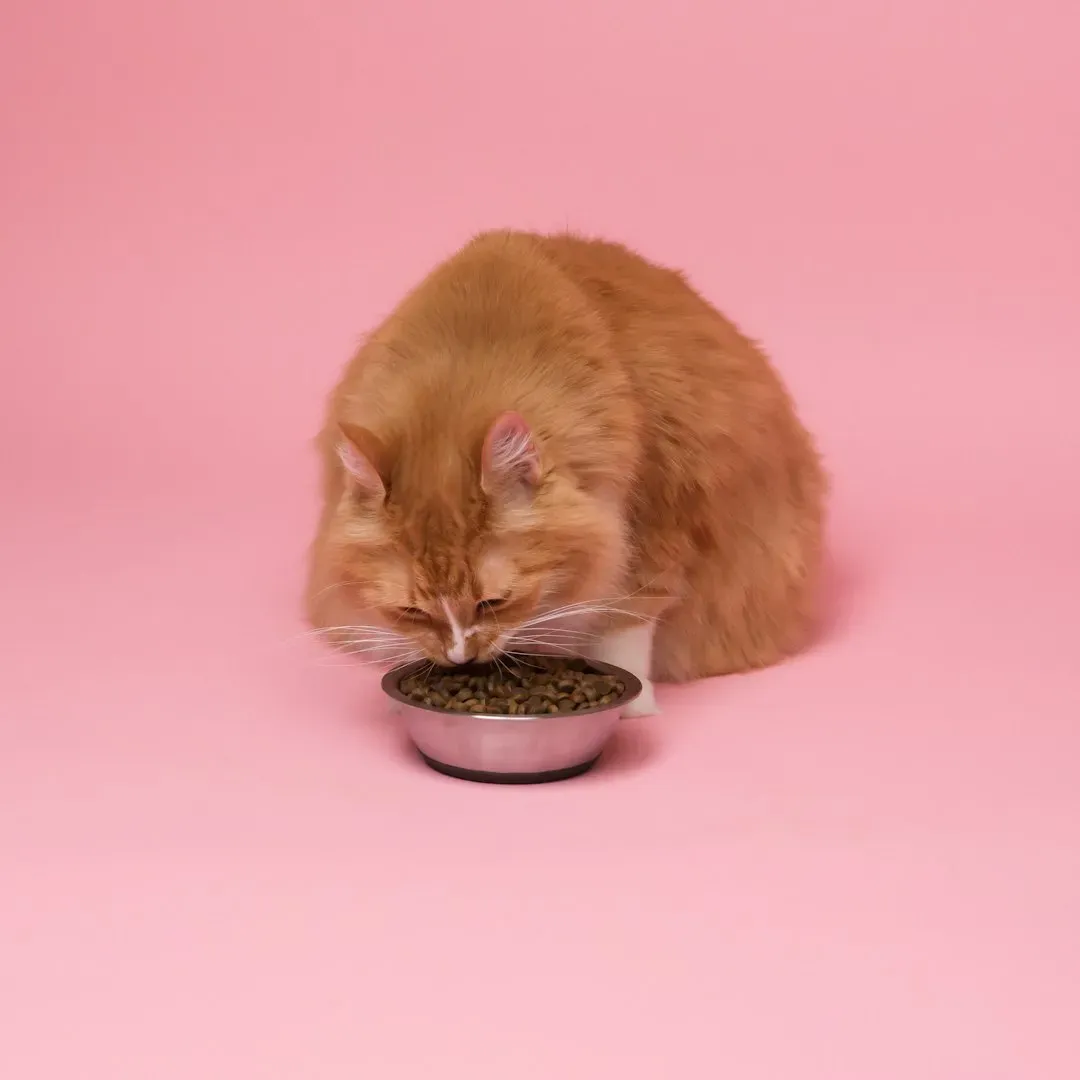
A happy cat will have a good, healthy appetite – they will look forward to feeding time and might show their eager anticipation by meowing and rubbing against your legs as you prepare their food. Similar to humans, a cat’s emotional state can influence their appetite, and a happy cat will have a healthy appetite. Food motivation is a surprisingly reliable indicator of overall wellbeing.
Watch how your cat approaches mealtime. Do they come running when they hear the food container? Are they finishing their meals with enthusiasm? These behaviors suggest contentment. Conversely, sudden changes in eating habits can signal stress or health issues, so maintaining that consistent, eager appetite is something to celebrate as a sign your cat is thriving.
Regular Grooming And Self-Care
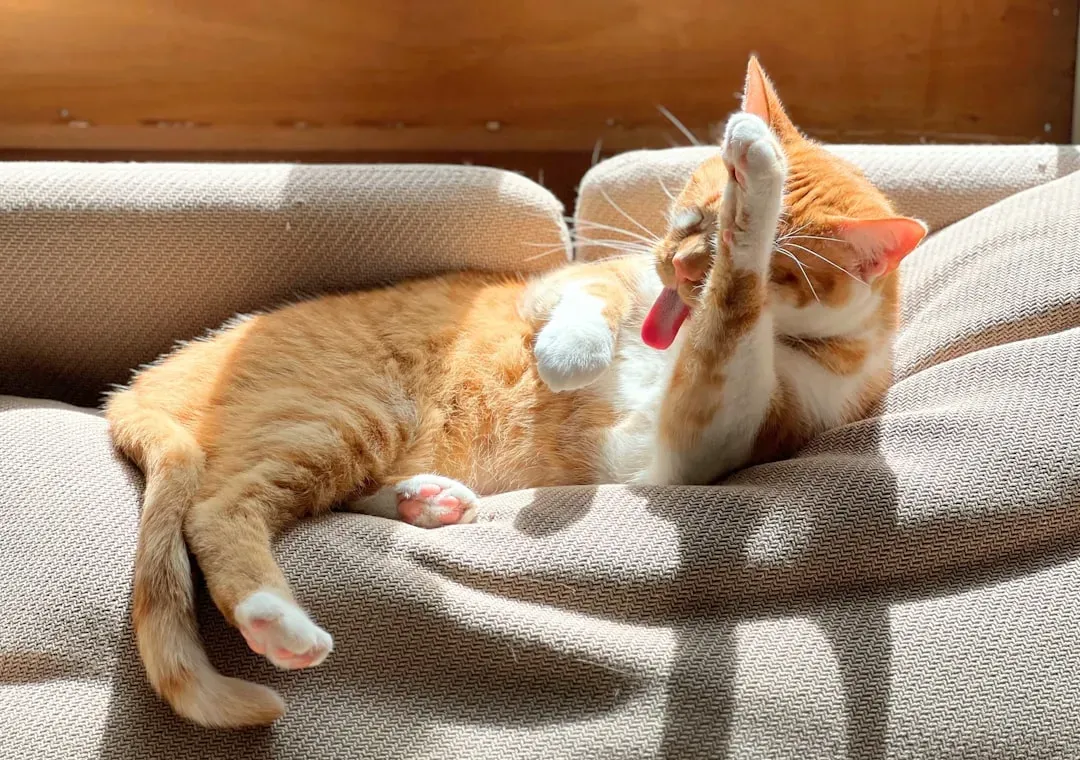
A clean, well-kept coat is a sign of a healthy, happy cat. A cat who will come out into the middle of the room and begin grooming in front of you feels comfortable and at ease – regular grooming is also a sign of a happy, healthy feline friend. Cats are meticulous creatures by nature, and when they’re feeling good emotionally, they maintain their hygiene rituals.
This extends beyond just licking their fur. When cats engage in grooming behavior with their human companion, it’s a feline way of showing love and affection to each other – when they do it for their human, you should feel honored and loved. If your cat occasionally licks your hand or hair, they’re essentially including you in their family grooming circle, which is a profound expression of acceptance and happiness.
Conclusion
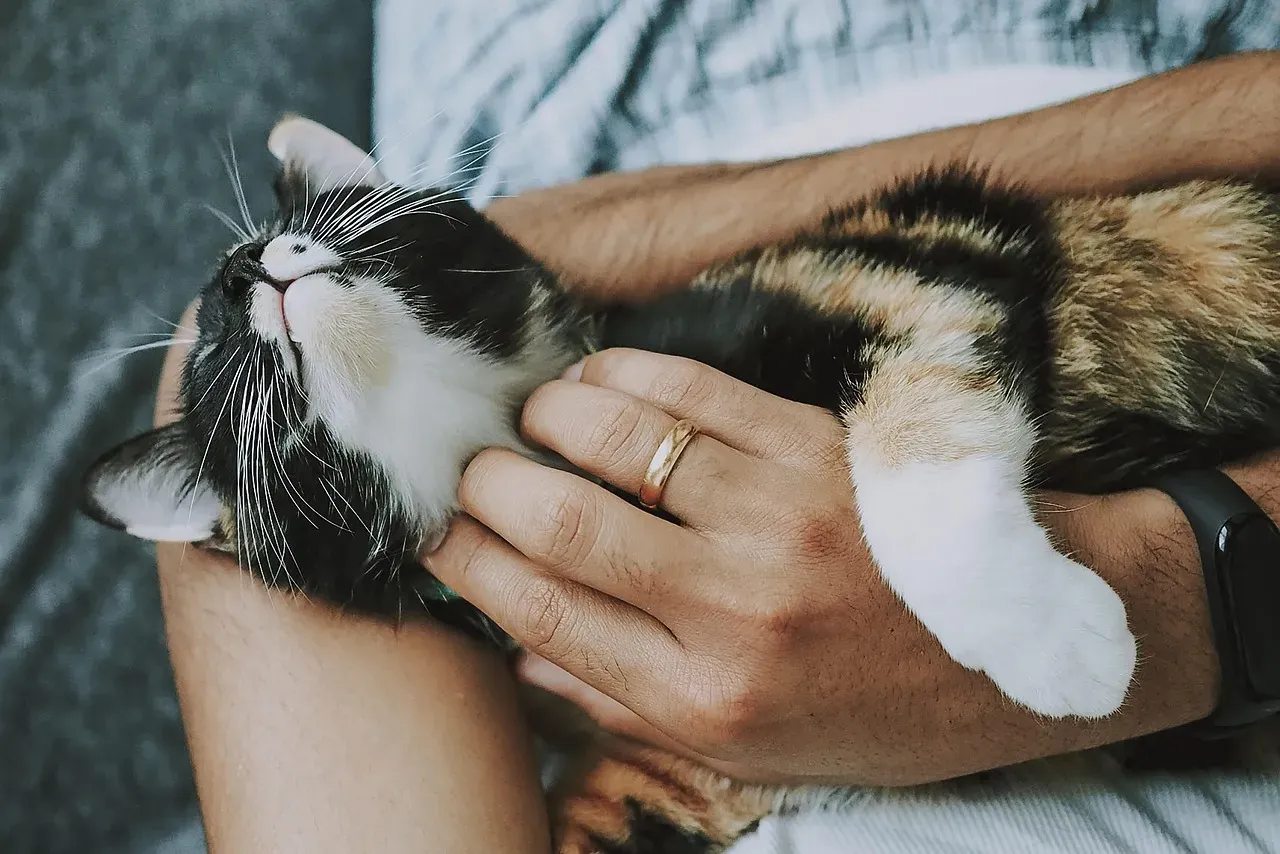
Understanding these subtle happiness signals transforms your relationship with your cat. These quiet communications – from slow blinks to gentle chirps, from upright tails to relaxed flops – reveal an emotional world that many people overlook. Your cat has been speaking to you all along, just in their own elegant, understated language.
The more you observe these behaviors, the more fluent you’ll become in feline happiness. Remember that each cat has their own personality and preferred ways of expressing contentment. Some might be chatty and affectionate, while others show their happiness through calm companionship. Both are equally valid. So take a closer look at your cat today – you might just discover they’ve been telling you how much they love their life with you all this time. What signs does your cat show when they’re happy? Share your observations in the comments below.