Arvada, Colorado – Police responded to a report of potential animal cruelty at a residence in the 8300 block of Sheridan Court on March 11, discovering dozens of cats living amid unsafe conditions.[2] Over the following week, authorities worked methodically to remove the animals, ultimately saving 114 felines from what they described as an uninhabitable environment.[3] The effort highlighted the challenges of animal hoarding cases, where good intentions often spiral into crisis.
A Shocking Discovery Sparks Swift Action
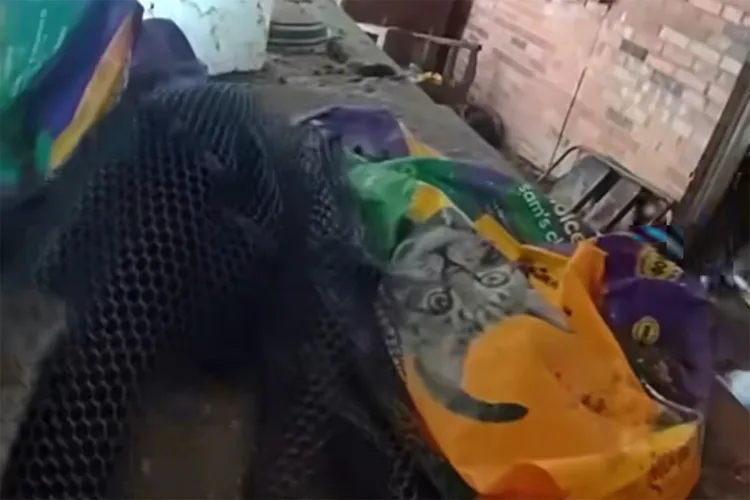
Investigators from the Arvada Police Department arrived at the home after community members raised concerns about animal welfare.[4] Animal management officers entered the property and immediately noted the large number of cats crammed into spaces unfit for habitation. Several deceased animals lay among the living ones, underscoring the severity of the situation.
The residence quickly drew involvement from multiple units, including crime scene investigations and code enforcement. Officials condemned the structure that same week, deeming it unsafe not just for the cats but for any occupants. This initial response set the stage for a labor-intensive rescue operation that stretched over several days.
Coordinated Effort Brings Cats to Safety
Rescue teams, bolstered by officers from the City of Lafayette Animal Protection, spent hours navigating the cluttered interior to capture the elusive felines.[5] Described as feral, the cats had been fed but existed in deplorable surroundings that threatened their health. By March 18, all 114 had been transported to a nearby shelter for medical evaluations and care.
Mental health co-responders joined the fray early, recognizing the incident’s ties to broader psychological issues. David Snelling, a spokesperson for Arvada Police, emphasized the scale: “Obviously, with that many cats they’ve been described as being feral inside the house… the conditions in this house were incredibly uninhabitable.”[4] The multi-agency collaboration proved essential in managing the overwhelming task.
Understanding Animal Hoarding’s Grip
Authorities linked the case to animal hoarding, a recognized mental health disorder. Situations like this often start with a genuine desire to help strays but escalate beyond control, endangering both pets and people. The Arvada Police Department noted in their update: “These situations typically begin with good intentions – a desire to care for animals – but can quickly become overwhelming, leading to unsafe conditions for both people and pets.”
Signs of distress went unnoticed for too long in this instance, but community vigilance made intervention possible. Early reporting emerged as a recurring theme in official statements, with police urging residents to act on suspicions of overcrowding or neglect.
Legal Ramifications and Road to Recovery
The homeowners now confront animal cruelty charges following their arrests on suspicion of the offenses. They must relinquish ownership of the cats before any adoptions proceed, a standard step in such cases.[5] Prosecutors will review evidence from the scene, including the deceased animals and overall squalor.
At the shelter, veterinarians assess each cat’s condition, treating injuries and illnesses accrued in the home. While specifics on their health remain pending, the prompt removal offers hope for rehabilitation and eventual placement into loving homes.
- 114 cats rescued and receiving care at a local shelter.
- Home condemned; owners charged with animal cruelty.
- Multi-agency response prevented further harm, aided by community tips.
This rescue operation serves as a stark reminder of hoarding’s toll and the value of prompt reporting. Shelters nationwide face strains from similar influxes, prompting calls for public support through donations and adoptions. What steps can communities take to spot and stop hoarding early? Share your thoughts in the comments.