You’ve brought home an adorable ball of fluff, and somewhere between the third scratched couch cushion and the fifth midnight zoomie session, you realize there’s a pretty big decision looming on the horizon. Neutering your cat sounds responsible, important even, but when exactly is the right time to do it? Is there a magic number that ensures your cat stays healthy, happy, and well adjusted?
Let’s be real here. This isn’t just about preventing unwanted kittens, though that’s definitely part of it. Neutering impacts your cat’s health, behavior, and even their long term quality of life. The timing matters more than you might think, and honestly, the recommendations have shifted quite a bit over the years. What your grandmother’s vet suggested decades ago is probably not what today’s veterinarians are advising.
So what’s the sweet spot? When should you schedule that appointment? Stick around, because we’re diving deep into everything you need to know about neutering your feline friend at just the right age.
Understanding What Neutering Actually Means for Your Cat
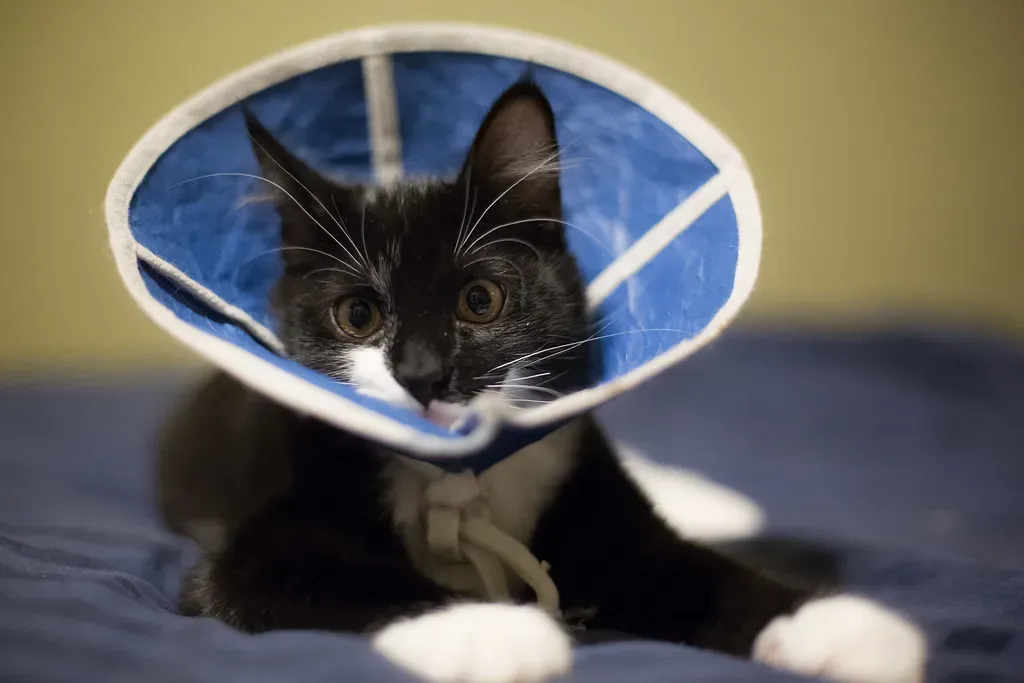
Neutering, also known as castration in male cats, is a surgical procedure that involves removing a cat’s testicles. For female cats, the equivalent procedure is called spaying, which removes the ovaries and uterus.
The operation of neutering male cats involves general and local anesthesia, and both testicles are removed through a local incision with external sutures typically not required. It sounds a bit intimidating when you first think about it, right? Yet it’s one of the most common surgeries performed in veterinary clinics worldwide. Your vet has likely done hundreds, if not thousands, of these procedures.
The whole point of neutering is to prevent reproduction, but it also plays a massive role in controlling hormone driven behaviors. Neutering affects your cat by altering hormone levels, as male cats produce testosterone, a hormone responsible for many of their natural behaviors including territorial marking, aggressive tendencies, and the drive to mate. Remove those hormones, and you often remove the problems that come with them.
The Ideal Age Range According to Current Veterinary Guidelines
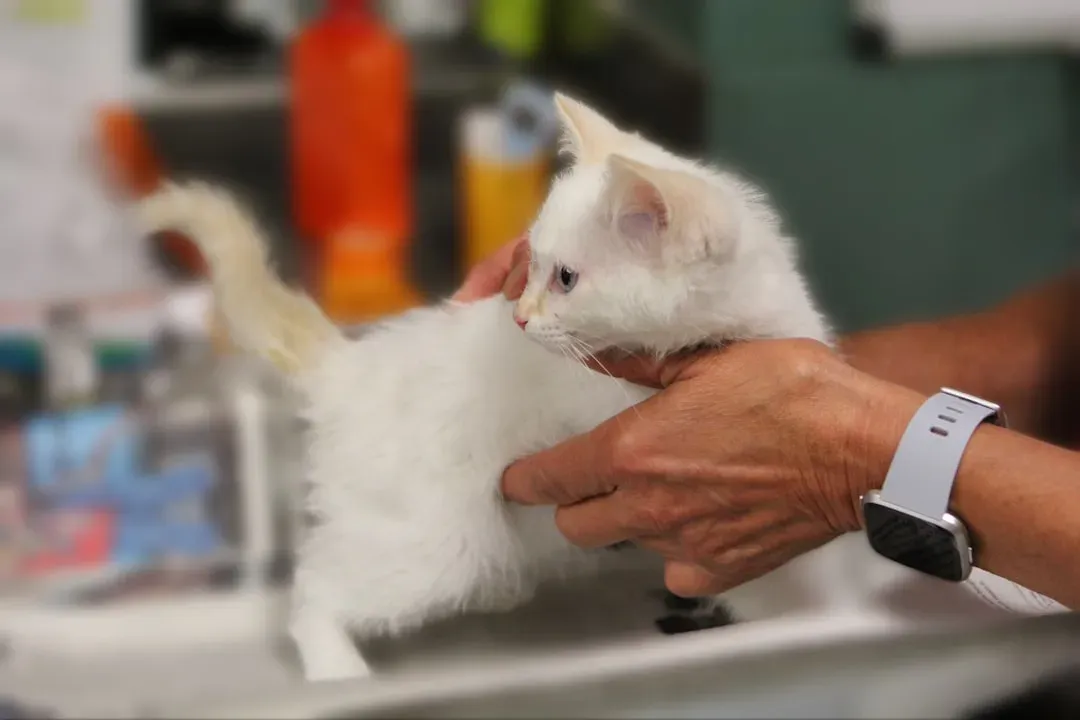
Here’s where things get interesting. The Veterinary Task Force on Feline Sterilization, backed by the American Veterinary Medical Association, has set a clear guideline that kittens should be spayed or neutered before they reach five months of age. This recommendation is pretty recent and reflects decades of research into what works best for cats.
For most healthy cats, the optimal age for neutering falls between 8 weeks and 6 months, with 5-6 months being a very common and effective sweet spot. Some shelters and rescue organizations go even earlier, often neutering kittens as young as eight weeks if they’re healthy and weigh at least two pounds. The “Feline Fix by Five” campaign emphasizes getting it done before five months specifically to prevent unwanted pregnancies and reduce health risks.
There’s variation depending on your situation, of course. For many years, and still widely considered standard for most healthy cats, the recommended age for neutering has been around five to six months of age. Your vet might suggest waiting slightly longer if your kitten has health issues or if they’re from a breed that matures more slowly.
Why Early Neutering Is Gaining Traction

Early age neutering, sometimes called pediatric neutering, wasn’t always common practice. Many shelters and rescue organizations perform neutering much earlier, often on kittens as young as 8 to 16 weeks old, a practice known as early-age or pediatric neutering that has gained widespread acceptance and proven to be safe and beneficial.
Why the shift? Population control is a huge driver. Shelters want to ensure that every adopted kitten leaves already sterilized, eliminating the risk of accidental litters before owners get around to scheduling the surgery. Younger kittens often bounce back from surgery even more quickly than older cats, experiencing less post-operative discomfort, and studies have shown that surgical complications for young kittens are often lower due to smaller vessels and less fat in the surgical area.
I know what you’re thinking. Can something that young really handle surgery safely? Extensive research has indicated that pediatric neutering, when performed by an experienced veterinarian, does not have long-term negative effects on a cat’s growth, behavior, or overall health. That’s pretty reassuring, honestly.
Health Benefits That Come with Timely Neutering
Neutering isn’t just about stopping your cat from making more cats. The health perks are genuinely significant. Spayed females have a lower risk of breast cancer and are protected from uterine infections, while neutered males are less prone to testicular cancer and often exhibit fewer aggressive behaviors.
When spayed prior to 6 months of age there is a 91% reduction in the risk of mammary cancer, with the risk reduced by 86% if done between 7 and 12 months of age, but only an 11% reduction when spayed between 1 to 2 years of age. The timing really matters here. Wait too long, and you lose some of those protective benefits.
Male cats benefit too, though in slightly different ways. After castration, a female cat will live roughly 39% longer than an unspayed pet, while for a male cat, this number jumps up a staggering 62%. Those are numbers you can’t ignore.
Behavioral Changes You Can Expect After Neutering

Let’s talk about the elephant in the room, or rather, the spraying cat in your living room. Intact male cats can be, well, a handful. Adult male cats have an extremely strong urge to mark territory both indoors and out, and neutering reduces or eliminates spraying in approximately 85% of male cats.
Aggression and roaming are other biggies. Intact male cats may be more likely to fight due to sexual competition between males and because they roam and protect much larger territories, but neutering reduces fighting and abscess development, with intact males wandering greater distances than females and neutered males. If you’ve got an outdoor or indoor-outdoor cat, neutering can genuinely save their life by keeping them closer to home.
Female cats in heat are no walk in the park either. They yowl, pace, and can become quite distressed. Spaying eliminates heat cycles entirely, which means a calmer, more comfortable cat for you both.
What About Neutering Older Cats

So what if your cat is already past the kitten stage? Maybe you adopted an adult or you’ve been putting off the procedure for one reason or another. It’s never too late to neuter a cat, although if your cat has already developed some undesirable behaviors like spraying, it may take longer for those habits to subside after the procedure.
Cats can be spayed or neutered through their late teens. The surgery might be slightly more involved in an older cat, and recovery could take a touch longer, but the health benefits still apply. Your vet will likely run some blood work first to make sure your older cat can handle anesthesia safely.
Older cats may not see quite the same level of behavioral improvement as younger ones since some habits become ingrained over time. Still, you’re protecting them from serious health issues like testicular cancer, prostate problems, or uterine infections.
Are There Any Risks or Downsides to Consider

No medical procedure is entirely without risk, and it’s important to go in with eyes wide open. Some people worry about weight gain after neutering. There is little direct evidence that links weight gain directly to neutering, as weight gain is common in pets as they age, and reduced activity from becoming more docile can also be a contributing factor.
You can manage this with proper diet and exercise. Your cat’s metabolism might slow slightly after neutering, so adjusting their food portions and keeping them active with play sessions is key. Honestly, it’s a small price to pay for the benefits.
Another concern is whether early neutering affects growth or development. With cats, the overwhelming evidence would suggest that gonadectomy is safe in cats at any age over 6 weeks. Orthopedic issues that sometimes occur in large breed dogs after early neutering don’t seem to be a problem for cats.
The Neutering Procedure Itself and What to Expect
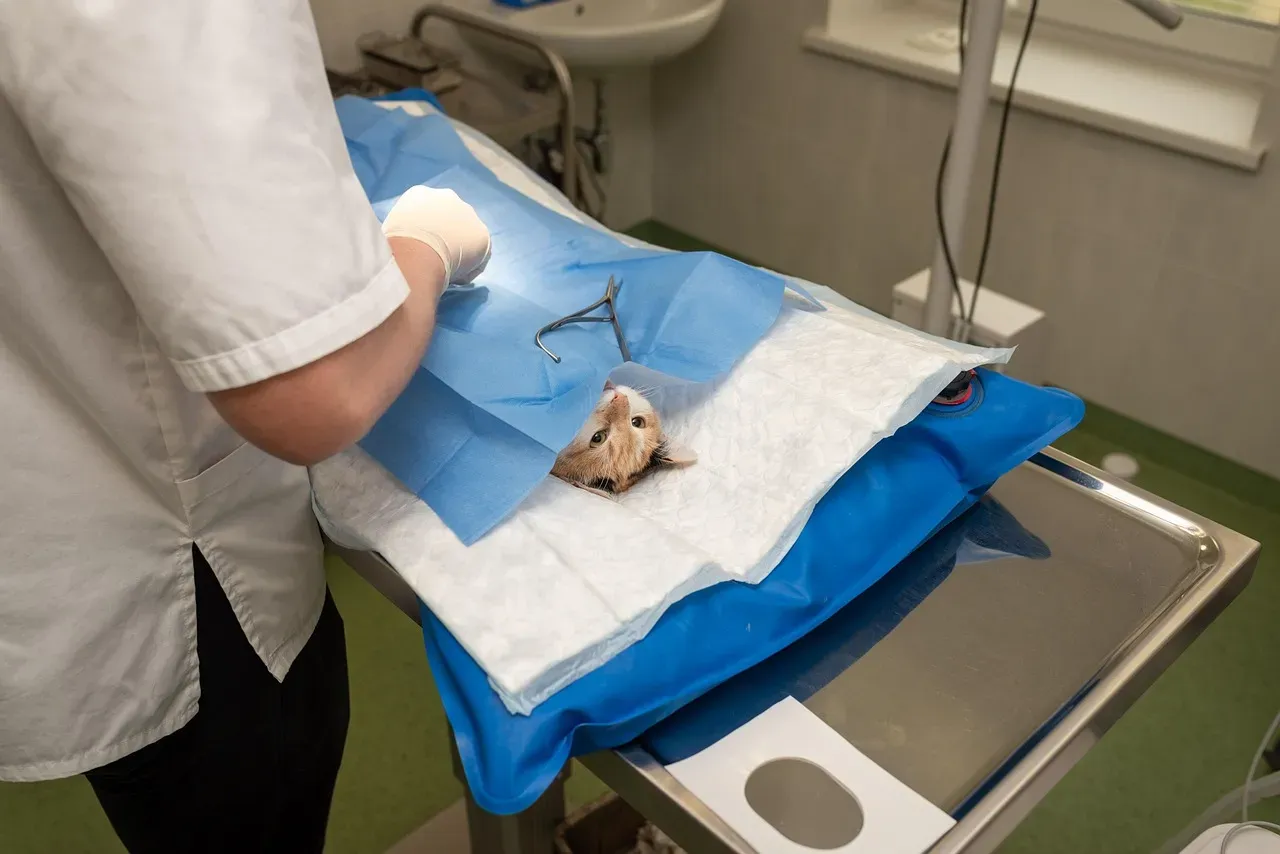
Let’s walk through what actually happens during the surgery. The surgery is performed under general anesthesia, meaning your cat will be unconscious and pain free throughout, with the vet making a small incision to remove the testicles, and the entire process usually takes less than 30 minutes. It’s remarkably quick, especially for male cats.
A male cat neuter can be done in under 2 minutes. Seriously, that fast. Female spays take a bit longer since it’s more invasive, usually around fifteen to twenty minutes.
Your cat will wake up fairly quickly after surgery. For most cats, a reversible anesthetic shot is used so they recover very quickly, usually within 10 to 20 minutes being awake enough to walk around, while dogs take a little longer at 15 to 30 minutes. They might be groggy and a bit disoriented at first, but that’s completely normal.
Post Surgery Recovery and Aftercare Tips
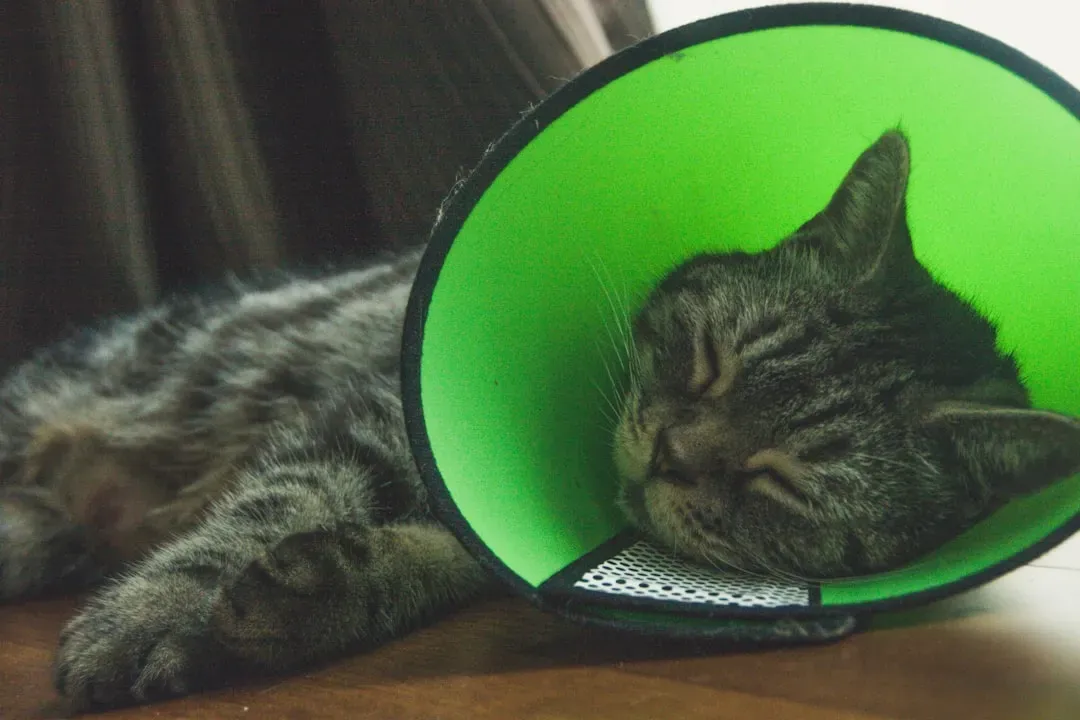
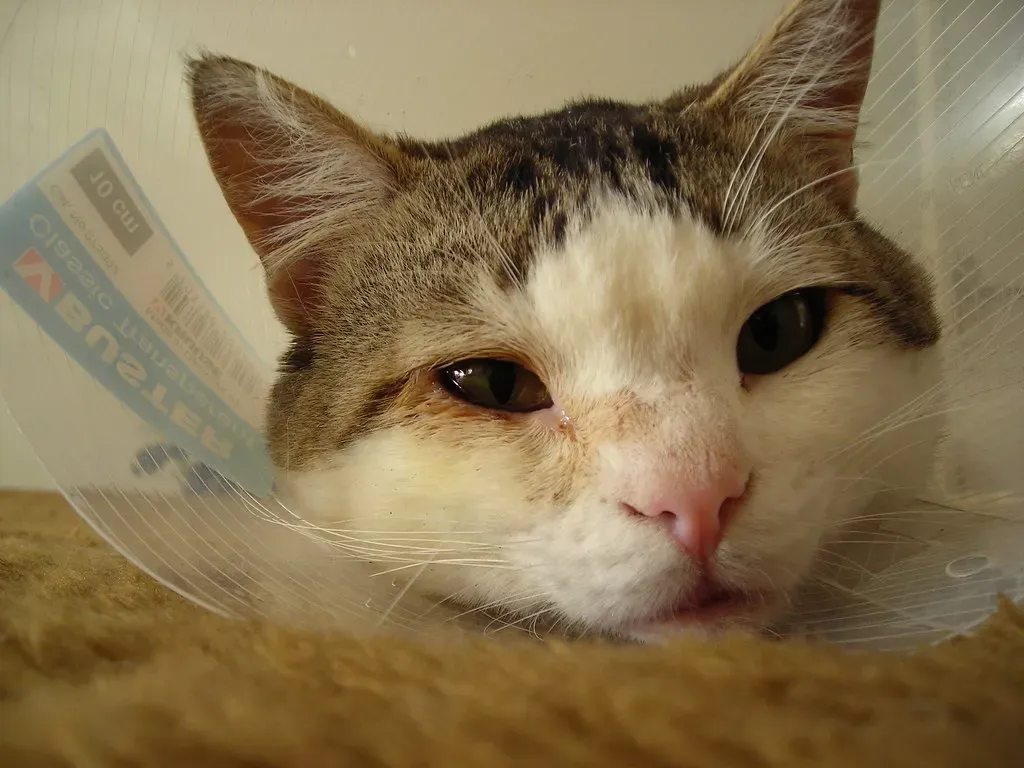
Recovery is usually smooth sailing if you follow your vet’s instructions. Most cats should wear their cone for 5-7 days after neutering to avoid licking the incision, and most scrotal incisions heal very quickly. That cone might look ridiculous and your cat will probably give you the stink eye, but it prevents infections and complications.
It’s normal for cats to experience side effects as a result of the anesthesia and procedure itself after being neutered such as discomfort, nausea, lethargy, and vomiting, which is why it’s essential to carefully follow your vet’s post-operative care instructions. Keep your cat quiet, limit their jumping and running, and make sure they have a cozy, calm place to rest.
It takes approximately 24 to 48 hours for your cat’s nausea to go away and for their appetite to fully return, but it will take roughly 7 days for your male cat to recover completely after being neutered. Female cats might need closer to ten to fourteen days. During this time, monitor the incision site daily for redness, swelling, or discharge.
Special Considerations Based on Your Cat’s Lifestyle

Indoor cats versus outdoor cats might have slightly different considerations. Outdoor cats should be neutered earlier to prevent unwanted breeding and reduce roaming behaviors. If your cat has any access to the outdoors, getting them neutered before they hit sexual maturity is critical.
Breed can occasionally play a role too, though it’s much less significant than with dogs. Large breeds like Maine Coons may benefit from delayed neutering to allow proper bone development. Your vet can advise whether your specific cat falls into this category.
If you have multiple cats in the household, especially both males and females that aren’t neutered, you need to act fast. If you have an unneutered male and female in the same household, have them neutered as soon as they reach 4 months old, and if this isn’t possible and your female cat comes on heat, it’s essential to keep your cats apart. Cats can get pregnant as early as four months old, which catches many people off guard.
Making the Final Decision with Your Veterinarian
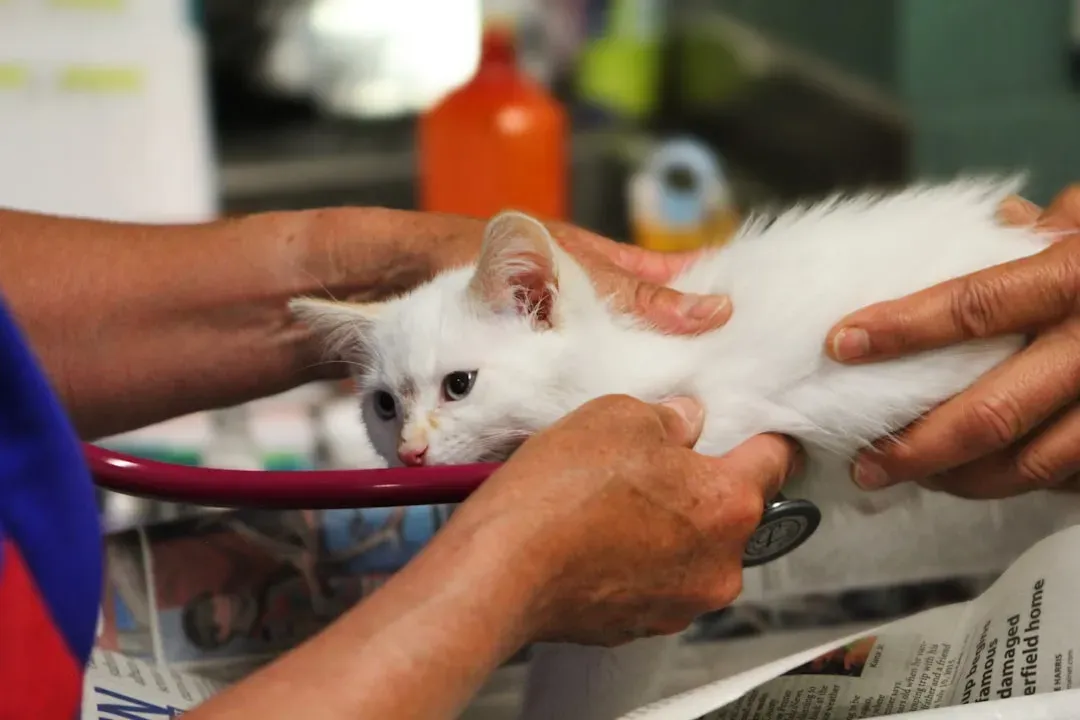
At the end of the day, this is a conversation you need to have with your vet. The best age for your individual cat should always be discussed with your veterinarian, who can assess your cat’s individual health and circumstances to recommend the most appropriate timing. They know your cat’s medical history, breed characteristics, and any unique factors that might influence the decision.
Don’t hesitate to ask questions. A good vet will walk you through the pros and cons, address your concerns, and help you feel confident about the timing. They might recommend doing the surgery at the same time as other procedures, like microchipping or final vaccinations, to minimize stress and anesthesia exposure.
Your cat’s health and happiness are what matter most. Making an informed decision based on solid veterinary guidance ensures you’re doing right by your furry companion. Trust your instincts, trust your vet, and know that neutering is one of the most loving, responsible things you can do for your cat’s long term wellbeing. What do you think about the different age recommendations? Have you had experience neutering a cat at an early or later age? Let us know your thoughts.