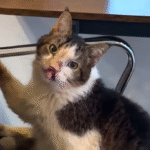
You think you know your cat, right? They meow when they want dinner, they purr when they’re happy, and maybe they hiss when the vacuum comes out. Simple enough. Yet your feline companion has a vocal repertoire that goes far beyond these basics, and some of those sounds might leave you scratching your head in confusion.
The truth is, cats possess up to 21 different vocalizations described in scientific research, and their actual vocal range probably extends even further. Some of these sounds are delightfully quirky, others are downright bizarre, and a few might even sound like your cat is speaking a completely different language. Let’s dive into the unexpected acoustic world of your furry friend.
The Trill: Your Cat’s Friendly Salutation
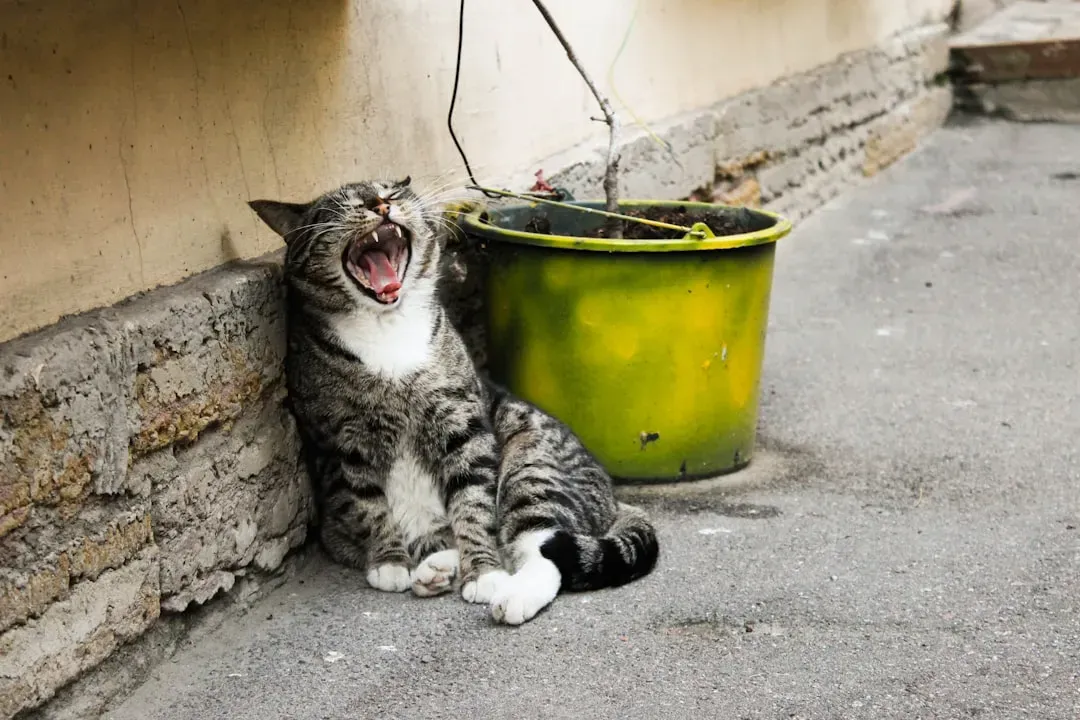
A trill is produced with a soft voice and sounds like a purr but with a higher pitch, often used by cats to greet and thank their human family members. Think of it as your cat’s version of saying “Hey there!” in the most cheerful tone possible. This adorable rolled sound happens when your cat approaches you with their tail held high, and honestly, it’s one of the sweetest noises you’ll ever hear.
Studies show trilling is specifically associated with positive and familiar situations, meaning when your cat trills at you, they’re genuinely happy to see you. Mother cats also use trills to tell their kittens to follow them, so if your cat trills and walks away, they might be inviting you to come along, probably to their food bowl. Not all cats are trillers though, and that’s perfectly normal.
Chattering: The Predator’s Frustrated Symphony
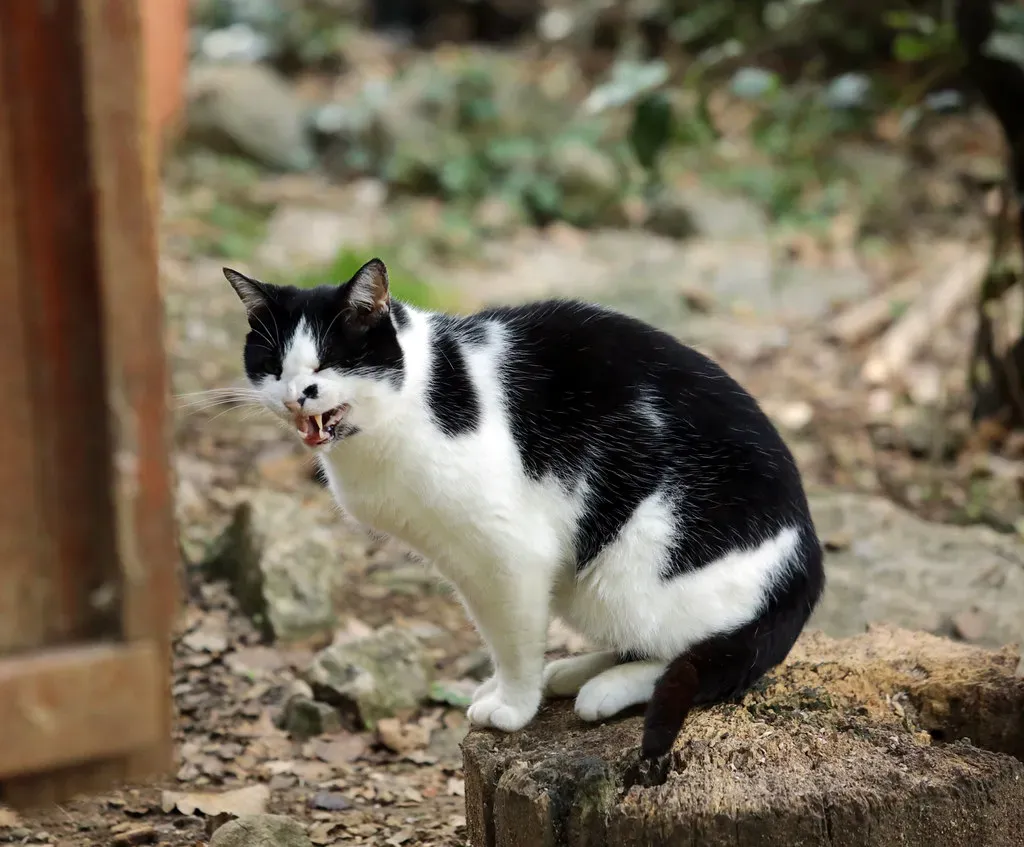
Have you ever watched your cat stare intensely at a bird outside the window while making rapid, stuttering clicking noises with their jaw? Chattering is a low smacking sound produced by rhythmic clashing of the jaws, usually voiceless and produced without using the vocal cords. It’s one of the most fascinating sounds in your cat’s arsenal, and it typically happens when they spot prey that’s completely out of reach.
Cat chattering nearly always happens when interested in visual or auditory stimulus, and this behavior comes from hunting instincts and might be a strategy to mimic prey. Some researchers believe your cat is practicing the killing bite, while others think they’re mimicking bird sounds to lure their target closer. Chattering might be caused by neurotransmitters like dopamine and adrenaline, or indicate pure frustration at not being able to reach prey. Either way, it’s your cat’s inner hunter coming out in full force.
The Chirp: A Birdlike Hello
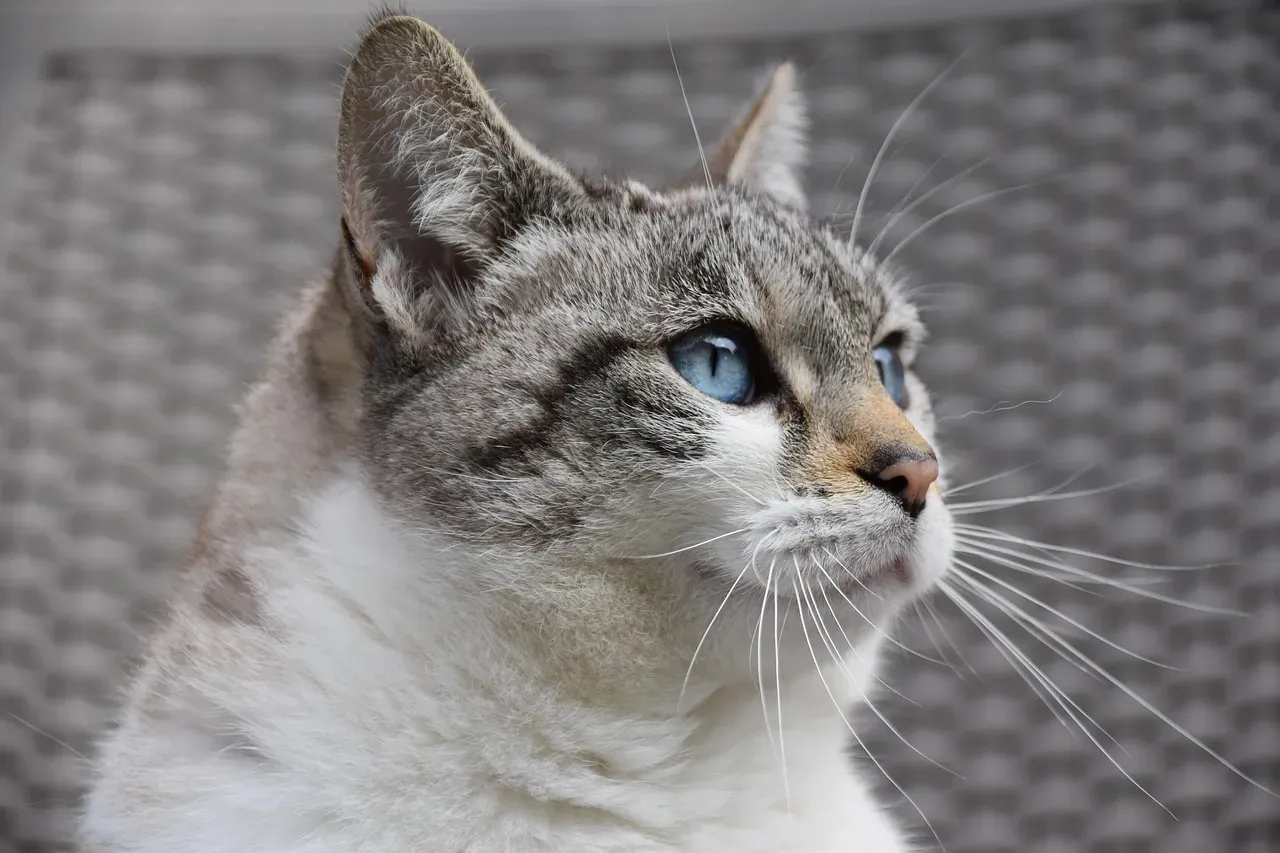
Chirps are short, high-pitched calls similar to that of a bird, and cat chirrups are relatively quiet even if the cat feels excited. Your cat might chirp when they see you walk into a room, and it’s essentially their way of announcing their location or getting your attention. It’s like they’re saying, “Over here, human! Don’t forget about me!”
Your cat might let out a chirp when they see potential prey they can’t get to, like a squirrel outside the window, and mother cats often chirrup to call their kittens to them. The chirp sits somewhere between a meow and a trill in terms of pitch and duration. If your cat chirps at you while staring pointedly at their food bowl, they’re basically using their most polite voice to request a snack.
Yowling: The Long, Dramatic Cry
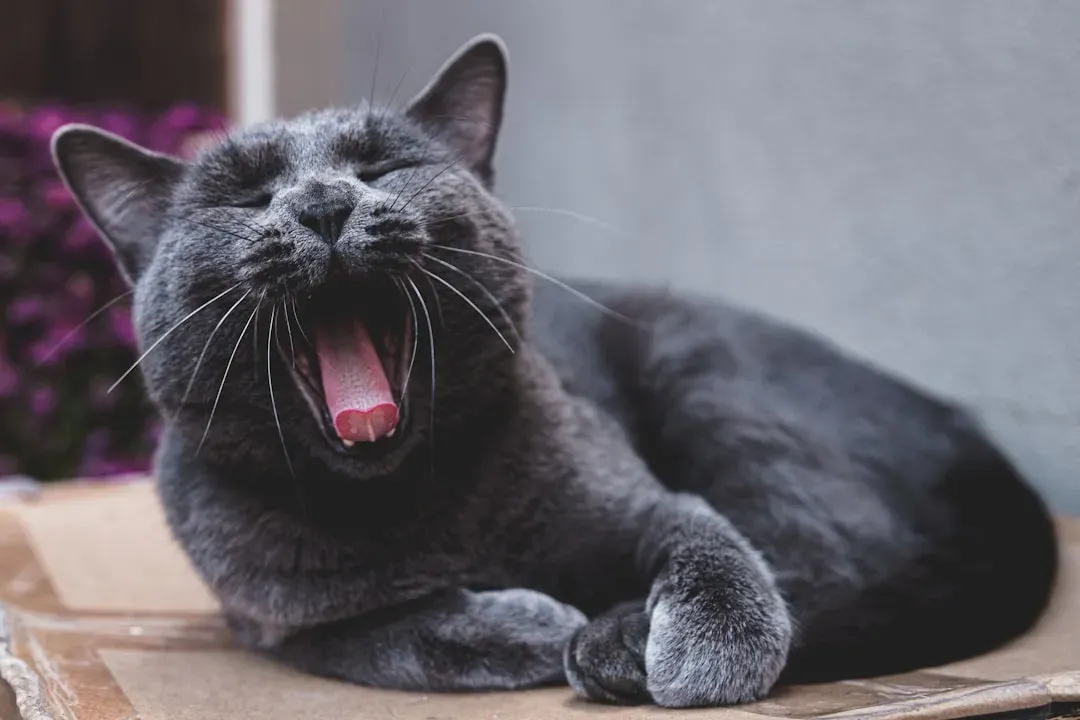
Yowling is more drawn out and melodic compared to meowing, which is normally short and clipped, and yowling is often a different pitch from your cat’s typical meow. This sound can be genuinely unsettling, especially when it echoes through your house at three in the morning. It’s long, loud, and sounds like your cat has something really important to communicate.
A yowl tells you your cat is in some kind of distress, and in unaltered cats, these sounds are part of mating behavior. Older cats suffering from cognitive decline might yowl for seemingly no reason because they are not thinking as clearly as they were in the past. If your senior cat suddenly starts yowling, especially at night, it’s worth checking with your veterinarian to rule out medical issues like cognitive dysfunction or pain.
Caterwauling: The Mating Call (and More)
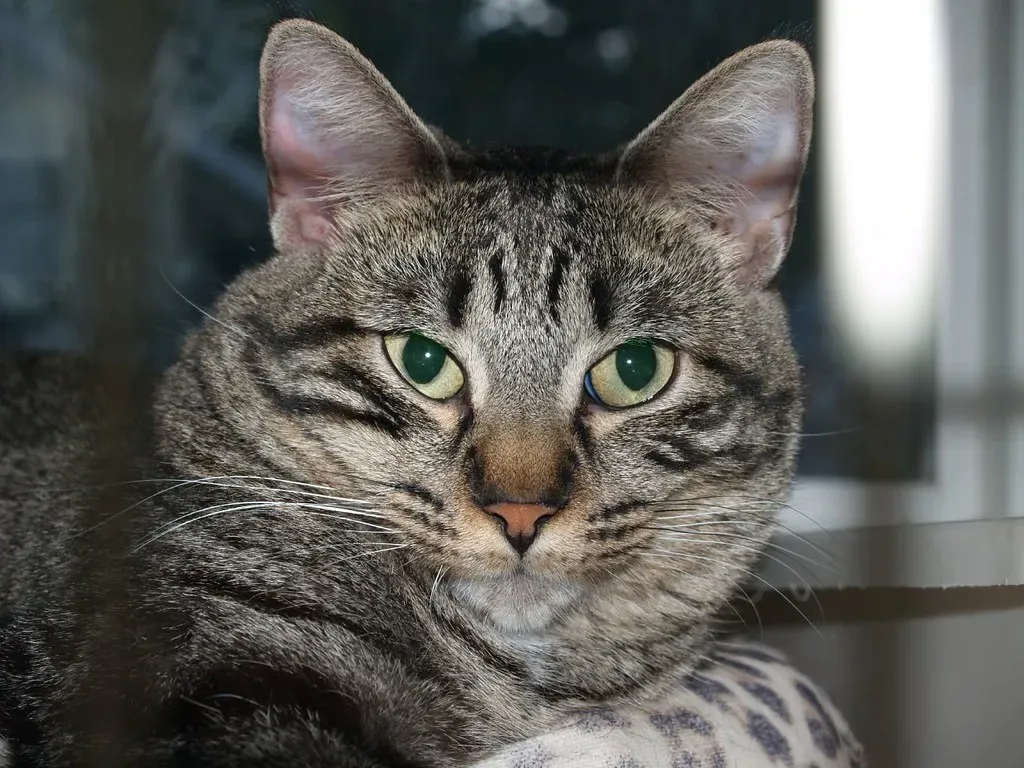
A caterwaul is a loud, long whine made by unspayed females to attract prospective mates while in heat. If you’ve never heard it before, consider yourself lucky because it’s an absolutely unmistakable sound. It’s shrill, wailing, and can genuinely sound like your cat is in distress when they’re actually just looking for romance.
When directed toward human family members, caterwauling is used to express pain, discomfort, fear, or a desire for attention, and like yowling, it can also be a sign of cognitive decline in older cats. Cats are territorial and protect their turf, so they may caterwaul if a stranger comes inside their protected perimeter. Spaying or neutering typically reduces this behavior significantly when it’s related to mating.
Growling: The Low Rumble of Warning
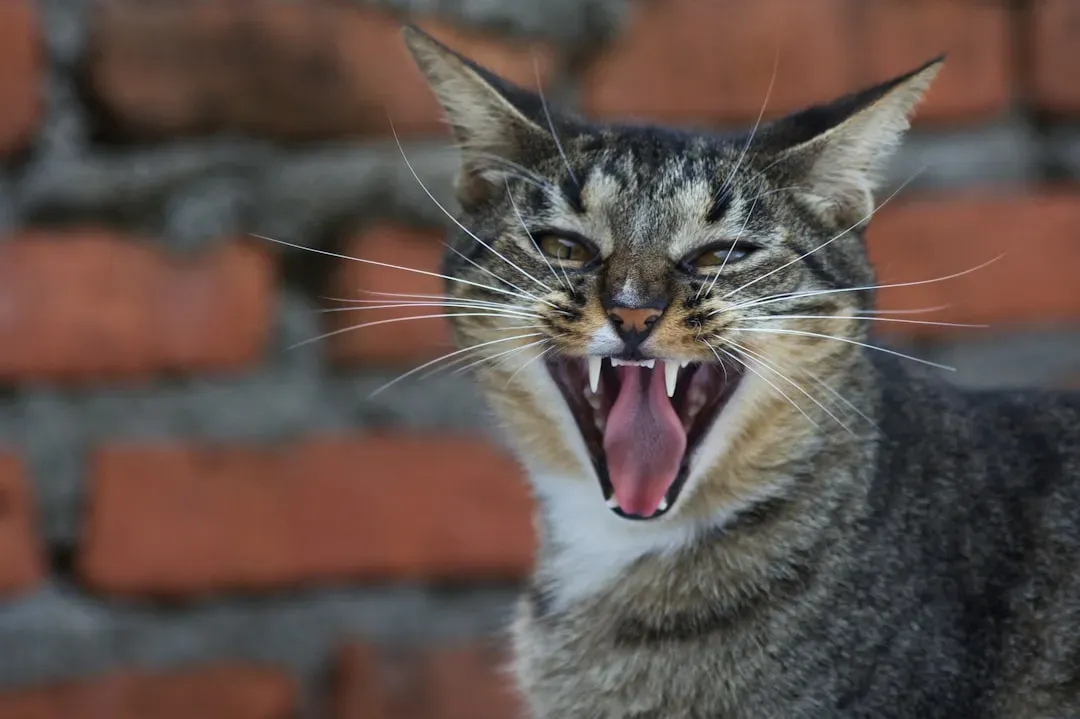
A growl is a low, rumbling sound used to warn or scare off a threat, indicating that a cat feels threatened, frightened, or is about to become aggressive. Unlike a purr, which might seem similar in tone, a growl has a distinctly menacing quality that leaves no room for misinterpretation. Your cat is essentially saying “back off” in the clearest possible terms.
This sound often increases as the cat’s fear grows, and it can be directed at other animals, other cats, or even humans who’ve crossed a line. When you hear this sound, respect your cat’s boundaries immediately. They’re giving you a fair warning before things escalate. Sometimes growls can blend with yowls or hisses to create an even more intimidating vocal display.
The Silent Meow: When Sound Disappears
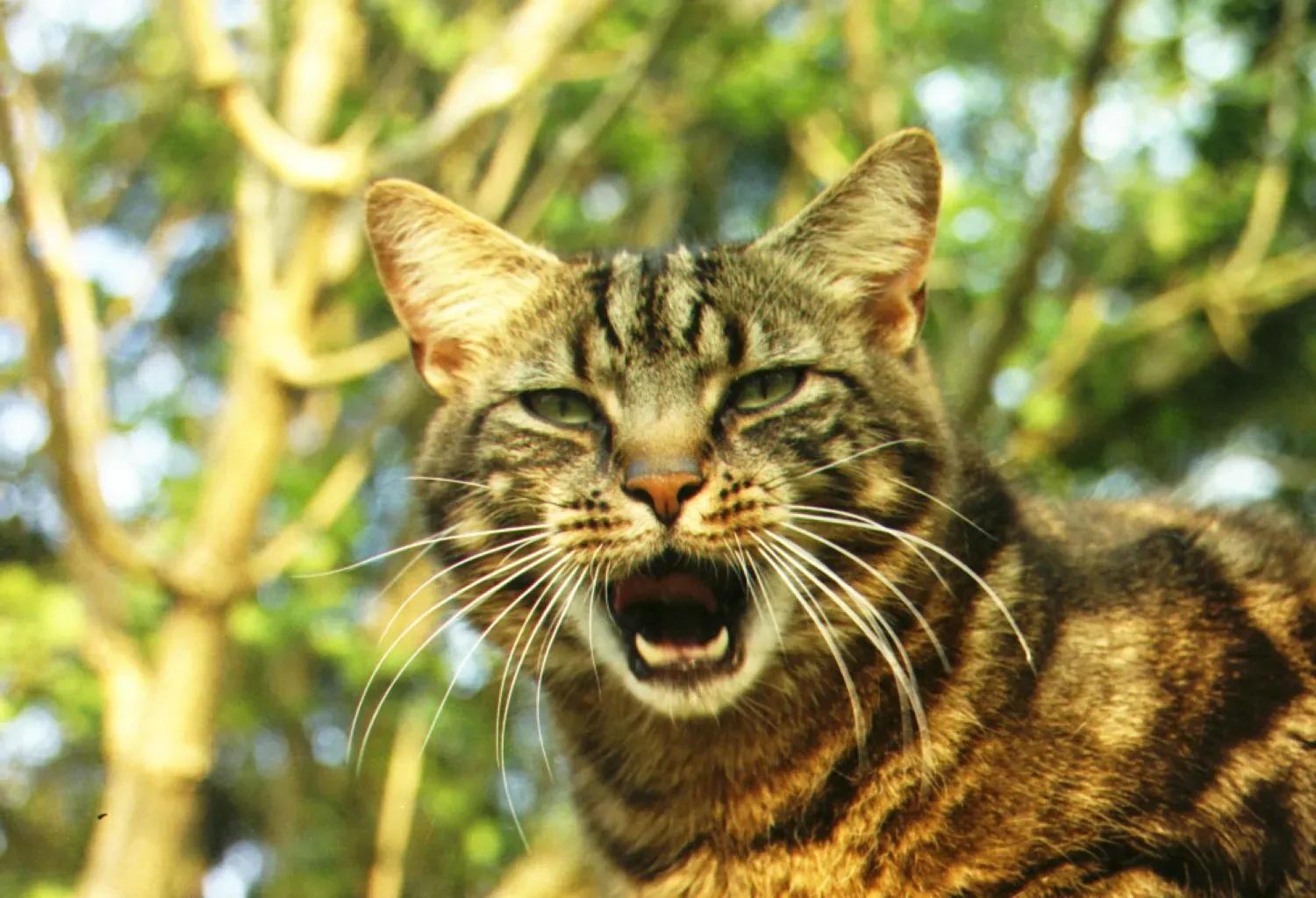
Here’s the thing about the silent meow: your cat opens their mouth, goes through all the motions of meowing, yet no sound comes out. It looks oddly comical, like they’ve been muted by some invisible remote control. This isn’t actually a malfunction though. The silent meow is a deliberate, often endearing form of communication that many cat owners find irresistible.
Some experts believe the silent meow is your cat’s way of being polite or making a gentle request. Others suggest it’s a vocalization pitched so high that humans simply can’t hear it, even though other cats might. Whatever the reason, when your cat gives you the silent meow treatment, they’re usually asking for something specific, whether that’s food, attention, or access to a closed room. Pay attention to the context and body language to figure out what they want.
Purring in Pain: The Confusing Comfort Sound
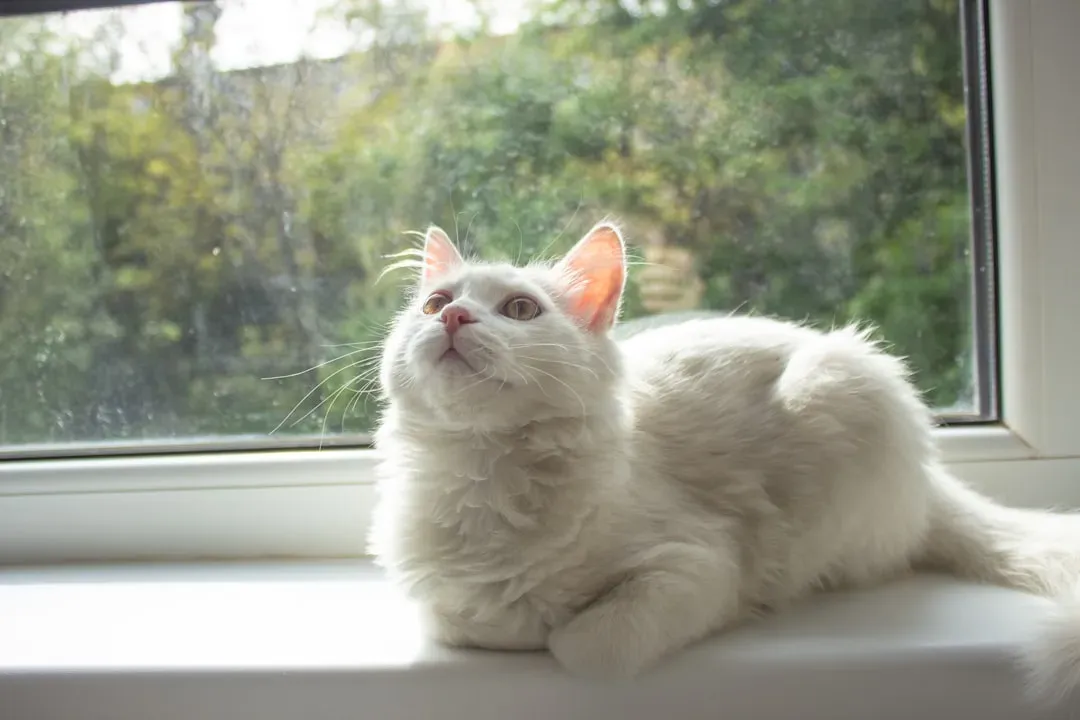
A purr is a low, continuous, rhythmic tone produced during breathing, and while most people recognize purring as a sign of contentment and pleasure, purrs can also mean that a cat is scared, sick, or in pain. This is honestly one of the most confusing aspects of cat communication because we’ve all been conditioned to think purring equals happiness.
Purring is used as a form of self-soothing, which is why cats often purr when injured or in scary situations. Your cat might purr at the vet’s office not because they’re having a great time, but because they’re trying to calm themselves down. Like all feline communication, purring must be evaluated in context with the cat’s body language. If your cat is purring but their ears are back, pupils dilated, and body tense, something is definitely wrong.
Conclusion
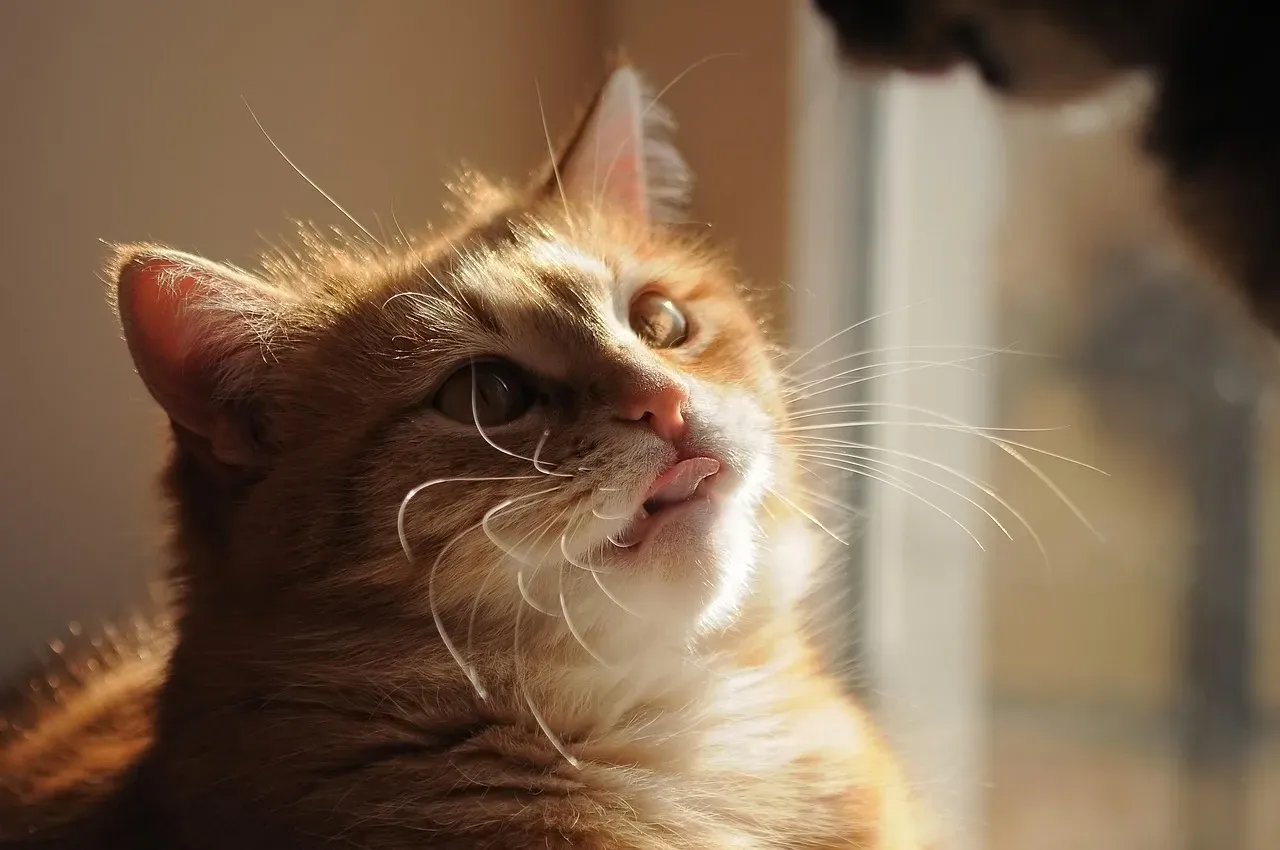
Your cat’s vocal range is far more complex and nuanced than most people realize. From the cheerful trill to the unsettling caterwaul, each sound serves a specific purpose in your cat’s communication toolkit. Learning to distinguish these sounds and understand their context can dramatically improve your relationship with your feline companion.
Remember that sudden changes in vocalization patterns warrant attention. If your normally quiet cat becomes excessively vocal, or if their sounds change in pitch or frequency, it’s worth consulting your veterinarian. Your cat’s voice is one of their primary ways of telling you what they need, how they feel, and what’s going on in their world. So the next time your cat makes an unexpected sound, don’t just dismiss it as random cat weirdness. They might be trying to tell you something really important. What’s the strangest sound your cat has ever made? Share your experiences in the comments below.