You’ve probably spent a fair amount of time staring at your cat, wondering what in the world is going on behind those mesmerizing eyes. There’s something undeniably captivating about them. Whether your cat is gazing at you from across the room or blinking slowly while curled on your lap, those eyes are doing far more than just looking.
Honestly, most people think cats communicate only through sounds. But the real conversation? It’s happening silently, entirely through the eyes. Your cat’s eyes are a sophisticated communication system, capable of expressing everything from love and trust to fear and aggression. The good news is, once you understand the language, you’ll never look at your cat the same way again. Let’s dive in.
Why a Cat’s Eyes Are Built Differently
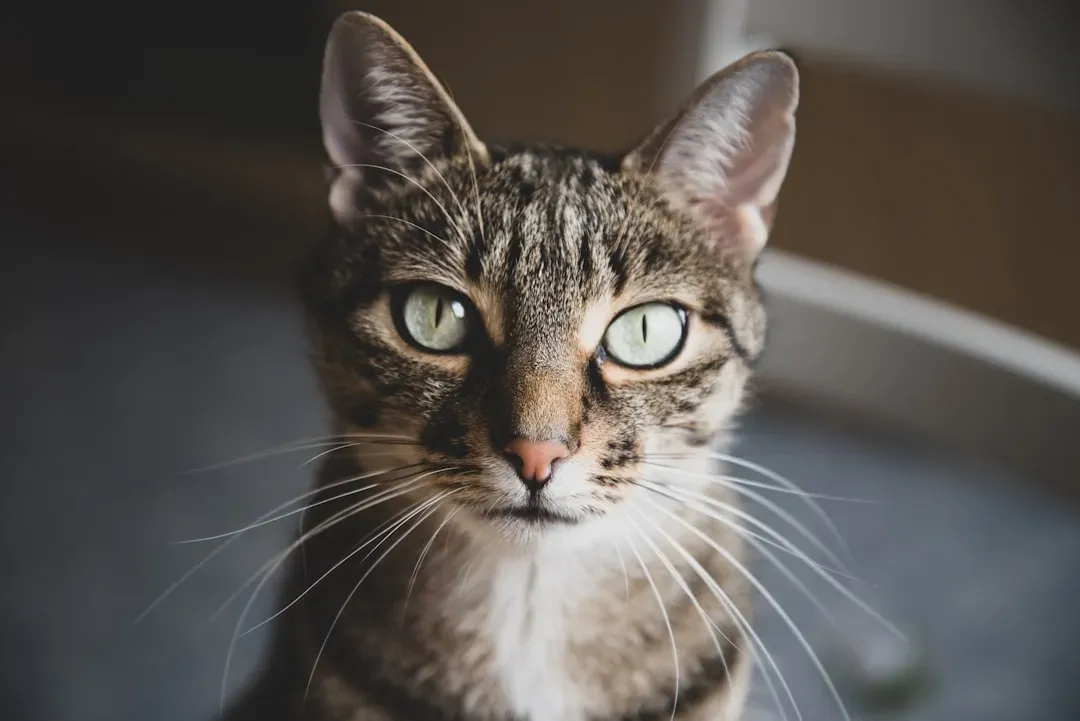
Here’s the thing most cat owners don’t realize: your cat’s eyes are not just aesthetically gorgeous, they’re structurally extraordinary. Unlike humans, who have round pupils, cats possess vertically elongated pupils that can change shape dramatically based on their emotions and surroundings. This design isn’t accidental. It’s millions of years of evolution at work.
Unlike humans, a cat’s pupils are dynamic vertical slits, and this unique shape serves a distinct evolutionary purpose for their “ambush predator” lifestyle. Think of it like having a camera with a wildly adjustable aperture. The pupil can go from a razor-thin line to an enormous round pool in seconds, giving your cat unmatched adaptability in varying light and emotional conditions.
Cats have six to eight times more rod cells than humans and only need one-sixth of the amount of light that we do, allowing them to see much better in dim lighting and at night. Experts theorize this is because cats are crepuscular mammals, most active at dawn and dusk when light is low. So when your cat stares into what looks like total darkness and seems completely fine, now you know why.
The Slow Blink: Your Cat’s Way of Saying “I Love You”
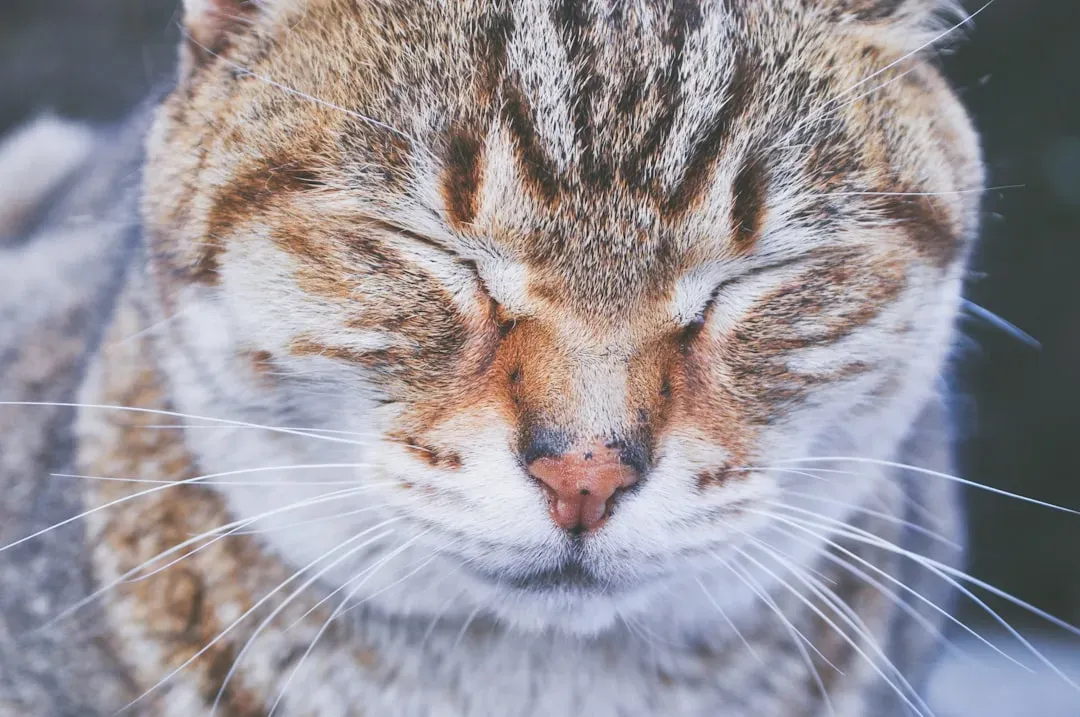
If your cat has ever locked eyes with you and then slowly, deliberately closed and reopened their eyes, consider yourself lucky. You just received a cat kiss. One of the most powerful forms of feline eye communication is the slow blink, often referred to as the “kitty kiss.” When a cat slowly closes and opens its eyes while making direct eye contact, it is expressing trust, affection, and contentment. This gesture indicates the cat feels safe and relaxed in your presence.
Research has revealed that cat half-blinks and eye narrowing occurred more frequently in response to owners’ slow blink stimuli. In a second experiment, cats had a higher propensity to approach an experimenter after a slow blink interaction than when the experimenter had adopted a neutral expression. In other words, science confirms what cat lovers have always suspected: blinking slowly at your cat actually works. Try it. You might be surprised by what happens.
Dilated Pupils: Excitement, Fear, or Something Else?
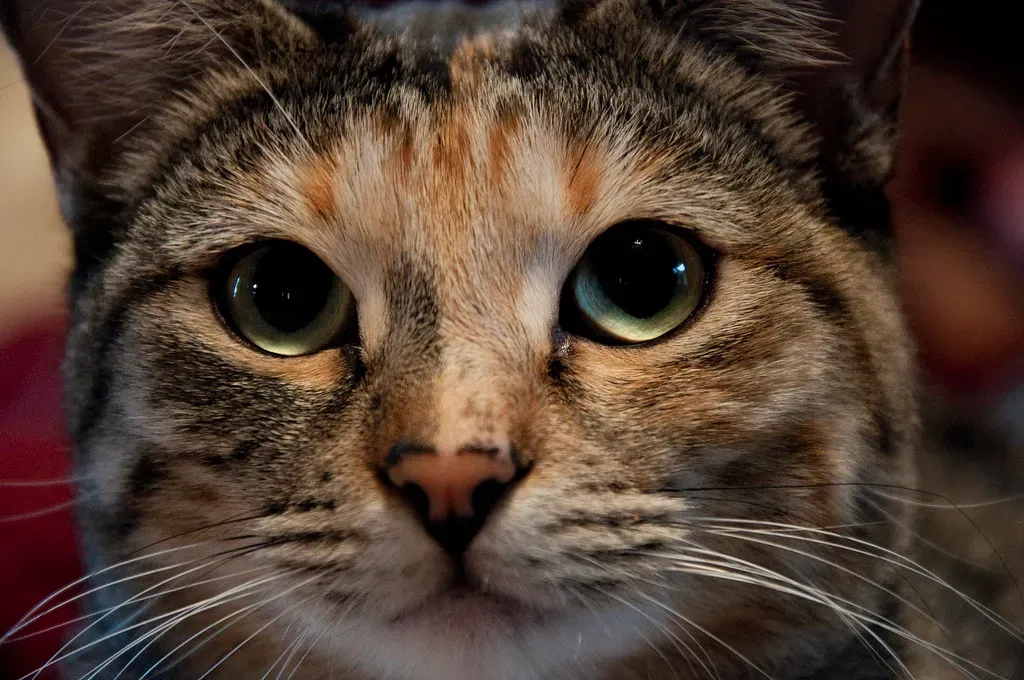
Wide, round pupils are one of those signals that requires a little more context to decode. Dilated pupils in cats can reveal a range of emotions, from excitement to fear. When a cat is excited to play or engaged in a stimulating activity, their pupils can expand to take in more visual information. Conversely, fear or anxiety can also cause pupils to dilate as a sign of heightened alertness and readiness to respond to potential threats.
Imagine your cat’s eyes like a car’s headlights suddenly switching to full beam. When a cat is overwhelmed, its pupils can dilate so wide they resemble dark, glassy discs – a phenomenon often called “saucer eyes.” This is a clear indicator that the cat’s fight-or-flight response has been activated, and it is highly agitated or scared. So the next time those eyes go huge right before your cat launches off the couch, you’ll know exactly what’s coming.
Constricted Pupils: Calm, Confident, or Confrontational?
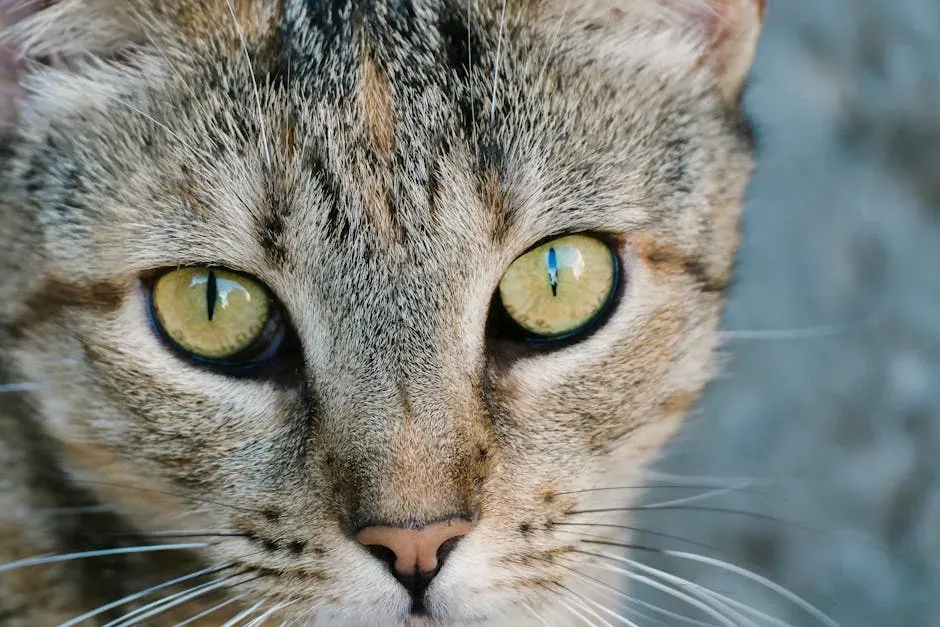
Narrowed, slit-like pupils can mean your cat is perfectly relaxed, but they can also signal the exact opposite. Context is everything here. When your cat is feeling relaxed and happy, their pupils often become narrow slits. This is especially noticeable when they’re purring and lounging comfortably on your lap. It’s basically the visual equivalent of a contented sigh.
When pupils narrow into thin vertical lines despite moderate lighting, it is often a sign of offensive aggression. The cat is narrowing its vision to focus intensely on a target, whether a rival cat or a person who has annoyed them. If you see slits paired with a growl or ears pulled back, it’s time to back off immediately. Let’s be real: no one wants to be on the receiving end of that look.
The Direct Stare: Dominance, Curiosity, or a Challenge?
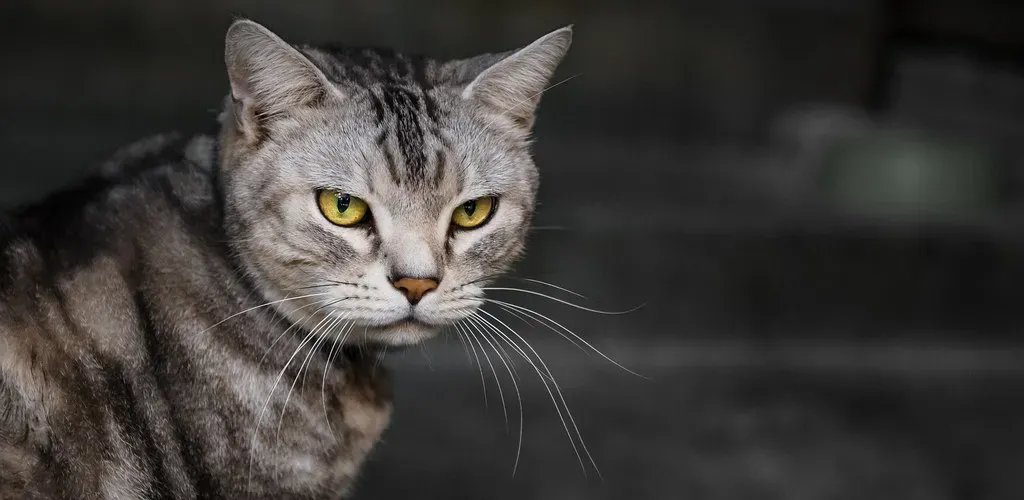
A long, unblinking stare from your cat can feel unsettling, especially if you’re on the receiving end in a dark room. In the wild, a long, unblinking stare is a sign of a challenge or a threat. If your cat is staring you down, they might be feeling territorial or defensive. However, if they are relaxed and staring, they might simply be waiting for you to do something, like get the treats.
A cat’s direct gaze can signal aggression or even pose a challenge, especially if accompanied by a tense body posture. This intense stare is often used as a way to assert dominance or establish boundaries. It’s worth noting that this is also why cats tend to gravitate toward people who aren’t actively staring at them – those people are unconsciously sending a “friendlier” signal. Someone who isn’t staring is communicating a friendlier vibe.
Wide-Open Eyes: Alert, Curious, and Ready for Action
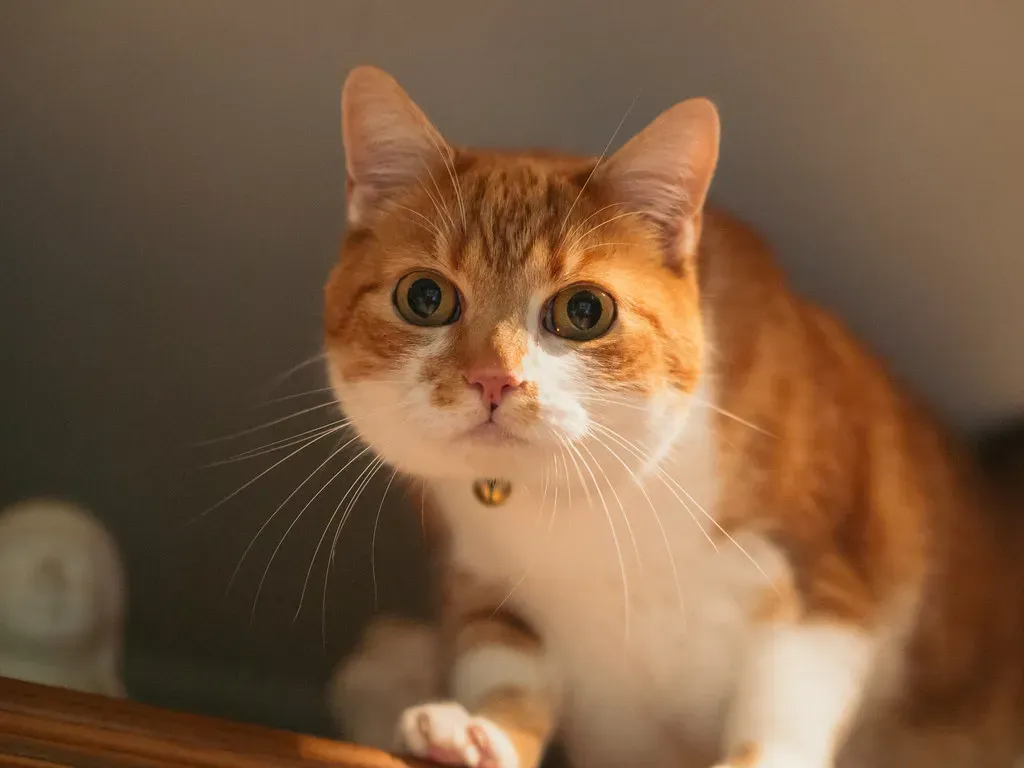
There’s a difference between dilated pupils and wide-open eyes – and it’s a meaningful one. Wide-open, staring eyes typically suggest a cat is highly alert and curious. This look may occur when a cat is investigating a new object, watching potential prey, or engaging in play. When combined with forward-pointing ears and a relaxed body, wide eyes usually mean the cat is interested and focused, but not fearful.
Wide eyes can also mean your cat has some pent-up energy they’re about to release, whether through play or mischief. Did your cat just knock something off a shelf to get your attention and is now staring at you with big eyes, watching for your reaction? They’re getting ready to flee or play, which gives them a pupil-dilating thrill. I think of it as their version of sending a very dramatic text message.
Half-Closed Eyes: The Look of Pure Contentment
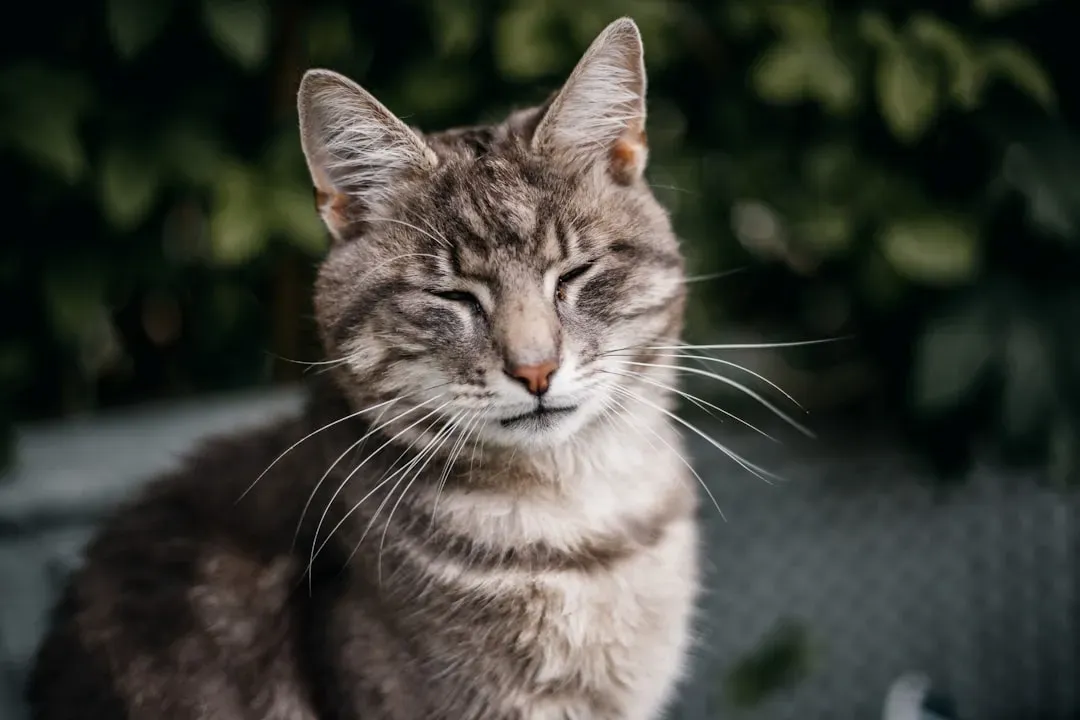
If your cat is gazing at you through sleepy, half-closed eyes, you have officially won your cat’s trust. This is one of the most endearing signals in the entire feline vocabulary. When a cat looks at you with soft, half-closed eyes, it signifies trust and contentment. It’s their way of saying, “I feel safe and happy in your presence.”
If you catch them gazing at you with heavy-lidded, half-closed eyes, they’re likely feeling happy, peaceful, and relaxed. A cozy cat who is at peace, perhaps lying in the sun, may appear to partially close their eyes as a sign of contentment or impending sleep. It’s the feline equivalent of someone letting their guard completely down around you – and honestly, there’s no higher compliment your cat can give.
Rapid Blinking and the Side Eye: What They’re Really Telling You
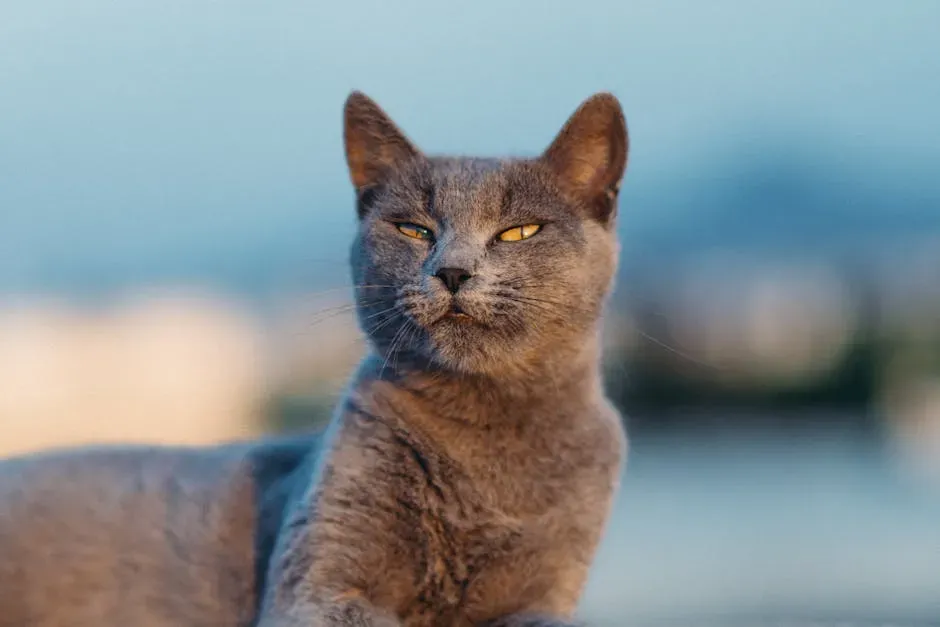
Not all blinks are slow, peaceful love letters. Unlike slow blinking, rapid blinking in cats can indicate nervousness, insecurity, or a desire to avoid confrontation. Some cats blink quickly when uncertain, submissive, or aiming to de-escalate tense situations. If a cat blinks rapidly while avoiding direct eye contact, it could be trying to signal that it does not want to challenge or threaten anyone. It’s actually a surprisingly polite gesture when you think about it.
The side eye is another classic. When a cat appears relaxed and content while giving you a side eye, it often indicates a sense of trust and comfort in your presence. The pupils will be normal-sized or slightly constricted, and the cat’s body will be in a relaxed posture. However, the side eye can also indicate less positive emotions. An anxious or fearful cat might use this look while trying to keep a perceived threat in view without directly confronting it. In such cases, the pupils will be noticeably dilated, and you may observe other signs of stress such as flattened ears or a low, crouched body posture.
When Your Cat’s Eyes Are a Health Warning Sign
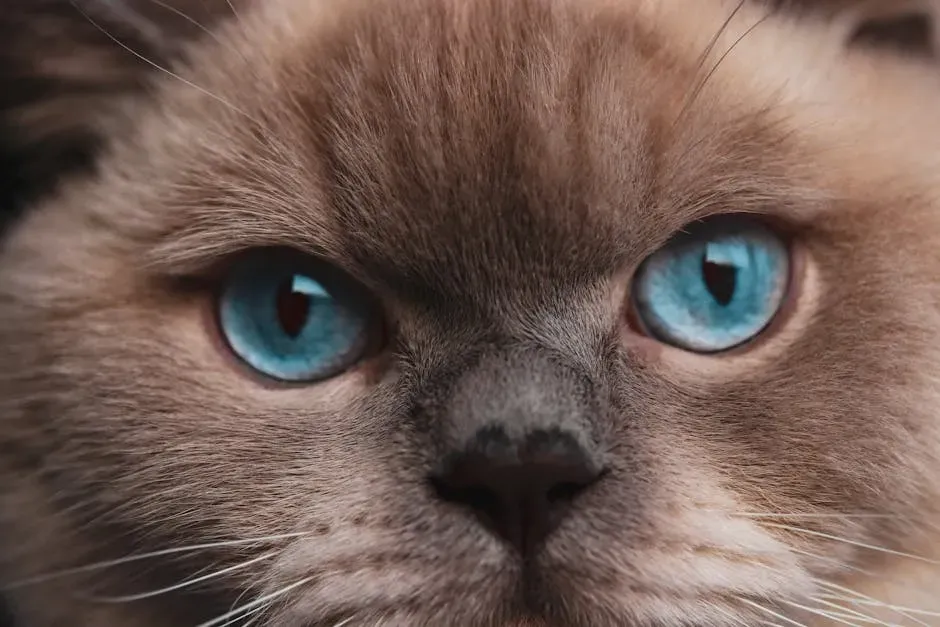
Sometimes your cat’s eyes aren’t communicating mood at all – they’re sending a medical alert. It’s important to know the difference, and this is where cat eye literacy could genuinely save your pet’s life. If one pupil is large and the other is small, this is a major neurological red flag, potentially indicating Horner’s Syndrome, trauma, or a tumor. This condition is called anisocoria, and it demands immediate veterinary attention.
In addition to changes in pupil size and excessive tearing, cats may also avoid bright lights or exhibit sensitivity to touch when they are in pain. They might blink more frequently or keep their eyes partially closed to alleviate discomfort. Recognizing these subtle changes in their eyes can help you identify and address potential health issues, ensuring your cat receives the necessary care and treatment. The rule of thumb? If something about your cat’s eyes looks persistently off or unusual, don’t wait. A vet visit is always the right call.
Reading the Full Picture: Eyes, Ears, Tail, and Context
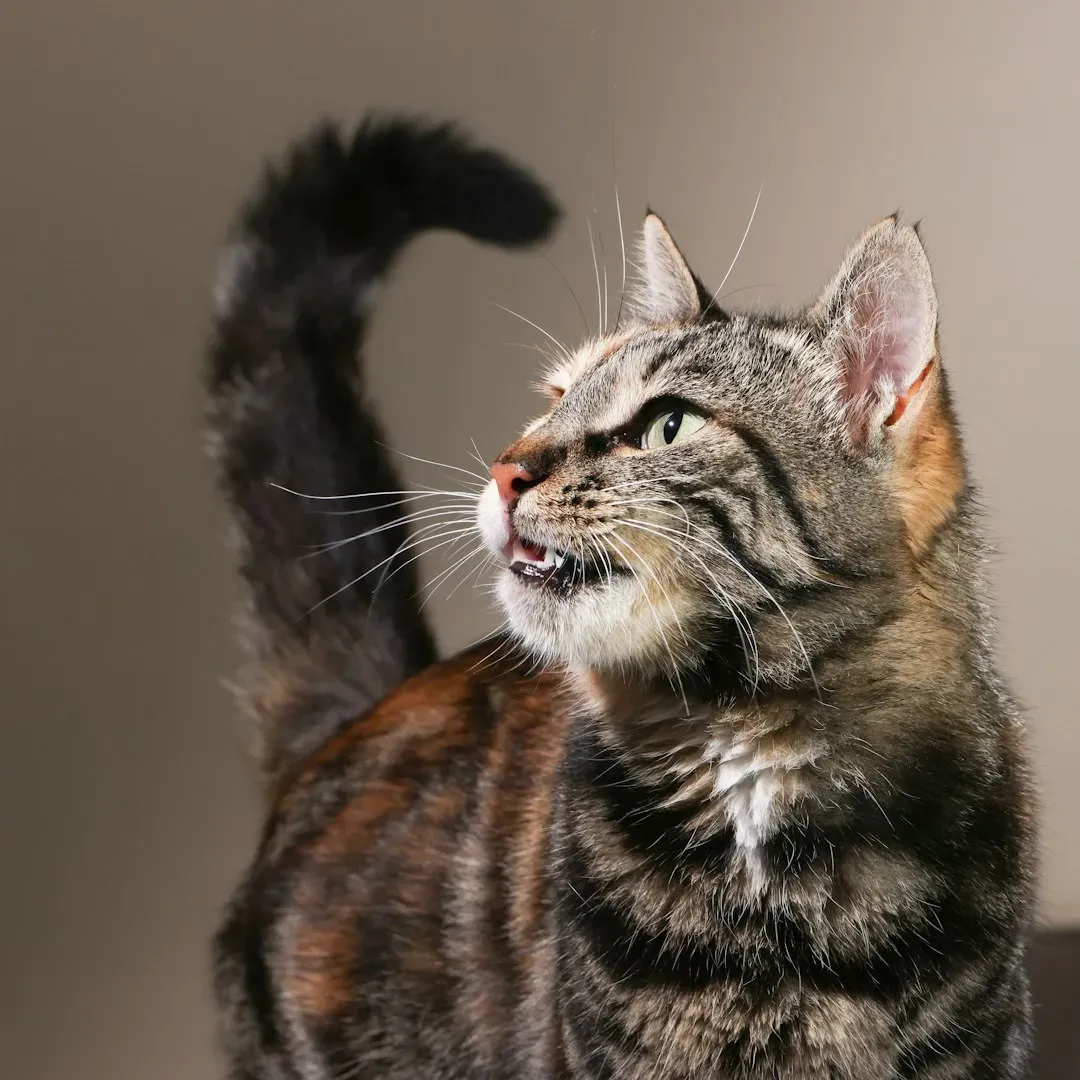
Here’s the thing: no eye signal exists in a vacuum. Your cat’s eyes are just one chapter in a whole story being told by their body at any given moment. To accurately interpret body language and cat eye meaning, you must look at the whole picture. A playful cat shows dilated pupils with ears forward and tail up or swishing. A terrified cat shows saucer-like dilated pupils with ears flat and tail tucked. An aggressive cat shows constricted slits with a direct stare and ears turned back. A relaxed cat shows normal pupil size with slow blinking and ears in a neutral position.
Combining information from eye movements, pupil size, body language, and vocalizations can provide a comprehensive understanding of your cat’s emotions. For example, if a cat is hissing while maintaining a direct gaze with dilated pupils, it’s a clear sign of agitation and potential aggression. Think of it like reading music – the note alone doesn’t tell you the whole melody. You need to hear the whole phrase. Grasping the subtle messages in your cat’s eye language improves communication and respect between human and feline. Recognizing signs of stress, anxiety, or illness enables early intervention and helps to prevent behavioral or health issues. By responding appropriately to slow blinks, staring eyes, or pupil changes, you are better equipped to meet your cat’s needs and encourage a happy, harmonious home.
Conclusion
Your cat has been talking to you all along. The slow blinks, the saucer-wide pupils, the contented half-closed gaze – it’s all a rich, nuanced language that most people walk right past without ever noticing. Once you start paying attention, it’s genuinely astonishing how much your cat expresses in complete silence.
Learning to read your cat’s eyes isn’t just a fun party trick. It deepens your bond, helps you catch health problems early, and lets you respond to your cat in ways they actually understand. Slow-blink back at them. Give them space when those pupils go to slits. Recognize the difference between curious wide eyes and fearful ones. It changes everything.
You’ve been sharing your home with a creature that communicates volumes without a single word. The only question now is: how much have you been missing? Start paying attention today, and let your cat know you’re finally listening. What was the most surprising eye signal your cat has ever given you?