You’ve probably heard your cat purr a thousand times. You’ve probably assumed that purr means everything is perfectly fine, maybe even wonderful. Honestly, it’s a reasonable conclusion. Purring is warm, rhythmic, and reassuring, like a tiny motor running in your lap. But here’s the thing: your cat has an entire hidden vocabulary of comfort signals that most people walk right past every single day.
Cats are famously subtle. They’re not like dogs, who will enthusiastically fling themselves at you the moment you walk through the door. Feline communication is quieter, more layered, and arguably far more fascinating once you know what to look for. The signals are there, woven into every slow blink, every tucked paw, every deliberate head nudge against your shin. Be surprised by what you’ve been missing all along.
The Slow Blink: Your Cat’s Version of “I Love You”
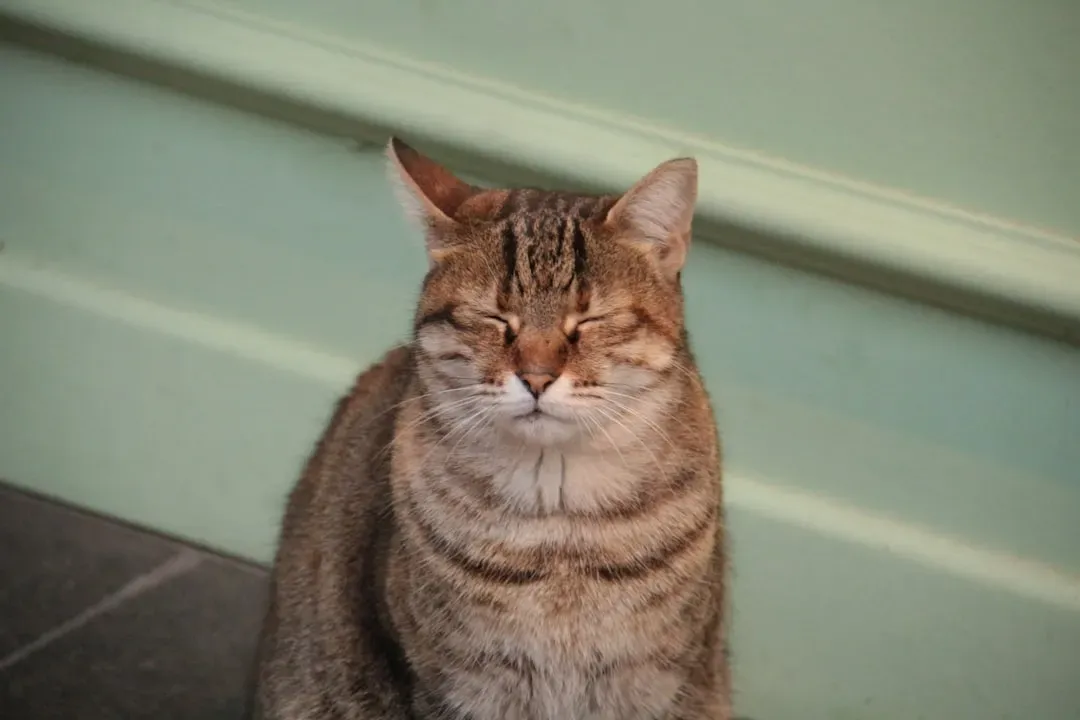
If your cat gazes at you across the room and their eyes drift slowly shut for a half second, consider that a very big deal. The slow blink is one of the ultimate signs of trust your cat can give you. Think about it this way: when an animal locks eyes on prey or a rival, an unblinking stare is typically seen as a threat. When your cat looks at you and slow blinks, they are actively relaxing their guard, becoming vulnerable in that moment.
Research published in The Journal of Physiology notes that the cat slow blink, when both the closing and opening of the eyelid happen at a slow pace, differs from a typical cat blink where the closing is rapid but the opening is slow. This observation is noteworthy because it shows that slow blinking is not a reflexive movement. It is an intentional behavior. In other words, your cat is making a conscious choice to tell you they feel completely safe with you. There’s something genuinely moving about that, once you really let it sink in.
The Loaf Position: Compact, Cozy, and Deeply Contented
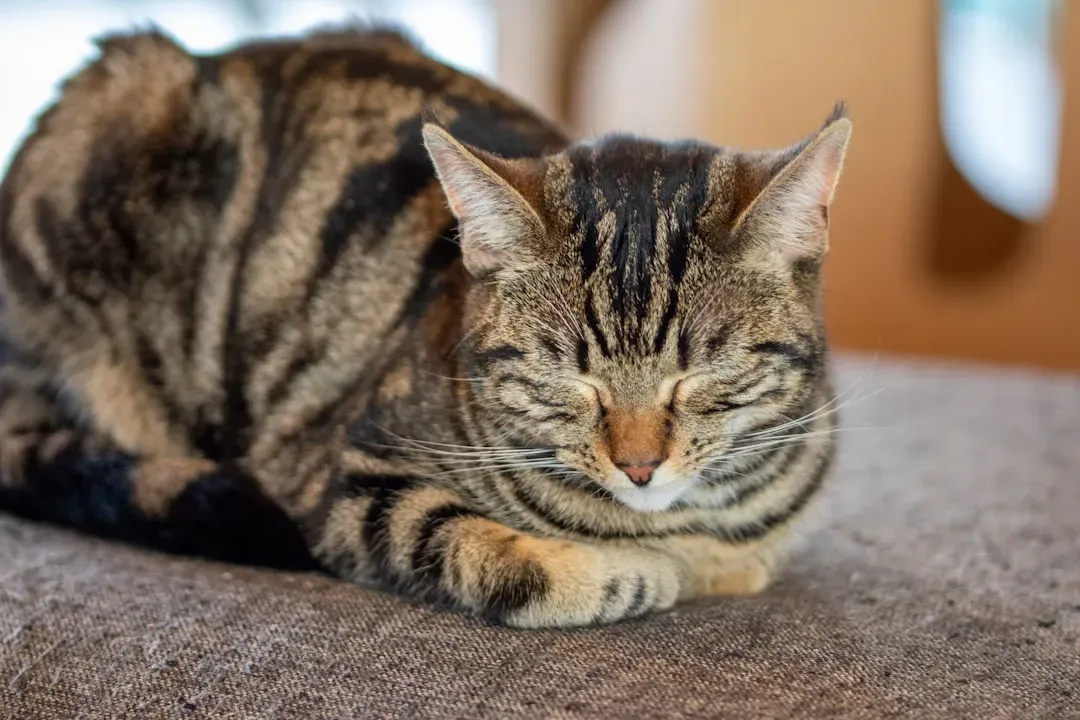
You’ve seen it. Your cat sits in a neat little bundle, paws tucked cleanly under their body, looking unmistakably like a fresh loaf of bread on the kitchen counter. It’s adorable, sure. This compact and cozy stance helps your cat conserve body heat and shields their vital organs. When you see your cat in the loaf position, it usually means they are comfortable and at ease, yet they remain alert and ready to move quickly if necessary.
Cat loafing is often a sign that your feline friend is content and relaxed. When cats feel safe and comfortable, they are more likely to loaf. This position allows them to rest without feeling exposed or threatened. Think of it like the way a person might settle back into their favourite armchair with a cup of tea. They’re not fully asleep, but they’re not on edge either. They’re simply comfortable, exactly where they want to be.
Kneading: A Leftover Lullaby From Kittenhood
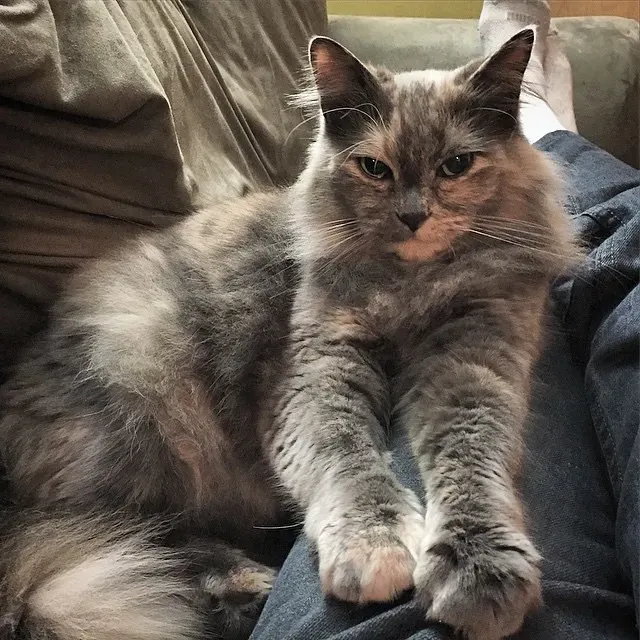
Kneading, or “making bread,” is a rhythmic paw movement that indicates happiness or contentment. It originates from kittenhood, where kittens knead to stimulate milk flow during nursing. Watching an adult cat knead is a bit like watching someone hum a song they’ve known their whole life without realizing it. There’s something deeply instinctive and tender about it.
Cats may also knead to relax, bond affectionately with people, or mark their territory through the scent glands in their feet. So when your cat climbs onto your lap and starts rhythmically pressing those little paws into your thigh, they’re not just finding a comfortable surface. They’re expressing emotional ease in one of the most primal ways they know. Kneading serves as a form of self-soothing and stress reduction, which means it benefits your cat just as much as it delights you.
Head Bunting: You’ve Been Officially Accepted
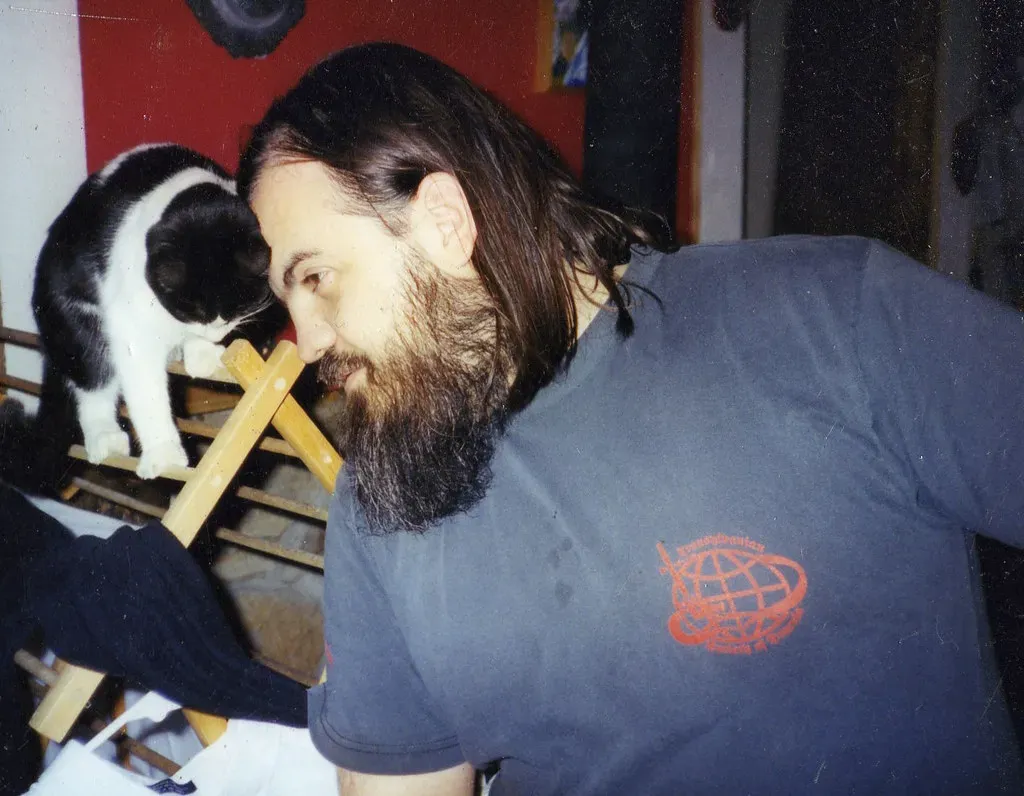
Cat headbutting, also called bunting, is usually a friendly behavior where cats mark you with their scent to show bonding, comfort, and familiarity. If you’ve ever had a cat walk up, lower their forehead, and gently press it against your chin or your hand, you have just been initiated into the most exclusive club imaginable. Your cat’s inner circle. When a cat headbutts you, they are rubbing pheromones on you. The pheromone deposited during headbutting comes from glands located just in front of a cat’s ears. Humans can’t detect these pheromones, but to a cat, you can consider yourself marked.
Human-directed bunting is usually interpreted as an expression of love and trust, the feline equivalent of a kiss on the cheek. Though the scent of facial pheromones is undetectable to humans, bunting is a way for your cat to mark you and express that you belong to them. Interestingly, a study conducted in 2021 found that allorubbing is a significant reunion behaviour, with roughly four out of every five cats bunting or rubbing against their human companions after a separation. So the next time your cat greets you at the door with a forehead bunt, that’s not just a routine hello. It’s a reunion ritual rooted in deep affection.
The Tail-Up Greeting: A Walking Declaration of Confidence
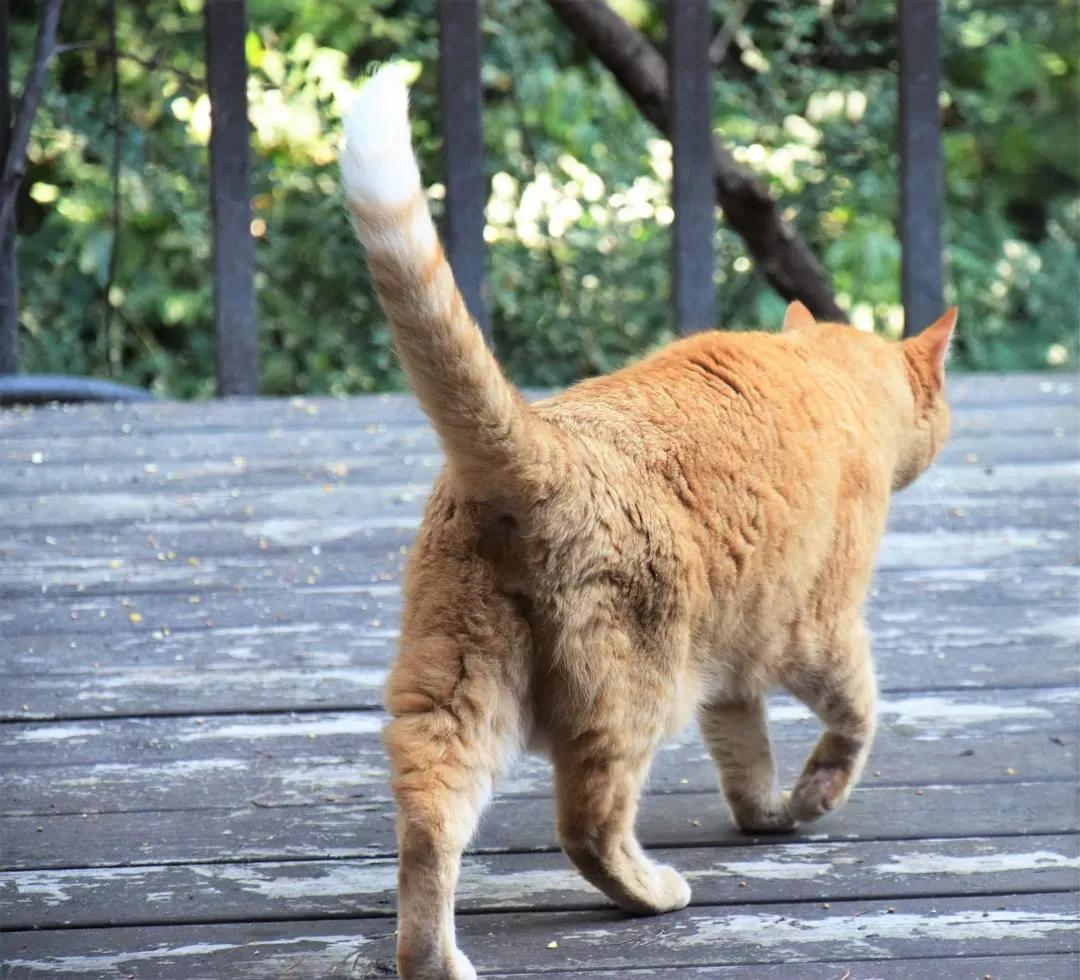
A cat’s tail acts like a mood barometer. Every twitch, flick, and curl adds context to what your cat is feeling. One of the most positive signs in cat body language is a tail held straight up. When your cat approaches you with their tail pointing straight toward the ceiling, that’s not just a stretch. That’s a greeting loaded with positive emotion. You’re preparing dinner and notice your cat weaving between your legs, their tail straight up with a slight curve at the tip. This classic “question mark” tail often signals a happy, greeting cat.
Generally, the “tail up” position, where the tail is held vertically in the air at a right angle to the ground, signals friendly intent when a cat approaches another cat, animal, or person. It’s the feline equivalent of walking toward someone with open arms, a wide smile, and a cheerful wave. The beauty of it is once you start looking for that upright tail, you’ll see it constantly, and every single time it’s meant for you.
Exposed Belly: Trust, Not an Invitation
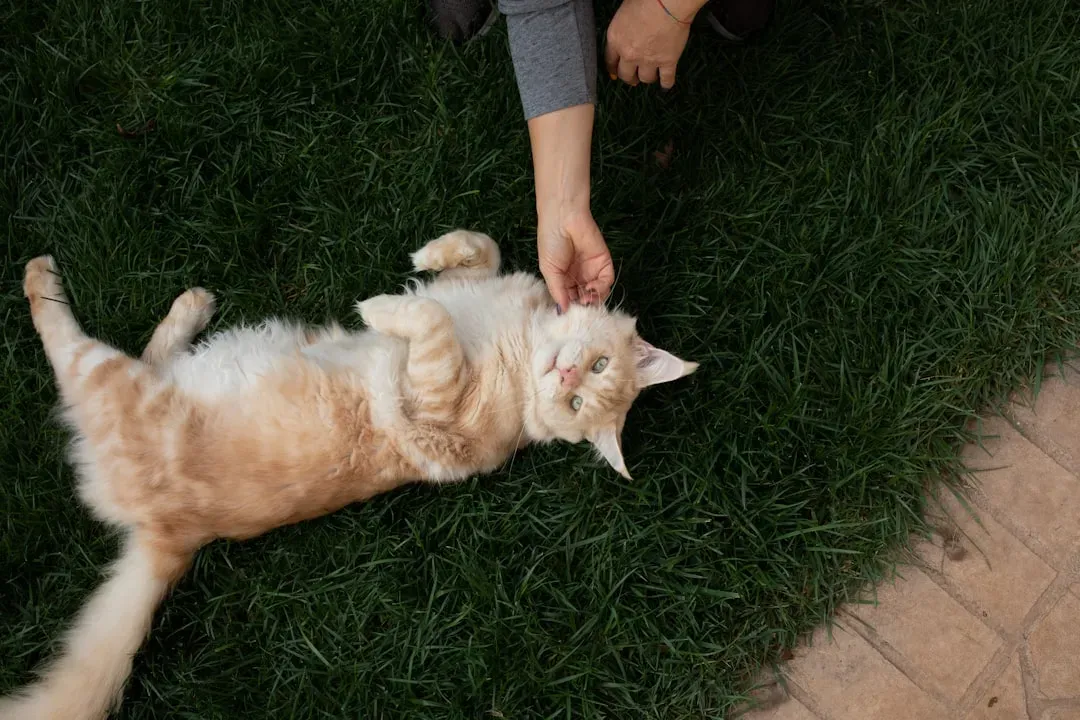
The exposed belly is a sign of comfort and trust, but it is not necessarily an invitation for a belly rub. This is perhaps the most widely misunderstood comfort signal in the entire feline repertoire. Your cat rolling over and revealing their soft, vulnerable underbelly is deeply meaningful. It means they feel absolutely, completely safe in your presence. When your cat exposes their belly while resting, it’s a strong sign of trust. This is their most vulnerable position, so they only do this in spaces where they feel completely safe.
Here’s the catch though, and it matters. While dogs often invite belly rubs, many cats don’t. A cat showing its belly may simply feel secure. Forcing interaction at this point can break trust. Think of it like this: if someone falls asleep on your sofa, it means they trust you. That doesn’t mean you should poke them in the stomach. Your cat is making themselves vulnerable, and the kindest response you can offer is to simply honor that vulnerability, rather than immediately reaching for it.
The Relaxed Body and Half-Closed Eyes: Pure, Unfiltered Peace
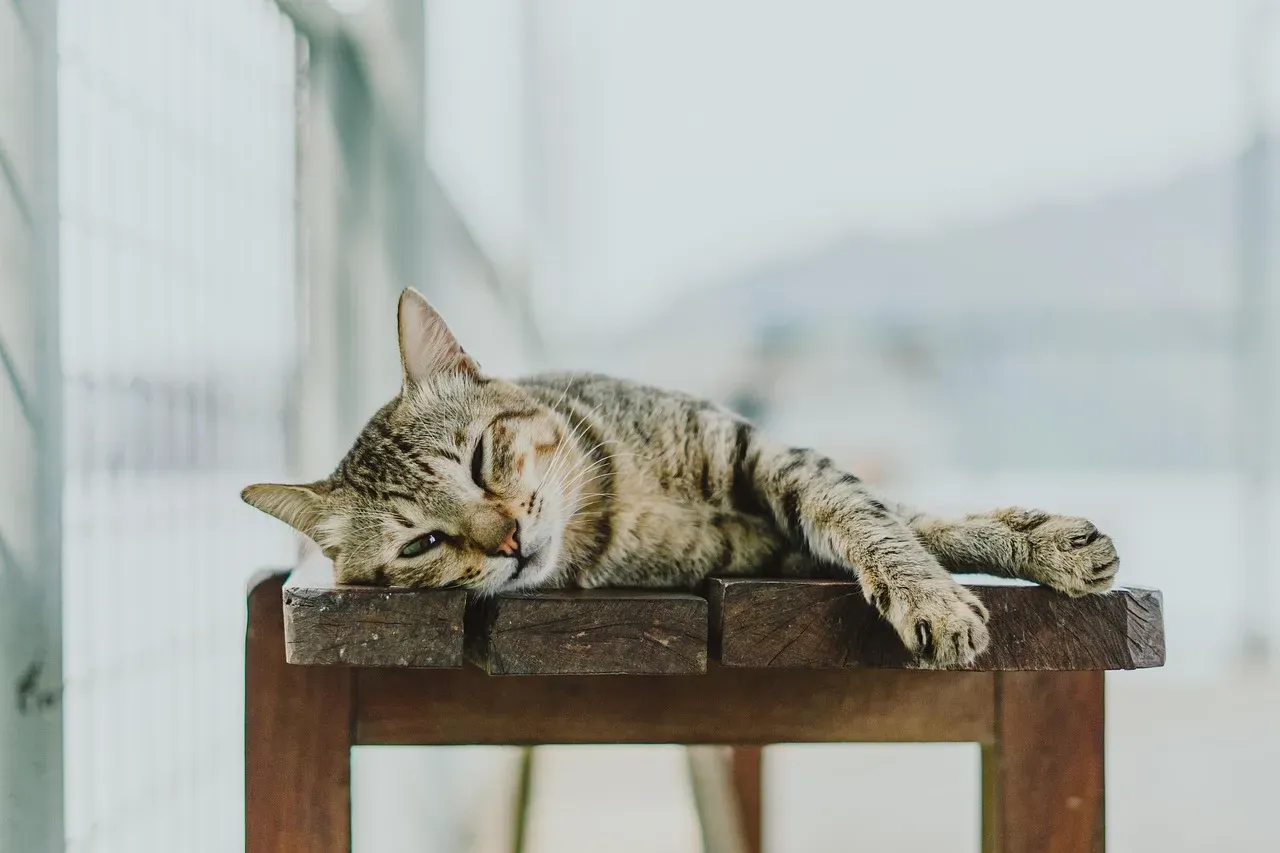
Cats who are relaxed will have loose, fluid body movements, and their breathing will be slow and steady. They might fold their feet in front of themselves, stretch their feet way out in front, or slouch over the side of a perch. When your cat looks like they’ve simply melted into whatever surface they’re on, that’s not laziness. That’s peak contentment. I think it’s one of the most beautiful things to witness, honestly.
Relaxed cats tend to lie, curl up, or sit with some or all of their paws off the ground. They may sit perched with their paws tucked under their chest or stretch their bodies right out if they are fully comfortable in their environment. Half-closed or drooping eyes convey relaxation and friendliness. When your cat is lounging nearby, eyes half-shut, breathing slowly, they are radiating contentment in every possible direction. You don’t need to do anything. You’ve already done everything right.
Forward Ears and Upright Posture: Confident and at Ease
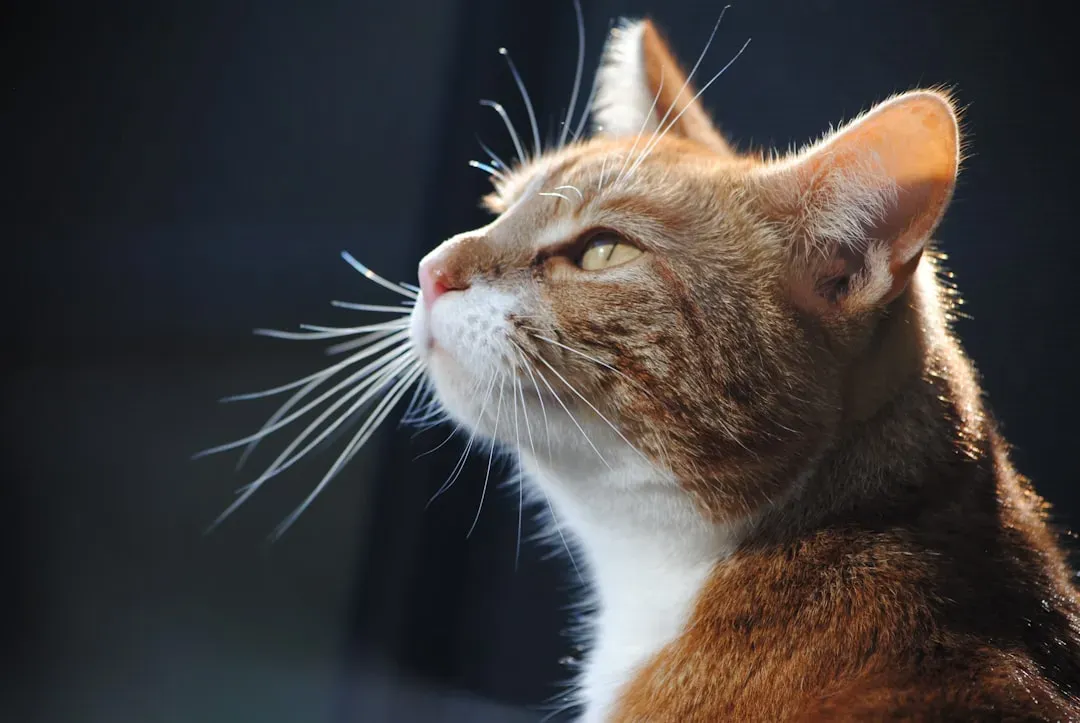
When a cat’s ears are facing forward and erect, it indicates a positive and friendly disposition. It means the cat is interested in something in its environment, whether a toy, a new sight, or a captivating smell. Relaxed and forward ears signify comfort and security in their surroundings. Ears are extraordinarily expressive on a cat, capable of rotating independently and conveying incredibly specific emotional states. Forward-facing ears paired with a relaxed, upright body posture means your cat is happy, engaged, and feeling entirely at home.
The next time you walk into your living room and find your cat sitting tall on the windowsill, front paws neatly tucked under their chest, surveying their domain, this regal posture often indicates a content, confident cat. It’s the cat equivalent of sitting back in your chair, hands behind your head, surveying a job well done. There are many physical cues of a cat’s mood, but their meaning can vary depending on context. One of the most reliable signs of a confident cat is a tail lifted vertically high in the air. Most of the time, this tail position indicates that the cat feels comfortable and open to interaction.
Chirping, Trilling, and Soft Vocalizations: The Sound of Happiness
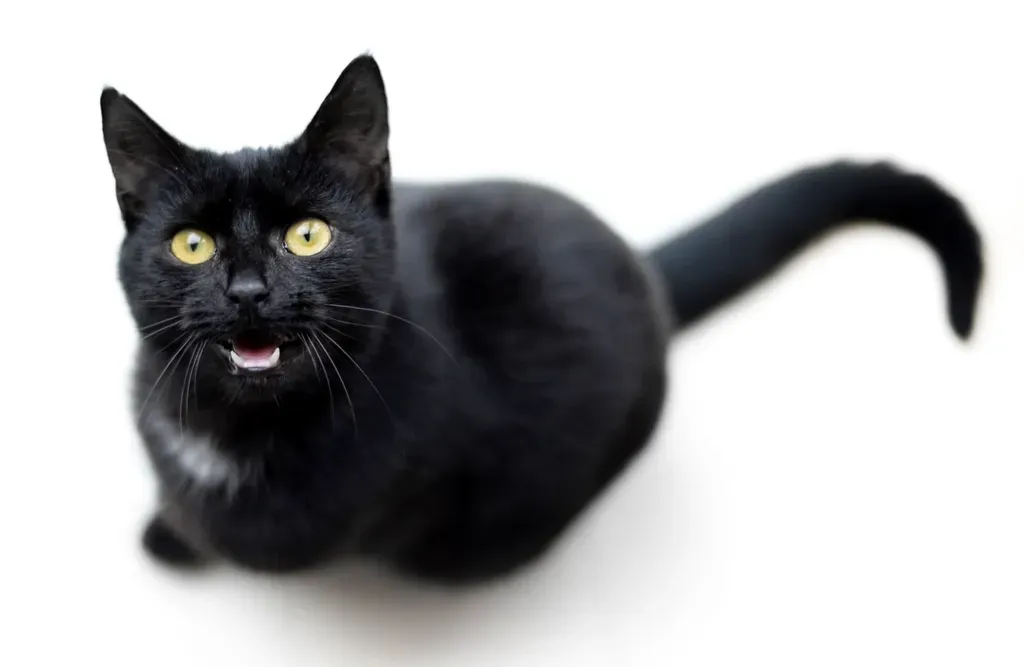
A cat may purr to express their contentment and pleasure, meow when greeting someone or asking for something like food or attention, or trill, which is like a high-pitched purr, to show they are friendly. Most people know the purr. Far fewer people recognize the trill, that short, musical, rolling sound that sits somewhere between a meow and a purr. It’s one of the warmest sounds a cat can make, and it’s almost always directed at someone they adore.
While body signals are important, cats often pair them with vocal cues. For example, a chirp with an upright tail usually signals excitement or greeting. Pay attention to the combination of sounds and body language your cat uses together. A purring cat with a relaxed posture, half-closed eyes, and loose body signals contentment. This combination of sound and body language is one of the clearest signs of happiness. When you hear that trill at the door and see the tail go straight up, your cat isn’t being random. They’re orchestrating a full-body welcome just for you.
Conclusion: You Were Always Loved, You Just Didn’t Know the Language
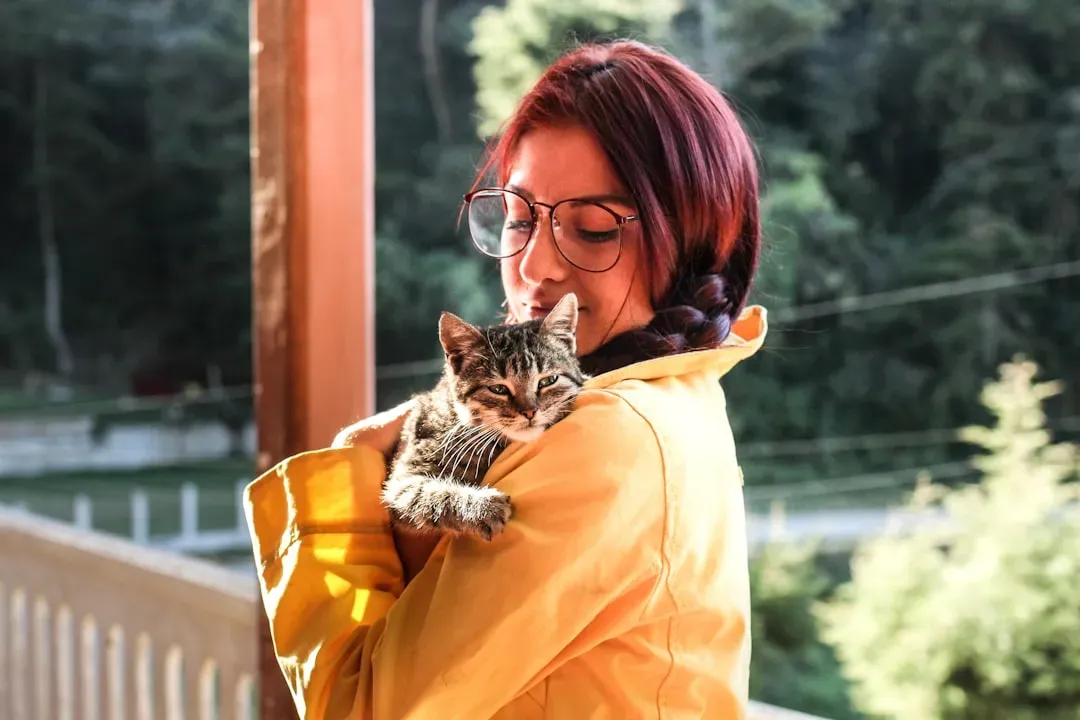
Your cat has been speaking to you in a rich, layered language of comfort signals every single day. Learning to read cat body language isn’t just about avoiding scratches or respecting space, it’s about creating a richer, more rewarding relationship. Unlike dogs, who tend to display emotions more openly, cats express themselves in quieter ways. They rely heavily on their bodies to show happiness, fear, curiosity, or irritation. When you learn to read these signals, you’re better equipped to respond appropriately, whether that means offering affection, giving space, or engaging in play.
The slow blink, the tucked-paw loaf, the forehead bunt, the chirp at the door. These are not random behaviors. They are declarations. Understanding a cat’s body language is vital for cat owners and enthusiasts to establish a strong bond and communicate effectively with their feline companions. By deciphering the subtle non-verbal communication cues provided by their ears, eyes, tail, whiskers, and behaviors, we can gain valuable insights into a cat’s current emotions. This knowledge allows us to respond appropriately, ensuring positive and respectful interactions. Once you start speaking fluent cat, you’ll realize you’ve been living with a deeply affectionate creature all along. You just needed to learn how to listen. So the next time your cat slow blinks at you from across the room, blink back. What do you think they’ve been trying to tell you all this time?