You’ve probably caught your cat staring at you from across the room, eyes half-closed, tail flicking ever so slightly. What’s going through that fuzzy little head? For decades, we’ve been told that cats are aloof, indifferent creatures who tolerate us only because we hold the key to the food cupboard. Honestly, that couldn’t be further from the truth.
Recent scientific breakthroughs are shattering those old stereotypes and revealing something far more fascinating. Your feline friend possesses a rich inner emotional landscape that rivals many species we’ve long considered more socially intelligent. They’re not just reacting to instinct or hunger. They’re processing complex feelings, reading your moods, and forming genuine bonds with you. Let’s dive into the hidden depths of your cat’s emotional world.
The Science Behind Feline Feelings
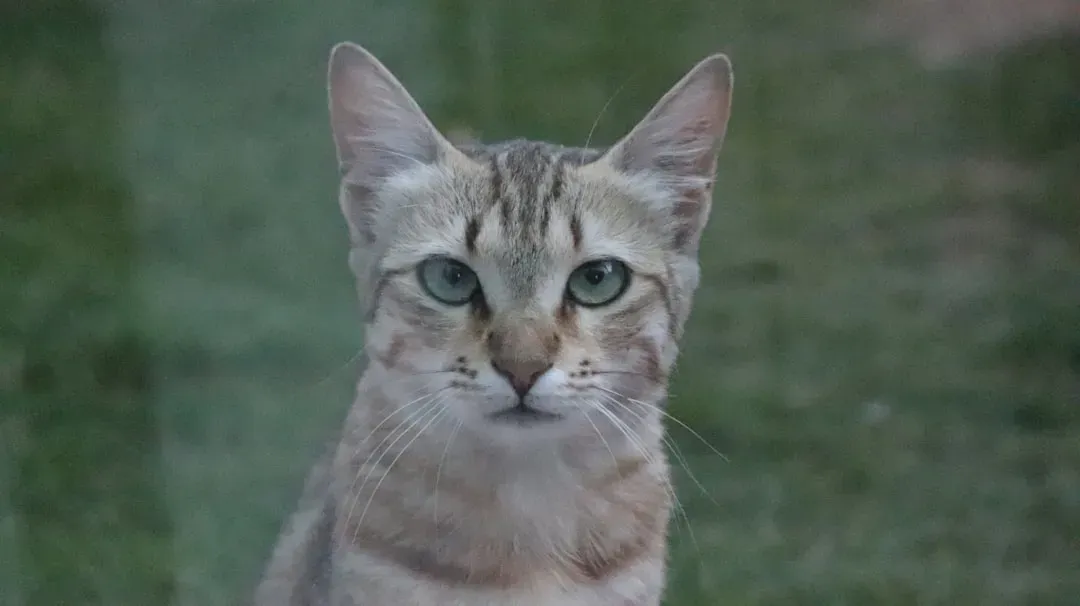
Researchers have identified five primary emotions in cats: fear, anger or rage, joy or play, contentment, and interest. These aren’t just educated guesses. Neuroscientific studies strongly support the existence of primary emotions in animals. Think about the last time your cat encountered something new in your home. That cautious approach, the dilated pupils, the flattened ears? That’s not random behavior. It’s your cat experiencing genuine fear or curiosity, processing information through emotional circuits in their brain.
Understanding emotional health is a major factor in ensuring positive welfare for cats, impacting their physical health, quality of life, and the relationship between cat and owner. Here’s the thing: emotions aren’t just abstract concepts floating around in your cat’s mind. They’re tangible forces that shape behavior, influence health, and determine how your cat interacts with the world. When we dismiss feline emotions as simple or nonexistent, we’re missing the entire point of what makes cats such compelling companions.
Your Cat Can Read Your Face Like a Book
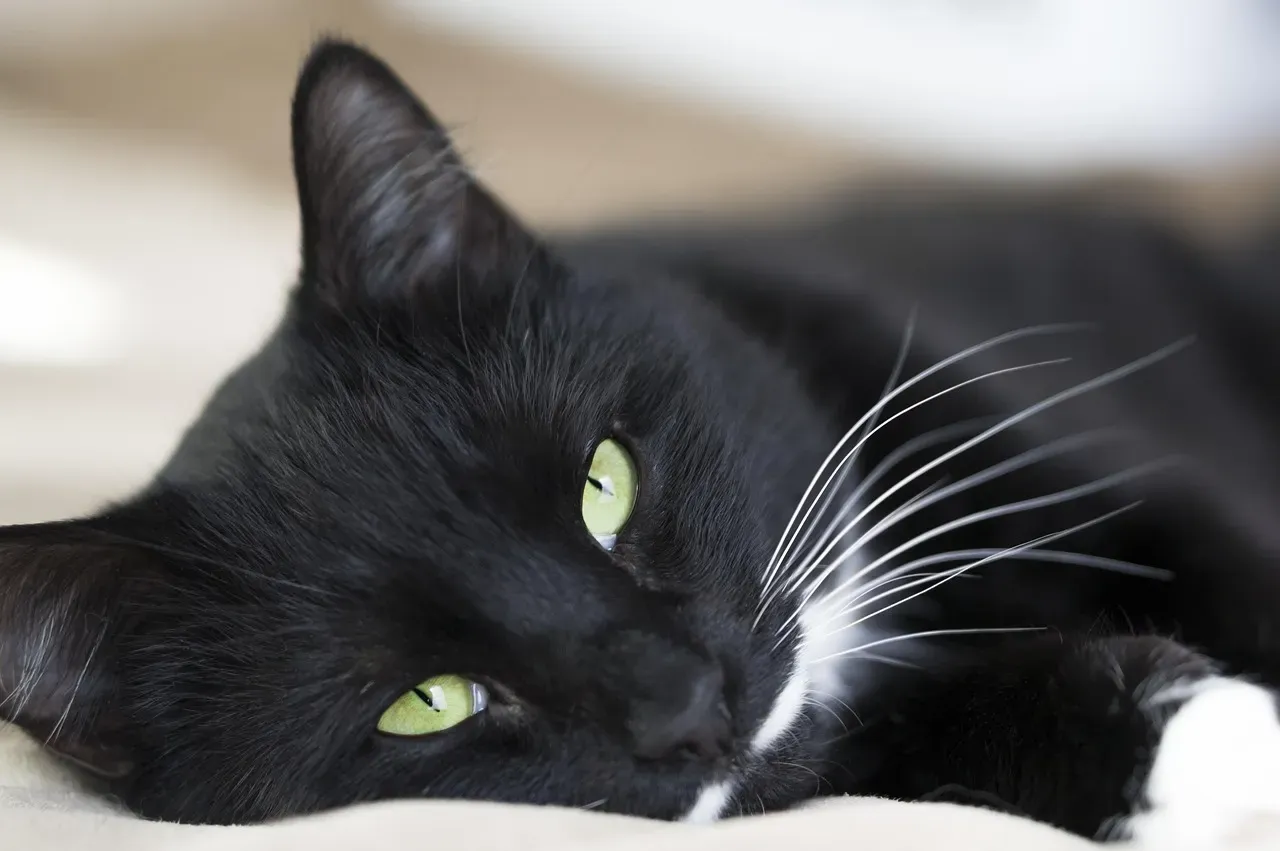
Cats integrate visual and auditory signals to recognize human and conspecific emotions, modulating their behavior according to the valence of the emotion perceived. Let me be real with you: your cat knows when you’re angry before you even open your mouth. Cats discriminate their owner’s emotional reaction toward an unfamiliar object and adjust their behavior accordingly, spending a longer time in contact with their owner when they appeared happy.
Studies suggest cats can recognize happy and angry faces and adjust their behavior accordingly, like choosing to cuddle when you’re down. They’re not just passively sitting there. Your cat is actively analyzing your facial expressions, your tone of voice, and even combining those cues to form a complete picture of your emotional state. Cats can detect human emotions through scent, especially fear, suggesting they understand us more than we realize. It sounds almost eerie when you think about it, yet it reveals just how attuned cats are to their human companions.
The Attachment Bond You Never Knew Existed
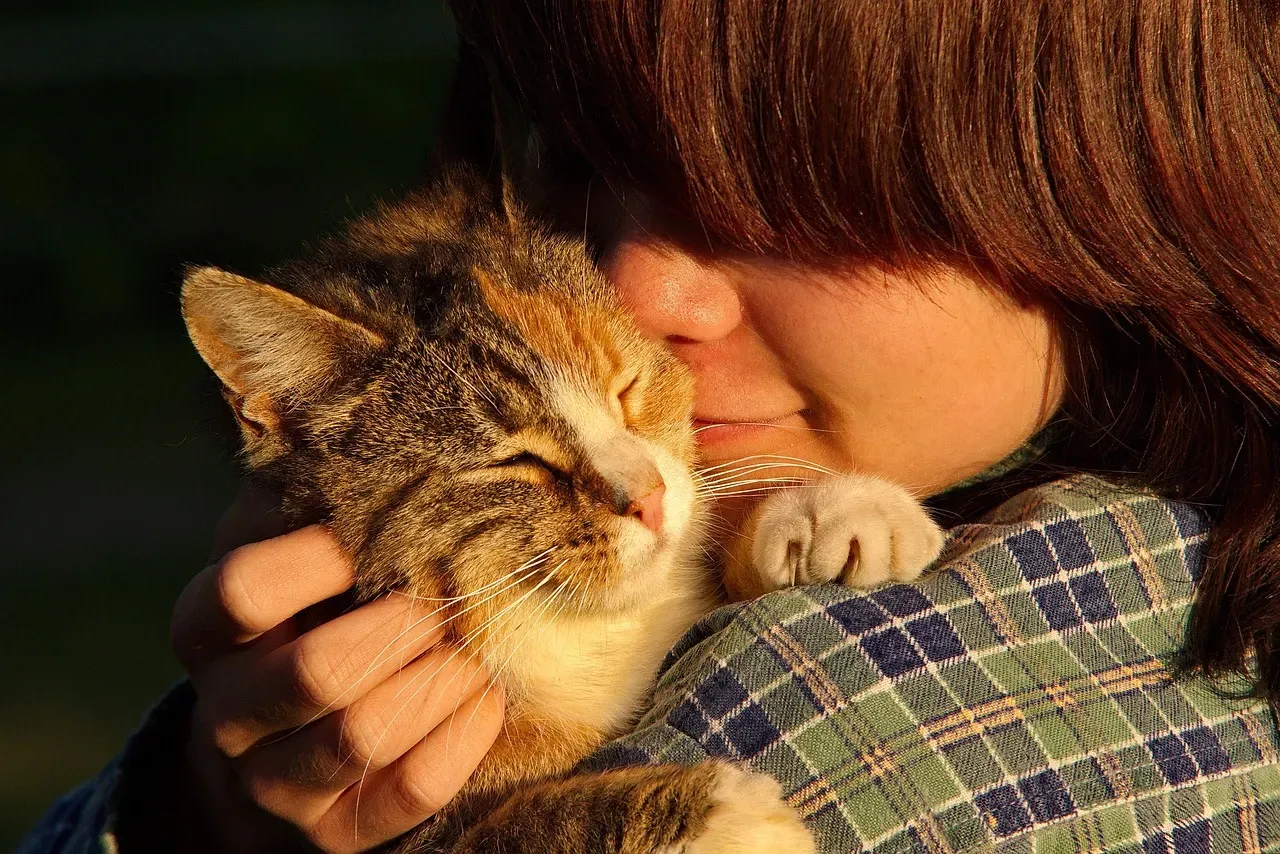
About 65 percent of both cats and kittens are securely bonded to their people. That number might shock you. It’s nearly identical to the attachment rates found in human infants. Cats display distinct attachment styles toward human caregivers. Your cat isn’t just hanging around for the free meals. They’ve formed a genuine psychological bond with you, viewing you as a source of security and comfort.
The majority of cats use their owner as a source of security in a novel environment. Picture this: when your cat ventures into unfamiliar territory, you become their safe haven. They check in with you, gauge your reactions, and draw confidence from your presence. Five distinct forms of cat-owner relationship were identified: open relationship, remote association, casual relationship, co-dependence, and friendship. Each relationship type reflects the unique dynamic between you and your cat, shaped by both of your personalities and expectations.
Cats Possess Over 270 Facial Expressions
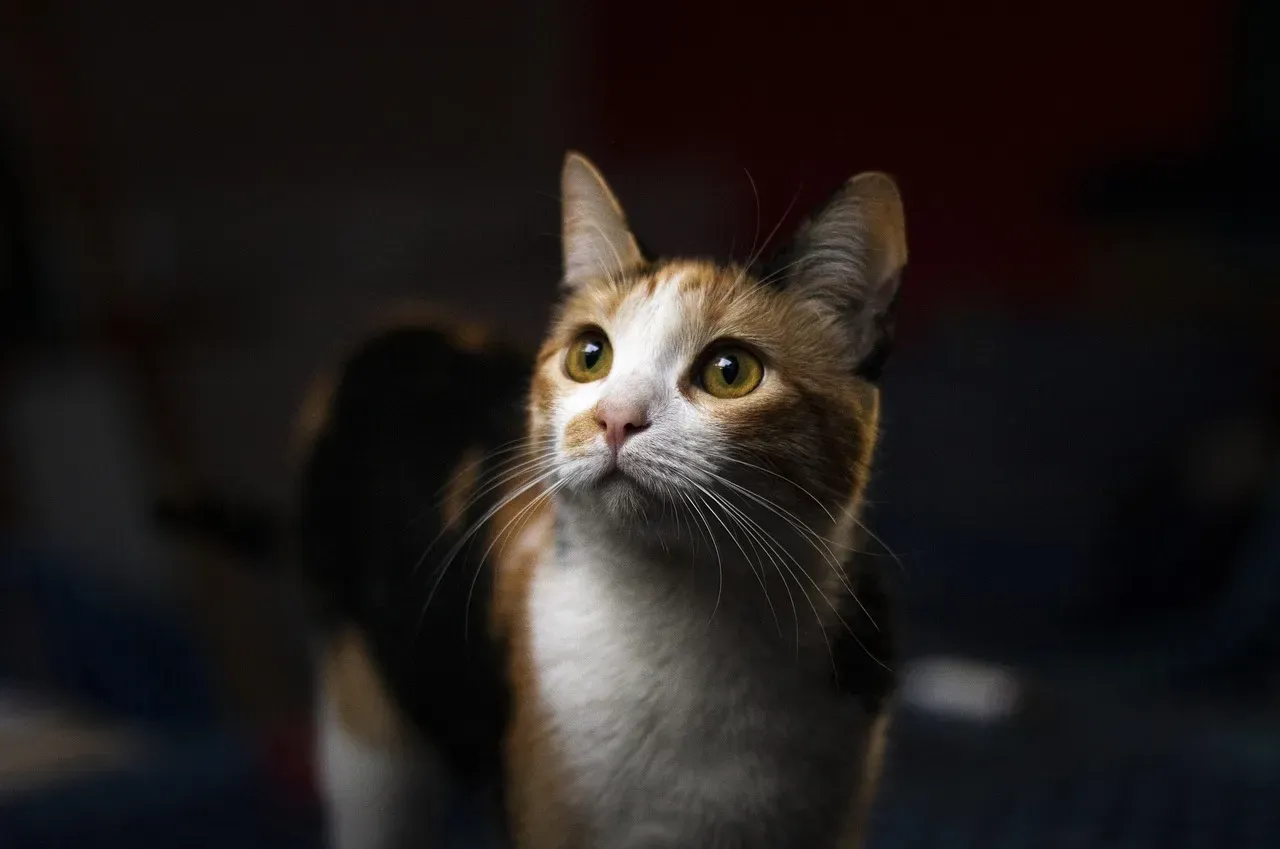
Cats can produce 276 different facial signals, a discovery that turns on its head the popular belief that felines are aloof. Two hundred and seventy-six. Let that sink in for a moment. We’ve been walking around thinking cats have poker faces when in reality they’re communicating constantly through incredibly subtle facial movements.
Cats likely evolved these various expressions because of humans, a product of communication between felines and humans over 10,000 years of domestication. The expressions involve combinations of ear positions, whisker movements, eye shapes, and mouth configurations. Content or happy cats almost always point their whiskers forward. Yet most of us never learned to read this intricate language. It’s like having a conversation partner who speaks fluent Mandarin while you only recognize the word for hello. The message is there. We’re just not picking it up.
The Emotional Intelligence You’re Overlooking
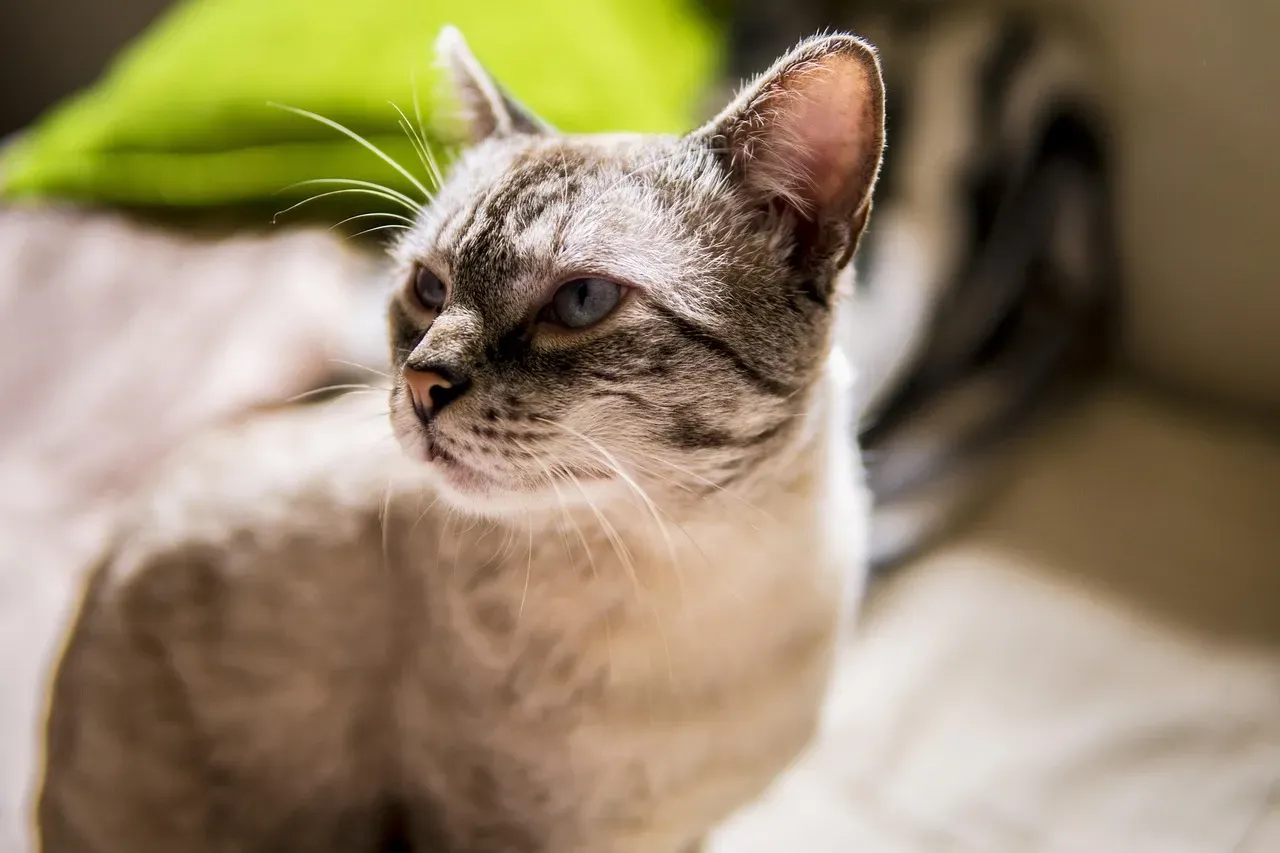
Despite their reputation for aloofness, cats exhibit emotional intelligence, showing problem-solving skills, a sense of time, and the ability to remember. Let’s be clear: emotional intelligence isn’t just about recognizing emotions in others. It’s about managing your own feelings, understanding emotional cues, and using that information to navigate complex social situations.
Cats are good managers in terms of emotions and use moods smartly by getting things done. Watch your cat when they want something. They don’t just meow randomly. They assess your mood, choose the right moment, and adjust their approach based on your response. Some researchers consider that cats are well aware of their own emotions and know how to use them for staying determined on a decision. That’s sophisticated cognitive processing, not the behavior of a simple-minded creature operating purely on instinct.
Why Cats Become Quiet When They’re Stressed
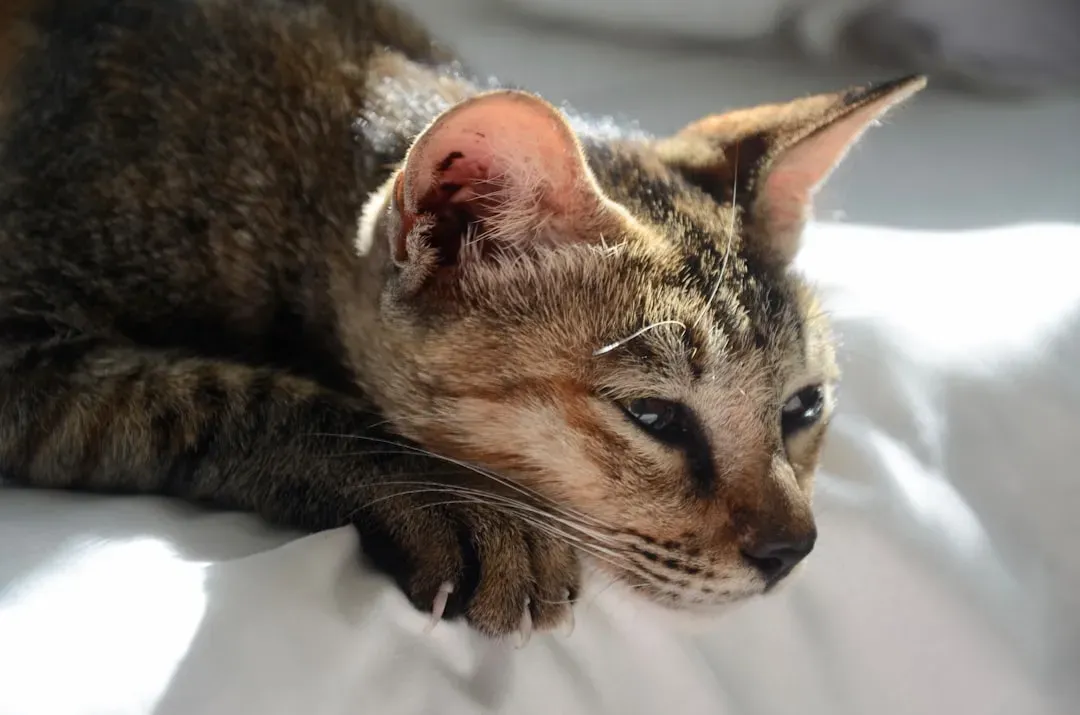
Cats initially become silent and only vocalize when experiencing high levels of distress, meaning early warning signs that a cat is in a negative state do not generally include vocalizations. This is crucial information that could transform how you understand your cat. We tend to wait for obvious signs of distress like hissing or yowling. Yet by that point, your cat has already been suffering silently.
Most owners could identify overt behaviors as indicators of stress, such as excessive vocalization, but overlooked more subtle signs, such as freezing, anorexia, and dilated pupils. The silence is the warning. When your normally chatty cat suddenly goes quiet and still, that’s when you should pay attention. As a species that is non-obligate in terms of social interaction and is a solitary survivor, the need to be in control is a fundamental part of the feline behavioral repertoire. Lack of control triggers frustration and stress in cats, often manifesting as withdrawal rather than aggression.
The Frustration System Driving Unwanted Behaviors
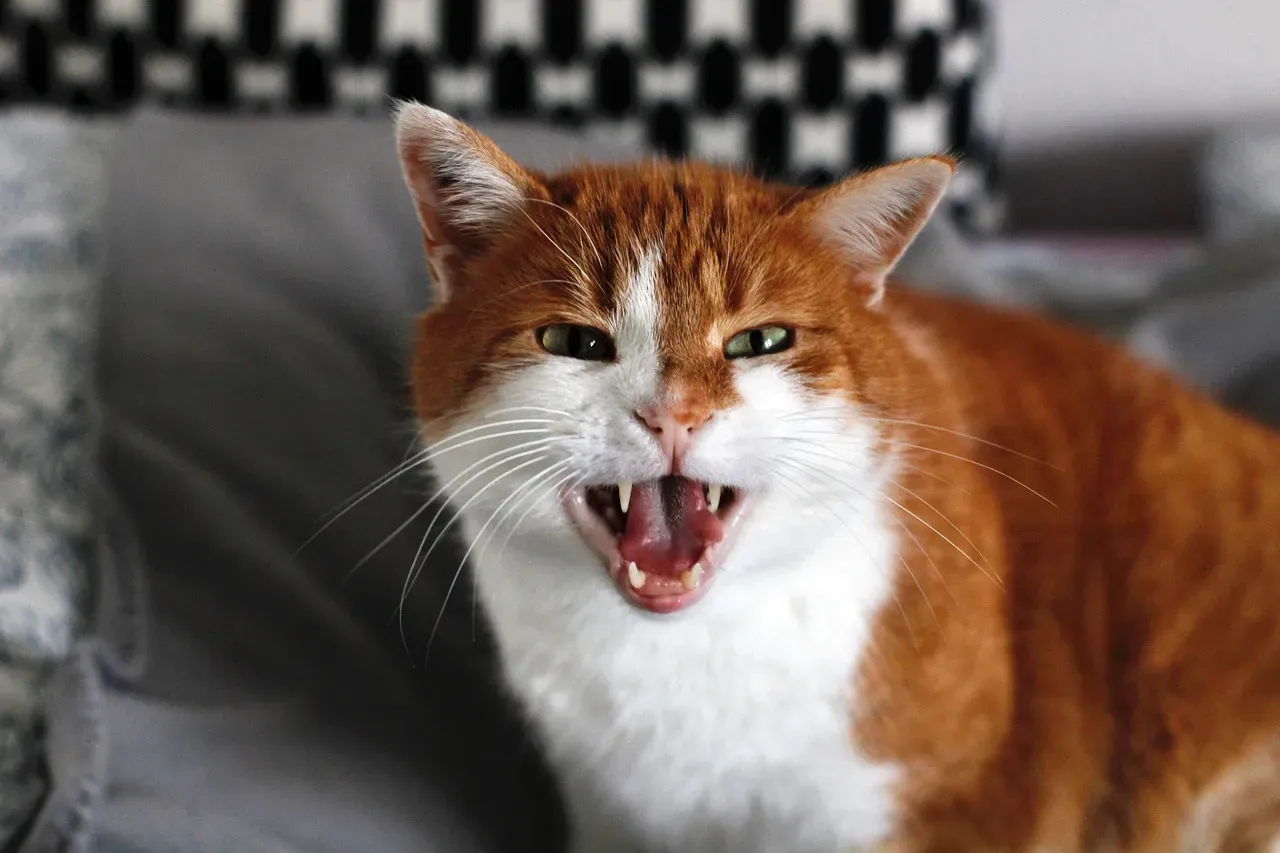
The frustration system is triggered by a failure to meet expectations, obtain resources, or retain control, intensifying behavioral responses and is associated with aggressive behaviors. Think about the last time your cat knocked something off the counter or scratched furniture you explicitly told them not to touch. Frustrating, right? Yet your cat might be experiencing their own version of frustration.
This increases the potential for cats to perceive a lack of control and to experience frustration as a result. When cats can’t access a favorite window perch, when another pet invades their territory, or when their routine gets disrupted, they’re not being spiteful. They’re genuinely distressed by the loss of control. Behavioral issues are reported as a key reason for relinquishment of cats, sometimes very soon after adoption. Understanding the emotional motivation behind these behaviors is the first step toward addressing them without destroying the bond you’ve built.
Building Stronger Bonds Through Emotional Awareness
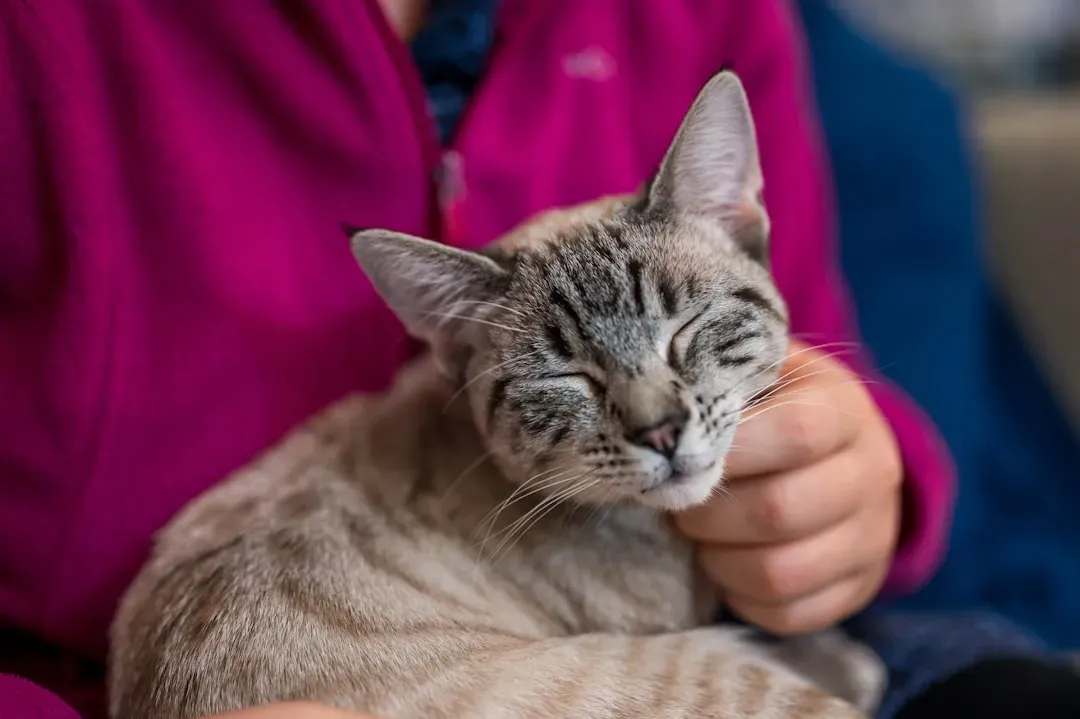
Owners with a realistic perception of cat emotions were better at correctly identifying emotional cues, while incorrect interpretation of feline emotional cues is negatively associated with anthropomorphic perception. Here’s something I think is really important: loving your cat doesn’t mean treating them like a tiny human. It means respecting their unique emotional architecture and learning their specific language.
Owners who had a more accurate understanding of cat behavior reported fewer behavioral problems, had increased tolerance for undesirable behaviors, and were less likely to use punishment. When you recognize that your cat’s behavior stems from genuine emotional needs rather than malice or stupidity, everything changes. You stop yelling at them for being difficult. Instead, you start problem-solving together. Most cats chose interaction with humans over food, toys, or scent. They want to connect with you. They’re actively seeking that bond. Meeting them halfway by understanding their emotional world makes that connection so much richer.
Conclusion: A New Perspective on Your Feline Friend
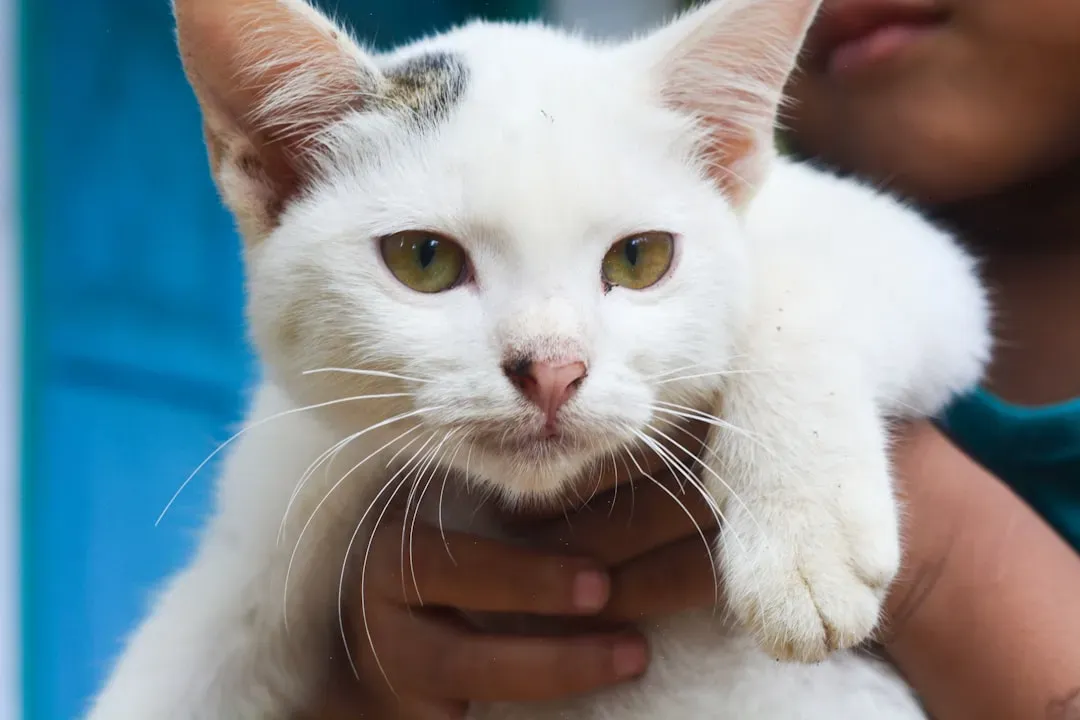
Terms such as aggression and stress predominate in the literature, but these do not completely represent the rich mental lives that cats are now understood to have. We’ve spent far too long underestimating the creatures who share our homes and often our beds. The evidence is overwhelming: cats experience complex emotions, form secure attachments, read our feelings with startling accuracy, and communicate through an incredibly nuanced system we’re only beginning to decode.
Cats have developed social skills that allow them to understand human emotional signals, which is a key factor for maintaining interspecies relationships and strengthening the human-cat bond. Every time your cat slow-blinks at you, seeks you out when they’re stressed, or adjusts their behavior based on your mood, they’re demonstrating emotional intelligence that deserves recognition and respect. The next time you look at your cat, try seeing beyond the purr and the whiskers. There’s an entire emotional universe waiting for you to explore.
What has your cat taught you about their emotional life? Have you noticed behaviors that suddenly make more sense now?