You’ve heard people speak about the Rainbow Bridge when their beloved companion crosses over. It’s a comforting phrase, wrapped in warmth and hope, suggesting a peaceful place where your furry friend waits for you. When you’re facing the devastating reality of losing your pet, though, words alone might not feel like enough.
The journey through grief is intensely personal. There’s no instruction manual for navigating the emptiness left behind when the patter of paws falls silent. Let’s explore some of the most persistent myths about pet loss, uncover the truth behind them, and find ways to honor your companion’s memory while gently moving toward healing.
Myth: Your Grief Isn’t Valid Because “It Was Just a Pet”
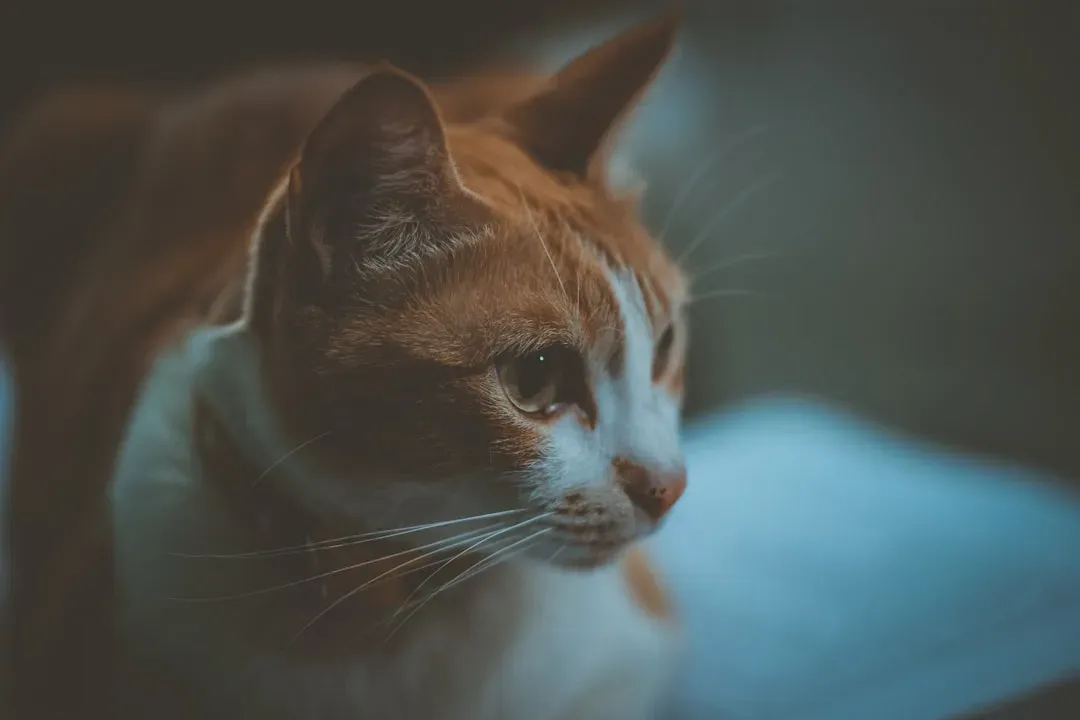
The bond you form with your animal companion can be deep and fulfilling, and when they pass, the loss brings grief and intense sorrow that deserves to be mourned. Some people in your life might dismiss your pain with thoughtless comments. They don’t understand that your pet wasn’t simply an animal you owned.
Your relationship with your pet is unique, offering you unconditional love and support. Sometimes you spend more time with your pet than with anyone else, sharing your true feelings, moods, crying, and talking. That level of intimacy creates a bond that’s impossible for outsiders to fully grasp unless they’ve experienced it themselves.
Your grief is normal, and it’s actually important to mourn the relationship you had with your pet. Don’t let anyone convince you otherwise. The love was real, so the loss is real too.
Fact: Grief Doesn’t Follow a Predictable Timeline
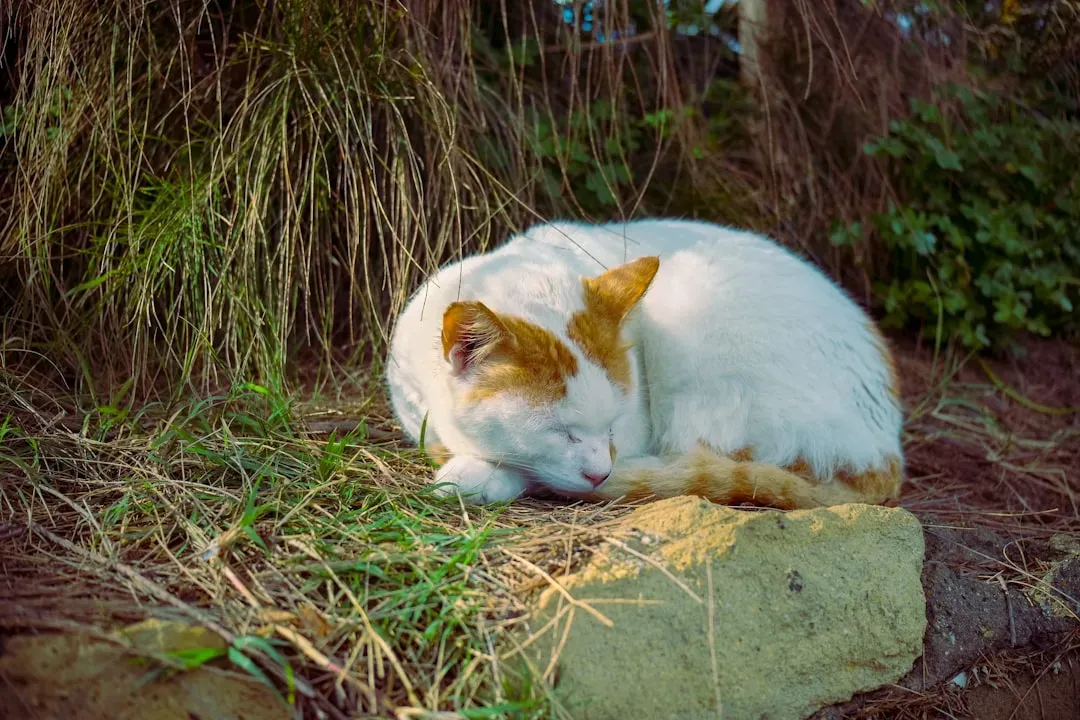
There is no “normal” way to grieve the loss of a pet, nor is there a prescribed timeline that grief will follow. You might find yourself crying unexpectedly weeks or months after the loss. That’s completely natural.
The grief process is not linear, and you may meander in and out of stages, going back and forth rather than experiencing each stage sequentially. Just when you think you’re feeling better, you might crash again with waves of grief, which is more common than moving through predictable stages.
Give yourself permission to feel whatever arises, whenever it surfaces. Some days will be harder than others. Healing happens in its own time, not according to anyone else’s expectations.
Myth: You Should Get Another Pet Right Away to Fill the Void
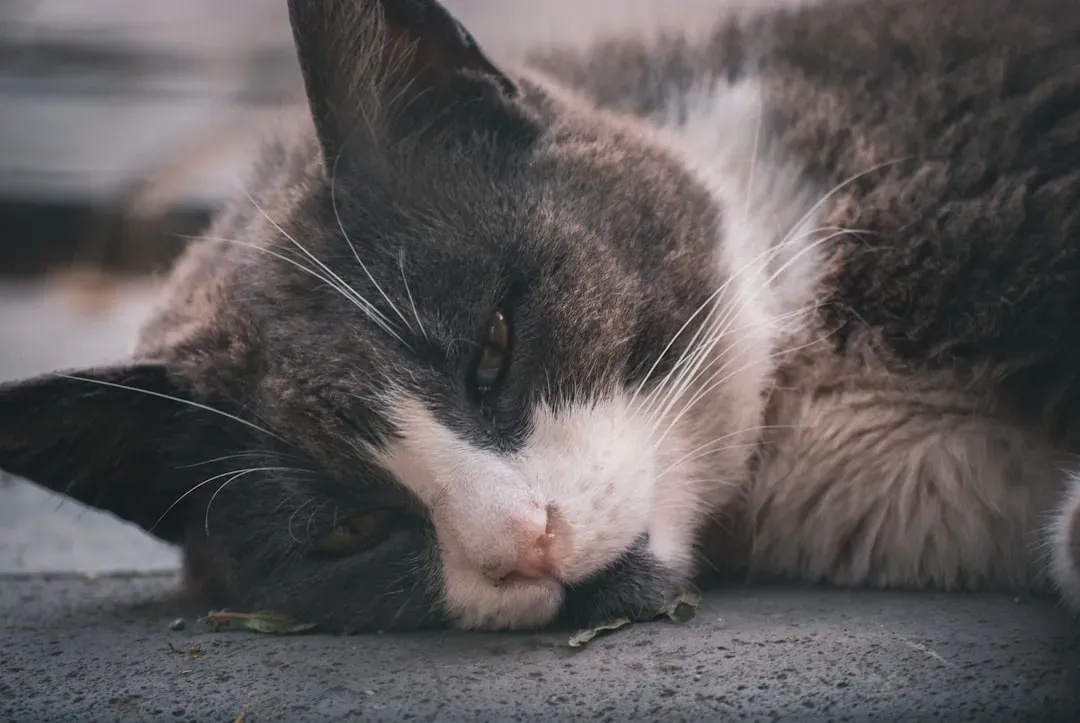
Well-meaning friends might suggest rushing out to adopt another animal immediately. They think it will help ease the pain. Honestly, that’s usually not the best approach for your healing or for the new animal.
Rushing into this decision isn’t fair to you or your new pet, as each animal has their own unique personality and a new pet cannot replace the one you lost. You should only get another pet when you feel ready, as some people are ready soon after while others may want to wait longer.
Your heart needs space to grieve fully. When the time is right, you’ll know. Opening your home to a new companion should come from a place of readiness, not desperation to fill emptiness.
Fact: Talking About Your Pet Helps the Healing Process

Talking about your loss and writing about it can help, as everyone grieves in new and creative ways, so find a way that resonates with you. Sharing stories about your pet’s quirky habits or favorite activities keeps their memory alive.
Finding friends, family members, or a support group who are caring and understanding, especially those who have suffered similar losses, can be extremely helpful, as talking about your pet and the happy times you shared aids healing. Seek out others who have lost pets, those who can appreciate the magnitude of your loss and may be able to suggest ways of getting through the grieving process.
Don’t bottle up your emotions. Expression brings relief. Whether through conversation, journaling, or creative outlets, letting your feelings flow outward helps them move through you instead of staying stuck inside.
Myth: Euthanasia Means You Gave Up on Your Companion
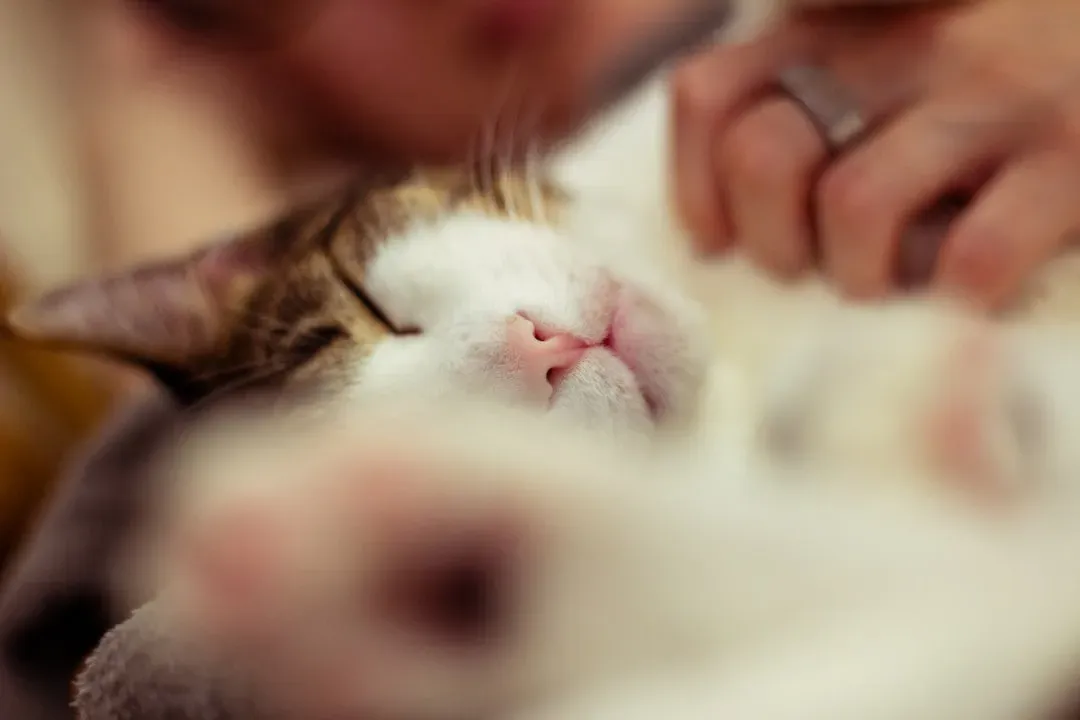
Feelings of guilt are common, but as caregiver, the decision to euthanize is often the kindest and most unselfish decision you can make for your sick or injured pet. This is one of the hardest truths to accept, especially when guilt weighs heavily on your heart.
You’ll want to consider your pet’s quality of life, their level of pain, and their ability to do things they once enjoyed. Making that final decision comes from love, not abandonment. You chose to spare them further suffering, which takes tremendous courage and compassion.
Guilty feelings keep us from accepting the reality of loss, but we need to remember the good life we gave to our furry friends and that we did the best we could. Let that guilt soften over time as you recognize the gift you gave them.
Fact: Creating Rituals Can Bring Comfort and Closure

Rituals can serve as an anchor, helping you process emotions and slowly heal by allowing space to reflect, honor, and ultimately find peace in your pet’s memory. Small acts of remembrance provide structure during chaotic emotional times.
Lighting a candle in memory of your pet on important dates creates a quiet, sacred space where you can honor their spirit and bond, gently helping you reflect on the joy they brought. You might plant a native tree or flowering shrub in memory of your pet, or create a memory box with their collar or favorite toys.
These rituals don’t have to be elaborate. They simply need to feel meaningful to you. Maybe it’s visiting a favorite walking spot, looking through photos on special anniversaries, or setting aside time to write letters to your departed friend.
Myth: Children Shouldn’t Be Told the Full Truth About Pet Loss
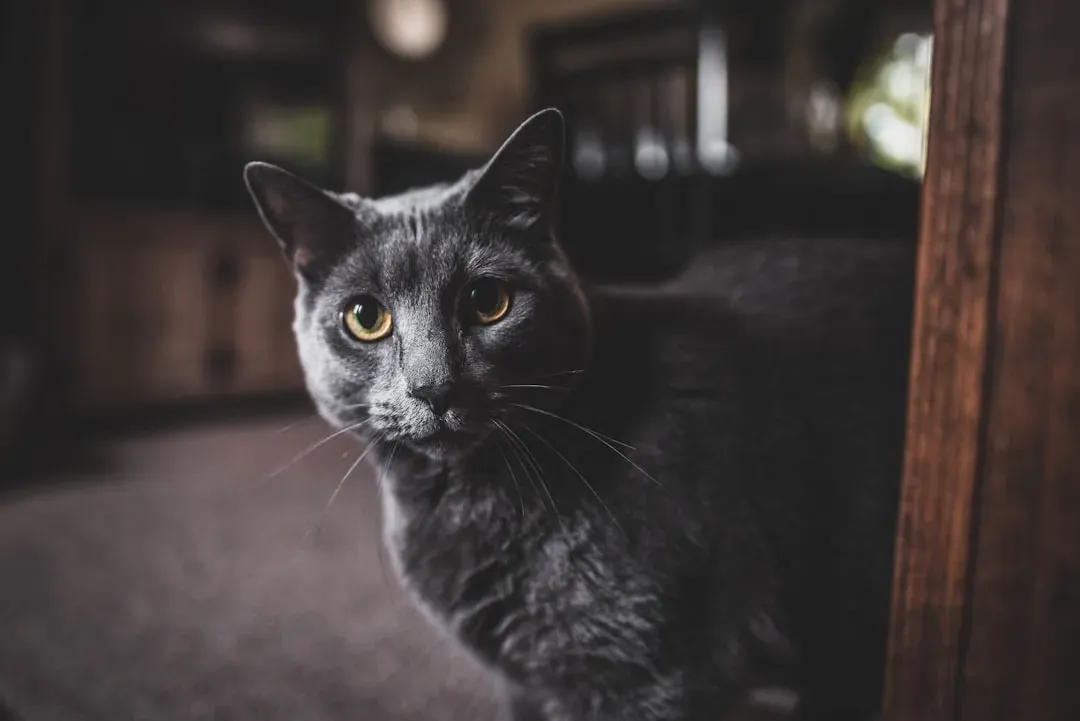
Trying to protect your child by saying the pet ran away doesn’t allow them to move through the grief process in an emotionally healthy way, and they may expect the pet’s return and feel betrayed after discovering the truth. Honesty, delivered with gentleness, serves children far better than fabricated stories.
Rather than hiding information, welcome children into the conversation about the illness or death of your pet, be honest and allow them to ask questions, even if you don’t have all the answers. It’s okay to let your child see you sad and allow them to express their emotions, and involving them in memorializing the pet through creative processes can be healing for both child and family.
Death is a natural part of life, and shielding children from that reality doesn’t prepare them for future losses. Supporting them through this experience teaches invaluable lessons about love, loss, and resilience.
Fact: Physical Expressions of Grief Are Natural and Necessary
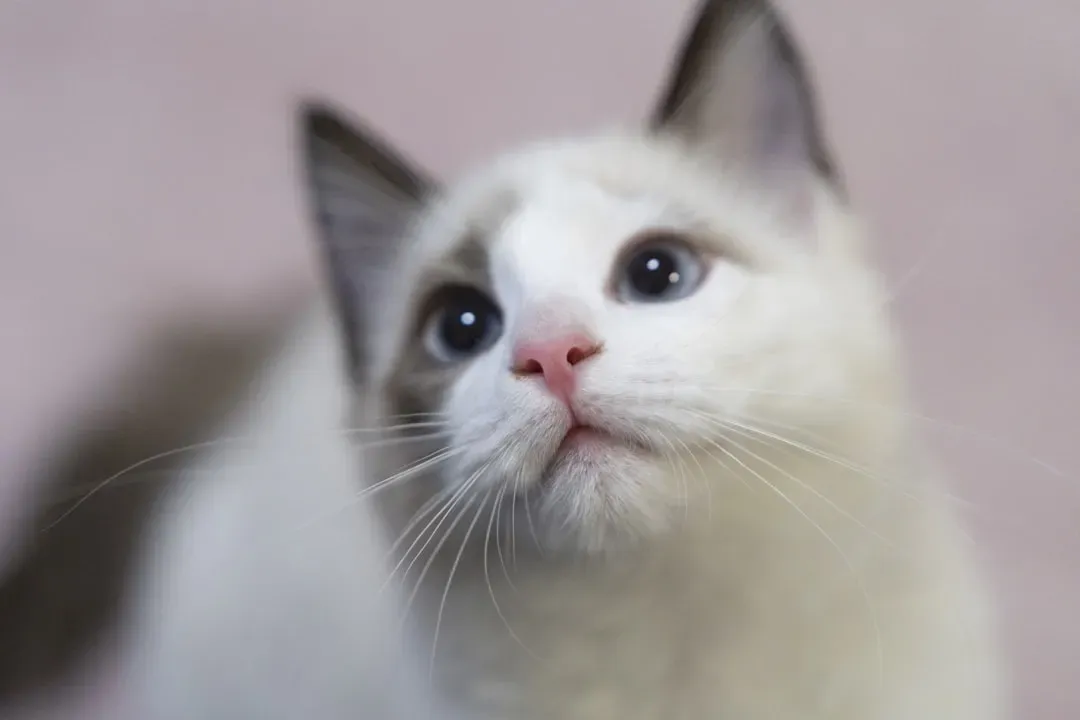
Allow yourself to cry, as tears are cleansing and release emotions when you’re feeling overwhelmed. You might feel exhausted, struggle with sleep, or lose your appetite. These are normal physiological responses to emotional trauma.
By physically showing your grief, you actively mourn the death of your beloved pet, and this active mourning helps move you on a journey toward reconciling with the loss. Your body needs to express what your heart is experiencing.
Don’t fight the tears or apologize for them. Grief lives in your body as much as your mind. Movement, rest, nourishment, and emotional release all play crucial roles in your healing journey.
Myth: Staying Busy Will Help You “Get Over It” Faster
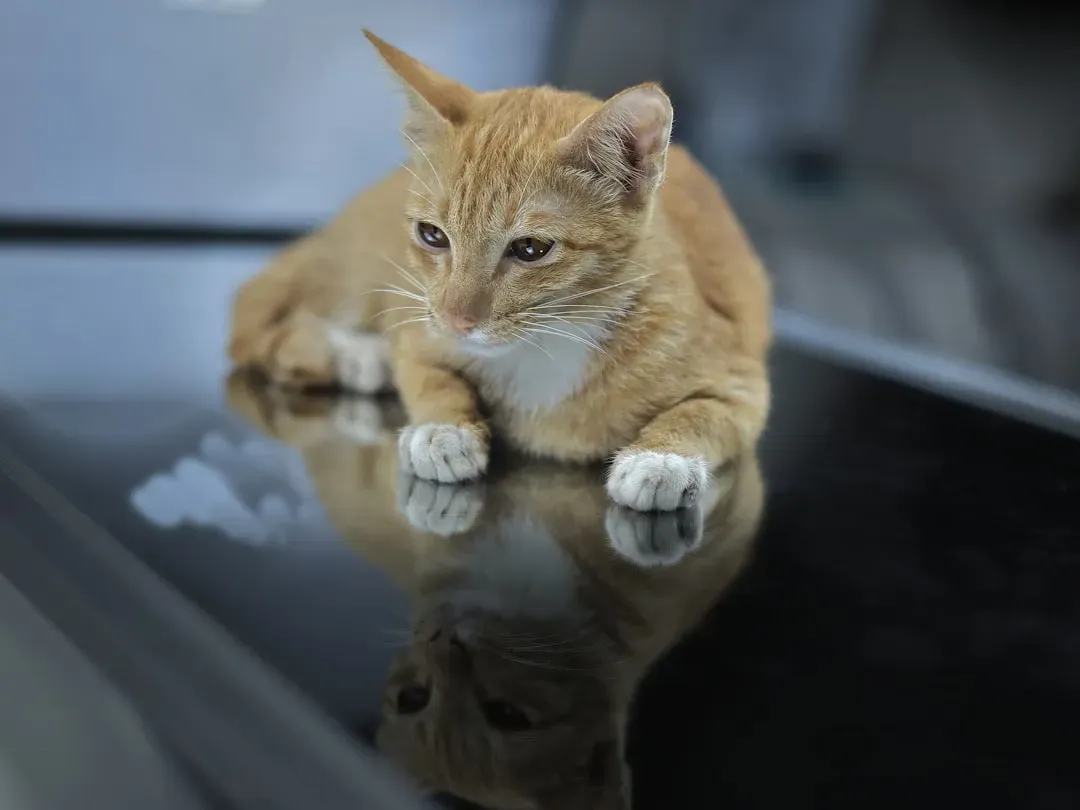
Distraction has its place, certainly. Sometimes you need a break from the intensity of mourning. However, constantly avoiding your feelings won’t make them disappear. They’ll simply wait for you, growing heavier in the shadows.
Experiencing your emotions following the death of a pet is difficult but important, as a healthier grief journey may come from taking time to work through your feelings rather than trying to push them away or ignoring them. Give yourself some time and space, be gentle with yourself, take it a day at a time, and give yourself what you need.
Balance is key. Allow yourself moments of sadness alongside moments of normalcy. Pushing through without pause denies the significance of your loss.
Fact: Other Pets in Your Home May Also Be Grieving

If you have other animal companions, they’ve noticed the absence too. Animals form bonds with each other, and they experience confusion and sadness when those bonds are broken. Their behavior might change in noticeable ways.
Spend extra time with your other pets if you have them. They need your comfort and reassurance just as you need theirs. Watch for signs they’re struggling, like changes in eating habits, unusual lethargy, or searching behaviors.
For animals, scent is a very powerful sense, so consider leaving out a few blankets, pillows, pet beds, or items that carry the scent of the companion who has died to help them grieve. Supporting your surviving pets through their grief can also provide purpose during your own darkest days.
Honoring Their Memory While Moving Forward
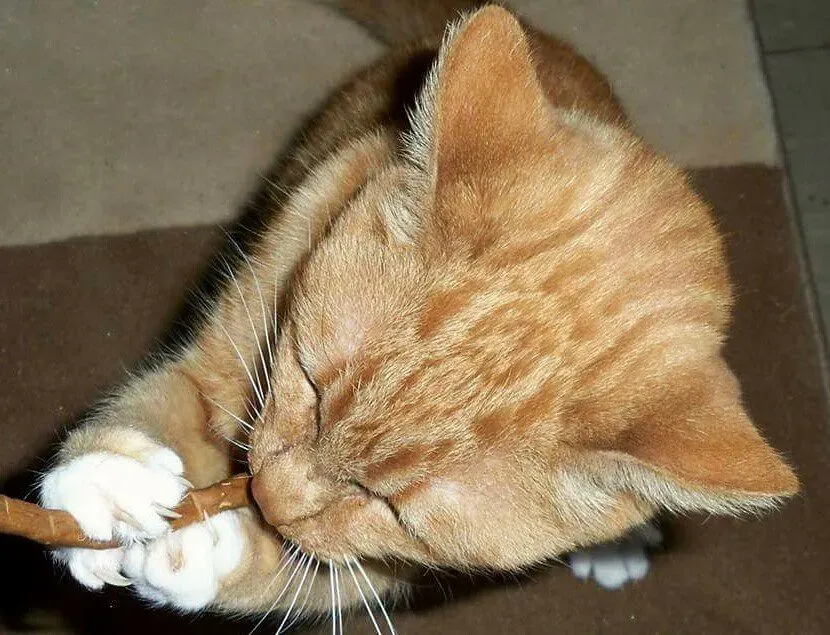
Acceptance occurs when the loss is integrated into your life, and it doesn’t mean forgetting about your pet, as honoring and memorializing them is an important part of the grieving and healing process. You carry their love forward in everything you do.
When you’re ready, consider how to honor the memory of your beloved companion, perhaps by writing a poem with a picture, making a scrapbook, telling stories, or holding a candlelight ceremony. Healthy grieving doesn’t mean forgetting or “getting over” your friend; it simply allows you to accept they’re gone and eventually smile at their memory.
The Rainbow Bridge isn’t just about an imagined place where pets wait. It’s also about the bridge you’re crossing right now, from acute grief toward acceptance and peace. Your companion wouldn’t want you frozen in sorrow forever. They’d want you to remember the joy, carry forward the lessons they taught you about unconditional love, and perhaps someday open your heart again.
What has helped you most in honoring your pet’s memory? Share your experiences in the comments below.

Hi, I’m Andrew, and I come from India. Experienced content specialist with a passion for writing. My forte includes health and wellness, Travel, Animals, and Nature. A nature nomad, I am obsessed with mountains and love high-altitude trekking. I have been on several Himalayan treks in India including the Everest Base Camp in Nepal, a profound experience.