Essex, UK – A routine walk turned into a life-threatening ordeal when a dog ventured onto thin ice, prompting its owner to plunge into freezing waters and necessitating a heroic intervention by a passer-by.
A Perilous Walk in Epping Forest
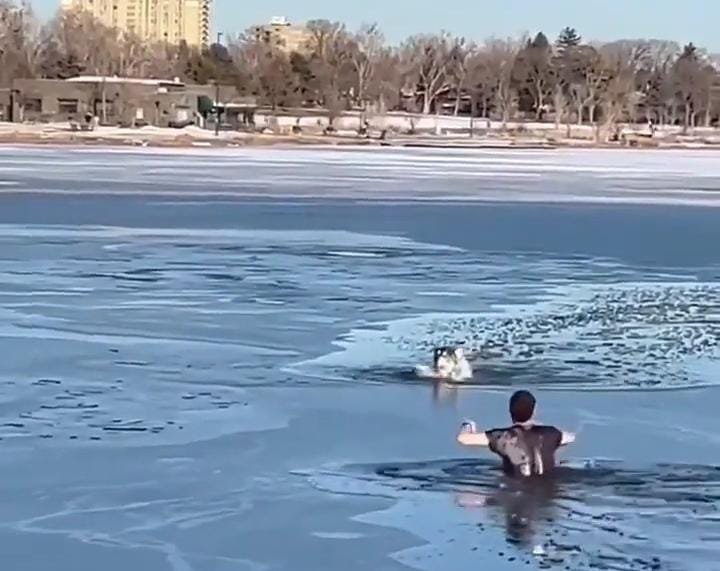
On a chilly Sunday afternoon, a man and his dog strolled along the paths of Epping Forest near Connaught Water. The dog, drawn by curiosity, wandered onto the frozen surface of the lake, unaware of the danger beneath. As the ice cracked and gave way, the animal fell into the frigid water, struggling to stay afloat. The owner, without hesitation, stepped forward to help, but the ice shattered under his weight too.
Both man and dog now faced the immediate threat of hypothermia in the sub-zero temperatures. Water temperatures hovered near freezing, a condition that can lead to rapid loss of body heat and impaired judgment. Emergency services later noted that such incidents underscore the deceptive allure of winter landscapes. The man’s quick action stemmed from instinct, yet it amplified the risks for everyone involved.
The Passer-by’s Swift Action
A nearby witness spotted the unfolding crisis and sprang into action. The good Samaritan, later identified only as a local resident, discarded caution and entered the water himself to reach the struggling pair. He extended a branch to the man first, who had been treading water while trying to support the dog. In the process, the rescuer slipped and fell through the ice as well, turning the rescue into a mutual effort.
Despite the chaos, the three managed to reach the shore with the aid of shouts and improvised tools from onlookers. Paramedics arrived promptly, treating all for exposure and potential hypothermia. The dog, shivering but alert, received immediate warming measures. Officials praised the passer-by’s courage, emphasizing that his intervention prevented a worse outcome. Such stories of ordinary heroism often emerge in moments of crisis.
Hypothermia’s Hidden Dangers
Exposure to cold water accelerates hypothermia, where the body’s core temperature drops below 95 degrees Fahrenheit. Symptoms include confusion, slowed breathing, and loss of coordination, which can set in within minutes. In this case, the brief immersion still posed serious risks, particularly for the dog, whose smaller size makes it more vulnerable to rapid cooling.
Experts from local fire services warn that no ice is truly safe during thaws or mild winters. The lake’s surface appeared solid but hid unstable layers beneath. Rescue teams stress calling professionals immediately rather than attempting personal interventions. This incident aligns with a pattern of similar events across the UK and beyond, where pets lead owners into peril.
Lessons from the Ice
Authorities have ramped up public awareness campaigns following this and other recent rescues. In nearby areas, children and pets have also fallen through frozen ponds, prompting school closures and amber weather warnings. Firefighters in east London responded to a separate call involving two boys on a frozen pond just days later. These events highlight the need for leashes on pets near water and awareness of ice thickness guidelines.
Pet owners can take simple precautions to avoid such scares. Keeping dogs on short leads near frozen bodies of water prevents wandering. Carrying a pet life jacket or knowing local emergency numbers proves invaluable. Community groups in Epping Forest now plan additional signage to deter venturing onto ice.
- Check ice thickness: Safe ice should be at least 4 inches for walking, but experts advise against it entirely.
- Warm up quickly: Remove wet clothes and use dry blankets to combat hypothermia.
- Call for help: Dial emergency services before attempting a rescue yourself.
- Educate pets: Train dogs to avoid water edges in winter.
- Monitor weather: Thawing conditions weaken ice rapidly.
Key Takeaways
- Acts of kindness, like the passer-by’s dive, can save lives but underscore the importance of professional response.
- Hypothermia strikes fast in cold water; early signs include shivering and numbness.
- Prevent incidents by steering clear of frozen waters with pets in tow.
This Essex rescue serves as a stark reminder of winter’s hidden hazards and the profound impact of human compassion. As temperatures fluctuate, staying vigilant protects both people and their animal companions. What steps do you take to keep your pets safe in cold weather? Share your thoughts in the comments.