In the heart of the Brazilian Amazon, a groundbreaking conservation effort emerged that prioritizes the voices and traditions of local communities dependent on the forest’s bounty.
The Enduring Spirit of Chico Mendes
Chico Mendes, a renowned rubber tapper, lost his life in 1988 while championing the rights of forest dwellers against encroaching deforestation. His assassination in Xapuri highlighted the fierce struggles faced by those relying on the rainforest for survival. The reserve bearing his name stands as a testament to his vision, where families continue to harvest resources without destroying the ecosystem. This legacy now fuels a renewed commitment to sustainable practices that honor his fight.
Generations of residents in the Chico Mendes Extractive Reserve have passed down knowledge of extracting latex from rubber trees and gathering Brazil nuts. These activities sustain livelihoods while preserving the dense canopy that shelters unparalleled biodiversity. Authorities established the reserve in 1990 to protect this balance, ensuring that economic needs align with environmental stewardship. Today, that model inspires broader initiatives across the Amazon basin.
Sustainable Harvests: Rubber and Nuts as Pillars of Survival
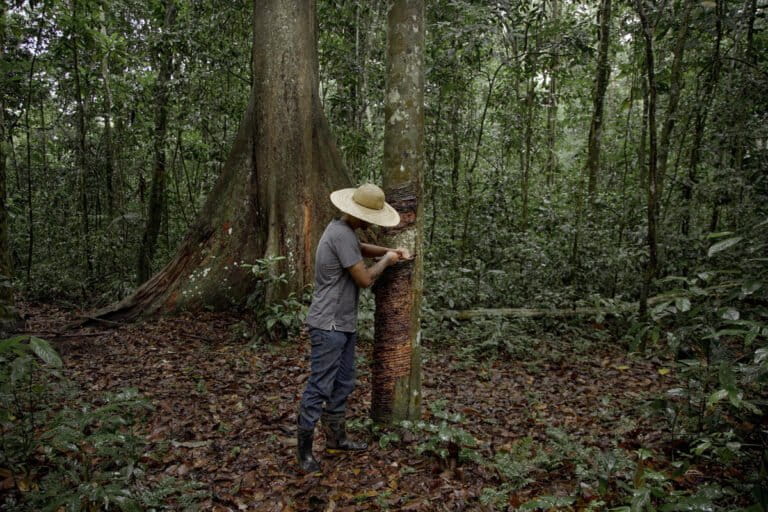
Rubber tapping involves carefully scoring the bark of Hevea brasiliensis trees to collect latex, a process that demands precision to avoid harming the plants. Workers navigate vast trails at dawn, tapping hundreds of trees per family plot, much like the 748 trees managed by one local family documented in reports. This method allows the forest to regenerate, contrasting sharply with clear-cutting for agriculture or cattle ranching. Brazil nut collection follows suit, with climbers scaling towering trees to harvest pods that yield nutrient-rich nuts sold globally.
These traditions not only provide income but also foster a deep cultural connection to the land. Communities organize cooperatives to process and market their goods, boosting local economies without external exploitation. Challenges persist, including fluctuating market prices and illegal logging threats, yet the resilience of these practices endures. By integrating such activities into conservation plans, the region models how human needs and nature can coexist.
ARPA Comunidades: A $120 Million Commitment to Empowerment
The Amazon Region Protected Areas program, known as ARPA, launched its Comunidades phase in late 2025, allocating $120 million over 15 years to bolster community involvement. This initiative targets support for 130,000 individuals across multiple reserves, including Chico Mendes, by funding monitoring, capacity building, and sustainable enterprise development. Partnerships with organizations like the World Wildlife Fund ensure resources reach those on the front lines of protection. The program emphasizes indigenous and traditional knowledge, shifting from top-down approaches to collaborative governance.
- Enhanced training for forest patrols to combat illegal activities.
- Financial aid for eco-friendly infrastructure, such as community centers and trails.
- Market access improvements for products like rubber and Brazil nuts.
- Biodiversity monitoring tools to track ecosystem health.
- Legal support to secure land rights against external pressures.
Early implementations have shown promise, with participating groups reporting stronger community cohesion and reduced deforestation rates in pilot areas. This investment arrives at a critical juncture, as Brazil’s overall Amazon deforestation slowed in recent years but remains a pressing concern in vulnerable zones.
Navigating Threats and Building Resilience
Despite progress, the reserve faces ongoing perils from soy expansion and mining interests, which have prompted some agribusiness groups to withdraw from conservation pacts. Climate change exacerbates these issues, altering rainfall patterns that affect nut yields and tree health. Local leaders advocate for stricter enforcement of protected areas, drawing on Mendes’ example to rally international support. Education programs within communities aim to equip younger generations with skills for adaptive management.
Government and NGO collaborations, including ARPA, provide a framework for long-term viability. Success stories from similar reserves demonstrate that empowered communities can serve as the most effective stewards of the forest. As global demand for sustainable goods rises, opportunities for rubber and nut exports could further incentivize preservation efforts.
Key Takeaways
- ARPA Comunidades invests heavily in community-driven protection, supporting 130,000 people.
- Traditional practices like rubber tapping preserve biodiversity while sustaining incomes.
- Chico Mendes’ legacy underscores the human cost of conservation and the need for inclusive strategies.
The ARPA Comunidades program represents a pivotal shift toward inclusive rainforest protection, ensuring that the guardians of the Amazon hold the reins of their future. What steps can global audiences take to support such vital efforts? Share your thoughts in the comments.