Have you ever looked into your cat’s eyes and wondered if they’re truly happy, or if something deeper is going on? Cats are mysterious, complex creatures. They hide their feelings behind a mask of calm, but sometimes, that mask slips. Emotional burnout in cats is a real thing—and it’s much more common than most pet owners realize. If your feline friend has been acting “off,” seeming less playful or even hiding more often, you might be witnessing the silent signs of overstimulation and burnout. Grab a cup of tea and settle in; your cat’s well-being might just depend on what you learn next.
What Is Emotional Burnout in Cats?
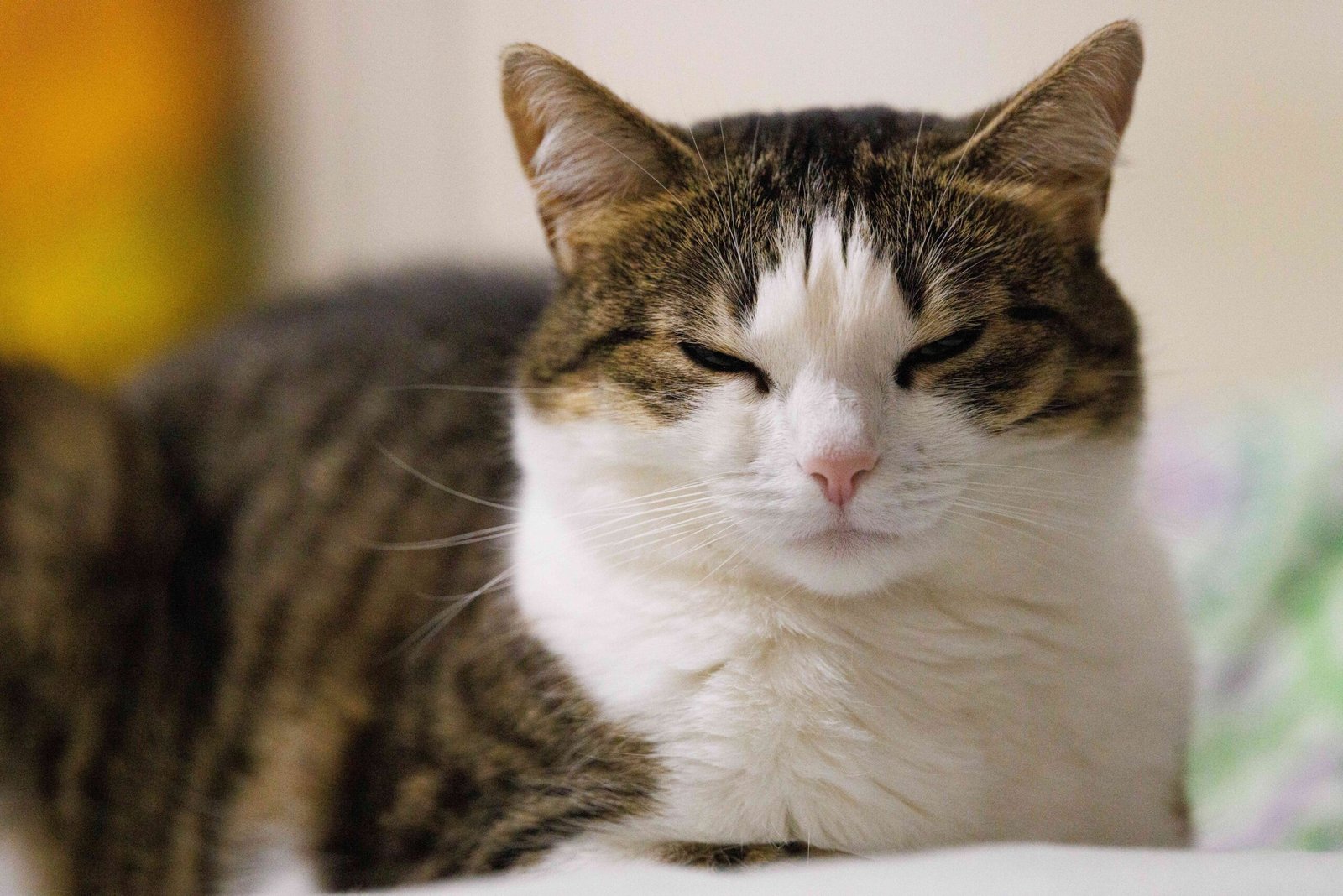
Emotional burnout in cats isn’t just a buzzword—it’s a state where your furry friend becomes mentally and emotionally exhausted. Unlike physical tiredness, burnout affects their mood, energy, and even their relationships with people and other pets. It’s usually caused by too much stress or stimulation over a longer period. Think of it as your cat’s emotional “battery” running dangerously low. Just like people, cats can only tolerate so much before they start to shut down. Owners often mistake this for laziness or grumpiness, but there’s a lot more going on beneath the surface. Recognizing this invisible struggle is the first step toward helping your cat recover.
Understanding Overstimulation in Cats

Overstimulation happens when a cat’s senses are bombarded—loud noises, constant petting, busy households, or even too many toys can trigger it. Unlike dogs, cats don’t always show their discomfort right away. Instead, the effects build up slowly, turning your usually sweet kitty into a bundle of nerves. Simple things like children running around, frequent visitors, or a new pet in the house can tip the balance. Pay attention to how your cat reacts after a particularly chaotic day. If they retreat and avoid contact, they might be overstimulated. Recognizing these patterns is a crucial skill for every cat parent.
Changes in Sleeping Patterns

Cats normally sleep a lot—usually between 12 to 16 hours a day. But when emotional burnout sets in, their sleeping habits can change dramatically. You might notice your cat sleeping much more, almost as if they’re trying to escape reality. On the flip side, some cats may become restless, unable to settle down for a decent nap. Watch for signs like pacing at night or napping in new, unusual places. These changes can be a clear indicator that your cat is struggling to cope emotionally. Don’t just brush it off as a quirk; your cat’s sleep tells a powerful story.
Withdrawal from Social Interaction

Has your sociable cat suddenly turned into a recluse? Cats experiencing emotional burnout often withdraw from the people and pets they once loved. Maybe your lap cat now avoids cuddles, or your playful kitten hides under the bed for hours. This sudden shyness isn’t rudeness—it’s a way to protect themselves from further stress. It’s heartbreaking, but it’s a call for help. The goal here is to recognize the difference between an independent mood and a deeper emotional shutdown. If your cat is isolating themselves for days on end, it’s time to pay attention.
Increased Irritability or Aggression

Cats under emotional strain can become testy and unpredictable. You might notice your pet hissing, swatting, or biting for no apparent reason. Even the gentlest cats can lash out when they reach their breaking point. Owners often blame themselves, but this behavior is a sign that your cat’s nerves are frayed. Imagine trying to relax when you’re overwhelmed—every little thing would get on your nerves, too. Cats feel the same way. If your once-calm cat is suddenly sporting claws, it’s not spite—it’s a message that something’s wrong.
Changes in Grooming Habits

A cat’s grooming routine is almost sacred. But when emotional burnout strikes, this ritual can change. You might see your cat obsessively licking one spot, even to the point of creating bald patches. Or, they might stop grooming altogether, leaving their fur messy and unkempt. Both extremes are red flags. Over-grooming is often a self-soothing tactic, while under-grooming can mean your cat is too exhausted to care. These changes are easy to spot if you know your cat’s normal routine. Don’t ignore them—they’re silent signals that your cat is struggling.
Loss of Appetite or Overeating
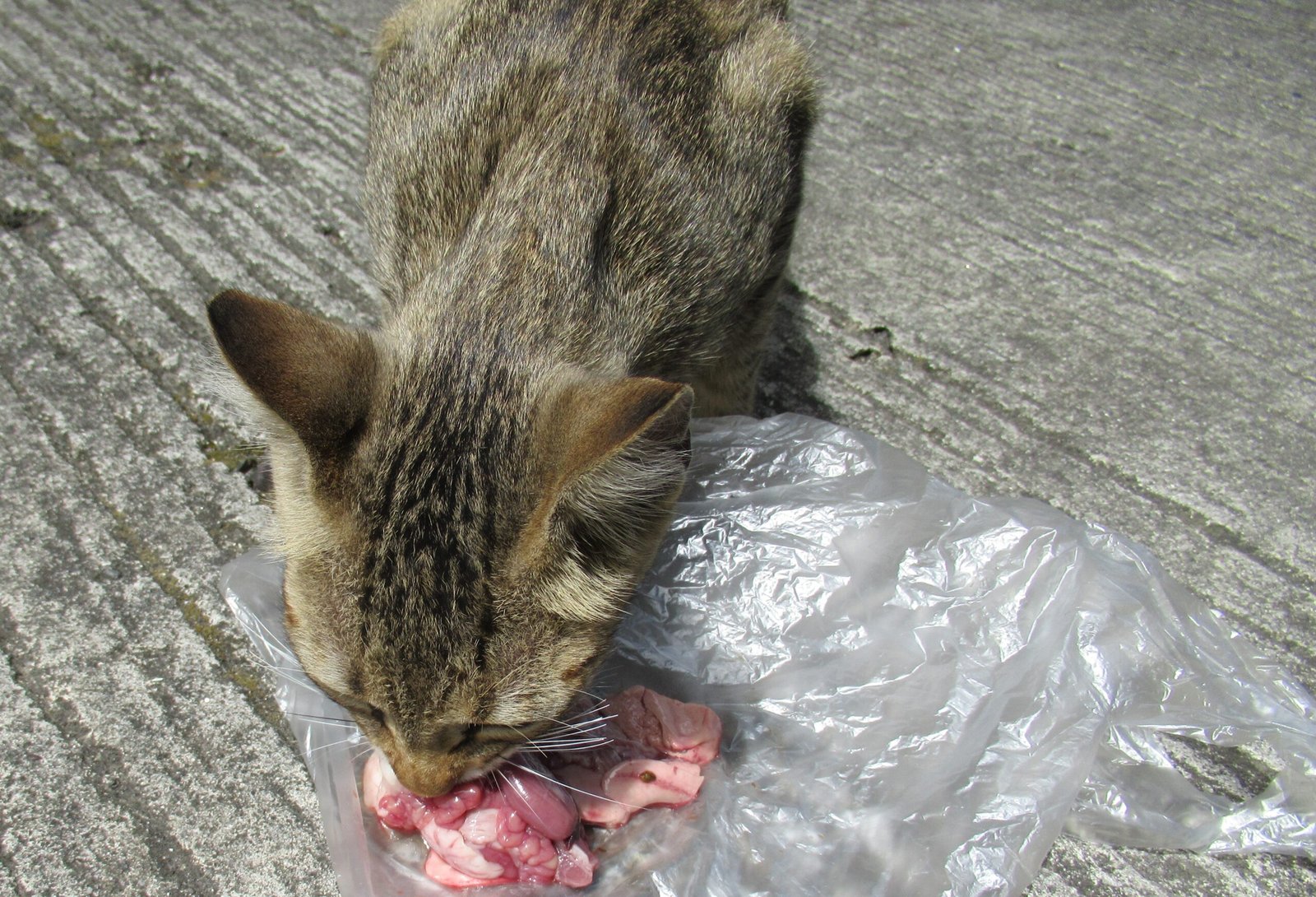
Food is a basic pleasure for most cats, but stress can turn mealtime into a battleground. Some cats lose all interest in food, skipping meals and losing weight. Others may comfort-eat, devouring everything in sight in an attempt to cope. Both scenarios are concerning. A cat who suddenly changes their eating habits is waving a big, red flag. Keep an eye on your cat’s food bowl—sometimes, it’s the first place burnout shows itself. Subtle shifts in appetite can reveal a lot about your pet’s emotional state.
Hiding More Frequently

Cats love cozy hideouts, but when hiding becomes obsessive, it’s a warning sign. If your cat spends hours behind furniture, in closets, or under beds, they might be trying to escape overwhelming stimuli. This isn’t just a game of hide-and-seek—it’s a survival mechanism. Overstimulated cats need quiet, safe spaces to regroup. Pay attention to how much time your cat spends in hiding and how easy it is to coax them out. If they seem reluctant to rejoin family life, burnout may be to blame.
Unusual Vocalizations
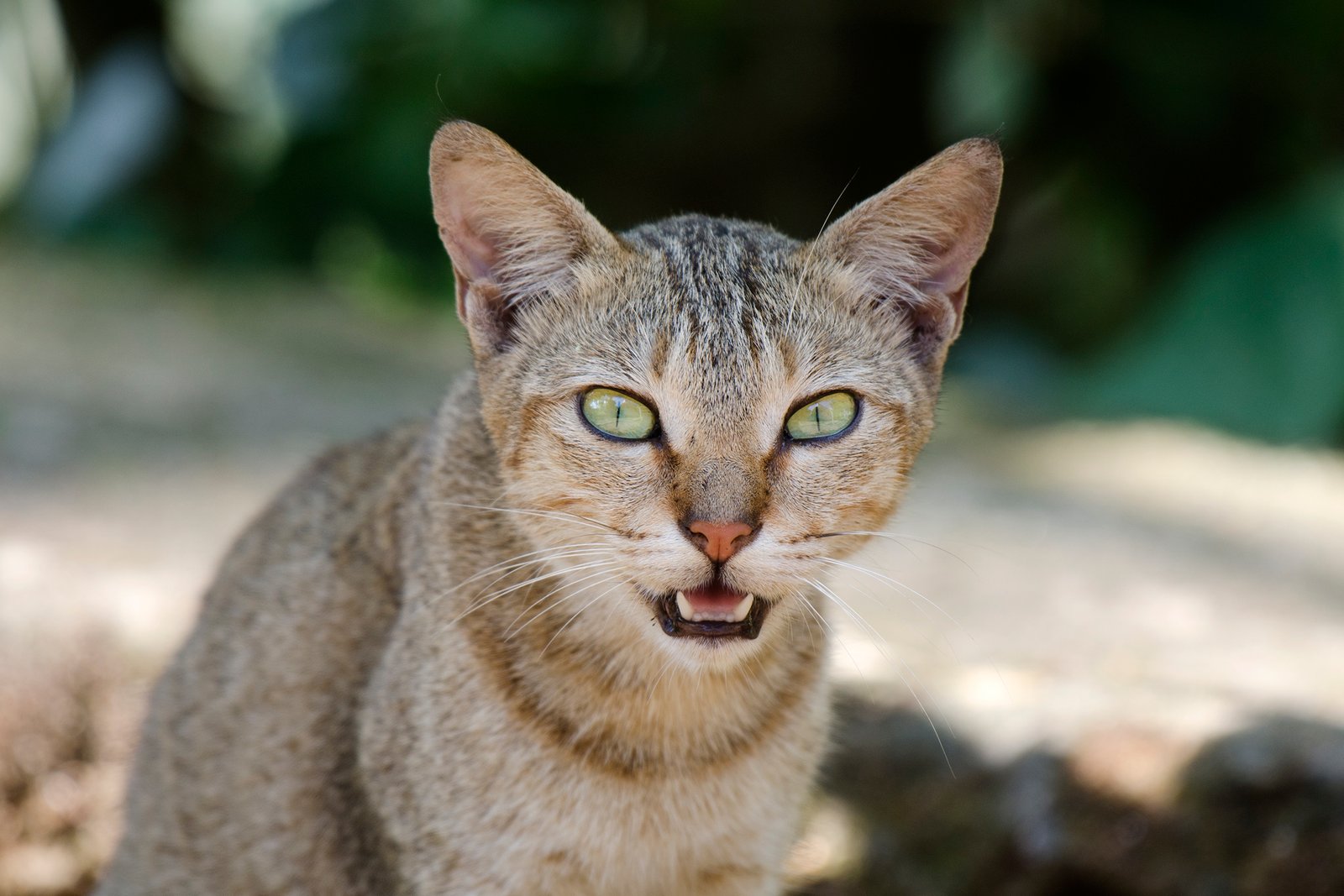
Cats communicate through sounds as much as body language. An overstimulated, emotionally burnt-out cat might start meowing more—or less—than usual. Some cats develop a loud, urgent cry when they’re overwhelmed. Others might go completely silent, withdrawing into themselves. These vocal changes are their way of saying, “I’m not okay.” Learn to distinguish between attention-seeking meows and distress sounds. Your cat’s voice can be a revealing window into their emotional world.
Changes in Litter Box Habits

A cat’s bathroom routine is pretty reliable—until stress throws everything off. Emotional burnout can cause litter box accidents, even in cats who’ve been trained for years. You might find puddles in odd places or notice your cat avoiding the box entirely. This isn’t bad behavior; it’s a physical response to stress. It’s as if their body is rebelling against their emotional state. When your cat’s litter box habits suddenly change, it’s time to dig deeper into what’s bothering them.
Overreacting to Stimuli
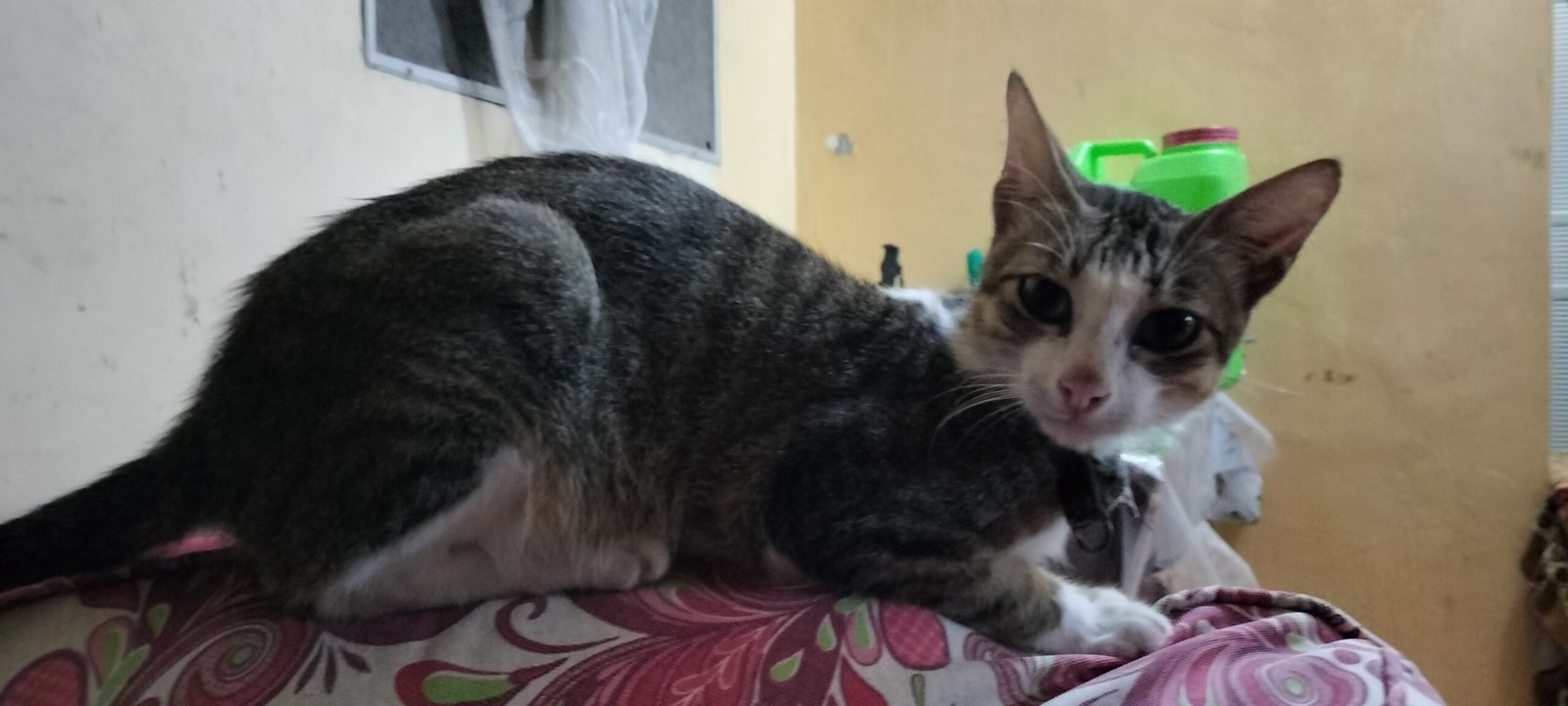
Some cats startle easily, but emotional burnout can turn even the calmest cat into a jumpy bundle of nerves. Everyday sounds—a doorbell, a dropped object, or even footsteps—can trigger strong reactions. Your cat might bolt, flatten their ears, or puff up their tail. These exaggerated responses aren’t just quirky—they’re signs your cat’s nervous system is on high alert. It’s like their “danger radar” is stuck on high. Notice these patterns and consider how often your cat seems on edge.
Loss of Interest in Play

Play is a vital part of a cat’s life—it keeps them happy and healthy. When a playful cat suddenly ignores their favorite toys, it’s a red flag. Burnout drains the joy from playtime, leaving your cat disinterested and lethargic. This isn’t just boredom; it’s a sign that your cat’s emotional reserves are tapped out. Try tempting them with new toys or games, but if nothing sparks their interest, consider that emotional burnout might be the real culprit.
Changes in Body Language
Cats communicate volumes with their bodies. A relaxed cat has loose muscles, a gently swishing tail, and soft eyes. Burnt-out cats, however, often appear tense or hunched, with wide eyes and a stiff tail. You might notice fur standing on end or a cat that crouches low to the ground, as if expecting trouble. These subtle cues are easy to miss unless you know what to watch for. Spend time observing your cat’s posture throughout the day—you’ll start to spot the differences when stress creeps in.
Uncharacteristic Clinginess

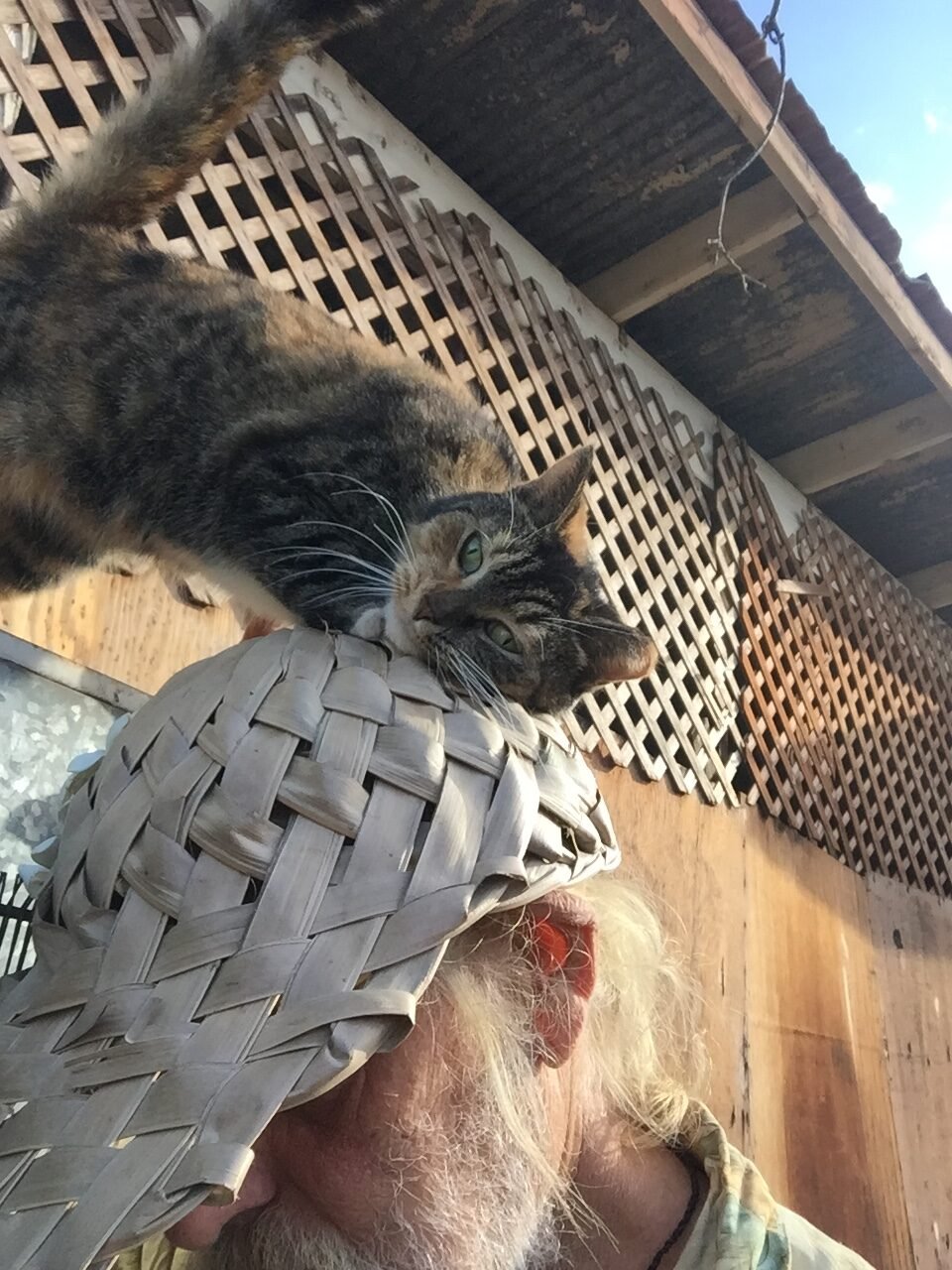
Not all cats withdraw when overwhelmed—some become unusually clingy. If your independent cat suddenly won’t leave your side, it could be a cry for comfort. They might follow you from room to room, demand constant attention, or even try to sleep on your head. This newfound desperation for closeness can be adorable, but it’s also a sign that your cat’s emotional world has been rocked. Offer gentle reassurance, but also look for underlying causes of their distress.
Digestive Upsets and Vomiting

Stress doesn’t just affect your cat’s mood—it can wreak havoc on their stomach, too. Emotional burnout often leads to digestive problems like vomiting, diarrhea, or constipation. You might notice your cat skipping meals, looking uncomfortable, or making more trips to the litter box. These symptoms aren’t always caused by food—they can be a direct response to emotional overload. If your cat’s tummy troubles don’t resolve quickly, consider that emotional stress might be the invisible culprit.
Changes in Eye and Ear Movements

A cat’s eyes and ears are windows into their soul. Burnt-out cats often have dilated pupils, darting eyes, or ears that flick constantly. These tiny movements reveal a state of hypervigilance, as if your cat is always on guard. Watch for eyes that seem wide and glassy, or ears that can’t seem to relax. These physical signs are your cat’s way of communicating their overwhelm without a single meow.
Escaping or Attempting to Flee
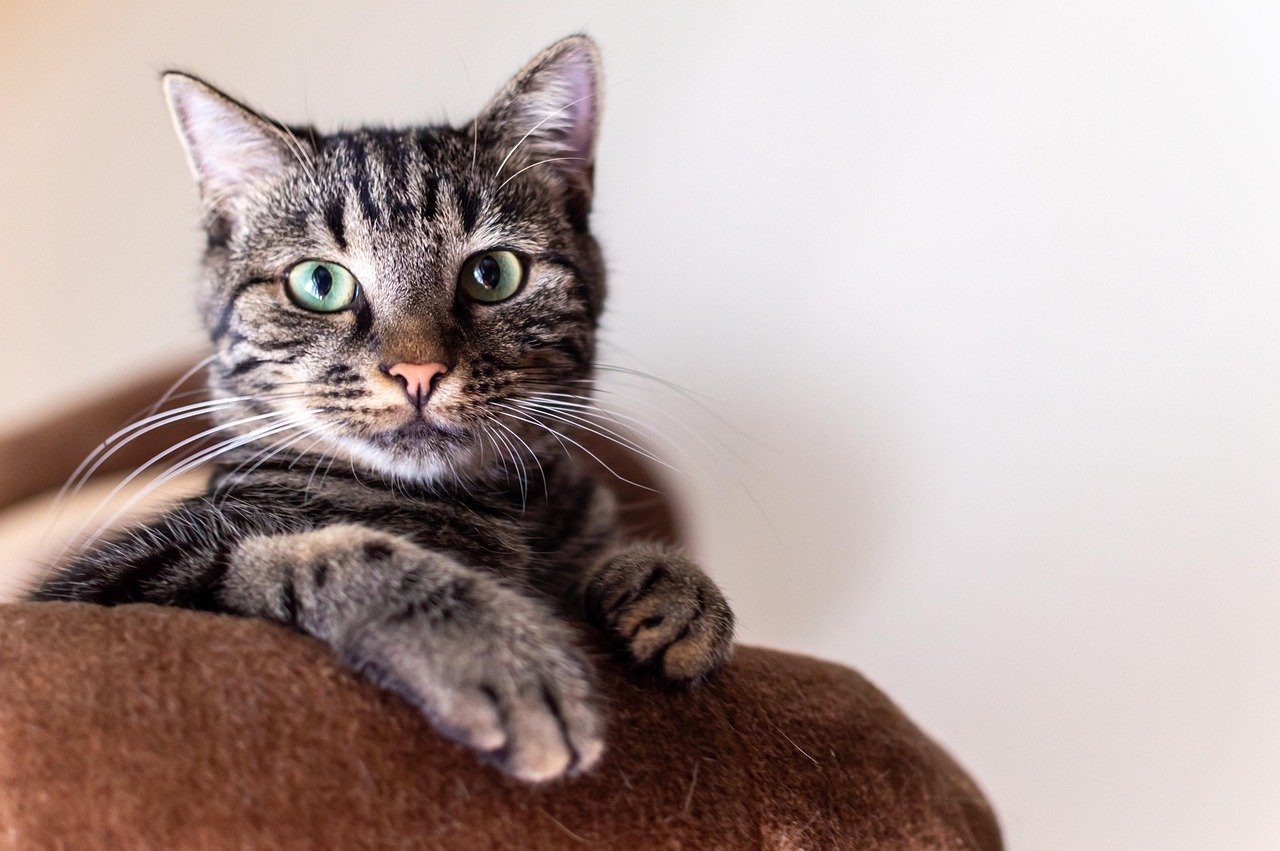
Cats trying to escape from the house, darting towards open doors or windows, might be more than just curious. This behavior can signal a desperate attempt to flee an environment that feels too overwhelming. It’s a survival instinct—get away from what’s causing discomfort. If your cat is suddenly obsessed with escaping, look for sources of stress in their environment. This newfound restlessness shouldn’t be ignored; it’s a sign that your cat feels trapped and needs relief.
Unexplained Weight Loss or Gain
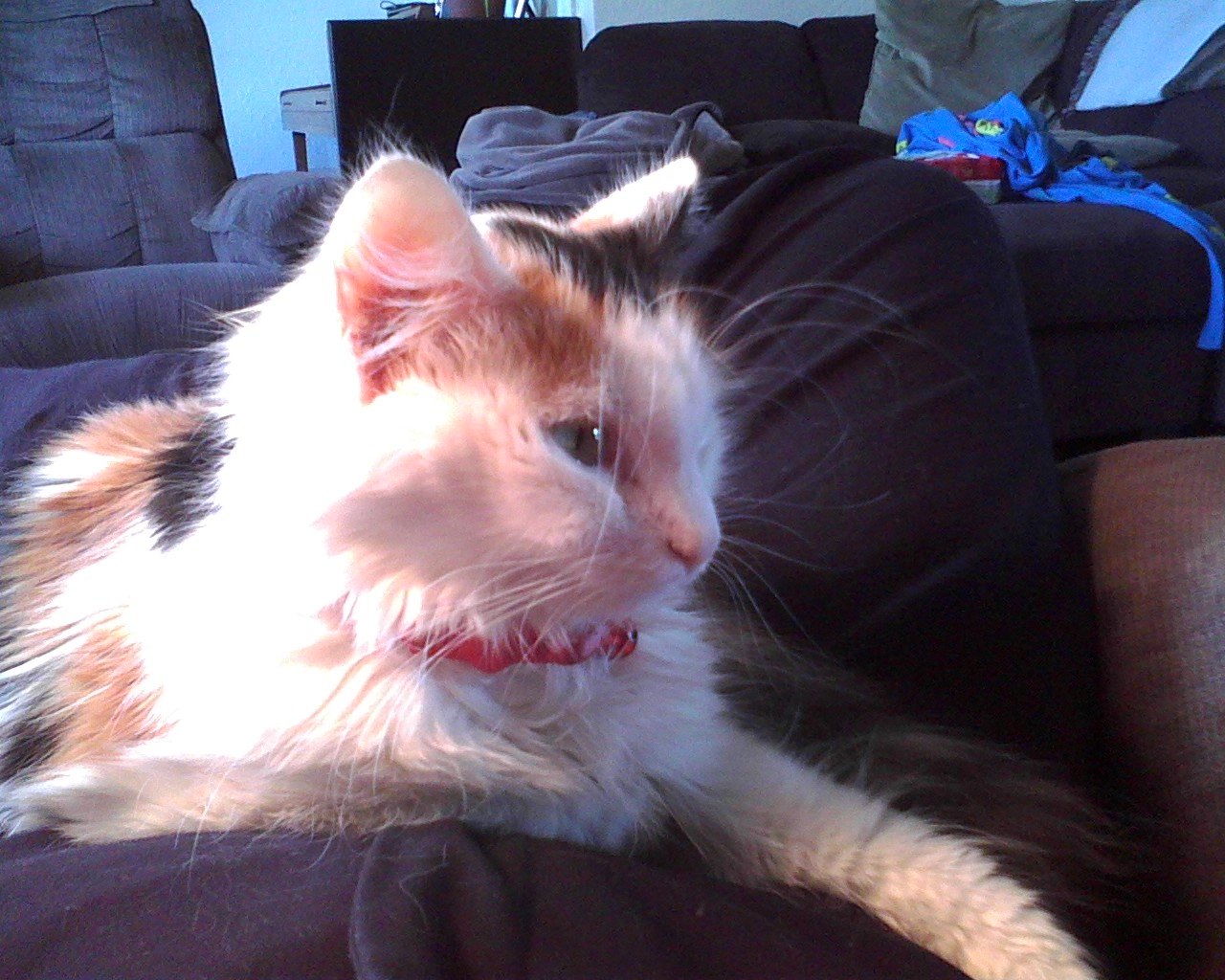
Stress takes a toll on the body. Emotional burnout can cause your cat to lose or gain weight without any obvious reason. Maybe your cat seems thinner despite eating normally, or they start packing on pounds while seeming less active. This isn’t just about calories—it’s a sign that something deeper is off. Keep an eye on your cat’s body shape and weight, and don’t hesitate to consult your vet if you notice unexplained changes. Weight shifts are often the tip of the iceberg.
Disinterest in Exploring or Climbing
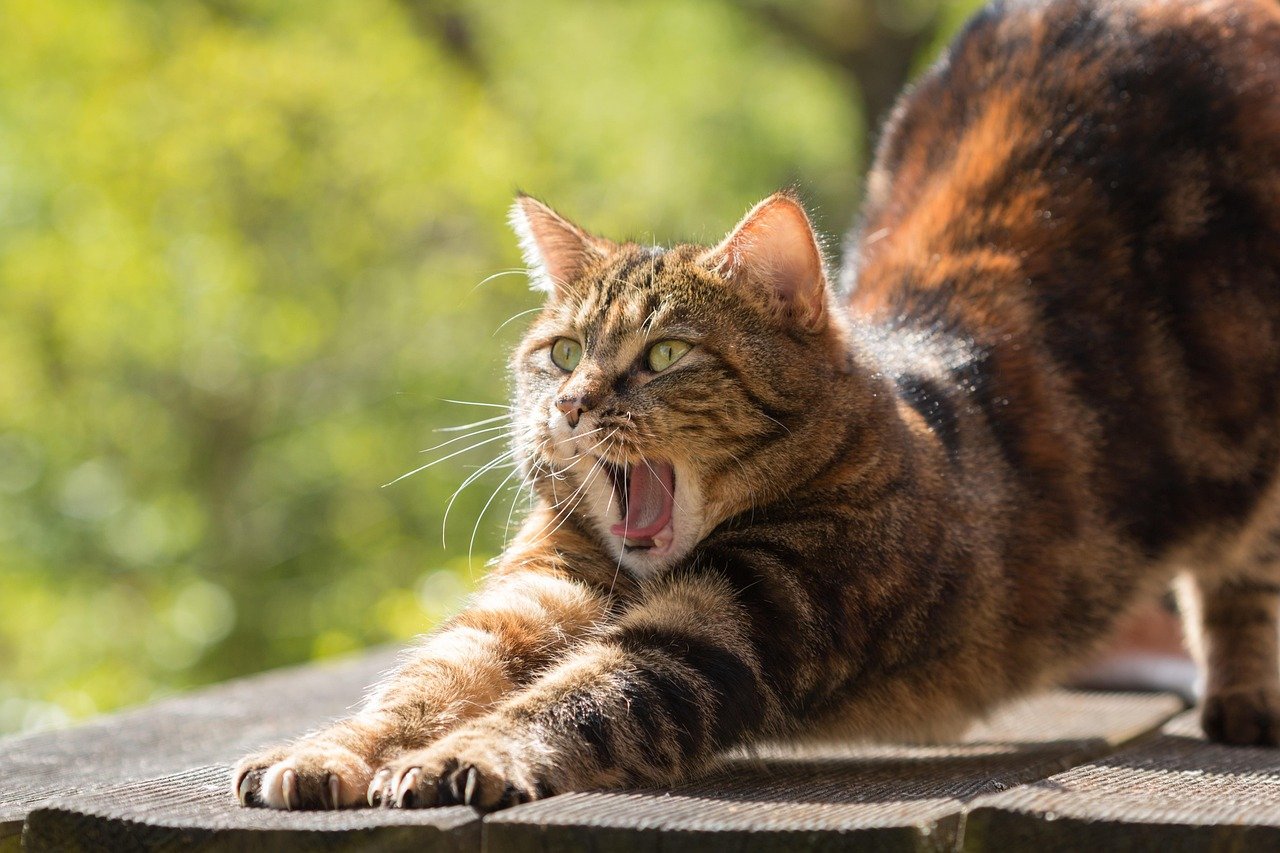
Most cats love to explore—they climb shelves, investigate new scents, and patrol their territory with pride. Burnt-out cats, however, lose this natural curiosity. You might notice your cat staying in one spot for hours, ignoring open windows or new toys. Their world shrinks as they lose interest in exploring. This isn’t laziness—it’s emotional exhaustion. Rediscovering your cat’s adventurous spirit is possible, but only if you address the burnout first.
Sudden Changes in Relationships with Other Pets
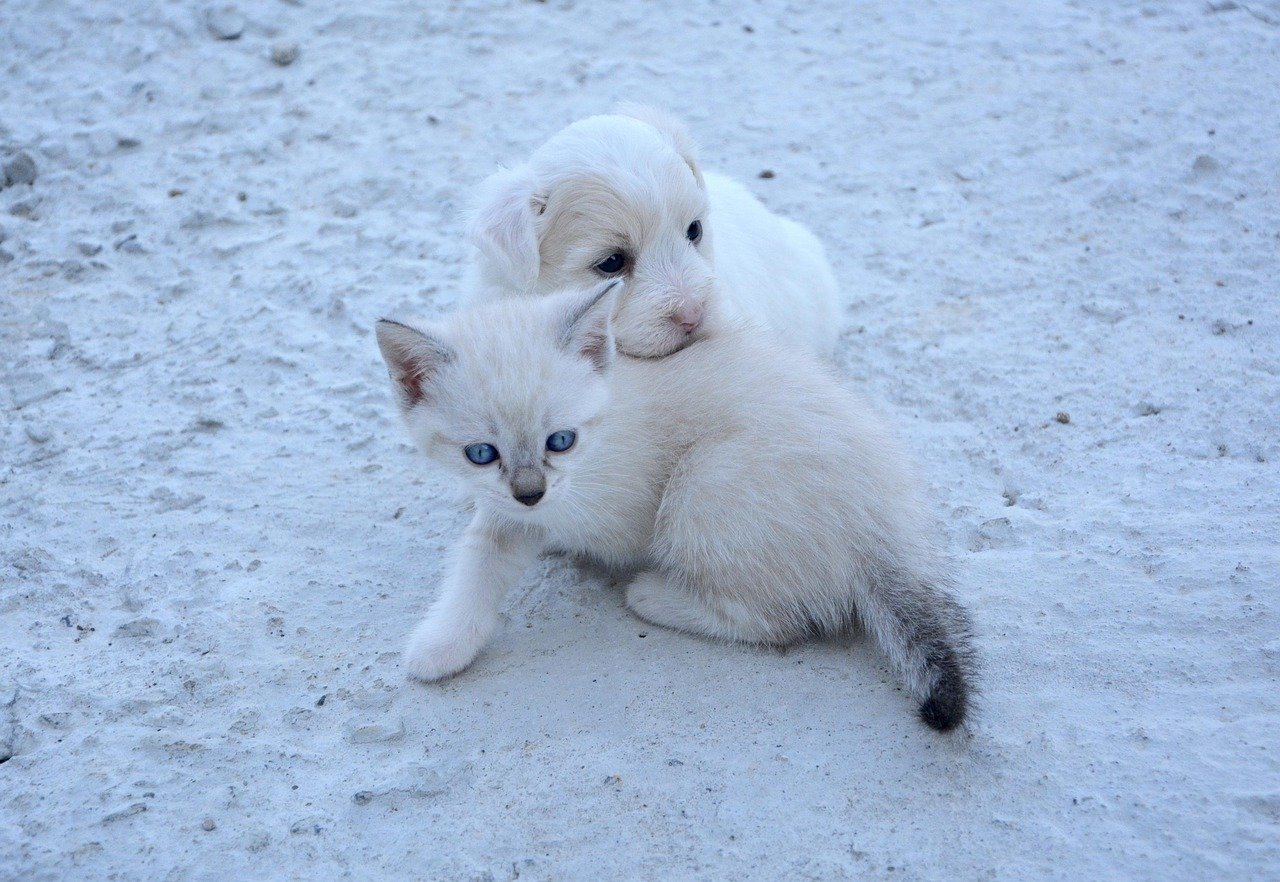
Cats are territorial, but they usually find a way to get along with other pets. Emotional burnout can turn these relationships upside down. Your cat might start fighting with their furry housemates, or suddenly avoid them altogether. Tensions can rise, leading to more stress for everyone involved. If you notice a shift in how your pets interact, consider that emotional burnout might be at play. Restoring harmony takes patience and understanding.
Unusual Reactions to Routine Events

Finally, pay attention to how your cat reacts to everyday events—mealtimes, grooming, or visitors. Burnt-out cats may react unpredictably, shying away from things they once enjoyed or overreacting to minor disruptions. You might see fear where there was once excitement, or indifference where there used to be curiosity. These changes can be subtle but are incredibly telling. Your cat’s world has changed, and their reactions are a window into their emotional health.

Hi, I’m Bola, a passionate writer and creative strategist with a knack for crafting compelling content that educates, inspires, and connects. Over the years, I’ve honed my skills across various writing fields, including content creation, copywriting, online course development, and video scriptwriting.
When I’m not at my desk, you’ll find me exploring new ideas, reading books, or brainstorming creative ways to solve challenges. I believe that words have the power to transform, and I’m here to help you leverage that power for success.
Thanks for stopping by, Keep coming to this website to checkout new articles form me. You’d always love it!