When you’re bundled up with a sniffle and a tissue in hand, it’s natural to wonder whether your feline companion is at risk. Cats often resemble us when they sneeze or sniffle, and the sight can raise concerns about cross-species illness. But what’s real and what’s myth? New insights from veterinary medicine clarify whether human colds pose a threat to cats, how feline respiratory illnesses work, and what precautions truly matter for pet owners.
Why Your Cat’s Sneezes Aren’t the Same as Yours
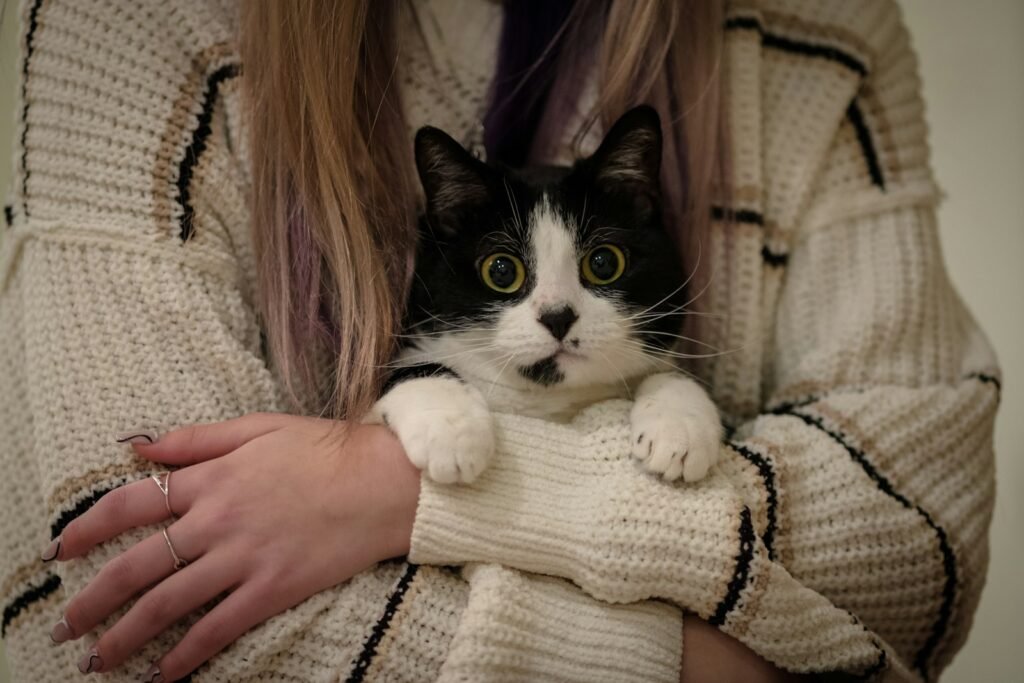
Cats can certainly develop symptoms that look terribly similar to a human cold — sneezing, runny nose, watery eyes and lethargy — but the underlying causes are very different. In cats, respiratory illnesses are almost always caused by pathogens specific to felines, meaning these viruses are adapted to infect cat cells and don’t usually infect humans. Likewise, the rhinoviruses and other agents behind the human common cold do not typically infect cats. In plain terms, your cold virus and a cat’s cold virus are each highly specialised for their own species. Transfers between humans and cats are exceptionally rare.
These feline respiratory illnesses are generally categorized as upper respiratory infections (URIs). They’re caused by a mix of viral, bacterial, and in some cases fungal agents, and are spread between cats through close contact, contaminated surfaces, or aerosolised droplets when an infected cat coughs or sneezes. Indoor cats are not immune; viruses can hitch a ride on people’s clothing or hands and expose otherwise sheltered felines.
What Causes a “Cold” in Cats
The two most common viral causes of feline URIs are feline herpesvirus (FHV-1) and feline calicivirus (FCV). These viruses are widespread among cats and are responsible for the majority of respiratory illnesses seen in veterinary practice. Once a cat is infected with FHV-1, it may harbour the virus for life, with symptoms flaring up when stressed or immunocompromised. FCV may cause more varied symptoms and, while cats often recover, some may become carriers.
Other agents can also contribute to respiratory symptoms. Certain bacteria, such as Bordetella bronchiseptica and Chlamydia felis, can complicate or even mimic cold-like symptoms. In rare cases, fungal organisms may be implicated and can result in more serious disease. That means the causes of feline respiratory disease are diverse, and careful diagnosis is critical to effective treatment.
Can Your Human Cold Ever Make Your Cat Sick?
The short answer is: almost never. The cold viruses that infect people — rhinoviruses, certain coronaviruses, parainfluenza viruses and others — have evolved to infect human cells and do not generally replicate in feline hosts. Evidence from veterinary studies supports this, showing that human cold viruses rarely, if ever, infect cats under normal circumstances.
That said, other human respiratory viruses have occasionally crossed species. Documented cases of influenza A viruses transmitting from people to cats and documented instances of cats contracting SARS-CoV-2 from owners highlight that reverse zoonosis is possible, though uncommon. When these transmissions occur, cats may show mild respiratory signs and typically recover with supportive care, but precautions such as limiting contact when you’re sick are sensible.
Recognising the Symptoms of Feline Respiratory Infection
Feline respiratory infections often present with symptoms that closely resemble a human cold, making them easy to spot for attentive pet owners. Cats may begin sneezing frequently, develop a runny or congested nose, and show watery or irritated eyes, sometimes accompanied by redness or discharge. Because a cat’s sense of smell plays a major role in appetite, congestion can quickly lead to reduced eating or drinking, which may cause noticeable lethargy and withdrawal from normal activities. In more serious cases, symptoms can escalate to fever, laboured or open-mouth breathing, thick nasal discharge, or visible discomfort, all of which require prompt veterinary attention. Since cats instinctively hide illness, even subtle behavioral changes—such as sleeping more than usual or losing interest in food—can be early warning signs that a respiratory infection is developing.
How These “Colds” Spread Among Cats
Transmission of feline respiratory infections occurs predominantly through contact with infected cats. Sneezing and coughing expel droplets containing viruses and bacteria that can contaminate shared food bowls, bedding, toys or living surfaces. In multi-cat households, stress, crowding, and inadequate ventilation can exacerbate spread.
Even asymptomatic carrier cats can shed viruses intermittently. This makes strict hygiene, isolation of sick cats, and good environmental sanitation essential in preventing outbreaks among cats. Vaccination against common URI viruses also forms a key part of preventive care.
Practical Precautions for Pet Owners
While you likely won’t transmit a human cold virus to your cat, it’s still wise to practise good health hygiene around pets. Wash your hands thoroughly before and after handling cats, especially if either of you is showing any signs of illness. When you’re sick with more serious respiratory viruses (such as influenza or COVID-19), limiting close contact and having another household member care for your cat can reduce risk.
Keep your cat’s environment clean. Regularly wash food bowls, bedding, and toys, and disinfect surfaces where cats spend time. Stay on top of veterinary check-ups and ensure vaccinations are up to date to bolster your cat’s immunity against common feline pathogens.
A common human cold and a cat’s respiratory infection might look alike at a glance, but they are caused by entirely different viruses adapted to their respective hosts. While cats can definitely get sick with their own upper respiratory infections, the risk of them catching a typical human cold is negligible. Rare instances of cross-species transmission involving other viruses make sensible hygiene and cautious handling advisable when either you or your pet is unwell. Staying informed, observant, and proactive with preventative care helps ensure both you and your feline companion stay healthy, comfortable, and close.