You’ve probably caught your cat staring longingly at your morning latte, those curious eyes watching every sip you take. With oat milk gaining popularity as a trendy dairy alternative, it’s natural to wonder if your feline friend can join in on this creamy beverage. Let’s be real, the image of a cat lapping up milk from a saucer is as classic as it gets. Yet when it comes to what your cat should actually , the answer might surprise you.
Here’s the thing about cats and oat milk. While it won’t immediately harm your furry companion, there’s a lot more to the story than simply pouring them a saucer. Your thoughtful approach to understanding what’s best for your cat shows just how much you care about their wellbeing. So let’s dive into what you really need to know about oat milk and your beloved pet.
Why Oat Milk Seems Like a Safe Choice
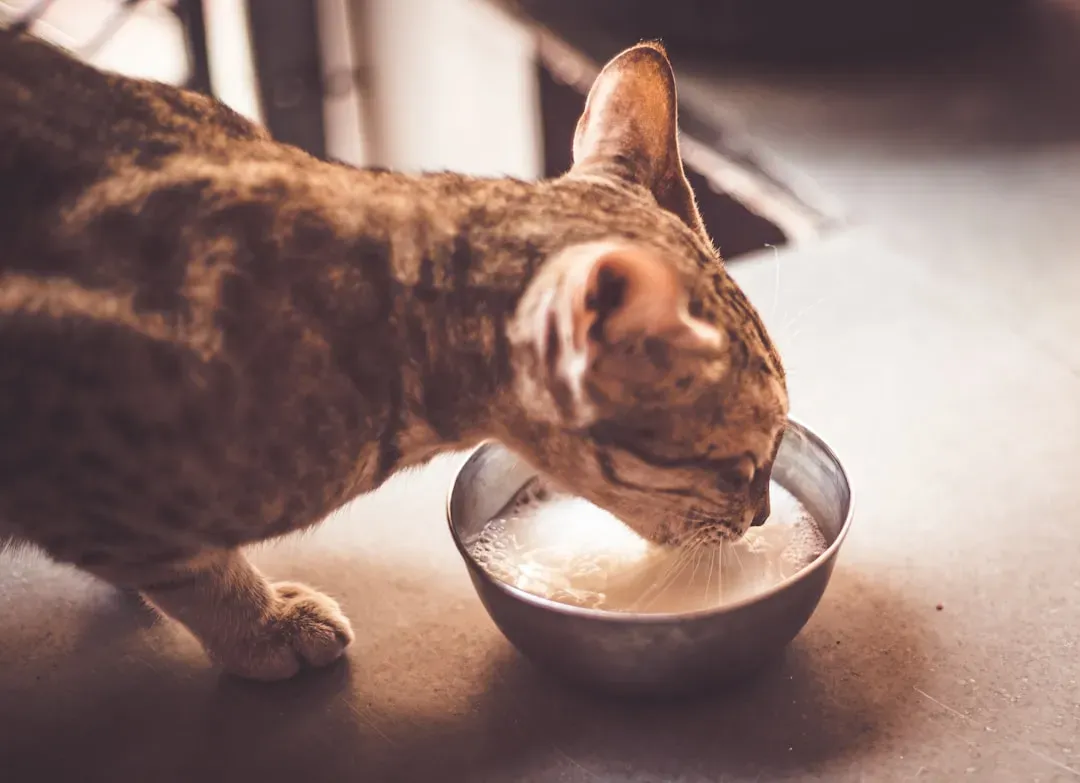
Oat milk is generally safe for cats to drink occasionally, and it can be a better option than cow’s milk for cats with sensitive stomachs since it doesn’t contain lactose. This matters because the vast majority of adult cats are lactose intolerant. Since oat milk is a plant-based product that doesn’t contain lactose, it’s far less likely to upset your cat’s digestive system compared to regular dairy milk.
Think of it this way: when your cat lost the ability to produce lactase enzymes after weaning, dairy milk became difficult to process. Oat milk sidesteps that particular problem entirely. It’s unusual for cats to have difficulty digesting small amounts of plant-based milk because it has no lactose and contains fairly digestible ingredients. Still, just because something won’t cause an immediate tummy ache doesn’t mean it belongs in your cat’s regular diet.
What Oat Milk Actually Contains
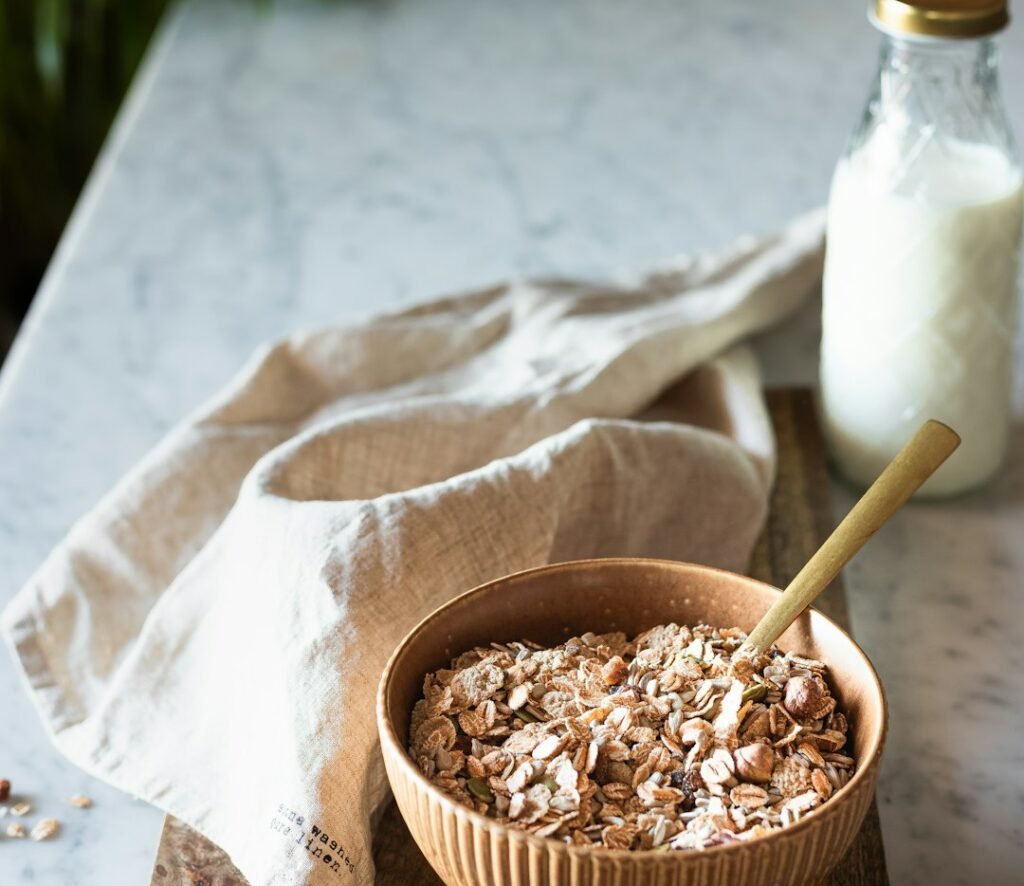
Most store-bought oat milk is a mixture of water, plain rolled oats, preservatives, a touch of salt, and sugar in sweetened versions. Sounds simple enough, right? The reality is a bit more complex when you consider feline nutrition. Oats contain fiber and a mixture of vitamins and minerals such as vitamin B6, potassium, magnesium, and niacin which may benefit cats.
Yet here’s where things get tricky. Although the oats themselves aren’t harmful for cats, they don’t make them the healthiest or nutritionally beneficial food for carnivorous cats, who should get most nutrients from a balanced meat-based diet. Your cat’s body is essentially built to thrive on animal protein, not plant materials. The high carbohydrate content in oat milk is not suitable for cats’ dietary needs.
The Nutritional Reality for Your Cat

Oat milk offers no meaningful nutritional value to cats, as obligate carnivores with very specific dietary requirements that come almost exclusively from animal proteins, lacking essential amino acids such as taurine and healthy fats. I know it sounds harsh, but your cat simply can’t extract what they need from oat milk. Instead, oat milk is relatively high in carbohydrates, which cats don’t process efficiently.
Oat milk lacks the essential nutrient taurine, which is vital for cats’ vision and heart health, indicating it cannot fulfill all feline dietary needs. This is actually quite significant. Without proper taurine intake, cats can develop serious health problems over time. Water and quality cat food already provide everything your furry friend needs nutritionally.
Potential Digestive Issues to Watch For
Even though oat milk is lactose-free, it’s not a free pass. Grains, including oats, are difficult for cats to digest and might cause upset stomach, stomach pain, bloating, vomiting, and even diarrhea after just one helping, as well as long-term digestive issues if given too frequently. Your cat’s digestive system simply wasn’t designed for processing plant-based foods in significant amounts.
Too many carbohydrates can adversely affect your cat, causing inefficient protein digestion, reduced fecal pH, and altered gut bacteria colonies, with carbs lingering in the intestines and giving microbes a substrate to flourish. Honestly, that doesn’t sound pleasant for anyone involved. Excessive consumption can cause digestive problems, with commercial plant milks containing sugar and additives that may cause bloating and stomach upsets.
The Hidden Dangers in Additives
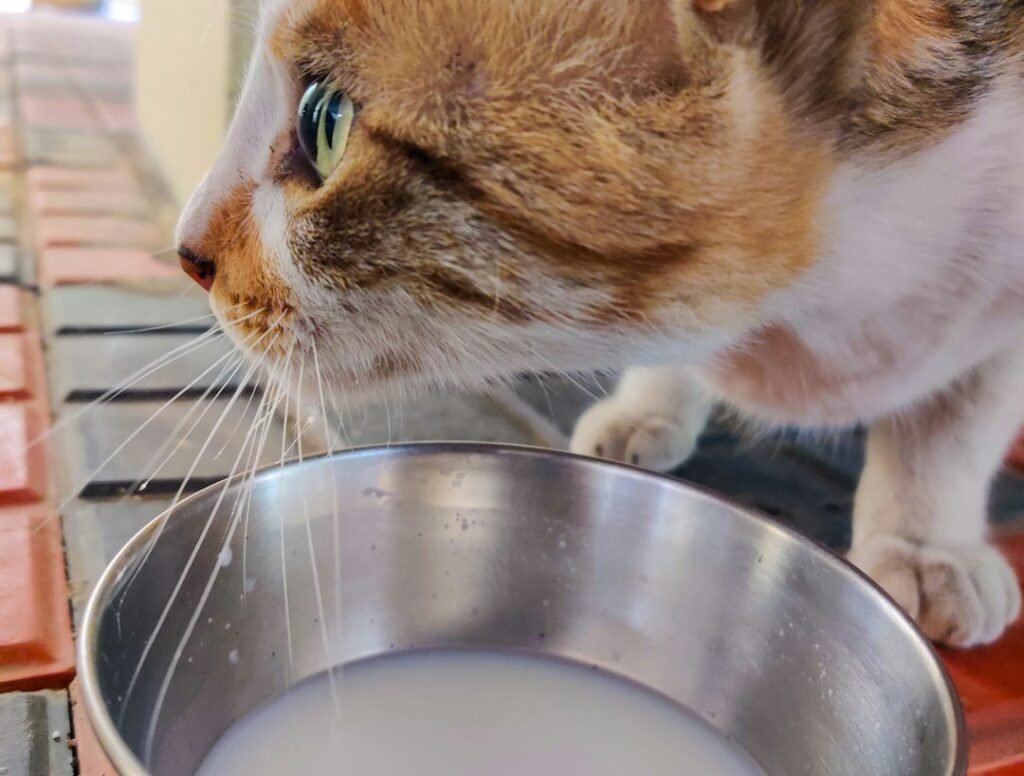
The added thickening agents, preservatives, salt, and flavoring in premade store-bought oat milk compound the issues cats may face from drinking too much, with excessive sugar intake potentially influencing diabetes, heart health problems, and weight gain. This is where you really need to pay attention to labels. Not all oat milk products are created equal.
It’s important to make sure the oat milk is plain and unsweetened, as flavored varieties often contain added sugars, preservatives, or artificial sweeteners, with some sweeteners like xylitol that can harm cats. Xylitol can cause vomiting, diarrhea, and other gastrointestinal issues in cats. Many oat milk brands are flavored with vanilla or chocolate, both of which your cat should avoid, and oat milk is often loaded with sugar, leading to obesity and dental problems.
How Much Is Too Much
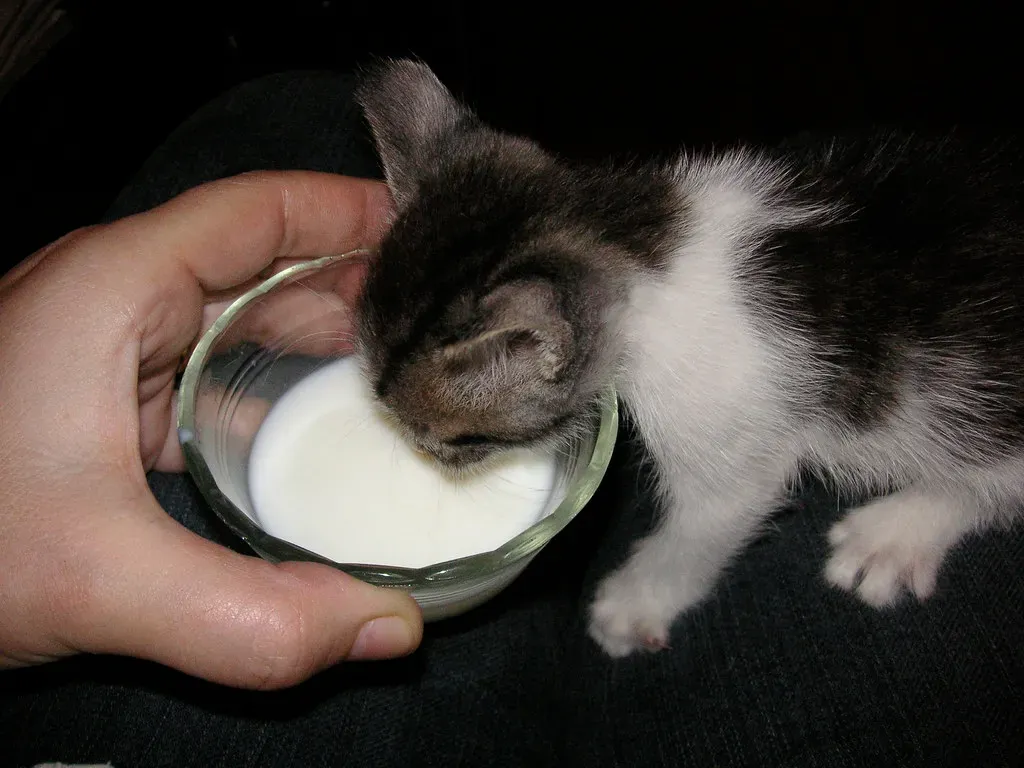
If you absolutely must offer oat milk to your cat, moderation is everything. A very small amount is more than enough, around a teaspoon or two, offered no more than once or twice a week. Think of it as an extremely occasional indulgence rather than any kind of regular treat. You can give your cat one to two tablespoons of unsweetened or homemade oat milk sparingly.
Oat milk can fulfill an adult cat’s entire daily carb intake without coming close to meeting their other dietary needs, so you should only give them a few laps once in a while. That’s actually quite startling when you think about it. A saucer of milk for your cat is equivalent to a 12-inch pizza for one person in terms of caloric impact on top of their regular diet.
What Your Cat Really Needs Instead
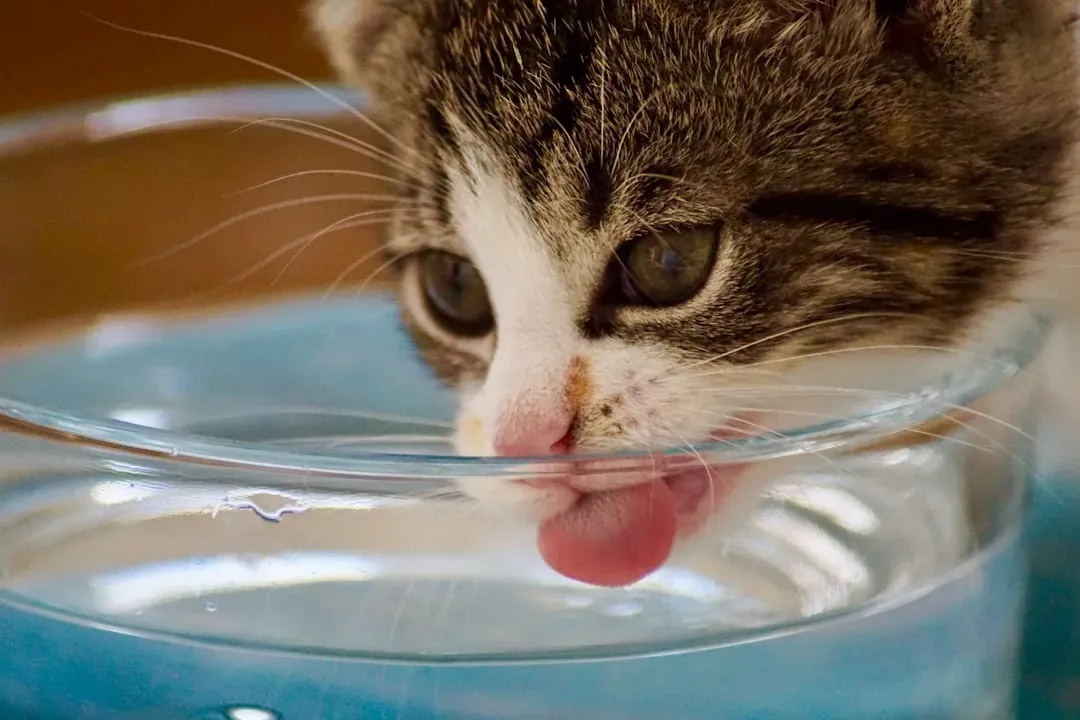
Water is the ultimate thirst-quencher for cats, nature’s perfect hydration solution free from unnecessary additives and perfectly suited to feline physiology, with cats needing constant access to fresh, clean water to maintain optimal health. I can’t emphasize this enough. Water is truly all your cat needs to drink. It’s far better to stick with fresh water as the only drink your cat has access to, keeping milk of any kind off the menu.
Specially formulated cat milk products are free of lactose and even contain taurine, an amino acid cats require, as well as other vitamins and minerals, though they should remain a treat and are far better choices than cow’s milk marketed for humans. If you really want to treat your cat with something milk-like, these products are designed specifically with feline needs in mind. They’re available at most pet stores and veterinary offices.
Making the Best Choice for Your Feline Friend
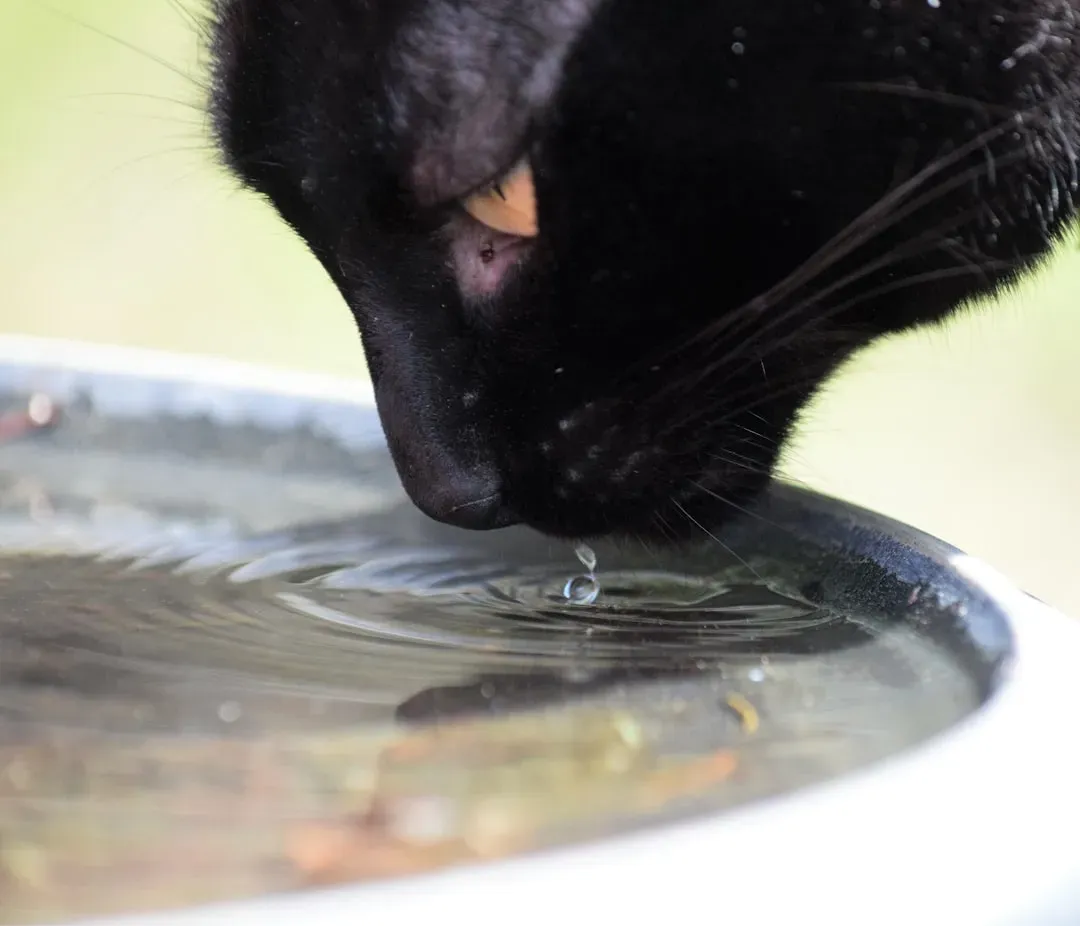
Cats don’t need milk in their diet, whether plant-based or dairy-based, and giving your cat milk shouldn’t replace their water intake, with clear, fresh water being the best source of hydration. Your caring attention to your cat’s dietary needs makes all the difference in their long-term health. Oat milk is inappropriate for your cat’s menu as it provides no nutritional benefit and may cause adverse effects, with water being the only drink your cat needs.
Creating a healthy environment for your cat means understanding their unique biological needs. Before adding oat milk to your cat’s diet, it’s crucial to consult your veterinarian, who is the best source of tailored advice for your feline friend’s specific health needs and can provide insights into potential risks and benefits. Your vet knows your cat’s individual health history and can offer personalized guidance. The small gesture of checking in with your veterinarian shows tremendous care for your pet’s wellbeing.
At the end of the day, that curious gaze your cat gives your oat milk latte doesn’t mean they actually need what’s in your cup. By keeping their water bowl filled with fresh, clean water and maintaining their balanced cat food diet, you’re already giving them everything they need to thrive. Your thoughtful approach to understanding feline nutrition demonstrates the kind of devoted care that keeps cats healthy and happy for years to come. What choices will you make today to support your cat’s best health?