You accidentally stepped on your cat’s tail. She let out a yowl that could wake the dead, darted under the sofa, and hasn’t come out since. Now you’re sitting on the floor, whispering apologies to a furry lump behind the couch, wondering: does she actually remember what just happened? More importantly, will she ever forgive you?
It’s one of those fascinating rabbit holes that cat owners tumble into eventually. The relationship between cats and memory is far richer, stranger, and more emotionally layered than most people expect. Cats are not simple creatures of impulse. Honestly, understanding how their minds hold onto experiences might just change the way you interact with your feline companion entirely. Let’s dive in.
The Science Behind How Your Cat’s Brain Stores Memories
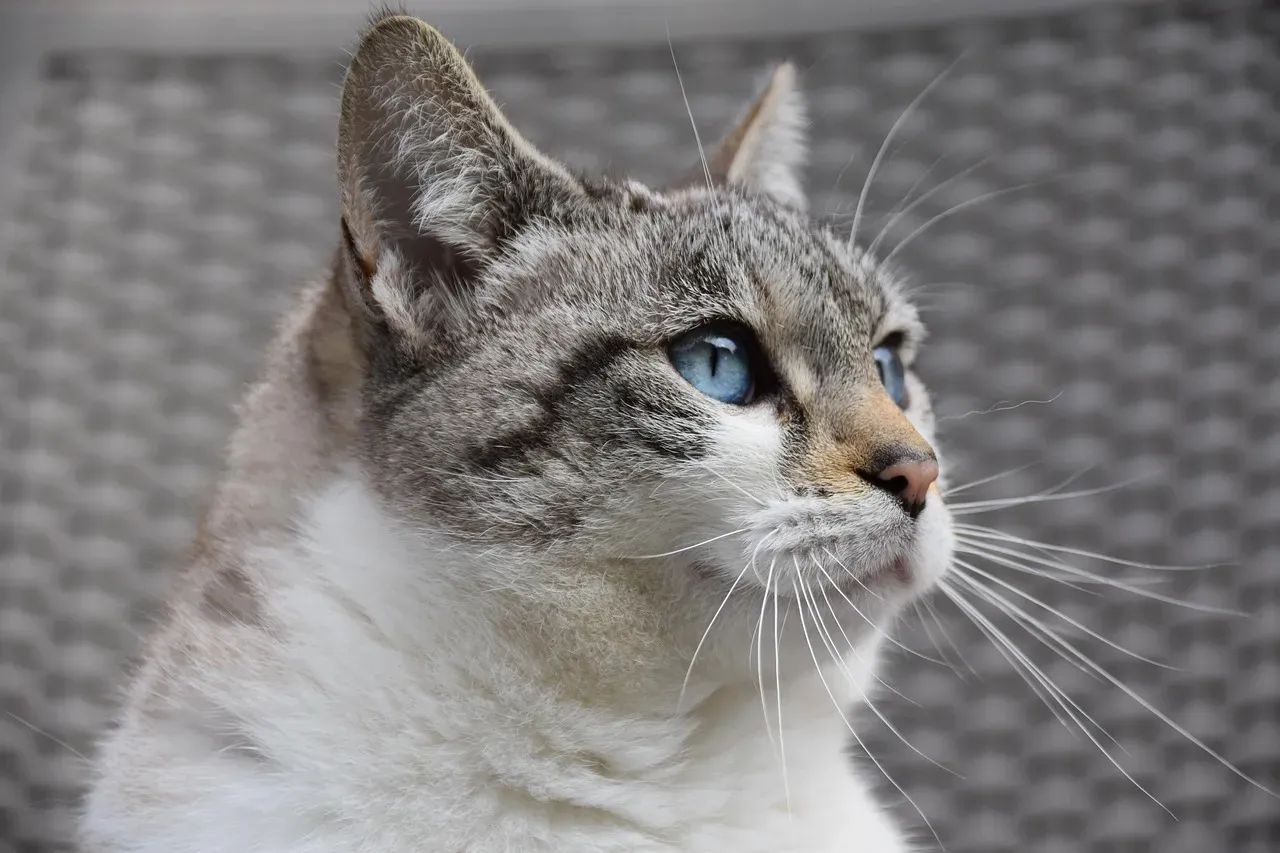
Memory in your cat originates from an area of the brain called the hippocampus, the same structure that plays a central role in human memory formation. This isn’t a coincidence. Studies indicate that cats have both long-term and short-term memory, like dogs and humans, and a cat’s memory may work very similarly, as they use past experiences to remember things.
A cat’s memory is linked to their survival skills and helps them to withstand and adapt to their environment. Think of it like a filing cabinet that evolution designed specifically for staying alive. Useful memories get filed front and center. Irrelevant ones? Tossed without hesitation.
Japanese psychologist Saho Takagi at Kyoto University stated that the ability of cats and dogs to remember single events from the past could mean that they possess human-like “episodic memory.” Researchers even made the exciting speculation that maybe cats, like humans, also enjoy the sensation of actively recalling past experiences. That idea genuinely blew my mind the first time I came across it.
Short-Term Memory: What Your Cat Remembers Right Now
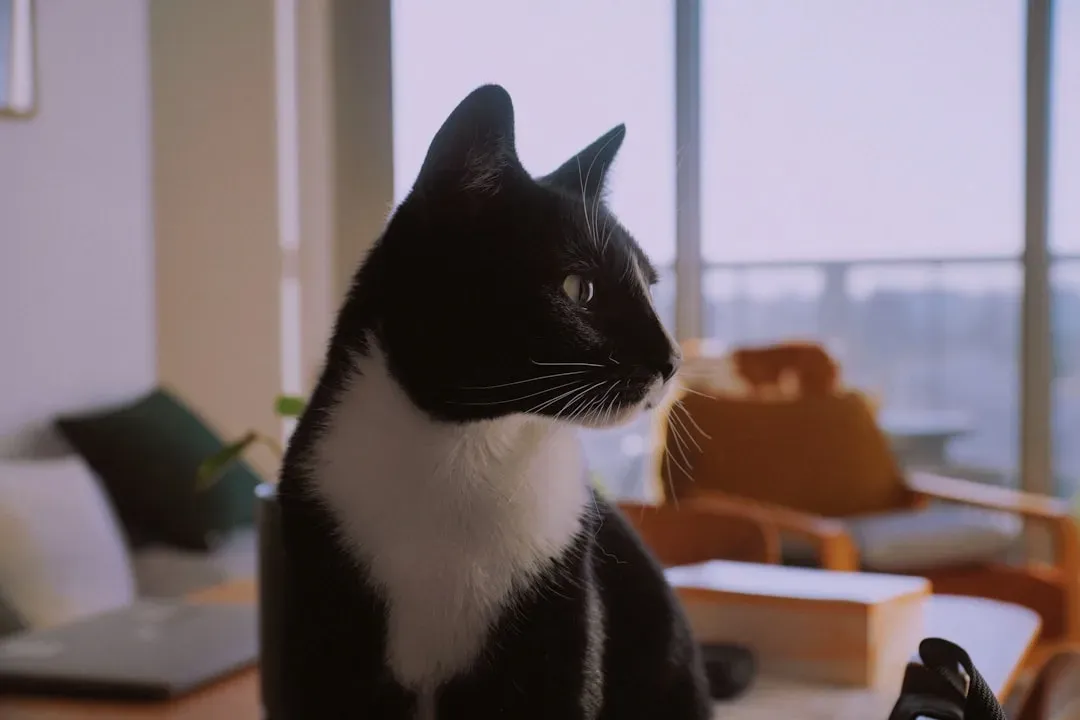
Cats have a short-term memory span of about 16 hours, meaning they can recall details about their environment, like where their toy rolled under the couch or which cupboard holds their food. It’s not a long window, but it’s enough to get them through their day with impressive efficiency.
Studies have shown that cats don’t appear to have the best short-term, or “working,” memory if food is not involved in the memory. Food changes everything for cats. Research shows that 50 cats could remember which bowl contained food even after the cats were removed from the area for 15 minutes. Basically, if it involves a meal, your cat’s short-term recall becomes surprisingly sharp.
Long-Term Memory: How Far Back Can Your Cat Actually Remember?
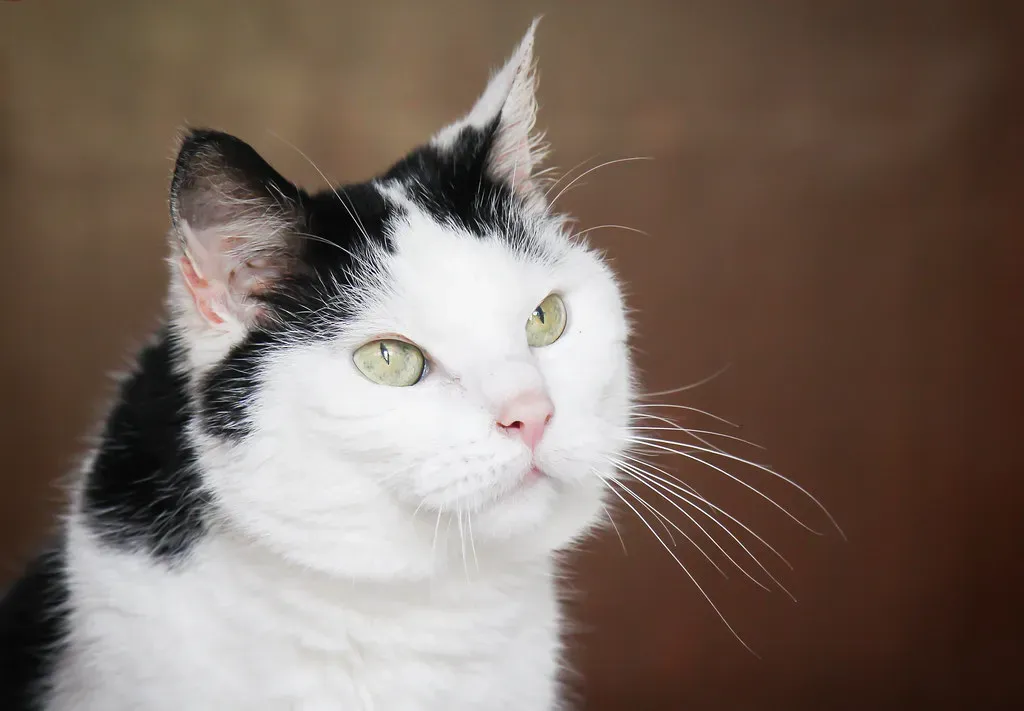
Here’s where things get genuinely surprising. Like most animal species, including humans, cats have a great ability to store memories, but their ability to do so decreases over time as they age. Although difficult to assess, it’s thought that cats hold on to memories for their lifetime, up to 15 to 20 years in some cases. That is a remarkable span.
Because of cats’ associative memory, long-term memory plays a vital role in a cat’s behavior. Cats associate certain things with positive or negative experiences in the past. Anecdotally, they may be able to store information for up to 10 years. Although cats have a lengthy long-term memory span, they are most likely selective with the information they store. In other words, they choose what’s worth keeping.
Associative Memory: How Your Cat Actually Categorizes You
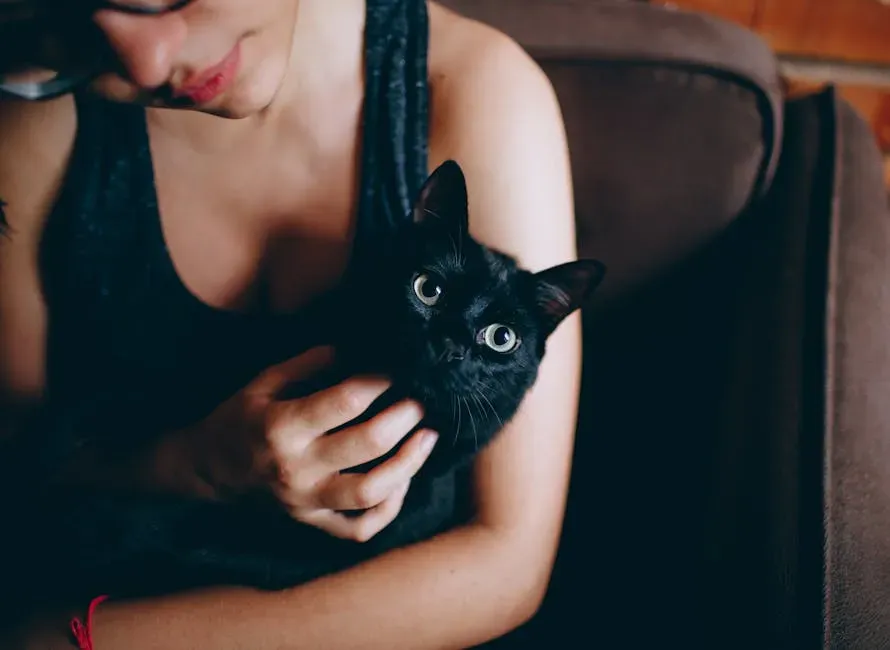
Cats don’t just live in the moment. They hold on to strong emotional memories for months or even years. Unlike humans, who recall events chronologically through episodic memory, cats rely more on associative memory, meaning they remember people, places, or experiences based on emotional connection. Think of it like a scent-tagged emotional database.
Cats associate the humans in their lives with positive or negative consequences they have experienced. Perhaps they remember one person’s face because the person provides them with food, and then another person’s face because of how often they provide pets and cuddles. As these are stored in their long-term memory, a person’s face can be stored and remembered for many years. You are, quite literally, a set of associations in your cat’s mind.
Do Cats Actually Hold Grudges? The Honest Answer
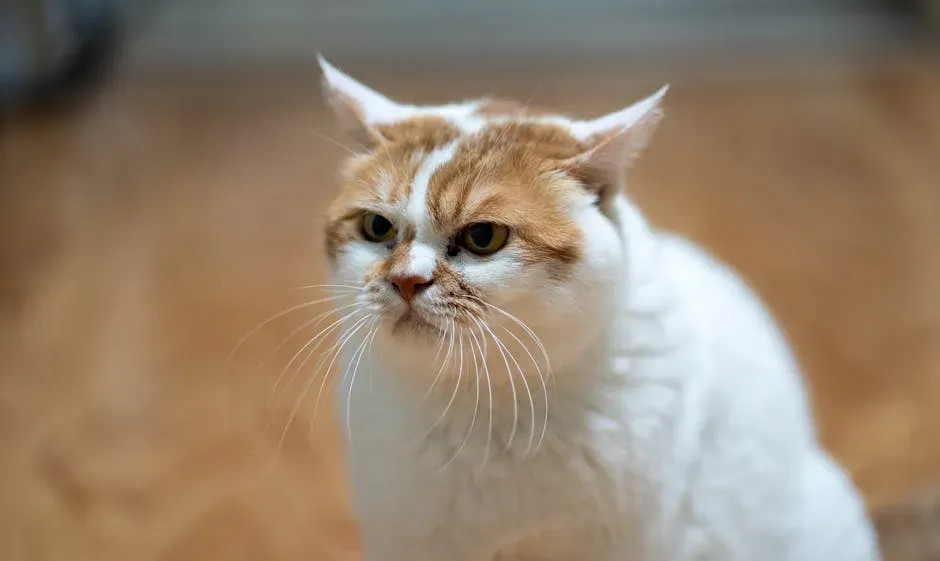
Let’s be real. You’ve probably looked at your cat glaring at you from across the room and thought, “She’s holding a grudge.” Cats may remember negative experiences, but they don’t hold grudges in the way humans do, with ongoing anger or resentment. Instead, they are responding to learned experiences and adjusting their behavior based on what they perceive as threats.
Cats are extremely forgiving, and if you accidentally step on their tail, they may become vocal and run and hide temporarily, but they are unlikely to hold it against you and will come back out when you call them. The bond that you have won’t be affected by an accident. However, repeated negative behavior is a different story entirely. While this might seem like holding a grudge, the cat probably doesn’t have any ill will. Instead, they see certain people as a threat to their safety, and cats put all threats to their safety in long-term memory for the preservation of life.
Trauma and Emotional Memory: When Cats Never Forget
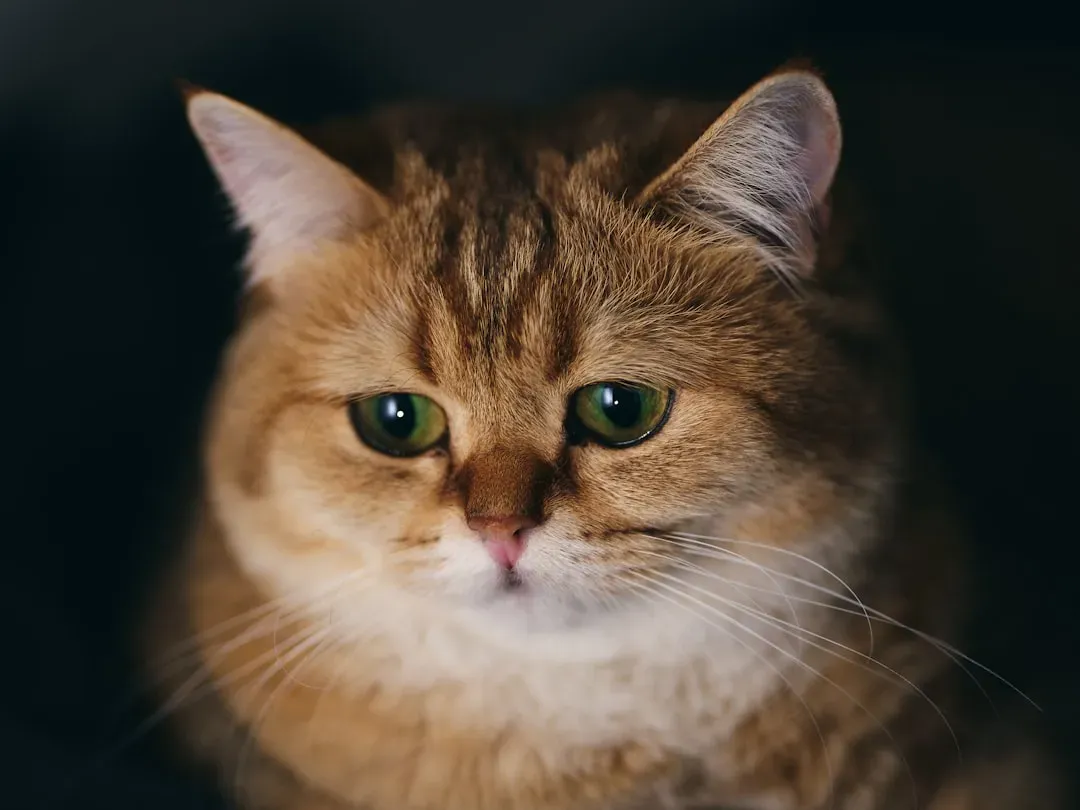
Rather than conscious recall, cats develop strong associative memories that connect certain stimuli, such as sounds, objects, or types of people, with feelings of fear or danger. These associations can last throughout their lifetime. This is why a rescue cat might flinch at a raised hand years after leaving an abusive home.
While some cats can experience distressing events leading to behavioral problems, they do not exhibit post-traumatic stress disorder in the same way humans do, as PTSD is a complex psychological disorder tied to human cognition and memory processing. However, cats may develop similar symptoms such as avoidance behavior or aggression following traumatic experiences. You can help your cat get past negative associations with desensitization training and counterconditioning techniques. Desensitization involves gradually exposing your cat to the object or event they are fearful of in a nonthreatening manner.
How Cats Recognize You After Time Apart
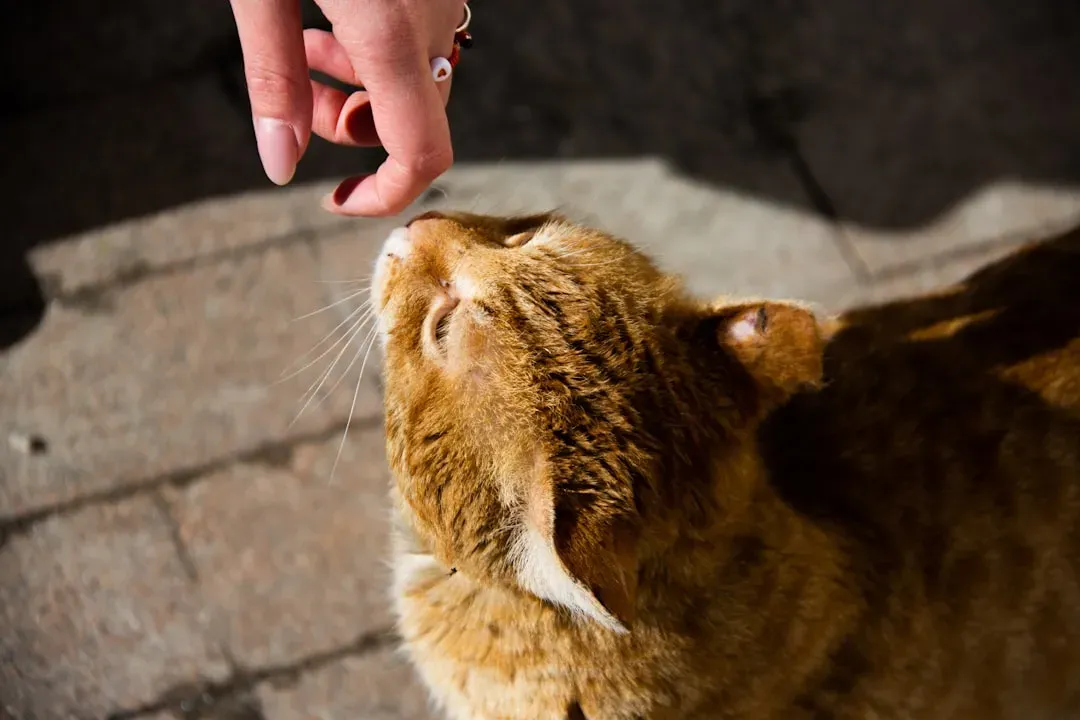
If you’ve ever come home after a long trip and wondered whether your cat even noticed you were gone, this section is for you. Cats recognize and remember their owners and other significant people primarily through scent and sound, rather than visual cues. They form lasting bonds with people who provide positive experiences, such as feeding, play, and affection, and can remember these individuals for years, even after long separations.
Cats pay close attention to your voice and behavior. They can learn the sound of your voice and the way you move, which helps them feel safe and familiar around you. Routine is another big part of how they remember. Regular activities like feeding times, play sessions, or bedtime rituals become strong memory cues. Your cat isn’t greeting you with theatrical excitement like a dog would. Still, that slow blink from across the room? That’s recognition.
Can Cats “Forgive” in Any Meaningful Way?
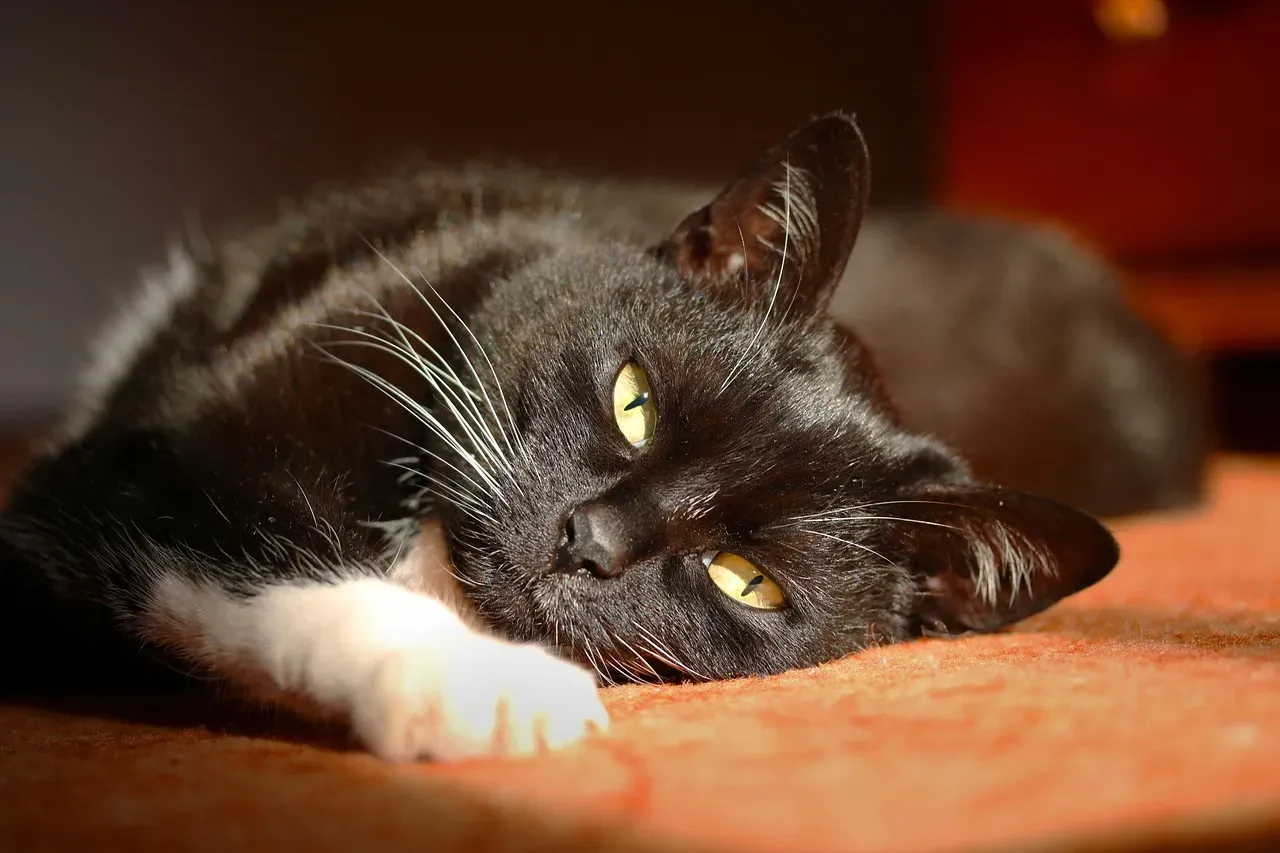
Research shows that cats can indeed “forgive” in their own way. While they don’t experience forgiveness as humans do, cats can return to normal behavioral patterns once they feel safe and secure again. It’s less an emotional release and more a practical reset. Think of it as their version of moving on.
This process is driven by their ability to form new positive associations that override previous negative experiences. Most cats will resume normal behavior within 24 to 48 hours after a minor negative experience, provided they feel safe and receive positive attention from their caregiver. However, more traumatic experiences may require longer recovery periods and more patience. The key takeaway here is that cats do remember negative experiences, especially those tied to fear or discomfort. However, these memories are often overridden by consistent positive interactions. If you regularly feed them, play with them, speak gently, and respect their space, they’ll continue to associate you with safety and comfort.
How to Rebuild Trust with Your Cat After a Negative Experience
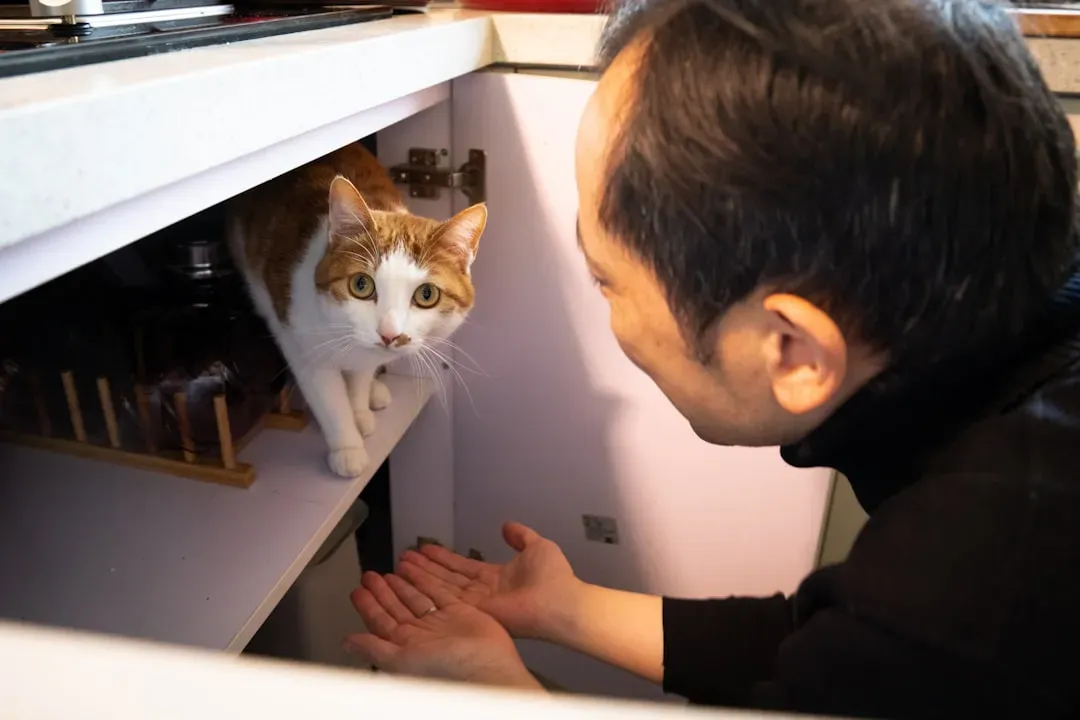
It’s much easier to build your cat’s trust from the get-go than to try to rebuild it after you’ve broken it. However, cats are often forgiving creatures and they don’t hold grudges. With time, you can improve or repair the relationship with your cat to one of comfort, ease, and predictability. That’s genuinely reassuring to know.
To allow your cat to associate you with positive things, you have to avoid punishing them when they engage in unwanted behaviors. Punishment will create a negative association with you and affect their anxiety levels, impacting their general well-being as well. Instead, never yell at or admonish your cat for not trusting you and not wanting to be petted. If you want to regain the cat’s trust, it’s best to use positive reinforcement. You can try offering the cat a treat whenever it lets you pet it or comes to you when you call. Patience, in this case, is quite literally the most powerful tool you have.
Conclusion
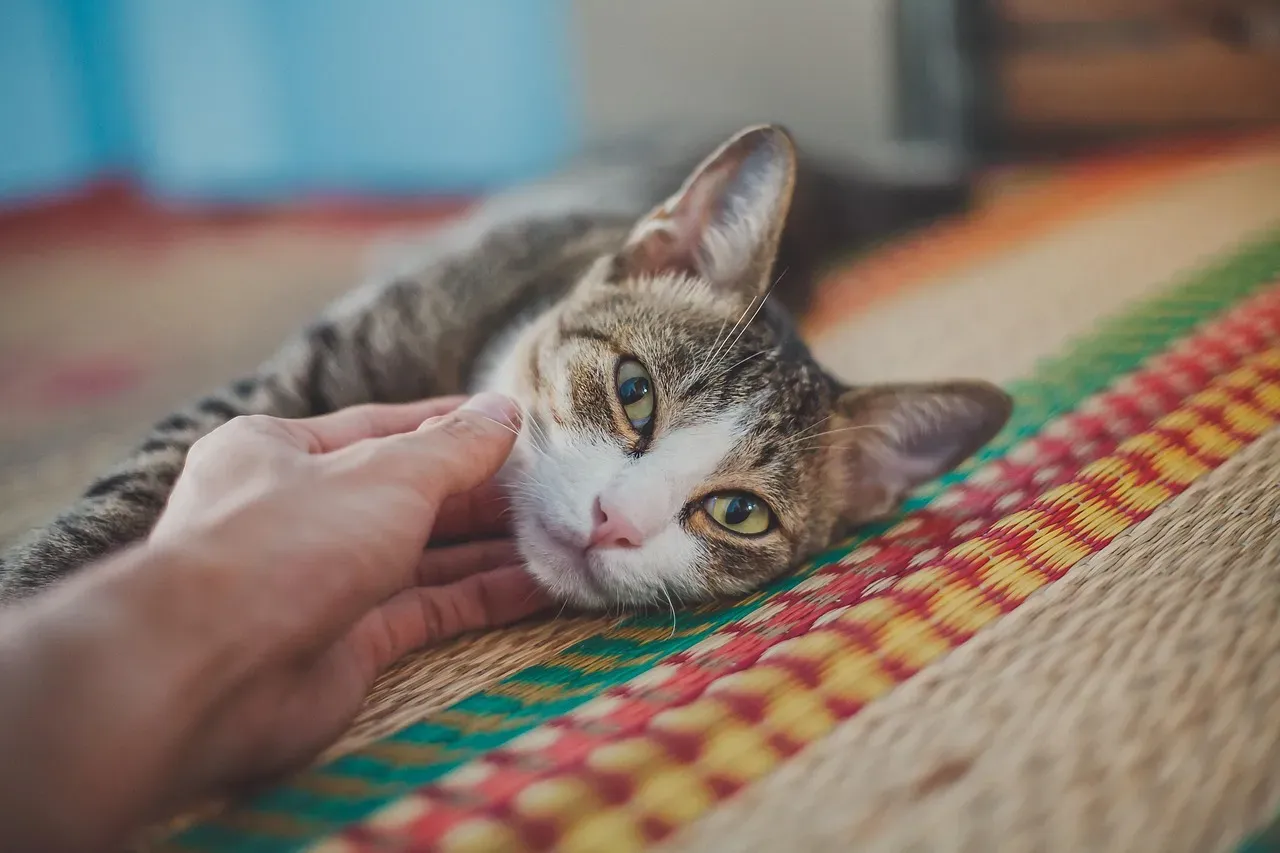
So can cats truly forgive and forget? Honestly, the answer is both simpler and more profound than a yes or no. Your cat doesn’t carry anger through the halls of their memory the way humans do. They don’t stew over grudges. What they carry are emotional imprints, associations between people and feelings, and those imprints can last years. The good news is that positive associations are just as sticky as negative ones, perhaps even more so.
You have the power to be a good memory in your cat’s emotional library. Every gentle interaction, every consistent routine, every treat offered on their terms is a deposit into that memory bank. While there isn’t an abundance of research about long-term cat memory, we do know that cats are more likely to remember things associated with strong emotions. The closer the bond you build with your cat, and the more positive the associated memories, the more likely they are to remember you for longer. That’s both a responsibility and a beautiful opportunity.
The next time your cat gives you the cold shoulder after a vet visit or an accidental tail-step, remember: she’s not plotting revenge. She’s just processing. Give her time, give her space, and let her come back to you on her own terms. She will. What does this make you think about the small moments you share with your cat every single day?