Have you ever wondered why some cats breeze through a move to a new home while others hide under the bed for weeks? Your feline friend’s ability to handle change isn’t just about personality. It runs deeper than that, woven into breed characteristics that have been shaped over centuries.
The truth is, not all cats view change the same way. While one might greet new visitors with curious confidence, another may retreat at the slightest shift in routine. Understanding these differences can transform how you support your cat through life’s inevitable transitions. Whether you’re planning a move, expecting a new family member, or simply curious about your cat’s behavior, knowing which breeds thrive on variety and which cling to routine can make all the difference.
The Science Behind Feline Adaptability
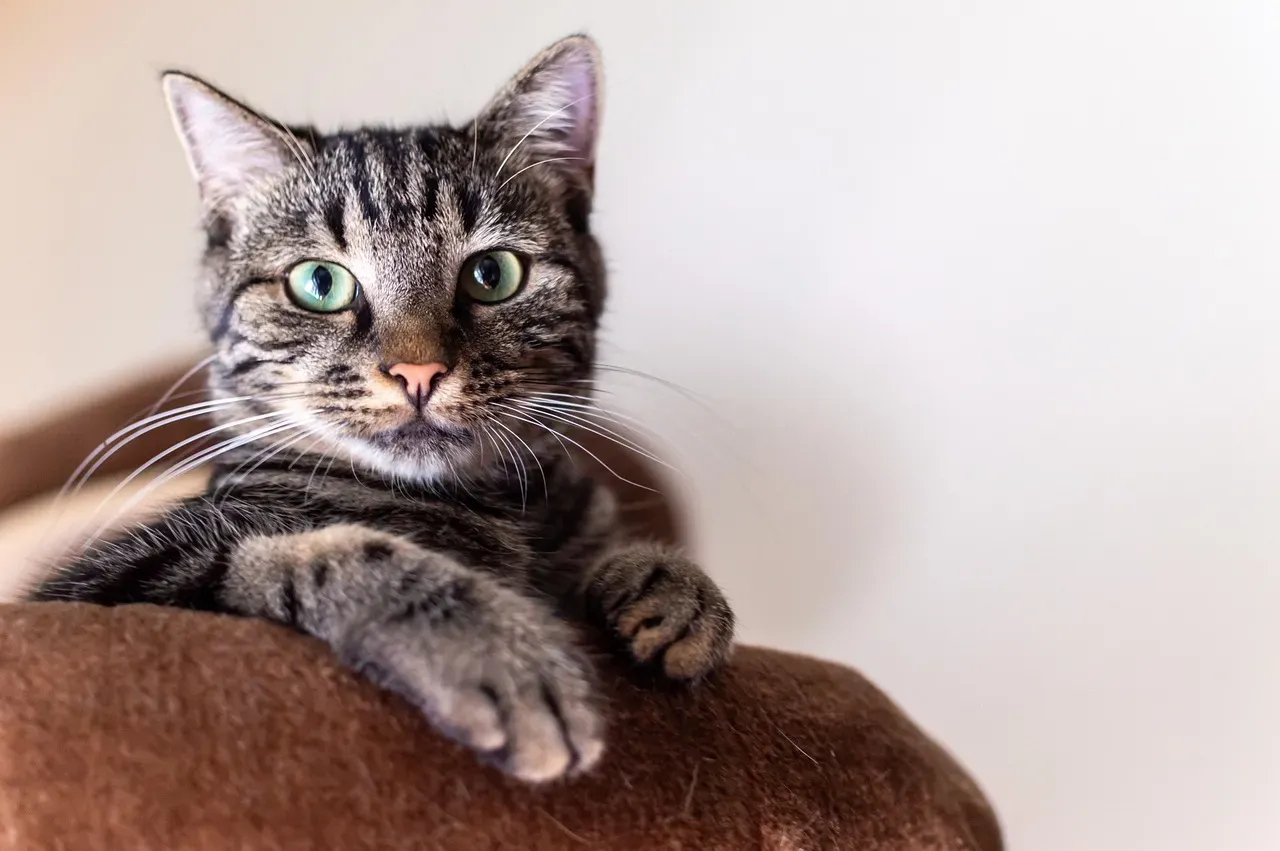
Cats are biologically hardwired differently when it comes to change, with only a small number of their genes altered through domestication. Cats are territorial by nature and creatures of habit who may feel anxious when their routines are disrupted. This evolutionary programming made perfect sense for their wild ancestors who needed to recognize threats quickly.
The stress response in individual cats depends not only on their environment but also on temperament, which includes stable behavioral differences across time and situations. Think of it as your cat’s genetic blueprint meeting their life experiences. Selective breeding has created different personality traits among cat breeds, including varying levels of fearfulness that affect how animals respond to change.
Maine Coon: The Gentle Giant Who Goes With the Flow
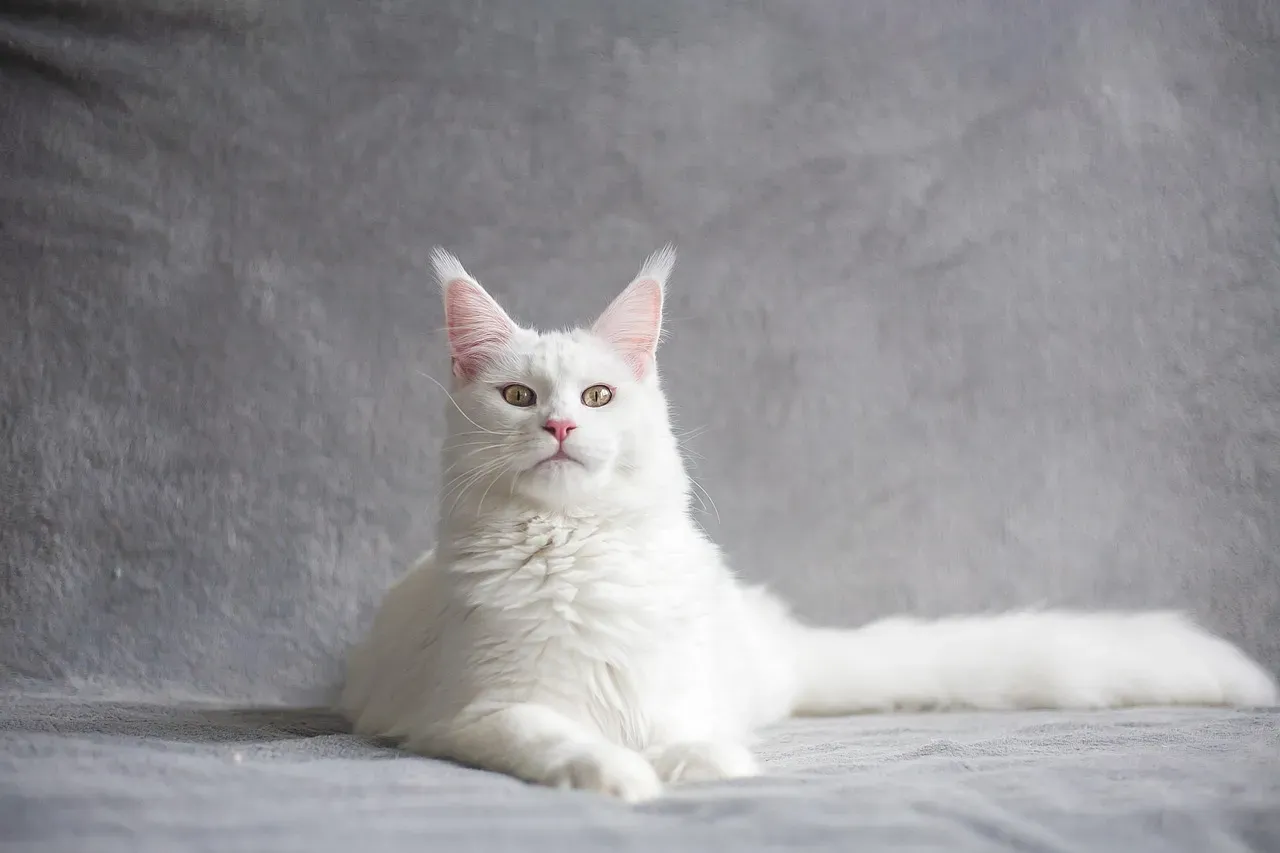
Maine Coons are among the largest domesticated breeds, known for tufted ears and a bushy tail, yet despite their size they are gentle and personable, with confident and curious behavior that helps them manage new spaces without fear. These cats don’t just tolerate change – they often seem genuinely interested in it.
Their adaptable nature helps them thrive in apartments as well as larger homes, and they rarely become overwhelmed when routines shift, often relying on human connections for reassurance. I think what makes Maine Coons truly special is their balanced approach to life. They have a remarkable ability to get along with people of any age and other household animals, adapting very well to changes. Their easygoing temperament makes transitions feel less stressful for everyone involved.
Ragdoll: The Floppy Companion Who Stays Calm
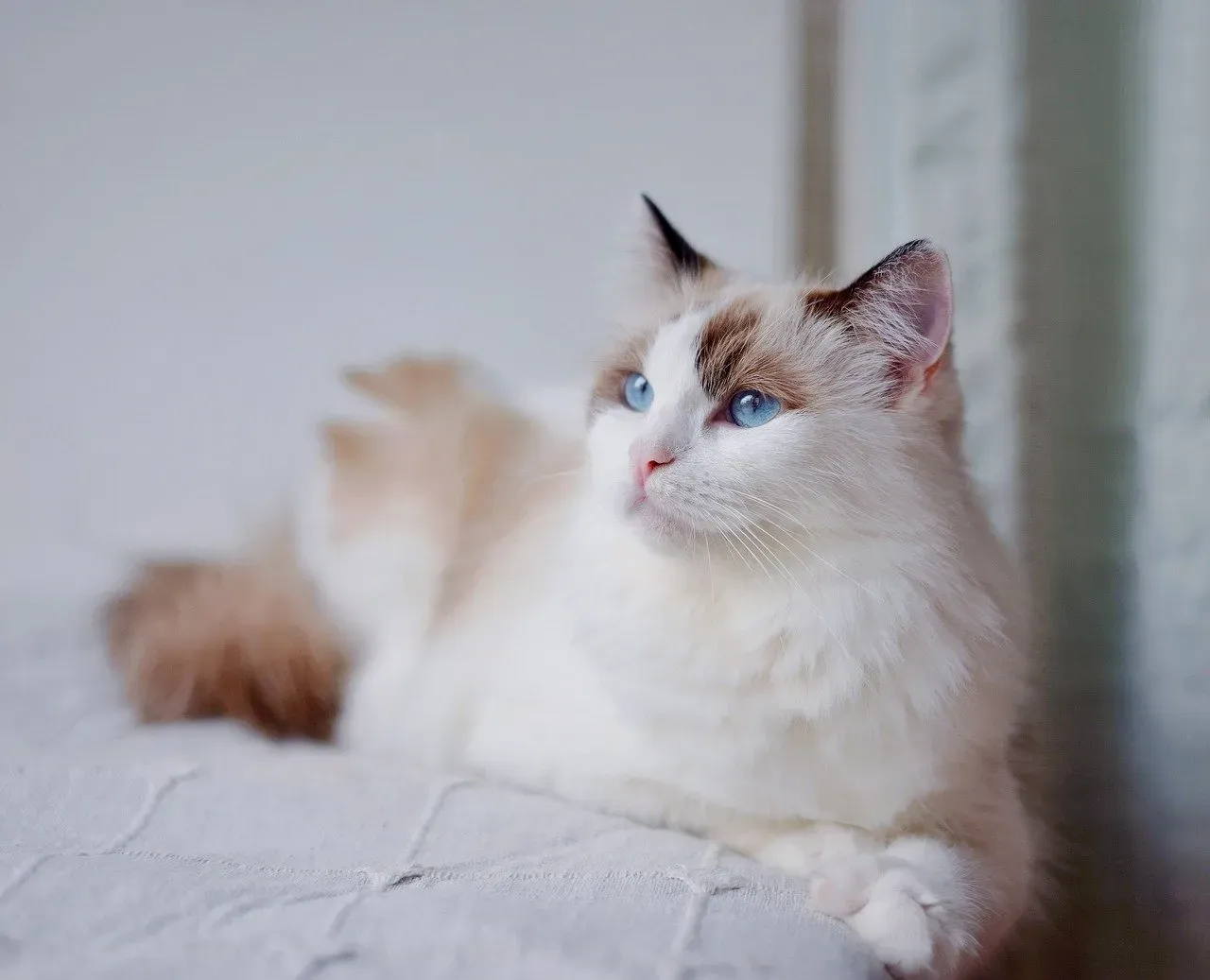
The Ragdoll is a large, gentle cat with a silky coat and striking blue eyes, known for its relaxed temperament and often enjoying being held and handled with a calm and affectionate demeanor. Their name comes from their tendency to go completely limp when picked up, like an actual ragdoll.
Here’s the thing: Ragdolls are gentle and calm, friendly without being demanding, usually totally cool sharing a house with other pets and kids, and they don’t stress much about routine changes or even being carried around. They tend to stay composed around new people or gentle pets and adapt smoothly to different social settings, with their easygoing behavior allowing them to navigate change with minimal stress. This breed truly embodies the concept of taking life as it comes.
American Shorthair: The Easygoing All-Rounder
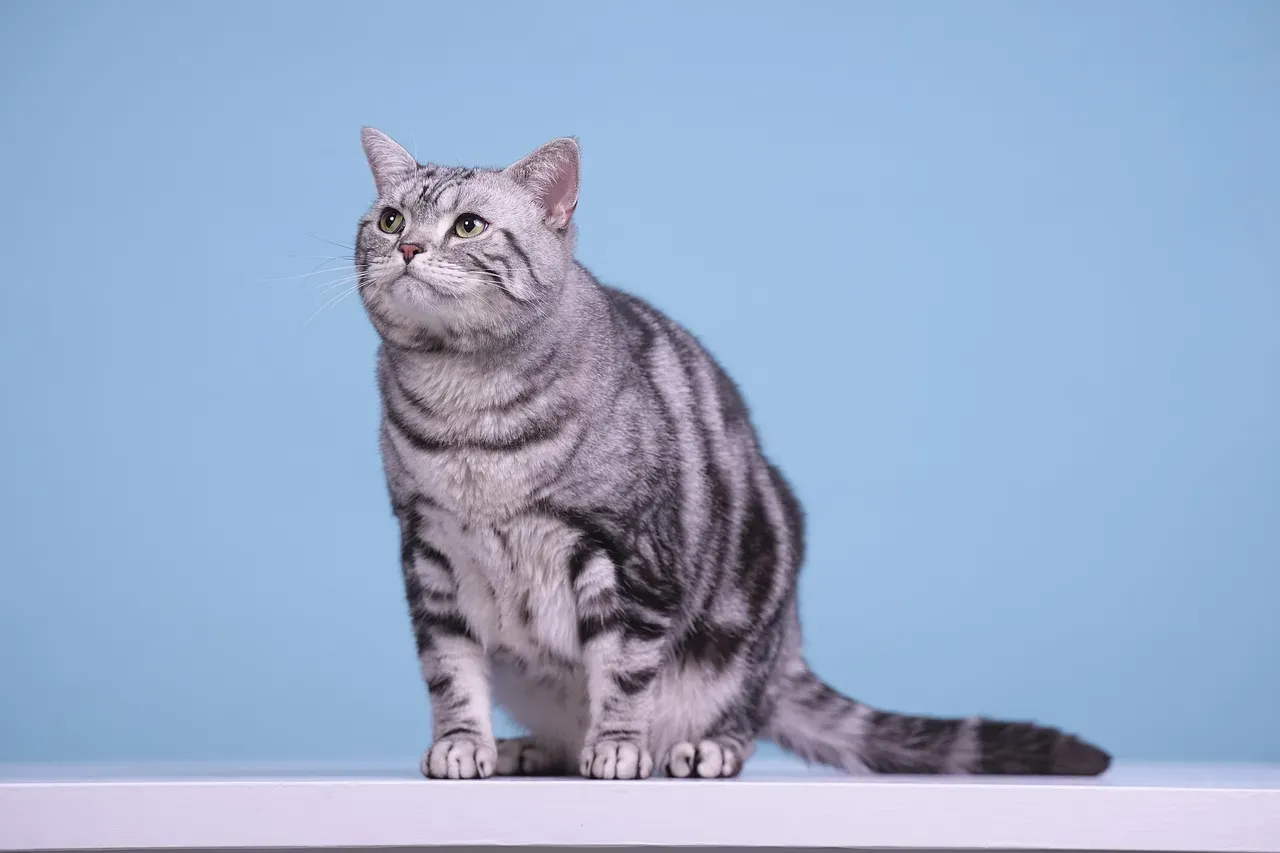
American Shorthairs are friendly, easygoing, and adaptable, making them perfect for apartment life, and they’re playful without being hyperactive. These cats represent the classic American work ethic transitioned to domestic life. This breed started out as barn cats that kept original American colonies clean and rat-free, eventually becoming well-respected house cats transitioning to a more relaxed lifestyle.
The American Shorthair has a sturdy, athletic build and a short, dense coat, and was valued for its strength and adaptability. Their adaptability isn’t flashy or dramatic. It’s steady, reliable, and deeply practical. They strike the perfect balance between calm and playful, and are a good-tempered and adaptable breed that will fit right in with families.
Siamese: The Vocal Adapter Who Needs Companionship
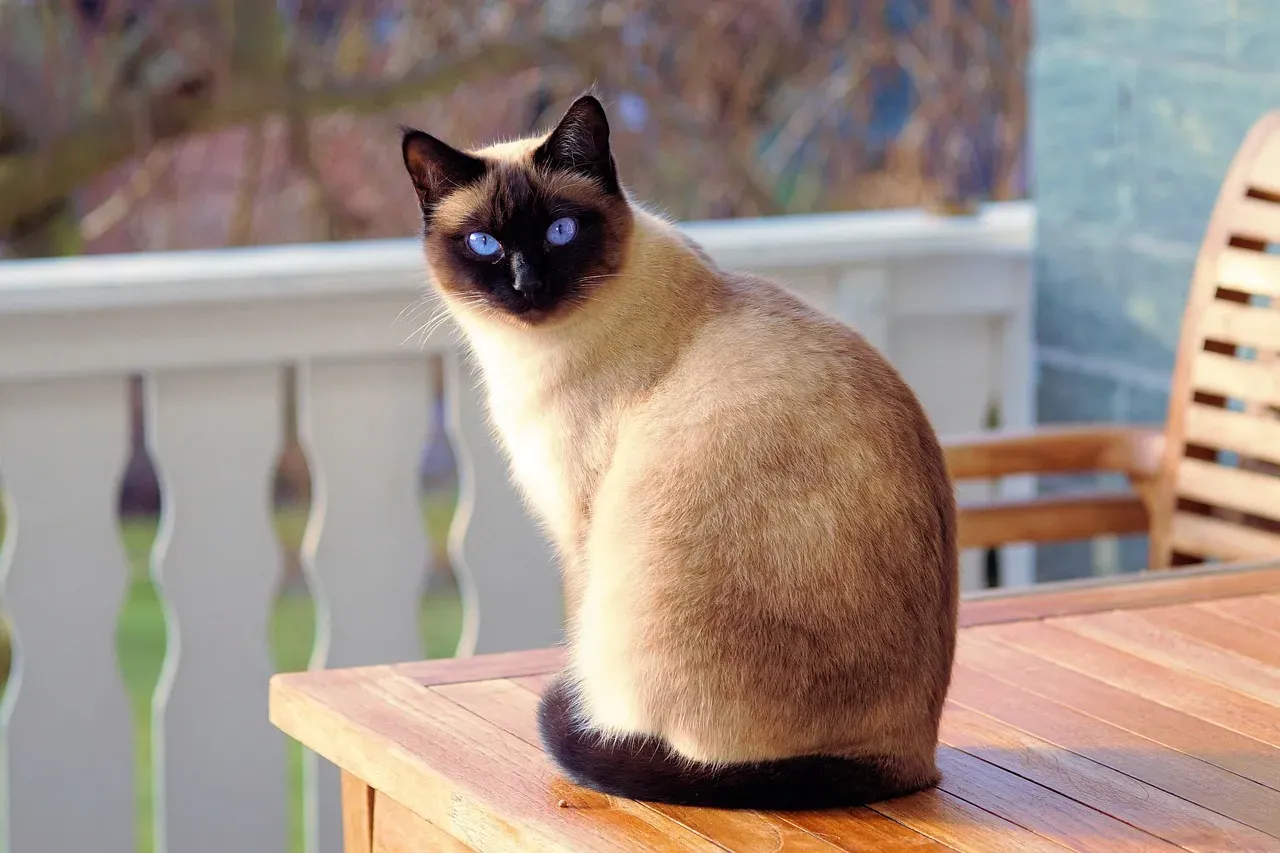
Siamese cats are expressive, alert, and deeply interested in their surroundings, noticing visitors immediately and often responding with curiosity rather than fear. Let’s be real: Siamese cats are not for everyone. They’re intense, demanding, and incredibly vocal about their needs.
Known for strong communication, Siamese cats may vocalize when guests arrive, like being involved and prefer watching interactions up close, with their confidence helping them remain comfortable during changes in routine. They form strong bonds with people and often accept visitors as part of the social circle, doing best when acknowledged rather than ignored. Their adaptability is directly tied to human interaction. Without it, they struggle significantly.
Abyssinian: The Active Observer Who Stays Engaged
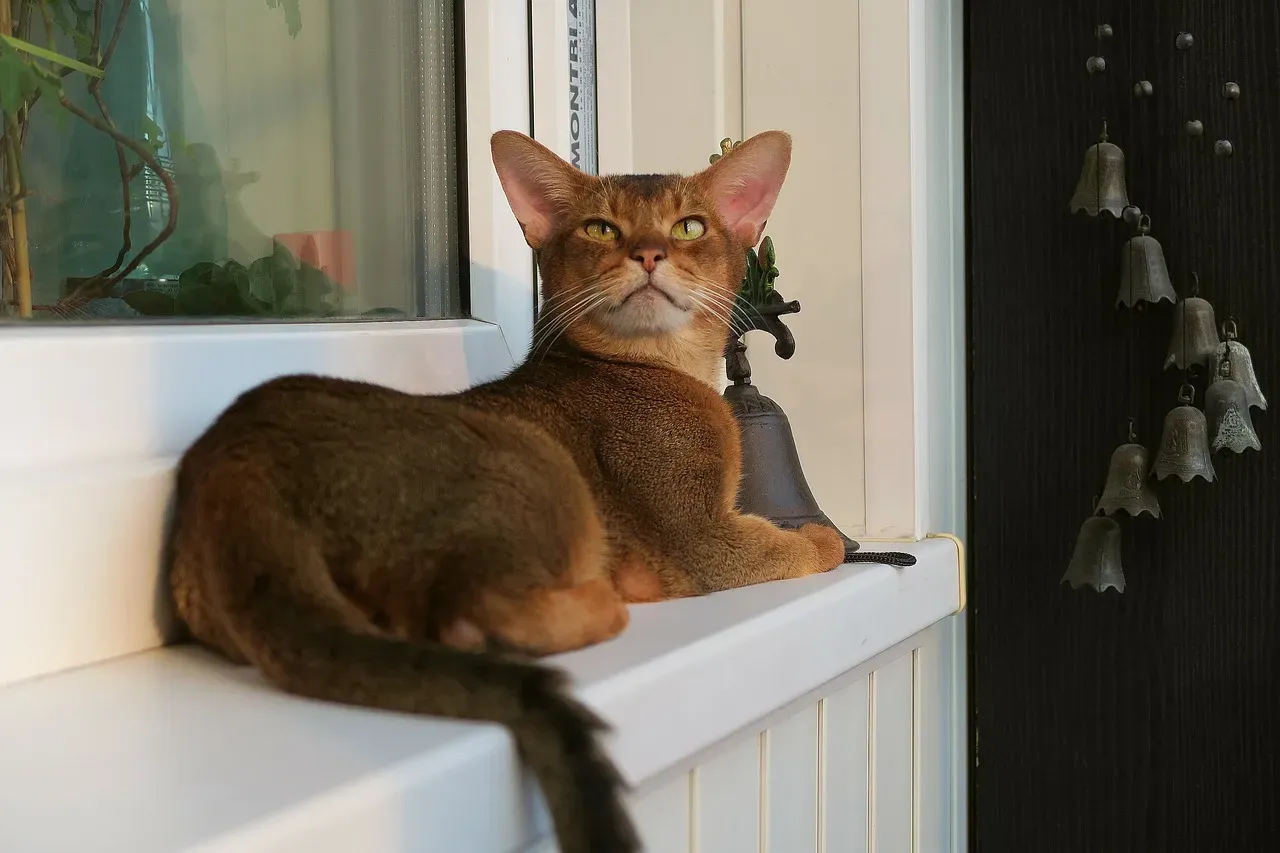
The Abyssinian is alert, curious, and always interested in what is happening around it, and rather than hiding when visitors arrive, this breed often watches from a nearby perch. These cats approach new situations with investigative energy rather than fear.
Social without being clingy, Abyssinians enjoy observing new people and may approach once comfortable, preferring engagement that feels natural and unforced, and because they adapt quickly, they recover easily after gatherings and routine changes. Research has found that the Abyssinian was one of the most active and playful breeds. Their mental engagement with their environment seems to buffer them against change-related stress.
Persian: The Routine-Loving Lap Cat
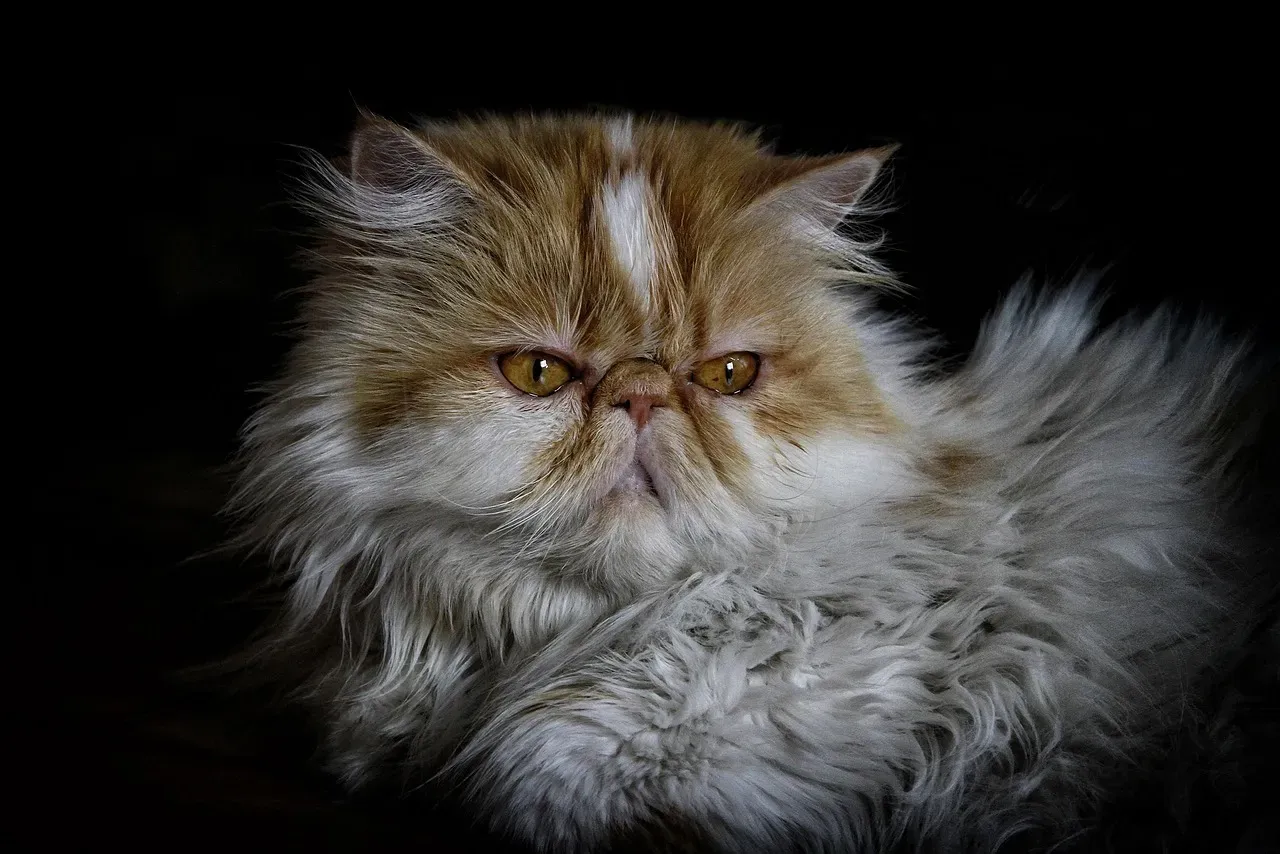
Persians require regular grooming and should remain indoors only, are typically quiet and rather aloof, dislike loud noises and enjoy lounging regally, with less activity than other breeds due to their shorter legs. Honestly, Persians embody the phrase “set in their ways.”
The long-haired Persian cat tends to prefer calm and quiet over constant play, loves routines and are generally well-behaved companions, enjoying spending time with you with most having a favorite nap spot. Persians were found to be among the least active breeds in research studies. Changes in environment or routine can genuinely distress these cats. They need predictability to feel secure and comfortable.
Russian Blue: The Cautious Beauty Who Needs Time
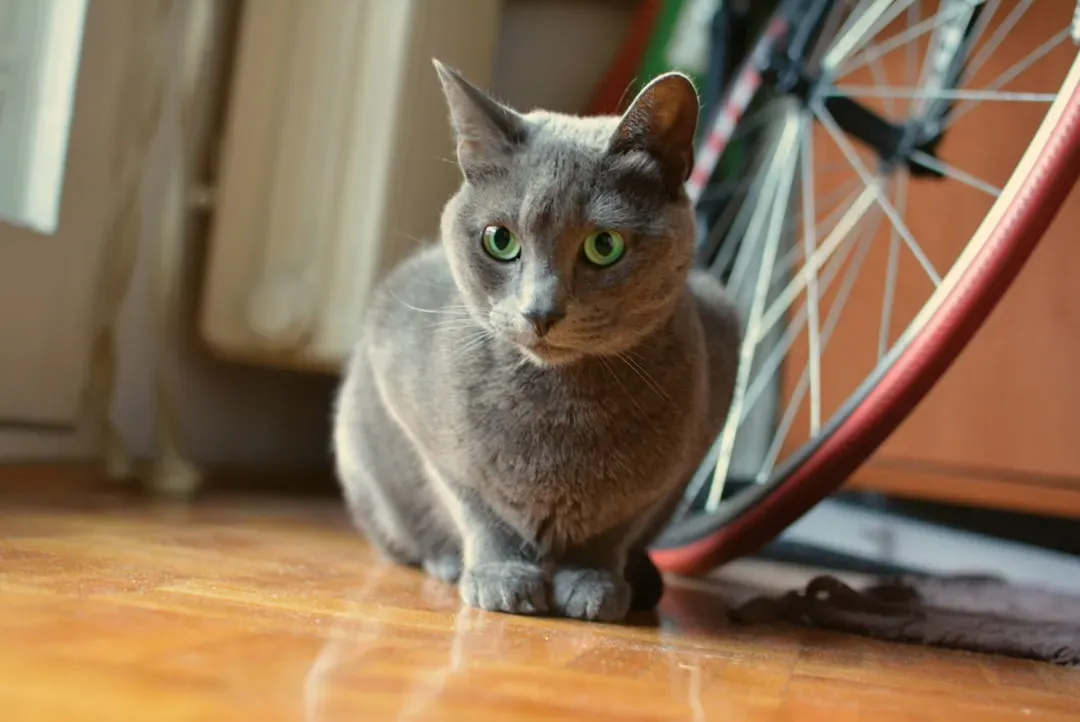
Research found the Russian Blue was the most fearful breed, and unsurprisingly, this feline is somewhat aloof with strangers, known to be friendly but only once trust has been gained. These cats are stunning but sensitive.
Russian Blues are playful and intelligent but relatively shy, known for their bluish-gray fur and bright green eyes, hating loud sounds like vacuum cleaners and are most often fairly quiet and reserved, however they enjoy playing with people they know and like and become very devoted. Their adaptability exists but requires patience and understanding. Rushing a Russian Blue through change will backfire completely. They need gradual introductions and consistent reassurance.
Scottish Fold: The Sweet Observer Who Prefers Stability

The Scottish Fold is a good cat for beginner pet parents because they are so laid-back and relaxed, easily adaptable and connect with the people around them, not having overly energetic personalities and instead enjoying cuddling up next to their families. Their adorable folded ears match their gentle, observant nature.
They prefer calm, predictable homes and can become stressed by loud noises or frequent changes, and because they are emotionally responsive, they thrive with consistent routines and gentle handling. Scottish Folds are known for their sweet, observant nature and strong attachment to familiar people, often preferring staying close to their owners and quietly following routines. While they can adapt, they do best when changes are introduced slowly and thoughtfully.
Burmese: The Velcro Cat Who Struggles Alone
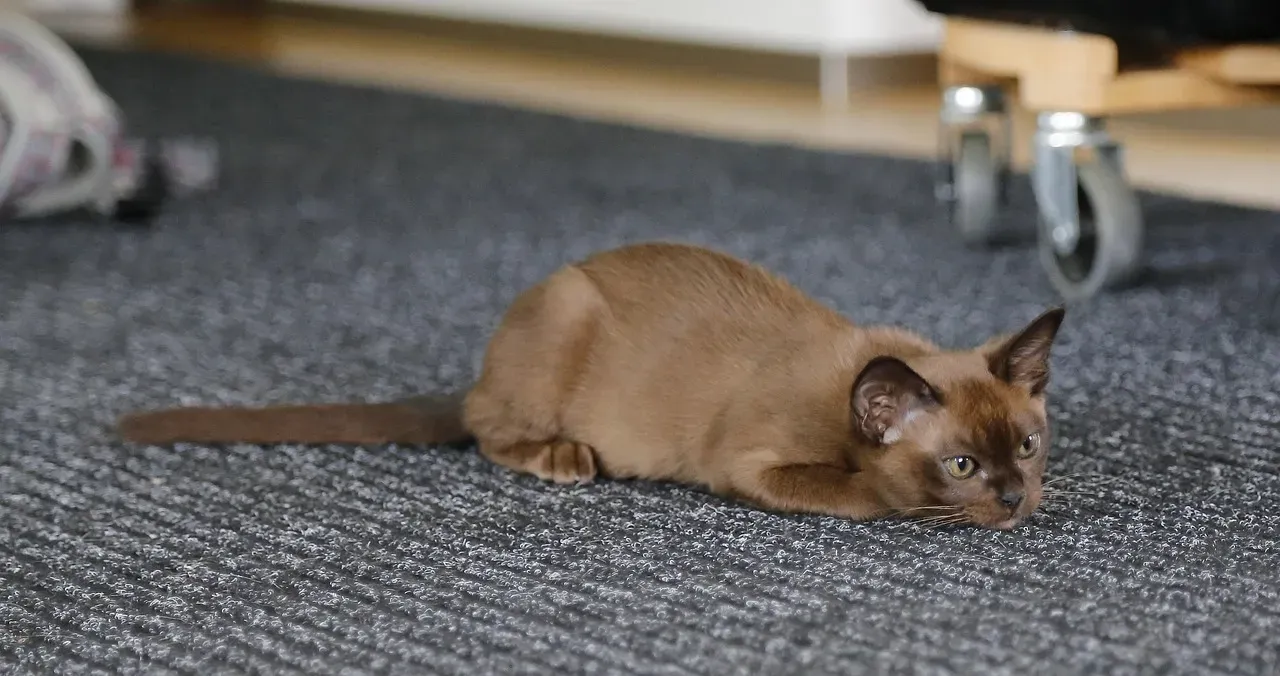
Burmese cats are highly affectionate and deeply bonded to their humans, often called velcro cats because they prefer to stay close at all times, and this emotional closeness makes them sensitive to changes in routine or long periods alone. These cats redefine the term “people-oriented.”
Without enough mental stimulation or attention, they may become restless or vocal, signaling emotional discomfort, and their sensitivity means they do best with owners who recognize stress signals early and provide reassurance and consistent affection. Siamese, Burmese, and Abyssinian cats are known for their intelligence and sensitivity to environmental changes. Burmese cats need stability not just in their physical environment but in their emotional connections. Disruptions to either can trigger significant stress responses.
Understanding Your Cat’s Individual Needs
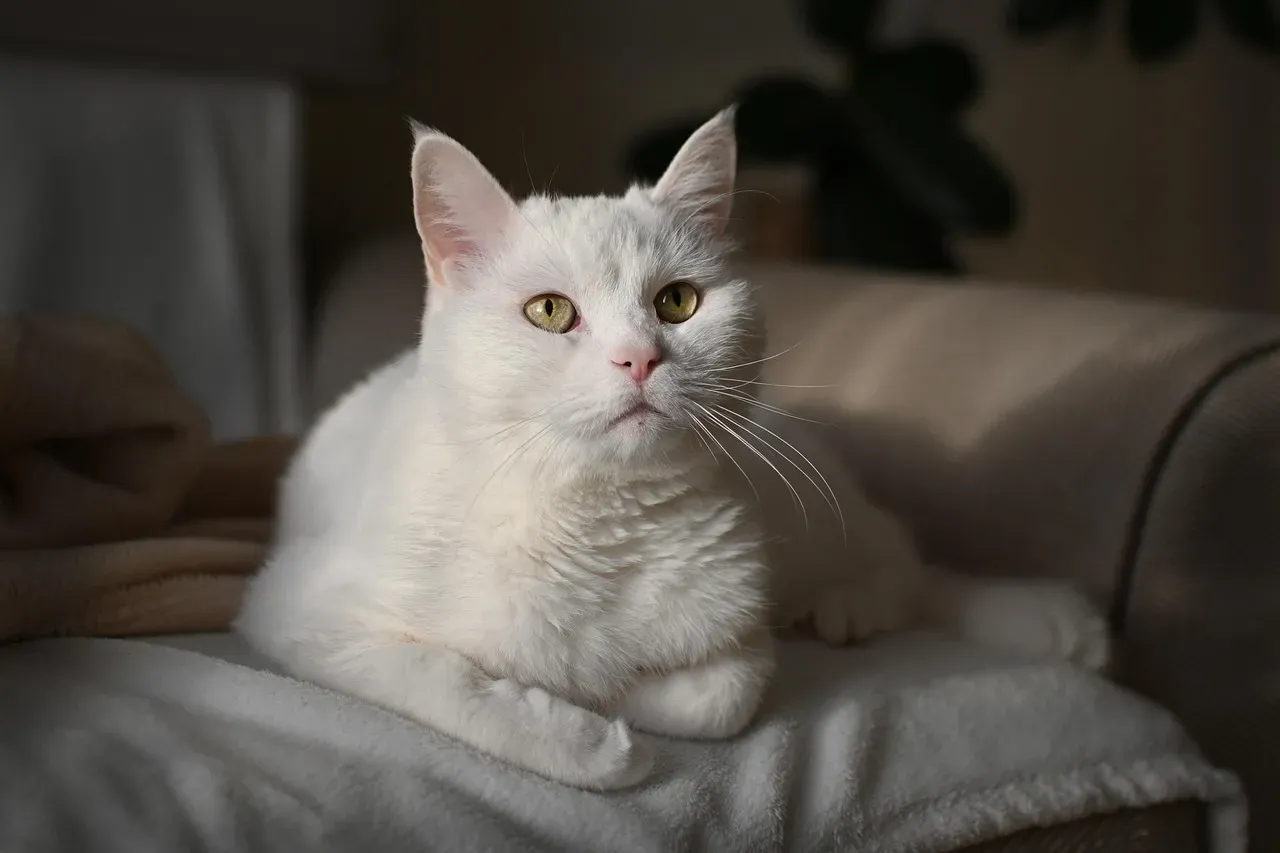
The 3:3:3 rule provides a framework for understanding how cats adjust to new homes, with cats needing 3 days for initial acclimatization, 3 weeks to settle into routines, and 3 months to feel fully at home. This timeline varies dramatically based on breed temperament and individual history.
Cats are biologically hardwired to do poorly when anything in their environment shifts, and a study showed how easily even healthy cats can get sick when they experience minor shifts in their daily routines. Like most animals, cats thrive on routine, and if something changes in their day-to-day life, they will likely experience stress from it. It’s hard to say for sure, but recognizing your specific cat’s breed tendencies gives you a massive advantage in supporting them through transitions. Some cats genuinely need weeks to adjust, while others bounce back within days.
Conclusion: Choosing the Right Match for Your Lifestyle
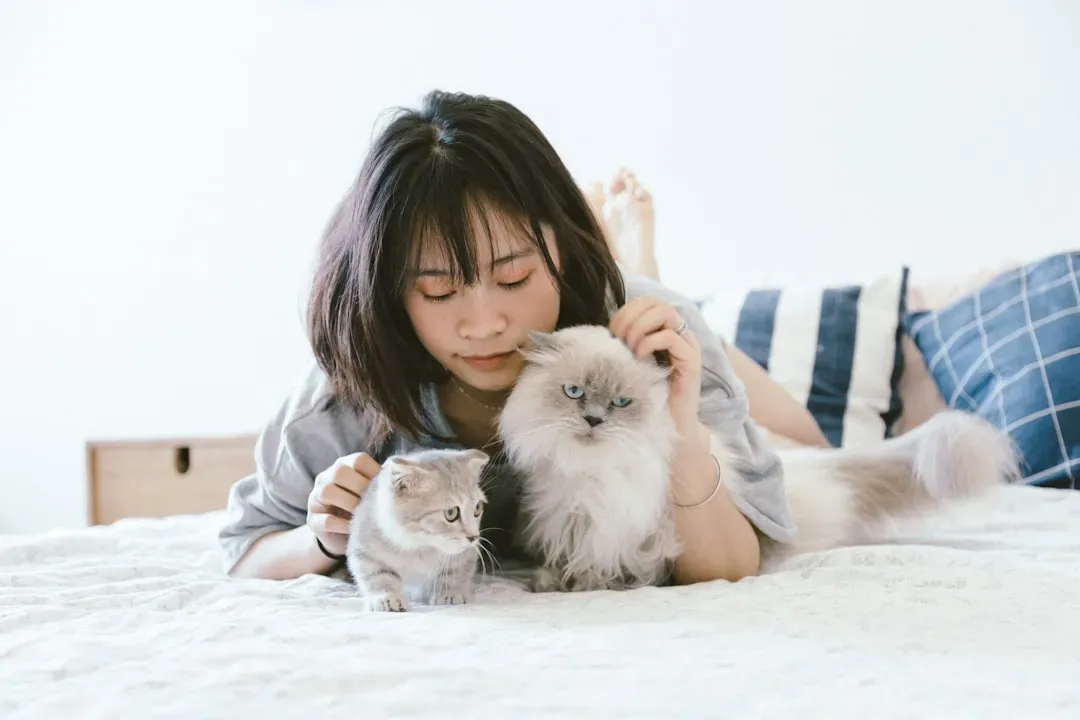
Your lifestyle should genuinely inform your breed choice. If you’re someone who moves frequently, travels often, or has a dynamic household with constant visitors, breeds like Maine Coons, Ragdolls, American Shorthairs, and Abyssinians will make your life significantly easier. They approach change with curiosity or calm acceptance rather than fear.
Conversely, if you value routine and can provide a stable, predictable environment, Persians, Russian Blues, Scottish Folds, and Burmese cats will thrive under your care. These breeds reward consistency with deep affection and contentment. Neither category is better – they’re simply different. The key lies in honest self-assessment about what you can realistically provide. What kind of environment does your lifestyle naturally create? That answer will point you toward your perfect feline match.