Have you ever watched your neighbor’s cat fearlessly investigate every visitor who arrives at their door while your own kitty disappears under the bed at the slightest sound? You might wonder what makes these feline personalities so dramatically different. The truth is, your cat’s temperament isn’t just shaped by experience or upbringing alone.
Breed plays a surprisingly significant role in determining whether your furry companion views the world as an exciting playground or a place filled with potential threats. Understanding these breed-specific personality traits can help you create a home environment that truly suits your feline friend’s nature. Let’s dive in and explore which cat breeds charge boldly into new experiences and which prefer to observe from a safe distance.
The Fearless Abyssinian: Born to Explore
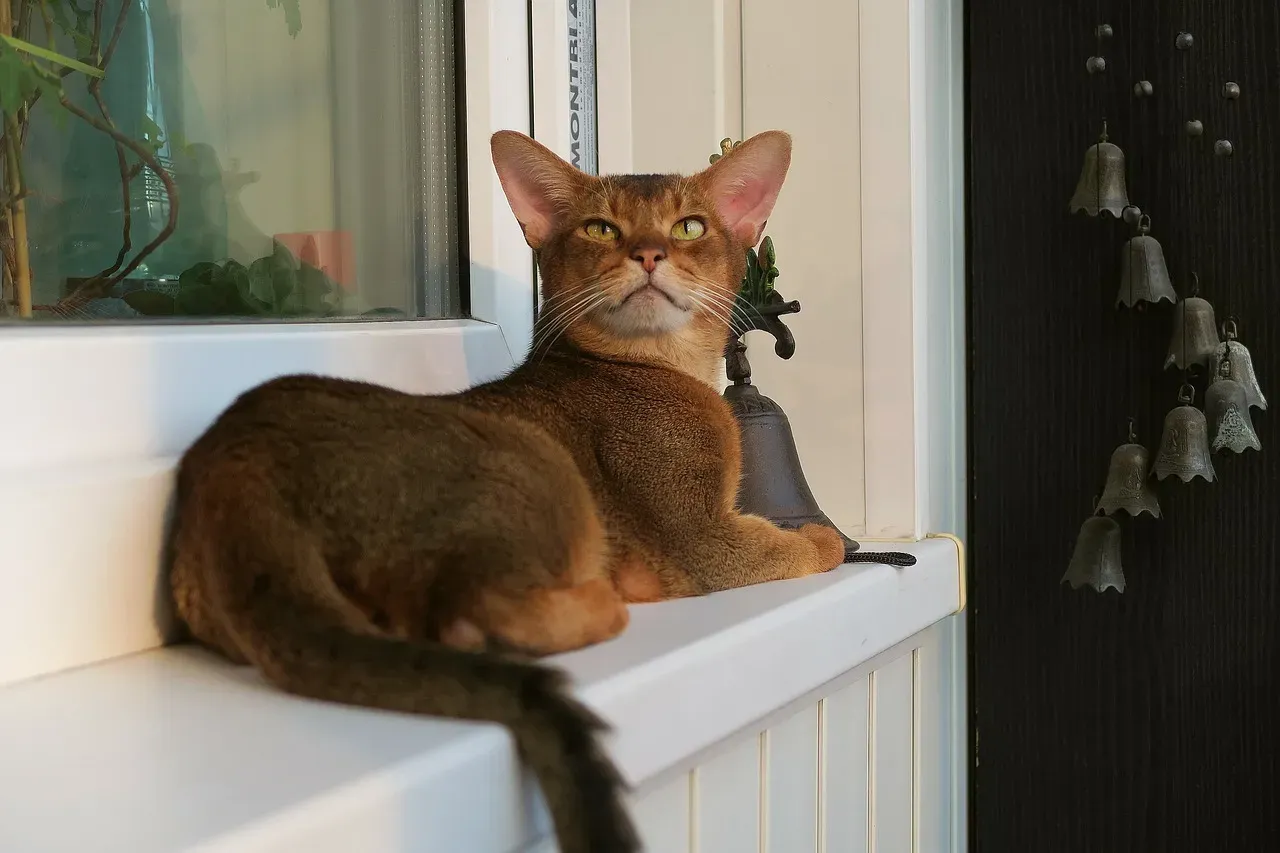
Research shows the Abyssinian ranks among the boldest cat breeds, and anyone who’s lived with one can attest to their adventurous spirit. These cats are known for their love of exploration and can even be trained to walk on a leash, with their fearless nature making them excellent companions for outdoor activities. They approach life with an almost reckless confidence that’s both entertaining and exhausting.
Abyssinians are known for their alertness, curiousness, and gracefulness, and they love performing for their owners. Their high energy means they’re constantly investigating every corner of your home, climbing to impossible heights, and generally acting like tiny acrobats. Honestly, keeping up with an Abyssinian requires dedication, but you’ll never have a dull moment.
Bengal Cats: Wild Hearts in Domestic Bodies

Bengals are curious and confident, enjoying exploring their surroundings and interacting with objects around the home. With their bold spotted or marbled coats and athletic bodies, this breed often looks ready for action even while resting. Living with a Bengal feels like having a perpetual motion machine in your house.
Bengals are curious, energetic and athletic, requiring plenty of stimulation both mentally and physically. They’ll figure out how to open cabinets, turn on faucets, and generally outsmart you at every turn. Here’s the thing: if you want a cat that lounges peacefully on the couch, a Bengal probably isn’t your best choice.
Maine Coon: Gentle Giants with Confident Souls
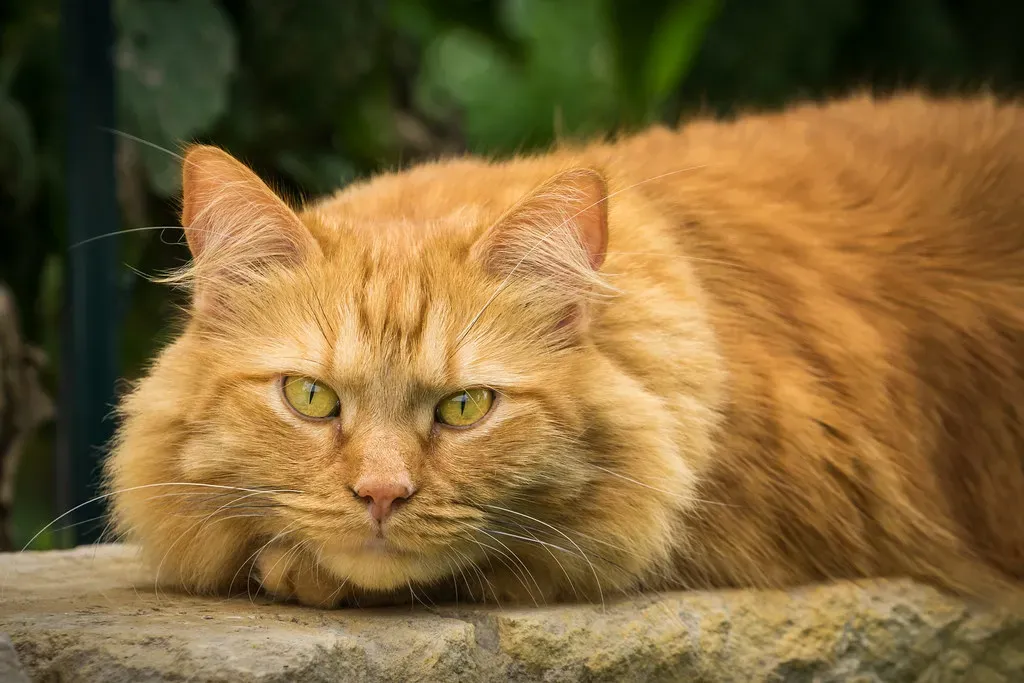
Despite its size, the Maine Coon moves with calm confidence and grace, with a relaxed and friendly personality. These massive cats don’t let their bulk slow them down when it comes to exploring their territory. Calm and very friendly, Maine Coon cats are good companions, and their curiosity will make them follow you everywhere you go.
What makes Maine Coons special is their combination of boldness and sociability. They’re not skittish about meeting new people or investigating unfamiliar situations. Their intelligence shines through in problem-solving scenarios, and they’ll patiently work out how to reach that high shelf or open that closed door.
Norwegian Forest Cats: Active Adventurers
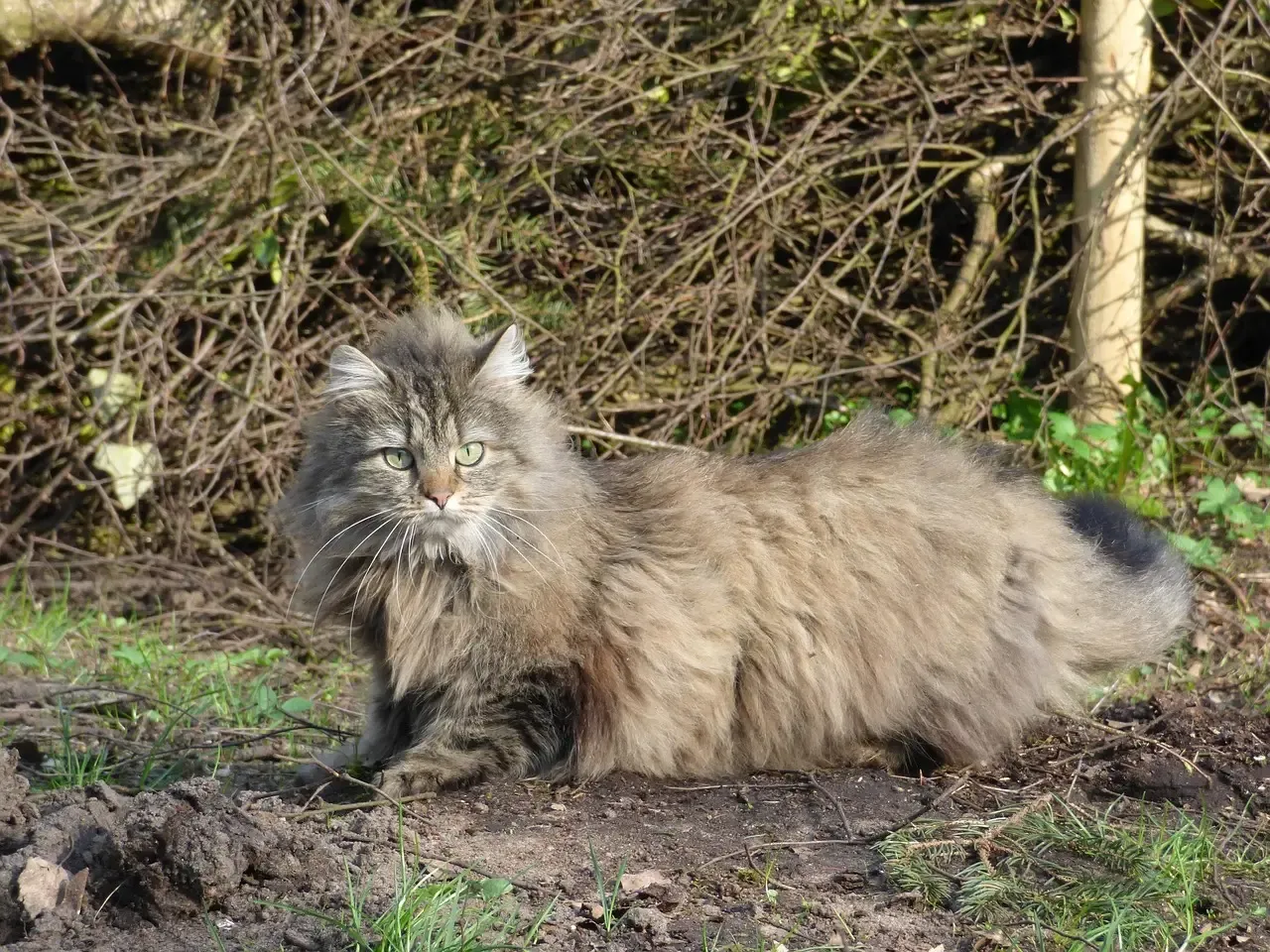
The Norwegian Forest Cat is an active breed that loves hunting and climbing. These cats inherited their bold nature from generations of surviving harsh Scandinavian winters, where timidity simply wasn’t an option. They possess an innate confidence that shows in how they navigate their environment.
Their large size and athletic build allow them to fearlessly leap great distances and scale impressive heights. Think of them as the mountaineers of the cat world, always seeking the next summit. They combine independence with sociability, making them adaptable explorers who still enjoy human companionship.
Siamese: Boldly Vocal and Socially Confident
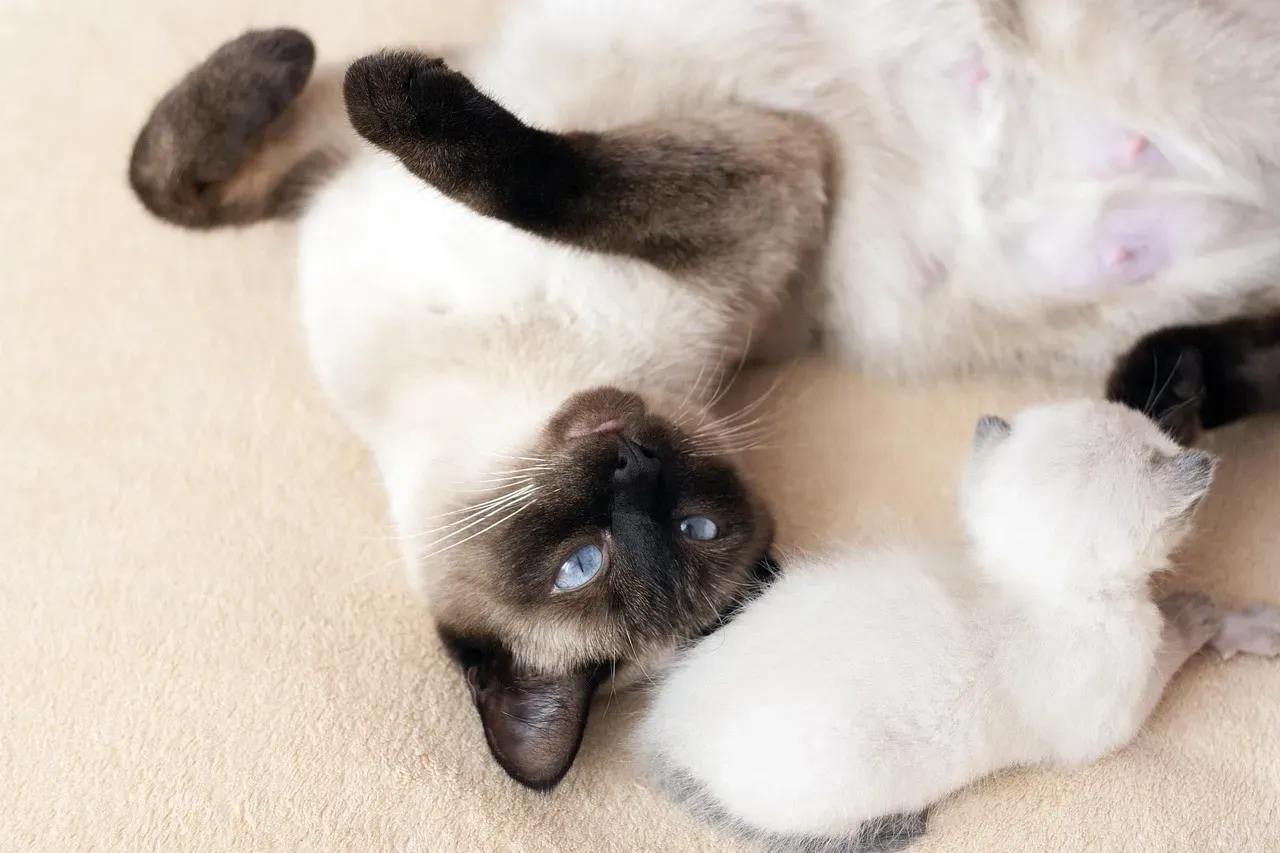
Siamese are clean, love to talk and are very loyal. These determined, vocal, active, affectionate cats don’t like being left alone. Their confidence manifests less in physical exploration and more in social fearlessness. A Siamese cat will announce their presence, demand your attention, and never hesitate to express their opinions.
They approach strangers with curiosity rather than caution, often greeting guests before the host does. Their assertive personality means they’ll investigate new situations head-on, though they prefer having their trusted human nearby for moral support. Let’s be real: Siamese cats know they’re fabulous and aren’t afraid to show it.
Russian Blue: The Poster Child for Caution
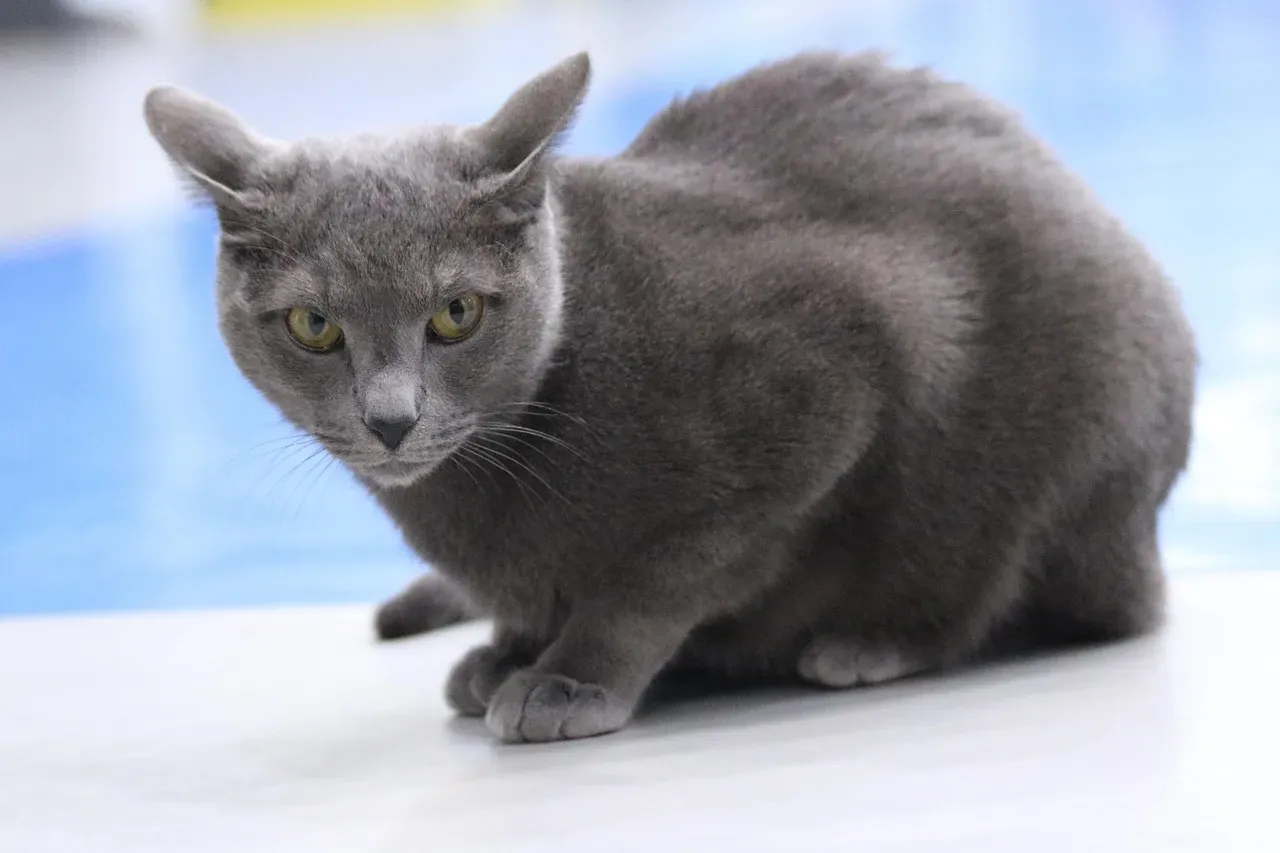
Research identifies Russian Blue as among the most fearful breeds. These cats have stunning gray fur and bright green eyes, but they can be quite shy and skittish around strangers, often preferring to hide or avoid interaction with unfamiliar individuals. This doesn’t mean they’re unfriendly; they simply need time to assess situations before committing.
Russian Blue cats are relatively shy and are usually fairly quiet and reserved. With their families, however, they transform into affectionate companions. Their cautious nature makes them excellent judges of character, and earning a Russian Blue’s trust feels like a genuine accomplishment.
Persian Cats: Cautiously Dignified
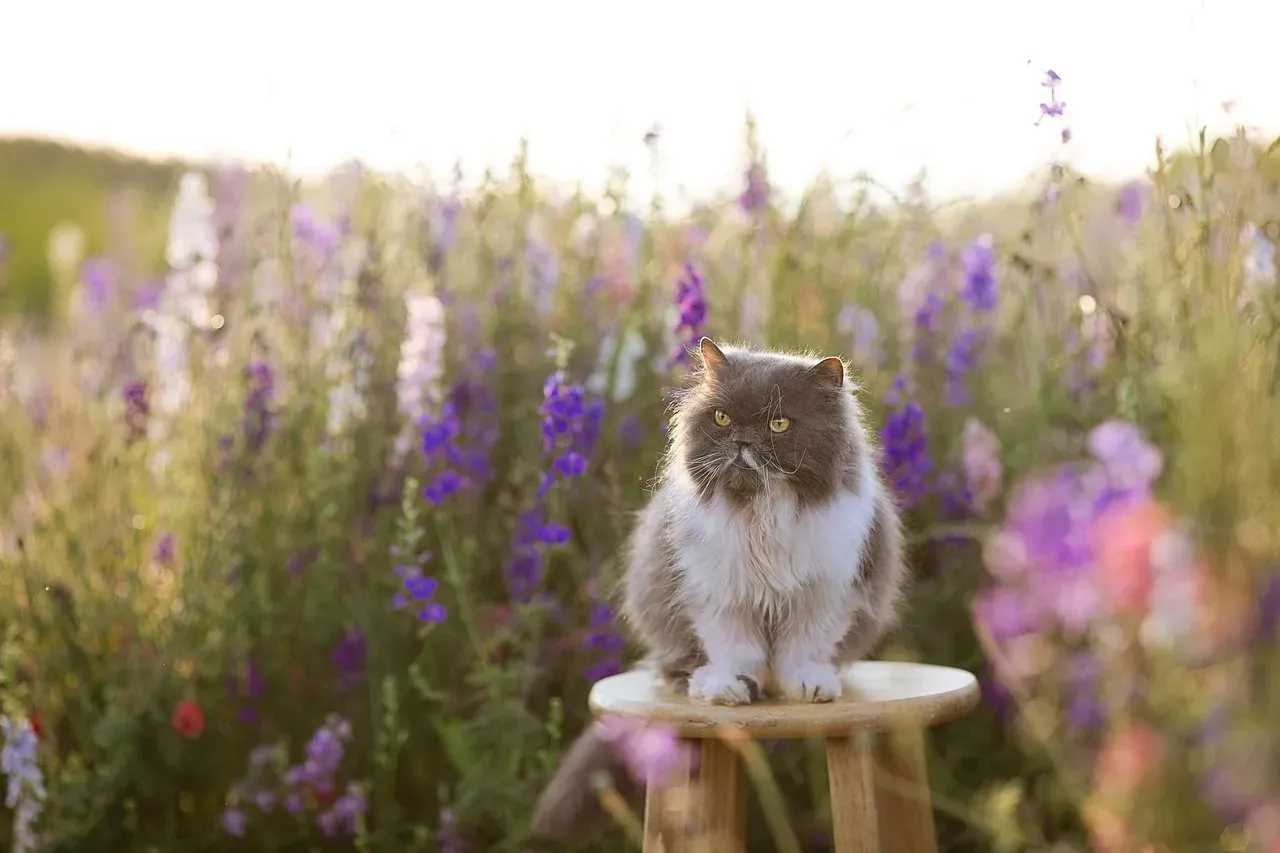
With a calm, passive personality, the Persian is the epitome of tranquility, though the breed can be fearful and may hide around strangers. Typically quiet and rather aloof, Persians dislike loud noises and enjoy lounging regally, though they are usually quite shy and reserved around strangers. Their approach to life prioritizes safety and comfort over adventure.
Persians aren’t likely to rush toward investigating sudden noises or greeting unfamiliar visitors. Instead, they prefer observing from a safe distance, preferably from a comfortable perch where they can retreat if needed. Their cautiousness isn’t fear exactly; it’s more like sensible risk assessment combined with a preference for predictability.
British Shorthair: The Introverted Observer

British Shorthair cats had the lowest tendency to seek human contact. This breed can be a little shy, so socialization as a kitten plays a big role in helping your British shorthair become a well-rounded cat. They’re not exactly fearful, but they’re definitely cautious about social interactions.
These cats prefer doing their own thing rather than inserting themselves into every household activity. They’ll watch the chaos from across the room with their characteristically calm expression, content to observe rather than participate. It’s hard to say for sure, but their reserved nature seems to stem from genuine preference rather than anxiety.
Scottish Fold: Sweet but Timid

Scottish Folds are known for their adorable folded ears, but they can be quite shy and timid around strangers, often taking time to warm up to new people or situations. Their cautious nature contrasts adorably with their teddy bear appearance. Once they feel secure, they can become loving and affectionate companions.
Scottish Folds need patient introduction to new experiences and people. Rushing them into unfamiliar situations typically backfires, causing them to retreat further. However, within their comfort zone and with trusted family members, they display warmth and playfulness that makes the initial wariness worthwhile.
Understanding the Genetic and Environmental Factors
Genetics mean some cats are naturally more cautious than others. Your cat’s personality is influenced by their genetics and the environment they’re nurtured in, with genetics impacting how comfortable your cat is with people and other animals. This explains why two cats from different breeds raised in identical homes can have vastly different temperaments.
From as young of an age as possible, kittens must be desensitized and socialized by being exposed to new sights, sounds, people, objects, and other animals, which teaches them that new things aren’t necessarily scary. Even naturally cautious breeds can develop more confidence with proper early socialization. The interaction between nature and nurture shapes every cat’s unique personality.
Creating the Right Environment for Your Cat’s Temperament

Understanding whether you have a confident explorer or a naturally cautious cat changes how you should set up your home. Bold breeds like Bengals and Abyssinians need mental stimulation, climbing opportunities, and interactive play to prevent boredom-related misbehavior. Think puzzle feeders, cat trees reaching the ceiling, and regular play sessions.
Cautious breeds like Russian Blues and Persians thrive with quiet spaces, hiding spots, and predictable routines. Hiding is a way of helping shy cats cope with being afraid or anxious, so leaving them to retreat to cupboards or under beds when strangers enter helps them. Respecting your cat’s temperament rather than trying to change their fundamental nature creates a happier home for everyone.
Conclusion

The spectrum of feline temperament runs from fearless adventurers who greet life with boundless confidence to cautious observers who prefer safety and predictability. Neither approach is better or worse; they’re simply different strategies for navigating the world. Choosing a breed that matches your lifestyle and expectations sets both you and your future cat up for success.
Whether you end up with a bold Bengal leaping from every high surface or a reserved Russian Blue watching quietly from the corner, understanding their innate temperament helps you provide the best possible life for them. What kind of personality are you hoping to find in your next feline companion?