You’ve probably heard people say cats aren’t trainable. Maybe you’ve even believed it yourself, watching your feline friend stare at you blankly when you call their name. Here’s the thing though: some cats are incredibly eager students who thrive on games, puzzles, and learning tricks. Others? They’d rather pretend you don’t exist.
The truth is more fascinating than you might expect. Your cat’s breed can significantly influence whether they’ll happily fetch a toy or simply give you that classic “I’m ignoring you” stare. Let’s dive into the world of feline personalities and discover which breeds love interaction and which ones prefer their own company.
The Bengal: A Wild Spirit That Craves Engagement
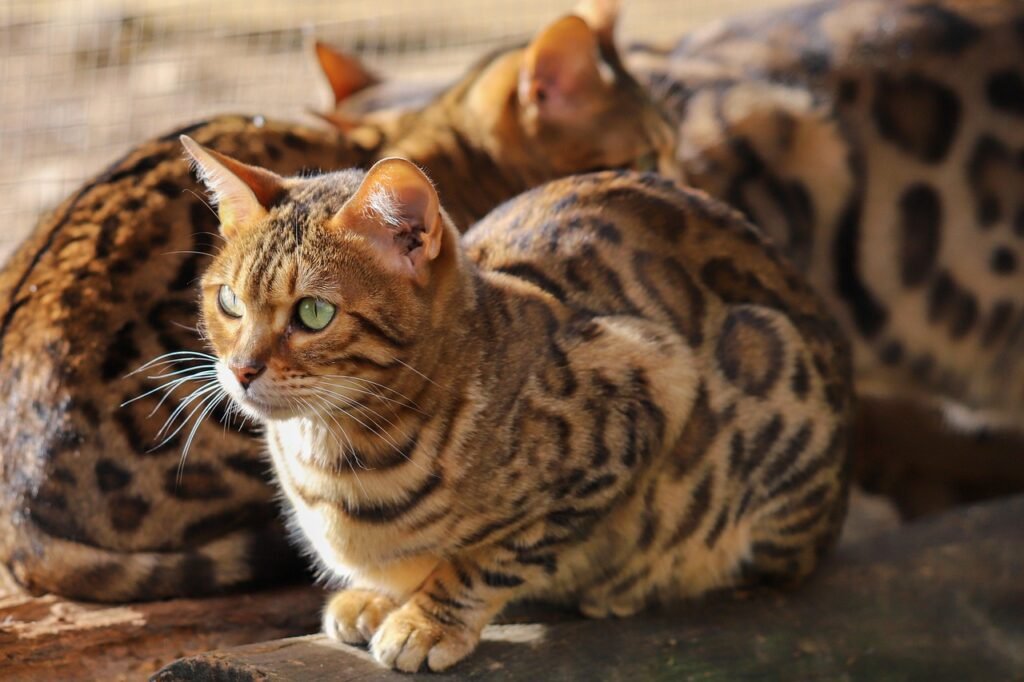
Bengals are highly intelligent cats that thrive on stimulation and variety, approaching learning with confidence and often picking up new behaviors quickly. This breed enjoys interactive play with their parents, which means they thrive by spending one-on-one time with you during training. Their exotic spotted coats might grab your attention first, but their personality is what really stands out.
Bengal cats tend to enjoy activities that feel interactive and engaging, often preferring toys that move, bounce, or challenge them to think rather than simple, stationary objects. Honestly, if you’re looking for a couch potato cat, look elsewhere. These athletic felines need mental challenges daily, and they’ll let you know if they’re bored by getting into mischief.
The Siamese: Your Vocal Training Partner
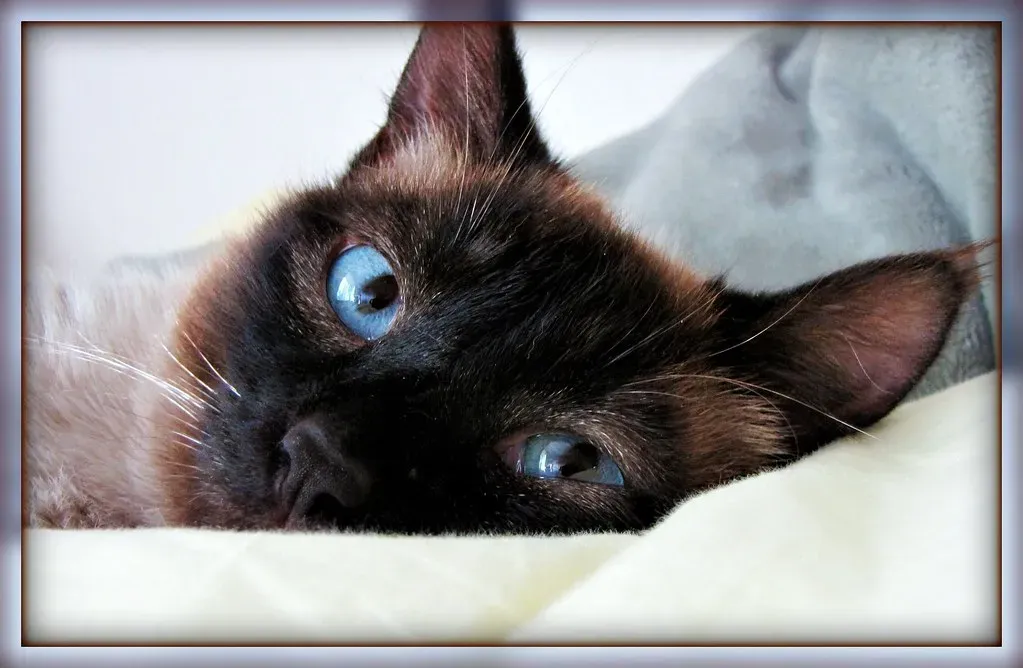
The social Siamese thrives on attention and wants to be involved in everything you are doing, becoming deeply attached to their families as playful companions that thrive on interaction with their humans. Let’s be real, this breed won’t let you ignore them even if you tried. They’re famously chatty and will literally tell you what they think about everything.
This breed often responds well to verbal cues and routine-based training, with Siamese cats enjoying predictable sessions and tending to remember sequences quickly. I think their intelligence sometimes surprises people who expect cats to be aloof. These guys are the complete opposite, following you from room to room and demanding to be part of your daily activities.
The Abyssinian: Forever in Motion
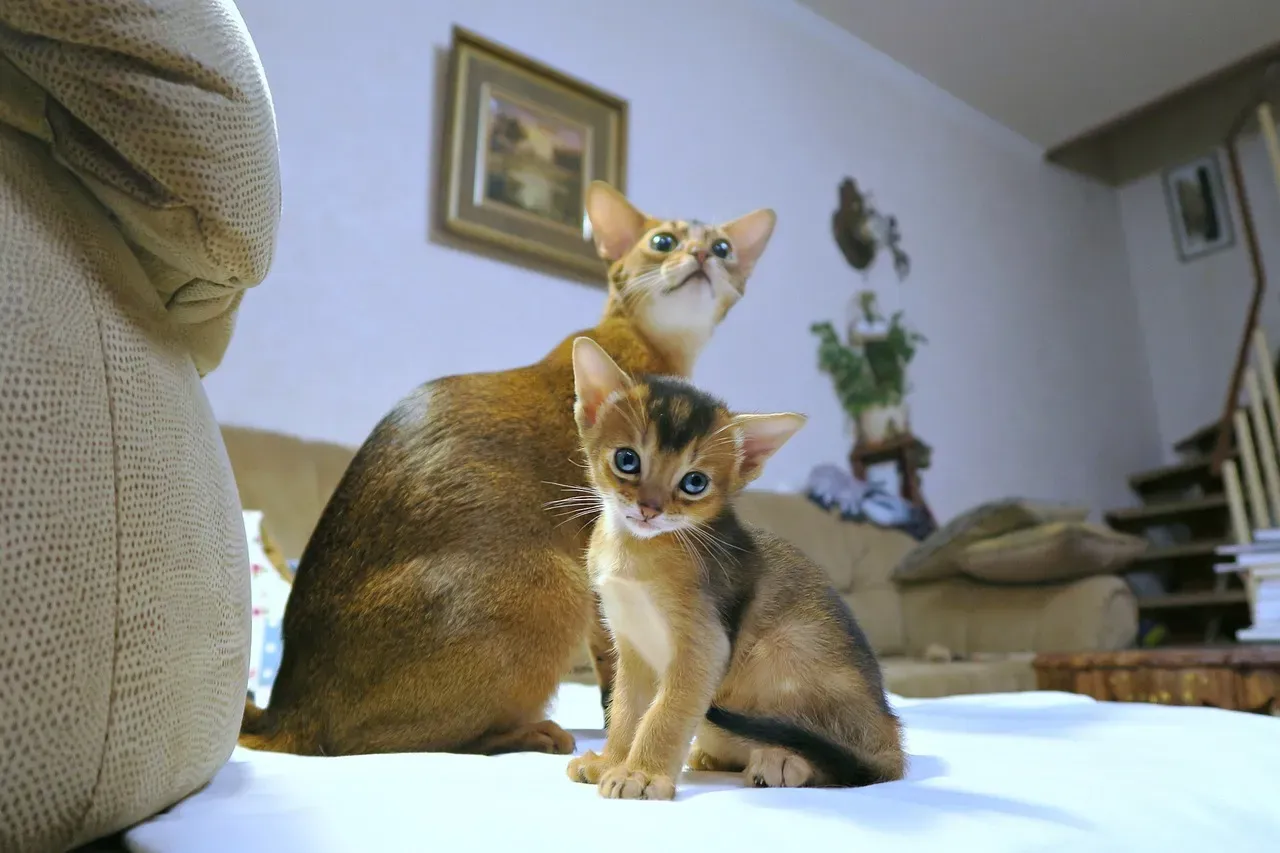
Abyssinians are known for their sharp minds and constant curiosity, which makes them natural learners who enjoy being involved in everything happening around them and often treat training as a game rather than a task. You won’t find these cats lounging around all day. They’re busy, always exploring, and genuinely curious about everything in their environment.
Abyssinians enjoy activities like following cues, navigating simple obstacles, and engaging with puzzle-style play, with their attention span improving when lessons feel playful and fast-paced. If you want a lap cat who’ll sleep twenty hours a day, keep scrolling. These guys need action and mental stimulation or they’ll create their own entertainment, which might not always align with your preferences.
The Japanese Bobtail: Energy on Overdrive
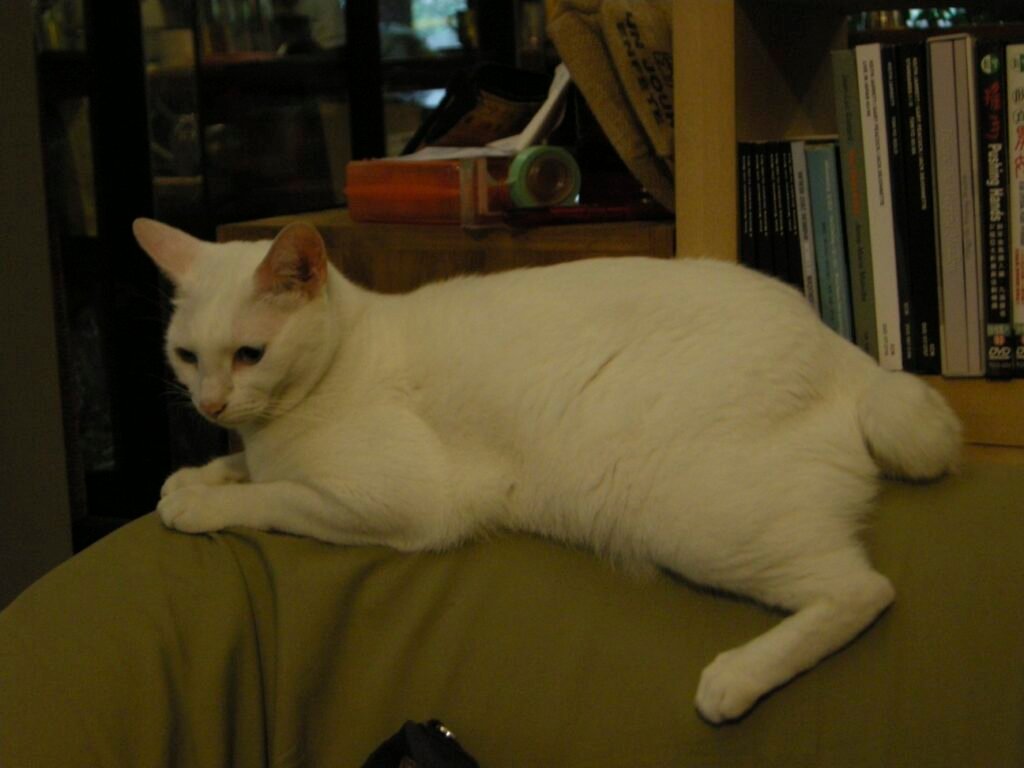
The Japanese Bobtail has an energy level that’s about an eleven out of ten, known to be smart and love attention from their families and strangers alike, with their high energy and love for interaction being easily directed to make a very trainable cat. These cats are constantly moving, exploring, and looking for the next adventure. Their distinctive bobbed tail is cute, but their personality is what makes them unforgettable.
Japanese Bobtails are extremely social and thrive in family environments, enjoying playing fetch, solving food puzzles, and engaging in interactive play with their humans. It’s hard to say for sure, but these might be the most extroverted cats you’ll ever meet. They genuinely seem to enjoy human company and aren’t shy about showing it.
The Maine Coon: Gentle Giants With Surprising Playfulness
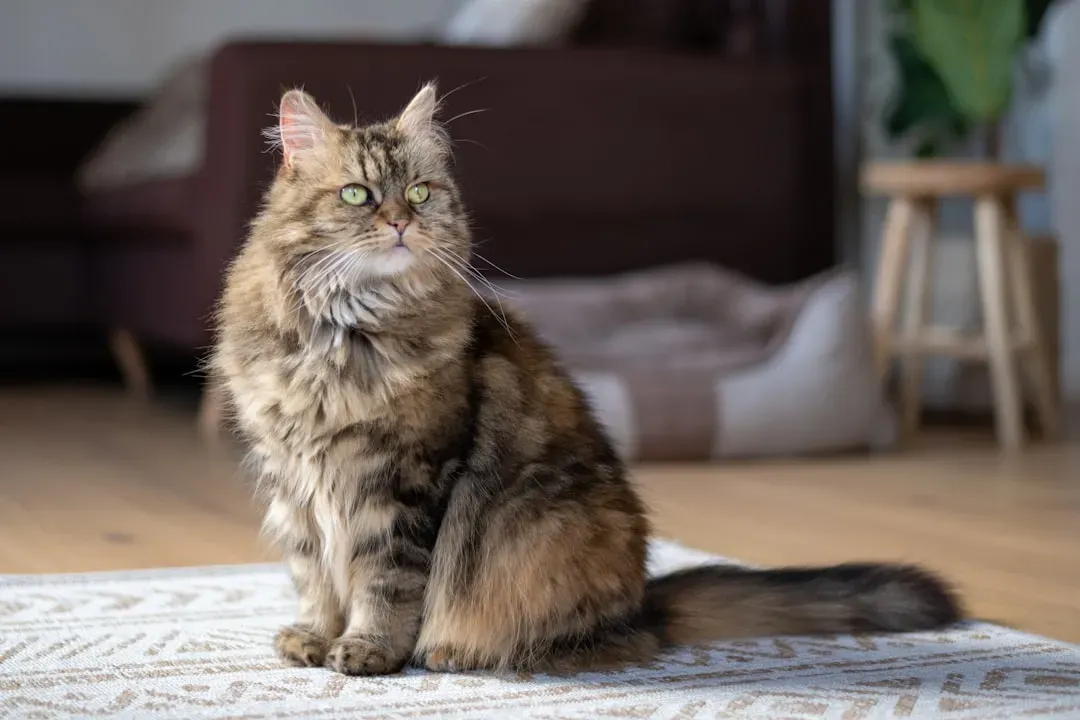
The gentle giant of the cat world is known for her laidback disposition and ability to adapt to almost any situation, having survived centuries of harsh weather and now safely relaxing in comfortable family homes where the sharp intelligence and adaptability they honed over the centuries can be used to learn. Don’t let their massive size fool you. These cats are surprisingly gentle and adaptable, making them excellent students despite their imposing appearance.
Despite their regal look, Maine Coons are friendly and active, following you around the house as you go about your daily routine and may even gently head butt you to get your attention. They’re not demanding or pushy, but they definitely enjoy being part of the family action. Their intelligence makes training relatively straightforward if you’re willing to invest the time.
The Persian: The Definition of Aloofness
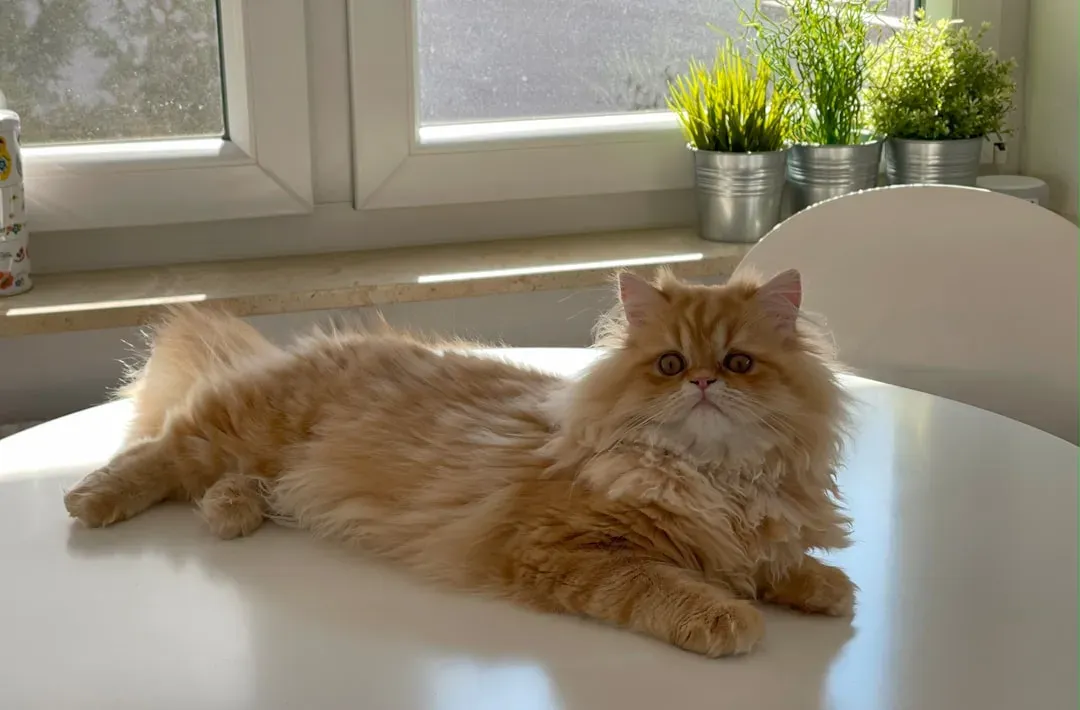
With a calm, passive personality, the Persian is the epitome of tranquility, being quiet and laid-back though the breed can be fearful around strangers but is generally adaptable and able to tolerate a variety of environments, doing best in a quiet home with a nicely set routine and tending not to like loud music or too much noise. If you’re hoping for an interactive training buddy, this might not be your breed.
Even though you’ll need to spend more time grooming a Persian, his pleasant demeanor should more than make up for it, as you won’t need to worry about a Persian releasing his pent-up energy into destructive outlets since these cats prefer lounging with their humans over jumping on forbidden surfaces or clawing your furniture. These cats have perfected the art of relaxation. They’re content to simply exist beautifully in your space without much fuss or interaction.
The Russian Blue: Reserved and Self-Sufficient
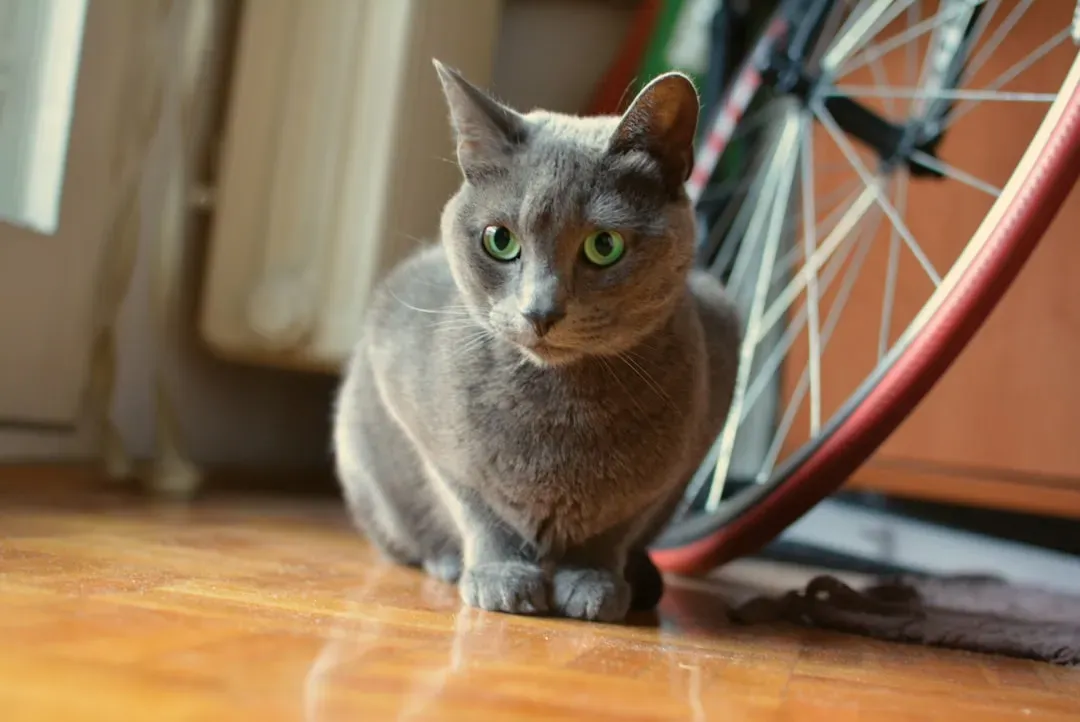
Russian Blues are independent cats that also have low grooming needs, taking time to warm up to strangers and tending to form strong bonds with just one or two people. These elegant cats aren’t unfriendly, but they’re definitely selective about who gets their affection. They maintain a certain dignity that makes them seem almost regal.
Don’t be surprised if your Russian Blue never ends up becoming a lap cat, though Russian Blues can be pretty vocal and will let you know when they need food, water, or attention, making it pretty easy to live with them because they will let you know when they need some attention or when they prefer to be alone. They’re smart enough to communicate their needs clearly, but they’re equally happy entertaining themselves when you’re busy.
The British Shorthair: Comfortable in Their Own Company
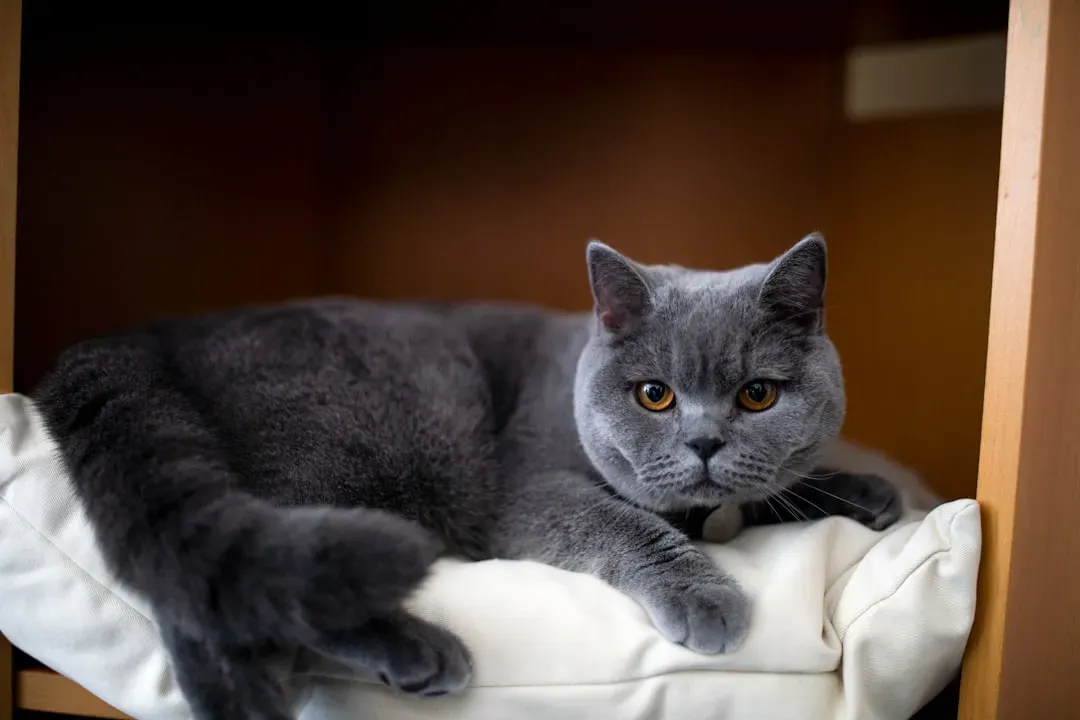
A portrait of understated grace, the British Shorthair enjoys attention but is equally happy to entertain himself while you’re away, with these cats wanting to be with their people, not necessarily in a lap or carried around, but next to them or in the same room with them. These cats strike a perfect balance between affectionate and independent. They appreciate your presence without demanding constant interaction.
A British Shorthair is an independent cat breed with a laid-back, easygoing personality, and prey-like toys and enrichment are crucial for them, as they have a strong hunting instinct. They’re content to observe life from a comfortable perch rather than actively participating in every household activity. It’s not that they don’t like you; they just prefer their own space.
The Scottish Fold: Minimal Activity Masters

Instantly recognizable by their bent-over ears, the Scottish Fold definitely makes the cut for the least active cat breeds, as these cats enjoy friendly human interaction, but their activity level is minimal. Their adorable folded ears make them look perpetually sweet, and their personality matches that gentle appearance.
Scottish Folds are another calm and easy-going cat breed who love human interaction, but they’re not known to be demanding or pushy about receiving attention, and these cats also don’t have particularly active lifestyles, so they’re pretty content with lounging around. Training sessions might not be their favorite activity, but they’re pleasant companions who won’t cause trouble. They’re simply happy to exist peacefully alongside you.
The Ragdoll: Relaxation Personified
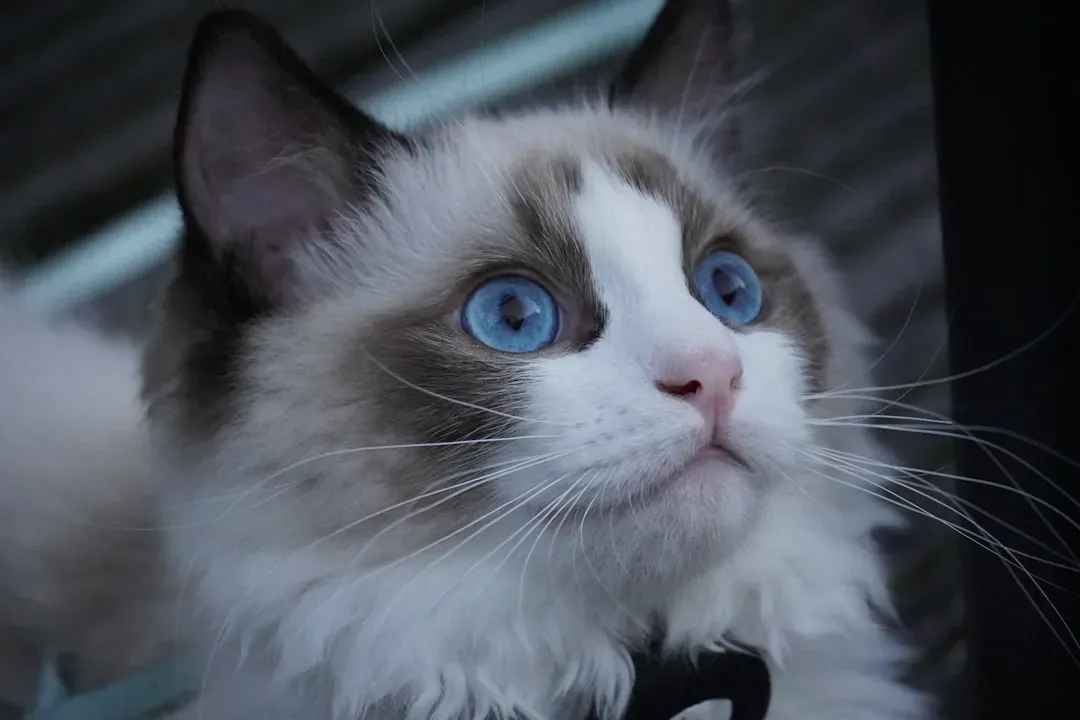
A large, heavy breed with a semi-long, silky coat, the Ragdoll is a very relaxed, quiet breed with a low activity level, being extremely affectionate with its people and friendly towards strangers and other cats, and can generally adapt well to new environments and rarely show aggression to either people or other cats, provided they’re socialized properly from a young age. These cats literally go limp when you pick them up, which is how they got their name.
This gentle and laidback cat certainly lives up to its name, which it gets from the relaxed, floppy nature in which they lie when they’re being carried around, as the adorable breed loves cuddles and spending time with its owners. While they’re affectionate and enjoy your company, they’re not particularly interested in active play or training sessions. They’d much rather cuddle than learn tricks.
Why These Differences Exist: A Look at Feline Evolution
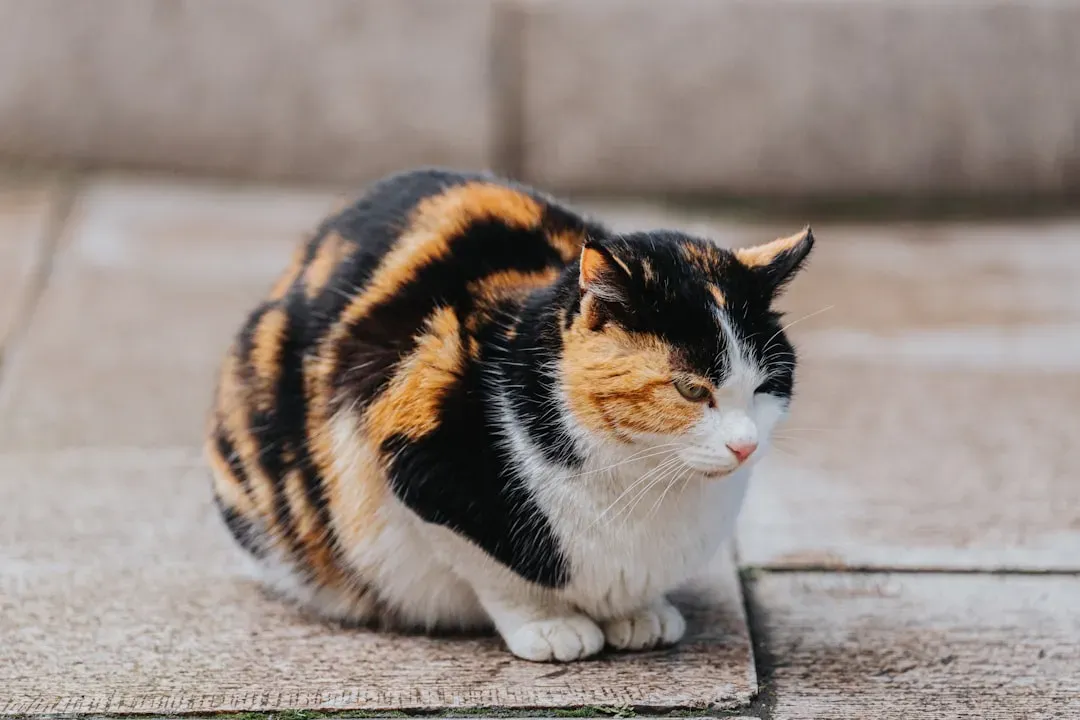
Broadly speaking, dogs are descended from pack animals like wolves and develop complex social interactions with other dogs and with humans, being considered loyal, faithful and attentive to their owners, while cats are descended from a largely solitary-living species, North African wildcats, and although they have been domesticated for more than 10,000 years, it is a common perception that cats remain aloof and often fiercely independent animals with relatively little reliance or dependence on humans.
The differences you see between breeds often trace back to what humans selectively bred them for. A study published in Scientific Reports in May 2019 confirms that a cat’s personality and activity level is largely determined by its breed, finding that different breeds do in fact behave in different ways, with around half of these behaviors including activity level, shyness, aggression and sociability with humans being inherited. Some breeds were encouraged to be more social and interactive, while others maintained their independent hunting instincts. It’s fascinating how genetics shapes personality even after thousands of years of domestication.
So what’s the takeaway here? If you want a feline training partner who’ll play fetch and learn tricks, breeds like Bengals, Siamese, Abyssinians, and Japanese Bobtails are your best bet. If you prefer a more hands-off companion who’s content to simply share your space, consider Persians, Russian Blues, British Shorthairs, or Ragdolls. Both types make wonderful pets, it’s just about matching the right personality to your lifestyle. What type of cat personality fits your home best?