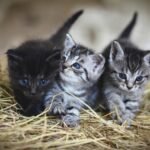
You’ve probably wondered whether your feline friend actually misses you when you head out for work. Maybe you’ve come home to find scattered items on the floor or a suspiciously clingy kitty waiting at the door. Honestly, the whole idea that all cats are completely independent is something of a myth. Some breeds genuinely thrive during solo hours, while others struggle with genuine emotional distress when their favorite human walks out that door.
Female cats tend to be diagnosed with separation anxiety more frequently than their male counterparts, which might surprise you. The truth is, understanding your cat’s emotional needs starts with knowing their breed tendencies. Let’s dive into which felines handle solitude like champions and which ones need a bit more emotional support from you.
The Independent Champions: British Shorthairs
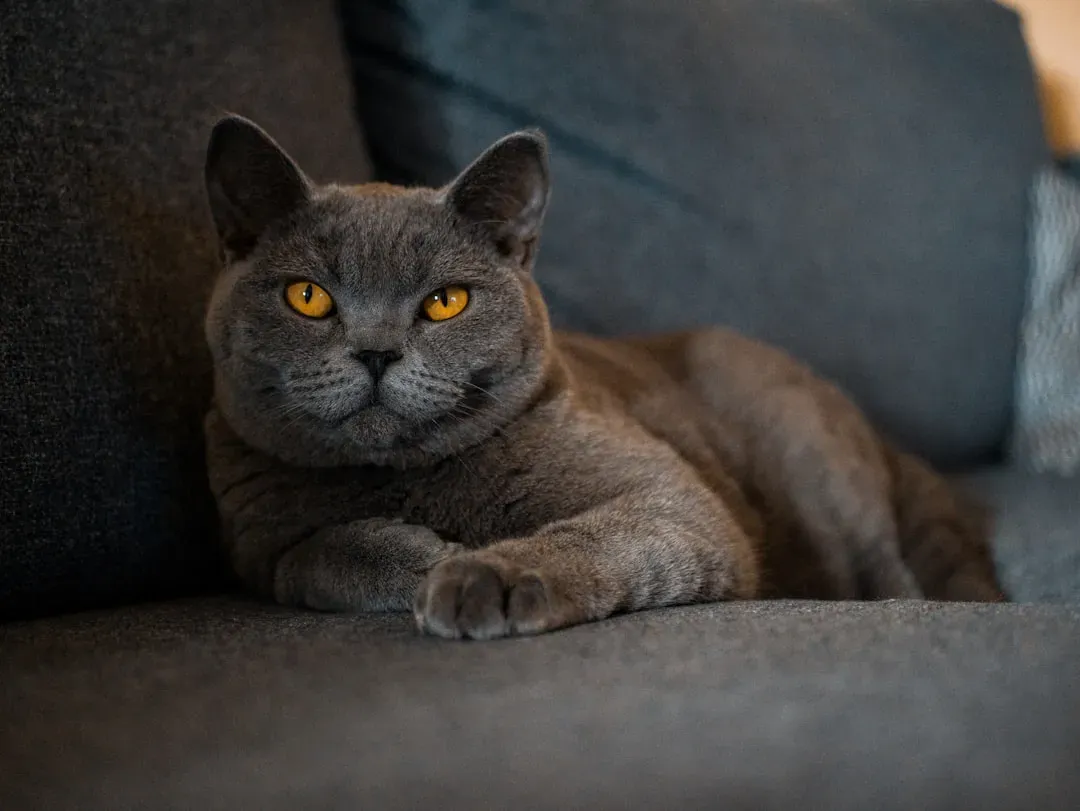
British Shorthairs possess a laid-back, easygoing personality that makes them perfectly independent. These plush-coated beauties look like living teddy bears, which makes their self-sufficient nature even more endearing. They possess a calm confidence that makes them perfectly content to entertain themselves, and while they enjoy a good cuddle when you’re home, they don’t demand constant attention or experience distress when left alone.
What makes them particularly suitable for busy households is their ability to simply exist peacefully in your absence. They’re people-oriented yet non-clingy, meaning they enjoy human companionship without becoming overly dependent, and they adapt well to various living situations. If you work regular hours and need a companion who won’t stage a protest when you leave, these cats are your answer.
Russian Blues: Elegant Loners
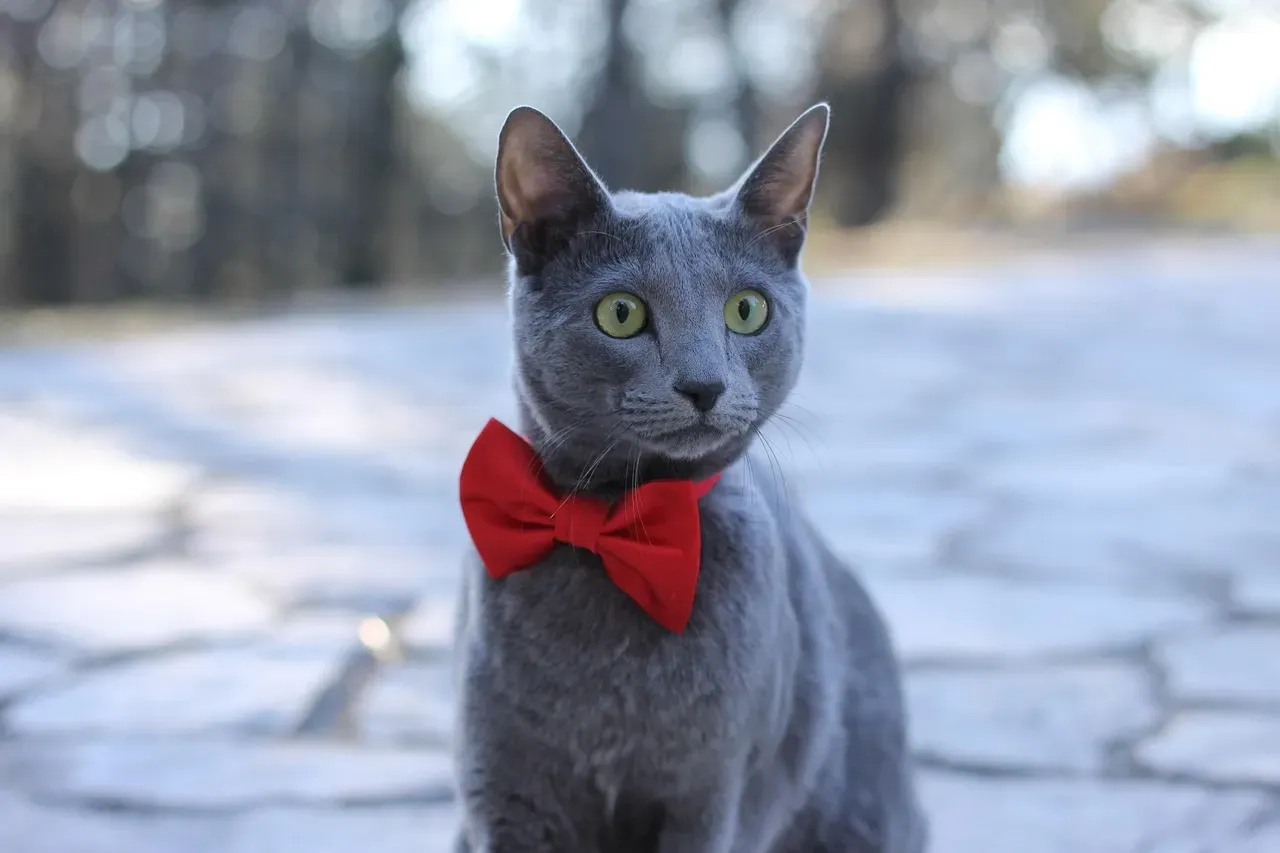
Known for their striking silver-blue coat and emerald green eyes, Russian Blues form strong bonds with their families while maintaining their autonomous nature, making them particularly well-suited for working professionals who are away during long workdays. These gorgeous cats have a sophisticated air about them that matches their independent streak perfectly.
These stunning grey cats are loyal and loving companions that rarely get upset or destructive when left alone, possessing a strong sense of self-worth and displaying intelligence and curiosity without being overly demanding. Here’s the thing though: they do expect their meals on schedule. Russian Blues can get grumpy if you’re late with feeding time, so set those automatic feeders if punctuality isn’t your strong suit.
Maine Coons: The Self-Entertaining Giants
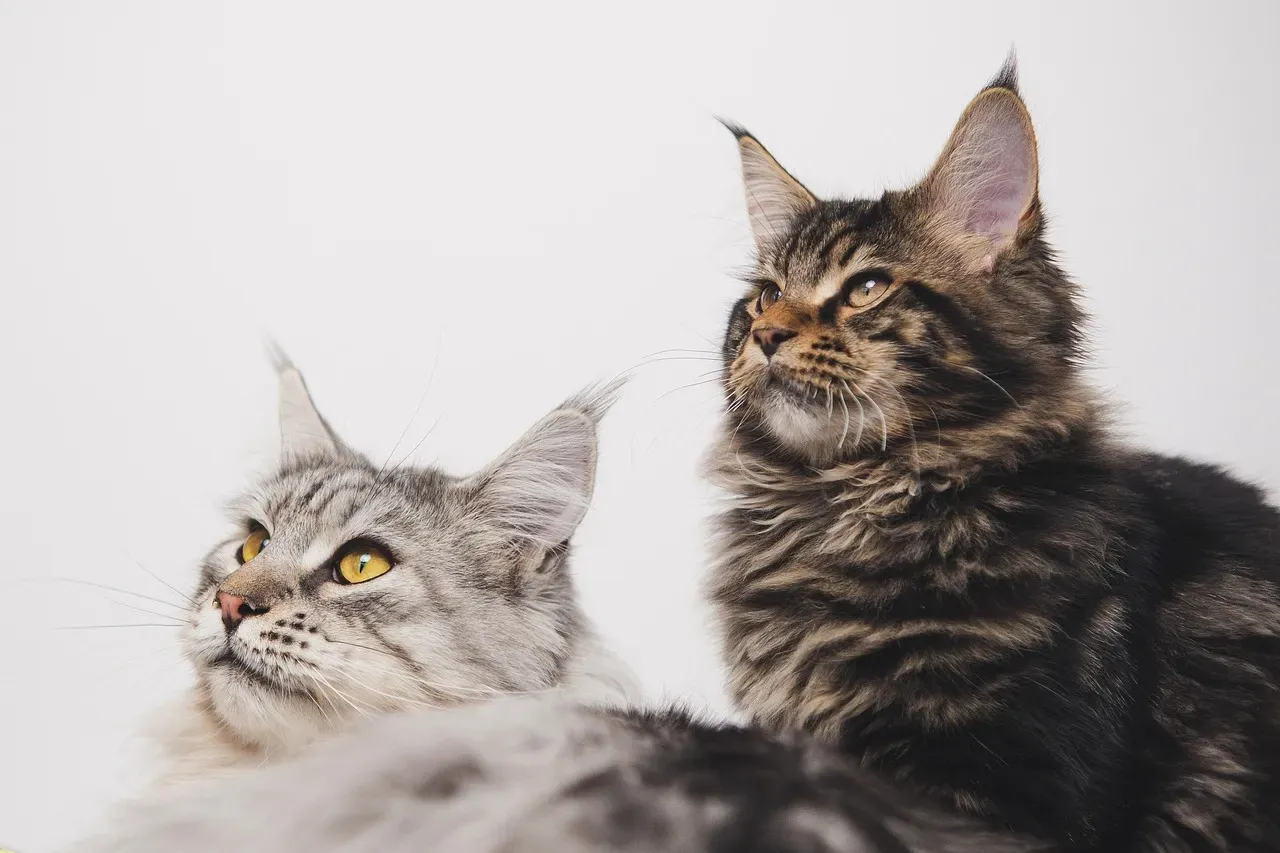
Hailing from a background as skilled farm cats, Maine Coons have independence woven into their DNA and are intelligent and curious, more than capable of making their own fun without issue when left alone. These gentle giants are massive in size, yet surprisingly low-maintenance emotionally. Think of them as the perfect balance between affectionate companion and self-reliant housemate.
Maine Coons handle solitude better than many breeds, and their independent streak and adaptable nature allow them to feel comfortable in various environments, making alone time less stressful. A simple puzzle feeder or sturdy cat tree is often all it takes to keep them happily occupied for hours. However, there’s a catch. They’re highly social and enjoy spending time with their human family, and their loving nature can lead to anxiety if they’re left alone for extended periods, so balance is key here.
Persian Cats: The Ultimate Nappers
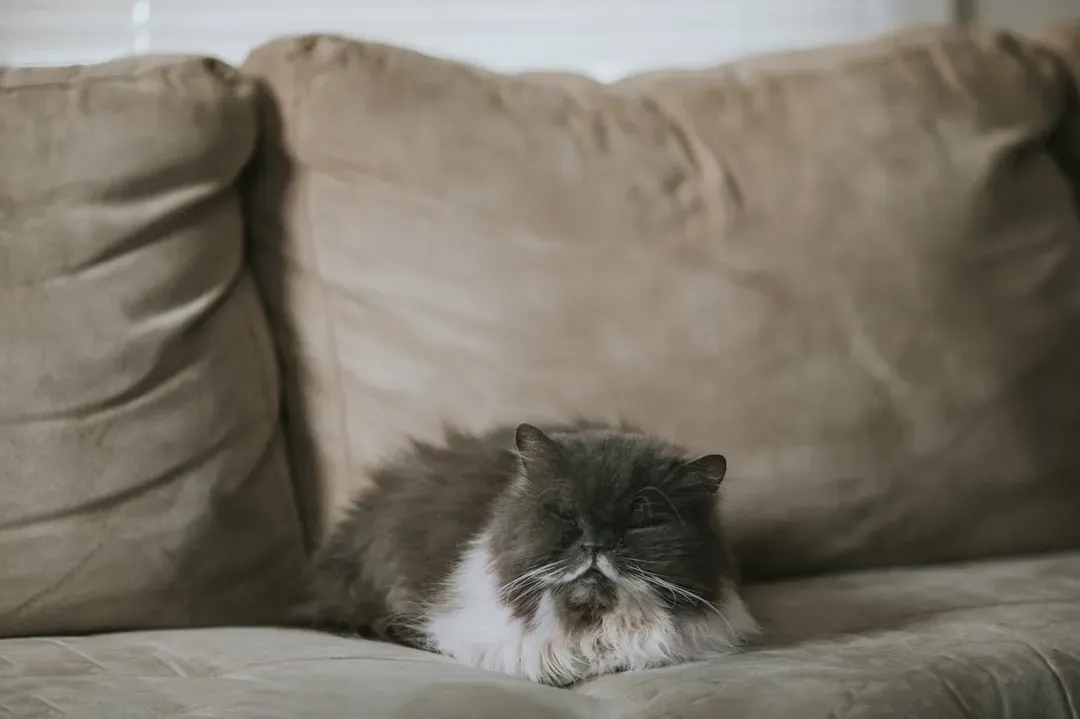
Persians are perfectly content to entertain themselves with toys and plenty of cat naps while you’re away. These fluffy, flat-faced beauties are basically the embodiment of relaxation. Their entire lifestyle seems built around finding the coziest spot in your home and claiming it as their personal throne.
Their relaxed temperament helps them handle moderate periods of solitude without stress, and although they enjoy independence, Persians still appreciate soft interaction on their own terms once you return, being known to spend hours curled up in cozy spots, calmly napping and relaxing while alone. The daily grooming requirement might seem demanding, yet it actually becomes a bonding ritual that satisfies their social needs without creating clinginess. Just be prepared for that high-maintenance coat.
Siamese Cats: The Velcro Cats
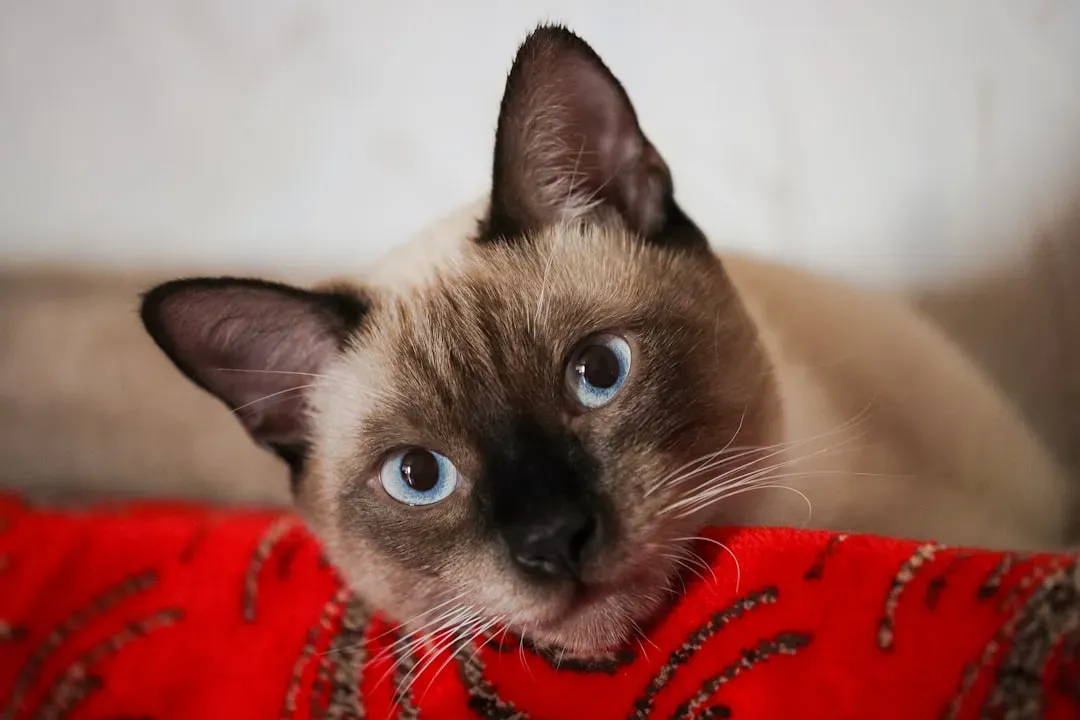
Now we’re switching gears to the breeds that struggle. Siamese cats are known for their striking blue eyes and extraordinary vocal skills, expressing emotions with a wide range of sounds and seeking constant interaction, thriving on companionship with a strong desire to be near their human friends, which can lead to separation anxiety if left alone for long periods.
Siamese are codependent on their human owners, making them one of the most challenging breeds for people with demanding work schedules. Research discovered that separation anxiety can be a problem for Siamese and Tonkinese cats, with Burmese cats also seeming to be affected. These chatty companions need you around more than most, and they won’t be shy about telling you how they feel when you’ve been gone too long.
Ragdolls: The Gentle Clingers
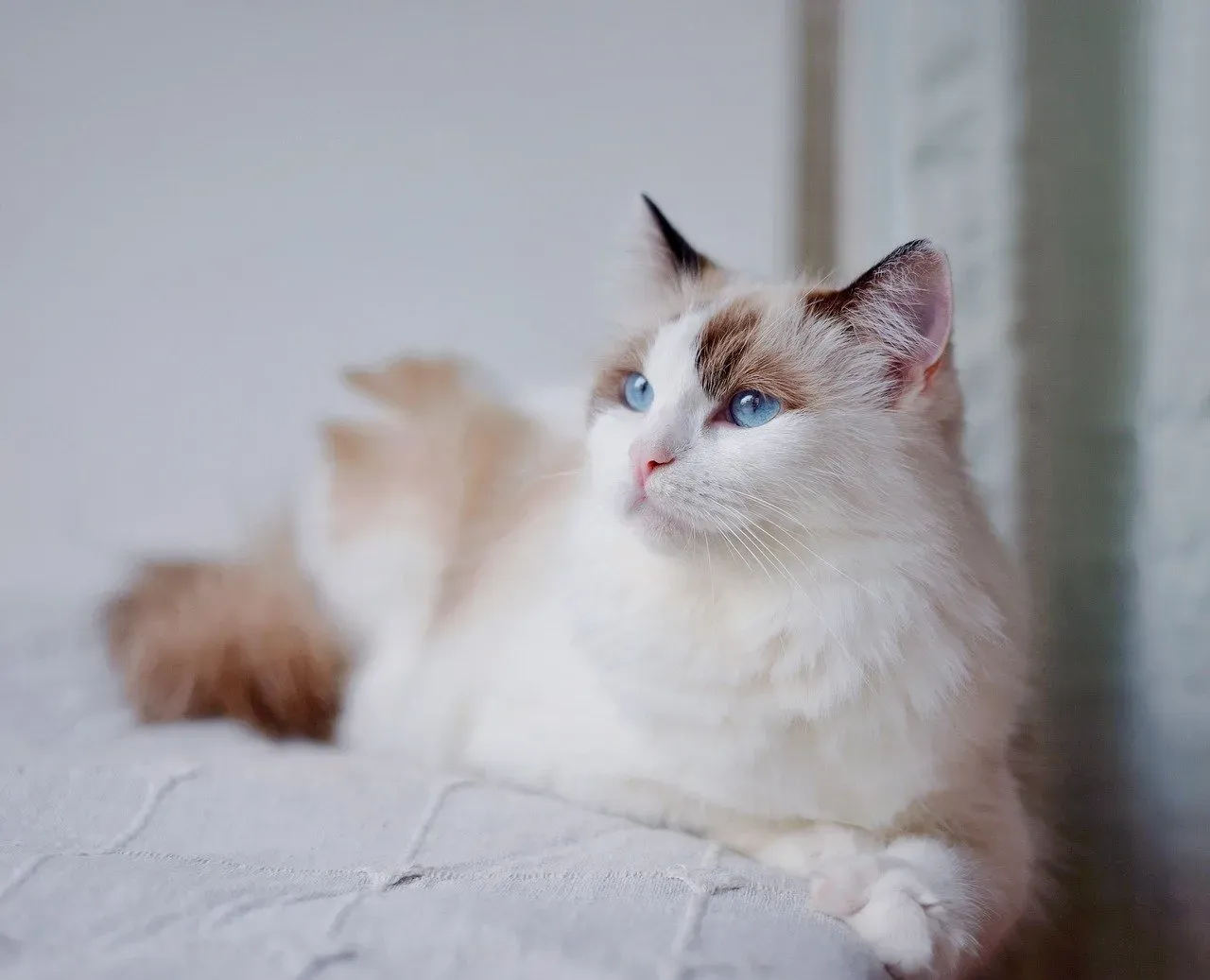
Ragdoll cats are known for their docile and placid temperament, enjoying being cradled and tending to go limp in their owner’s arms, forming strong bonds with their human companions by following them from room to room, which can lead to separation anxiety if they’re left alone. Their name literally comes from how relaxed they become when you pick them up.
Ragdolls belong to breeds known for their attachment to humans, including Siamese and Burmese. While it might be surprising to see the famously devoted Ragdoll on lists of independent cats, a well-adjusted adult Ragdoll can handle a workday with grace. The key word there is “well-adjusted.” These cats need proper socialization and gradual training to build confidence when alone.
Burmese Cats: The Social Butterflies
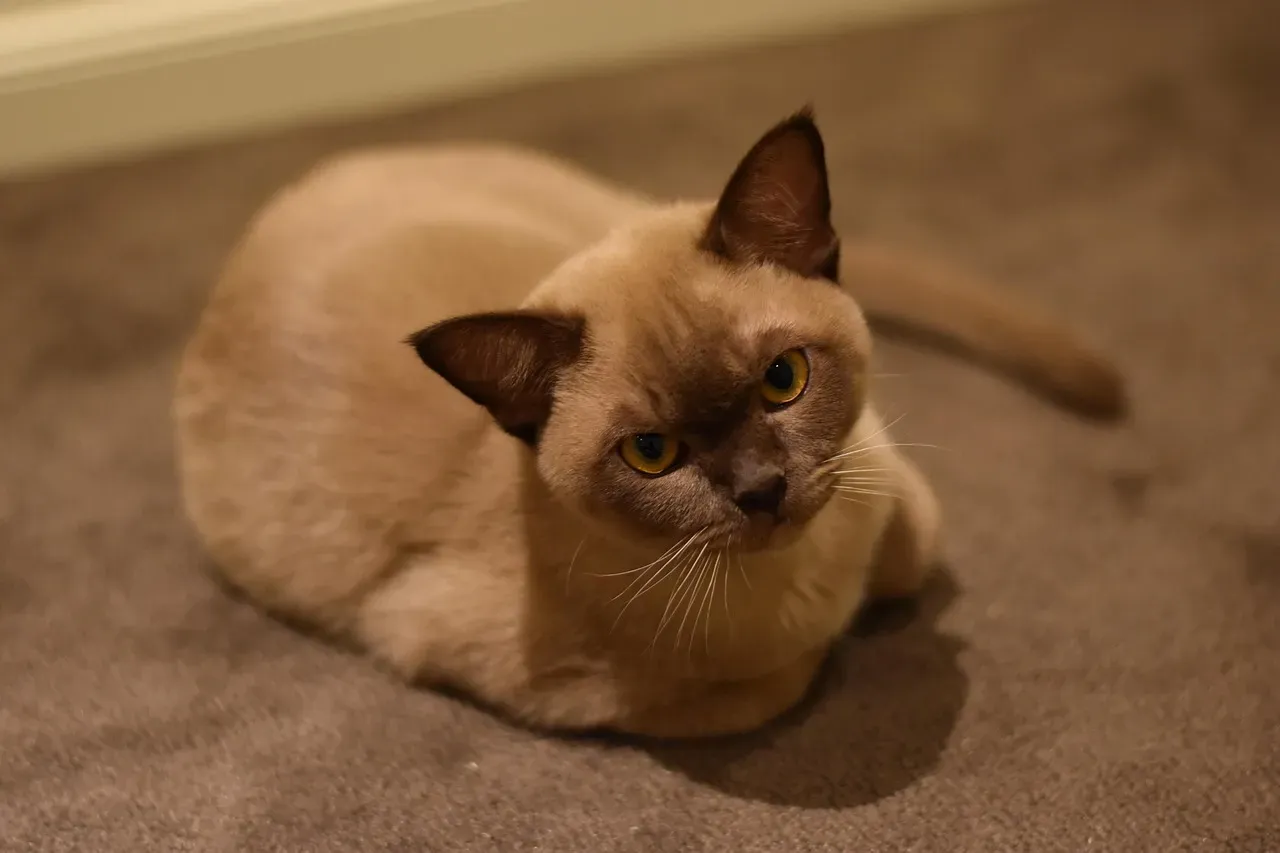
Burmese cats are outgoing and social, forming close-knit relationships with their families, and their playful and curious nature means they crave interaction and stimulation, often being described as dog-like because they love to play fetch and be involved in family activities, making their dependency on human interaction a factor that can lead to separation anxiety.
Let’s be real: these cats want to be part of everything you do. They’re like the social butterfly at a party, always seeking the company of others, and if left alone for too long, Burmese cats may become distressed, showcasing their deep emotional connection with their families. Burmese thrive on human interaction, yet many adapt well to apartment living as long as their environment offers mental stimulation, and they can stay content for long periods when comfortable and secure.
Sphynx Cats: The Attention Seekers
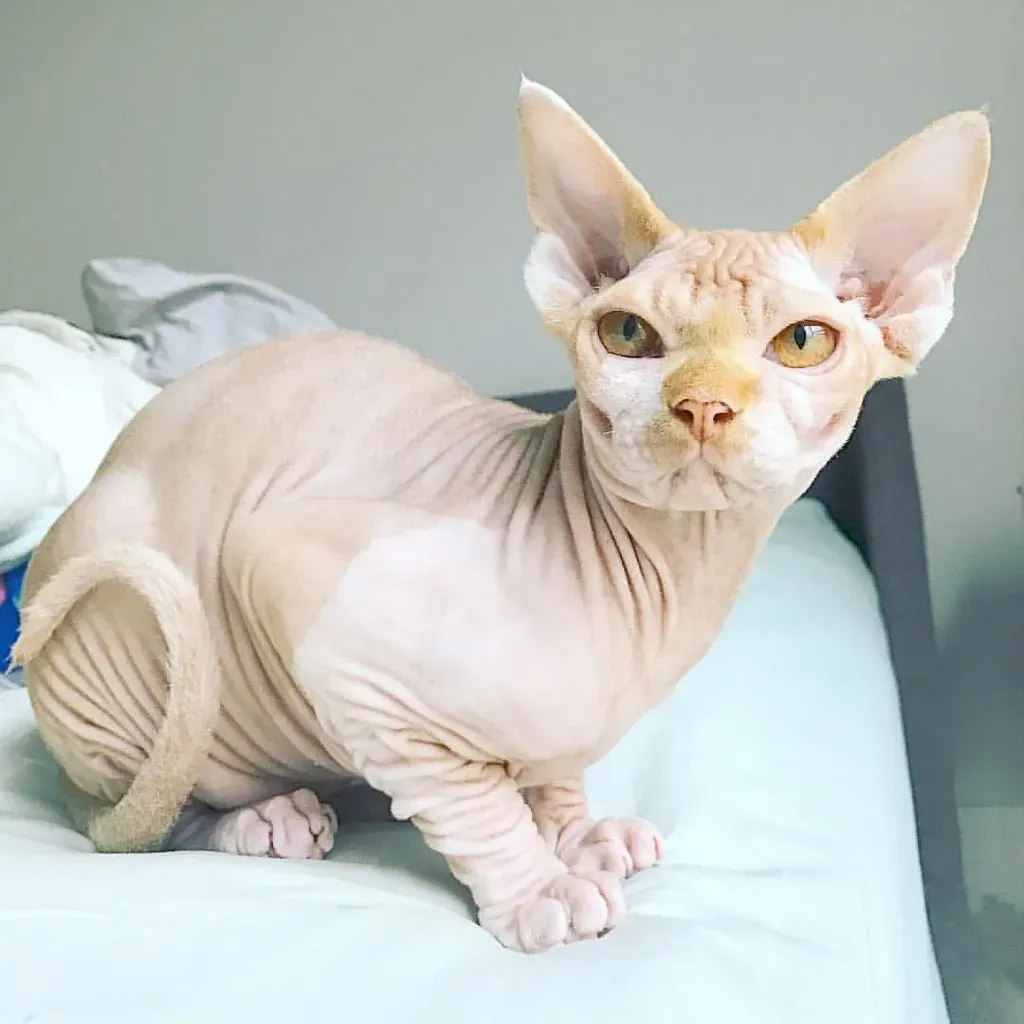
Sphynx cats may lack fur, but they certainly don’t lack affection, being known for their unique appearance and warm, suede-like skin while being extremely social and thriving on human interaction. Their hairless bodies seem to make them crave warmth from their humans even more intensely. I know it sounds strange, but these cats genuinely need physical closeness.
These unique-looking felines form incredibly tight bonds with their owners. Their lack of coat means they’re always seeking warm spots, and your lap happens to be their favorite heating pad. This dependency on human contact makes them particularly vulnerable to separation stress when you’re away for extended periods. They’re not the breed for someone who travels frequently or works long, unpredictable hours.
Understanding Separation Anxiety Symptoms
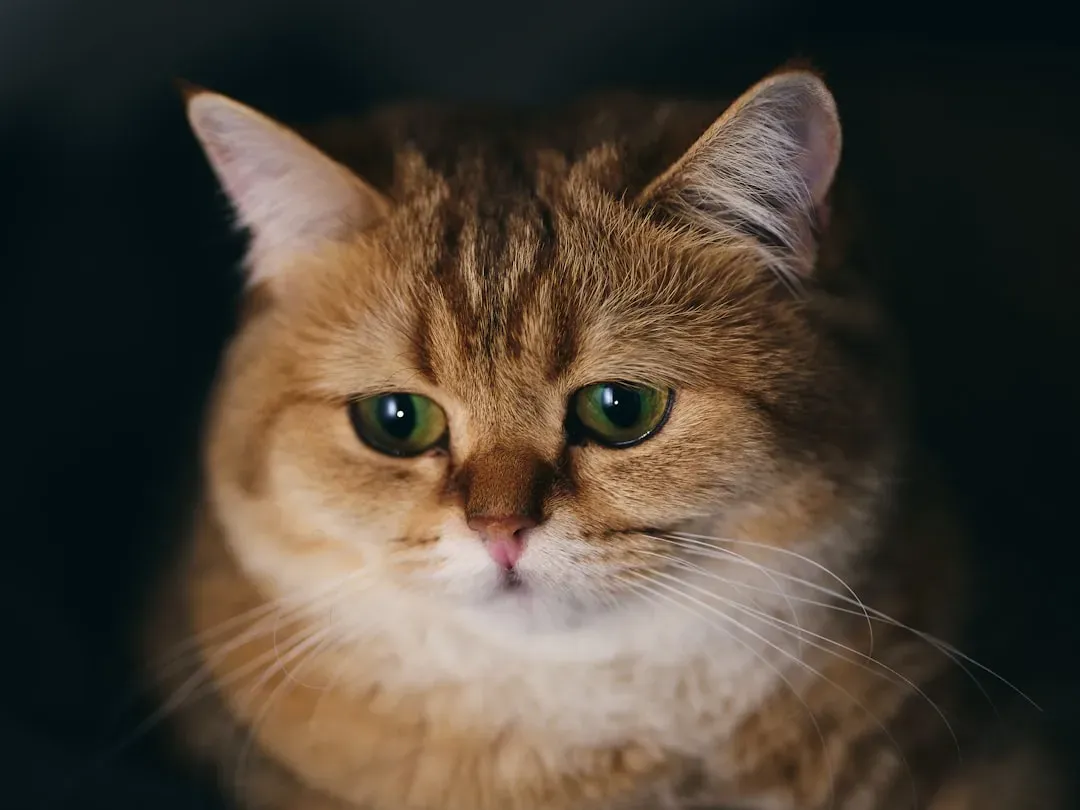
Cats with separation anxiety may exhibit excessive meowing when left alone or upon your return as their way of expressing distress, and scratching furniture, knocking items over, or chewing objects can be a sign your cat is channeling stress into destructive habits, especially if this behavior is uncharacteristic or only occurs when you leave. The signs aren’t always obvious at first glance.
Some cats lick or groom themselves excessively when experiencing anxiety as a way to self-soothe when left alone, which can lead over time to bald spots or irritated skin. In one study, three-quarters of cats that peed outside the litter box did so exclusively on the pet parent’s bed. That’s not spite – it’s genuine emotional distress manifesting in problematic ways.
Risk Factors for Separation Stress
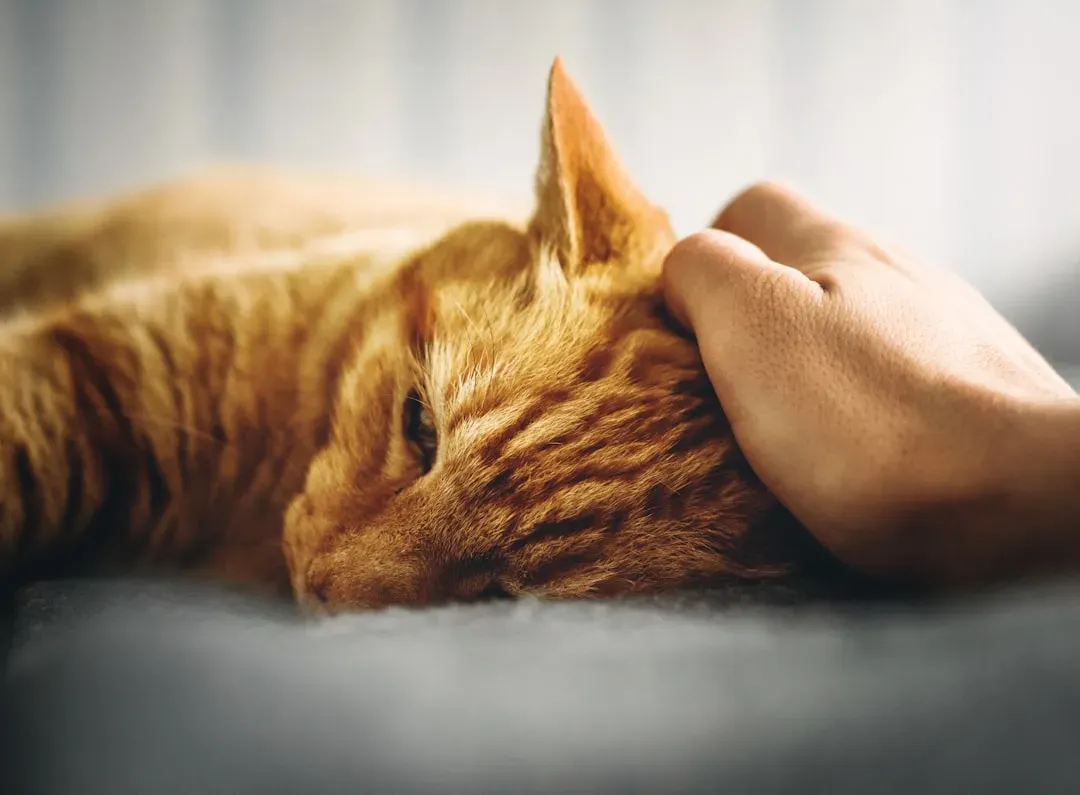
Female cats are diagnosed with separation anxiety more often than males, most separation anxiety cases are seen in cats that live strictly indoors and come from a home with only one adult caregiver, and not having other pets in the home is a risk factor. Living situation matters tremendously for feline mental health.
Environmental factors such as cat socialization can contribute to separation behaviors, as kittens separated very early from their mother and hand-raised by humans may bond so strongly with their pet parent that they become anxious when separated, which is why proper socialization is crucial to build confidence and protect against stress behaviors. There seems to be an association between separation anxiety and kittens who were weaned too early, as kittens should stay with their mother and littermates until they are at least twelve weeks old.
Practical Solutions for Anxious Cats
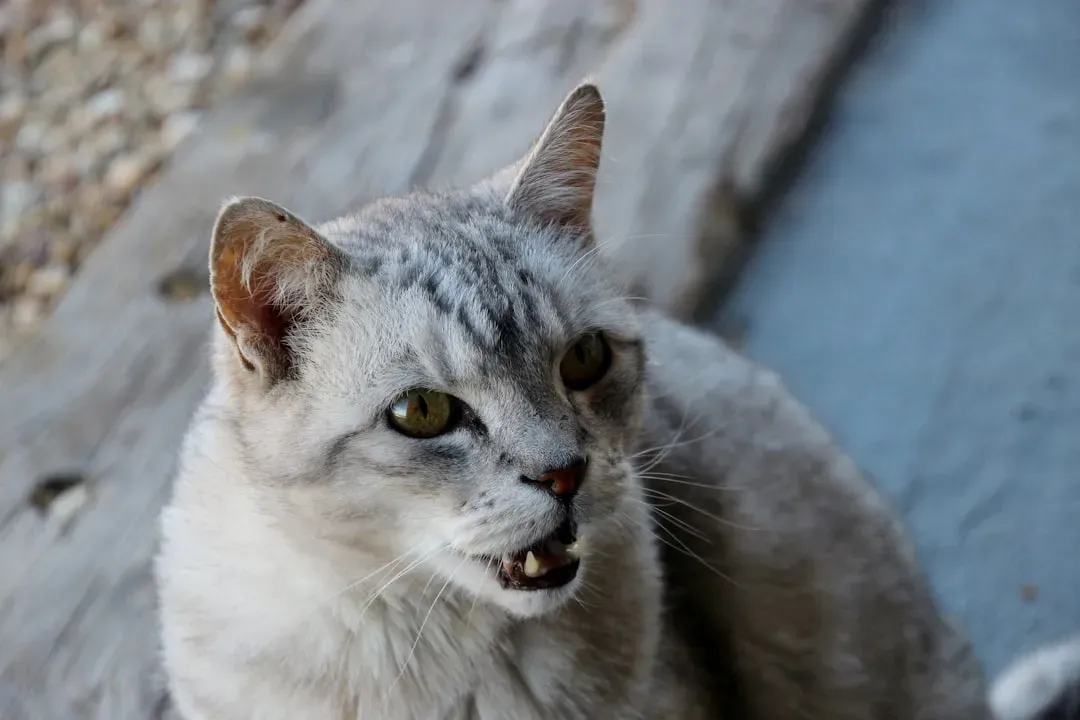
In cases of extreme stress or anxiety, your vet may recommend anti-anxiety medications or calming supplements for cats to be used alongside behavioral strategies to help them feel calmer when left alone, and puzzle feeders, climbing trees, and interactive toys give your cat mental and physical stimulation when you’re away, keeping them engaged to help prevent boredom and stress. Environmental enrichment isn’t optional for anxious felines – it’s essential.
You can help by staging departures in which you pick up your keys, put on your coat, and leave only to return immediately, not saying goodbye or making a big deal over your departure, making these matter-of-fact occurrences without speaking or acknowledging your cat, as repeating these signals over and over causes them to lose their power to trigger problem behaviors. It might make us feel better to shower our pet with hugs and kisses before we leave, but it can actually make them feel more stressed, so instead make minimal fuss so your cat doesn’t feel too stressed about you leaving.
Making the Right Choice for Your Lifestyle
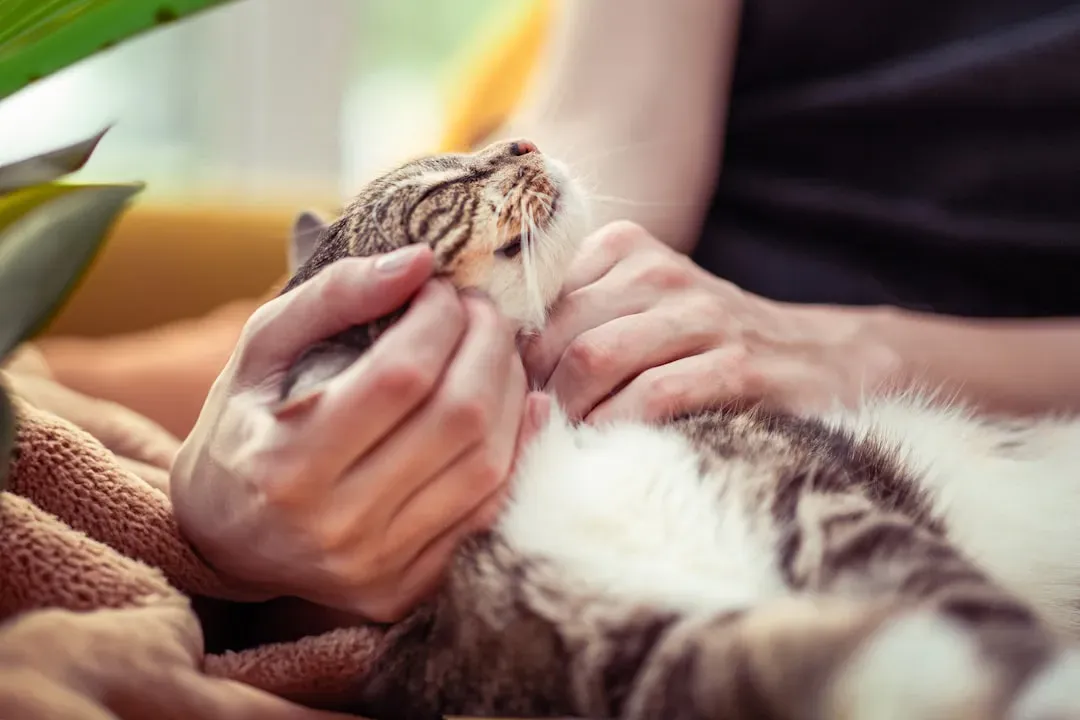
Independent cat breeds typically handle alone time well, though they shouldn’t be left for more than eight to ten hours without care, and providing enrichment activities helps prevent boredom during extended absences. Every cat deserves a living situation that matches their emotional needs. You wouldn’t force an extrovert into isolation or demand constant socializing from an introvert – the same principle applies to our feline companions.
When choosing the right cat for you, it’s important to consider your lifestyle as well as a cat’s unique needs, and even though cats share some common traits, they have their own unique characteristics, so before choosing your next companion, do your research about different cat breeds and consider factors such as activity level, grooming requirements, and temperament. Matching breed temperament to your schedule isn’t just convenient – it’s genuinely the most compassionate approach to pet ownership.
Your work schedule, travel habits, and home environment should all factor into your decision. A British Shorthair or Russian Blue thrives with a busy professional who maintains regular hours. Meanwhile, a Siamese or Ragdoll needs someone who works from home or has family members around throughout the day. There’s no shame in acknowledging these realities before committing to a specific breed. What do you think – does your current lifestyle match your cat’s emotional needs? Consider whether small adjustments could make both your lives happier together.