Ever watched your friend’s cat purr contentedly through a brushing session while yours plots your demise at the mere sight of a comb? You’re definitely not alone. The truth is, not all felines are created equal when it comes to grooming tolerance.
Some breeds practically melt into puddles of fur when you approach them with grooming tools, while others would rather wrestle an alligator than submit to a nail trim. Understanding which cats handle grooming like champions versus those that turn it into a UFC match can save you years of stress, scratched arms, and expensive groomer visits. Let’s dive into the fascinating world of feline grooming personalities.
The Ragdoll: The Ultimate Grooming Pushover
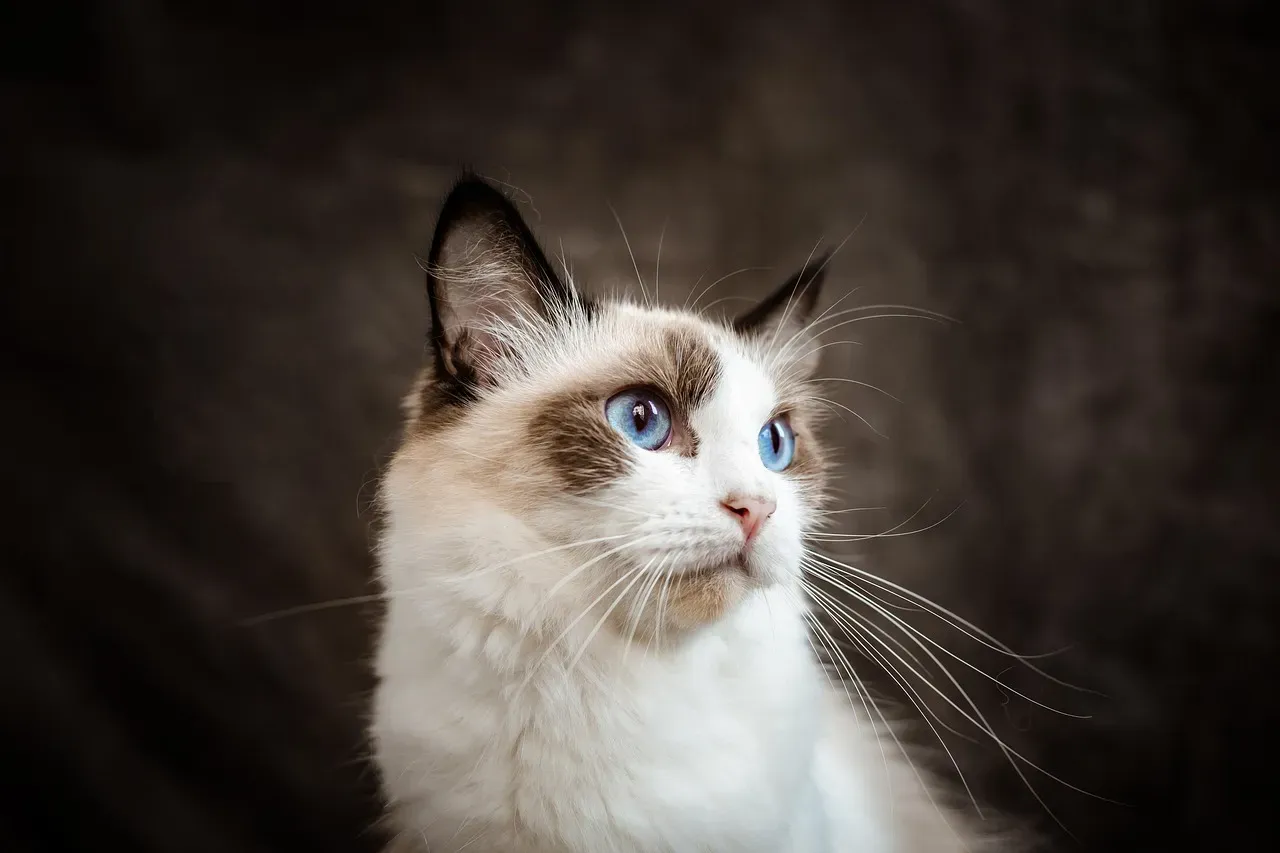
Ragdolls literally get their name from going limp when picked up, making them one of the most relaxed breeds you’ll encounter. This breed isn’t just tolerant of grooming – they often seem to genuinely enjoy it. Their docile nature means you can brush them, trim their nails, and even bathe them without turning your bathroom into a war zone.
Their silky, semi-long coat lacks the thick undercoat found in some breeds, making grooming easier and less prone to matting. Still, you’ll need to dedicate time to their care. A gentle brush two to three times a week helps prevent tangles and mats, but honestly, most Ragdolls seem to consider this quality bonding time rather than torture. Their laid-back temperament extends to pretty much every aspect of handling, which is why they’re frequently recommended for families with children or first-time cat owners.
Maine Coon: Gentle Giants With Surprising Patience
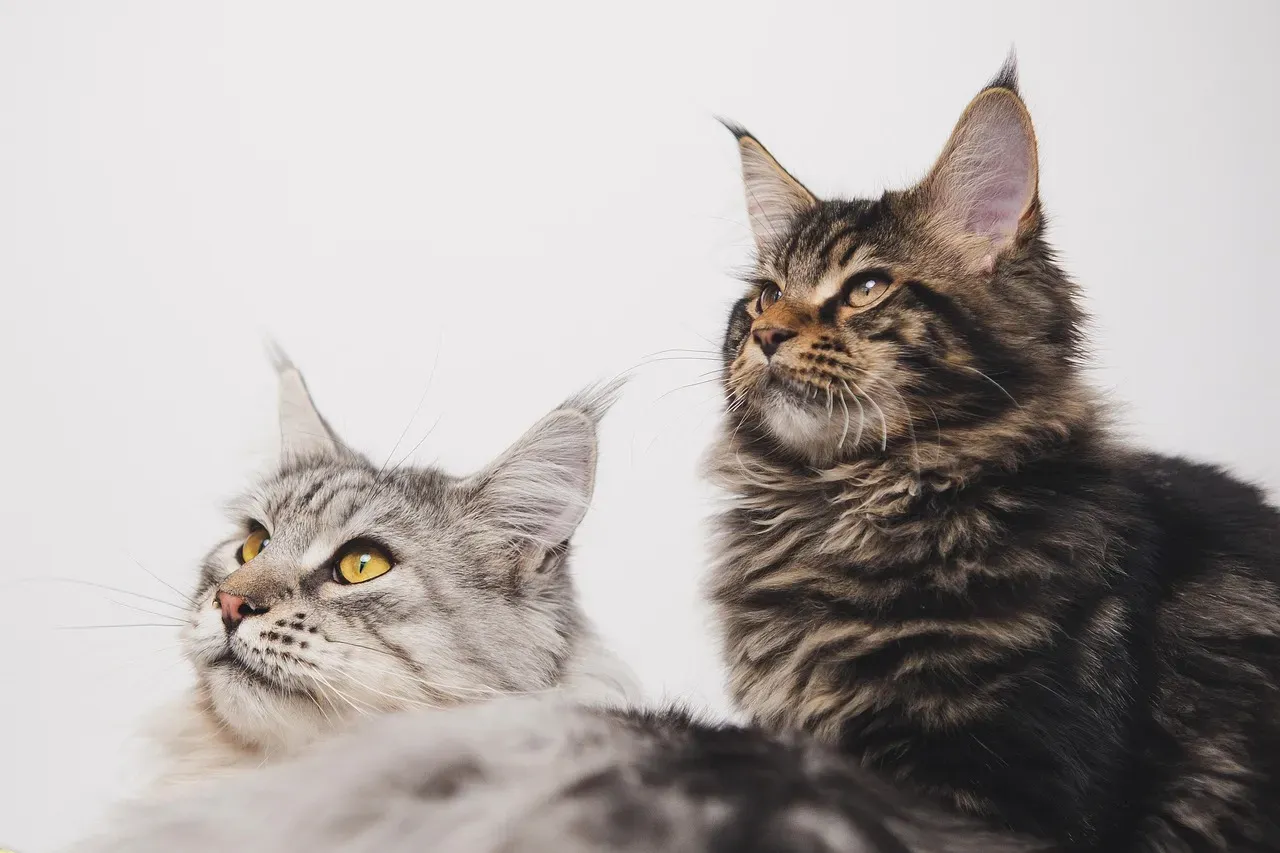
Maine Coons need daily attention to prevent matting, given their long, luxurious coats. Here’s the thing, though – despite their impressive grooming requirements, these gentle giants typically handle the process remarkably well. Their friendly, dog-like personalities make them surprisingly cooperative during grooming sessions.
While Persians and Maine Coons require daily care due to their coat type, Maine Coons generally don’t put up the same fight. They’re patient cats who seem to understand that grooming is part of the deal. That said, their sheer size can make grooming sessions feel like you’re brushing a small lion. Their thick, shaggy coat requires proper tools and technique, particularly around the mane area where mats love to form. Let’s be real, though – most Maine Coon owners report that their cats tolerate regular grooming far better than you’d expect for such a high-maintenance coat.
Persian: High Maintenance But Surprisingly Compliant
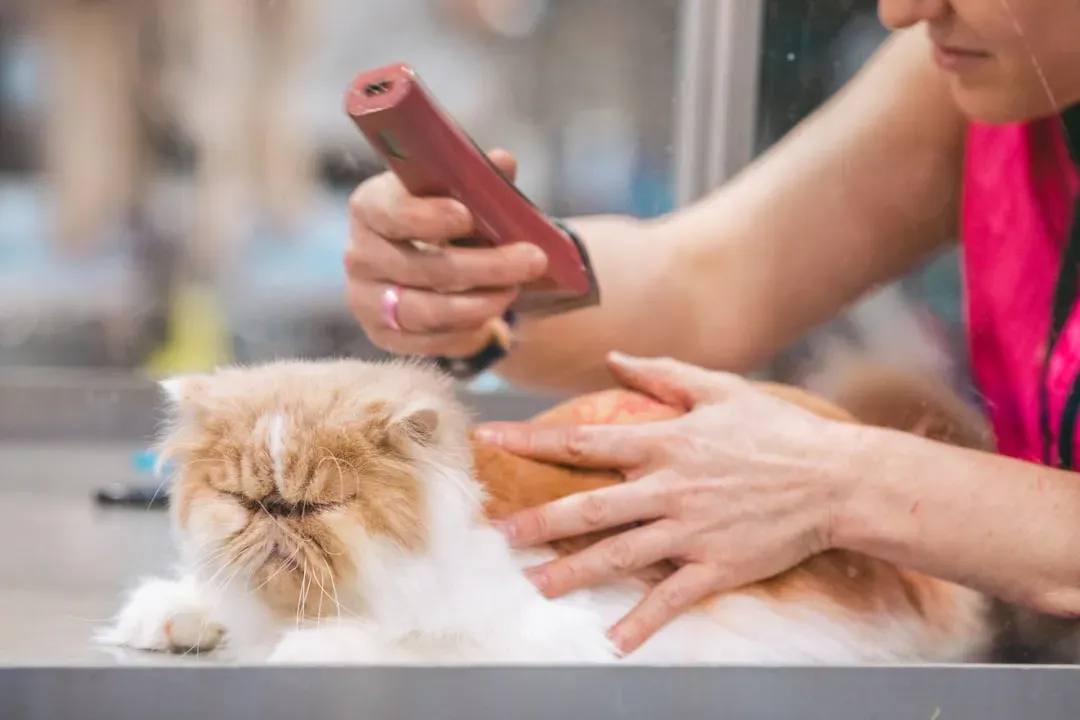
Long-haired cat breeds like the Birman, Himalayan, and Persian – with their coats requiring daily brushing to prevent tangles and matting. Persians have gained a reputation for being grooming divas, but honestly, most are quite cooperative about the whole ordeal. Persians are quiet, affectionate cats that love lounging and prefer gentle petting over rough play.
Their calm, laid-back demeanor translates well to grooming sessions. They seem to accept that daily brushing is just part of life. Their coats do require daily brushing to prevent mats and tangles, which your Persian will enjoy as they love a good grooming session. The challenge isn’t usually their temperament – it’s the commitment required from you as an owner. Miss a few days and you’ll be dealing with painful mats that can require professional intervention.
British Shorthair: The Low-Drama Option
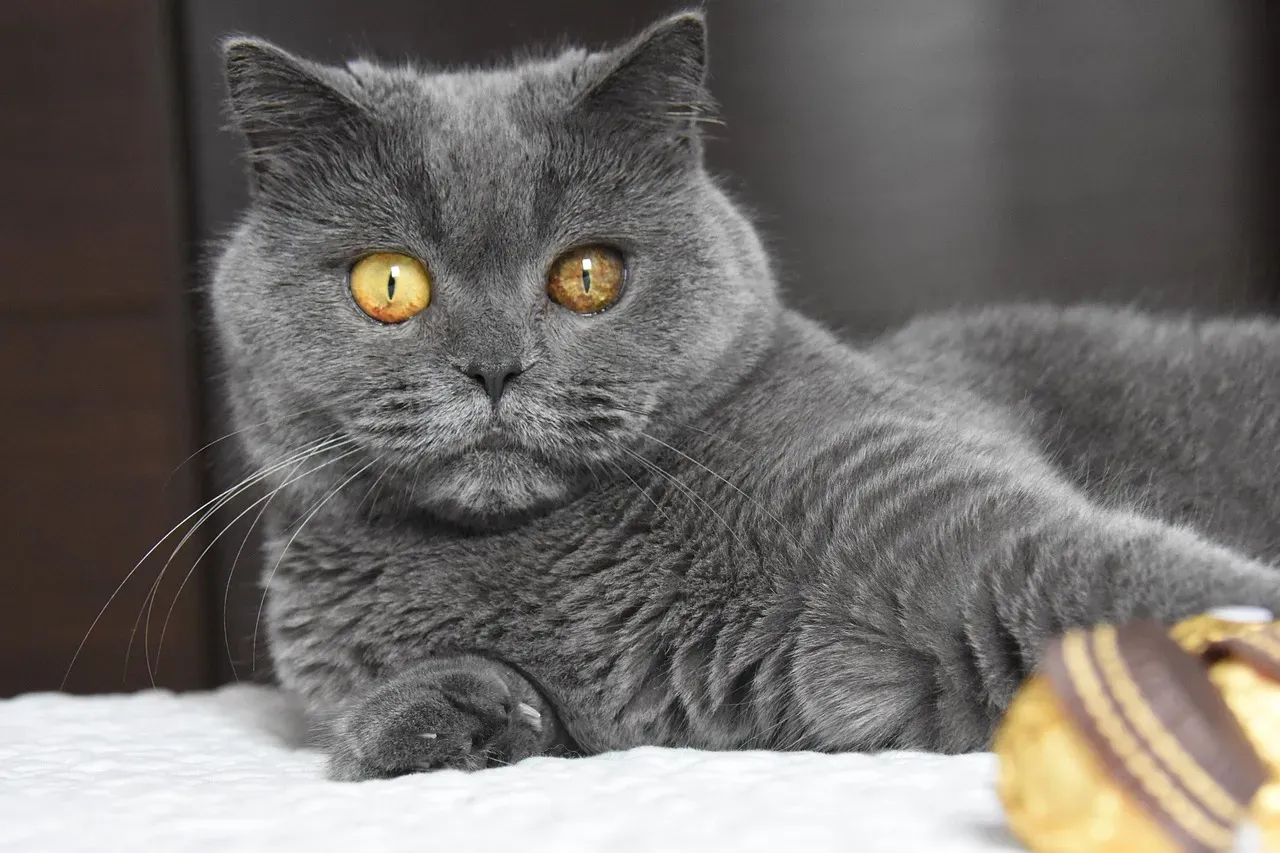
If you’re looking for a cat that won’t turn grooming into an Olympic event, the British Shorthair deserves serious consideration. British Shorthairs are calm and affectionate but not overly needy, with plush coats that are simple to manage. Their dense, short fur doesn’t mat easily and requires minimal upkeep compared to their long-haired cousins.
Like many other short-haired cat breeds, the Scottish Fold generally doesn’t need to be brushed more than once a week, and the same principle applies to British Shorthairs. Their temperament matches their grooming needs perfectly – they’re patient, tolerant, and rarely make a fuss. These cats embody the “chill” vibe that busy owners dream about. Weekly brushing sessions are usually sufficient, and most British Shorthairs will sit through them without drama. Their independent yet affectionate nature means they’ll appreciate the attention without demanding constant grooming marathons.
Exotic Shorthair: Persian Personality Without the Hassle
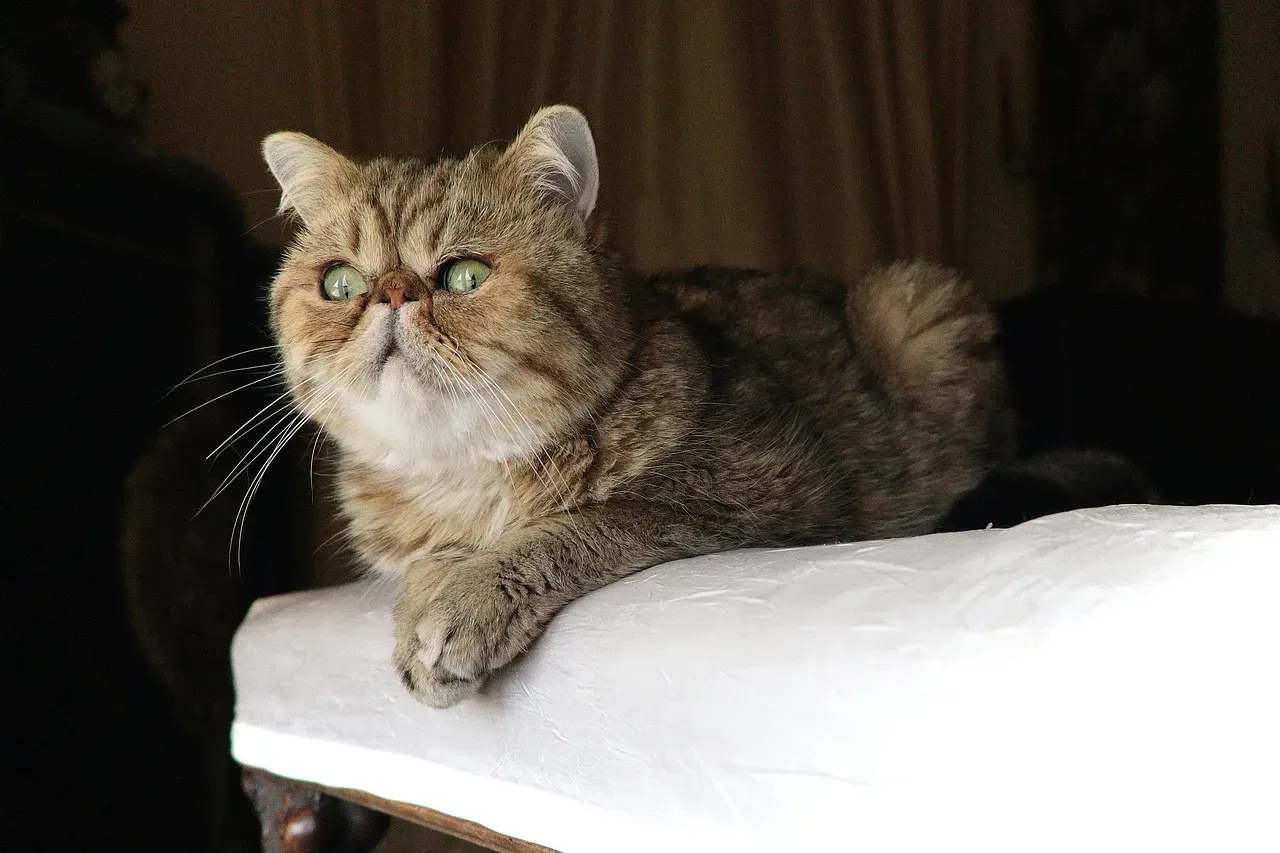
Think of the Exotic Shorthair as a Persian cat with a shorter, plush coat, with these adorable felines having a friendly, easygoing temperament and requiring less grooming than their long-haired relatives. This breed essentially gives you all the wonderful personality traits of a Persian without the daily grooming commitment. They’re the ultimate compromise for people who love Persian temperament but don’t want to spend hours brushing.
This breed has the same look as the Persian but without the high-maintenance coat, and their temperament is almost identical as well, being calm, sweet-natured, and gentle. Their cooperative nature during grooming makes them ideal for first-time cat owners or anyone who wants a low-stress pet care experience. These cats genuinely seem to enjoy being pampered without requiring you to dedicate your life to coat maintenance. They handle nail trims, ear cleaning, and occasional baths with minimal complaint.
Siamese: Vocal But Generally Cooperative
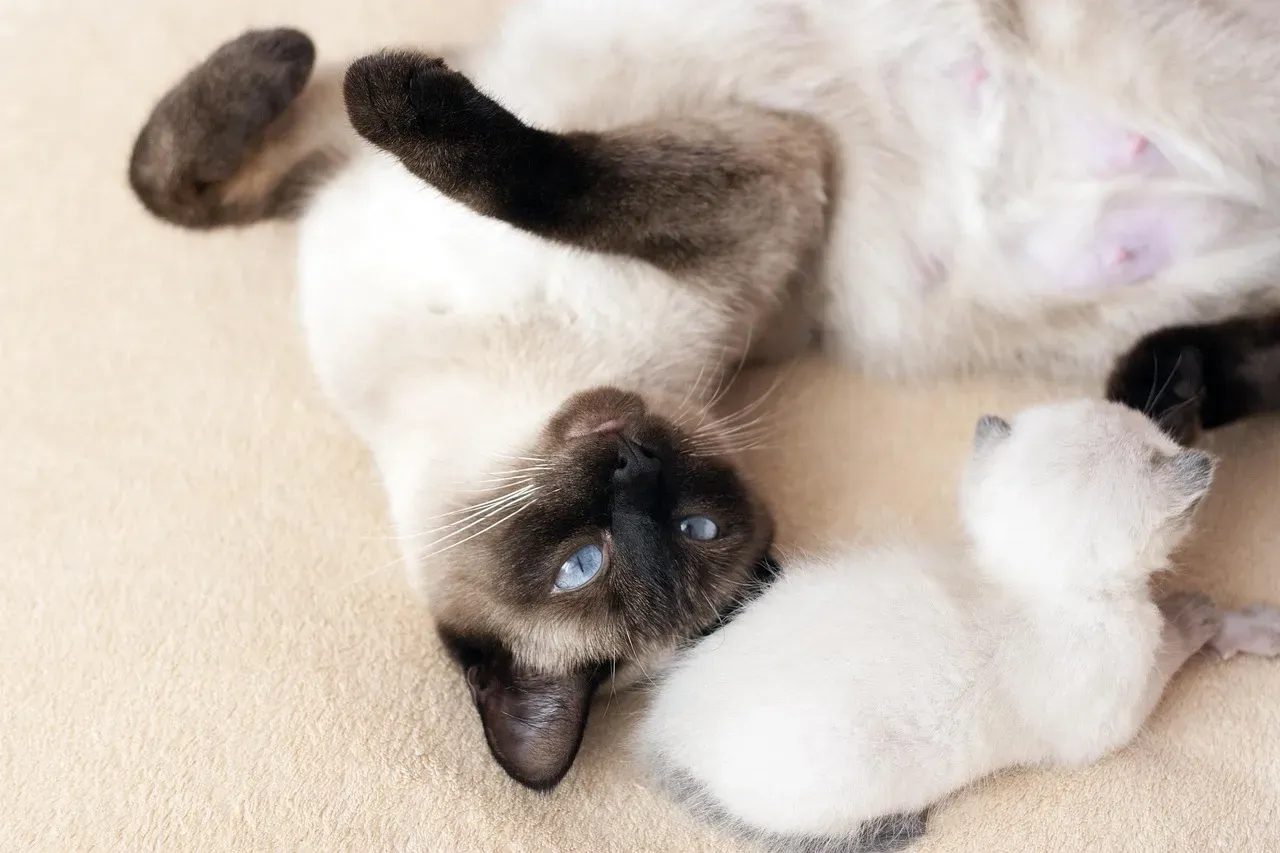
The Siamese has a short coat that is easy to maintain, requiring just weekly combing with a stainless steel comb to get rid of loose fur. Now, Siamese cats will definitely tell you exactly how they feel about grooming – loudly and repeatedly. Their vocal nature is legendary. However, despite all the commentary, most Siamese cats actually cooperate reasonably well during grooming sessions.
The Siamese has a short coat that is easy to maintain, perhaps part of what makes this breed so popular among cat lovers. The minimal grooming requirements combined with their social, affectionate nature make them relatively easy to handle. Sure, they might complain the entire time you’re brushing them, but they typically won’t try to escape or attack you. Think of it like grooming a chatty friend who loves to narrate everything – annoying at times, but ultimately manageable.
Turkish Van: The Independent Rebel
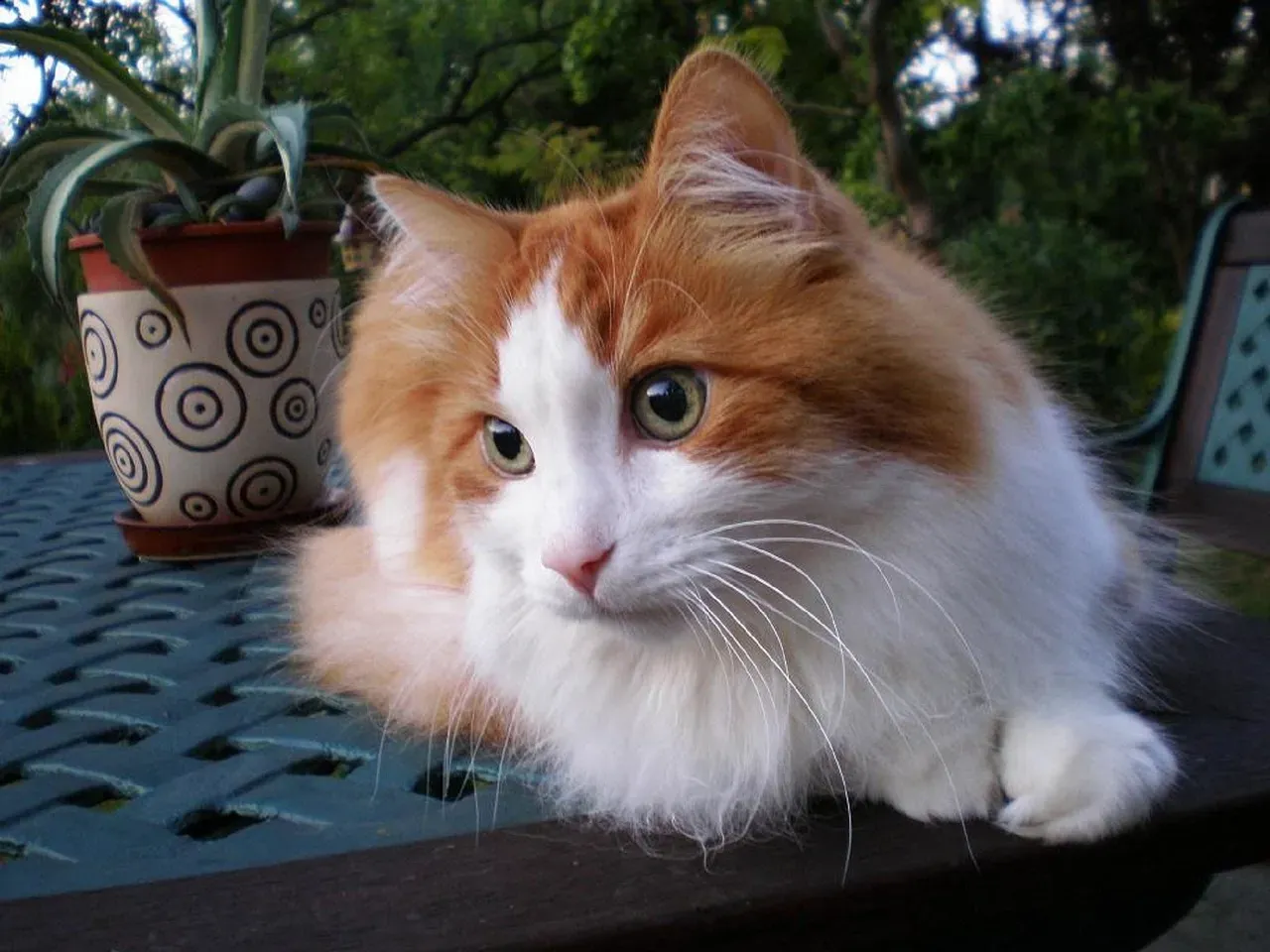
Here’s where we shift gears to the more challenging breeds. Turkish Vans were the most likely to display aggression towards people, in contrast to British Shorthairs which had the lowest probability for aggression. Turkish Vans are beautiful, intelligent cats, but they’re also fiercely independent and often resist handling of any kind.
The Turkish Angora, closely related to the Van, is elegant, smart, and loyal, but true to their independent nature, they typically don’t like to be held. This resistance extends to grooming sessions as well. While their long coats require regular maintenance, getting them to sit still for it can feel like negotiating with a tiny, furry terrorist. They’re not necessarily aggressive, but they’ll definitely let you know when they’ve had enough. These cats work best with owners who respect their boundaries and approach grooming sessions with patience and short intervals.
Bengal: Too Busy for Your Brushing Nonsense
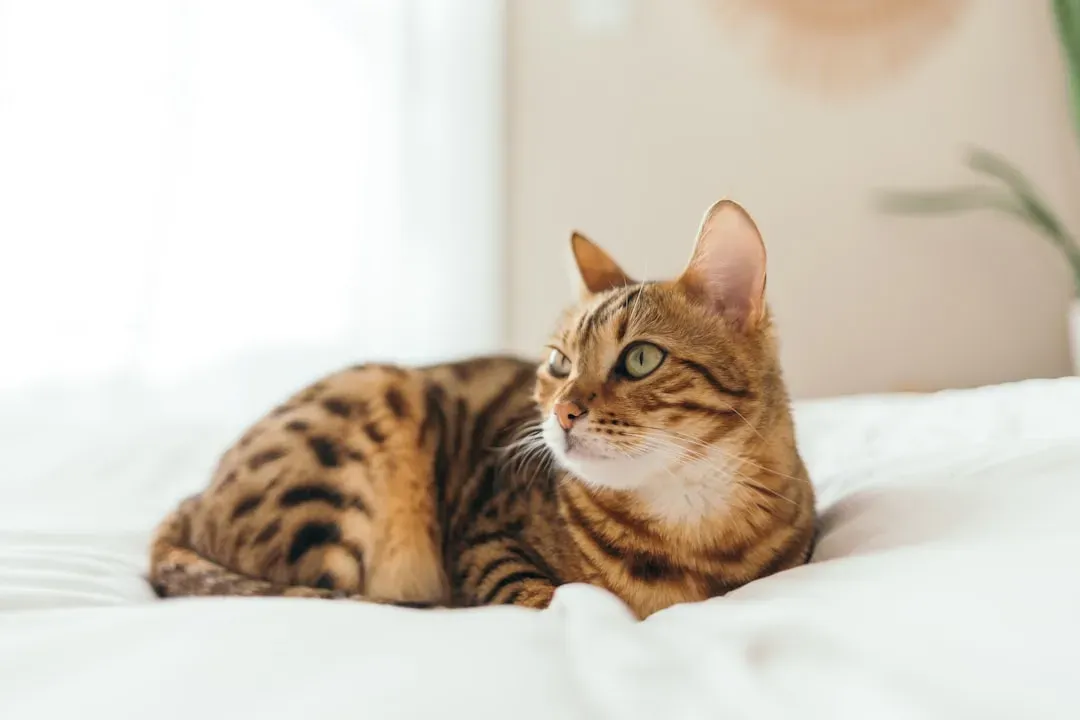
Much of the Bengal cat’s independence is inherited from their wild ancestor the Asian leopard cat, and although they are thrilled when you’re home, Bengals are content to entertain themselves. This independence and high energy level doesn’t always translate well to grooming cooperation. Bengals are constantly on the move, exploring, climbing, and generally being tiny wildcats in your living room.
Bengals can have short hair or long hair, but both types are easy to groom – in theory. The challenge isn’t the coat itself but getting the Bengal to hold still long enough for you to actually groom it. These cats have better things to do than sit through a brushing session. They’re intelligent enough to know what you’re trying to do and active enough to avoid it. Many Bengal owners report that grooming sessions work best after vigorous play sessions when the cat is finally tired enough to tolerate handling.
Russian Blue: The Shy Grooming Avoider
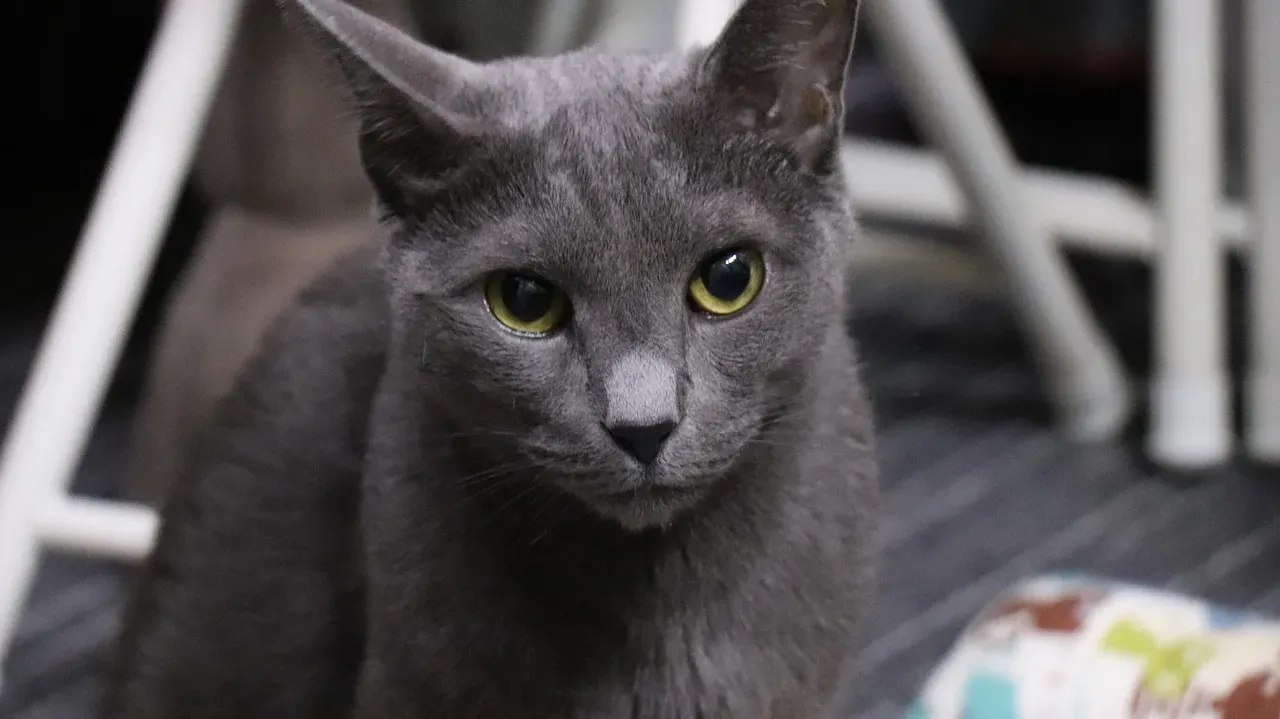
Russian Blue cats had the highest probability for shyness towards strangers, and this reserved nature can extend to grooming situations as well. These cats aren’t necessarily aggressive about resisting grooming – they’re more likely to simply disappear when they see you approaching with a brush. Their shy, cautious temperament means building trust is essential before attempting regular grooming.
The Russian Blue is a faithful, warm-hearted feline with a big brain and a short coat that requires little grooming, quite capable of spending long hours alone without getting bored. The good news? Their short, dense coat doesn’t require extensive maintenance. The challenge is their nervous disposition around handling. These cats need patient, consistent owners who can gradually desensitize them to grooming tools and touch. Once trust is established, they can become more cooperative, but rushing the process will only make them more skittish.
Understanding Why Some Cats Resist Grooming
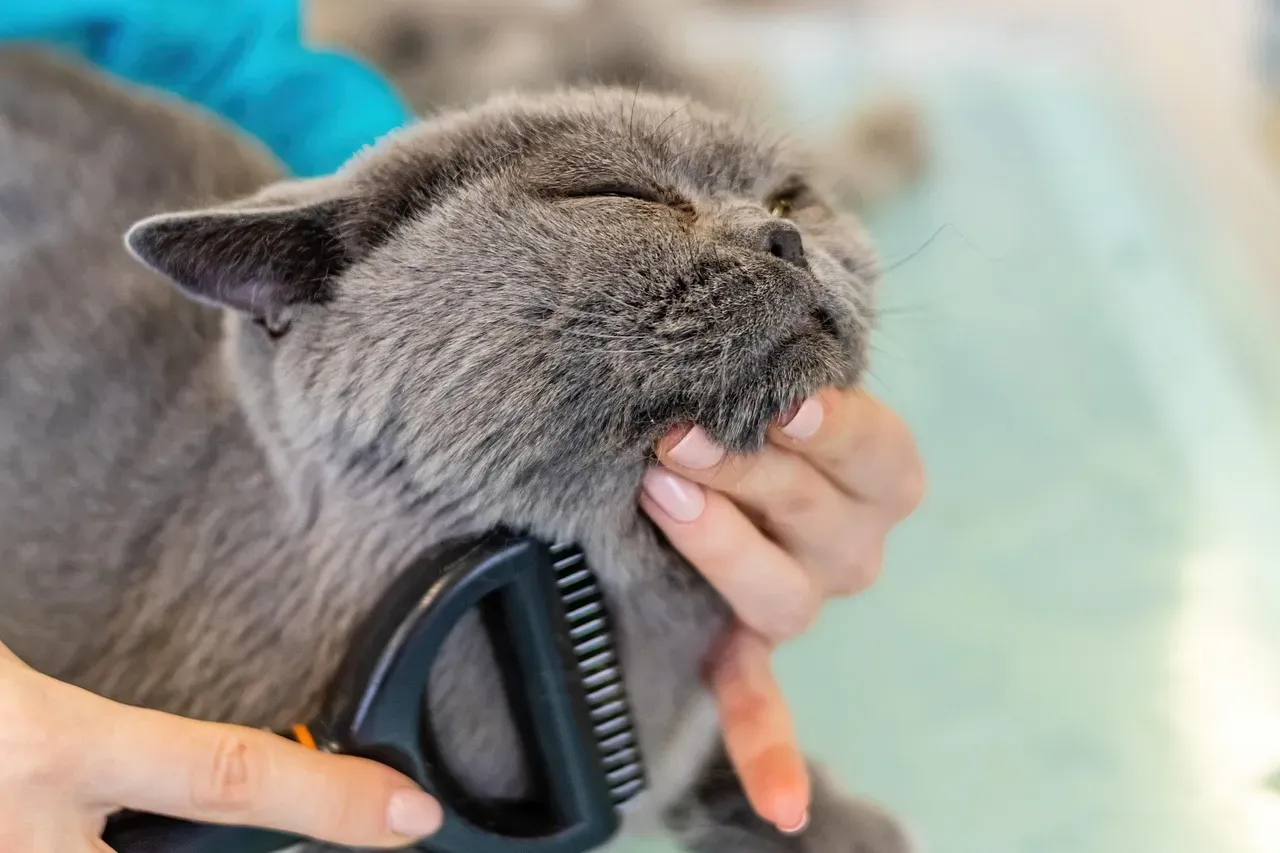
Many cats fear grooming because it can hurt, with rough brushing potentially pulling their fur or hurting their skin, and if they’ve had a painful experience before, they might avoid grooming altogether. It’s not that certain breeds are just being difficult – there are legitimate reasons behind grooming resistance. Grooming can make cats feel trapped, as they like to be in charge of their movements, and when you hold them still, it takes away their sense of freedom.
Your cat likely hates grooming because it feels uncomfortable, scary, or painful to them, with many cats – especially rescues or long-haired breeds – not enjoying being brushed or handled, and some are still learning to trust. Past negative experiences, lack of early socialization to grooming, and individual personality differences all play significant roles. Some breeds naturally have higher stress responses to handling, while others were selectively bred for docile temperaments that make grooming easier.
Making Grooming Work With Resistant Breeds
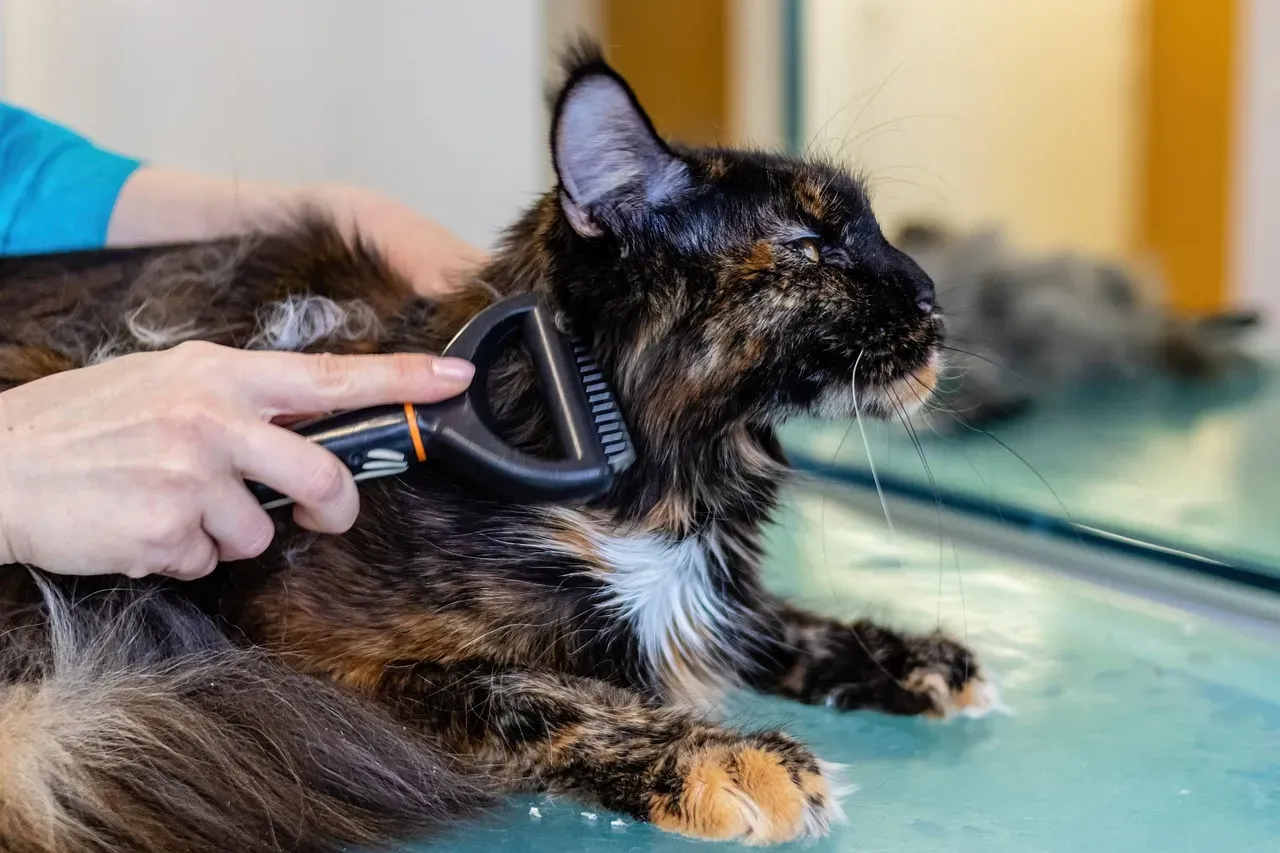
First, teach your cat to associate being groomed with receiving treats, praise, and cuddles, so your kitty learns that grooming time comes with plenty of nice things and is something to look forward to. Even the most resistant breeds can learn to tolerate grooming with the right approach. Start by scheduling grooming sessions when your cat is naturally calm and relaxed, such as after a meal or a nap, as this sets the stage for a positive experience.
A groomer is also a good idea if your cat is simply resistant to your help, as there’s no need to strain your relationship over grooming when there are those who are highly experienced in the art. Professional groomers have experience handling difficult cats and can often accomplish in minutes what might take you hours. For particularly resistant breeds, consider short, frequent grooming sessions rather than marathon battles. Five minutes of cooperative grooming beats thirty minutes of wrestling any day. Patience, consistency, and positive reinforcement work wonders, even with breeds notorious for resisting handling.
Whether you choose a breed that treats grooming like a spa day or one that considers it cruel and unusual punishment, understanding your cat’s natural tendencies makes all the difference. The grooming-friendly breeds make life easier, sure, but even the most resistant cats can learn to tolerate necessary care with patience and proper technique. What’s your grooming horror story? Share it in the comments – we’d love to hear how your feline friend handles the brush.