You might think all cats are aloof creatures that prefer their solitude, but here’s the thing: not all felines are created equal when it comes to sharing their space. Some cat breeds are practically social butterflies, thriving in households with dogs, other cats, or even smaller pets. Others? They’d rather rule their kingdom alone, thank you very much.
The truth is, understanding which breeds fall into which category can save you from a lot of household drama. Whether you’re already juggling multiple pets or considering adding a new furry friend to your home, knowing these personality differences matters. So let’s dive in and discover which cats are ready to make friends and which ones prefer to be your one and only companion.
The Social Maine Coon
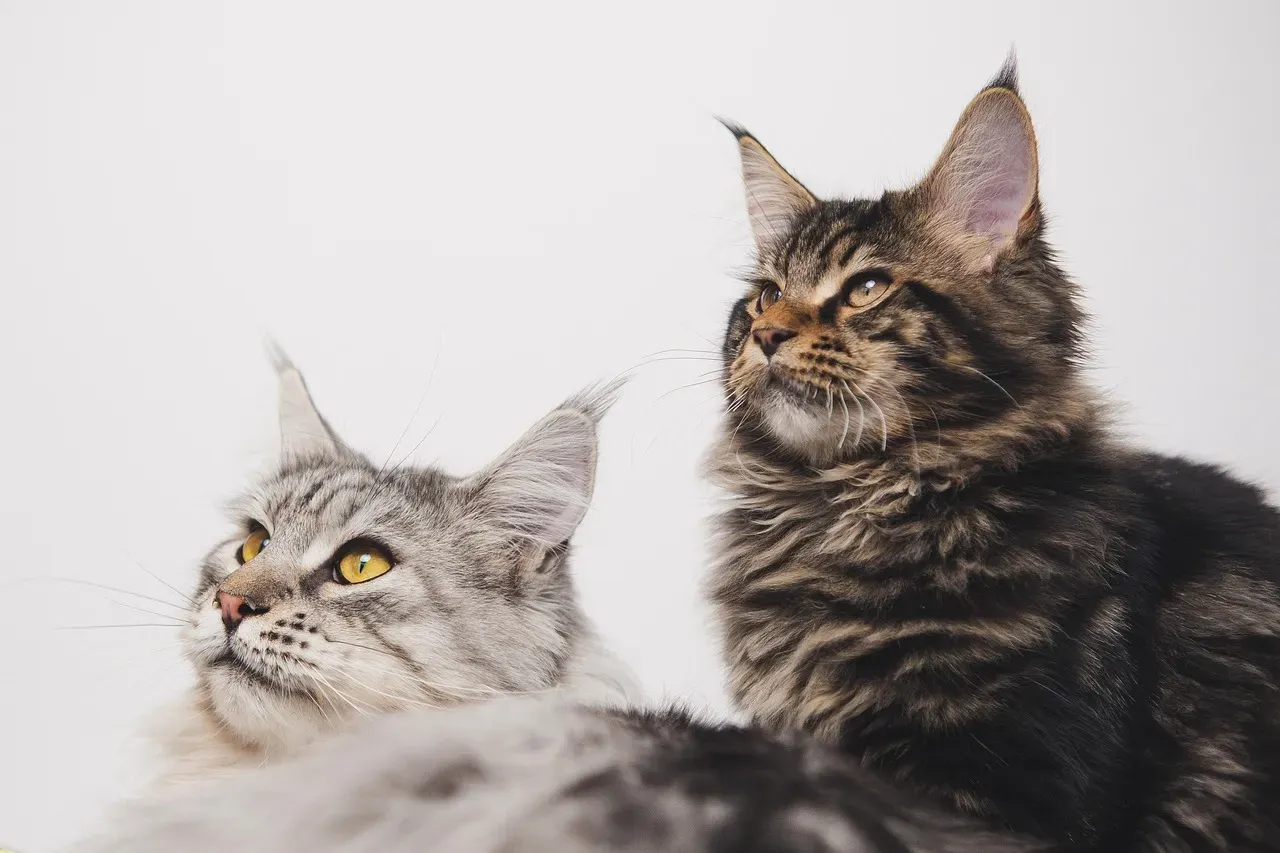
Often referred to as “gentle giants,” Maine Coons are one of the most laid-back cat breeds around. Their calm, confident nature makes them an excellent choice for dog-friendly homes. These massive furballs can weigh over twenty pounds, yet they possess hearts even bigger than their bodies. Think of them as the friendly neighborhood giant who gets along with everyone at the block party.
These cats are often described as being dog-like in their behavior because of their loyalty, trainability, and playfulness, and it helps that they are larger than many small dogs. Their size isn’t intimidating to them or others. They approach new situations with curiosity rather than fear, making them ideal companions in busy, multi-pet households where chaos is just another Tuesday.
Ragdolls Who Go With the Flow
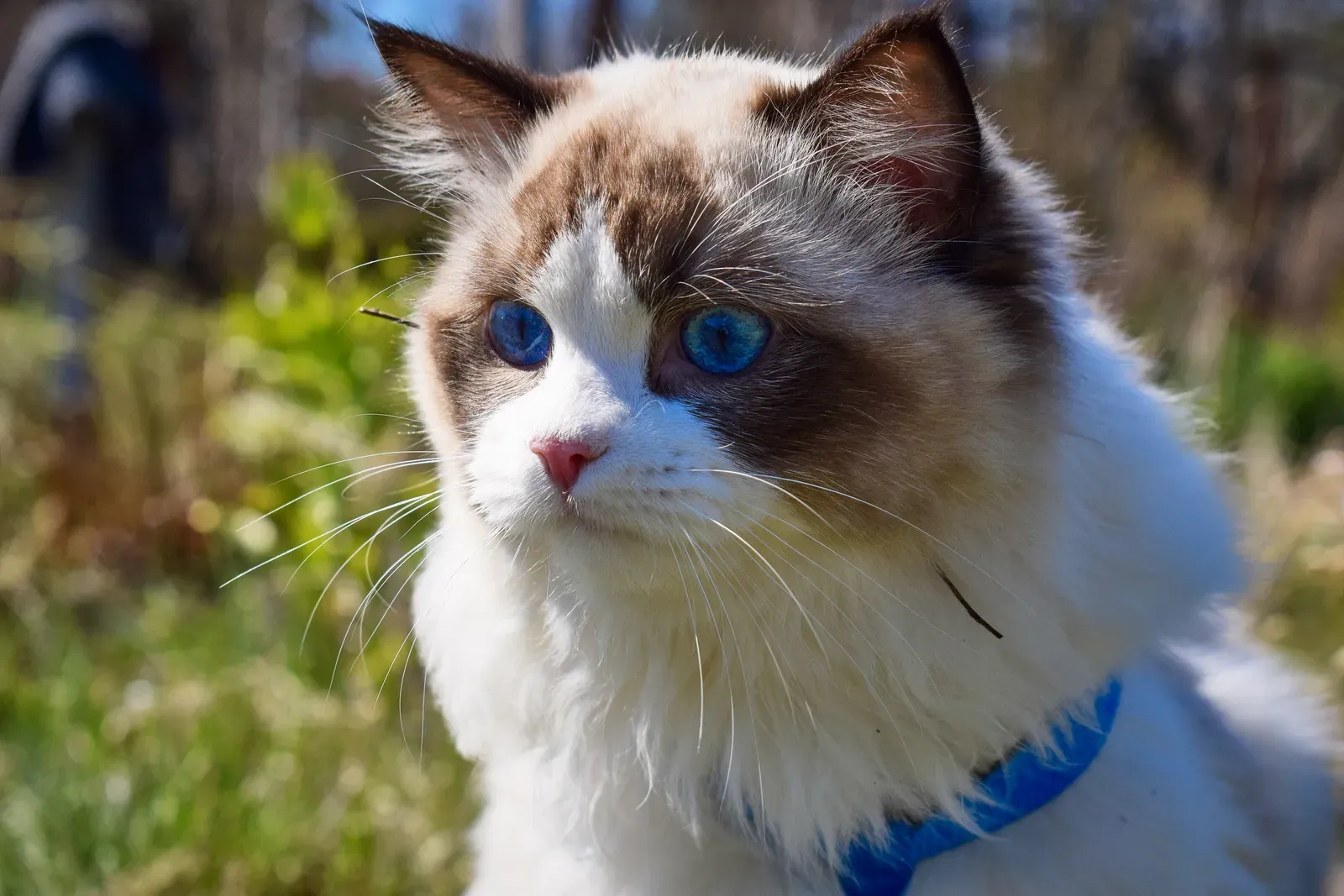
Ragdolls are famous for their laid-back, sweet personality. Picture a cat that literally goes limp when you pick it up, like a furry, purring noodle. Ragdolls are patient, tolerant, and rarely aggressive, even with curious or playful dogs. Their temperament is so relaxed that they often seem unfazed by the antics of other pets, which makes them surprisingly adaptable to homes with canine companions or other felines.
They are rarely territorial and tend to approach other pets with quiet curiosity rather than defensiveness. This breed won’t start drama over who gets the best sunny spot on the couch. Instead, they’ll probably just flop down next to your dog and call it a day. Their easygoing nature means less stress for everyone involved, which is exactly what you want when you’re managing a multi-species household.
Siamese Cats and Their Social Side
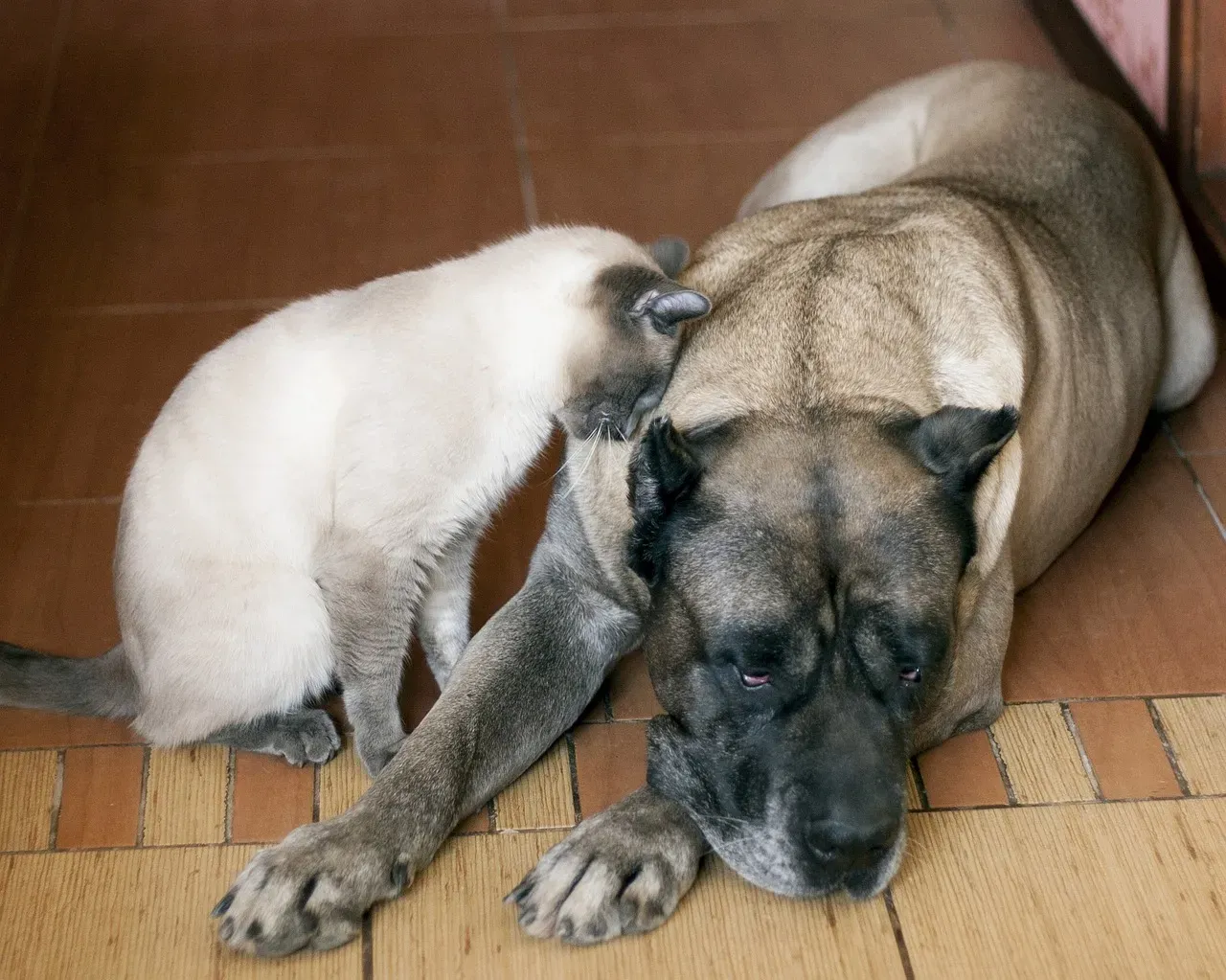
Siamese cats are vocal, interactive, and love being involved in whatever their humans are doing, and their social personality means they won’t shy away from a dog’s presence. These chatty felines crave interaction and attention constantly. Honestly, if you’re looking for a quiet, withdrawn cat, the Siamese is not your match. They want to be part of everything happening in the house, whether that involves you, your dog, or even your neighbor’s cat.
Siamese cats crave attention and dislike being left alone for long periods, making a multi-pet household ideal for keeping them entertained and happy. Having other pets around actually benefits them because they need that stimulation and companionship. Think of them as the extroverts of the cat world who thrive at parties, not sitting home alone on a Friday night.
The Playful Abyssinian
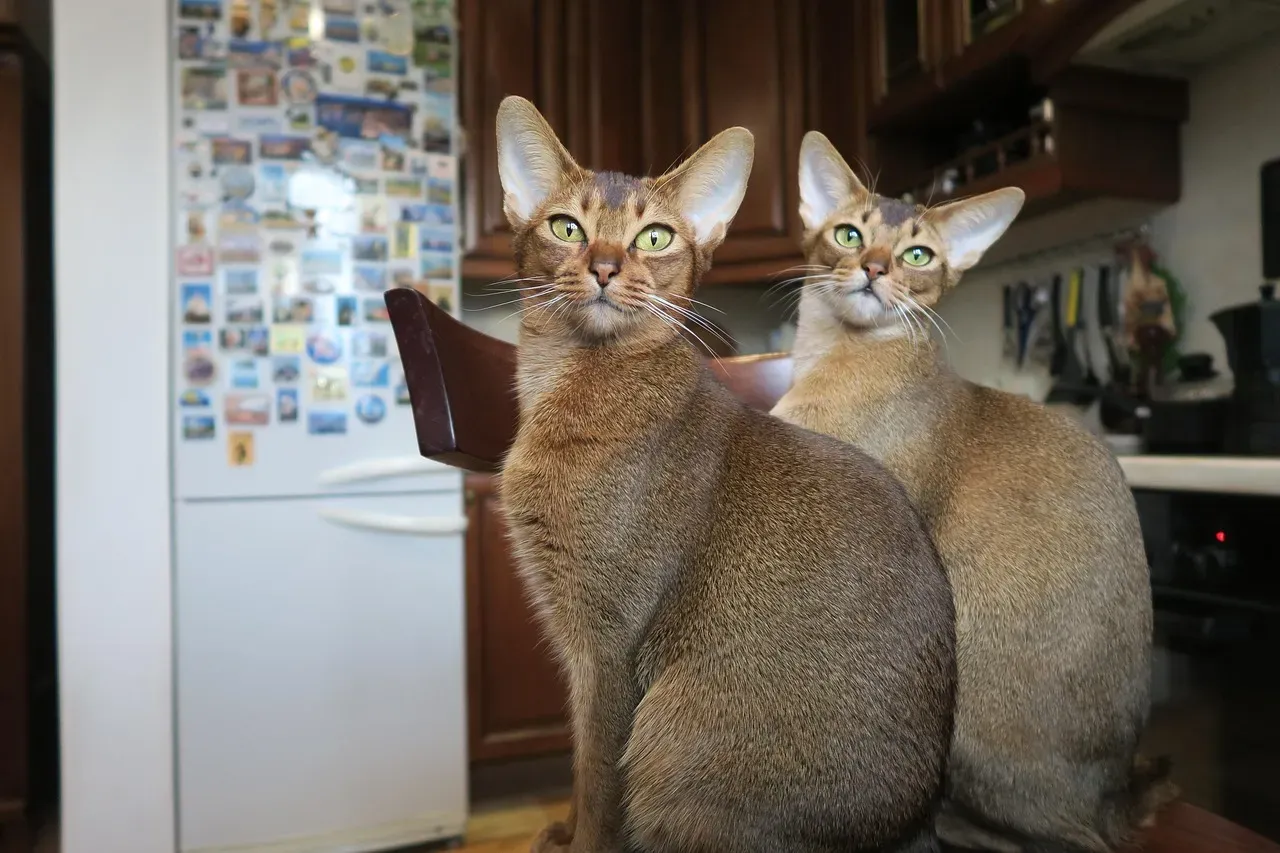
The slender Abyssinian is an extroverted breed that loves to explore and play, making them great companions to a young puppy or high-energy dogs, and Abyssinians are known to be highly affectionate and tend to grow attached to their family members. These cats possess boundless energy and curiosity that matches many dogs perfectly. They’re not the type to hide under the bed when a new pet arrives.
Their athletic build and adventurous spirit mean they’re always ready for action. In multi-pet homes, Abyssinians stand out as social cat breeds that genuinely enjoy company. They’ll chase toys with your dog, explore together, and generally treat other pets as playmates rather than threats. It’s hard to say for sure, but they might actually prefer having a companion to share their endless enthusiasm with.
Birman Cats and Their Gentle Nature
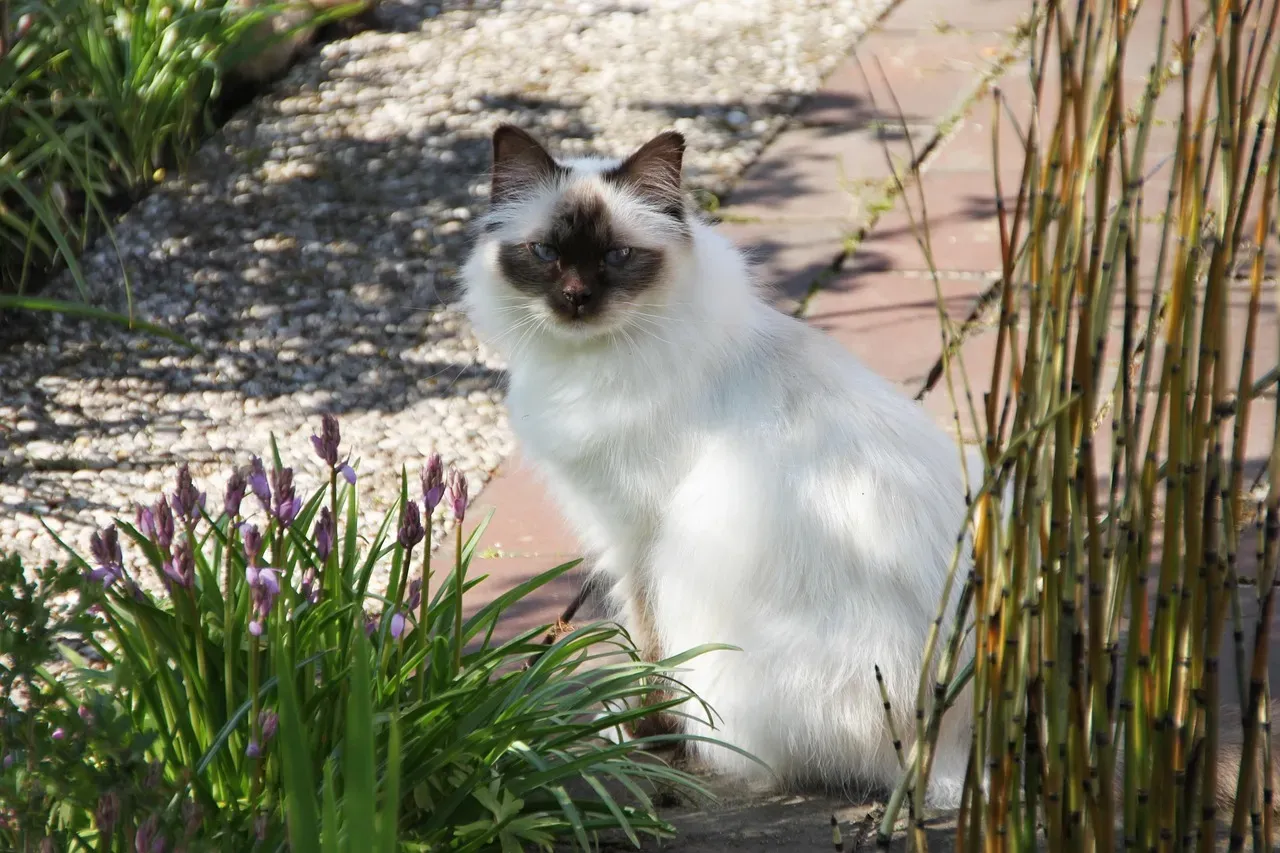
Sweet and gentle, Birmans are known for their affectionate and easygoing nature, and they tend to adapt well to new companions and environments, making them a good fit for multi-pet homes. These beauties with their striking blue eyes and white paws carry themselves with an almost regal grace, yet they’re surprisingly down to earth when it comes to sharing their space.
Birmans are described as patient, even-tempered, and tolerant and an excellent choice for families with children and other pets. Their sweet disposition isn’t just for show. They genuinely seem to enjoy the company of others, whether human or animal. You won’t find them starting territorial disputes or getting jealous when you pet the family dog.
Territorial Siamese: The Flip Side
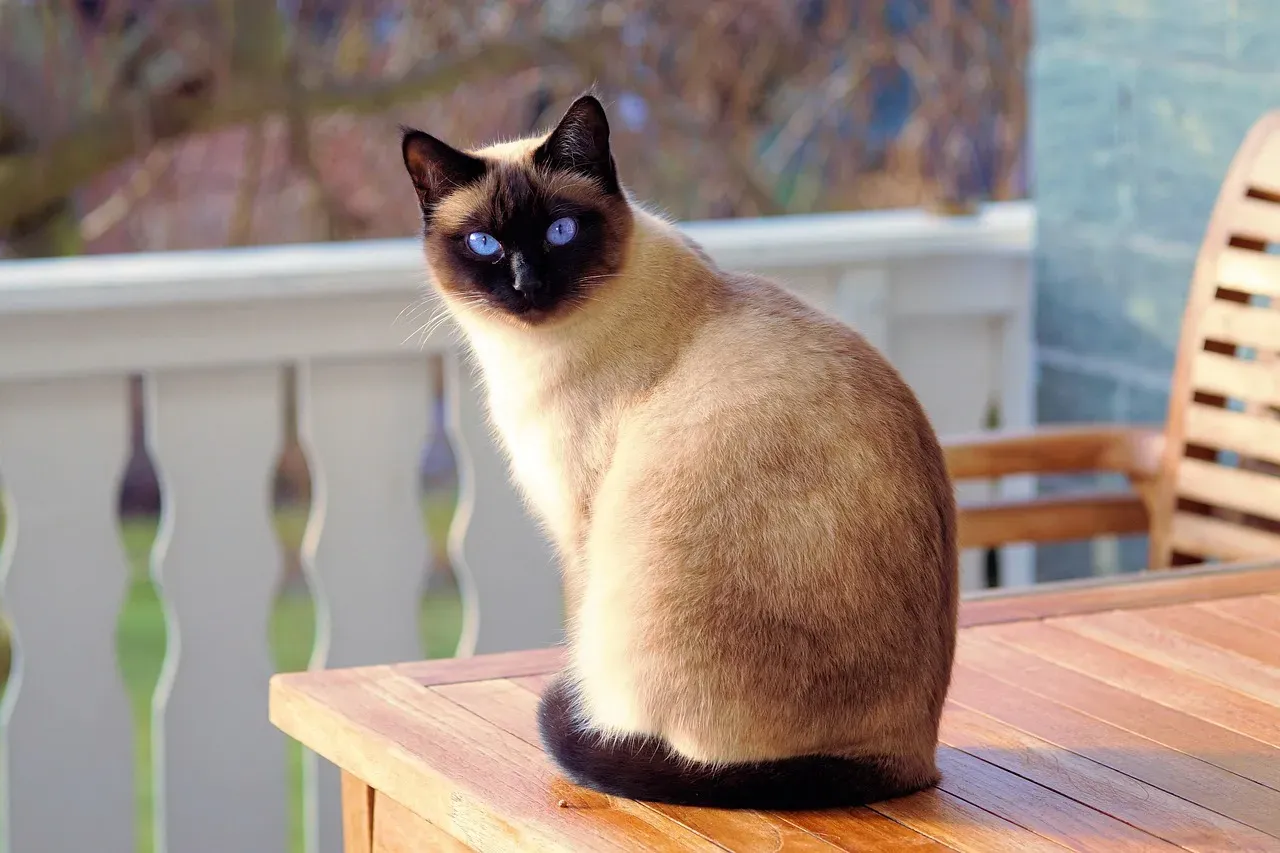
Here’s where it gets interesting. Remember how we just talked about Siamese cats being social? Well, they can also be incredibly possessive. Siamese cats crave constant interaction and attention from their human companions, often forming an intensely loyal bond with a single person, and they can become jealous and territorial if other pets threaten their special bond, with their strong personality making them best suited as the only pet.
The difference comes down to their attachment style. While they can tolerate other pets, many Siamese form such intense bonds with their chosen person that they view other animals as competition. Although all cats have the potential to display territorial behavior, certain breeds such as Siamese and Bengal cats are more commonly associated with it. It’s like having a best friend who doesn’t want you hanging out with anyone else.
Bengal Cats Need Their Kingdom
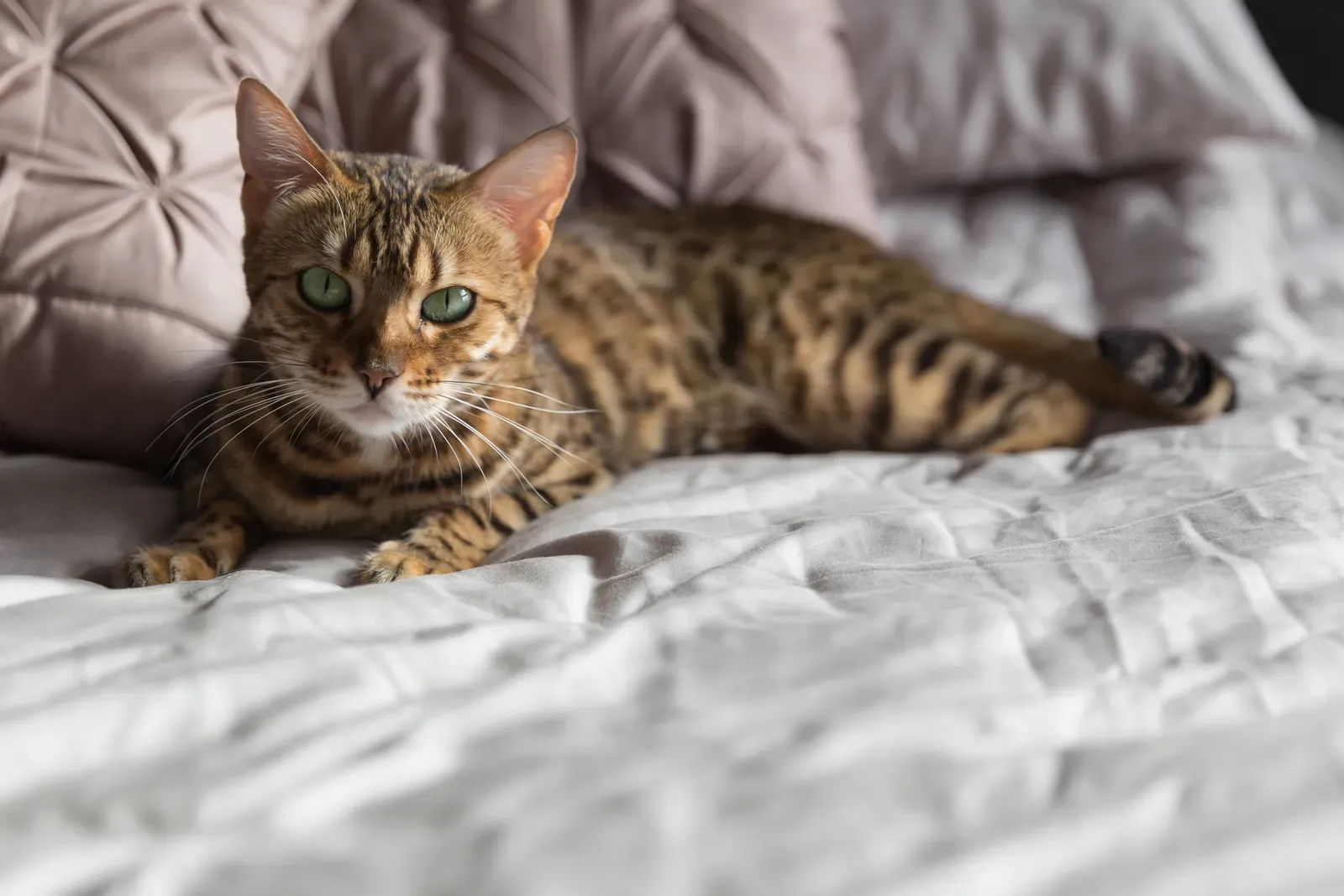
Bengals are known for their wild appearance, reflecting their ancestry including the Asian leopard cat, and this breed is highly active and intelligent, requiring a lot of stimulation, as Bengals often prefer to be the sole focus of their owner’s attention, being territorial and not always getting along with other pets. These stunning spotted cats carry wild blood in their veins, and sometimes it shows in their behavior.
Their territorial instincts run deep. Behavioral issues like territorial spraying and play aggression are quite common if this breed doesn’t meet its needs, as the Bengal is notoriously high maintenance. They need tons of stimulation, attention, and activity. Adding other pets to the mix often creates more problems than solutions for these magnificent but demanding felines.
Russian Blues Prefer Predictability
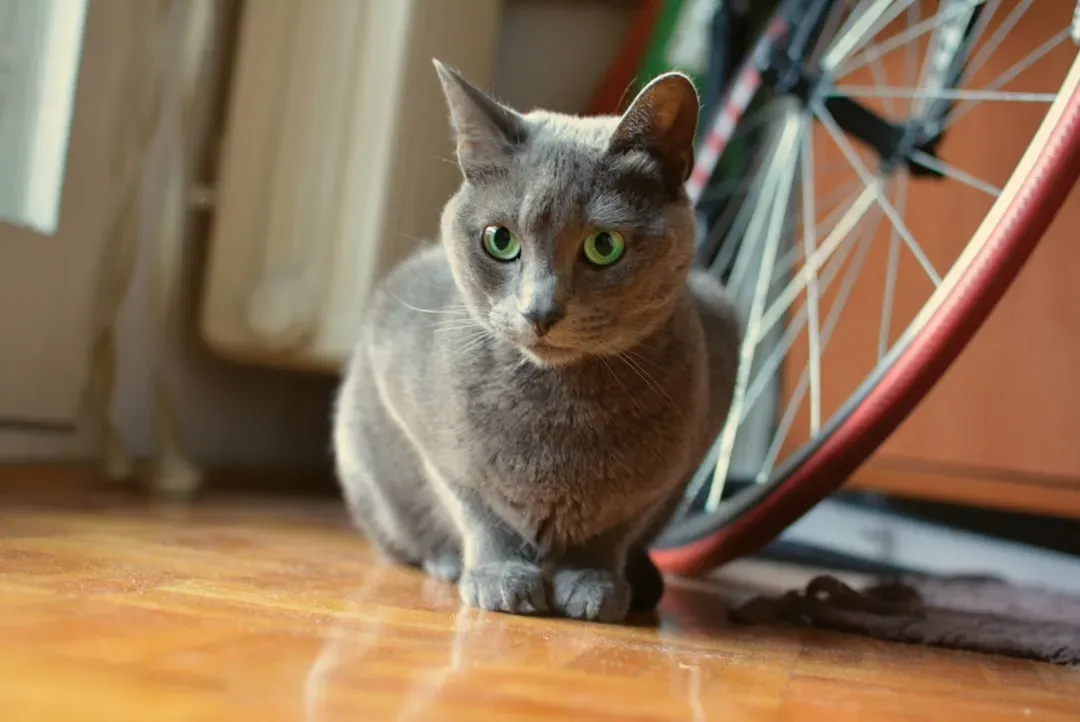
The Russian Blue is a reserved and gentle breed known for its beautiful blue-gray coat and striking green eyes, and they tend to be shy around strangers and may take time to warm up to new people. These elegant cats value routine and predictability above all else. Introducing new pets disrupts their carefully ordered world, which they don’t particularly appreciate.
The beautiful Russian Blue cat breed is loving but independent and does well spending ample time alone. They form deep bonds with their chosen humans but often prefer that relationship to remain exclusive. Think of them as the introverts who’d rather have a quiet evening with one close friend than attend a crowded party with strangers and acquaintances.
Norwegian Forest Cats and Their Independence
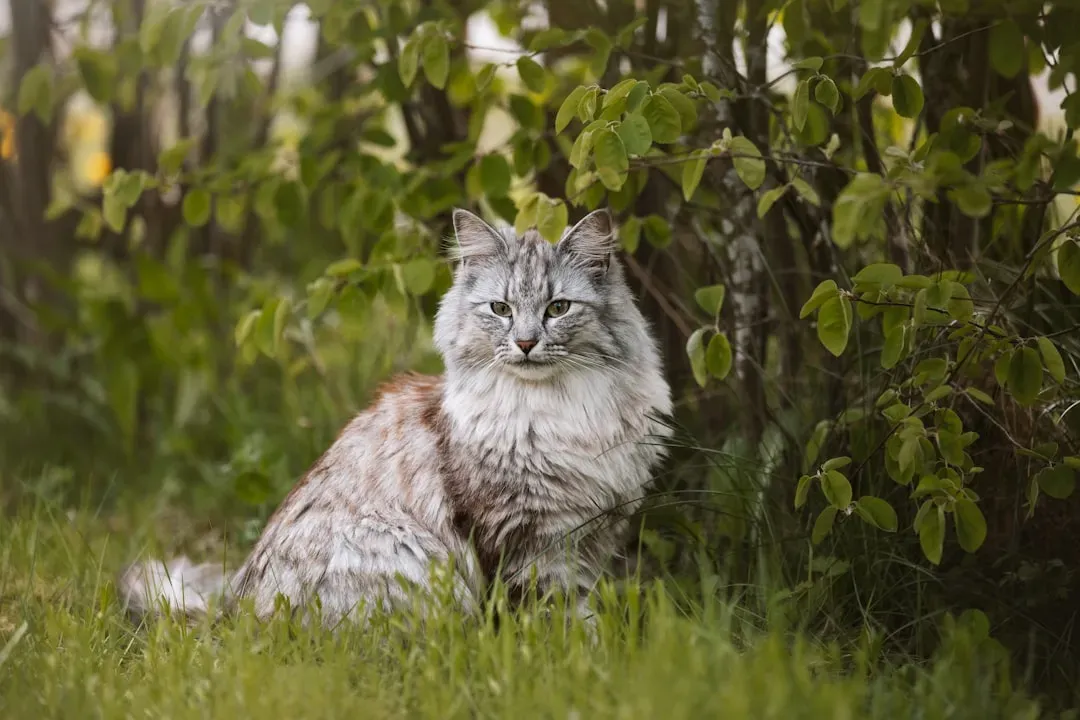
The Norwegian Forest Cat, known for its luxurious double coat and robust size, values its independence and can be territorial, and while affectionate with their human family, they often prefer to be the only pets as they can dominate other animals, with strong hunting instincts leading to tension. These majestic cats from Scandinavia evolved to survive harsh winters independently, and that self-reliant streak remains strong.
Their powerful build and hunting instincts make them natural dominators in any household hierarchy. As the sole pet, a Norwegian Forest Cat can provide companionship without needing constant attention, but they appreciate having their space respected, and they are loyal and playful, enjoying interactive sessions with their owners and the peace of being the only animal to roam their kingdom. They want affection on their terms, not complicated by the presence of other furry competitors.
Burmese Cats Want All Your Attention
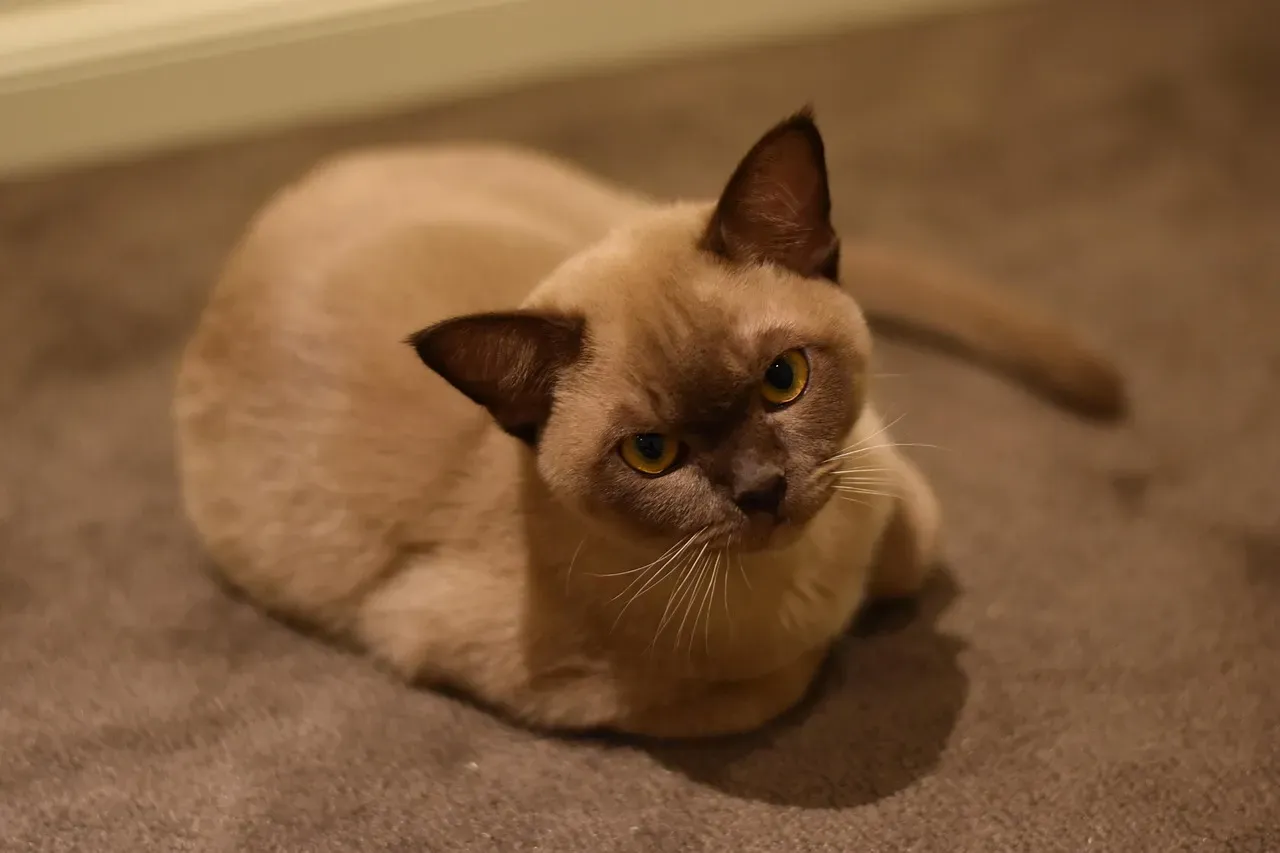
They crave attention and interaction and are happiest when they can be central to their owner’s life, and Burmese cats can become jealous or competitive with other pets, preferring to be the sole recipient of their human affection, with their friendly nature extending to humans rather than other animals. These chocolate-colored charmers are incredibly people-oriented but not particularly pet-oriented.
Breeds such as the Burmese and Bengal cats are thought to be among the most territorial. Their need for exclusive human attention makes them poor candidates for multi-pet households. They’ll tolerate other animals if absolutely necessary, but they won’t be happy about sharing the spotlight. Let’s be real, they want to be your one and only feline love.
Making the Right Choice for Your Home
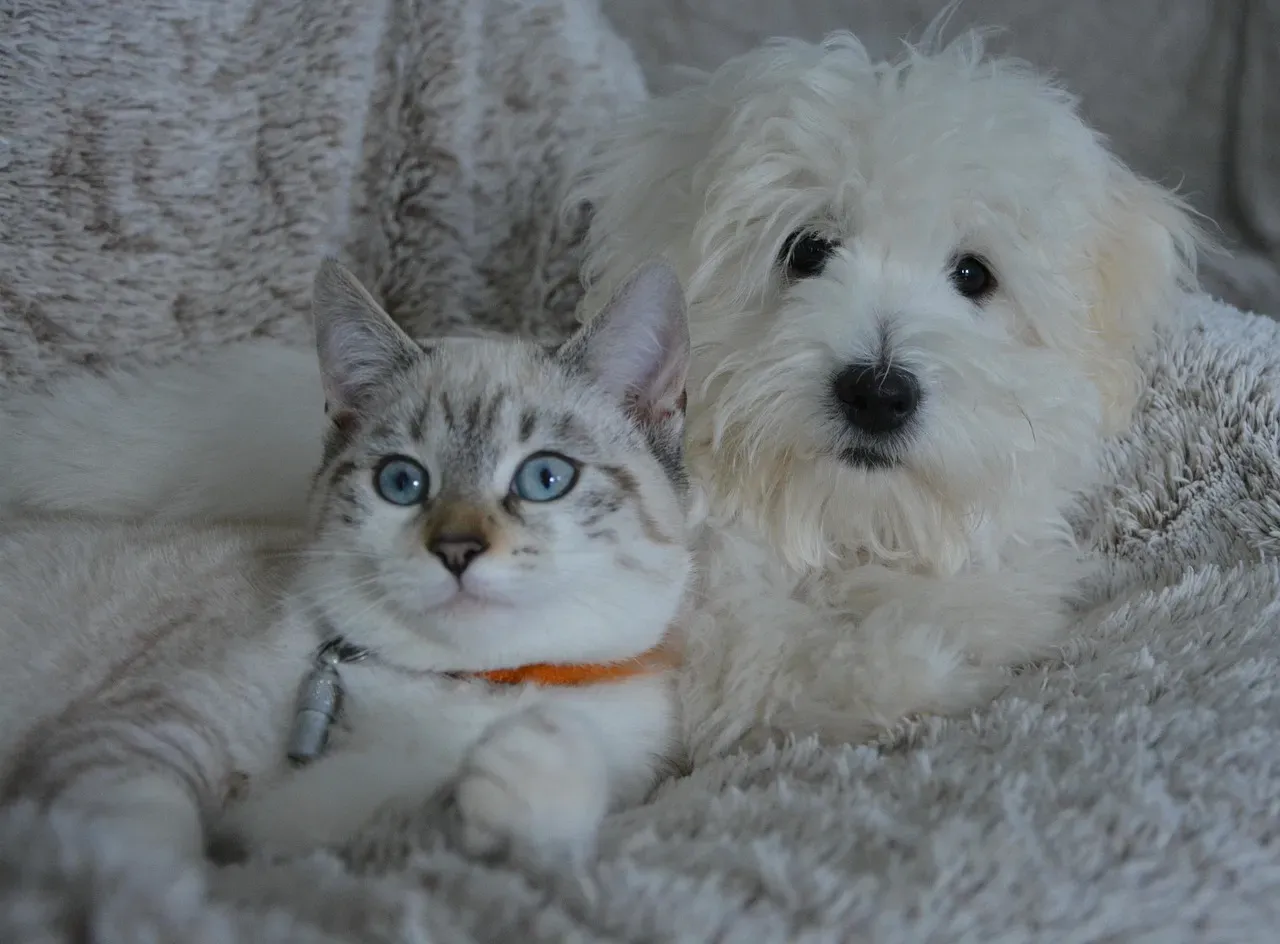
Choosing between a social butterfly and a solitary ruler depends entirely on your household situation and lifestyle. Cats that like dogs and other pets are non-territorial and they aren’t shy, skittish or aggressive. If you already have pets or plan to adopt more in the future, focusing on naturally sociable breeds saves everyone stress and potential conflict.
On the flip side, if you’re a single-pet household kind of person, those independent, territorial breeds might be absolutely perfect for you. They’ll shower you with undivided affection and loyalty without the complications of managing multiple animal relationships. While cats are generally known for their independent nature, breeds that thrive as only pets often require more attention and dedication from their owners, rewarding them with deep loyalty and affection, which can be particularly appealing to pet owners who prefer to devote their care to a single animal. There’s something special about that exclusive bond, honestly. What kind of feline companion sounds right for your home? Think it over carefully before making your choice.