You might think that all cats live roughly the same amount of time. After all, they share similar genetics, diets, and lifestyles, right? Well, the truth is far more complex and, honestly, quite surprising. Some cat breeds have significantly shorter s than others, and the reasons behind this are rooted in genetics, breeding practices, and physical characteristics that come with serious health consequences.
Understanding which breeds face shorter life expectancies can help prospective cat owners make informed decisions. It also shines a light on important ethical considerations in breeding. So let’s explore which cat breeds tend to have s and why these beautiful felines face such challenges.
The Sphynx: A Heartbreaking Reality
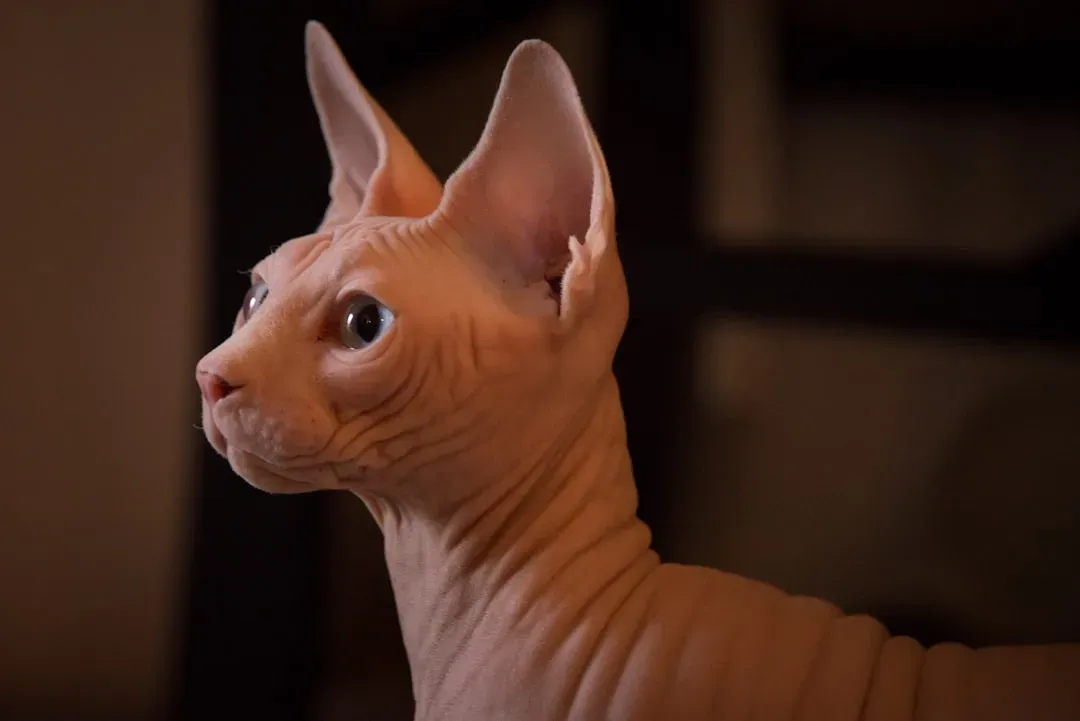
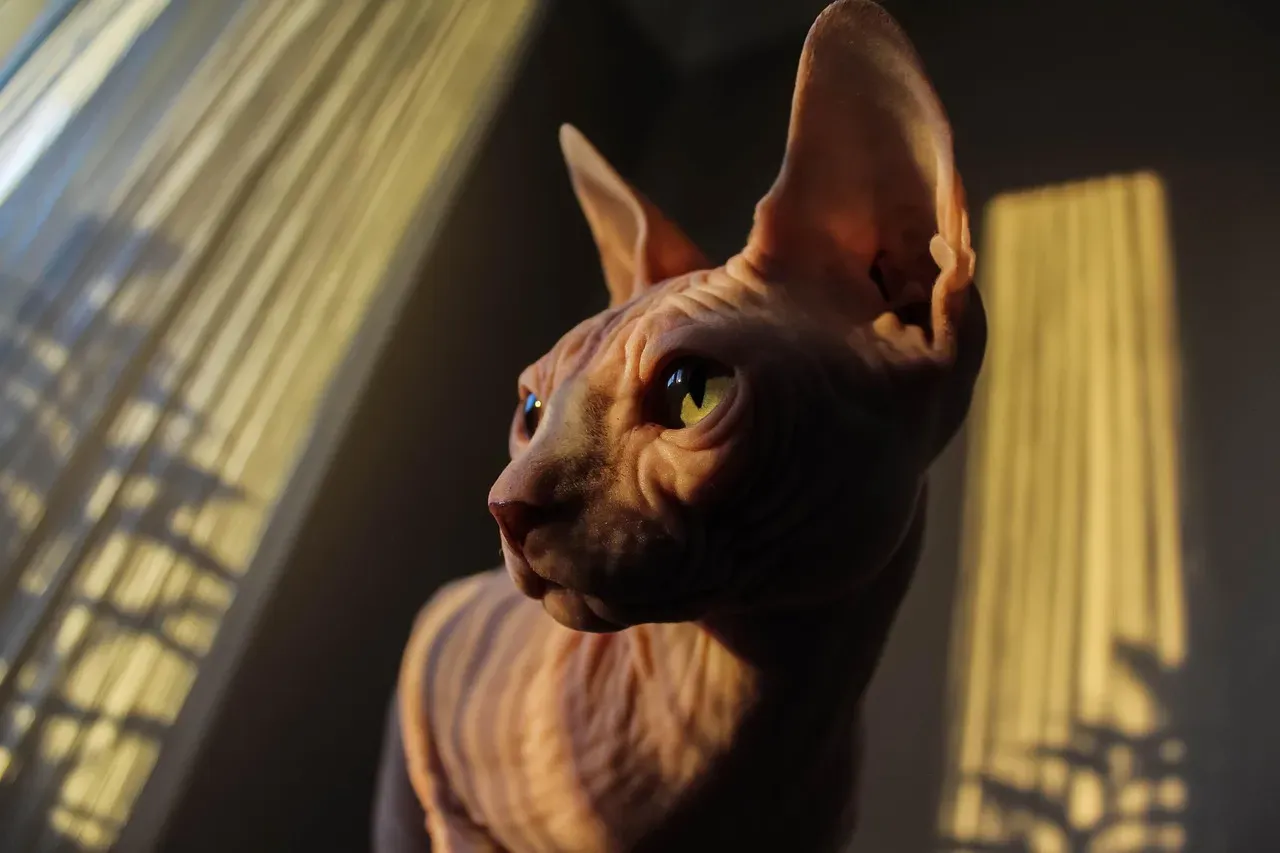
The Sphynx breed has a life expectancy of just 6.68 years, the lowest of any domestic cat breed. Let that sink in for a moment. While most cats can live well into their teens, the Sphynx has an average life expectancy of no more than seven years.
What makes this even more tragic is that the very feature people love about them is what causes their early demise. Sphynx cats are prone to cancer and heart issues due to the recessive hairless gene. Many Sphynx cats aged over 4 years are diagnosed with at least one heart condition. Their lack of protective fur leaves them vulnerable to sunburn, temperature regulation issues, and skin cancers. It’s hard to say for sure, but breeding cats to be hairless feels like we’ve prioritized aesthetics over welfare.
Bengal Cats: Short but Muscular Lives
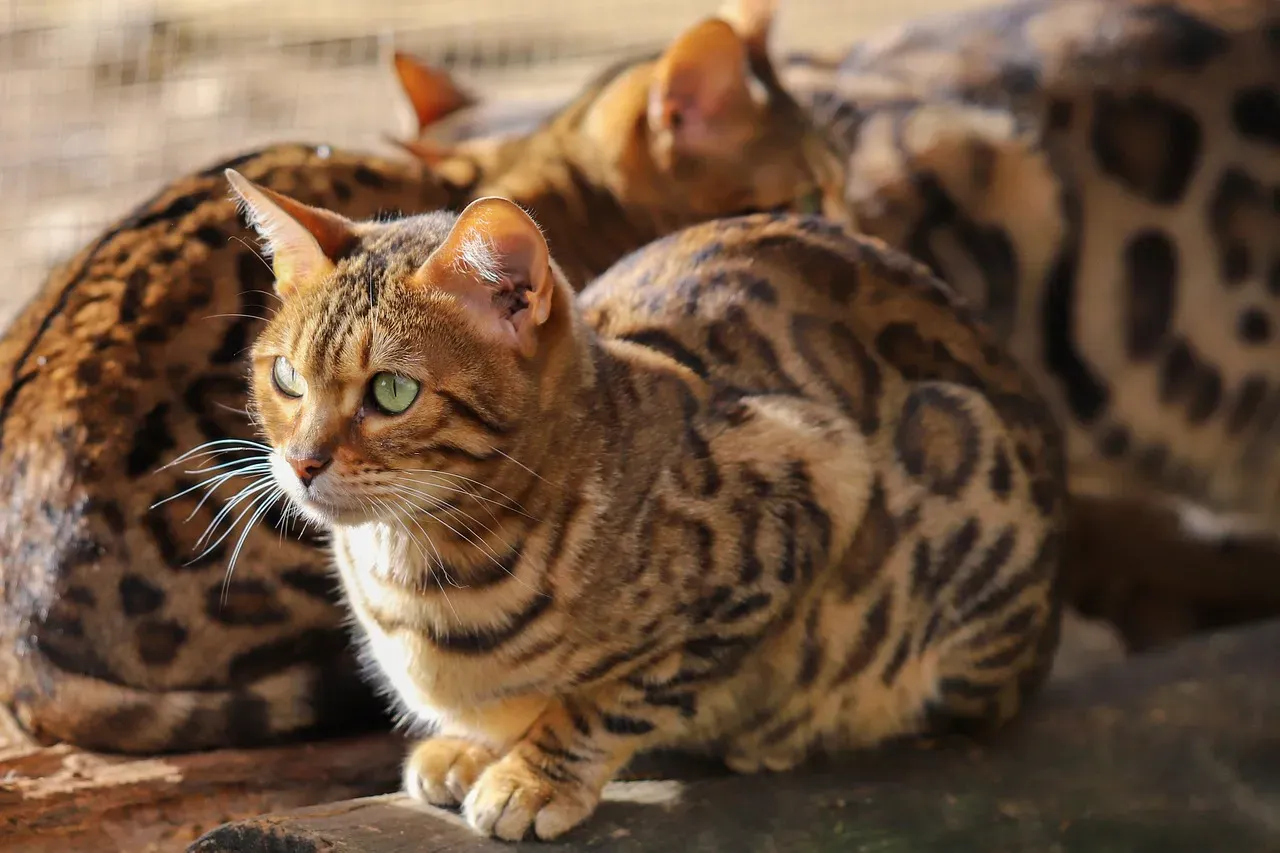
The Bengal is a slender, very muscular breed with an average of 12-16 years.
Bengals are stunning cats bred to resemble wild leopards. Their spotted coats and athletic builds make them incredibly popular. Yet behind that wild beauty lies a genetic makeup that doesn’t always support longevity. While individual Bengals can certainly live longer with excellent care, the breed as a whole faces challenges that keep their average concerningly low.
Manx Cats: The Tailless Dilemma

The Manx cat is instantly recognizable by its missing or shortened tail. On average, Manx cats live 10 to 14 years, which might not sound terribly short at first glance. The issue, though, is what these cats endure during those years.
The gene that causes the very short or absent tail can also cause abnormal development of the end of the spinal vertebrae, nerves, and spinal cord, which can cause a wide variety of symptoms ranging from very mild to very serious and even life-threatening. The Manx anomaly involves developmental abnormalities of the spinal cord that lead to neurological disease. Many severely affected kittens don’t survive past birth, and those that do often struggle with incontinence, mobility issues, and chronic pain. Those more severely affected will have a very poor quality of life and are unlikely to live very long.
Scottish Folds: Cute Ears, Cruel Consequences
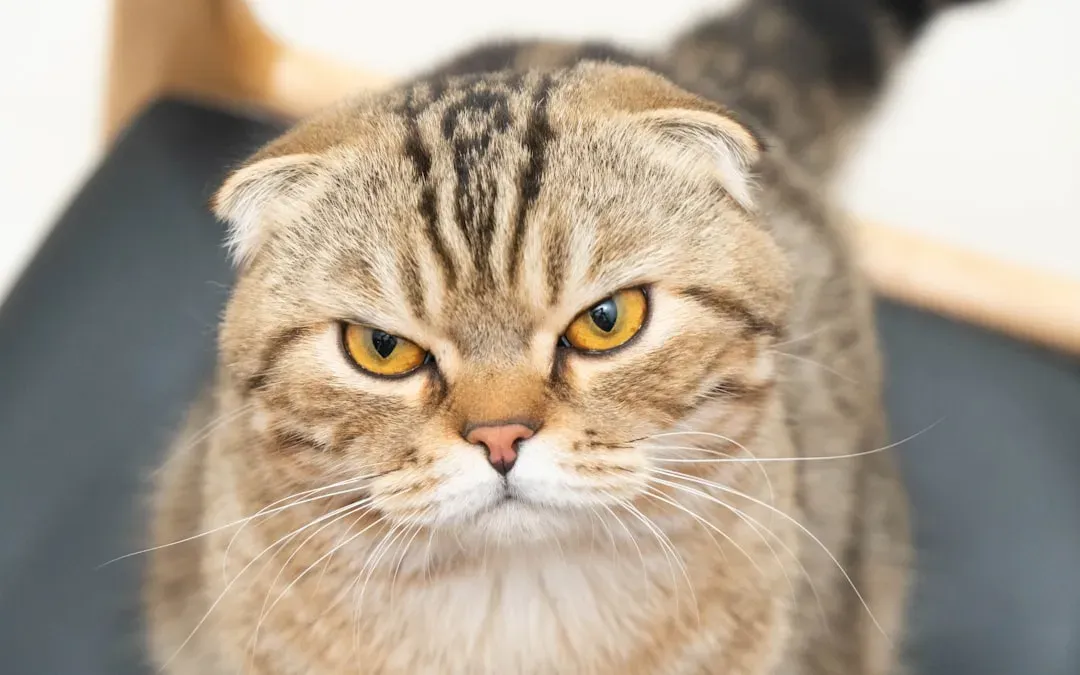
Scottish Folds have become incredibly popular thanks to their adorable folded ears and round faces. Scottish Folds live around 11 to 15 years on average, but a higher number of this breed are euthanized at a young age due to poor health, which brings the average to around 10 years.
Here’s the thing: all Scottish Fold cats are affected by osteochondrodysplasia, a developmental abnormality that affects cartilage and bone development throughout the body and can cause severe painful degenerative joint diseases at an early age. The folded ears that everyone finds so charming are actually a visible sign of a genetic defect affecting their entire skeleton. Many countries have banned these cats and prohibited breeding them, including their country of origin, Scotland. That tells you something important about the ethics of continuing to breed them.
Persian Cats: Flat Faces, Flat s
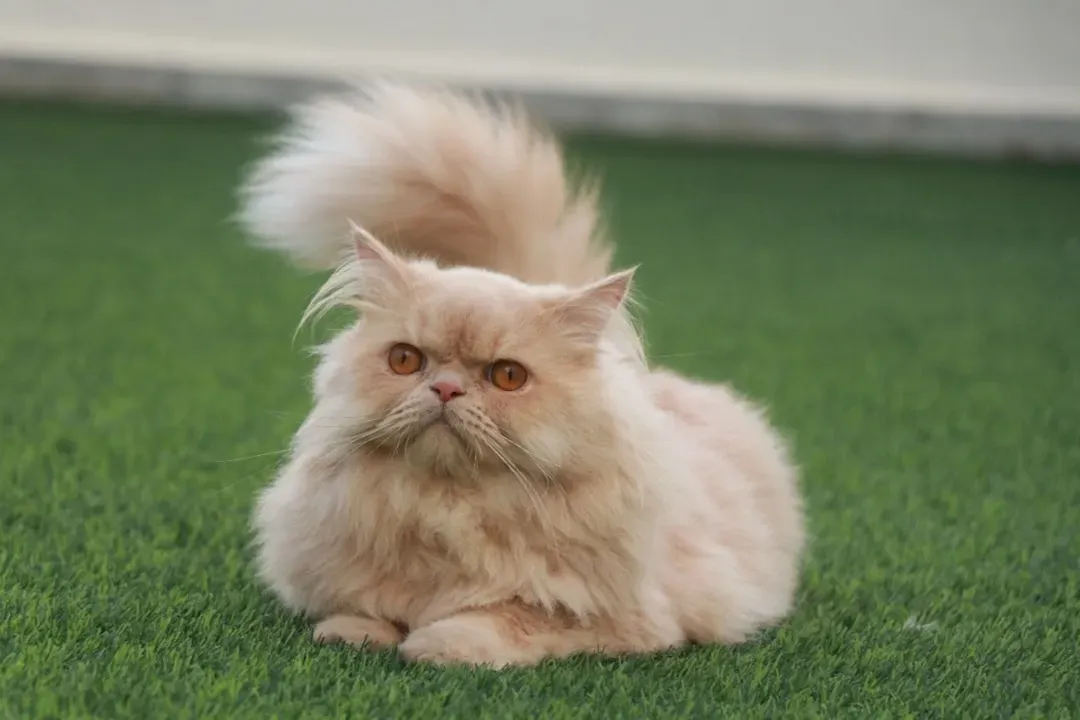
Persian cats are one of the most recognizable breeds with their luxurious coats and distinctively flat faces. The average of a Persian cat is 13.5 years, which is notably shorter than many other breeds.
Almost two-thirds of all Persians suffer from at least one health condition, many of which are related to this breed’s long coat and trademark flat face. Their brachycephalic facial structure causes breathing difficulties, dental overcrowding, and eye problems. The most common causes of death in Persians include kidney disease at roughly one in four cats and cancer. The flat face that makes them look sweet and babylike actually shortens their lives and causes daily discomfort.
Burmilla: The Accidental Breed
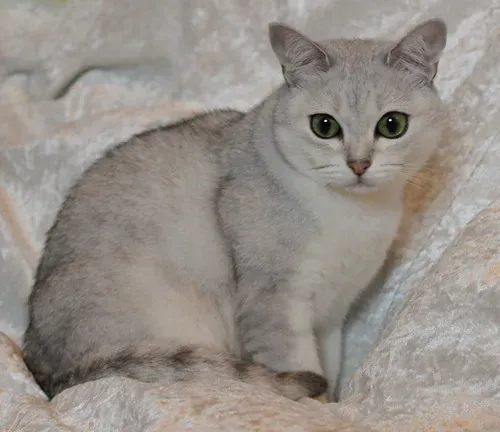
Life expectancy for the Burmilla breed is 7 to 12 years. These cats are believed to have a rather wide of around 7 to 12 years, but such data has not yet been confirmed by science.
The Burmilla came about through an unplanned mating between a Chinchilla Persian and a Burmese in the early 1980s. While they’re beautiful medium-sized cats with distinctive sparkling silver coats, the limited scientific data on their is concerning. The lower end of their range – seven years – is alarmingly short. It’s worth noting that breeds with Persian ancestry often inherit some of the health challenges associated with that lineage.
Abyssinian Cats: Ancient but Not Eternal
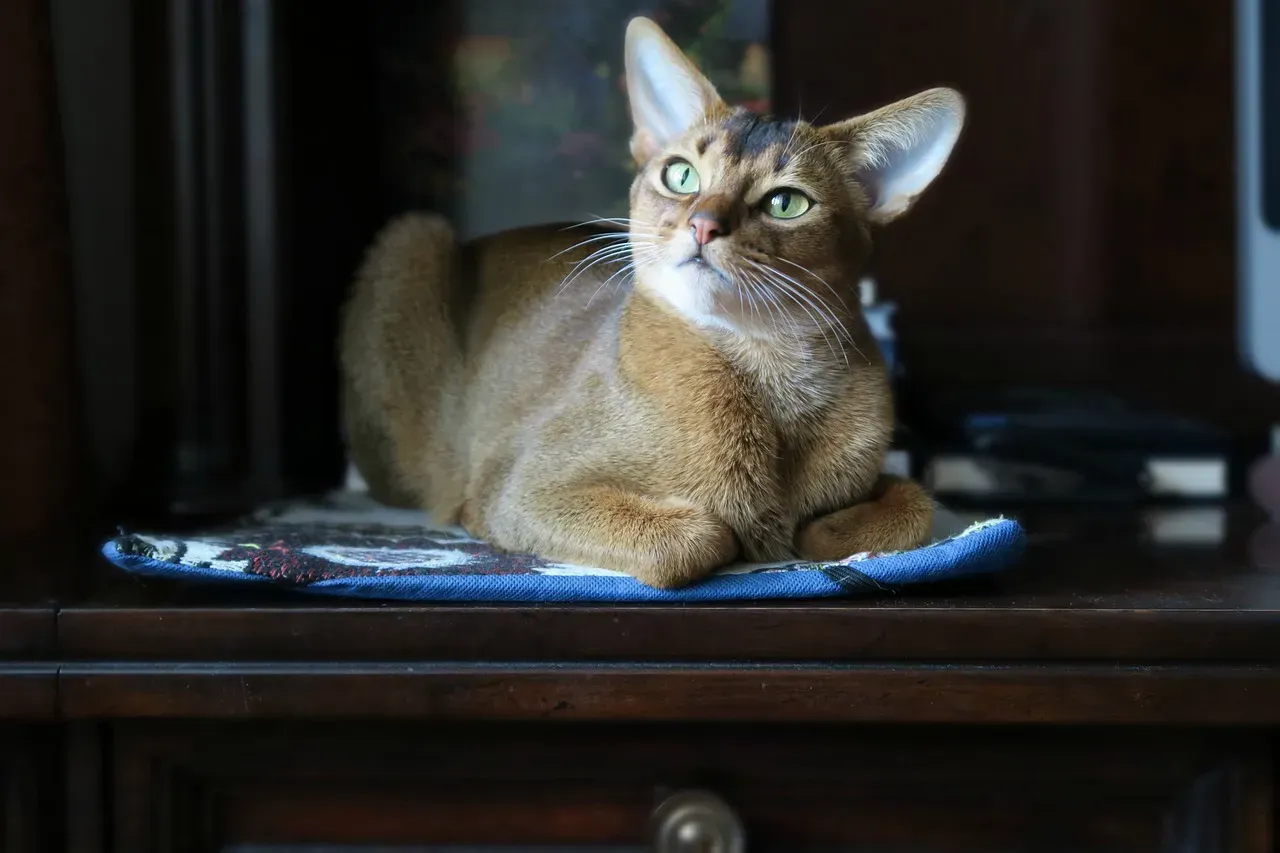
The Abyssinian commonly lives for 9 to 15 years. While the upper end of this range is respectable, many Abyssinians don’t reach those later years.
Abyssinians are one of the oldest known cat breeds, with their distinctive ticked coats giving them a wild appearance. They’re active, intelligent, and highly social cats that bond strongly with their owners. Despite their ancient lineage and general hardiness, they face genetic health issues that can cut their lives short. Still, compared to some breeds on this list, they fare somewhat better.
Exotic Shorthair: The Persian’s Cousin
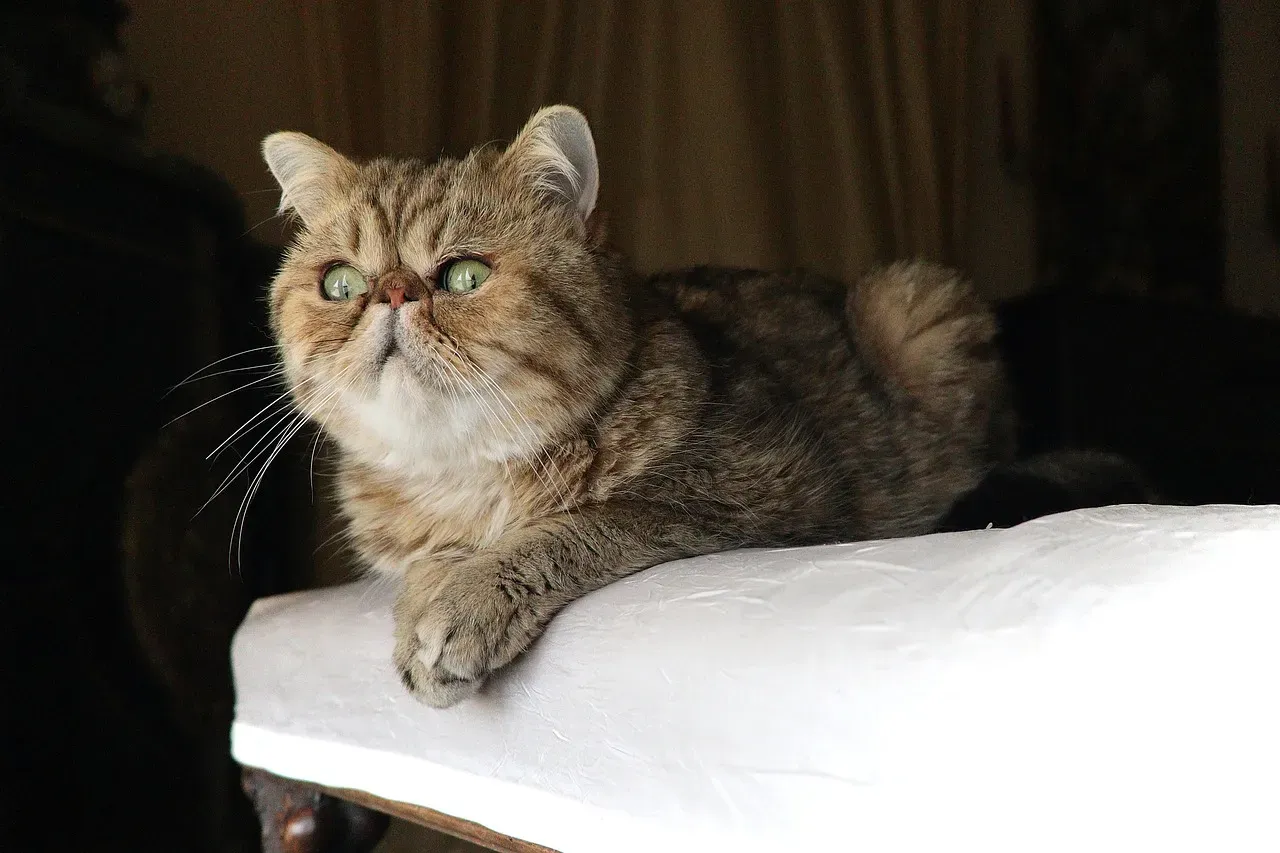
Exotics are a relatively new breed with a life expectancy of 8 to 15 years. These cats are prone to several health issues, which can shorten their .
Exotic Shorthairs were bred as short-haired alternatives to Persians, and they’ve inherited many of the same problems. Because of their brachycephalic faces, they are subject to breathing problems and can cause snoring or wheezing, and their short jaws can lead to overcrowding of teeth, which causes dental issues. They’re essentially Persians in a slightly more manageable package, but the health concerns remain substantial. The lower end of their range is particularly troubling.
The Bigger Picture
Looking at these breeds together reveals a disturbing pattern. Recent research on almost 8,000 cats established that the average for pet cats is 11.7 years, and some purebred cat breeds may have a shorter than others. The breeds with the shortest lives often share common traits: extreme physical features bred for appearance rather than health.
The Sphynx breed is a prime example of breeding that has led to a popular but unhealthy pet, with hairless cats having an increased risk of several different types of diseases, many of which can lead to an early death. It raises serious questions about our responsibilities as pet lovers and breed enthusiasts. Are we really doing what’s best for these animals, or are we prioritizing our aesthetic preferences over their wellbeing?
What strikes me most is how preventable much of this suffering is. With more responsible breeding practices and a shift away from extreme physical traits, many of these breeds could have longer, healthier lives. The cats themselves can’t choose their genetics – that’s on us. So what do you think? Does knowing this change how you view these popular breeds?