When a routine veterinary visit turned into a surprisingly costly and comical outcome, one cat owner’s experience quickly became fodder for social media amusement. An orange tabby, a hefty vet bill, and a diagnosis many internet users found both relatable and hilarious have sparked thousands of reactions online. What may have begun as a serious effort to understand unusual behaviour in a beloved pet ended up resonating deeply with fellow animal lovers — and shining a spotlight on feline psychology and modern pet care trends.
Unexpected Diagnosis After a Pricey Vet Trip
After shelling out roughly $400 for a veterinary consultation, a Reddit user discovered the reason behind their cat’s odd behavior wasn’t a hidden illness, but separation anxiety — a condition more commonly associated with dogs than cats.
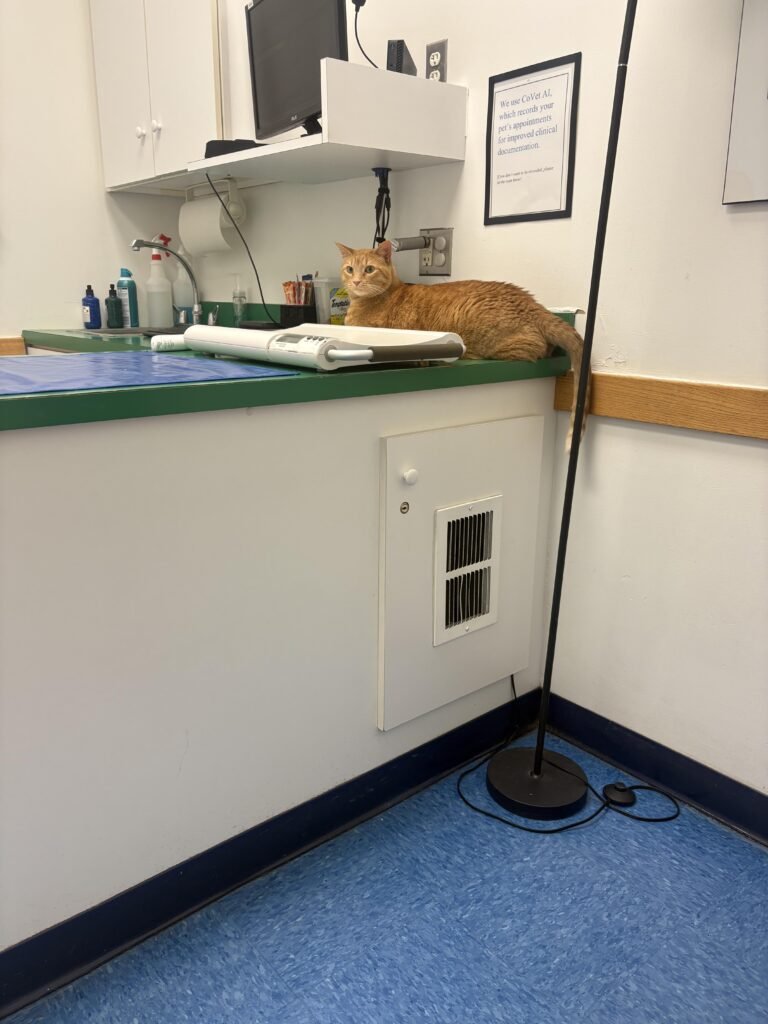
The image shared alongside the post showed the orange cat awkwardly pressed to the edge of the exam table, conveying the very unease that would eventually define its condition. It was this juxtaposition — the serious financial outlay versus the gentle nature of the diagnosis — that made the story explode online.
Social media users quickly rallied with comments ranging from amusement at the cat’s “doofus” demeanour to exasperation over rising veterinary costs. One popular reply quipped about how the cat appeared “just as surprised” as its owner by the outcome, while others lamented how “vet bills are absurd.”
Understanding Feline Separation Anxiety
While many cat owners view their pets as independent creatures, experts note that felines can indeed suffer from separation-related stress, particularly when routines are disrupted or they are left alone for extended periods.
Conditions such as separation anxiety can manifest subtly in cats but may also trigger very noticeable behavioural changes. These can look distressing but often stem from emotional needs rather than physical ailments.
Veterinarians and animal behaviourists emphasise that diagnosing behavioural issues often requires ruling out medical causes first — a process that can contribute significantly to vet bills. Because cats often conceal discomfort until it becomes pronounced, owners and vets may need to collaborate closely to discern underlying issues.
How Cats Show Stress and Anxiety

Feline stress can present itself in many ways. Common signs include increased restlessness, excessive vocalisation, changes in appetite, inappropriate urination or defecation, and a sudden desire to hide.
Destructive behaviour — such as scratching furniture or excessively clawing at doors — can also indicate that a cat is struggling emotionally rather than physically. In more extreme cases, stress can even manifest through gastrointestinal symptoms like vomiting or diarrhoea.
Spotting these behavioural shifts early can help owners seek support sooner. Still, the absence of overt physical symptoms often means extensive diagnostic work is necessary to exclude illnesses, contributing to higher medical costs.
Practical Strategies for Supporting Your Cat
Once medical causes are ruled out, there are several approaches to helping a cat cope with separation anxiety. Maintaining a consistent daily routine for feeding, playtime, and rest can give a cat a reliable framework that reduces stress.
Environmental enrichment is also key: providing engaging toys, puzzle feeders, climbing structures, and hiding spaces can keep cats mentally stimulated and less preoccupied with being alone. Gradual desensitisation — where alone time is increased in small increments — can also help build confidence.
Other strategies include leaving low-level background noise, such as from a radio or television, and using feline pheromone diffusers designed to promote calm behavior. If anxiety persists despite these efforts, consulting with a veterinarian or a certified animal behaviorist may be valuable.
Internet Reacts: Humor, Empathy, and Shared Experiences

The story didn’t just entertain; it connected with pet owners around the world. Many people took to social media to recount their own tales of expensive vet visits leading to surprisingly benign diagnoses. Some shared empathy for the owner’s expense, while others laughed at how dramatically cats can express emotions.
Comments on the post ranged from humourous quips about the cat’s intelligence to thoughtful discussions about common misunderstandings of feline behaviour. A handful of users even shared their own cats’ struggles with stress-related issues, illustrating how widespread these behavioural challenges can be.
Broader Discussions on Pet Health and Costs
Beyond the laughs, the story highlights an ongoing conversation about the rising costs of veterinary care and the emotional bonds between owners and pets. Many agree that while a $400 bill may seem steep for what some might consider “just anxiety,” the work vets do to ensure pets’ well-being is complex and essential.
The post also sparked reflections on the importance of understanding animal behaviour — many owners are surprised to learn how deeply cats can feel stress and how richly emotional their inner lives can be.