In a story that rapidly captured global attention on social media this week, a seemingly simple act of kindness took an unexpected turn when a family introduced a rescued kitten to their resident cat — only to be met with an unforgettable response. What began as a hopeful rescue quickly turned into a viral moment illustrating the often-complex world of feline behavior. The dramatic reaction didn’t just shock the owners; it sparked widespread discussion about how cats adjust — or don’t — to change.
A Rescue with High Hopes
The story began when a family discovered a tiny stray kitten and decided to bring her home, aiming to offer a safe, warm environment and a loving future. Rescuing animals is often a moving experience that brings joy and fulfillment, and the family expected their resident cat might eventually accept his new housemate.
In countless homes, pet owners hope that introducing a new kitten will bring companionship and joy to both animals. However, integration doesn’t always go as planned — especially when introducing a kitten to an adult cat with established territory and routines.
First Impressions: A Viral Video
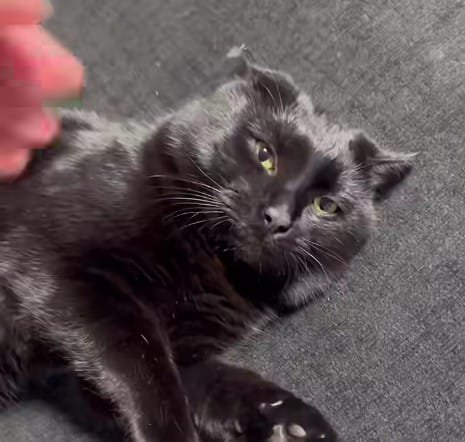
The viral moment came when the family posted a short clip of their black resident cat’s immediate reaction. Rather than curiosity or cautious greeting, the older cat looked visibly distressed and reacted with annoyance. He struggled in his owner’s arms and even swatted and bit at her gently, signaling that he was uncomfortable with the sudden change.
This raw and unfiltered footage struck a chord online. Viewers from all over commented on how surprising — yet familiar — the reaction felt to many who have experienced similar introductions between pets. The clip’s layover text humorously read that the cat was upset because “we brought home a baby kitten we found.”
Understanding Feline Behavior
While the clip provoked laughter and sympathy alike, it also highlights an important aspect of pet care: cats are territorial and highly sensitive to change. Unlike some social animals that readily welcome newcomers, many cats require careful and gradual introductions.
Experts note that cats assess new territory and companions using scent, sound, and visual cues. Abrupt introductions can trigger stress responses, which may show up as avoidance, aggression, or anxiety. Watching the resident cat’s clear disapproval reminded many that feline social dynamics are subtle and deeply rooted in instinct.
What Happened Next
After the video’s surprising outcome, the owners made the careful decision to rehome the rescue kitten with another family. According to the caption shared alongside the viral footage, the kitten found a “great home” where she would be loved and accepted.
Though it may have seemed like a setback, the kitten’s adoption into a welcoming environment underscores a vital lesson: the well-being of each animal must come first, even when plans change. This decision reflects responsible pet guardianship and affirms that finding the right fit for rescued animals is a priority.
Online Reactions and Broader Discussion

The story quickly built momentum online, with the clip racking up millions of views. Many commenters shared personal stories of their own pets reacting poorly to change, from hissing at new roommates to hiding for days after introductions.
Some viewers offered humorous interpretations of the resident cat’s response, while others used the moment to educate about proper strategies for introducing cats. Veterinarians and feline behaviorists often recommend slow, scent-based introductions and the use of separate spaces before allowing direct contact.
Lessons for Pet Owners
This unusual tale isn’t just an internet sensation — it carries practical reminders for anyone considering adding a pet to their household. First, adult animals, especially cats, may not be ready for new companions without a thoughtful, gradual process. Taking time to prepare both cats through scent swapping, controlled visual contact, and positive reinforcement can ease tension and help build acceptance over time.
Second, understanding each cat’s personality and boundaries plays a crucial role. Some cats are more social and tolerant, while others prefer solitude. Assessing temperament before adoption can help set realistic expectations and ensure a smoother transition overall.
What started as a heartwarming rescue effort soon turned into a viral case study in feline emotions and relationships. The resident cat’s candid reaction reminded viewers everywhere that pets have distinct feelings and preferences — and that love for animals includes respecting their boundaries. While the kitten moved on to a loving home, the story continues to serve as a valuable reminder about empathy, patience, and the unpredictable nature of living with animals.
If you have unique or heart-touching stories about your own pets, sharing them could inspire others and highlight the joys and challenges of animal companionship.