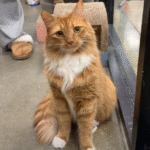
In a groundbreaking medical discovery, researchers from Thailand’s Prince of Songkla University have documented what appears to be the world’s first confirmed case of COVID-19 transmission from a cat to a human. The case, published in the journal Emerging Infectious Diseases, involves a 32-year-old veterinarian who contracted the virus after a direct encounter with an infected feline patient.
How Cats and COVID Interact

Image by pexels
While we’ve known that humans can infect cats with COVID-19, this case flips the script. Experts have long suspected animal-to-human transmission might be possible, but this marks the first documented evidence.
“When things become human diseases, we too often forget everything else,” explained Dr. Scott Weese, an infectious diseases veterinarian at the University of Guelph in Ontario. “It’s important for us to recognize this virus still can move between species.”
The discovery highlights how little we still understand about COVID’s ability to jump between species. Though rare, this case shows that our pets aren’t just passive recipients of the virus but potential carriers.
What Pet Owners Should Know
If you’re COVID-positive, health experts now strongly recommend limiting contact with your pets. The CDC has updated its guidelines to advise infected individuals to isolate not just from other people but from animals too.
“If you’re trying to stay away from people because you’re potentially infectious, just try to stay away from animals at the same time,” advises Dr. Weese.
This doesn’t mean panic, but rather taking simple precautions like washing hands before touching pets and avoiding face-to-face contact when you’re ill. These steps can help protect our furry friends and potentially prevent further cross-species transmission.
Developing Solutions: Animal Vaccines Underway

Image by pexels
In response to growing concerns about COVID in animals, scientists in India are developing “Anocovax,” a vaccine specifically designed for cats and other animals. This vaccine reportedly targets both Delta and Omicron variants.
“The mutative nature of this virus can ultimately lead to its spreading in all species,” explains Dr. Dilip Sonune. “Pet animals like dogs and cats are at high risk due to their close contact with humans.”
The vaccine development reflects growing concerns that animals might become reservoirs for new COVID variants. If the virus can evolve in animal populations before jumping back to humans, it could potentially bypass our existing immunity or vaccines.
Dr. Vineeta Poojary notes that the primary concern is that “if animals get COVID, the virus can mutate further than what has been seen in humans. Having a vaccine available would prevent that from being a worry anymore.”
This groundbreaking case reminds us that COVID-19 remains a complex and evolving challenge. As we continue to learn more about this virus, the connections between human and animal health have never been clearer. Our approach to managing COVID must consider not just human transmission but the entire ecosystem in which we and our pets live.