Have you ever wondered why your cat spends hours perfectly arranging their favorite blanket or why they insist on claiming that one sunny spot by the window? It’s hard to say for sure, but there’s something almost methodical about how they organize their little kingdoms. Cats aren’t just looking for any place to rest. They’re designing environments that meet incredibly specific needs, and they’re doing it with a level of dedication that might surprise you.
These furry architects are driven by instincts passed down through countless generations. Their wild ancestors needed safe, warm places to rest between hunts, and your modern house cat carries those same blueprints in their DNA. Understanding how and why cats construct their cozy havens gives you insight into their fascinating world and helps you support their natural behaviors. Let’s dive in and discover what makes your cat such a talented space planner.
Temperature Control Drives Location Selection
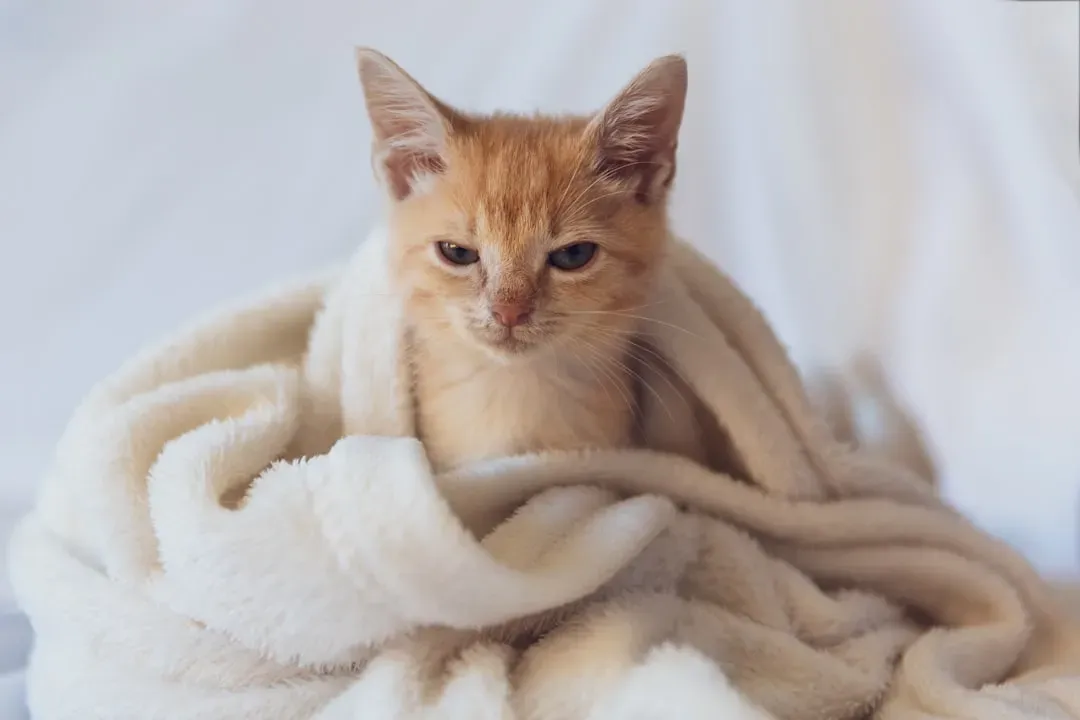
Temperature tends to be the biggest factor when cats choose their sleeping spots, with cats preferring particularly warm or cool spots based on their needs. Your feline friend isn’t being random when they move from the laundry pile to the bathroom tiles throughout the day.
Cats have a natural body temperature of around 102 degrees Fahrenheit, which is significantly warmer than our body temperature, so what feels toasty to us might just feel normal to them. Cats are happy in room temperatures around 14 degrees Celsius warmer than is comfortable for humans, and if there isn’t a convenient sunbeam to lie in, they will make do with a cozy shoebox. Think of your cat as a heat-seeking missile with whiskers, constantly scanning the environment for optimal thermal conditions.
Small Enclosed Spaces Provide Security
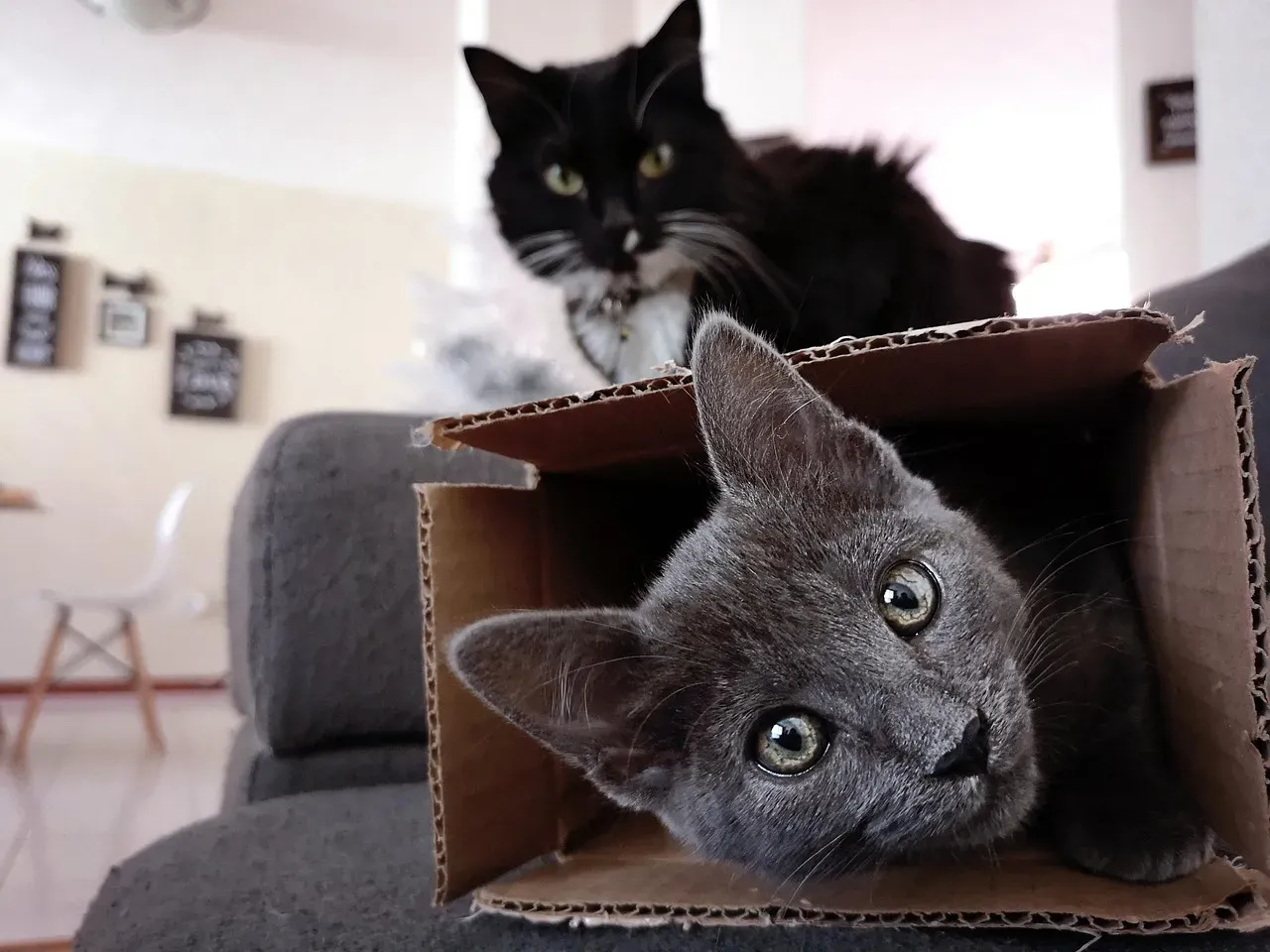
Cats like small spaces because it makes them feel secure and protected, and squeezing themselves into tight spaces also allows cats to conserve body heat and stay warm. This explains why your cat can ignore a hundred-dollar cat bed but sleep blissfully in a cardboard box that arrived yesterday.
In the wild, small, hidden spaces protect cats from predators, and a box is a secure, enclosed environment that triggers a cat’s natural instinct to find a safe den. Even though your domesticated companion doesn’t face wild predators, those ancient survival instincts haven’t disappeared. Research determined that cats given cardboard boxes to hide in were calmer than those that weren’t, proving that these snug spaces actually reduce stress levels and improve wellbeing.
Strategic Rotation of Sleeping Locations
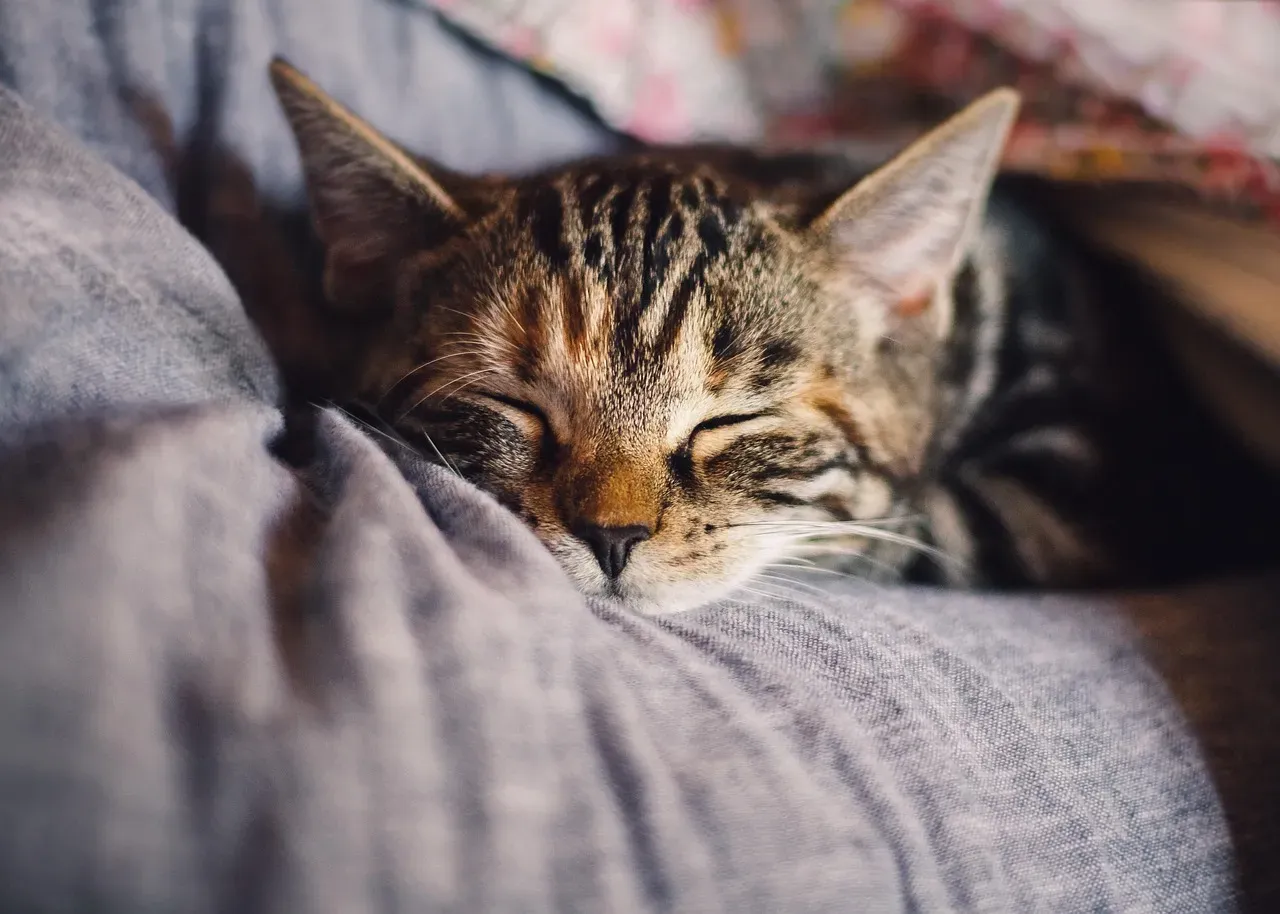
Cats don’t just find one perfect spot and stick with it forever. Wild cats change their sleeping position regularly because they fear that a coyote or fox will learn where they sleep and ambush them. Your indoor cat inherited this clever survival strategy.
Cats will look for a safe place within their territory and rotate the spot to help keep parasite levels low. Let’s be real, your cat probably doesn’t have a parasite problem, but that instinct to switch locations remains hardwired. Prime sleep spots are a resource just like food or water, and cats in multi-cat homes will often rotate through the best spots throughout the day, taking turns to reduce conflict.
The Science Behind Kneading and Nest Building
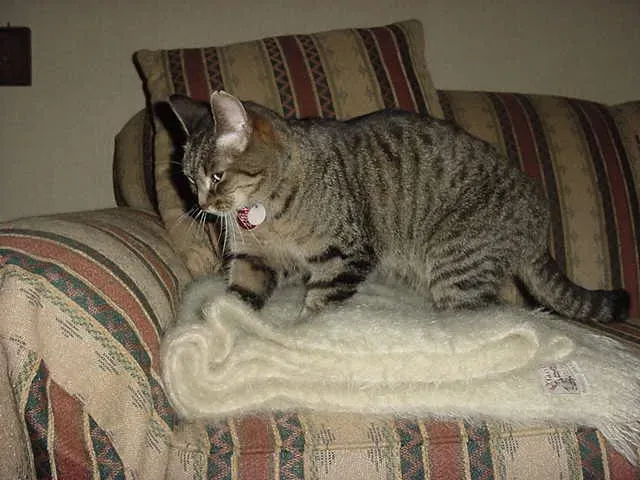
Cats may knead on blankets and other soft objects for relaxation, stress relief, or to tamp down the material in their sleeping spot before settling in. This adorable behavior, often called “making biscuits,” serves multiple architectural purposes for your cat.
Cats tamp down their bedding material in preparation for sleep, a behavior also observed in wild cats, and they claim blankets by depositing their unique pheromones from the scent glands between their toes. When your cat kneads your lap before settling down, they’re essentially customizing the furniture and marking it as their territory. Cats often knead to make their sleeping environment more comfortable because it gently pushes blankets and padding material into the ideal spot.
Elevated Positions Offer Observation Advantages
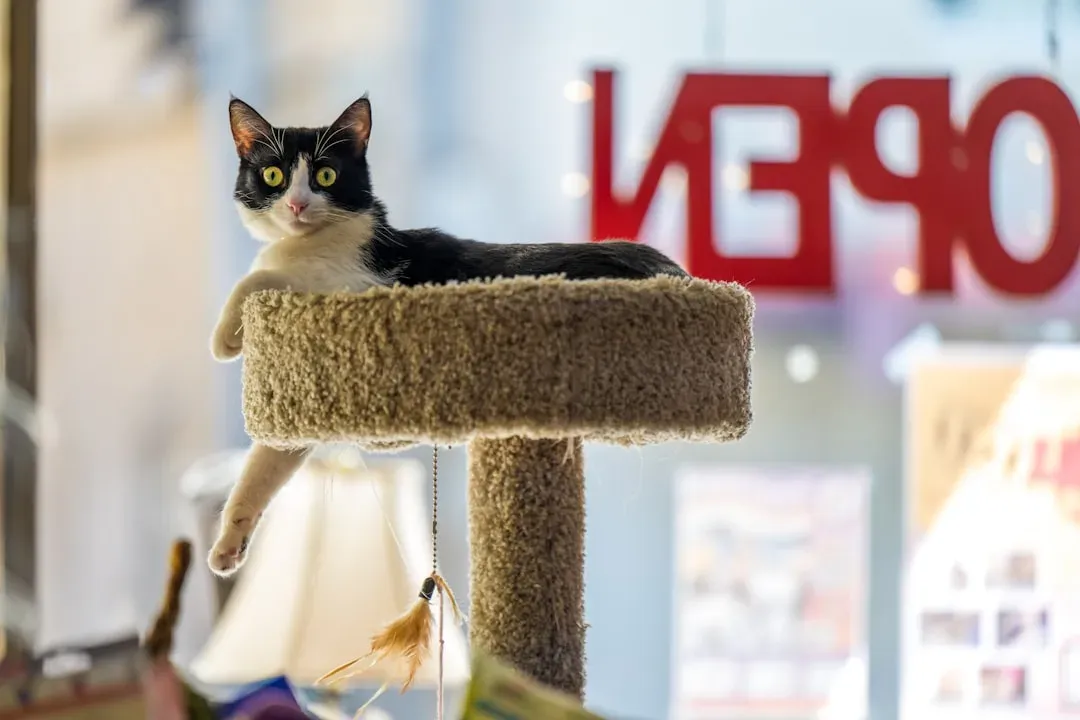
Your cat’s preference for high places isn’t just about being dramatic. Many cats prefer to sleep in elevated areas, like cat trees, where they feel safe and can survey their territory. From an elevated vantage point, cats can monitor their domain while remaining difficult for potential threats to reach.
If you have a piece of furniture that your cat can access, you may find your cat up top taking a snooze, especially if the furniture is located in a warm, sunny spot in the home. This isn’t laziness or arrogance. It’s tactical planning that would make a military strategist proud. Honestly, watching cats claim the highest shelf in the room makes you realize they’ve been brilliant architects all along.
Scent Marking Establishes Territorial Boundaries
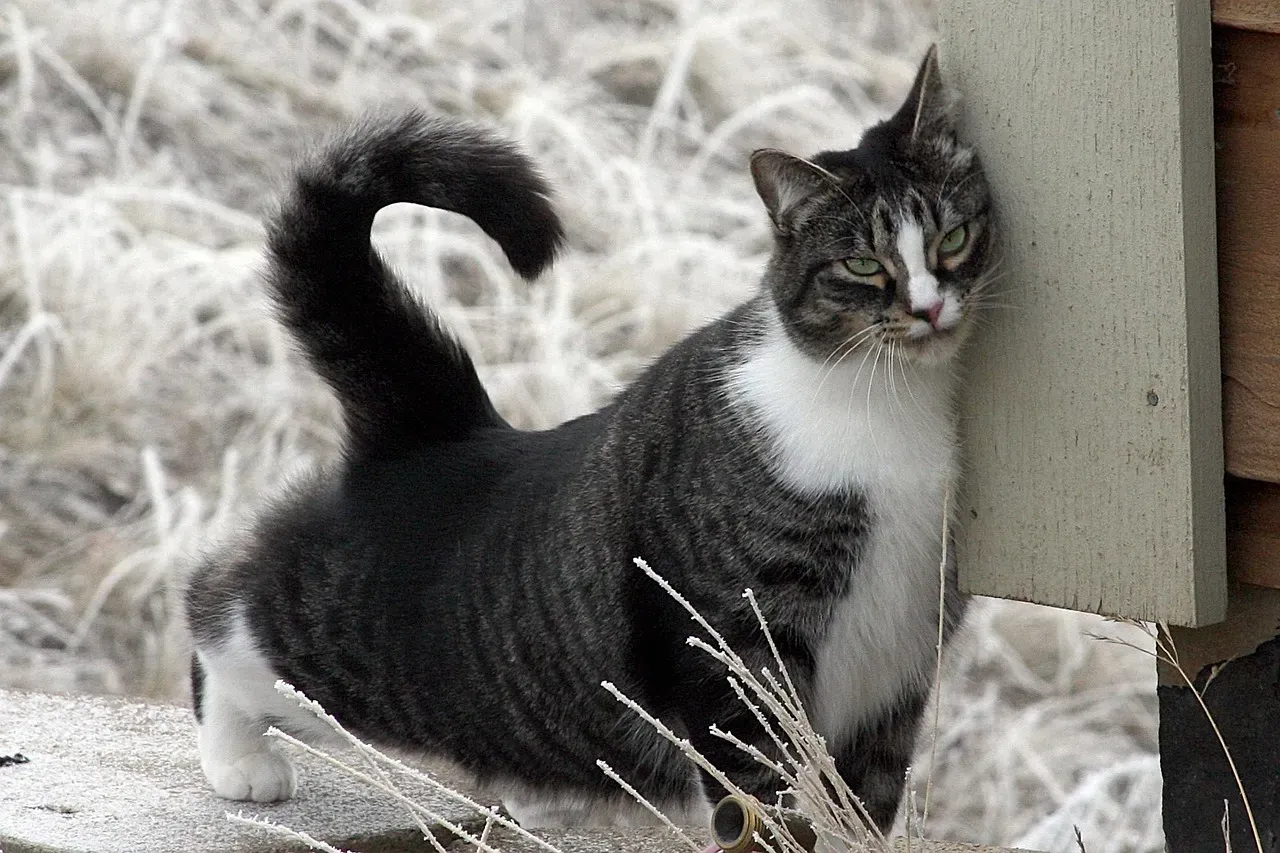
Cats have scent glands between their toes, and when they knead an object or a person, their scent is deposited onto that surface, allowing the cat to mark their territory. Your cat is essentially leaving invisible “property of me” signs all over their favorite resting spots.
Cats have scent glands on their faces, and when they rub their faces on the sides of a box, they leave behind their scent, marking the box as their own special domain. This chemical communication system helps cats feel secure in their environment. Claiming territory is a part of natural feline behaviour, and the territory is marked out as a taboo zone for others by the depositing of urine and excrement in high-up locations. That scent-marking behavior transforms ordinary spaces into personalized sanctuaries.
Social Sleeping Reflects Trust and Bonding
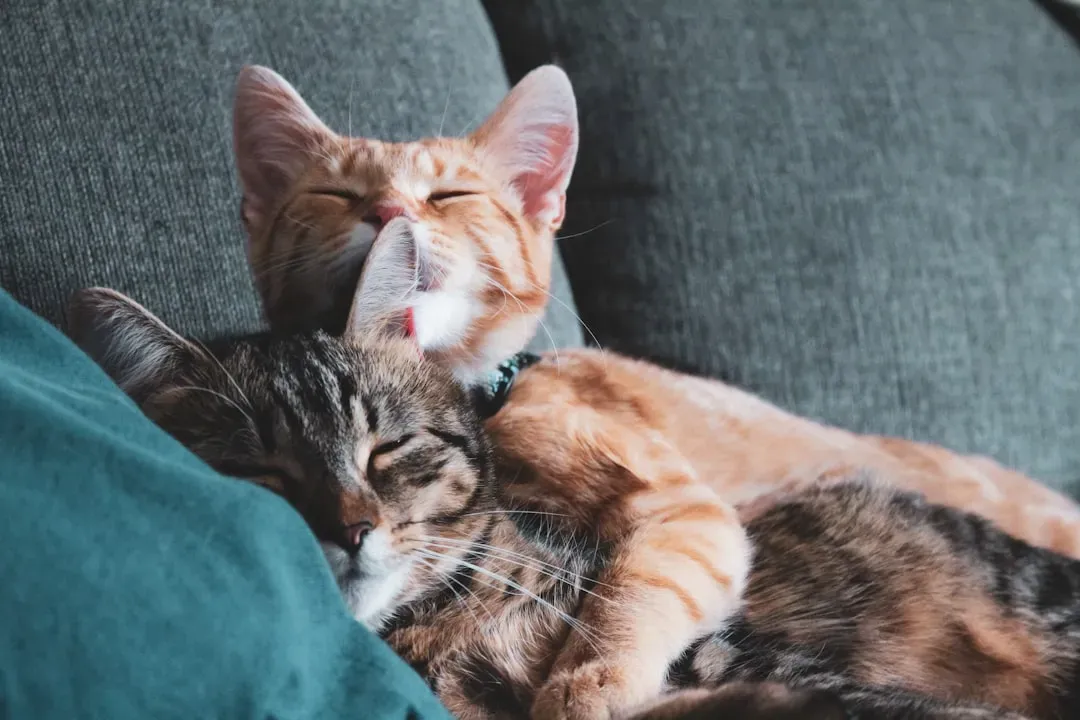
Felines may prefer some independence during the day, yet they often seek out trusted companions at night, and this social sleeping tendency reveals a more communal side of feline behavior. When your cat chooses to sleep near you, that’s actually a huge compliment.
Cat social sleeping is a behaviour rooted in the social nature of felines, and while they can be content to explore on their own, they also enjoy the company of their human companions, especially during rest periods, with sleeping together strengthening your bond. Sleep can be a vulnerable time, and cats instinctively gravitate toward places where they feel safe, finding warmth and comfort while benefiting from a sense of security that reinforces their bond.
Texture Preferences Shape Comfort Choices
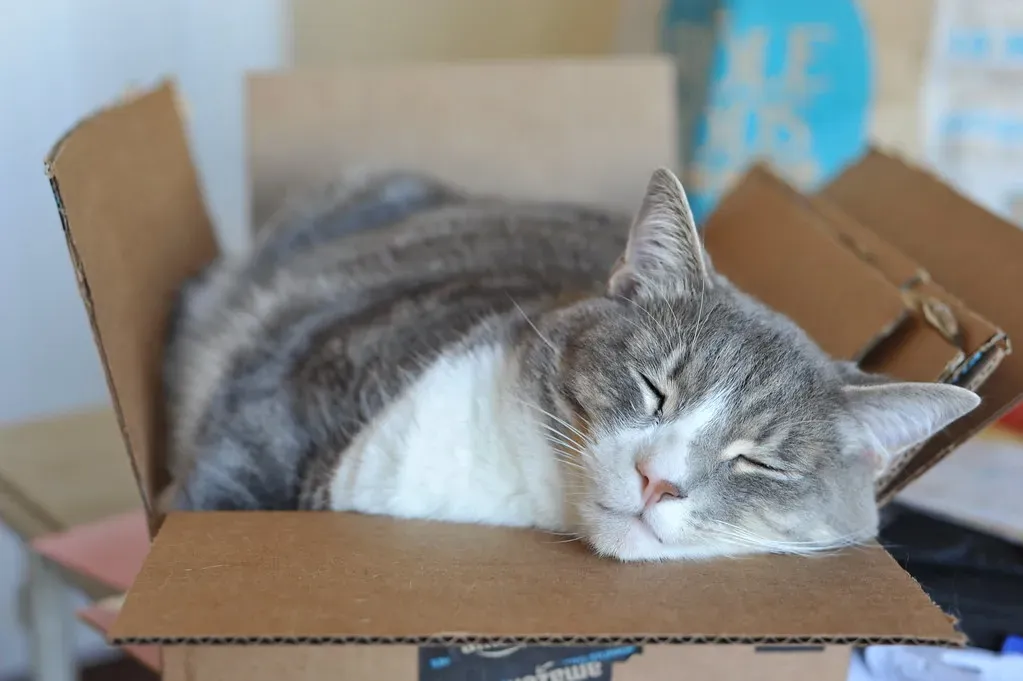
The crinkly texture and confined space of cardboard makes for an enriching sensory experience, and cardboard is the perfect texture for a cat to bite, scratch, and shred. Your cat’s material choices aren’t random but based on sensory feedback that tells them what feels right.
You can boost your cat’s nesting by adding soft blankets, cushions, or small beds in preferred spots, using materials that retain warmth, like fleece or wool, since cats love to stay warm. Texture matters as much as location. Cats like the soft texture of blankets on their paws, and the feeling may also recall memories of feeling comforted by their mother during nursing, creating an emotional connection to certain fabrics.
Adapting Spaces to Changing Needs Throughout Life
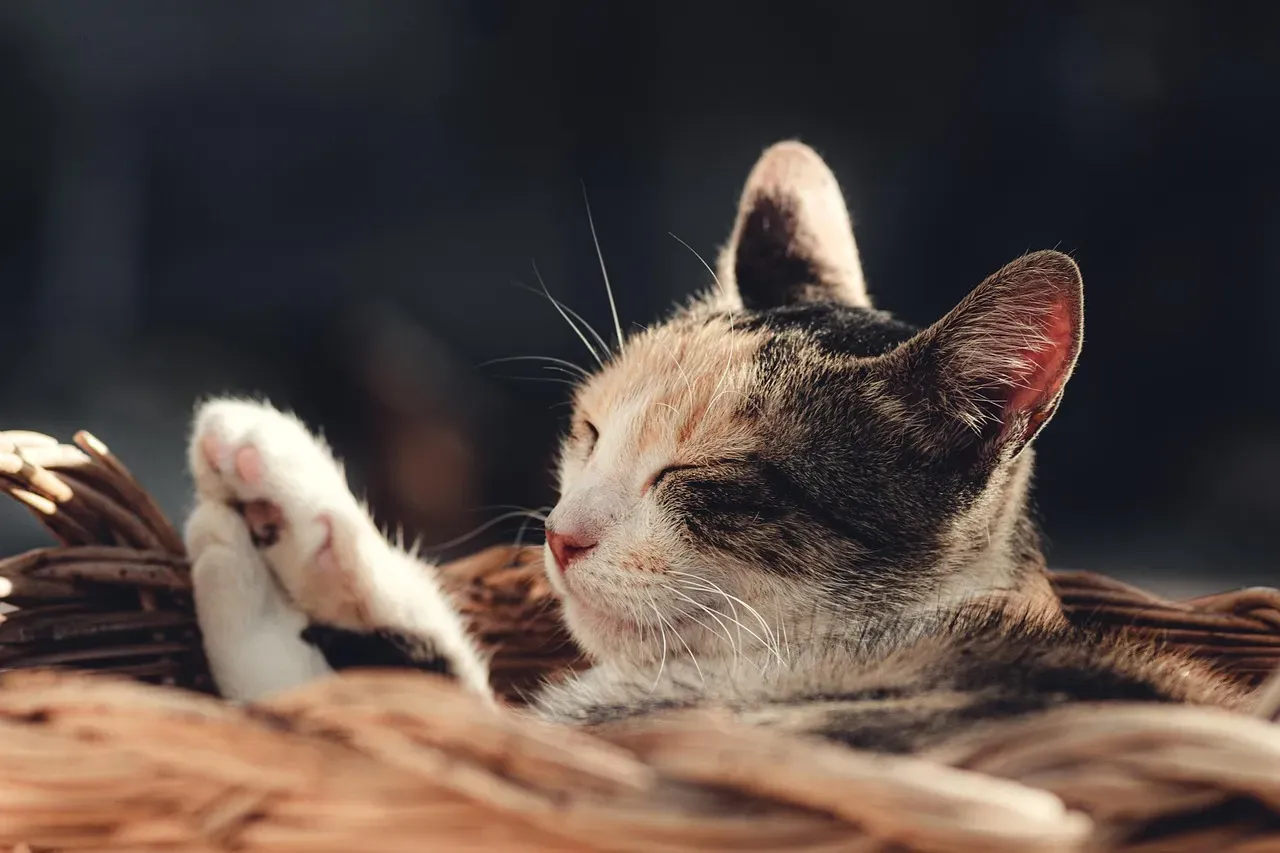
Kittens and senior cats are likely to sleep more than average adult cats because a lot of a kitten’s energy is being spent growing so they need more sleep to recharge, while older cats sleep more because they tire out much faster and their body needs more rest. Your cat’s architectural preferences shift as they age.
As they grow old, cats seek warmer things because senior cats become more sensitive to cold temperatures, which is why they will look for places or objects that will make them feel warmer and cozier. You might notice your elderly cat gravitating toward softer, more accessible spots rather than precarious perches. If your cat suddenly starts nesting more frequently than usual, this may indicate stress or anxiety, with changes in the home environment causing cats to feel anxious and seek comfort through nesting behavior.
Creating the Perfect Feline-Friendly Environment
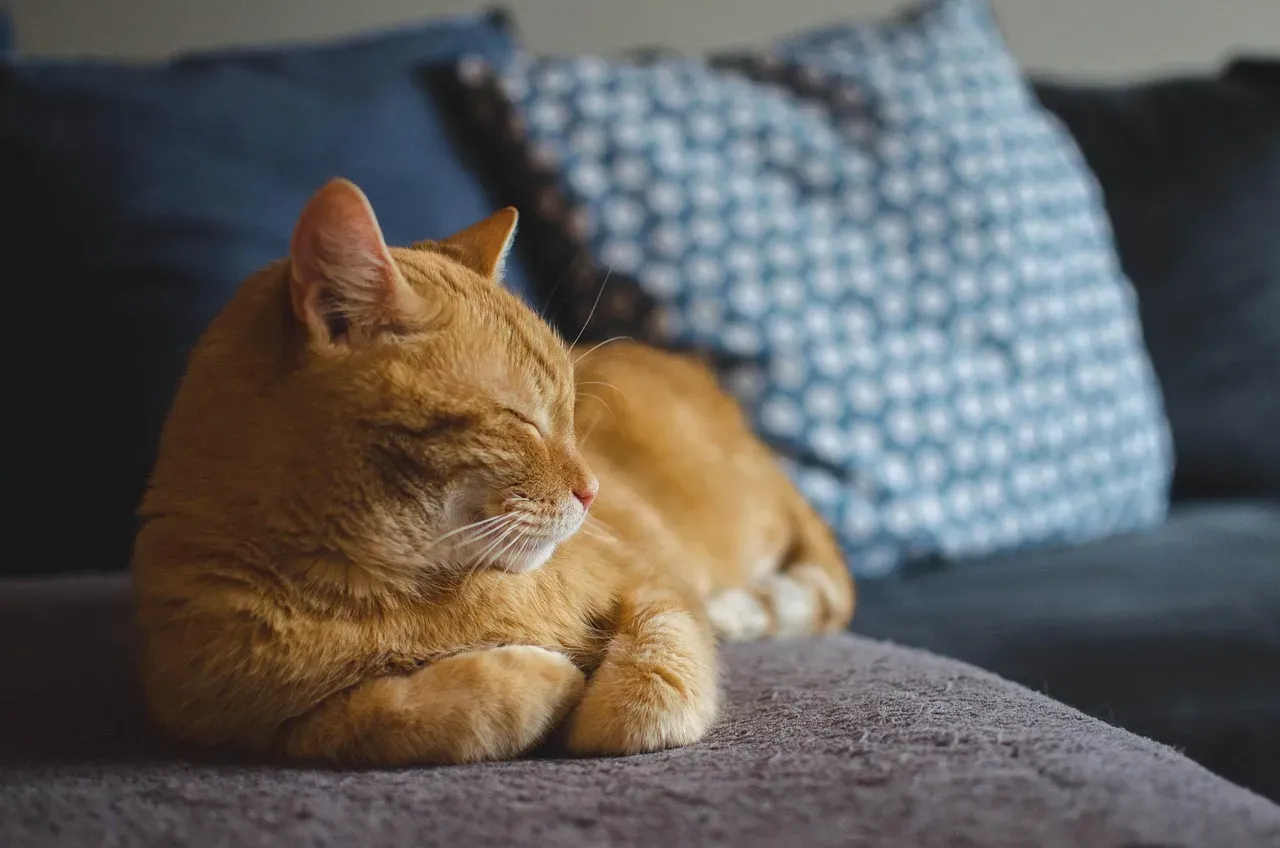
Your job is to help shape these spaces so they feel secure and inviting by thinking about where your cat likes to hide or sleep naturally, as they often choose cozy corners, elevated surfaces, or enclosed spaces. Supporting your cat’s architectural instincts means providing options rather than dictating choices.
It’s important for cats to have hiding spaces where they can decompress and have some alone time, and experts encourage offering them several choices, starting where your cat is naturally drawn to. Nesting areas should be away from loud noises and heavy foot traffic because cats value privacy, and creating a quiet nook can reduce stress and encourage longer restful periods. The best thing you can do is observe your cat’s preferences and provide resources that support their natural design instincts.
Your cat’s ability to create perfect resting spaces isn’t accidental or random. It’s the result of thousands of years of evolutionary refinement combined with individual personality and environmental adaptation. These remarkable creatures are constantly assessing temperature, security, texture, and social factors to build their ideal sanctuaries. By understanding what drives these architectural decisions, you can better support your cat’s natural behaviors and strengthen your bond with them.
What do you think about your cat’s interior design skills? Have you noticed any unique nesting habits that surprised you?