Your cat just looked at you and then slowly closed its eyes. Did you catch that? Because that was basically the feline equivalent of blowing you a kiss. Cats might not speak our language, but they’re constantly chatting with us through every flick of their tail, twitch of their ear, and shift in their whisker position.
Let’s be honest here. Most of us struggle to decode what our feline friends are really saying. We shower them with affection when they actually want space. We miss the warning signs before they swat at our hand. It’s kind of like trying to have a conversation in a foreign language without a dictionary. The good news? Your cat is an open book once you learn to read the signals they’re broadcasting through their body.
These furry little enigmas are actually brilliant communicators, far more expressive than many people realize. So let’s dive in and discover how to finally understand what your cat has been trying to tell you all along.
The Tail Tells Tales You Need To Hear
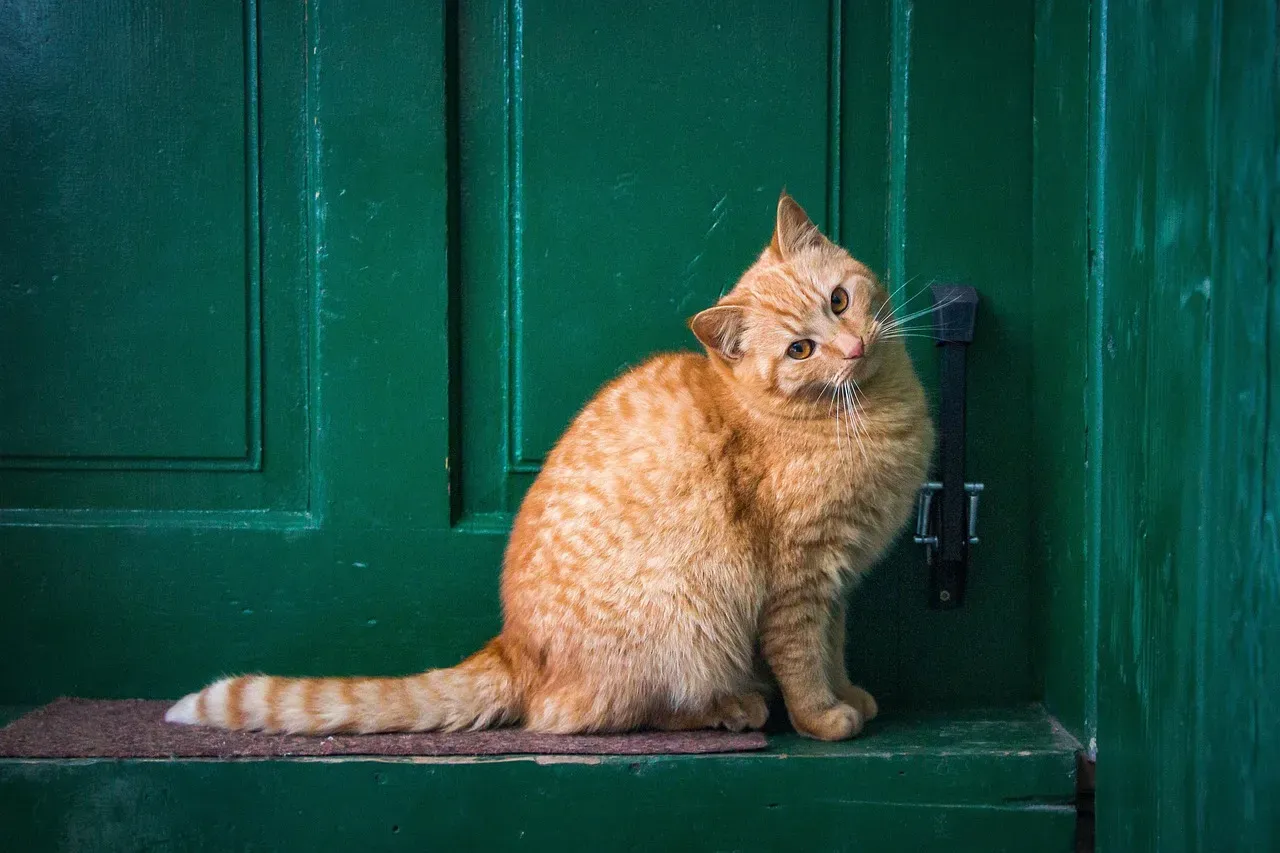
Your cat’s tail provides great insight into what they’re feeling, working alongside their eyes, ears, and body posture to communicate. Think of it as a mood ring attached to their backside. When you see that tail shoot straight up in the air like a flagpole, you’re looking at a confident, happy kitty who’s ready to interact with you.
An erect tail usually signals friendliness, though a tail that’s up but hooked at the tip may mean cautiously optimistic. That question mark shape? It’s a pro-social behavior, like walking up to someone with your arms open wide. This is your cat’s way of saying hello and inviting you to engage. On the flip side, if your cat lowers their tail below the level of their back, they’re frightened or anxious, and if the tail is tucked between their legs, they’re really scared or may be experiencing pain.
Now here’s where things get interesting. When your cat thrashes their tail or thumps it on the ground, they’re irritated, annoyed, or angry, and this tells you that something is bothering them. Ignore this signal at your peril. That thrashing tail is basically your cat’s final warning before claws come out. Cats twitch the end of their tails when hunting and playing, but if they’re not stalking something, that twitching probably means they’re annoyed.
Ears Are The Emotional Radar System
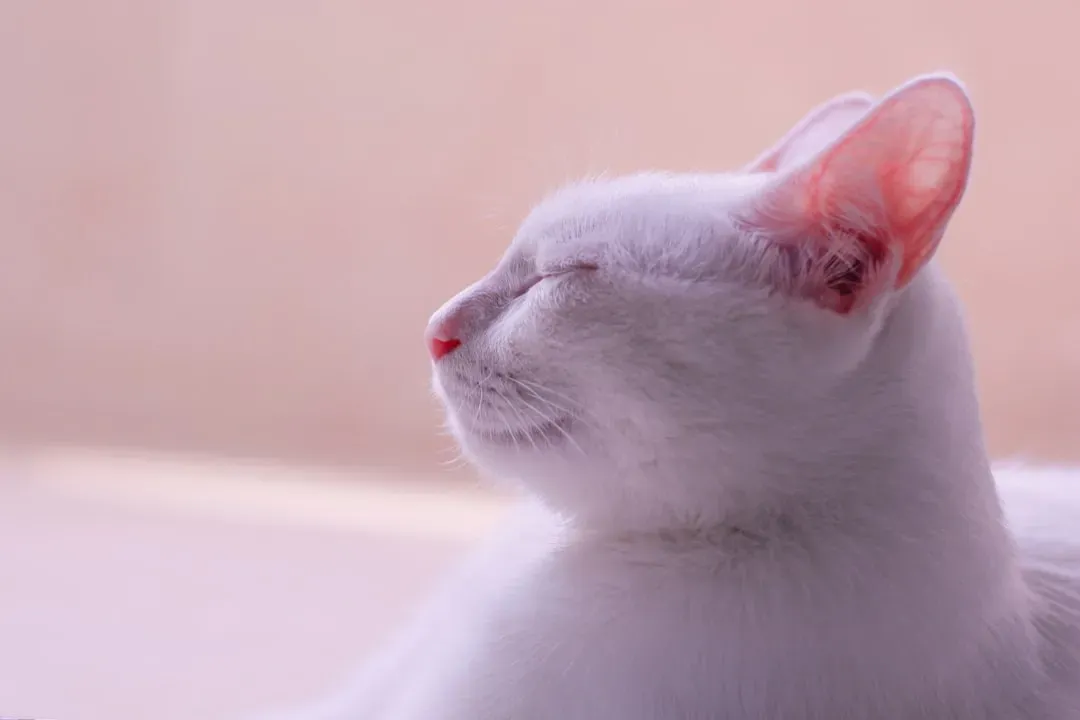
Cats have 32 muscles in each ear. That’s seriously impressive hardware for communication. When a cat’s ears are facing forward in the neutral position, it indicates they’re feeling happy and relaxed and want to chill out. This is prime snuggle time, honestly.
If your cat holds their ears straight up, they’re on high alert and listening intently for someone or something, doing what they do best – being curious and keeping aware of their surroundings. Those independently swiveling ears? Cats may swivel their ears from left to right to home in on the sound they want to concentrate on. It’s like they have built-in satellite dishes constantly scanning for information.
When ears flatten against the head in airplane mode, it means they’re frightened or nervous, and it could lead to aggressive behavior. The cat is telling you they’re uncomfortable and need some space. If your cat holds their ears low and down to the side of their head, they’re frightened and anxious, and may either retreat into a favorite hiding spot or attack. Give them distance. This isn’t negotiable.
Eyes Don’t Lie About Feline Feelings
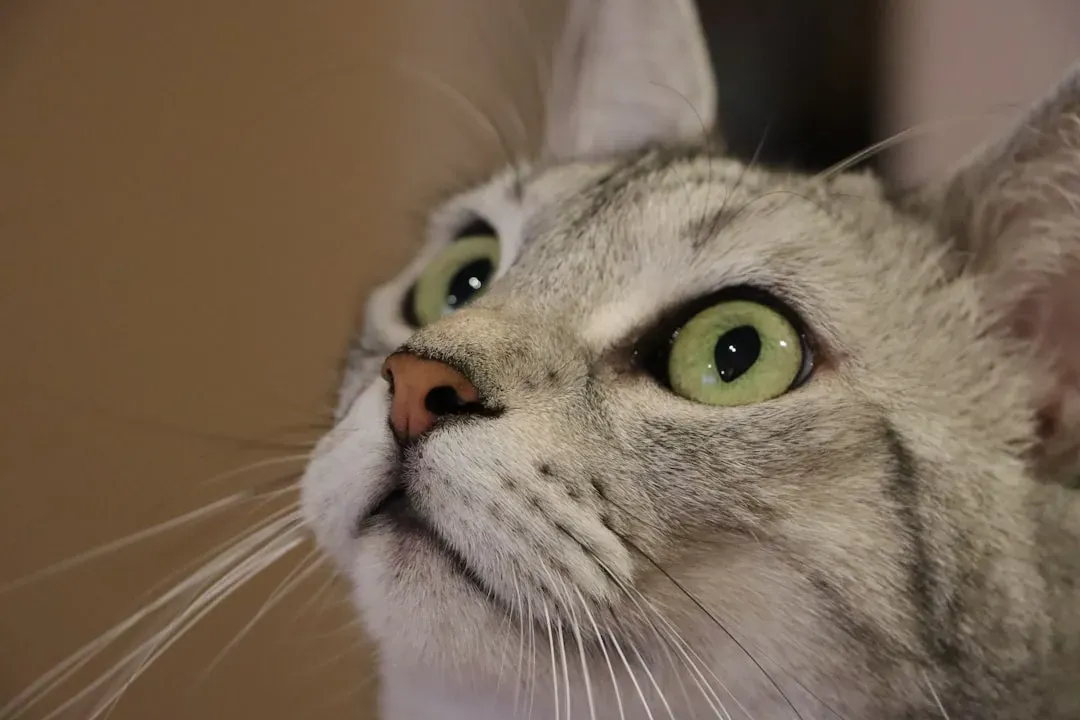
Ever locked eyes with your cat and felt like they were peering into your soul? There’s actually science behind that intense gaze. Cats blink slowly to show affection and relaxation, and if a cat blinks slowly at you, they’re not threatened by you – in fact, they trust you. Return that slow blink and you’re basically speaking their love language.
A direct stare in feline parlance is threatening and confrontational. An offensively aggressive cat’s pupils may be slits or dilated, while in defensive aggression, pupils are dilated and brow furrowed. Pupil size matters enormously here. Dilated pupils are a source of understanding the meaning of cats’ mysterious eyes and often indicate an excited cat, though it can also be a display of surprise or fear depending on the situation, and it’s not unusual for a cat’s pupils to fully dilate when they’re really excited.
Constricted pupils can indicate your cat is agitated or angry, and if your cat’s eyes are big and round with pupils the size of pinpricks, they’re preparing to attack a perceived threat. Context is everything when reading those mesmerizing eyes. Pair dilated pupils with relaxed body language and you’ve got a playful cat. Combine them with flattened ears and a thrashing tail? Back away slowly.
Whiskers Work As Mood Detectors
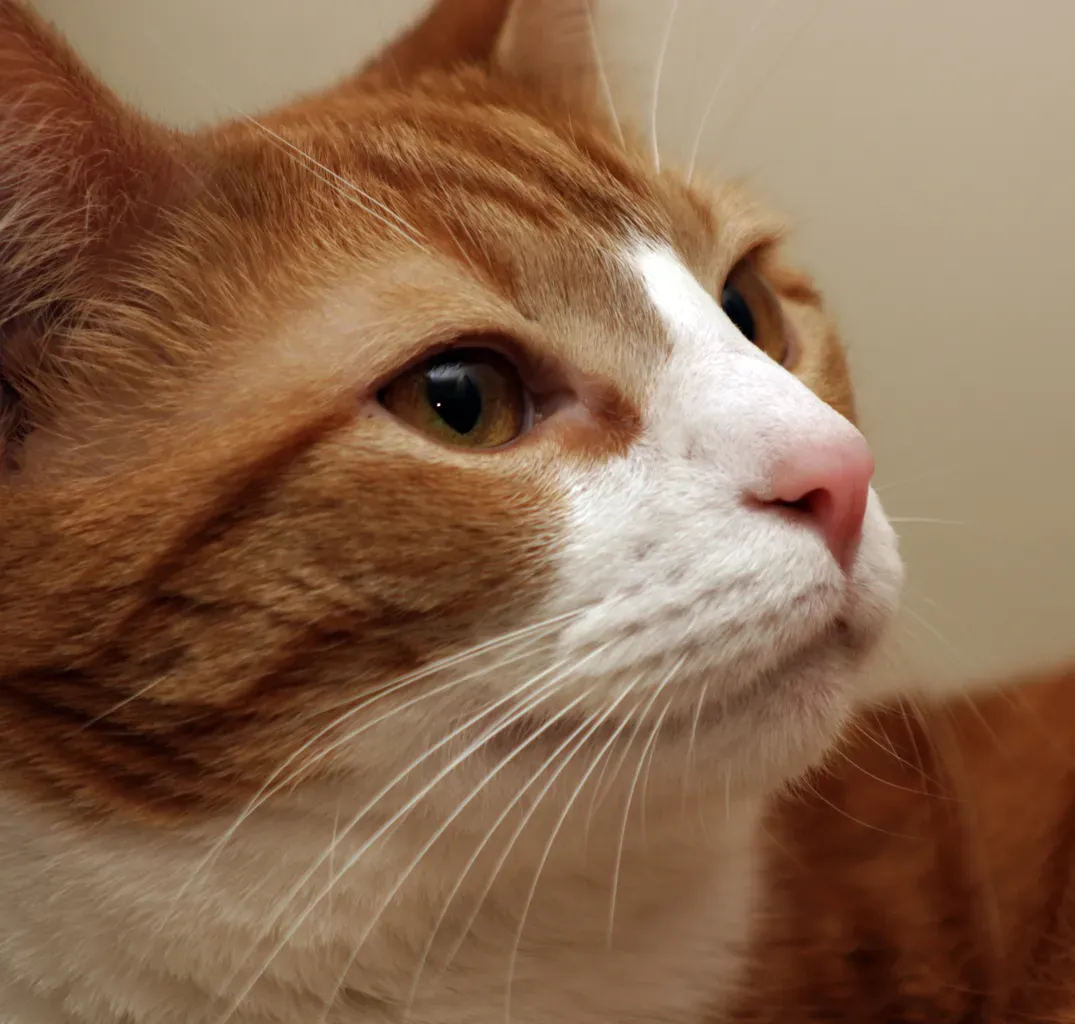
Those adorable whiskers aren’t just for show. In a happy, contented, or relaxed cat, whiskers are in a neutral position slightly to the side. When a cat’s interest is engaged, whiskers pull forward and fan out, and the mouth is closed with loose lips. You’ll see this when your cat spots something fascinating across the room.
Whiskers pulled back tightly to the face signal aggression, though in the case of offensive aggression, whiskers and ears point forward. When whiskers are pulled back tightly against the cheeks, it often indicates fear, stress, or aggression, and this defensive position might appear when your cat feels threatened or uncomfortable. These are the times when your cat needs you to respect their boundaries, not push for interaction.
Whiskers, or vibrissae, are not ordinary hair – these tactile sensors are deeply embedded in the cat’s skin and are richly innervated and supplied with blood, making whiskers incredibly sensitive to the slightest environmental changes. They’re basically tiny antennae broadcasting your cat’s emotional state in real time. Pay attention to them.
Posture Paints The Full Picture
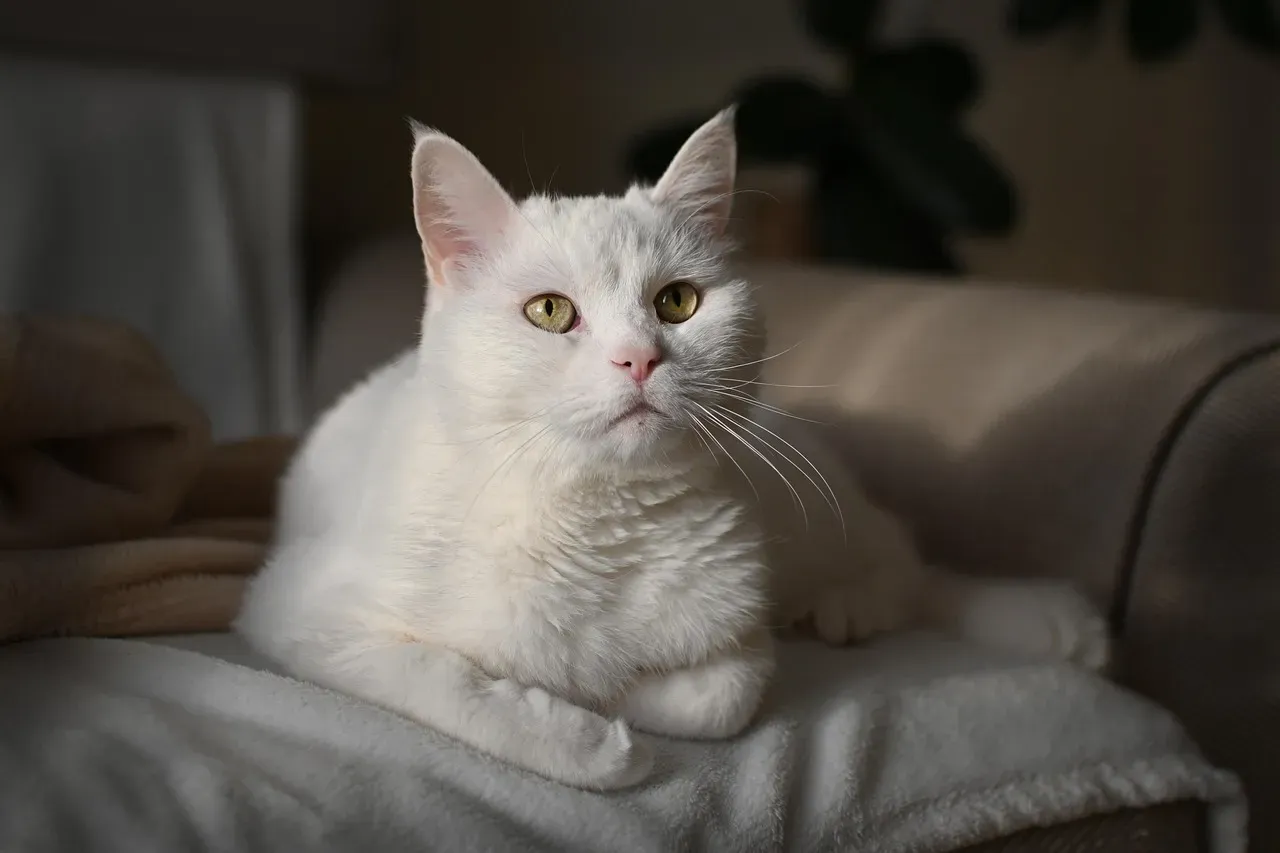
Your cat’s overall body position completes the story their other features are telling. When a cat is feeling stressed, they may have a stiff and tense body held low to the ground. Their body might be stiff and possibly held low to the ground, and they might lean away or have one paw raised slightly off the ground. This is a cat who’s seriously considering an exit strategy.
Sometimes when a cat believes they’re in danger, they may feel they have no other choice but to fight for their safety, and they may try to make themselves look as large and as intimidating as possible by arching their back and letting their fur stand up – an involuntary reaction to fear called piloerection. That Halloween cat silhouette? Pure fear response. Your cat is terrified and trying to look bigger to scare off a threat.
On the other end of the spectrum, a relaxed cat typically has a loose, comfortable body. An exposed belly demonstrates trust because cats will often protect their belly in fearful situations. Here’s the thing though – that exposed belly isn’t necessarily an invitation for belly rubs. Many cats will grab your hand if you try. They’re showing trust, not requesting a tummy tickle.
Vocalizations Add The Soundtrack
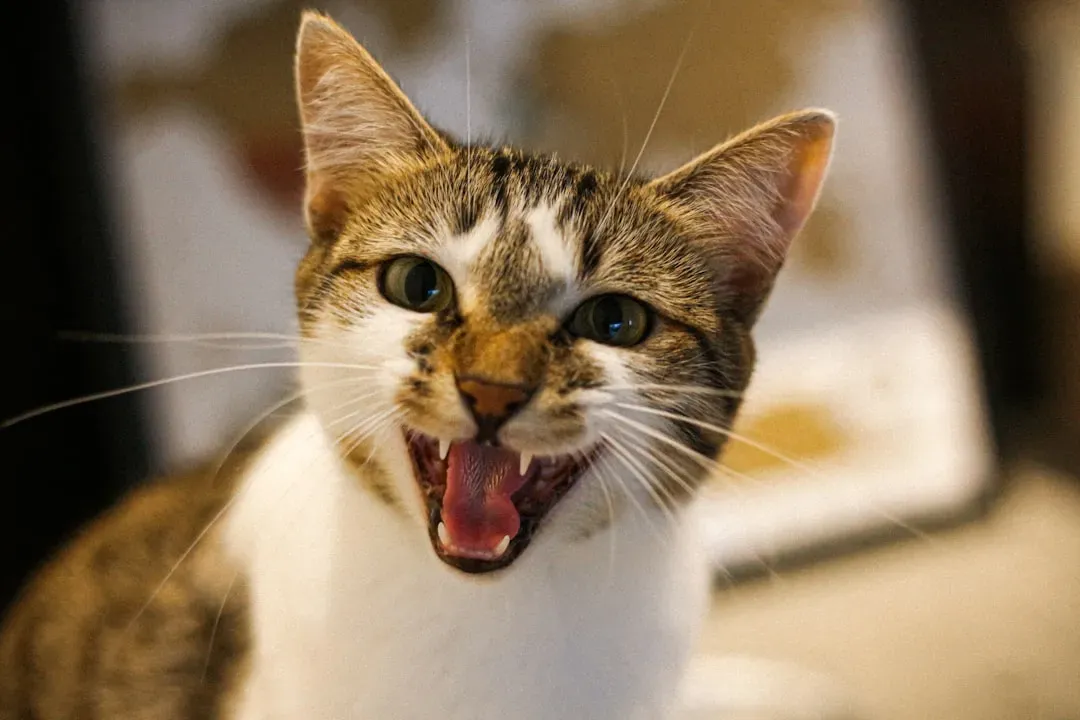
Meowing is one of the most ambiguous types of cat vocalizations because a cat meows for many reasons, and meowing could mean almost anything, from hunger to simple chattiness. Some cats barely make a peep, while others provide running commentary on everything happening around them. Personality plays a huge role here.
Chirps and trills are how a mother cat tells her kittens to follow her, and when aimed at you, it probably means your cat wants you to follow them, usually to their food bowl. Purring is usually a sign of contentment, and cats purr when they’re happy, even while they’re eating, though sometimes a cat may purr when they’re anxious or sick, using their purr to comfort themselves. I think that’s genuinely fascinating – cats basically self-soothe the same way toddlers do.
Growling, hissing or spitting indicates a cat who is annoyed, frightened, angry or defensive, and you should leave this cat alone. A yowl or howl tells you your cat is in some kind of distress – stuck in a closet, looking for you or in pain – so find your cat if they’re making this noise. These sounds demand immediate attention. Don’t ignore them.
Context Changes Everything You’re Seeing
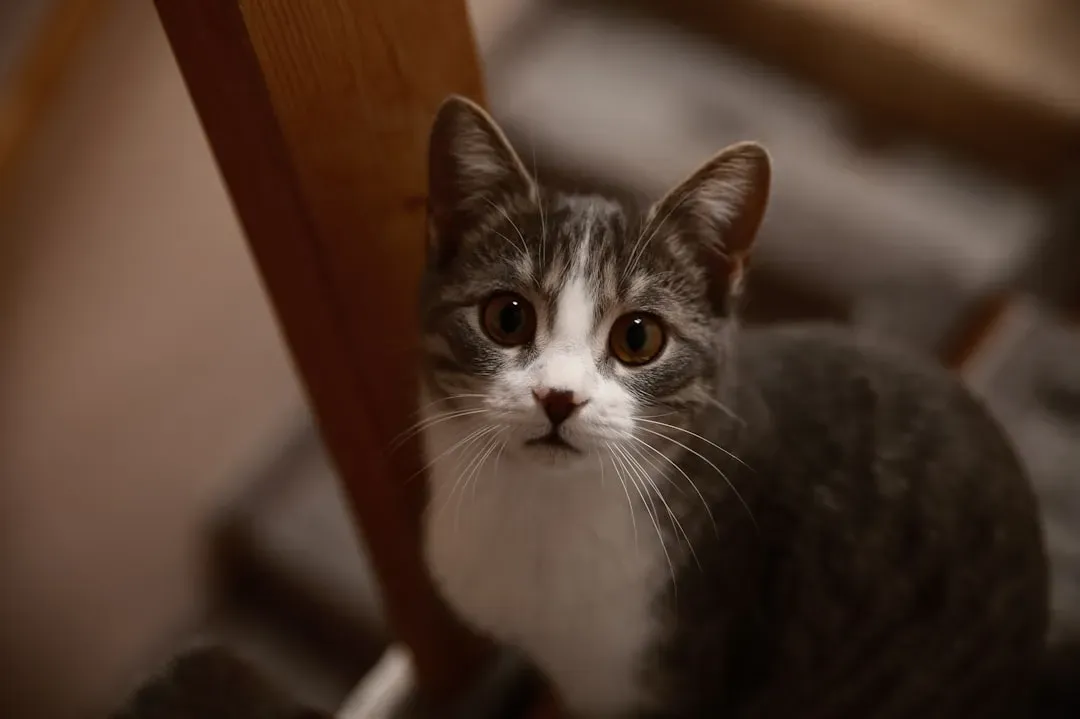
A cat’s body language and behaviors should be looked at as part of a single big picture, and by using the context of the entire situation, trying to see things from the cat’s point of view, and looking for subtle cues in body language, you’ll have an excellent chance at understanding your feline friends. Never interpret a single signal in isolation. That’s where mistakes happen.
Consider the environment. Is your cat in a familiar space or somewhere new? Are there other animals nearby? Strange sounds? Behavior is always contextual, so pay attention to the cat’s entire body and to what’s going on in the environment. A puffed tail in the vet’s office tells a completely different story than a puffed tail during play at home.
We often think cats are happy when they purr, but this is only true if their body language is relaxed. Cats can also purr to get your attention and fuss, and sometimes cats purr in stressful situations, such as going to the vet. They can also sometimes purr if they’re in pain. It’s important to watch your cat’s body language as well as looking at the context as this is a better indicator of whether they’re happy and comfortable. See? Context absolutely matters.
Displacement Behaviors Signal Hidden Stress

Here’s something most cat parents miss entirely. Stressed cats may engage in displacement behaviors – meaning normal behaviors like licking their lips, scratching, grooming, and yawning that are performed out of context – to cope with underlying stress. Your cat suddenly grooming themselves obsessively during a tense moment? That’s stress, not cleanliness.
You might notice them yawn, groom, scratch, lick their lips, or drink water excessively, and when maintenance behaviors like grooming are done out of context or to excess during stressful events or circumstances, they’re called displacement behaviors. These are coping mechanisms, like when humans nervously tap their fingers or bite their nails during stressful situations.
Stressed cats may also urinate or defecate outside of the litter box. Before you get frustrated with your cat for inappropriate elimination, consider whether they’re trying to tell you something about their stress levels. Roughly about half of litter box issues have behavioral rather than medical causes, and stress is often the culprit.
Subtle Signals You’re Probably Missing
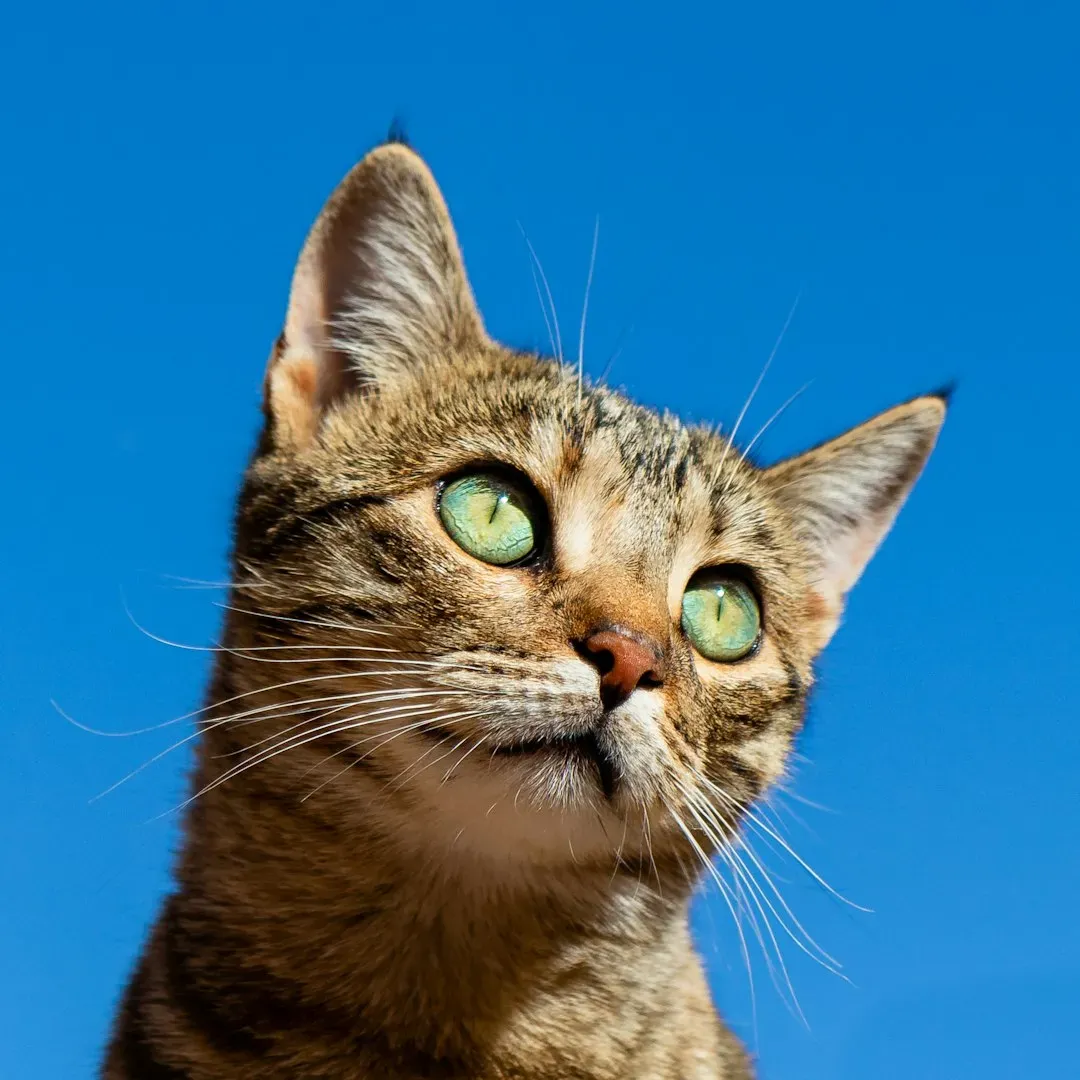
Cats are subtle and complicated in the way they communicate, but taking time to learn their body language can help strengthen the relationship with your cat, and learning the signs that they’re happy, or when they just want to be left alone, can be a big help to you both. The smallest changes carry enormous meaning in cat language.
Unlike dogs, cats haven’t evolved to have lots of facial muscles, which means their faces aren’t as expressive as dogs, so it’s important to recognize even the smallest signs and changes in their body language because although they seem small, they say an awful lot. That tiny ear twitch? The slight shift in whisker angle? These micro-movements are your cat’s way of shouting without making a sound.
A cat who’s mildly stressed or trying to avoid something unpleasant might blink rapidly, turn their ears outward or back, and turn their head away, while pupils might be dilated and whiskers might be held farther forward than normal. Watch for these combinations. They’re early warning signs that your cat needs a break from whatever’s happening. Respect those signals before the situation escalates.
Building Trust Through Body Language Literacy
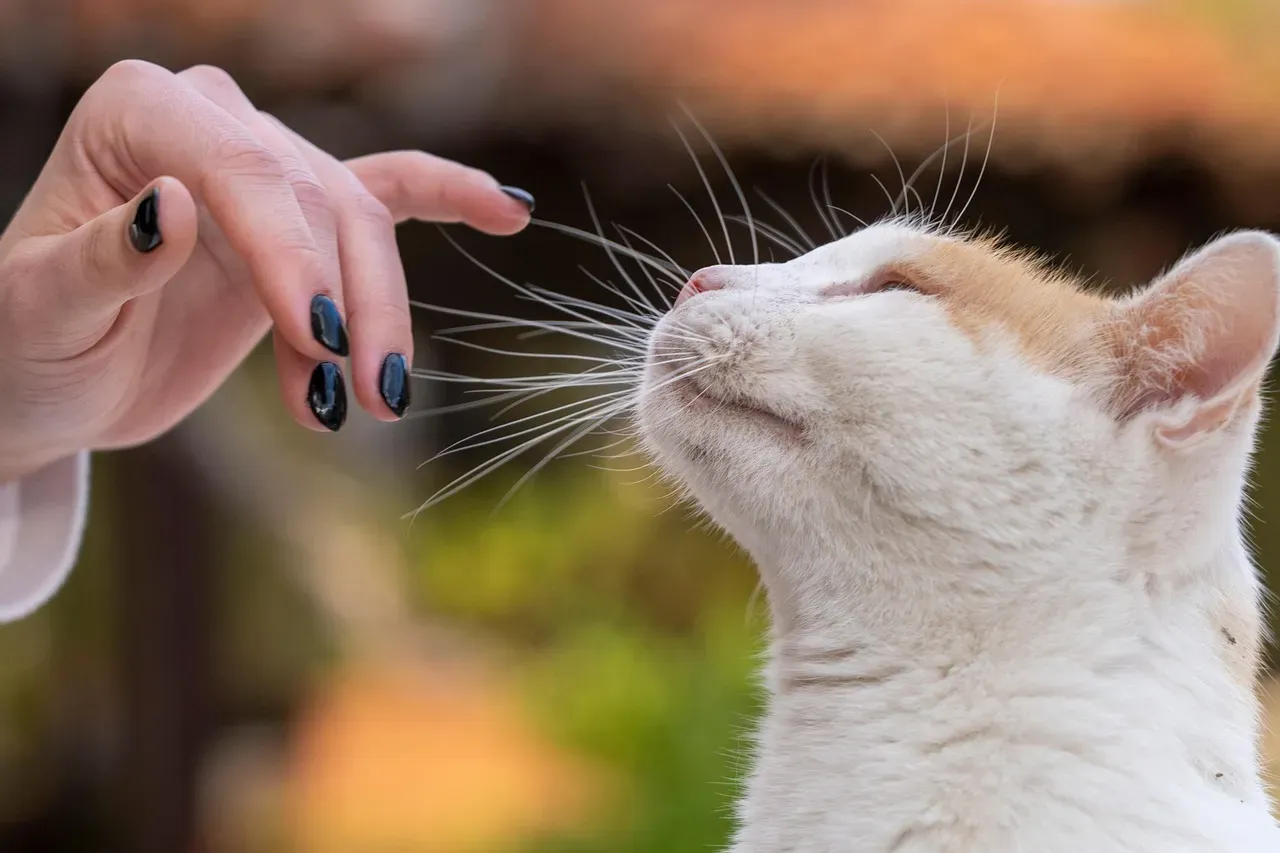
By paying close attention to our cats’ body language, we can do a better job of attending to their needs and have even stronger, happier relationships with them. Learning this language isn’t just about avoiding scratches and bites. It’s about deepening your bond with your feline companion and showing them you actually understand what they’re saying.
By observing and interpreting their ear and whisker positions, eye cues, tail movements and behaviors, cat owners and any cat lover can lay the foundation for a new cat relationship and develop deep, long-term connections. You can establish a strong bond with your cat by understanding their non-verbal cues. This mutual understanding transforms your relationship from owner-pet to genuine friendship.
It’s important to avoid reacting with anger when your cat responds naturally to uncomfortable situations, and instead try to understand their body language and let them determine the level of contact they’re comfortable with. Your cat will notice when you start respecting their communication. They’ll trust you more. The relationship becomes reciprocal rather than one-sided. That’s when the magic really happens.
Conclusion
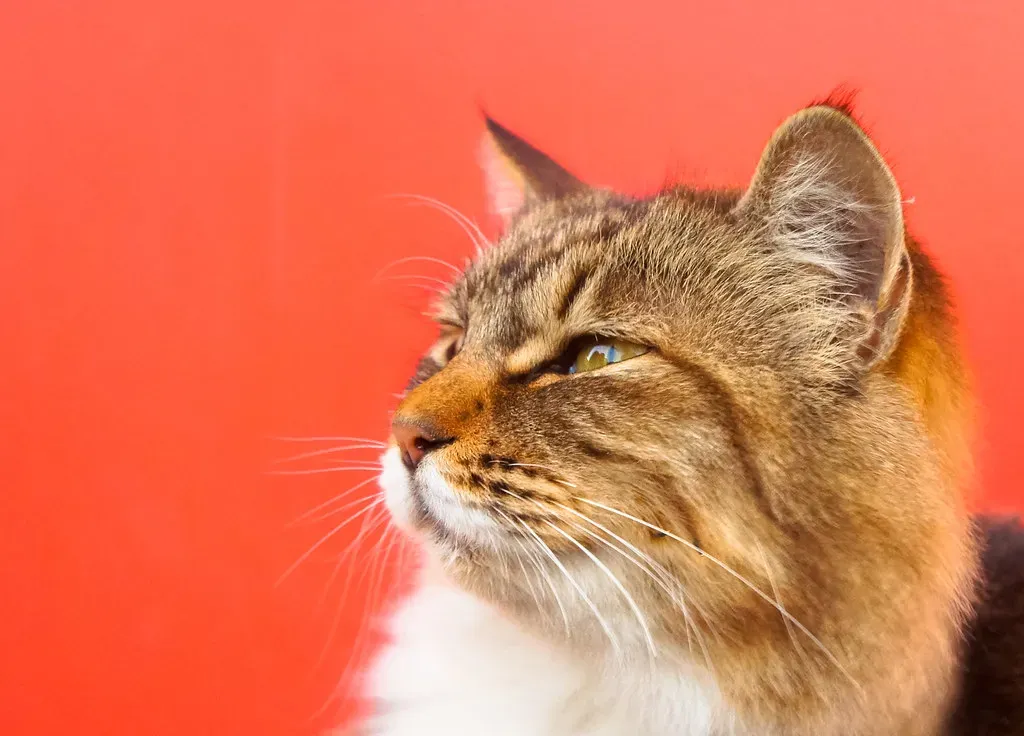
Cats aren’t mysterious creatures deliberately keeping us in the dark. They’re actually quite chatty, broadcasting their feelings constantly through an intricate language of tails, ears, eyes, whiskers, and posture. We just haven’t been paying attention to the conversation. Once you start tuning into these signals, a whole new world of communication opens up between you and your cat.
The beauty of feline body language is that it’s universal. Nearly all cats use these same signals, though individual personalities add their own unique flair to the basics. Your job is simply to observe, learn, and respond appropriately. Give them space when they ask for it. Engage when they invite you. Stop petting when the tail starts thrashing. Return those slow blinks. These small adjustments to your behavior show your cat that you’re finally listening to what they’ve been telling you all along.
So what do you think? Have you been missing signals from your cat? Take some time today to really watch them and see what stories they’re telling. You might be surprised by how much they have to say.