If you’ve ever watched your cat arrange itself like a decorative throw pillow on your couch for the fourth hour in a row, you may have wondered whether you’re housing a pet or a professional resting champion. Honestly, it’s a fair question. Cats seem to have perfected the art of doing absolutely nothing, and they look flawless doing it. Yet there’s far more going on beneath those half-closed eyes than you might think.
What looks like lazy indulgence is actually one of nature’s most finely tuned survival strategies. Your cat isn’t being dramatic. Your cat isn’t bored. Your cat is running an ancient, biological energy management system that’s been millions of years in the making. So before you shake that pillow, let’s dive into why your feline is, without question, the most efficient creature in your household.
Hardwired From the Beginning: The Evolutionary Case for Cat Naps
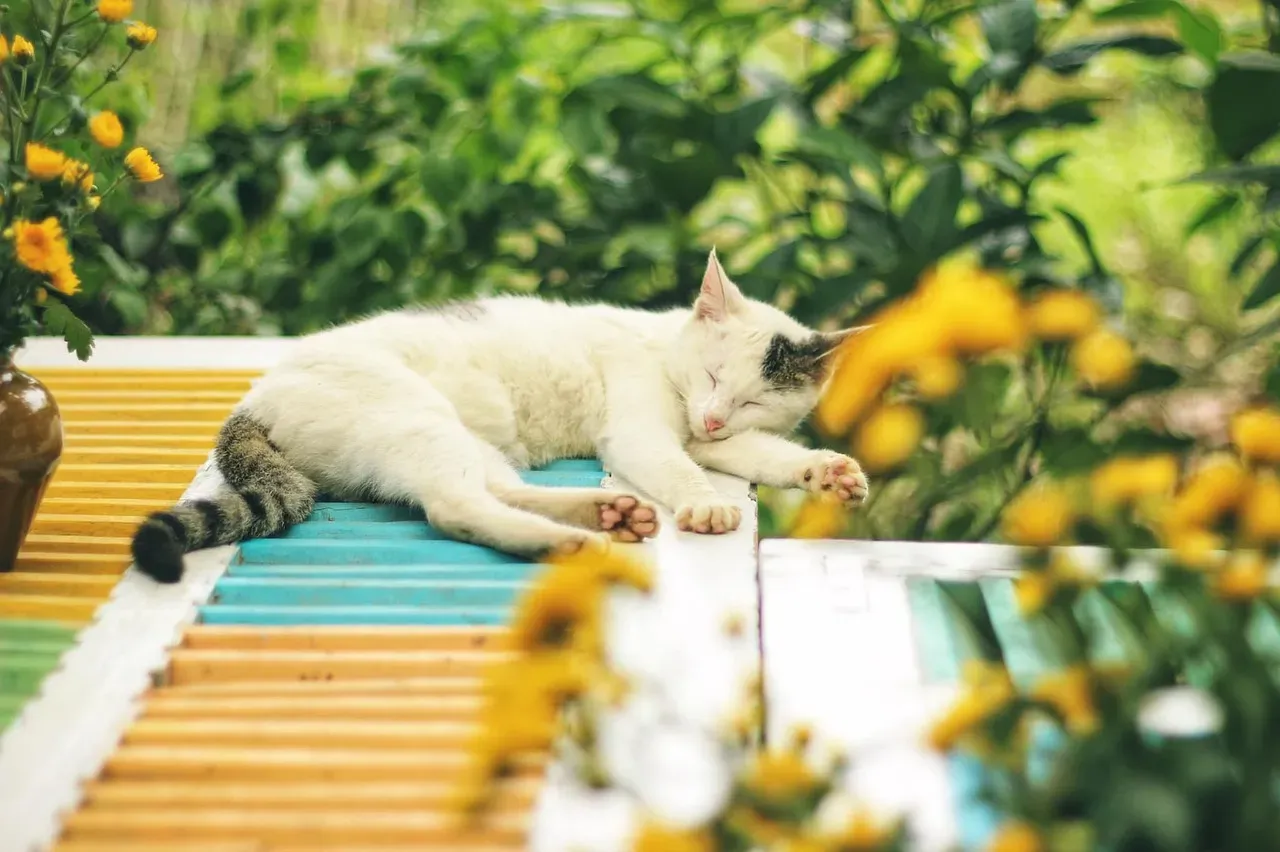
Here’s the thing – your fluffy companion shares far more with wild predators than you’d ever guess by watching them ignore you from across the room. Cats have a long evolutionary history that explains their need for extended rest. Wild cats, the ancestors of domestic felines, were skilled predators who relied on bursts of energy to hunt, requiring immense physical exertion and mental focus, leaving them in need of ample downtime to recharge.
Over time, as cats evolved from wild hunters to domestic companions, their sleeping patterns remained deeply ingrained in their DNA. Even though modern cats no longer rely solely on hunting for survival, they still possess the innate instinct to conserve energy through snoozing. Think of it like a sports car that still runs on premium fuel even when it’s sitting in a suburban driveway. The engine hasn’t changed, even if the track has.
The Numbers Don’t Lie: Just How Much Do Cats Actually Sleep?
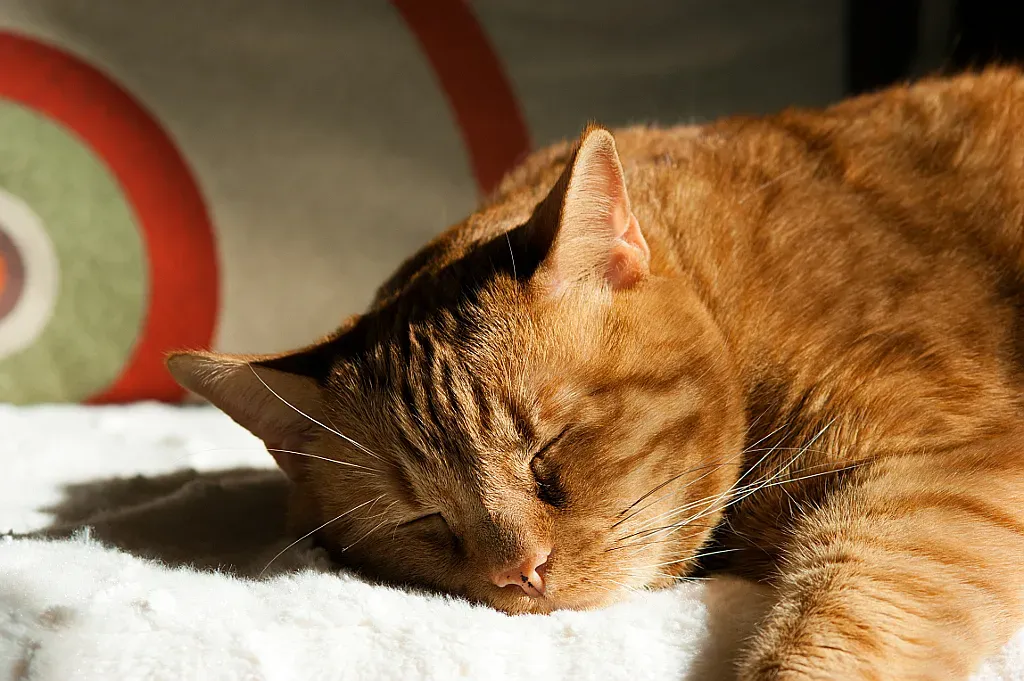
Cats sleep much more than humans. Most cats sleep between 12 and 16 hours a day, while humans average about 7 to 9 hours per night. This extended sleep helps cats recover energy for their active periods. Let that sink in for a second. Your cat is essentially unconscious for the majority of every single day.
Cats spend about two-thirds of their lives sleeping. That’s not a quirk. That’s a lifestyle. The average is 15 hours a day, with roughly four in ten cats sleeping over 18 hours a day. If you’re feeling slightly competitive or perhaps a little envious right now, you’re not alone.
The Hunt-Sleep-Repeat Cycle: Nature’s Most Elegant Design
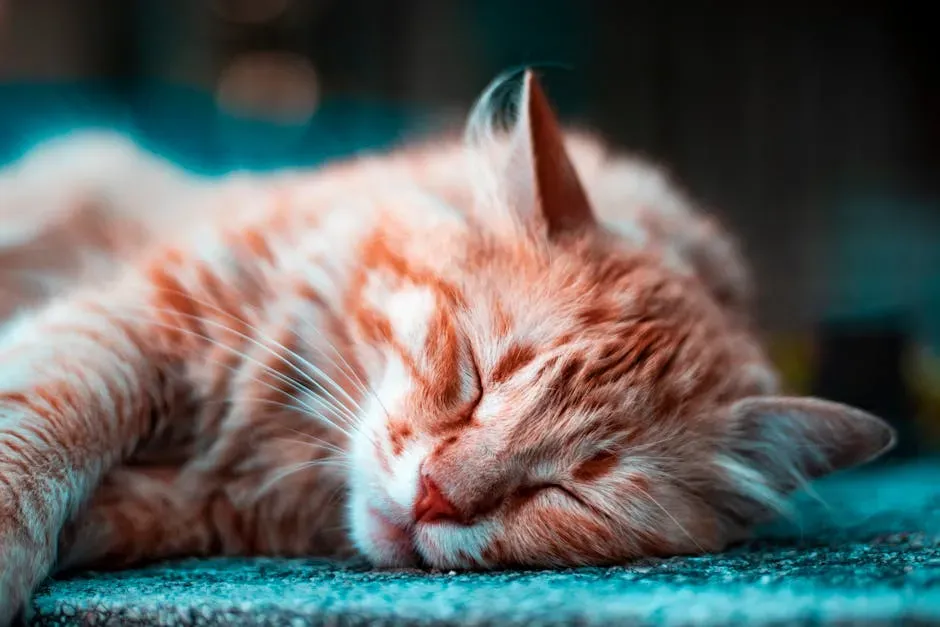
Cats’ sleeping habits are directly inherited from their wild ancestors. As predators, cats are built for short, intense bursts of hunting activity followed by long periods of rest. This sleep-hunt-sleep cycle helped wild cats conserve energy for when they needed it most, catching prey. It’s a bit like how marathon runners spend most of the week resting so they can perform brilliantly on race day.
Your cat sleeps so much because of their biological wiring. Even though your cat might just be hunting for kibble, their bodies are built for the “hunt, feast, sleep, repeat” cycle of a predator. All that sleep helps them conserve energy for their next burst of activity, usually at dawn or dusk. It’s one of the most elegant biological economies in the animal kingdom, and your cat has mastered it without even trying.
Crepuscular Creatures: Why You’re Irrelevant Before Sunrise
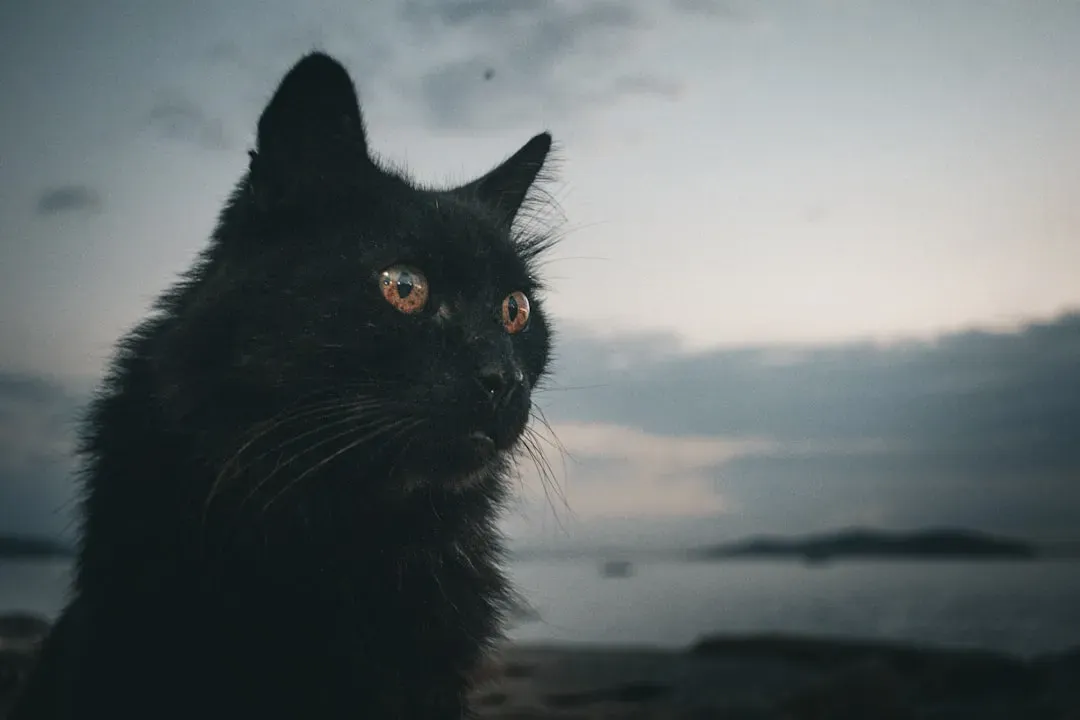
Cats are crepuscular, meaning they are at their most active state during the twilight hours of dusk and dawn. Cats are biologically crepuscular because twilight hours are when they would naturally hunt for prey. Cats prey on birds and rodents, which are active during twilight hours. So when your cat launches into a full sprint around your apartment at 5 a.m., that’s not chaos. That’s evolution, perfectly on schedule.
During the dark nighttime hours and bright daytime periods, cats tend to lay low and rest. This is why your indoor cat can appear to sleep all day long. This evolutionary adaptation allowed their ancestors to hunt when visibility was optimal while avoiding larger predators. Their daytime sleep helps conserve energy for these peak activity periods. You’re essentially living with a tiny, velvet ambush predator on a very specific schedule.
Light Sleep vs. Deep Sleep: Your Cat Is Almost Never Fully Off
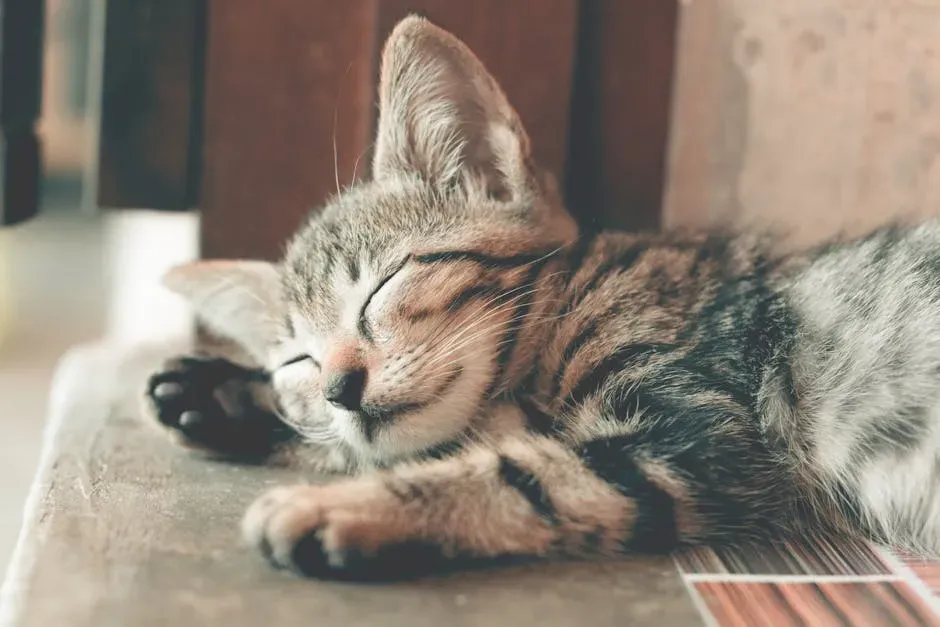
Here is the secret: cats aren’t fully asleep most of the time. During light sleep, their ears twitch, and they can wake up instantly. They are just resting their eyes while monitoring the environment. So that peaceful-looking loaf on your sofa? Still watching. Always watching. It’s honestly a little unsettling when you think about it.
Cats sleep in “standby mode” when dozing and stay alert to their surroundings. Their senses remain at work, and the smallest sounds are often enough to wake them up. Some cats even sleep with one eye half open, so they can always be on the lookout for potential dangers, or in an upright position so they’re ready to spring into action. Meanwhile, deep sleep makes up only about a quarter of their total sleep time, and this is when they dream, twitch their paws, and are hard to wake up.
Temperature Conservation: The Art of the Curl
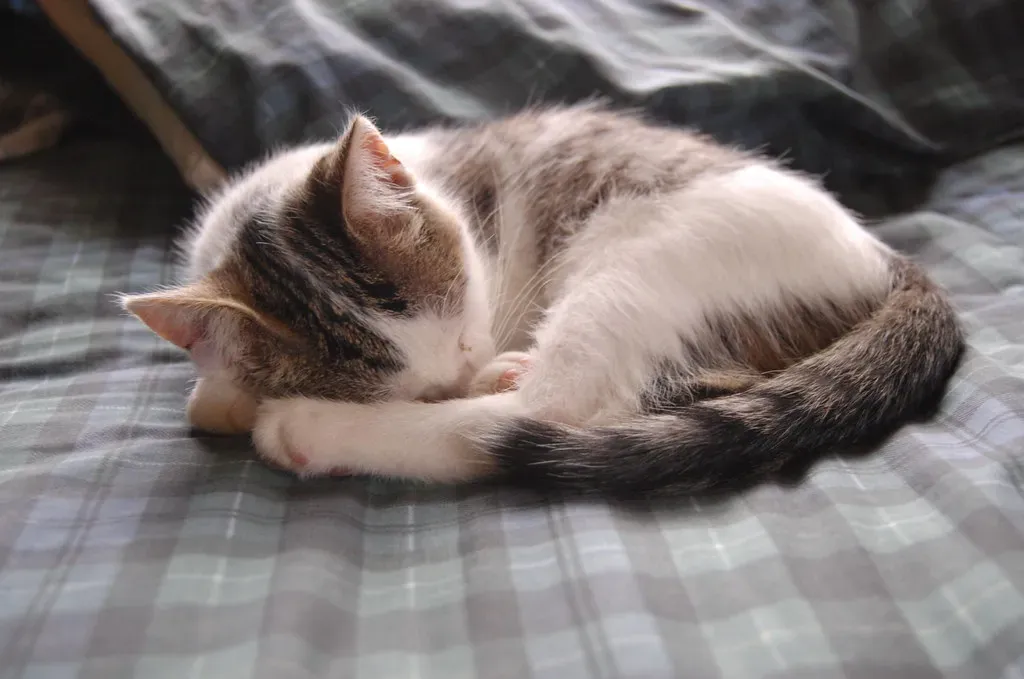
If you’ve noticed your cat curling into a perfect bread loaf or a tight donut shape before sleeping, there’s a precise reason for it. By curling up tightly and keeping their limbs close to their body, cats minimize heat loss. It’s the feline equivalent of wrapping yourself in a blanket, except your cat’s blanket is their own body.
It’s about heat conservation. Curling into a ball and sleeping reduces the calories needed to maintain body temperature. It’s a natural “energy-saving mode.” Sleeping in warm places helps maintain body temperature without using extra energy. It also allows muscles to stay relaxed, promoting deeper and more restorative rest. When a cat curls up in a warm spot, it’s not just seeking comfort, it’s optimizing its energy use. Every single detail is calculated, right down to where they choose to nap.
Sleep and the Immune System: More Than Just Rest
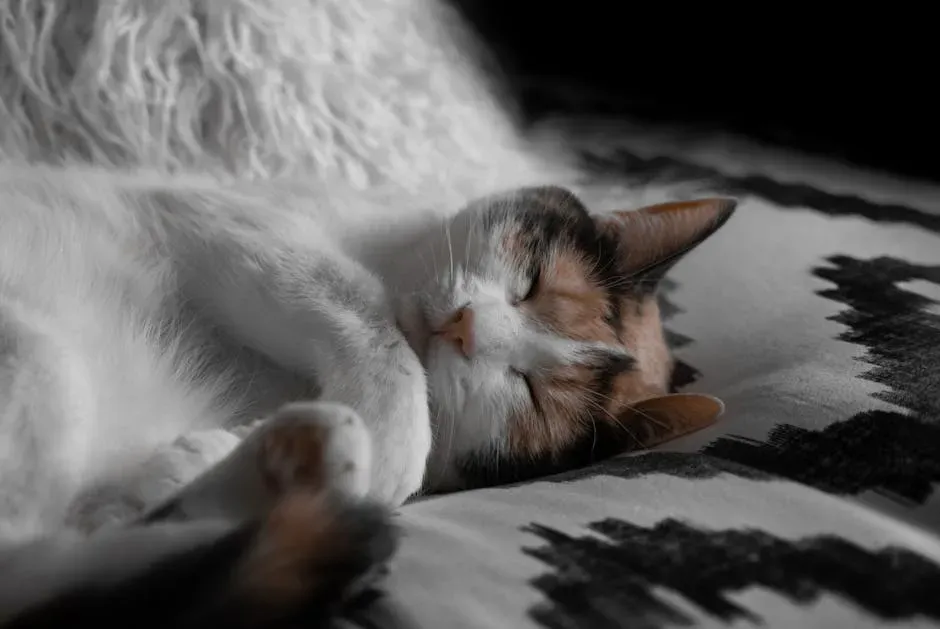
You might think sleep is simply downtime, a pause between the real action. For cats, it’s anything but passive. Healthy sleep is not a luxury for pets. It’s a biological treatment window where tissues repair, immune defenses recalibrate, memories consolidate, and hormones rebalance. Your cat’s nap sessions are, in a very real way, full-body maintenance.
Just like humans, cats strengthen their immune systems when they sleep. If they don’t get enough sleep, their immune cells won’t work as effectively as they could. When immune cells aren’t functioning effectively, their protection against pathogens will automatically be limited. During sleep, a cat’s body undergoes vital processes that help restore and repair tissues, which is crucial for maintaining good health, particularly for active or aging cats. So that nap isn’t laziness. It’s medicine.
Age Matters: Kittens, Adults, and Senior Cats Each Sleep Differently
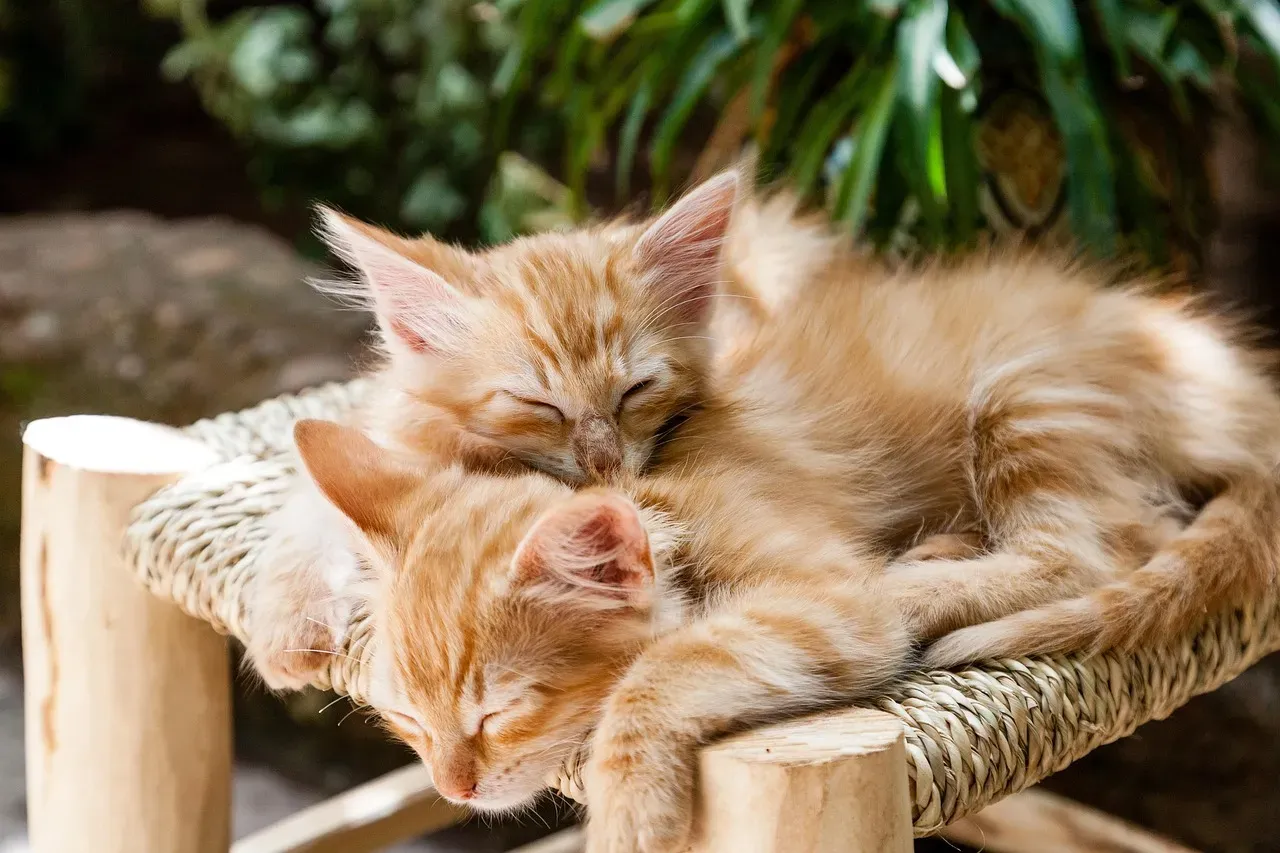
Not all cat sleep is created equal, and it changes dramatically across a lifetime. Kittens tend to sleep more than the average cat, with approximately nine in ten kittenhood hours spent snoozing. This is because they need to constantly recharge their batteries as their brain and central nervous system is still developing. What’s more, this time kittens spend sleeping strengthens their muscles and bones and keeps their immune system functioning.
On the other end of life’s spectrum, senior cats snooze a lot too, usually up to 20 hours a day. This increased amount of sleep is because just like with humans, when cats get older, they tire more quickly. Adolescent cats, though, have the most erratic sleep patterns of all cats, with periods of intense playfulness combined with irregular sleep cycles. Basically, teenage cats are the same energy as teenage humans, just with better fur.
When Sleep Signals Something More: Knowing When to Pay Attention
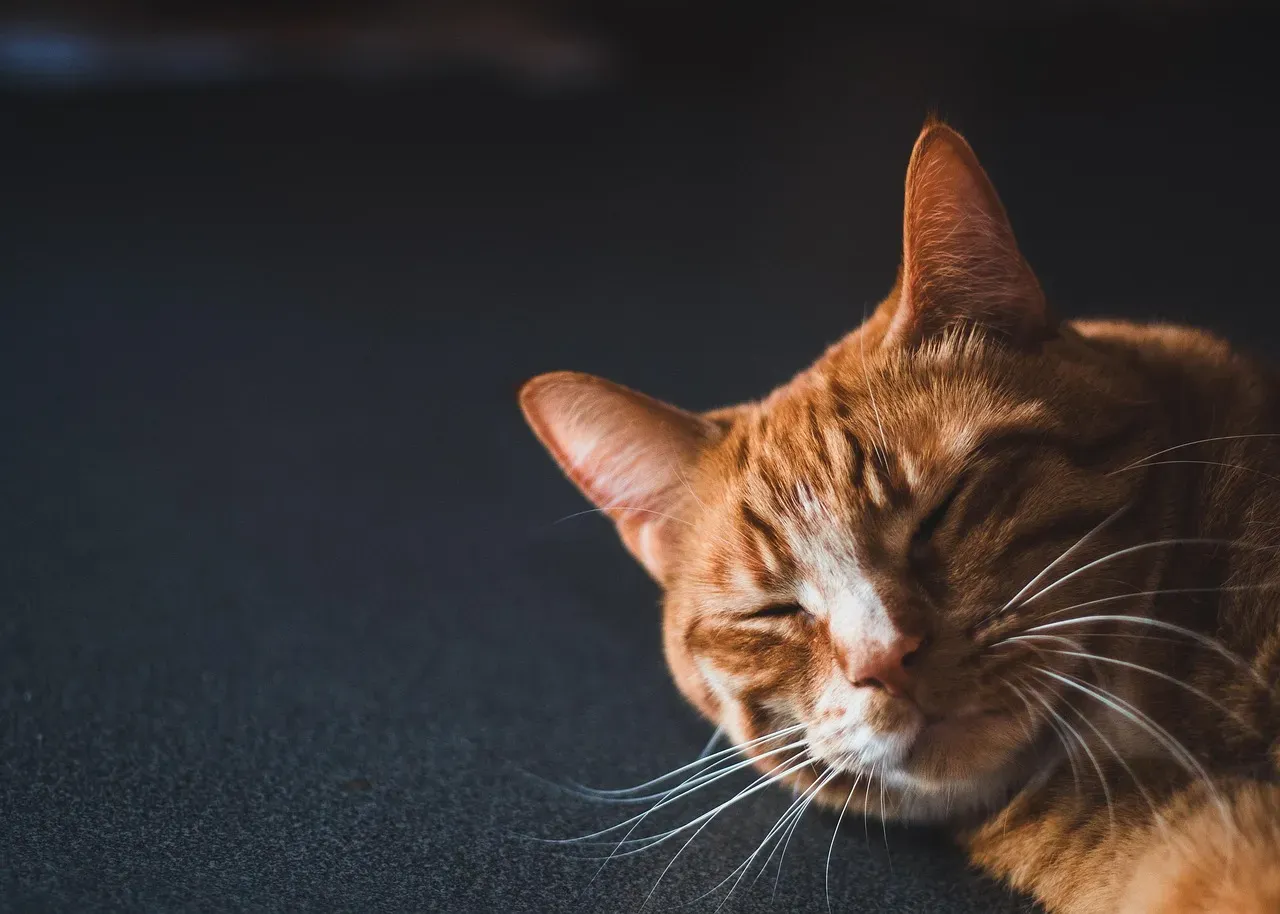
Let’s be real. All this sleep sounds perfectly normal, and most of the time it is. Most feline naps are perfectly normal. Healthy cat sleeping habits also include alertness during waking hours, interest in play, and responsiveness to family members. Cats should have a balance between rest and activity.
However, changes in your cat’s sleep can sometimes signal health issues. Pay attention if you notice shifts in their sleeping habits. Cats naturally sleep a lot, usually between 12 and 16 hours a day. If your cat starts sleeping more than usual, it could indicate a problem. Conditions like kidney disease might cause your cat to sleep excessively. A typically active cat suddenly sleeping all day warrants a vet visit. It’s a fine line, but you’ll know your cat well enough to sense when something feels off.
Conclusion
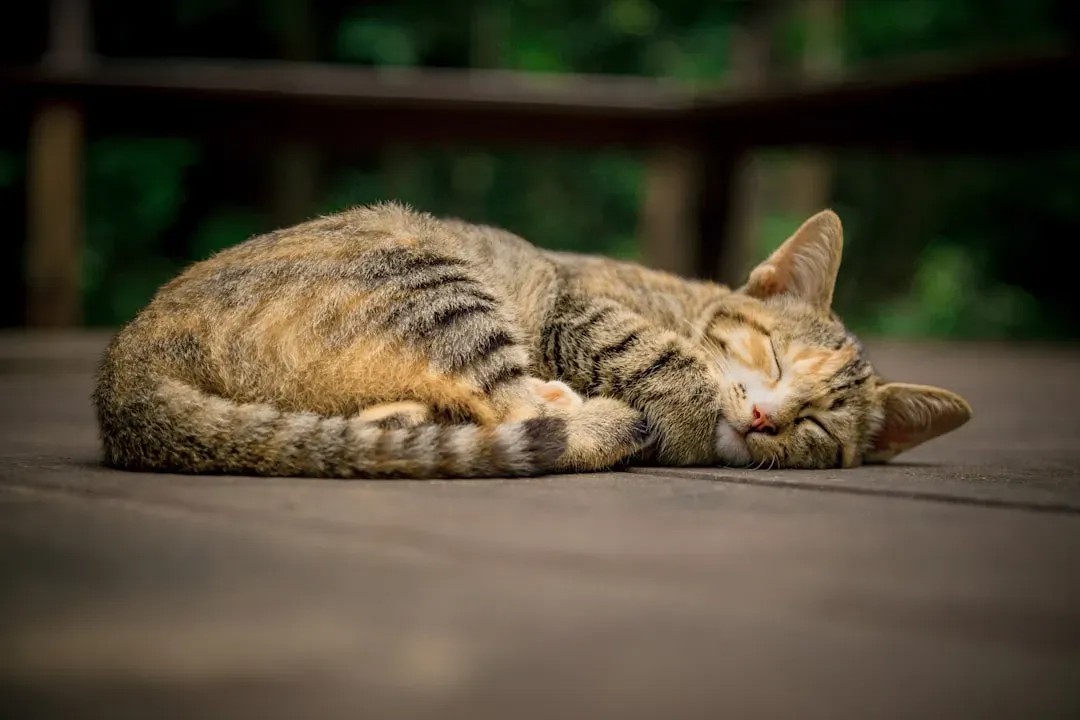
There is something quietly remarkable about a creature that has turned rest into its greatest strength. Your cat isn’t wasting time. Your cat is operating at peak biological efficiency, conserving every calorie, protecting every cell, and preparing for whatever brief, magnificent burst of action the next dawn might bring. The couch commandeering, the sunbeam hoarding, the impossibly tight curl on your warmest blanket: all of it is intentional, all of it is ancient, and all of it is working exactly as designed.
The next time your cat stretches across your keyboard in a perfect sleeping arc, maybe don’t see it as an interruption. See it as a masterclass in living well. Honestly, there might be a lesson in there for the rest of us too. When did you last rest without guilt? Your cat would be disappointed to know the answer.