You have probably caught your cat sprawled across the couch at noon, blissfully unconscious, and thought – seriously, again? Honestly, it is a fair reaction. But here is the thing: your cat is not lazy. Not even close. What looks like a life of luxurious indulgence is actually one of the most finely tuned biological strategies in the animal kingdom.
Feline sleep is not random. It is not boredom. It is calculated, instinct-driven, and rooted in millions of years of evolutionary pressure. Every single nap your cat takes is loaded with purpose – and once you understand why, you will never look at that sleepy ball of fur the same way again. Let’s dive in.
The Evolutionary Blueprint Behind Every Nap
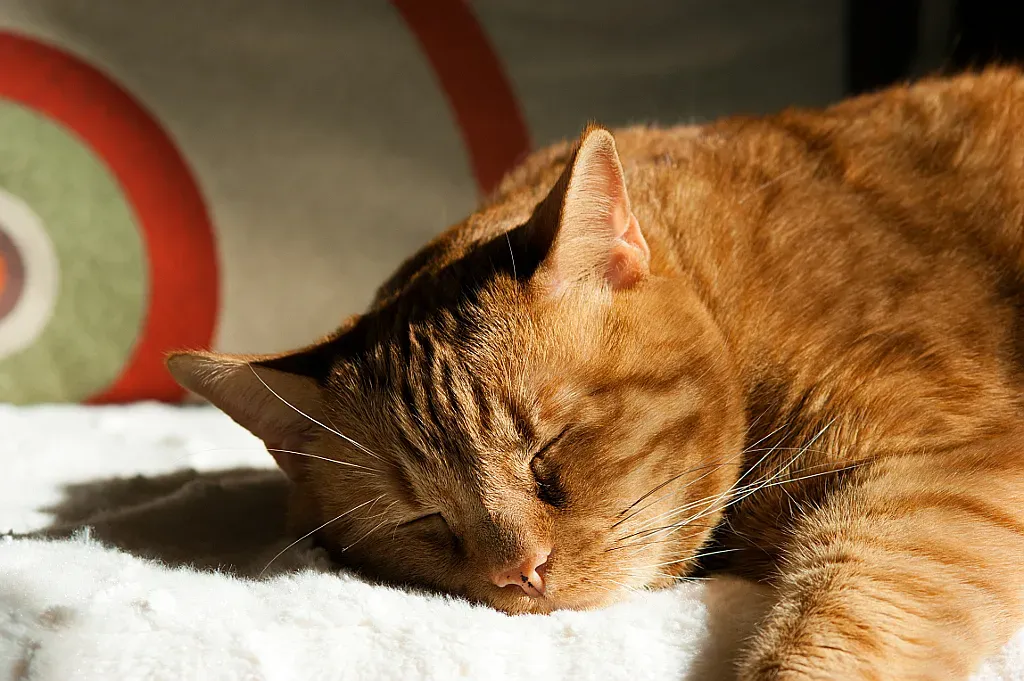
Think of your cat as a sports car that spends most of its time in the garage. It is not broken. It is conserving fuel for when it truly matters. The science behind why cats sleep so much is deeply tied to their evolutionary history – as descendants of wild predators, cats inherited a sleep-wake pattern quite different from ours, because in the wild, their ancestors needed to conserve energy for hunting, a high-energy activity.
This energy-conservation strategy has carried over into the domestic cats we know today, and they follow a polyphasic sleep pattern, meaning they have multiple periods of sleep throughout a 24-hour day. So when your cat naps between breakfast and your afternoon Zoom call, it is quite literally doing what its DNA was designed to do.
What “Polyphasic Sleep” Actually Means for Your Cat
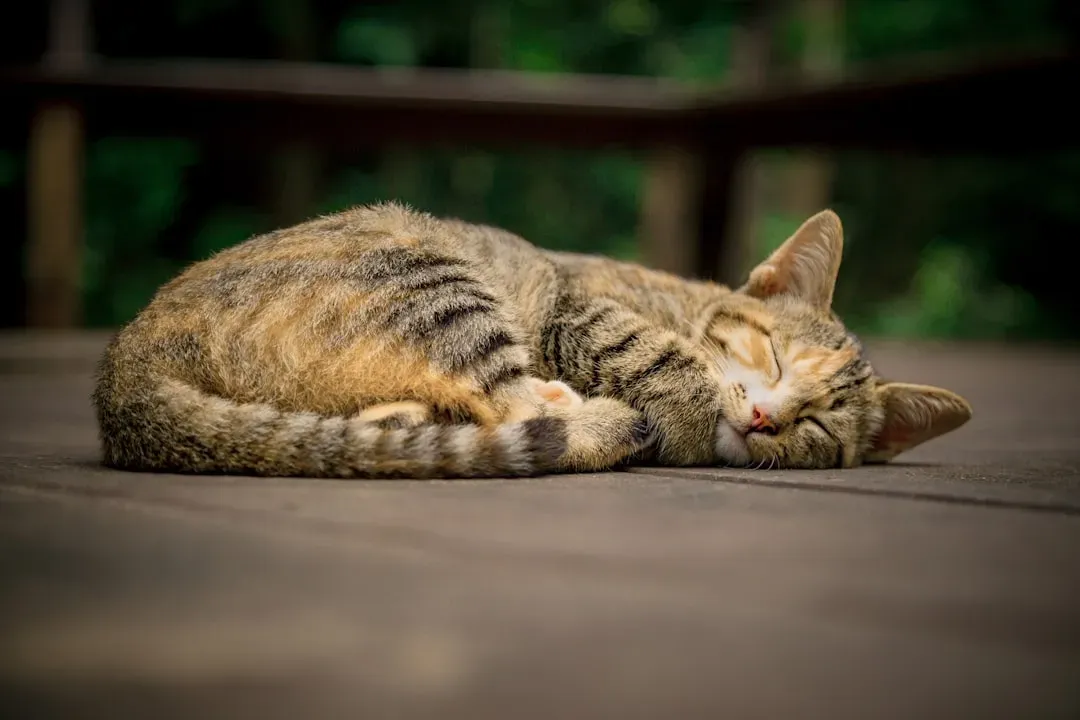
Cats are known for their unique sleep patterns, which involve taking short naps throughout the day and night. Unlike humans, who usually sleep for one long stretch, cats have what’s known as a polyphasic sleep pattern. It is a bit like eating several small meals instead of three big ones – except the currency here is rest, not calories.
Unlike humans, who sleep for long, hopefully uninterrupted sessions, cats sleep in shorter spurts – usually anywhere between 50 and 113 minutes in one session, which is why it might seem like they sleep more than anything else during the day. Spread those sessions out across 24 hours, and you begin to understand just how intentional the whole system is.
How Many Hours Are We Actually Talking About?
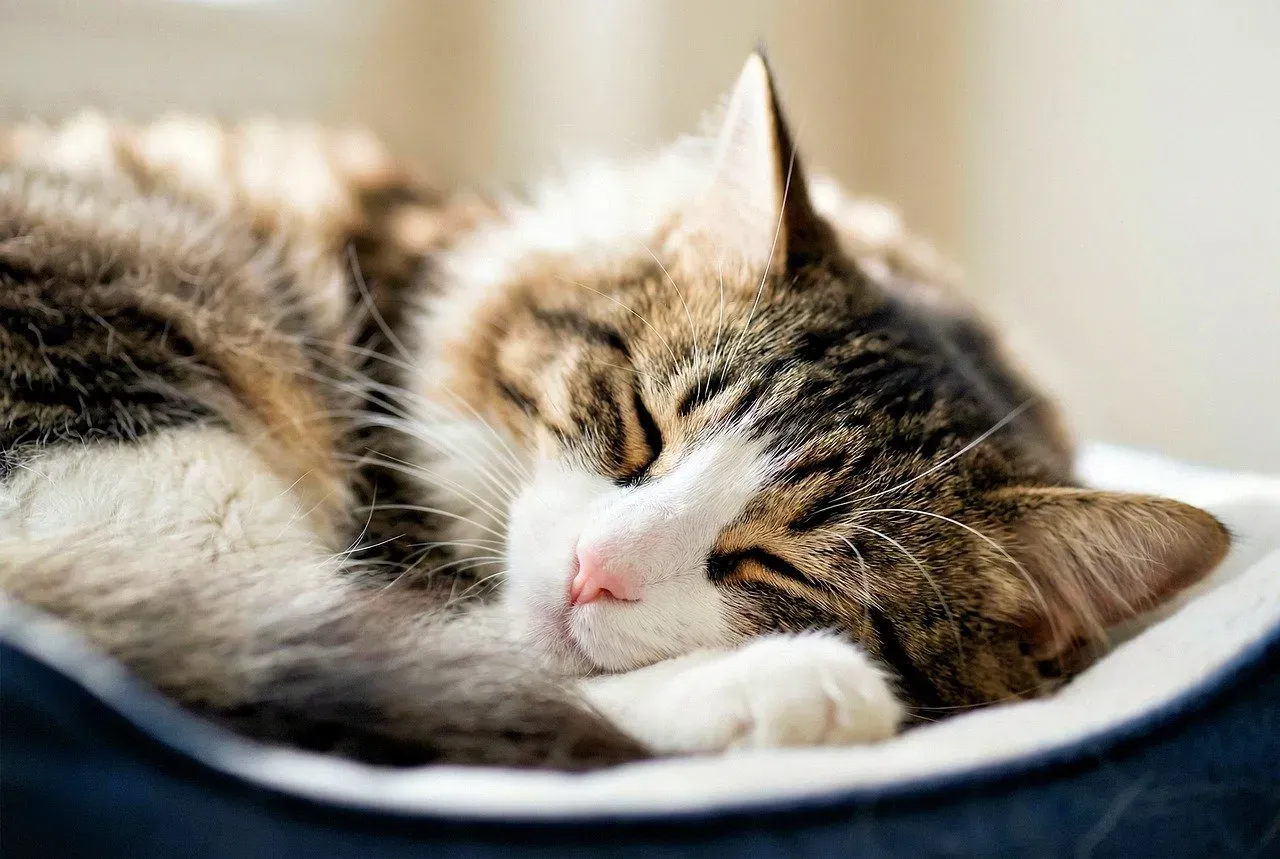
The numbers are genuinely staggering once you put them side by side with your own sleep schedule. On average, cats sleep between 13 and 16 hours in a 24-hour day – roughly twice the amount their human owners require – and while this varies depending on age and personality, your cat will certainly spend far more time napping than you.
Some cats might even sleep up to 20 hours, and as cats get older, they tend to sleep more. It is hard to say for sure where exactly your individual cat lands on that scale, but the average cat will sleep anywhere from 12 to 18 hours a day, and about forty percent of them will sleep even longer than 18 hours. That is a lot of dreaming going on in your living room.
The Predator Paradox: Fierce Hunters Who Need Constant Rest
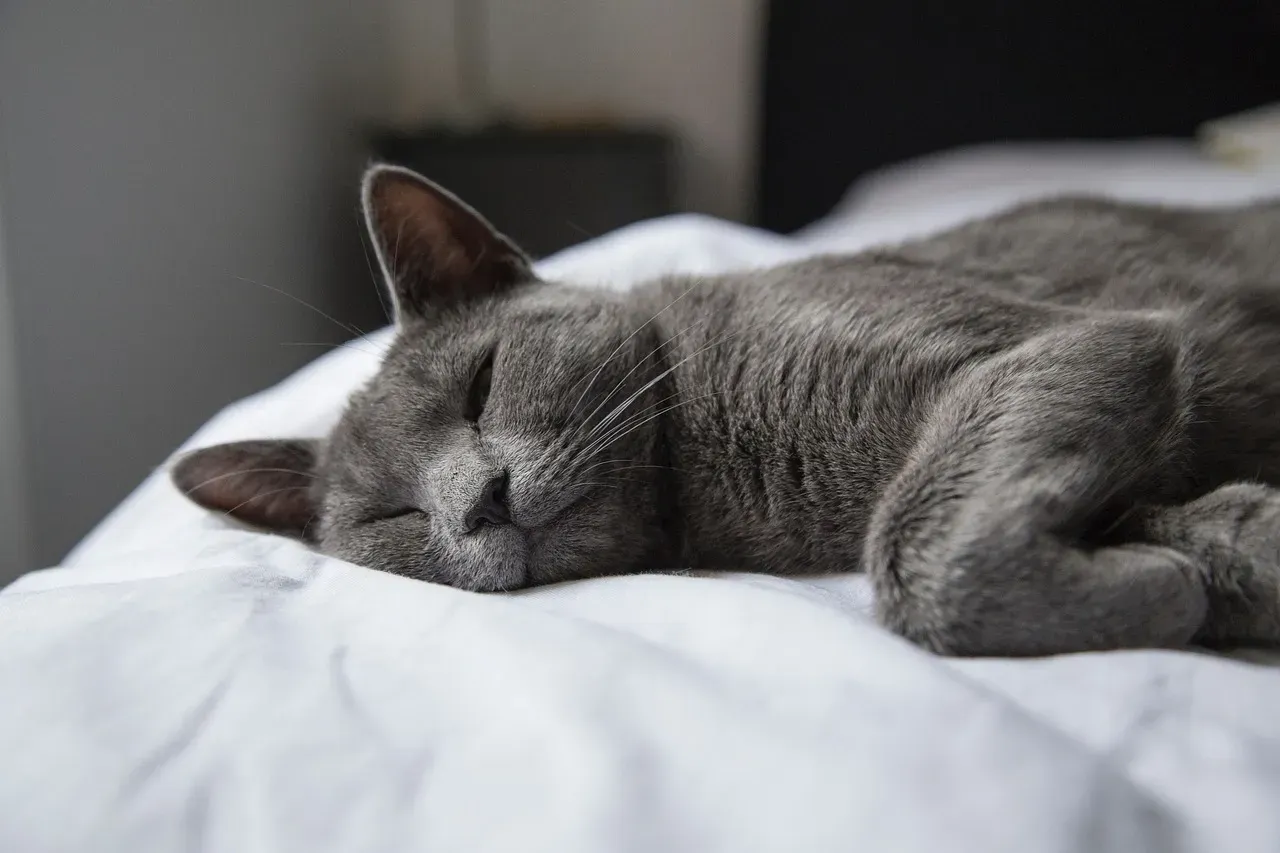
Here is something that might surprise you: the very thing that makes cats such effective predators is also the reason they sleep so aggressively. Wildcats are commonly observed hunting their prey and then sleeping for extended periods because hunting demands a huge amount of energy – and domestic cats are no different, employing energy-intensive techniques like stalking, pouncing, chasing, and climbing, staying on high alert throughout their “hunt” using high levels of adrenaline and energy to keep their bodies fueled.
All of this means that despite the relatively short period when your cat is active, they use up disproportionately large energy reserves, resulting in the need for a well-deserved cat nap. Think about a sprinter collapsing on a track after a 100-meter race. Your cat does a version of that every single time it plays, chases, or pounces – and sleep is the recovery phase.
The Crepuscular Secret: Dawn, Dusk, and Everything in Between
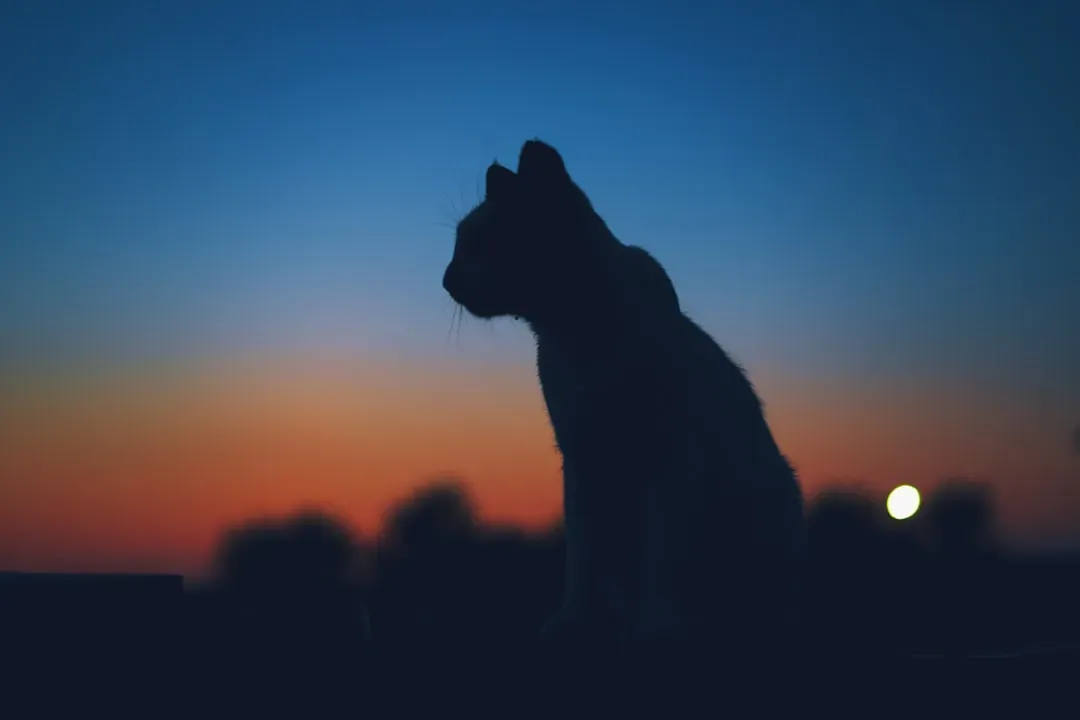
Most people assume cats are nocturnal creatures. That is actually a common misconception. Contrary to popular belief, cats aren’t nocturnal – they are crepuscular, meaning they’re most active around dawn and dusk, a sleeping pattern due to their hunting instinct, which evolved so that they would be awake when their prey is at its most active.
All cats possess a tapetum, a mirror at the back of each retina – and as well as making your cat’s eyes look like glowing orbs in the dark, this adaptation provides cats with a second chance of interpreting light that hits their eyes, effectively allowing them to see more in dark environments. Because cats are crepuscular, they conserve their energy for these twilight hunting periods. So those midday naps are not wasted time. They are strategic fuel storage for the golden hours.
Light Sleep vs. Deep Sleep: Your Cat Is Never Fully “Off”
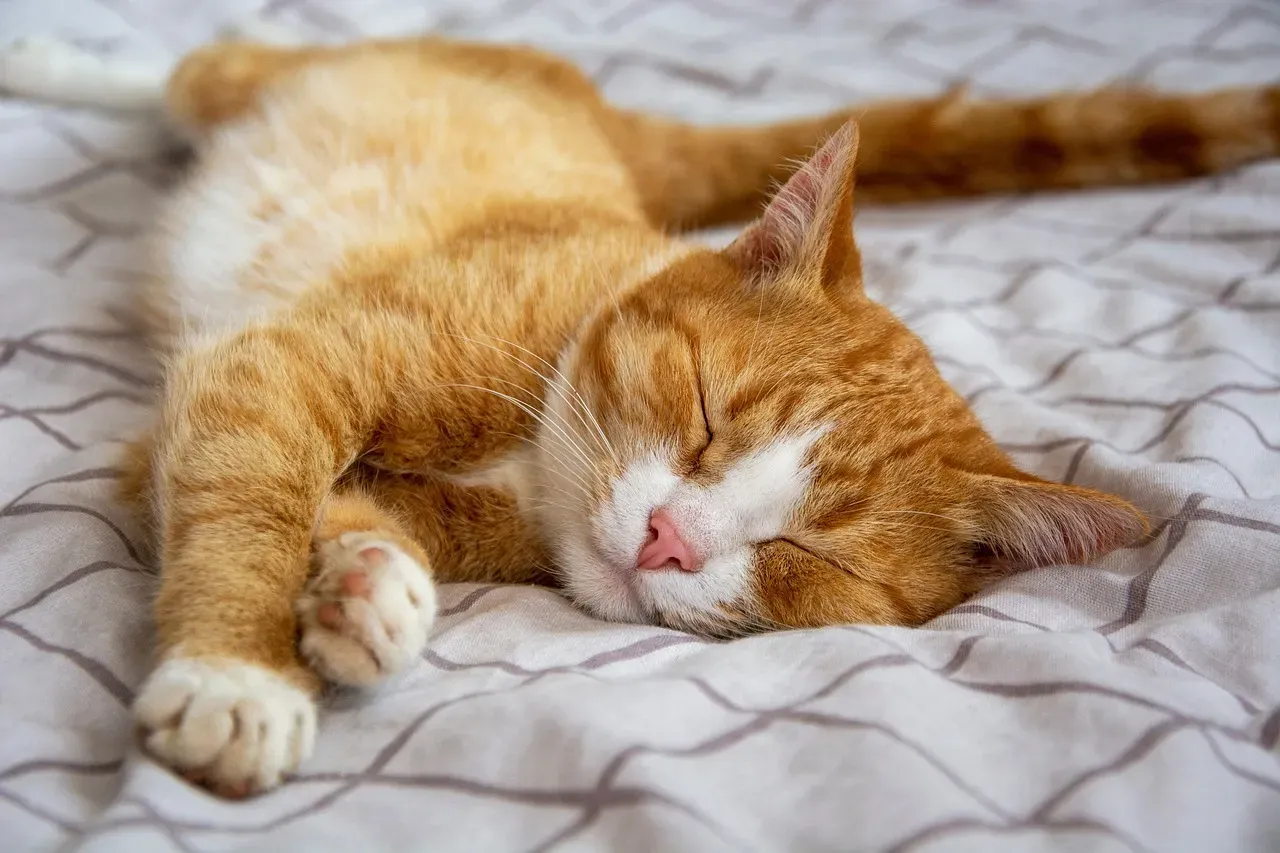
You might have noticed that your cat seems to wake up startled from seemingly deep slumber the second a cupboard door creaks across the house. That is not coincidence. It’s believed that cats don’t really sleep for long stretches; rather, they take frequent catnaps that last 15 to 30 minutes, which allow the cat to rest body and mind without falling into deep sleep – and these catnaps still allow felines to react quickly to potential threats in their environment.
When your cat is sleeping, their rest varies between a light doze and a deeper sleep. Light sleep usually lasts anywhere between fifteen minutes and half an hour, whereas deeper sleep will only last about five minutes at a time. When cats are experiencing light sleep, they are able to wake into action at an instant, with their ears remaining erect and responding to sounds in their environment. Your cat is basically running a background security program even while it naps. Impressive, honestly.
REM Sleep and Dreams: Yes, Your Cat Actually Dreams
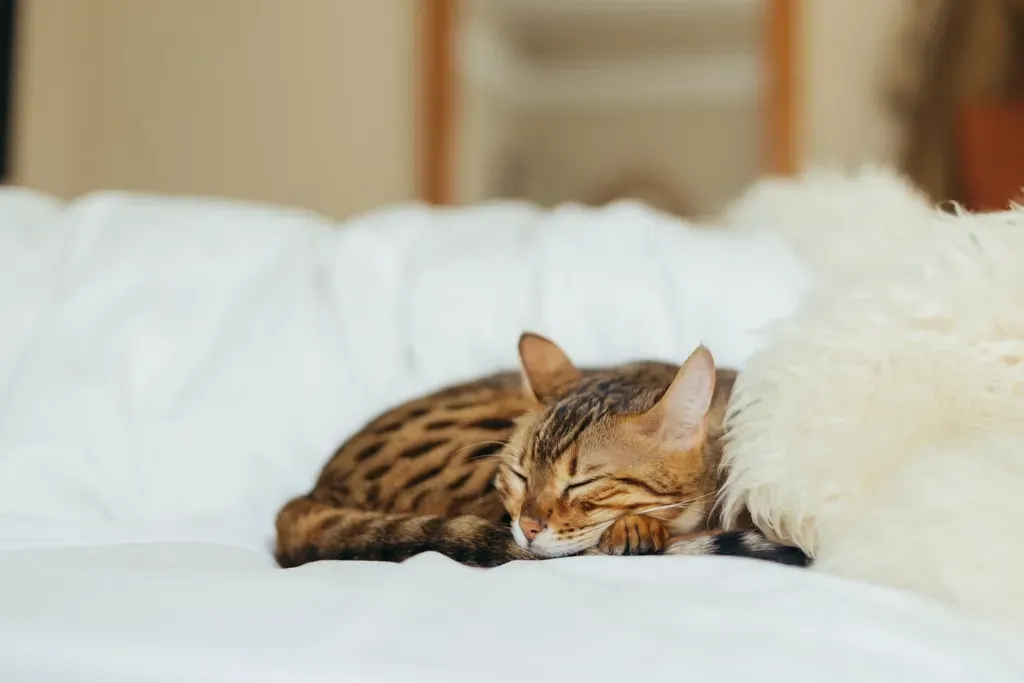
This is the part that, I think, most cat owners find genuinely moving. When your cat’s paws twitch, their whiskers flutter, or they make tiny sounds during sleep, they are almost certainly dreaming. Cats experience both REM (rapid eye movement) and NREM (non-rapid eye movement) sleep – similar to humans, cats dream during REM sleep, while NREM sleep allows their bodies to recharge and conserve energy.
When cats fall asleep, they quickly enter Non-REM sleep followed by short periods of REM sleep – a rapid transition quite different from humans, who typically need 90 minutes to complete a full sleep cycle. Cats can enter REM sleep within 20 minutes of falling asleep, making their sleep cycles much more efficient. They are basically nature’s most optimized sleepers, squeezing maximum restoration out of minimum downtime.
Age Matters: Kittens, Adults, and Senior Cats Sleep Differently
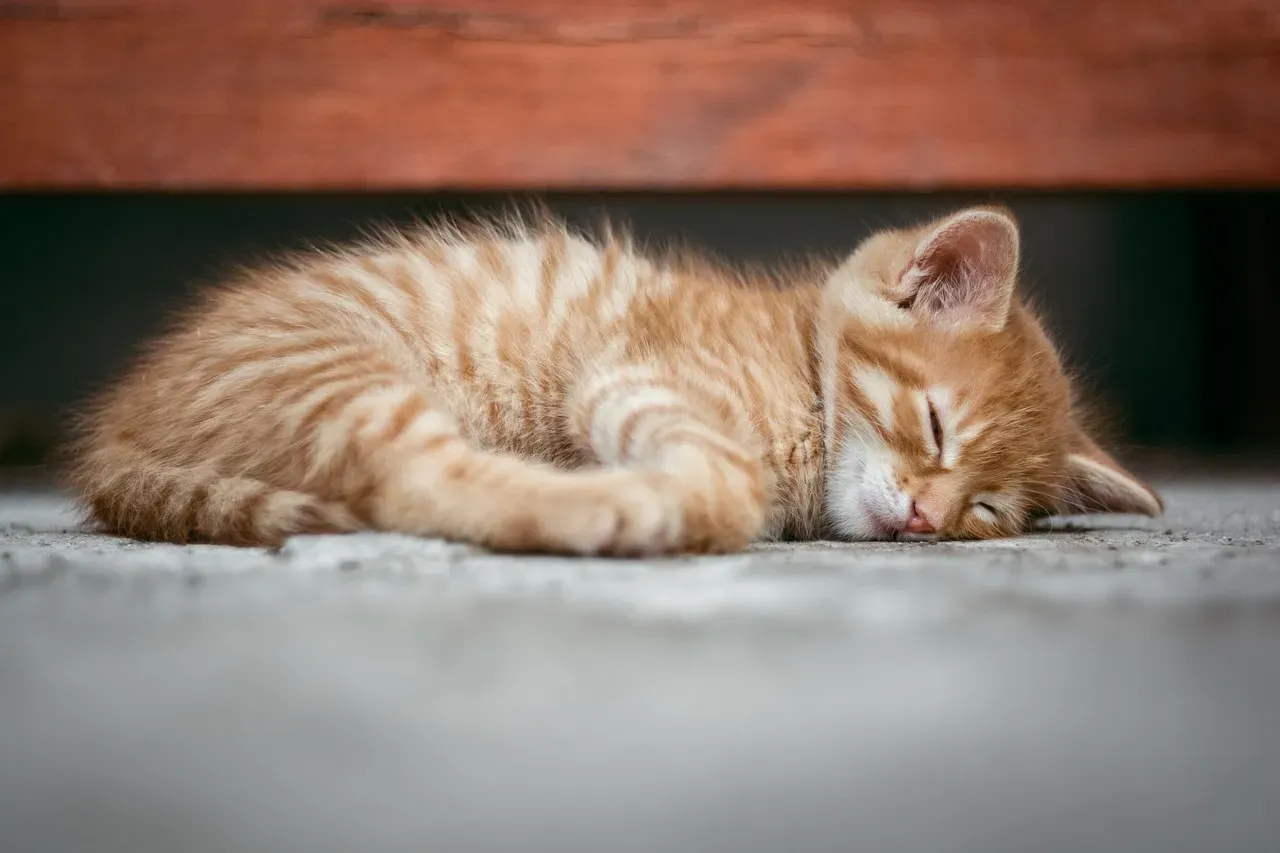
Not all cats are created equal when it comes to snooze time – and age is one of the biggest factors at play. Kittens tend to sleep more than the average cat, with approximately 90% of kittenhood spent snoozing – because they need to constantly recharge as their brain and central nervous system is still developing, and this time spent sleeping also strengthens their muscles and bones while keeping their immune system functioning.
It is not just kittens that spend a lot of time sleeping – senior cats snooze a lot too, usually up to 20 hours a day, because just like with humans, when cats get older, they tire more quickly. In between those two extremes, senior cats often revert to longer sleeping periods, much like kittens, due to decreased overall energy levels and the need for more rest to recuperate. Sleep, it seems, bookends the entire feline life story.
When Sleep Becomes a Warning Sign: What You Should Watch For
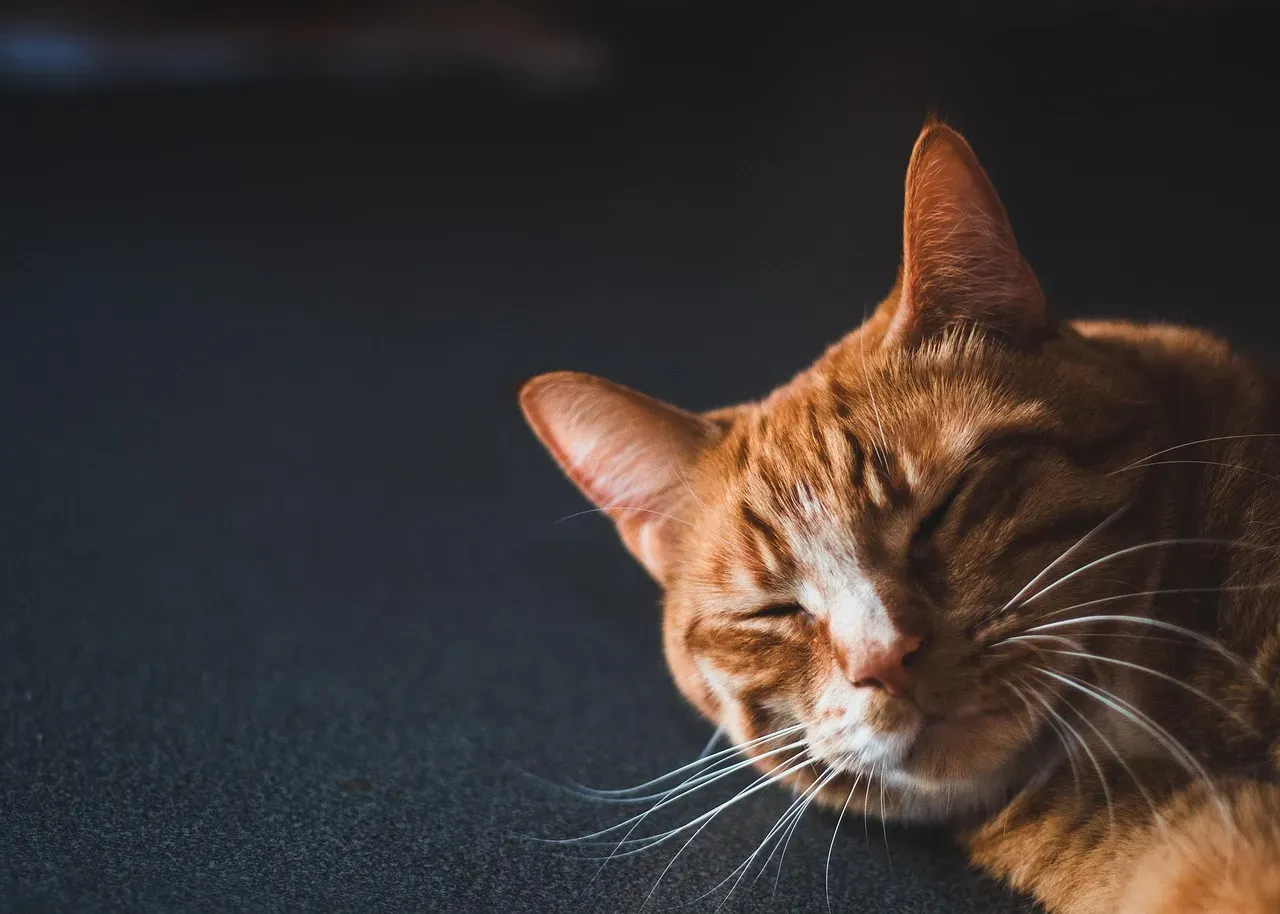
Let’s be real – there is a line between normal feline sleep and something worth taking seriously. Changes in your cat’s sleep can sometimes signal health issues, so pay attention if you notice shifts in their sleeping habits. Cats naturally sleep a lot, usually between 12 and 16 hours a day, but if your cat starts sleeping more than usual, it could indicate a problem.
For cats, sleep is not merely a luxury but a biological necessity – and a lack of quality sleep can lead to a range of health issues, including weakened immune function and behavioral problems. If you notice your cat suddenly sleeping far beyond its usual pattern, skipping meals, or showing signs of lethargy when awake, schedule an exam, because bloodwork and physical checks can detect underlying conditions like diabetes, arthritis, hyperthyroidism, renal disease, or cognitive decline. When in doubt, always check with your vet.
Conclusion
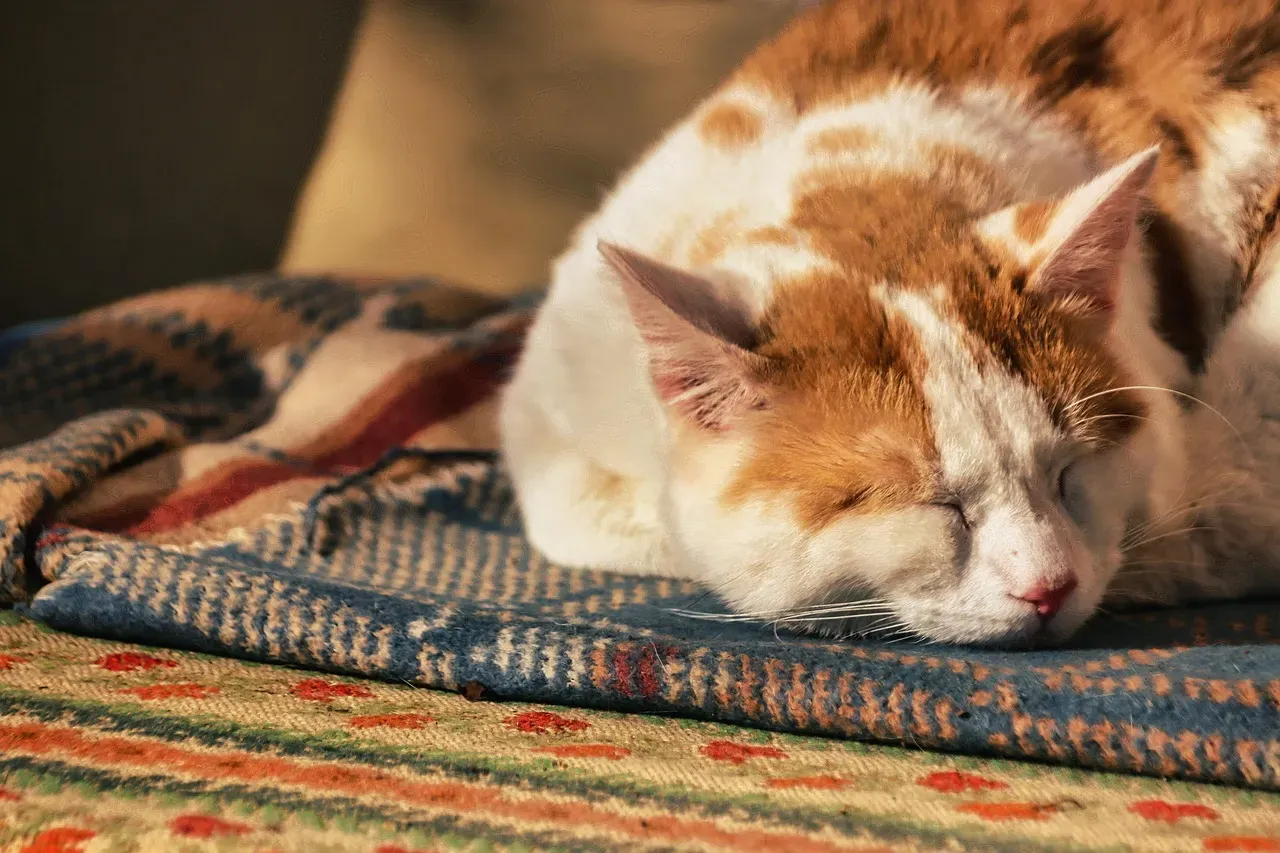
So the next time you see your cat curled up in a sunbeam, looking like they haven’t got a care in the world, remember: you are watching millions of years of evolutionary genius in action. Cats sleeping a lot is part of their evolutionary design – it is how they conserve energy and stay ready, and as long as naps fit within the normal range and your cat eats, plays, and explores, they are doing just fine.
Every nap your cat takes is a small act of biological brilliance – a quiet, warm, purring testament to the fact that rest is not laziness, but strategy. Cats have evolved to follow a polyphasic sleep pattern, experiencing multiple periods of sleep within a 24-hour cycle – and this behavior is not just a quirky trait, but a survival mechanism rooted deeply in their predatory nature. Maybe there is something we could all learn from that.
What do you think – does knowing the science behind your cat’s naps make you see them differently? Drop your thoughts in the comments.