There is a reason people say cats are mysterious. They sit across the room, staring at nothing, then suddenly sprint through the hall at full speed. They curl up on your lap one minute, and the next they act like you’re a complete stranger. Living with a cat can feel like sharing your home with a tiny, fur-covered enigma wrapped in quiet judgment.
Here’s the thing, though: your cat is actually communicating with you all the time. Every flick of the tail, every slow blink, every odd grooming moment in the middle of a conversation – it all means something. You just have to know what to look for. Let’s dive into the fascinating world of feline emotion and learn what your cat has been trying to tell you all along.
Why Cats Seem So Hard to Read in the First Place
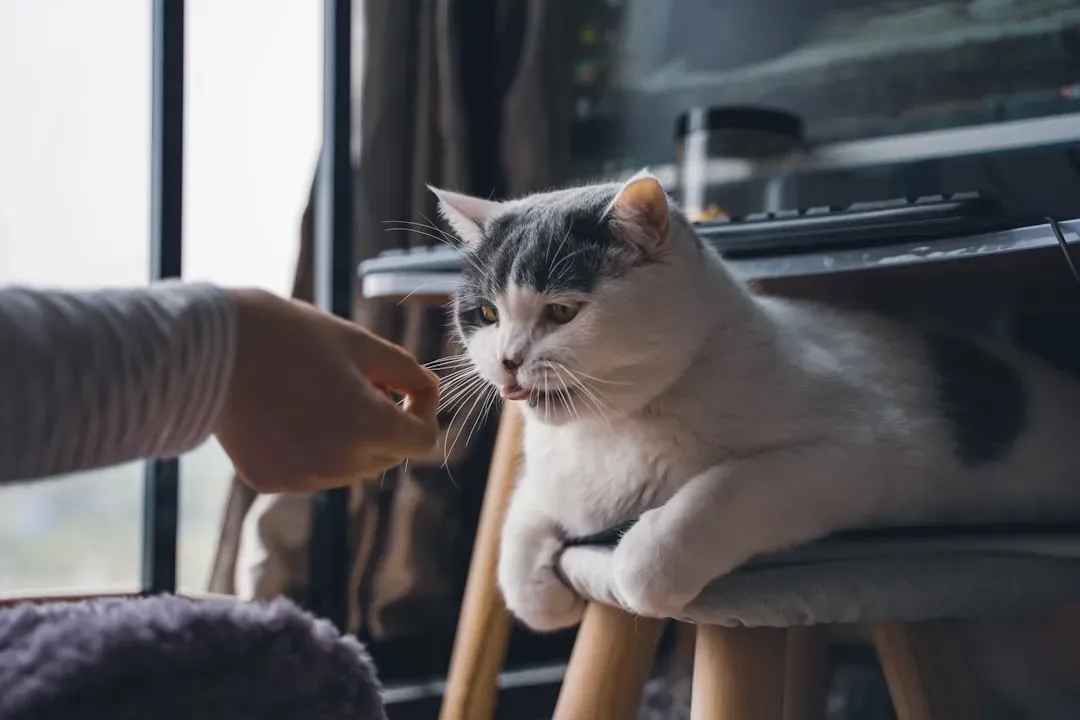
Here’s a surprising fact that might actually sting a little: when scientists showed people videos of cats and asked them to identify whether the cats were feeling positive or negative emotions, most people performed worse than chance. Only about one in eight people were actually good at reading feline emotional signals, and those individuals weren’t your typical pet owners. They were professionals like veterinarians, vet techs, and shelter workers who spent their days surrounded by cats.
The truth is, cats express themselves very differently from dogs. Cat body language is often subtle and speaks volumes. Unlike dogs, who tend to display emotions more openly, cats express themselves in quieter, far less obvious ways, relying heavily on their bodies to show happiness, fear, curiosity, or irritation. Think of it like learning a second language. Difficult at first, but deeply rewarding once you start to understand even the basics.
The Eyes Never Lie: What Your Cat’s Gaze Really Means
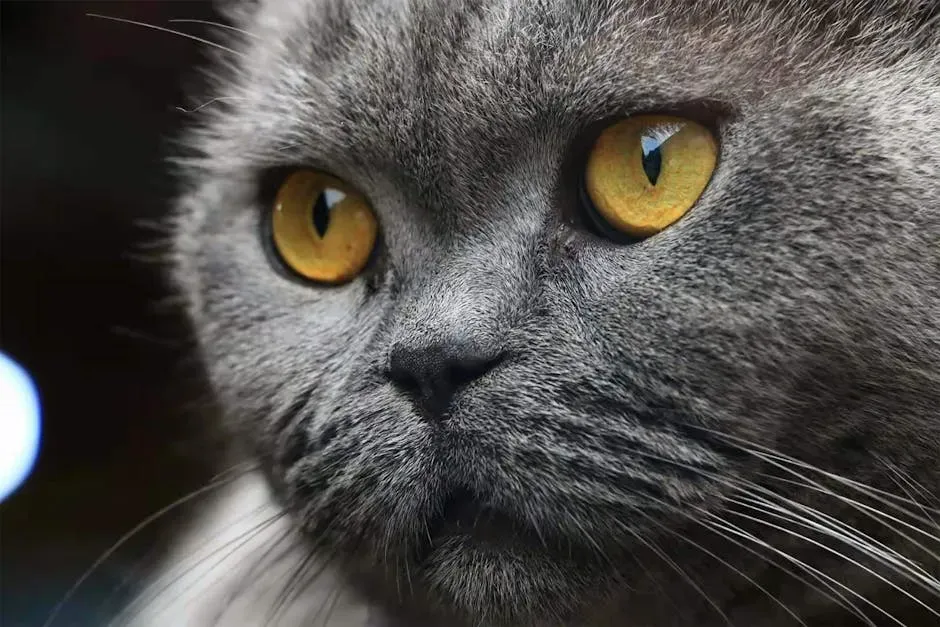
You’ve probably noticed your cat doing that slow, drowsy blink from across the room. Honestly, it’s one of the most heartwarming things in the world once you know what it means. Slow blinking is one of the most significant signals in cat body language. Often called a “cat kiss,” this gesture reflects trust and relaxation, and many cats will return the gesture if you slow blink at them first.
On the other side of the spectrum, wide and rapid eye movements carry a very different message. Wide-open eyes may indicate fear, interest, excitement, or aggression, while half-closed or drooping eyes convey relaxation and friendliness. Slow blinking is a sign of trust and comfort, and reciprocating the gesture can reinforce your cat’s feeling of safety. So next time your cat half-closes their eyes at you from the sofa, blink slowly right back. You’re basically having a love conversation.
Ears Like Radar: Decoding Your Cat’s Ear Positions
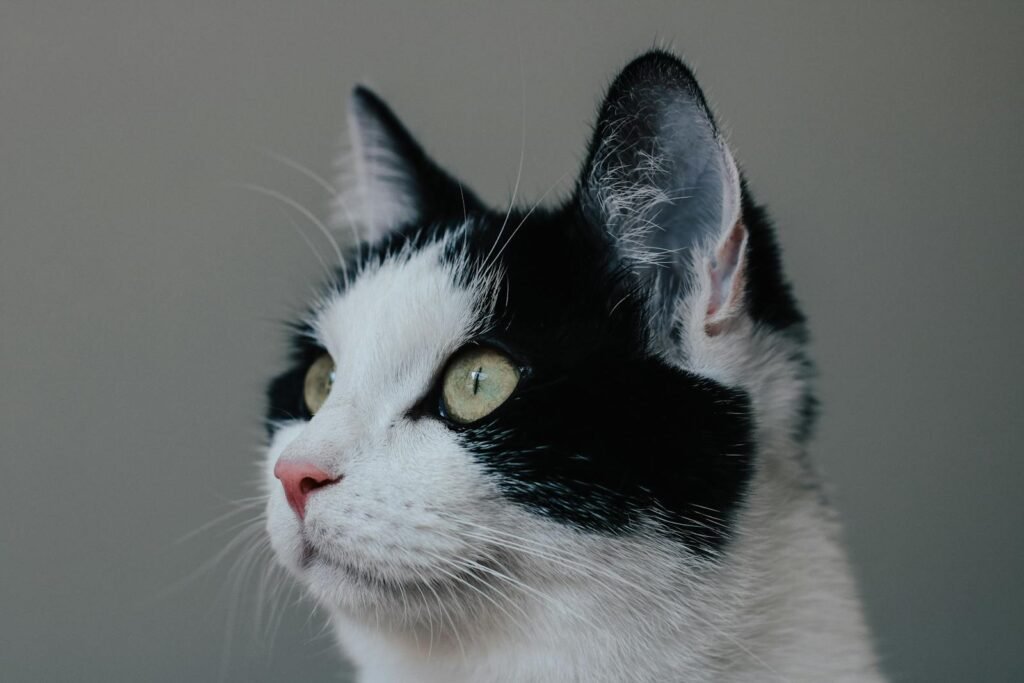
A cat’s ears are like radar, constantly scanning their surroundings and reflecting their emotional state. When a cat’s ears are facing forward and erect, it indicates a positive and friendly disposition. It means the cat is interested in something in their environment, whether a toy, a new sight, or a captivating smell. Relaxed, forward ears signify comfort and security in their surroundings.
When things start going south emotionally, the ears are usually the first to signal it. A cat with ears turned back is usually a good sign that a cat is feeling angry or fearful. When a cat protects their ears by flattening them to the side, you can almost always be sure that they’re feeling afraid. Some people call this “airplane ears,” and once you’ve seen it, you’ll never miss it again. It’s the universal feline signal that says “back off, and make it quick.”
The Tail Tells All: A Complete Mood Barometer
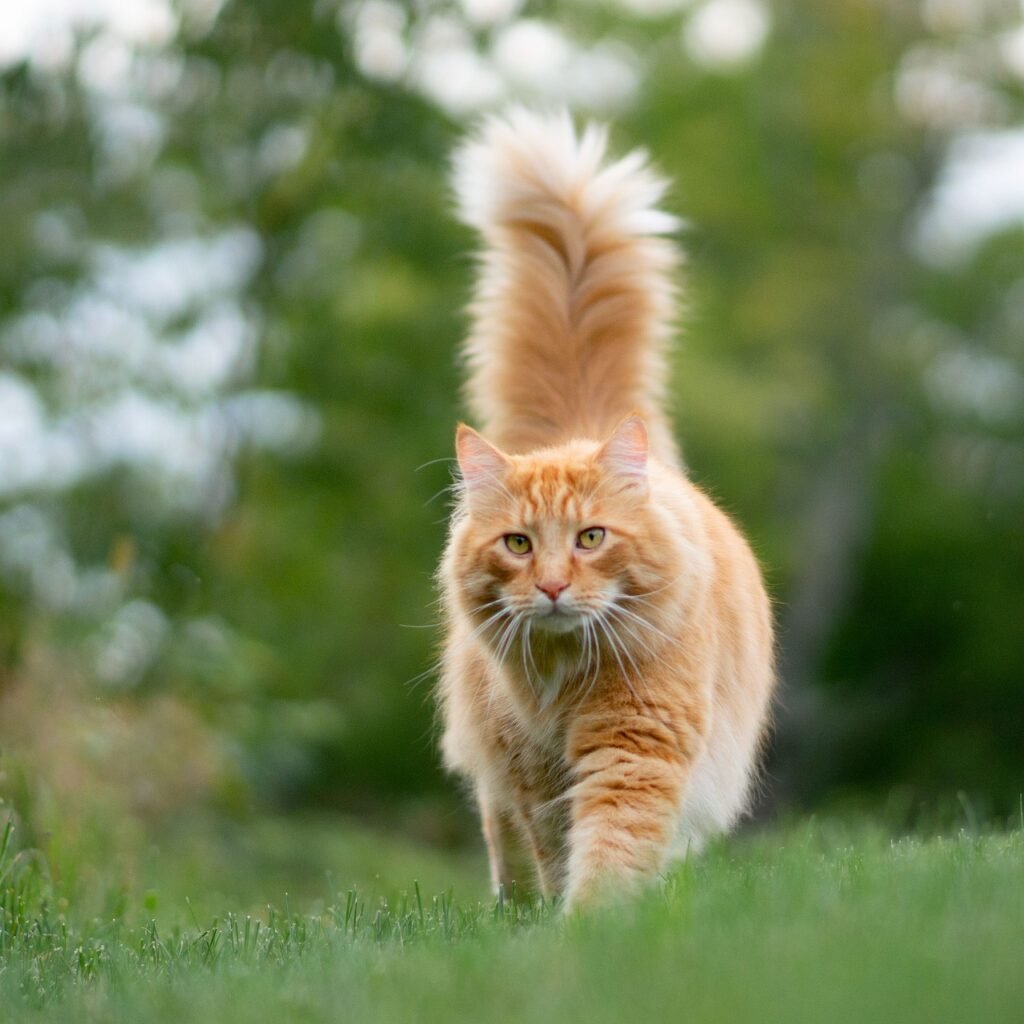
If you want a quick emotional temperature reading on your cat, just look at the tail. A cat’s tail acts like a mood barometer. Every twitch, flick, and curl adds context to what your cat is feeling. One of the most positive signs in cat body language is a tail held straight up. This upright position shows confidence, happiness, and approachability, and often the tail tip curves slightly, almost like a friendly wave. Cats that greet you at the door with this posture are expressing warmth and affection.
A tucked or rapidly flicking tail tells a very different story. When a cat tucks its tail close to the body or wraps it tightly around itself, it often signals anxiety, insecurity, or submission. Cats may use this posture in unfamiliar environments or when they feel unsure about a situation. A slow, rhythmic swish often signals focus, but rapid tail flicking or strong swishes typically reveal frustration or agitation. Recognizing this shift can help you avoid overstimulation or unwanted conflict. It’s basically the feline equivalent of someone tapping their foot impatiently before an argument starts.
Kneading and Purring: The Comfort Signals You Might Misread
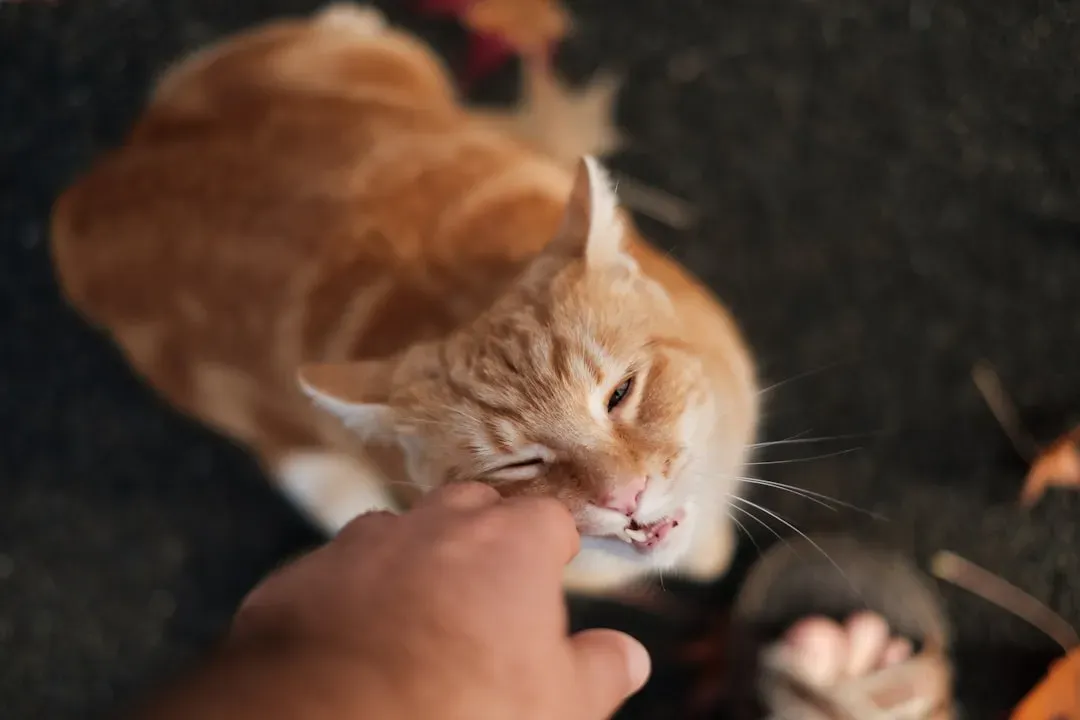
If your cat climbs onto your lap and starts rhythmically pressing their paws into you, you might wince. But the emotion behind it is pure and ancient. Kneading, or “making bread,” is a rhythmic paw movement that indicates happiness or contentment. It originates from kittenhood, where kittens knead to stimulate milk flow during nursing. When your cat does this to you, they’re essentially treating you like their mother. That’s a compliment of the highest feline order.
Purring is just as nuanced, and it’s important you don’t assume it always means happiness. Cats purr when they are happy, but they may also purr when feeling unwell or stressed. Some cats who have spent a lot of time in stressful situations before being rescued may not purr at all, and it does not necessarily mean they’re unhappy. Look for other cues of happiness, such as semi-closed eyes and relaxed whiskers. In other words, you need the whole picture, not just the sound effect.
Headbutting, Bunting, and Rubbing: Your Cat Is Claiming You
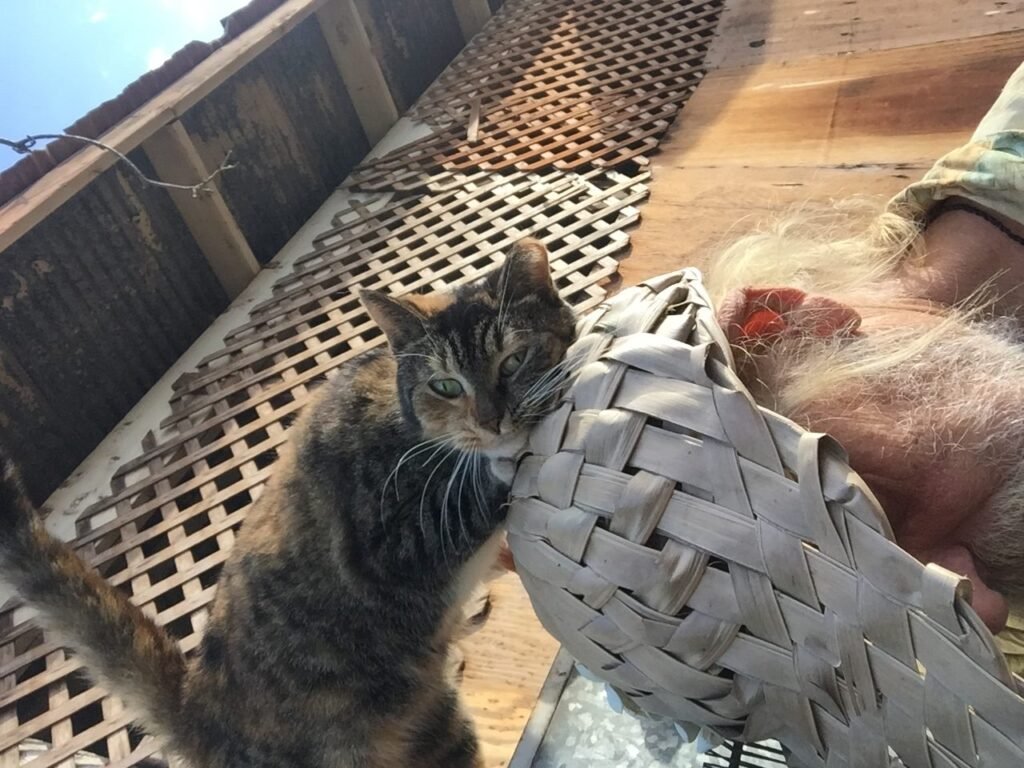
Let’s be real, it feels oddly flattering when your cat walks up and bumps their forehead right into your face. That’s not accidental clumsiness. When a cat bumps their head against you or rubs their cheeks on your hand or leg, they’re doing more than being cute. This behavior deposits scent from glands on their face, marking you as familiar and safe. In cat language, that’s a sign of social bonding.
Your cat may bump their head against you or rub their cheeks against you to show affection. This is a social behavior formed in kittenhood through headbutting other kittens and their mother. Headbutting is often an attempt to mark you with their scent to claim you as one of their own. It helps cats bond and is offered to their humans to show love. So essentially, your cat has quietly declared you their property. You should take that as high praise.
Stress Hiding in Plain Sight: Displacement Behaviors You’re Probably Overlooking
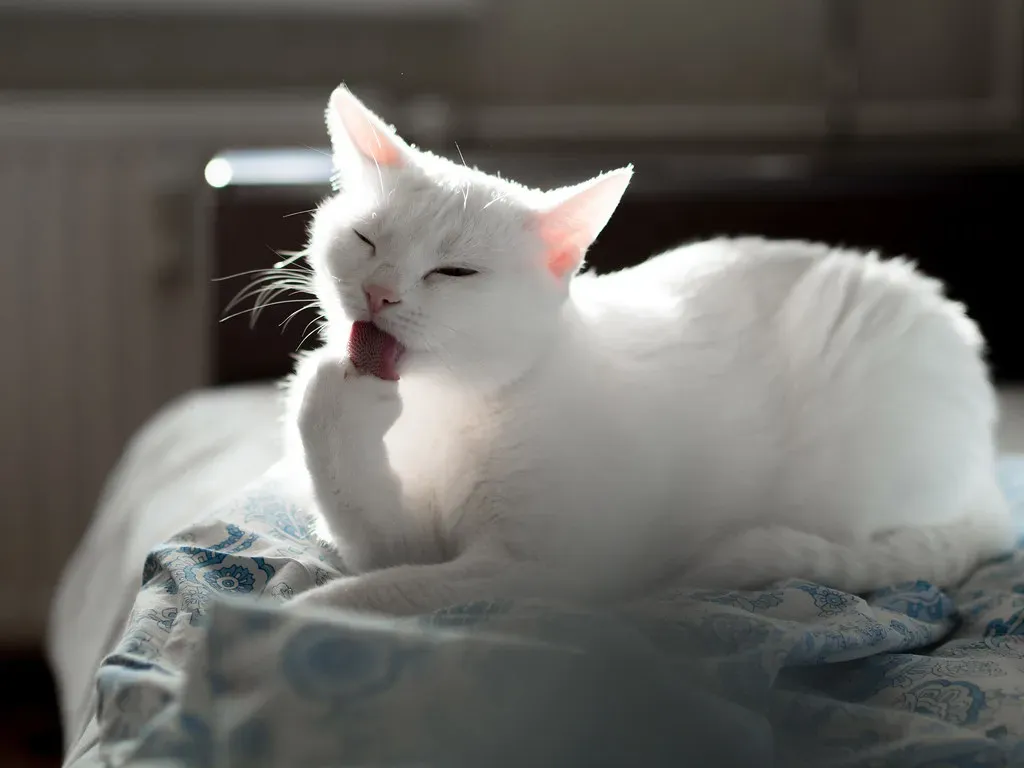
Here’s where cat emotional mastery gets genuinely sneaky. Cats experiencing low-level anxiety often show something called displacement behavior, and it looks completely ordinary. A short, sudden burst of grooming that appears out of context, mid-interaction or after a startling sound, is called displacement grooming. It is the feline equivalent of a person rubbing the back of their neck when uncomfortable. The grooming itself looks completely normal. The timing is the signal.
This is one of those things that, once you know about it, you’ll see everywhere. When maintenance behaviors like grooming are done out of context or to excess during stressful events or circumstances, they’re called displacement behaviors. Your cat could be telling you they’re overwhelmed right in the middle of a cuddle session, and you’d never know unless you were watching the timing carefully. It’s subtle, it’s clever, and it’s genuinely easy to miss.
When Your Cat Goes Quiet: Hiding Pain and Illness
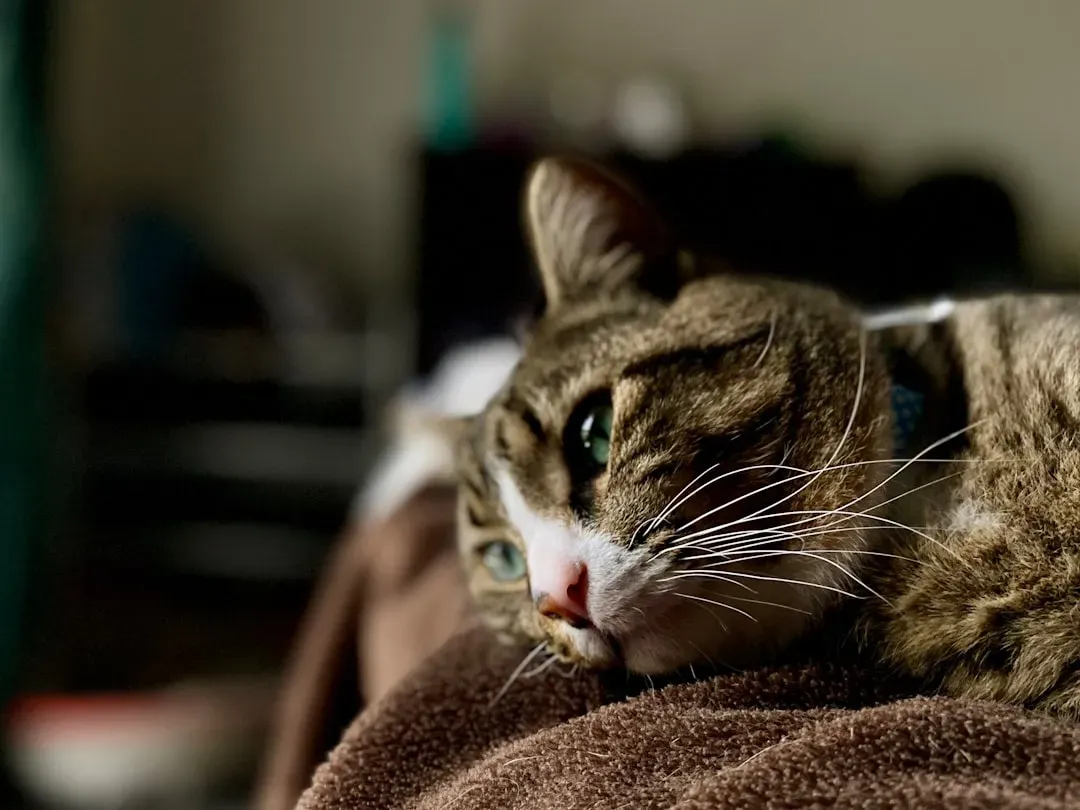
This is perhaps the most important section of this entire article. Cats are alarmingly good at concealing when something is physically wrong. Cats are not only known for their independence and grace, but also for their remarkable ability to hide pain. This instinctual behavior dates back to their wild ancestors, who concealed injury to avoid appearing vulnerable to predators. While this trait may have served them well in the wild, it can make spotting illness or injury in your modern housecat quite difficult.
The signs, when they do appear, are quiet and easily dismissed. Cats hide pain well, so subtle changes like reduced activity, appetite, or grooming can signal discomfort. Common signs of feline pain include limping, hiding, vocal changes, aggression, and poor coat condition. If your affectionate lap cat becomes withdrawn or irritable, pain can change a cat’s behavior dramatically. A once-playful feline may avoid play or become aggressive when touched. If your cat’s personality suddenly shifts for no obvious reason, always take it seriously.
The Belly Exposure Trap: What It Means vs. What You Think It Means

We’ve all fallen for this one. Your cat rolls over, stretches out, and exposes their fluffy belly to the world. Your hand goes in. Chaos follows. Here’s the thing: a belly display is absolutely a signal of trust and safety, but it is not always an invitation to touch. When a cat rolls over and exposes its belly, it’s showing a great deal of trust. The belly is a vulnerable area, and by exposing it, your cat is indicating that they feel safe and comfortable with you. While not all cats enjoy belly rubs, this gesture is still a positive sign of affection.
Think of it like someone leaving their front door open because they feel safe in their neighborhood. That doesn’t mean you walk in uninvited. Essentially, the more open your cat’s body position, the less stressed they are. A cat who is lying on their side or their back with their legs stretched out, their tail loose, and their belly on show is relaxed. Enjoy the display for what it is: a genuine expression of emotional comfort. Just maybe keep your hands to yourself.
Following You, Sitting Near You, Sleeping on You: The Quiet Language of Feline Love
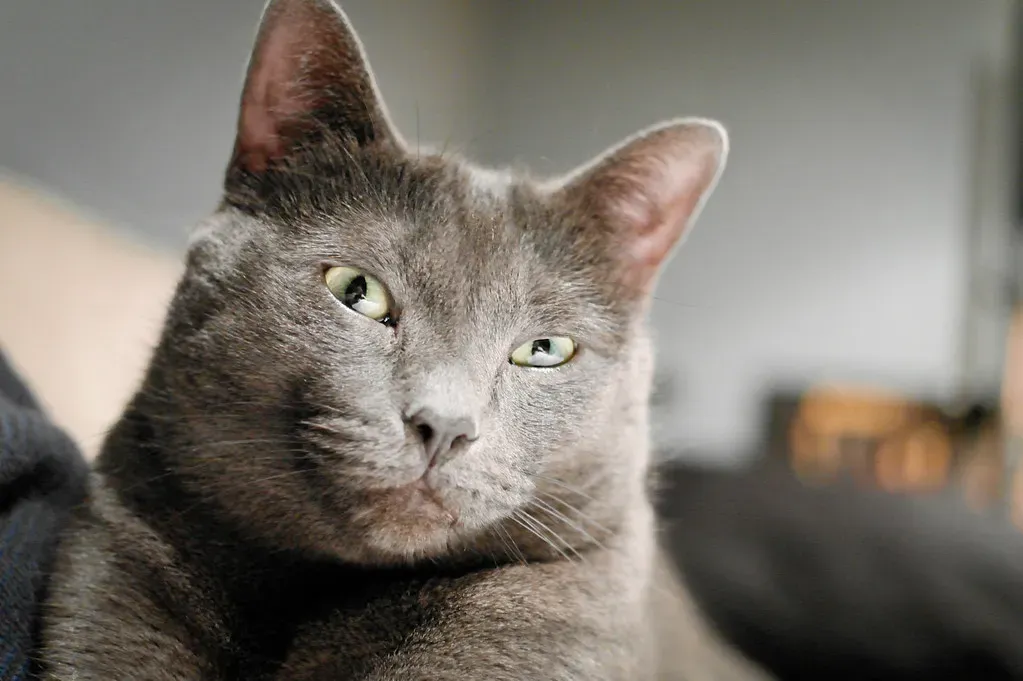
Some cats won’t be dramatic about their affection. They won’t yowl, they won’t headbutt you every five minutes. Instead, they’ll just quietly choose to be near you, every single day. A cat doesn’t have to be in your lap to show love. Sitting near you is also a meaningful choice. Cats are selective about where they spend their time, and their independence can be one of their most admired qualities. That makes choosing to share space with you a quiet but powerful sign of attachment.
If your cat follows a shared daily routine with you, that too is a form of emotional expression. If your cat consistently joins you for morning coffee or nighttime TV, that shared routine reflects a bond. These predictable moments help cats feel secure, and participating in them is a form of affection. Cats can sleep anywhere from ten to fifteen hours each day, and they are most vulnerable while sleeping, choosing places that are safe and secure. There is no better compliment than a cat who chooses to fall asleep on you. This means they are completely comfortable with you and trust they are in safe and loving hands.
Conclusion: Your Cat Is Talking. You Just Need to Listen Differently.
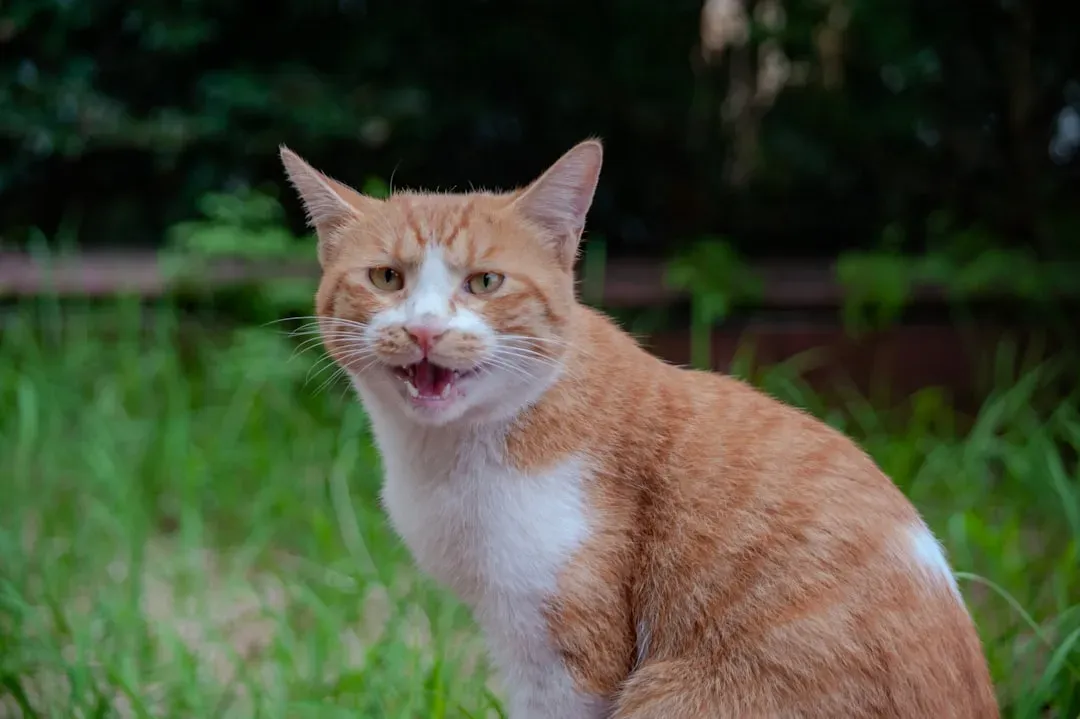
Cats are not cold or indifferent. They are not emotionally blank creatures who tolerate your presence in exchange for food. They are complex, communicative, and genuinely bonded to the people they choose. The emotions are real. The messages are constant. The challenge is simply learning to speak their language.
Once you start reading the ears, the tail, the eyes, the timing of a groom, the choice of where to sleep, you’ll realize your cat has been pouring their heart out to you all along. They were never mysterious. You just hadn’t learned the vocabulary yet.
So here’s the question worth sitting with: now that you know what to look for, how many signals has your cat been sending that you’ve been missing all this time? Drop your thoughts in the comments. I’d genuinely love to hear what you’ve noticed.