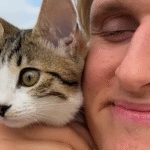
There is something quietly profound about sharing your home with a creature that never once promises to comfort you, yet somehow always does. Your cat may spend the entire afternoon ignoring you from across the room, only to show up at exactly the moment you are staring blankly at the ceiling wondering where your life is headed. Coincidence? Honestly, it doesn’t feel like it.
Science has been catching up to what cat owners have suspected all along. The bond between humans and their feline companions runs deeper than most people ever expect, and the mental health benefits are more measurable, more surprising, and more moving than the average skeptic would guess. So let’s dive in.
The Aloof Reputation: What Science Actually Says
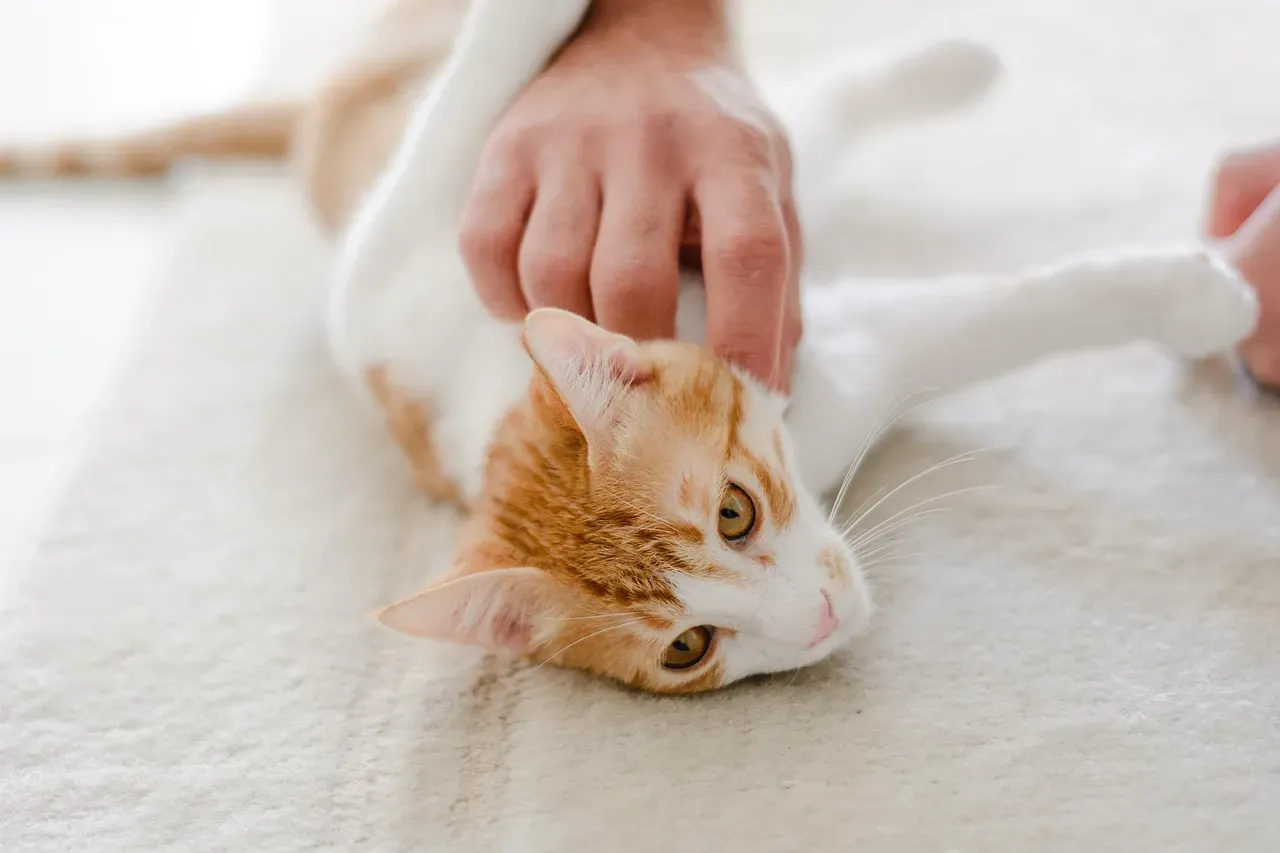
Let’s be real – cats have a reputation problem. Pop culture has spent decades painting them as cold, indifferent little creatures who barely tolerate our presence. Yet researchers at Oregon State University have flipped that narrative on its head. Cats have a reputation for being aloof and independent, but a study of the way domestic cats respond to their caregivers suggests that their socio-cognitive abilities and the depth of their human attachments have been underestimated – and the findings show that, much like children and dogs, pet cats form secure and insecure bonds with their human caretakers.
Here’s the thing that really stops you in your tracks. Researchers classified about 65 percent of both cats and kittens as securely bonded to their people. That number mirrors the rate seen in human infants bonded to their caregivers. Your cat isn’t merely tolerating you. You are their safe place. The aloofness you see is often something else entirely, and it deserves a much closer look.
Why Your Cat Seems Distant (But Isn’t)
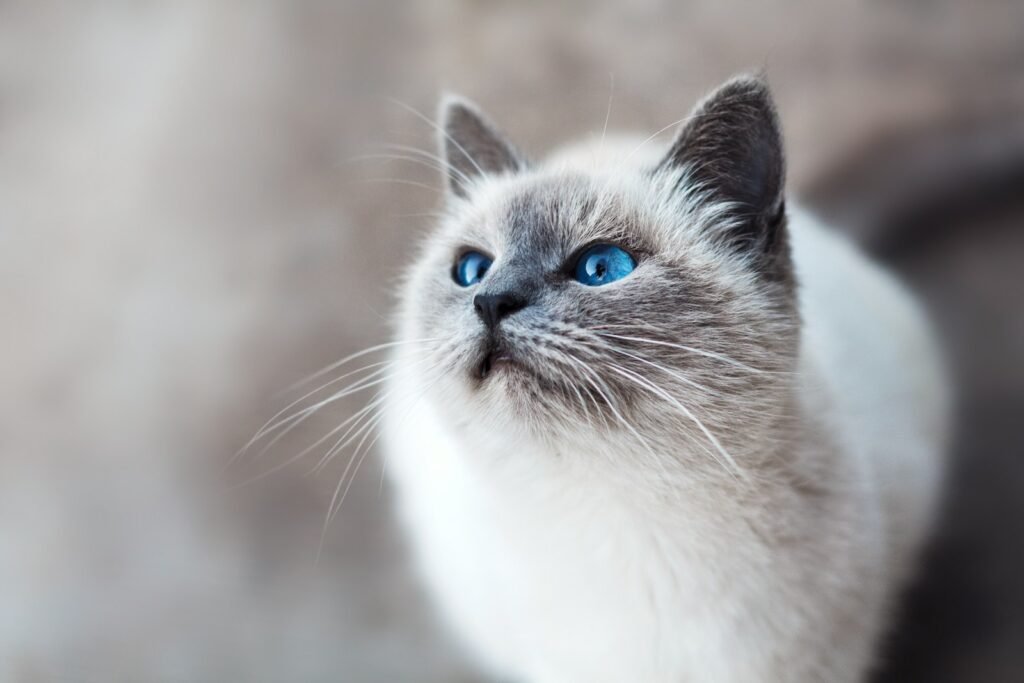
You’ve probably watched your cat sprawl across the floor, eyes half-closed, completely unbothered while you’re in a low-key emotional spiral nearby. It feels dismissive. It rarely is. Cats that are insecure can be likely to run and hide or seem to act aloof, and there has long been a biased way of thinking that all cats behave this way. The reality, however, is that the majority of cats use their owner as a source of security.
Think of it like this: some people show love through grand gestures, others through quiet, steady presence. Cats are firmly in the second camp. While humans are hypersocial by nature and bond with everything that moves because of how our brains work, cats bond with us because they want to. While dogs might be more physical, many cats are far less “in-your-face” about it. That restraint isn’t rejection. It’s a choice, and honestly, that makes it feel even more meaningful when they do curl up beside you.
The Science of Stress Relief: What Happens in Your Body
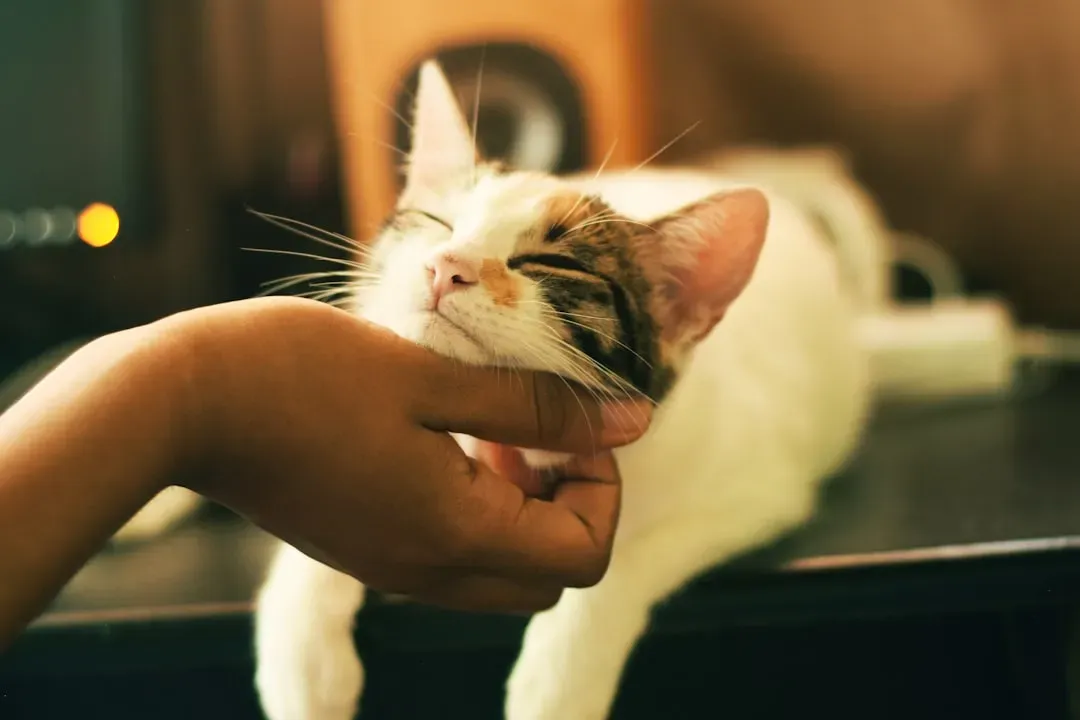
You don’t just imagine feeling better when your cat is nearby. Something real and measurable is happening inside you. The act of petting a cat has been shown to reduce cortisol levels – the body’s primary stress hormone – and induce relaxation. The soft purring vibrations and warmth of a cat can trigger parasympathetic nervous system responses, calming the body and mind.
The numbers from research are striking. In one study, researchers visited 120 married couples in their homes to observe how they would respond to stress. Hooked up to heart rate and blood pressure monitors, people completed tasks involving math problems and sticking their hands in a bowl of ice. People sat in a room alone, with their pet roaming around, with their spouse, or both – and cat owners had a lower resting heart rate and blood pressure than people who didn’t own any pets. A cat sitting quietly in the same room is doing more for your cardiovascular health than you might ever give them credit for.
The Purr That Heals: Sound Frequencies With Real Power
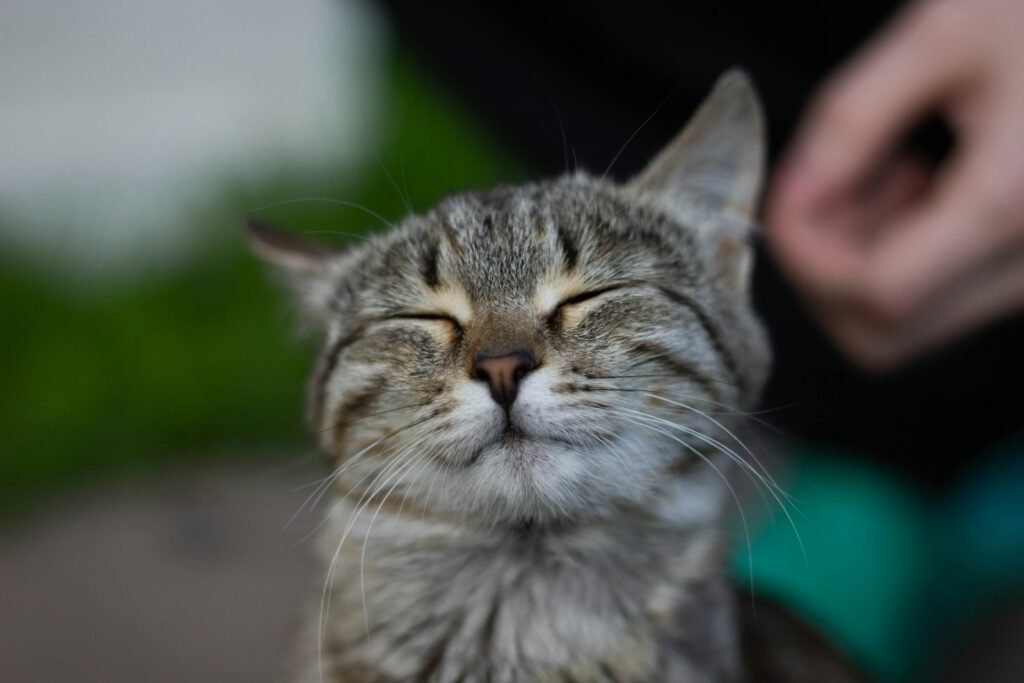
This is the part that surprises almost everyone. A cat’s purr isn’t just soothing. It operates at a frequency that your own body can physically respond to. Research suggests that the frequency of a cat’s purring – typically between 25 and 150 hertz – could have therapeutic effects on the body and mind. That is not a loose metaphor. That is measurable vibration interacting with your nervous system.
The physical implications go even further. The low-frequency vibrations of a cat’s purring are often used in sound therapy, a form of vibrational healing that applies specific frequencies to the body. These vibrations can help reduce inflammation, improve circulation and stimulate the healing of damaged tissues, and they’ve also been shown to promote the regeneration of bone cells and increase bone density. So next time your cat sits on your lap and fires up that engine, know you’re receiving something closer to a therapy session than a casual snuggle. I find that genuinely astounding.
Cats and Depression: The Evidence Keeps Building
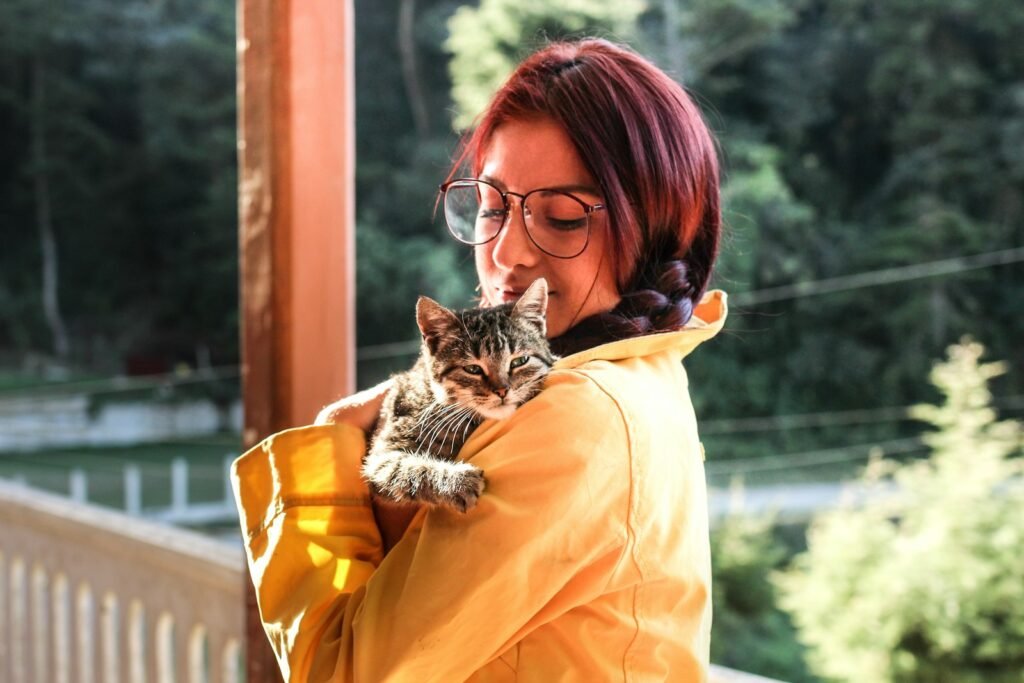
Roughly speaking, the vast majority of cat owners will tell you their cat helps them feel better. The research is finally confirming what they’ve known intuitively. Cat ownership is associated with lower levels of depressive symptoms and improved mood. Cat owners have even been found to laugh more frequently and spontaneously than non-owners, particularly in response to something their cat has done.
One particularly compelling finding comes from a pilot research study comparing emotional support animals. In that study, participants with dogs and participants with cats both experienced a statistically significant decrease in depression after living with their respective emotional support animals – though people with cats actually experienced a greater decrease in their depression scores. Nobody expected that result. It’s hard to say for sure why the difference exists, but the quieter, lower-pressure companionship of a cat may be exactly what certain nervous systems need most.
Fighting Loneliness: The Cat as a Social Lifeline
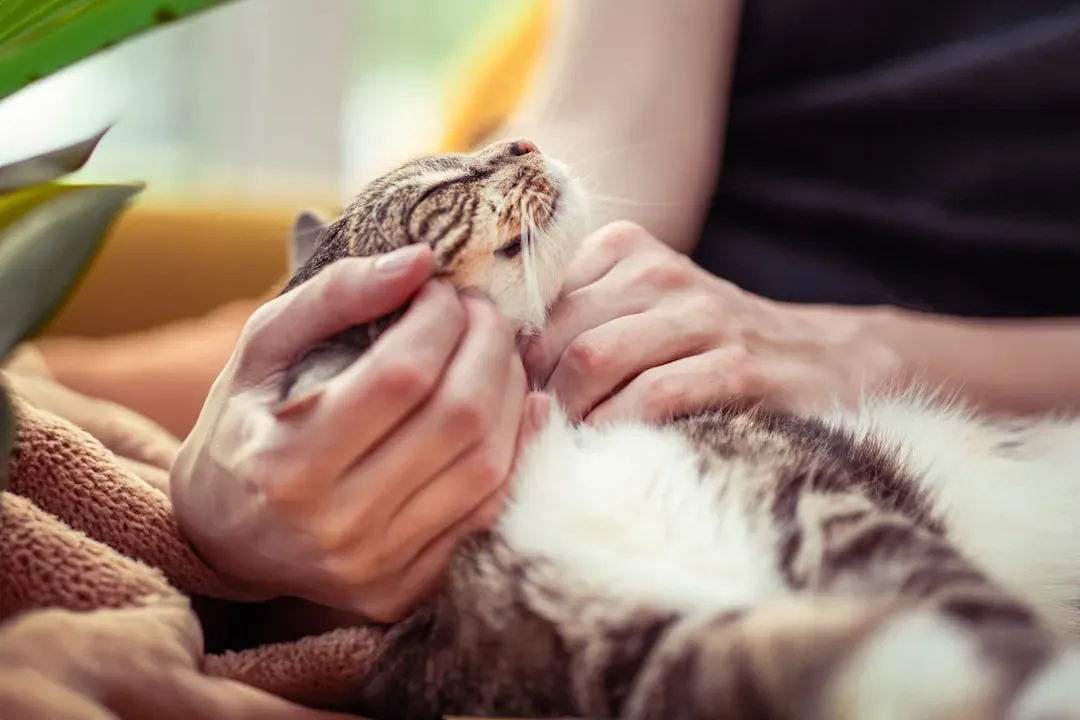
Loneliness is one of the most underestimated health crises of our time, and it’s getting worse, not better. Cats may be a more powerful antidote than we’ve realized. For individuals experiencing social isolation or living alone, emotional support cats provide consistent, nonjudgmental companionship. Their presence helps fulfill the human need for connection, especially in vulnerable populations such as the elderly or those managing chronic mental health conditions.
The numbers from research are compelling. A study examining the effects pets have on adults who live alone found that pet owners were well over a third less likely than non-pet owners to report loneliness. Since the pandemic, many people work from home, which can contribute to isolation and those feelings of loneliness. Your cat, stretched across the desk while you’re on your fourth video call of the day, isn’t being inconvenient. They’re quietly preventing you from disappearing into your own isolation.
Cats as Emotional Support Animals: A Legitimate Role
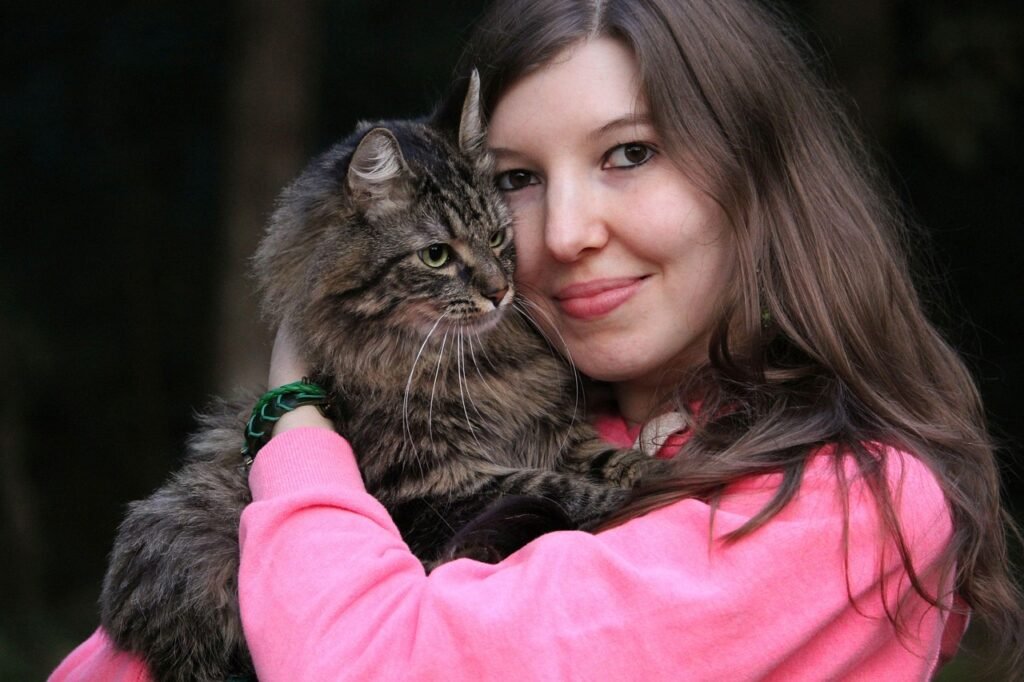
It’s not just casual companionship anymore. Cats now hold an officially recognized role in mental health care, and the science behind that recognition is solid. An emotional support cat is a companion animal that provides comfort, companionship, and emotional stability to individuals dealing with mental or emotional disabilities like anxiety, depression, PTSD, and chronic stress. What distinguishes ESA cats is their therapeutic role in supporting a person’s mental well-being – unlike service animals, they do not require specialized training, and instead their calming presence and affectionate nature help reduce feelings of loneliness, regulate mood, and alleviate emotional distress.
The formal recognition matters more than people realize. Studies have shown cats reduce stress and blood pressure levels in their owners, and research shows emotional support animals can lower anxiety, reduce depression, decrease feelings of loneliness, and may even offer benefits to those with PTSD. Therapy cats are also beginning to appear in hospitals and care facilities. Therapy cats may visit hospitals, nursing homes, rehabilitation facilities and more with their owners to provide comfort and support to patients and residents. The quiet revolution of feline therapy is well underway.
Cat Ownership and the Young Adult Mind
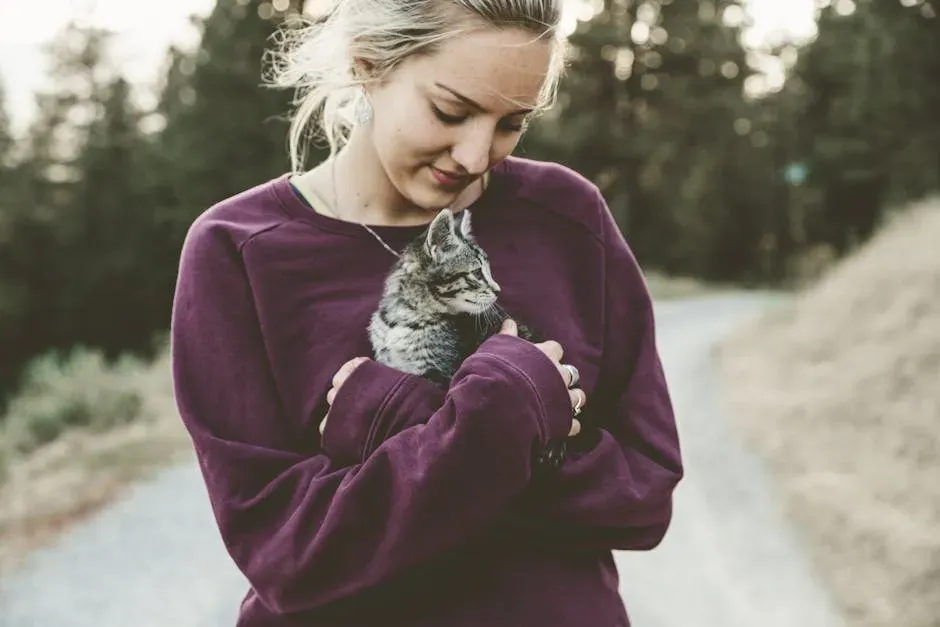
Young adults navigating career pressure, identity questions, and shifting social circles are increasingly turning to cats for stability. That choice makes a lot of psychological sense. Cat ownership is more common than dog ownership among individuals undergoing life transitions, such as starting a new job, graduating, or experiencing a divorce, and for these socially isolated individuals, raising a cat may provide an effective means of coping with psychological problems.
The effects go well beyond simple comfort. Research published in the journal Humanities and Social Sciences Communications found something genuinely fascinating. Pet attachment not only has a direct effect on social support among young adults, but also influences it indirectly through three pathways: the mediating role of emotional reappraisal, the mediating role of empathy, and a chain mediating role involving both. In other words, bonding with your cat doesn’t just make you feel less alone. It may actually make you a more empathetic, socially connected person overall. That’s a ripple effect nobody talks about enough.
Caring for a Cat Gives You Structure and Purpose
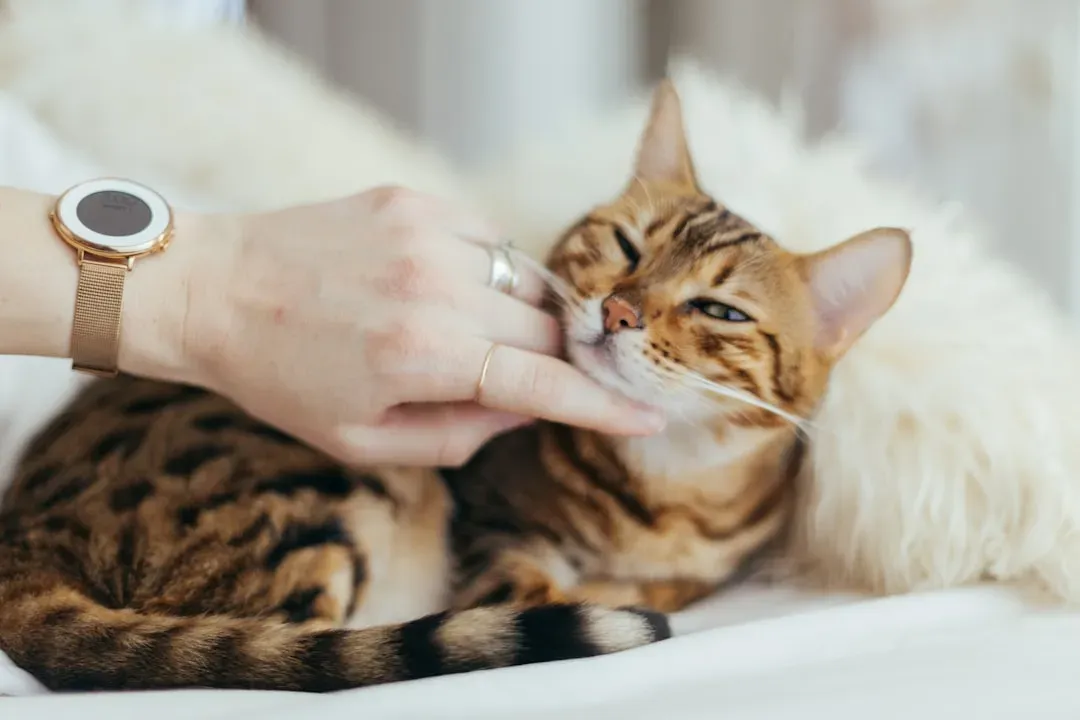
There is something underrated about the simple act of being needed. When you’re deep in a depressive episode, motivation feels like a foreign language. A cat waiting for their breakfast has a remarkable way of pulling you out of bed anyway. Caring for a cat – from feeding schedules to grooming – can restore structure to a person’s day, which is especially therapeutic for those dealing with depression or low executive function. Engaging in daily pet care tasks can create a sense of purpose and accomplishment, reinforcing positive behavior patterns.
It sounds almost too simple. Yet the psychology of small daily routines is well-established in clinical mental health work, and a cat practically builds that routine for you. A cat can help reduce feelings of loneliness while also providing the stability of a routine, and having someone else to take care of can give your life a sense of focus and meaning, even in the smallest ways. Think of it as a built-in wellness habit with better cuddle potential than any app on your phone.
Cats Can Sense More Than You Think
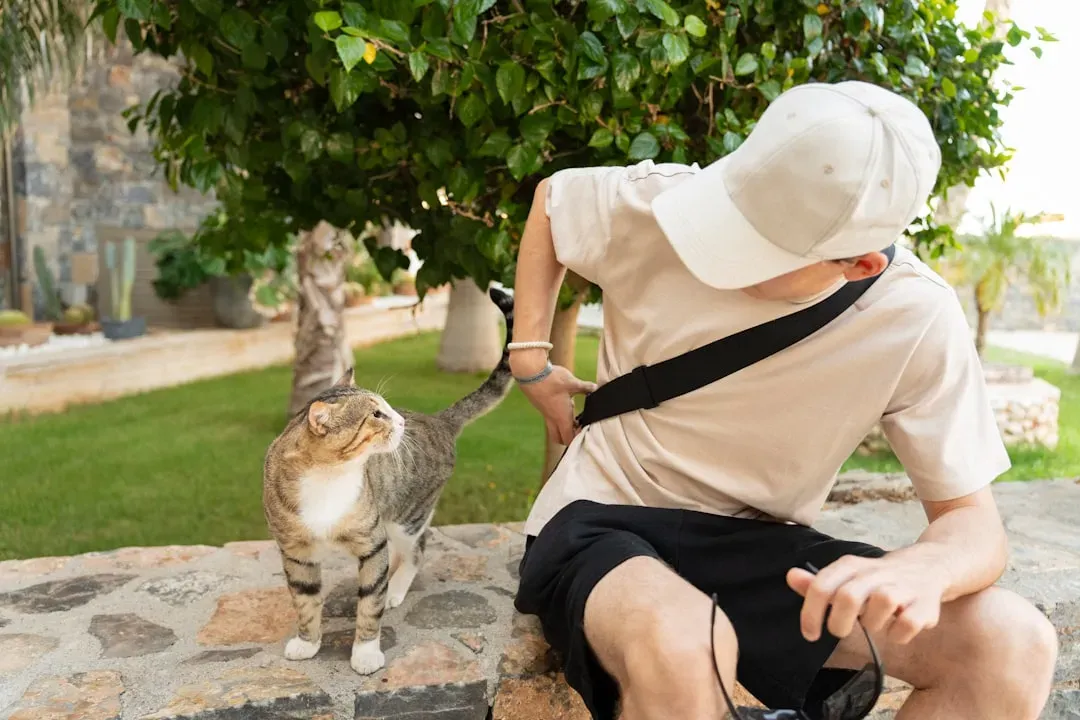
If you’ve ever had a bad day and noticed your cat suddenly glued to your side, you probably already suspect this: they know. Research increasingly suggests cats are more emotionally perceptive than their reputation suggests. Research found that cats were only modestly sensitive to emotions as indicated by human postural and vocal cues, but particularly when displayed by their owner. That qualifier matters enormously. Your cat picks up on you specifically – not just any human in the room.
The social attunement of cats goes even deeper when you look at the data. An increasing number of studies demonstrate that cats not only have the capacity to form strong social bonds with humans, they also show great social sensitivity – they preferentially approach attentive humans and follow human points or gazes to a location containing concealed food. Meanwhile, a study examining vocal recognition found cats display a significantly higher orienting response – movement of ears and head – to their owner than to a stranger. Your cat knows your voice. They track you. They respond to your emotional state. That is not aloofness. That is quiet devotion.
Conclusion
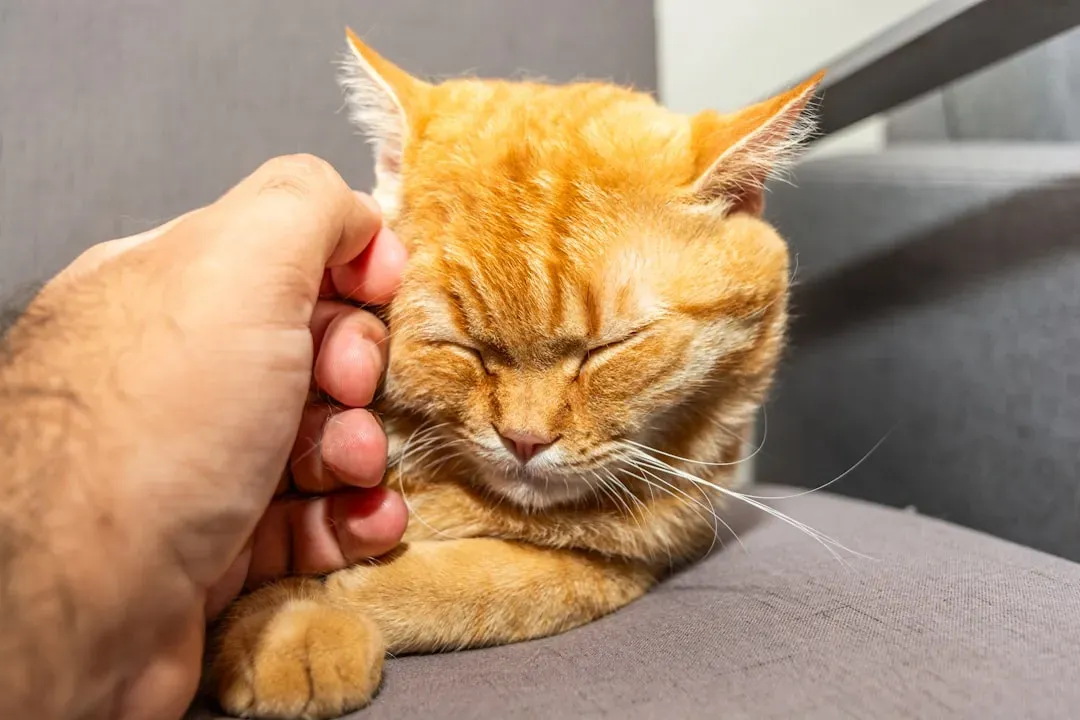
Here’s the thing nobody who doesn’t own a cat quite understands: the emotional support your cat provides often arrives sideways. It’s not a tail wagging at the door. It’s more like a gravity – a warm, purring, silent presence that makes the room feel less enormous when life turns heavy. The research has spent years catching up to what cat owners have quietly known all along.
You now know that your cat’s “indifference” is often a myth. You know the purr vibrating through your lap is working on your nervous system at frequencies your body recognizes as healing. You know your bond with your cat is statistically comparable to how a child bonds with a caregiver. None of that is small. None of it is accidental.
The next time your cat strolls past you without a glance, remember: they’ve already checked on you, assessed the situation, and determined you’re going to be fine. They just aren’t going to make a big thing of it. That quiet confidence in your resilience might be the most tender thing anyone has ever offered you. What do you think – did your cat always seem this emotionally brilliant, or does the science change how you see them? Tell us in the comments.