Picture this: you walk into your living room at two in the afternoon to find your cat deeply curled up in a sunbeam, not a care in the world. Your first instinct might be to roll your eyes and mutter something about how nice it must be. But here’s the thing – what you’re actually witnessing is one of nature’s most finely tuned biological systems quietly doing its job. Your cat isn’t lazy. Far from it.
Honestly, calling a cat lazy is a bit like calling a racing car driver lazy because they spend hours in the pit stop. The whole point is to be ready when it counts. There is an extraordinary amount of science, evolution, and raw physiological brilliance hiding underneath all that soft, sleepy fur. So let’s dive in and see why your cat’s napping habits deserve a lot more respect than you’ve been giving them.
Your Cat Is Essentially Running a Built-In Power Management System
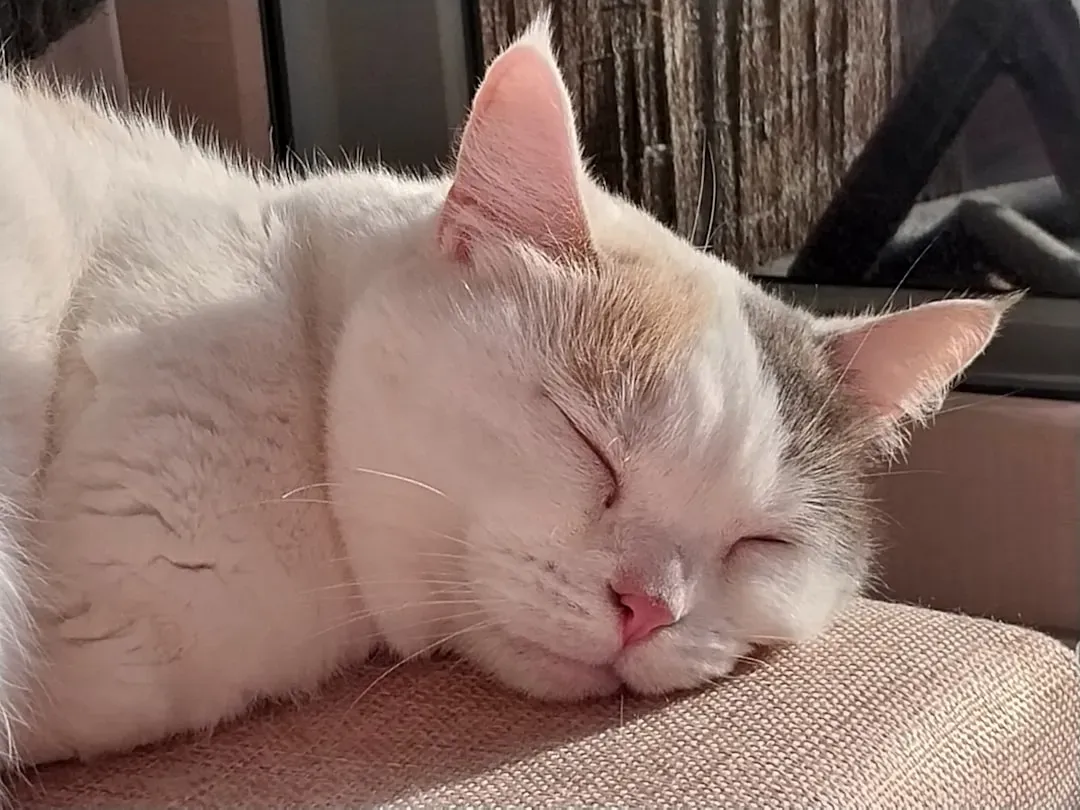
Energy conservation is one of the biggest reasons that cats nap for extended periods. Those catnaps help them recharge their batteries and prepare for their next burst of energy. Think of it less like laziness and more like a smartphone switching to low-power mode – the device isn’t broken, it’s just being brilliantly efficient.
Hunting is an incredibly taxing physical activity that requires explosive bursts of speed and precision. In the wild, cats might spend hours stalking a single target, then sprint with sudden, violent force, depleting their glycogen stores almost instantly. Your sofa-dwelling companion carries the exact same biological wiring, even if the only thing being stalked is a crinkle ball.
The Crepuscular Secret That Most Cat Owners Don’t Know
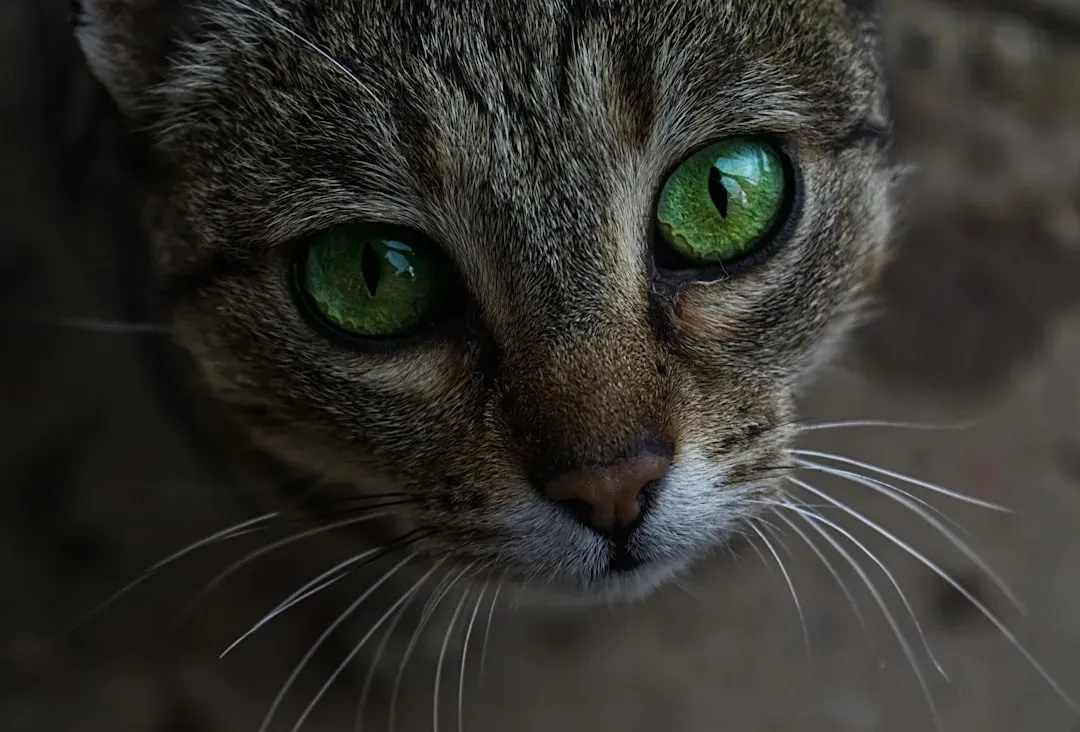
Genetically, cats are crepuscular animals, meaning they are biologically programmed to be most active during the twilight hours of dawn and dusk. This evolutionary trait allowed their ancestors to hunt effectively when their prey was most active and when the lighting provided a tactical advantage. Because they spend these specific windows in a state of high-alert hunting, they must compensate by resting during the brightest parts of the day.
All cats possess a tapetum, a mirror at the back of each retina. As well as making your cat’s eyes look like glowing orbs in the dark, this adaptation provides cats with a second chance of interpreting light that hits their eyes, effectively allowing them to see more in dark environments. So when your cat is knocked out at midday, it’s not wasting time – it’s saving itself for the shift it was literally born to work.
How Many Hours Is “Normal,” and Should You Be Worried?
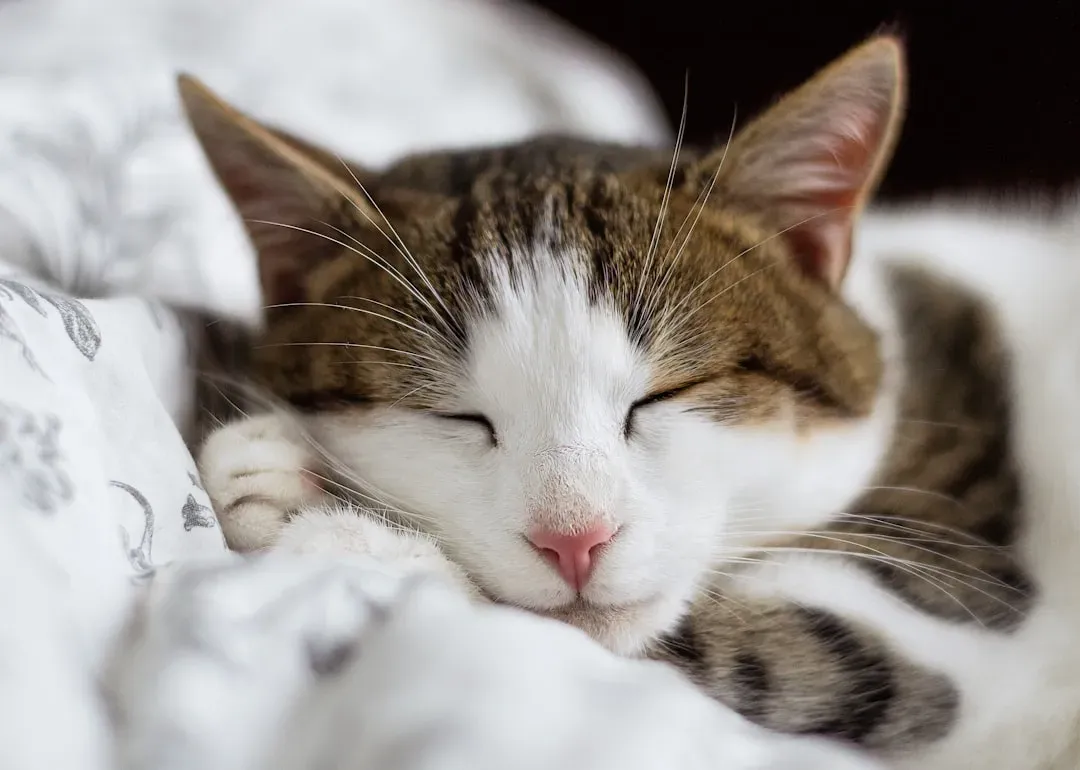
On average, cats sleep between 12 and 16 hours a day, with kittens and older cats potentially needing more rest. That’s staggering when you put it next to a human’s seven to nine hours, but for a creature whose survival once depended on explosive athletic performance, it makes total sense.
This has resulted in an evolutionary adaptation where cats can quickly switch between active and rest states, allowing them to sleep for 12 to 16 hours per day in short bursts. Cats sleep 15 hours per day on average, and kittens and senior cats can even sleep up to 20 hours daily. It’s a sliding scale that shifts with age, health, and lifestyle – something worth keeping in mind.
The Sleep Cycle Your Cat Runs Is Far More Efficient Than Yours
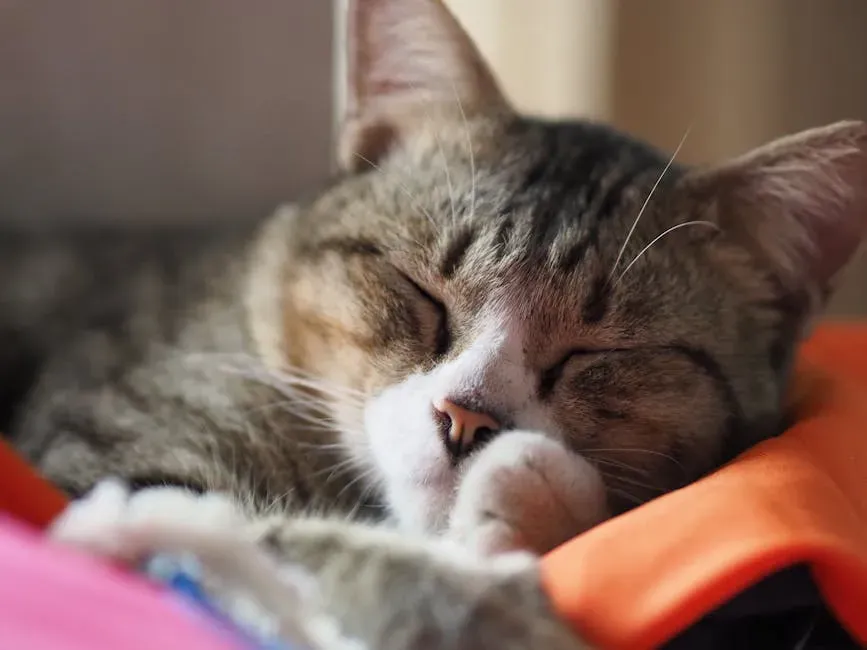
While humans typically need 90 minutes to complete a sleep cycle, cats can enter REM sleep within just 20 minutes of dozing off. Their sleep cycles are shorter and more efficient, enabling them to get the rest they need in brief bursts throughout the day. If sleep were a car, your cat’s engine would get about triple the mileage per gallon compared to yours.
Cats go through four stages in their sleep cycle: NREM, REM, light sleep, and deep sleep. Unlike humans, who have longer periods of REM sleep, cats spend a significant portion of their sleep cycle in light sleep. This lighter sleep stage allows them to remain alert to their surroundings, making them ready to react to potential threats or opportunities. Truly remarkable, when you think about it.
Your Cat Is Wired to Conserve, Even When It Doesn’t Need To Hunt
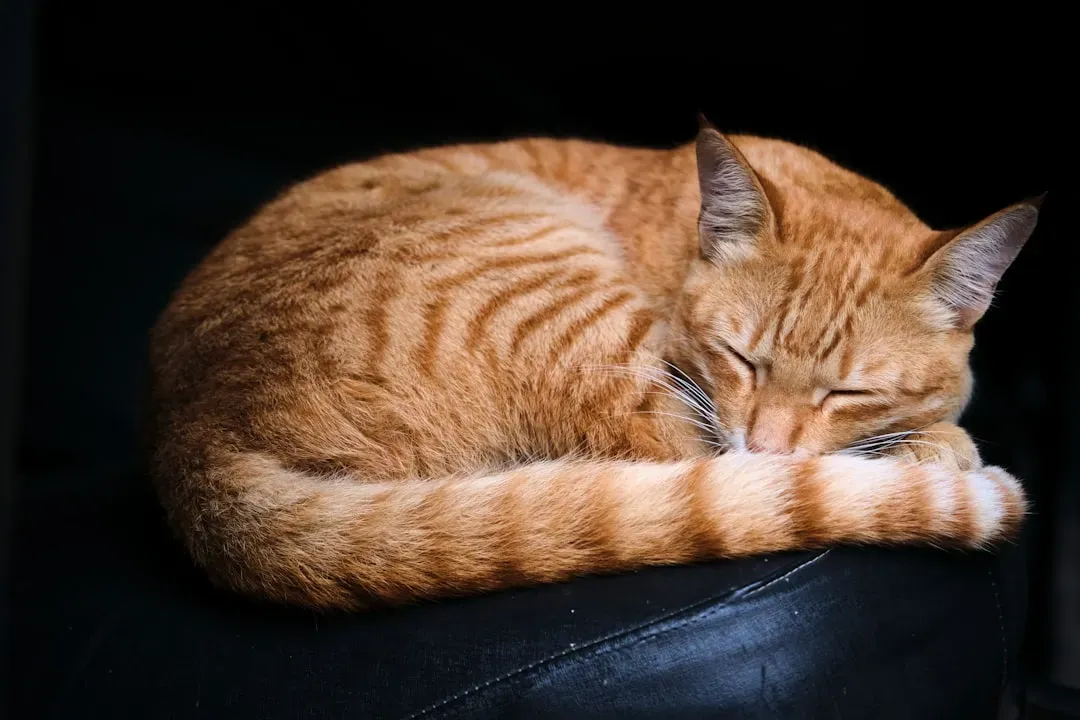
Those long bouts of sleep are not a sign of boredom, but rather a sophisticated way to recharge their batteries for the next potential chase. Even though house cats have guaranteed meals in a ceramic bowl, their physiological drive to save energy for energy-consuming activities remains fully intact. Nature doesn’t easily undo millions of years of programming just because kibble exists.
Domestic cats share roughly 95 percent of their DNA with tigers. In the wild, hunting requires massive bursts of explosive energy. To afford that energy, they must spend the rest of the time “idling.” So the next time your cat ignores you to take a nap, just remember – that’s basically tiger behavior happening right there on your couch cushion.
How Diet and Digestion Play a Surprising Role in All That Sleeping
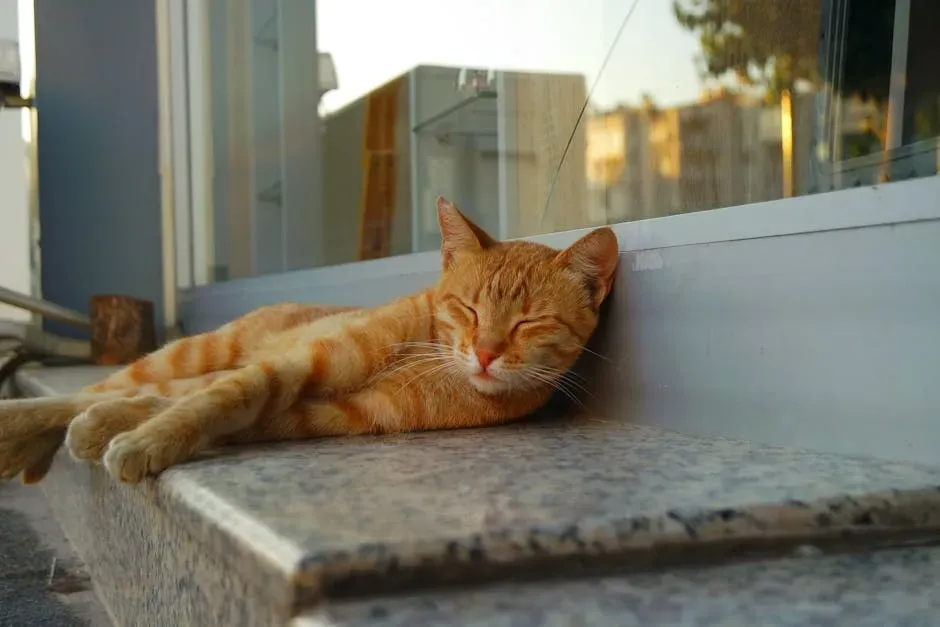
The saying “eat, sleep, repeat” is a literal biological imperative for the feline community, largely due to their status as obligate carnivores. Protein-rich diets, which are natural for cats, require a significant amount of metabolic energy to break down and process. After a cat finishes a meal, their metabolic rate shifts to focus on digestion, and their body temperature may change slightly as they settle down.
This post-meal lethargy is a critical part of their health, as it ensures that the nutrients from their food are properly absorbed without interference from physical exercise. A balanced diet is important to a cat’s sleep quality and overall health. Proper nutrition provides the energy needed for active periods and supports healthy, restful sleep. Dietary imbalances can lead to disrupted sleep patterns, so ensuring a nutritionally complete diet is crucial for a cat’s well-being.
Age Changes Everything About the Way Your Cat Sleeps
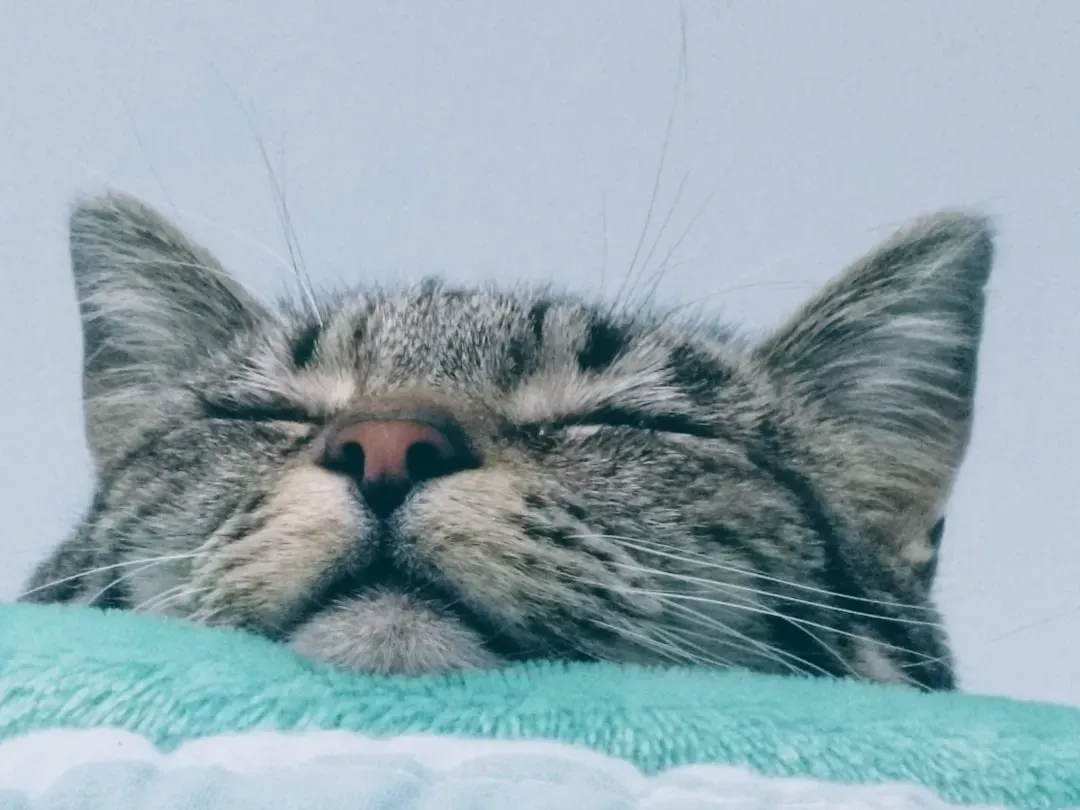
Kittens and adolescent cats are known to sleep almost around the clock because their bodies release essential growth hormones primarily while they are resting. There is a slight shift during the period where they become adult cats, where they become slightly more active, though they still maintain a high volume of sleeping patterns. As cats enter their years as senior cats, their energy levels naturally decline, often leading to even longer periods of daytime slumber to protect aging joints and organs.
Adolescent cats have the most erratic sleep patterns of all cats. They will have periods of intense playfulness combined with irregular sleep cycles. Honestly, that just sounds like teenagers everywhere. Senior cats often revert to longer sleeping periods, much like kittens. This change is due to decreased overall energy levels and the need for more rest to recuperate. Older cats may also experience changes in sleep due to health issues like arthritis, which can make them seek more rest to alleviate discomfort.
The Light Sleep Trick That Keeps Your Cat Always Battle-Ready
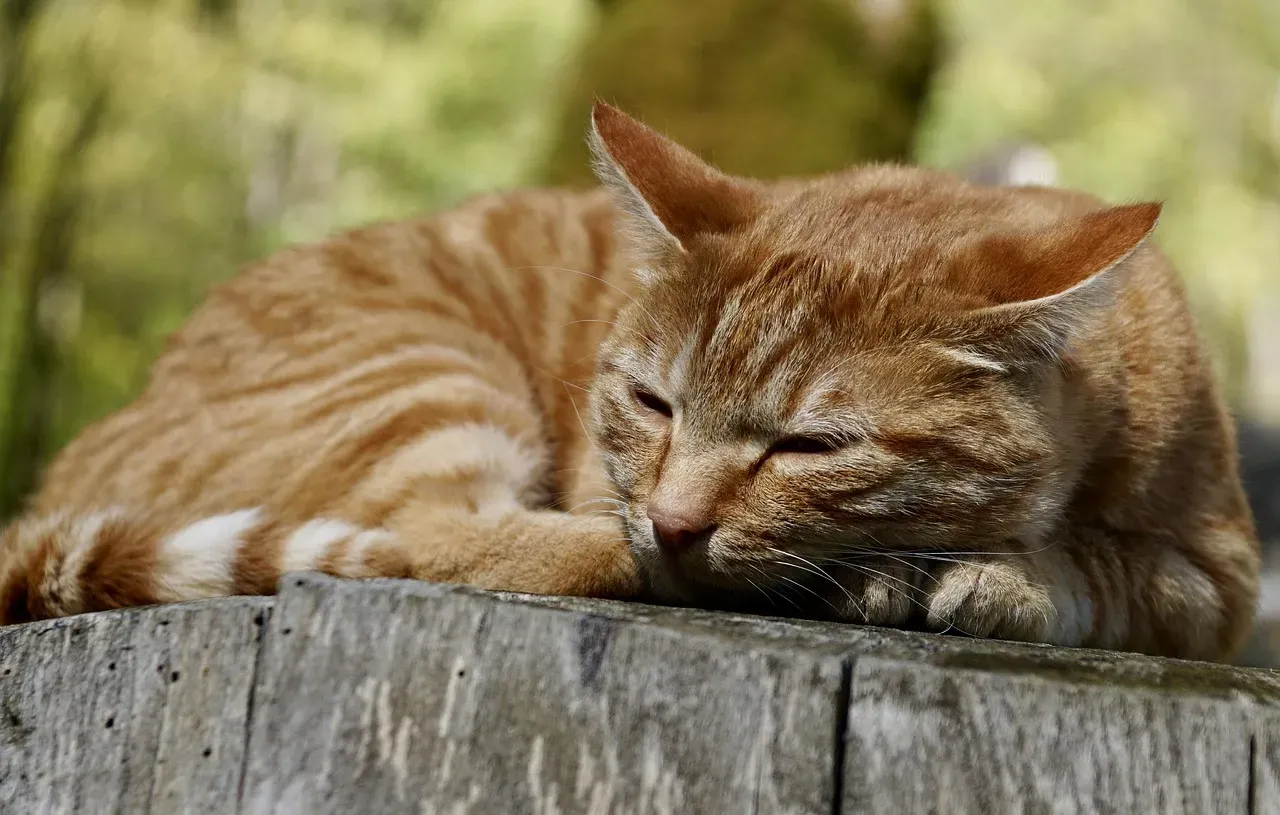
Cats aren’t fully asleep most of the time. During light sleep, which makes up roughly the majority of their rest, their ears twitch and they can wake up instantly. They are just resting their eyes while monitoring the environment. It’s less like sleeping and more like standing guard with your eyes closed – a survival trick hiding in plain sight.
Light sleep usually lasts anywhere between fifteen minutes and half an hour, whereas deeper sleep will only last for about five minutes at a time. When cats are experiencing light sleep, they are able to wake into action at an instant: their ears will remain erect, responding to sounds in their environment. These catnaps allow felines to still react quickly to potential threats in their environment. Light napping, heavy readiness.
Sleep Position Reveals More About Your Cat Than You’d Expect
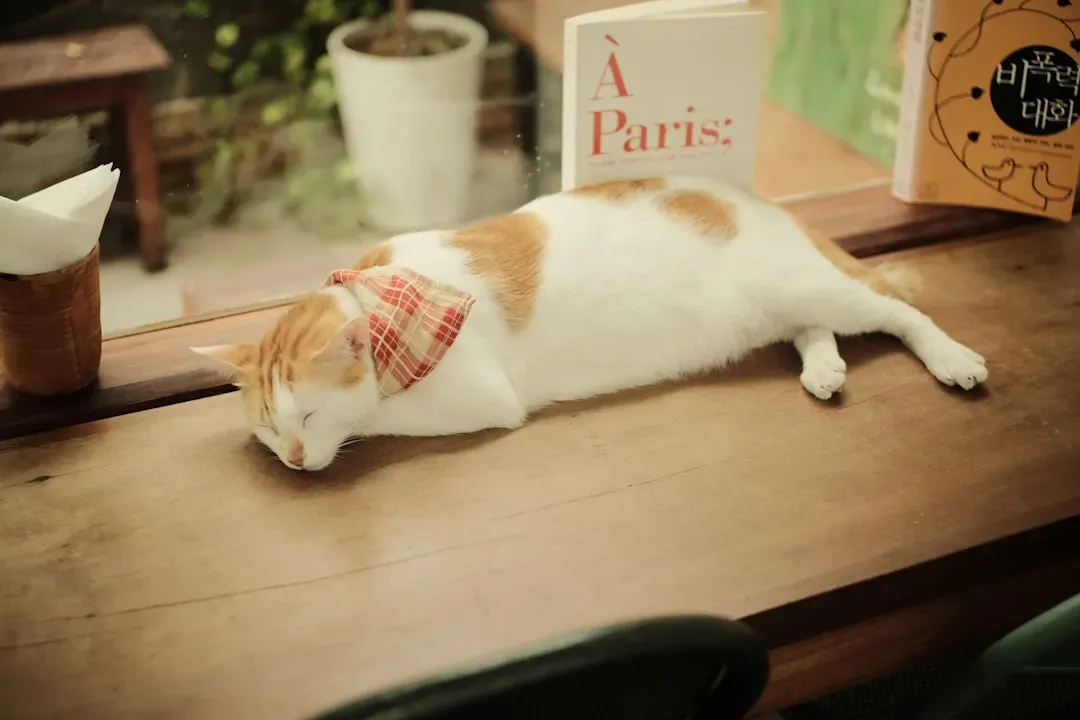
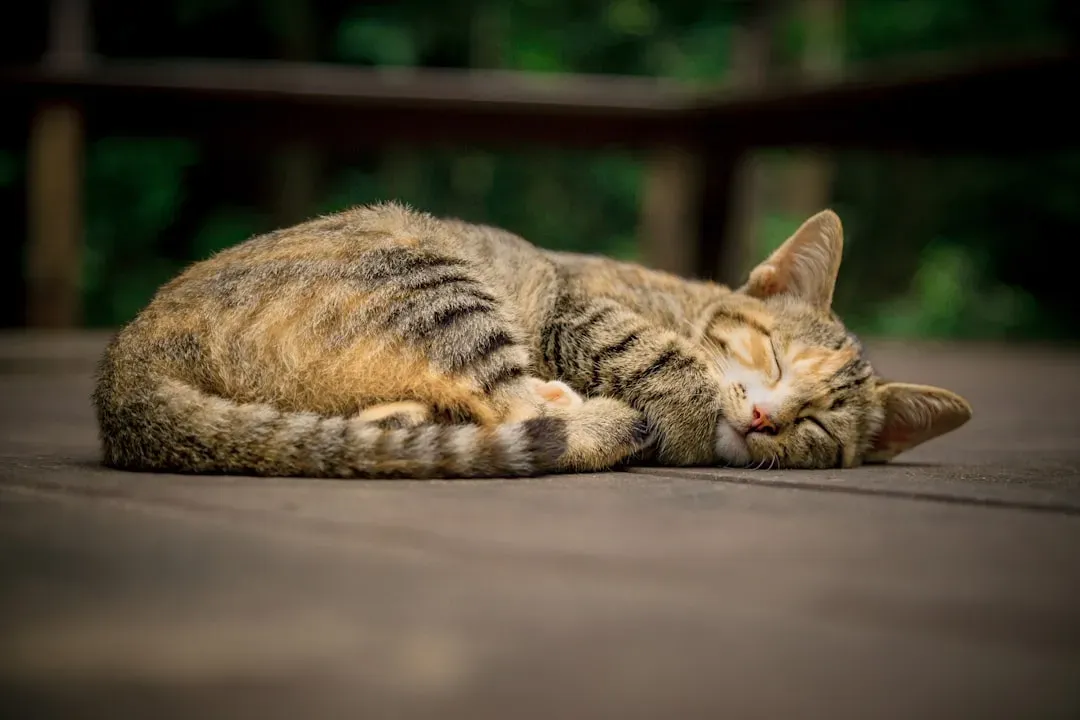
A cat curled up in a ball might seek warmth or protect its vital organs, a holdover from its wild instincts. On the other hand, a cat sleeping sprawled on its back with its belly exposed indicates a high level of trust and security in its environment, as this position leaves them most vulnerable. In other words, if your cat sleeps belly-up around you, consider it the highest compliment they can offer.
Curling into a ball while sleeping reduces the calories needed to maintain body temperature. It’s a natural “energy-saving mode.” Even the shape your cat chooses to sleep in is a biological calculation. Every twitch, every stretch, every bundled-up position – all of it serves a purpose rooted deep in their ancient biology.
When Too Much Sleep Becomes a Warning Sign Worth Watching
Changes in your cat’s sleep can sometimes signal health issues. Pay attention if you notice shifts in their sleeping habits. Cats naturally sleep a lot, usually between 12 and 16 hours a day. If your cat starts sleeping more than usual, it could indicate a problem. Conditions like kidney disease might cause your cat to sleep excessively.
Increased lethargy can be a sign of chronic illness in cats. Illnesses such as kidney disease, heart disease, diabetes, cancer, liver disease, and neurological conditions, among other things, can cause a cat to sleep more. The key is knowing your individual cat’s baseline. The most important thing for cat guardians to notice, when it comes to sleep or anything else, is change. Take action if your cat is sleeping more or less than is usual for them, and consult your veterinarian if you notice a shift.
Conclusion
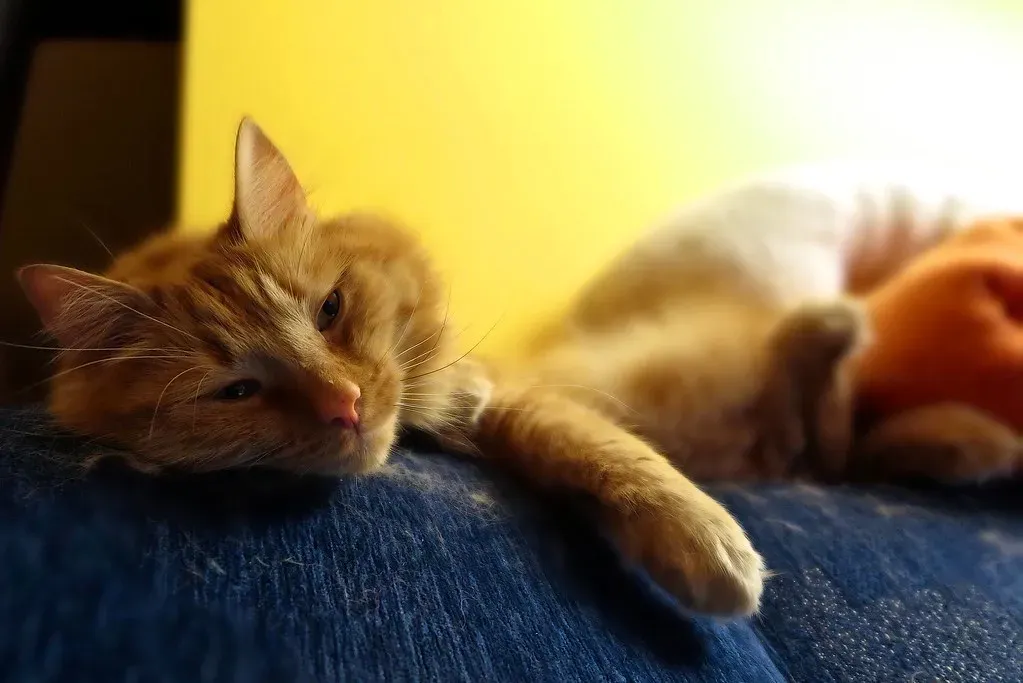
Your cat sprawled across the warmest corner of the room isn’t the portrait of laziness you might have once thought it was. It is, in every sense, a masterclass in biological efficiency. Every nap is purposeful. Every position carries meaning. Every drowsy blink is backed by millions of years of evolutionary design that has been refined into something remarkable.
The next time you feel even slightly envious watching your cat melt into a perfect afternoon snooze, just remember – you’re watching one of nature’s most sophisticated energy management systems running exactly as intended. They’re not lazy. They’re simply better at rest than any of us will ever be.
So honestly, maybe the real question is: what would you change about your own daily routine if you took a lesson from your cat? Tell us in the comments – we’d love to know.