You probably think you know your cat. You feed them, play with them, maybe even let them hog your pillow. Yet there’s a very good chance you have no idea just how closely that furry companion is studying you every single day. Not in a creepy way, of course. In a deeply fascinating, scientifically documented way that completely flips the script on what we thought we knew about feline intelligence.
Most people assume cats are just doing their own thing, indifferent to the world around them. Honestly, that couldn’t be further from the truth. Your cat has been watching you open the refrigerator, sensing your mood before you even realize it’s shifted, and filing away behavioral patterns you didn’t know you were broadcasting. So let’s dive into the remarkable world of feline observational mastery, because what you’re about to discover might just change how you see your cat forever.
The Science Behind Feline Observational Learning
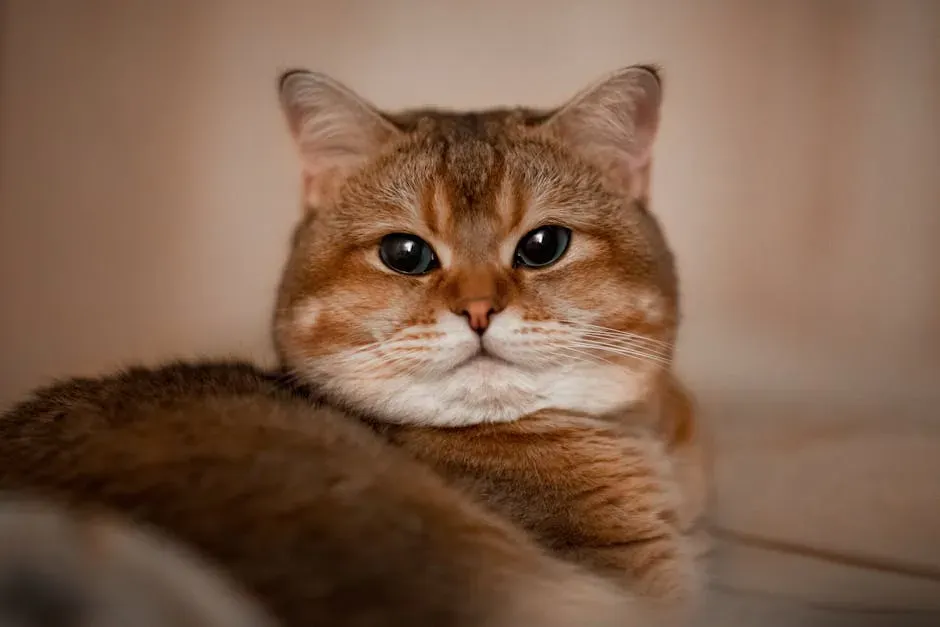
There’s solid, peer-reviewed science behind the idea that cats are natural-born observers. Cats don’t just learn through repetition. Observational learning in cats refers to their ability to pick up behaviors, routines, and problem-solving strategies simply by observing humans or other animals. Think of it like a feline apprenticeship that never really ends.
Cats are observational learners, and this type of learning emerges early in a cat’s life, as shown in many laboratory studies. Observing others and learning how they solve problems is often more efficient than individual trial-and-error learning. In other words, your cat has essentially been running a continuous, silent observation study with you as the subject.
It All Starts with Mom: How Kittens Learn to Watch
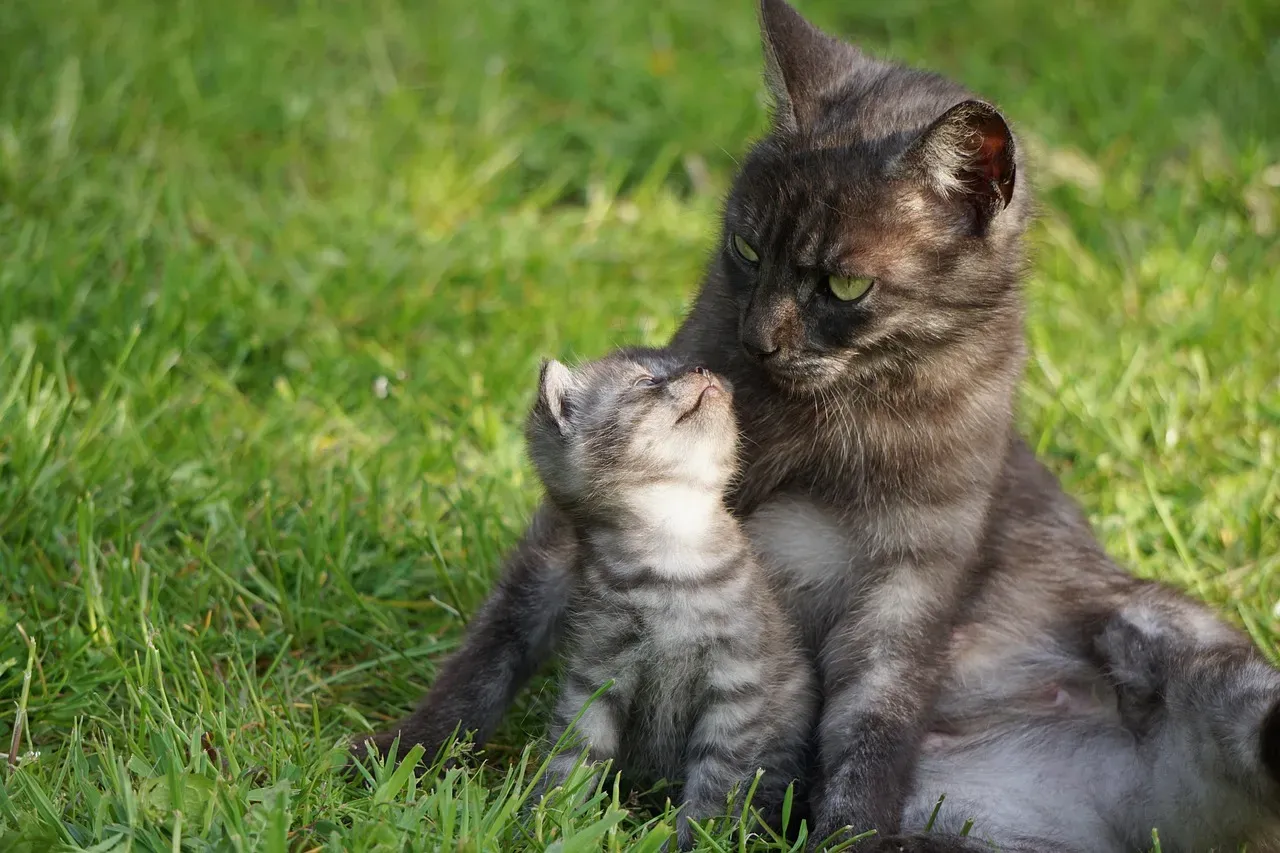
Young kittens learn to hunt from their mothers by observing their techniques when catching prey. The mother ensures that her kittens learn hunting techniques by first bringing dead prey to the litter, then live prey. She then demonstrates the techniques required for successful capture to her kittens by bringing live prey to the litter for the kittens to catch themselves. It’s a masterclass in practical education.
Many species rely on observational learning during their early stages of development, and domestic cats are no exception. Kittens watch their mothers closely to pick up essential survival behaviors, including grooming. In the first two to seven weeks of their lives, kittens go through the most important socialization and learning stage. A mother cat has a lot to teach her little ones in this time, including key life skills like how to behave appropriately around each other, other animals, and humans. The mother is essentially their first and most important teacher.
Your Daily Routine Is Your Cat’s Study Guide
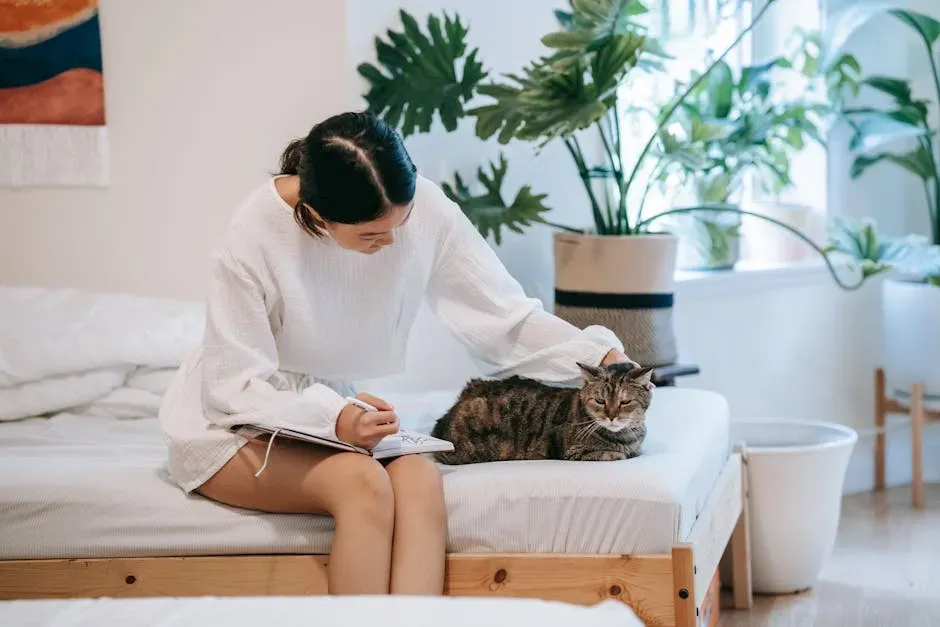
Here’s the thing. Every single move you make at home is being catalogued. Adult cats learn household routines by watching humans, and brain studies show cats have special areas for learning from what they see. Your cat knows what time you wake up, what sounds mean food is coming, and probably even which drawer you open when you’re looking for the can opener.
The first group of cats studied lived indoors in close proximity to their owners. The second group lived both indoors and outdoors, and were kept outside overnight. The group of indoor cats who stayed close to their owners adapted eating and sleeping patterns similar to those of their owners, and their activity levels were also similar to that of the humans around them. That’s not coincidence. That’s your cat deliberately syncing up with your rhythm.
Copying Your Actions: The Copycat Effect Is Real
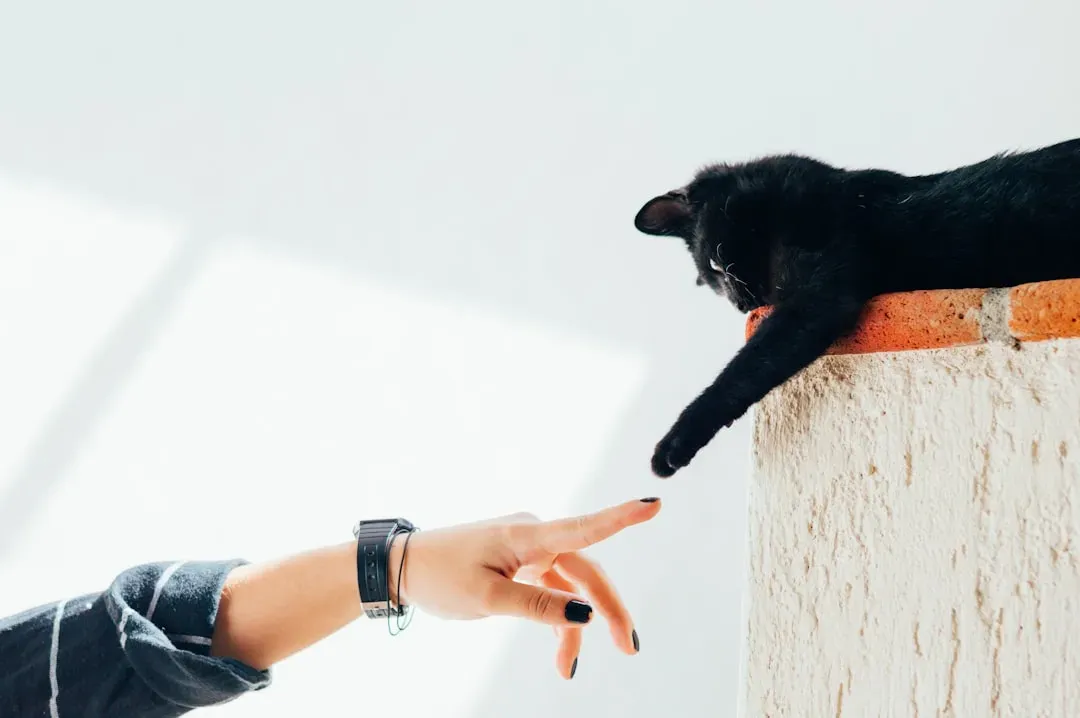
You’ve probably heard the phrase “copycat,” but did you know it’s rooted in genuine behavioral science? Researchers claim that a surprising behaviour observed in cats, mimicking their owners, is actually a sign of a strong social bond and deep learning. Recent studies show that some cats don’t act purely by chance. They are, in fact, paying close attention and reproducing what they see.
One cat learned to “knock” on doors by repeatedly tapping with a paw after watching their owner knock before entering rooms. Another figured out how to turn on faucets by batting at handles, mimicking the twisting motion they’d seen performed countless times. A study published in Animal Cognition shows evidence of a domestic cat being able to successfully learn to reproduce human-demonstrated actions based on the “Do as I Do” paradigm. Let that sink in for a moment.
Reading Your Emotions: More Than Just a Gut Feeling
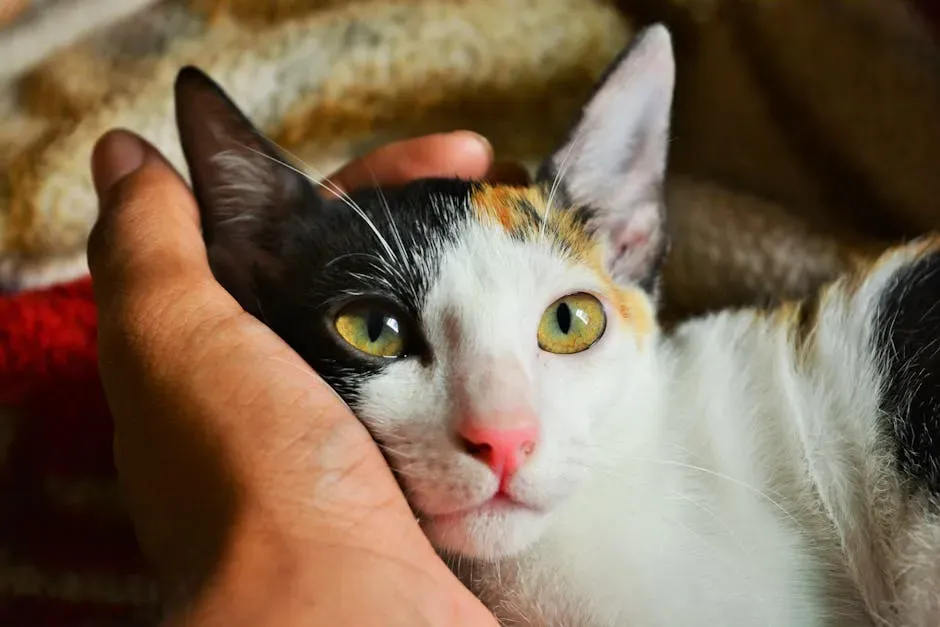
Your cat isn’t just watching what you do. They’re reading how you feel, and the research behind this is genuinely impressive. Results demonstrate that cats integrate visual and auditory signals to recognize human and conspecific emotions, and they also appear to modulate their behavior according to the valence of the emotion perceived. Translation: your cat picks up on your vibe and adjusts accordingly.
A 2015 study revealed that cats react differently based on their owner’s facial expressions. When owners smiled, cats were more likely to exhibit affectionate behaviors like purring and rubbing against them. We can better understand these complex creatures by paying close attention to cat body language and vocalizations. Many cat owners report their pets offering comfort during emotionally low moments by sitting close, purring, or kneading. Somehow, those quiet moments on the couch hit a little differently now, don’t they?
Your Personality Is Shaping Theirs
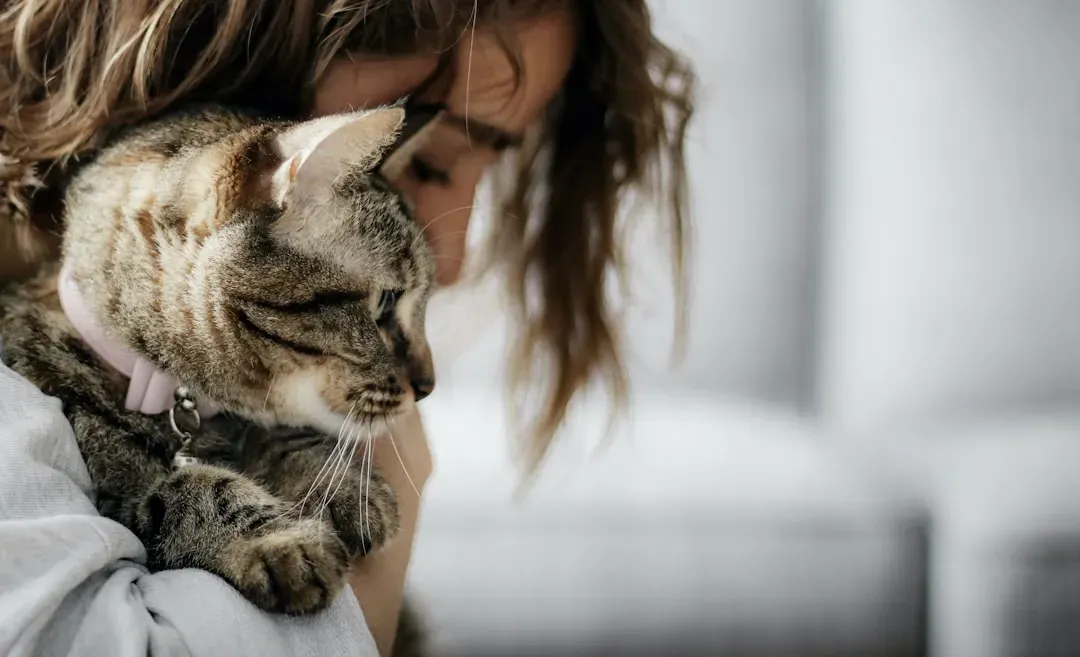
This one genuinely surprised me when I first encountered it. Your personality traits don’t just affect your cat’s environment. They quite literally begin to sculpt your cat’s own character over time. Perhaps the most profound way cats copy their owners involves emotional mimicry. Multiple studies have found correlations between owner personality traits and cat behavior. Anxious owners often have more anxious cats. People who score high in openness and agreeableness tend to have more social, friendly cats.
An owner’s personality and behavior can influence their cat’s behavior over time by shaping the cat’s environment, routine, and stress levels. For example, a 2019 study indicated that cats living with more anxious owners were more frequently reported to have behavioral issues. It’s a bit like looking into a mirror that has fur and occasionally knocks things off shelves. The connection between you and your cat is far more reciprocal than most people ever realize.
Social Cognitive Skills That Rival Other Animals
Let’s be real: cats have long lived in the shadow of dogs when it comes to social intelligence research. Yet the science is catching up fast. Recent research has shown that cats have remarkable social cognitive abilities. For example, they can follow human pointing and gazing cues, and they can discriminate human emotional expressions and attentional states. That’s a far cry from the aloof, indifferent creature of popular myth.
Researchers are showing that cats perceive some optical illusions the same way we do and that they can distinguish their owners’ voices from those of strangers. Moreover, cats recognize their owners’ voices and face-voice matching, and form attachment-like bonds. It’s hard to say for sure just how deep those cognitive channels go, but the fact that researchers are still making new discoveries in 2026 tells you this is a topic that keeps on giving.
Observational Learning Does Have Its Limits
In the interest of keeping things honest, not every experiment on cat observational learning has painted a picture of a miniature furry genius. In one study, three experiments were used to investigate whether cats could change their behavior and gain rewards efficiently by observing a human demonstrating how to obtain food, and researchers found no evidence that observing human behavior enabled more efficient problem-solving by cats or caused them to change their behaviors. That’s worth noting.
It is conceivable that cats’ poor performance in social learning tasks is related to their domestication history, which differs considerably from that of dogs. Research has shown that if a task was relatively easy and within the normal abilities of cats, observation of a model resulted in shorter latencies to solve the task, and more natural situations for cats were more likely to be solved successfully. In other words, cats learn what feels relevant to them. Honestly, can you blame them?
What This Means for You as a Cat Owner

Understanding your cat as an observational learner fundamentally changes how you should think about your relationship with them. The origin of this mimicry could lie in social learning, the ability of cats to learn through observation. By imitating human behaviors, whether it’s a posture, a specific time of day or a mood, the cat strengthens its connection with its owner, fostering a sense of security and trust. You are, whether you intended to be or not, your cat’s primary role model.
Cat observational learning is not just about copying. It’s about intelligent adaptation to their environment. Knowing how cats learn can help us make their lives better, and we can create environments that support their natural learning and problem-solving abilities. The best way to train a cat is with positive reinforcement. Reward them with treats, praise, or playtime for good behavior, because this method works well with patience and consistent training. Consistent, calm, and engaged behavior on your part isn’t just good for you. It’s a direct investment in your cat’s mental and emotional well-being.
Conclusion: You Are Being Watched, and That’s a Wonderful Thing
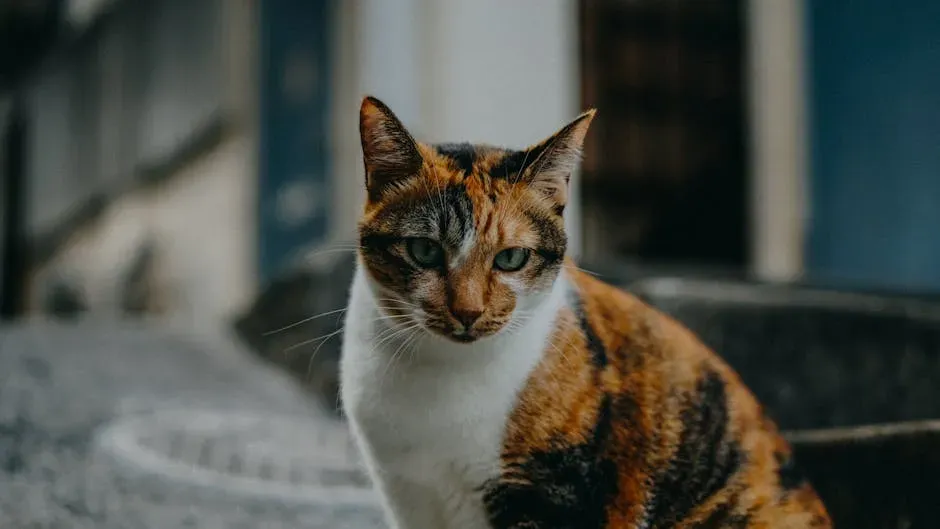
Your cat is not a passive housemate lounging through life without a care. They are active, intelligent observers who have spent considerable time learning your routines, reading your moods, and quietly adapting to share a life with you. That silent, watchful gaze from across the room isn’t boredom. It’s attention of the highest order.
The more you understand about feline observational intelligence, the more you realize that the bond between you and your cat is something genuinely remarkable. You shape them. They adapt to you. Over time, in ways both subtle and surprising, you and your cat become deeply intertwined. So next time your cat studies you from their favorite perch with those unblinking eyes, consider this: what exactly are they learning from you today?