You’ve probably looked at your cat a hundred times and wondered what on earth is going on behind those glowing eyes. They stare, they blink, they flick a tail – and most of us just shrug and assume they’re being mysterious. Honestly, that’s one of the biggest myths about cats. They’re not mysterious at all. They are, in fact, communicating with you constantly.
The challenge is that their language operates on a completely different frequency than ours. Think of it like trying to read a novel written in a language you’ve never studied – the words are all there, but you need a translator. This article is that translator. Be prepared to never look at your cat the same way again. Let’s dive in.
Why Cats Communicate So Differently Than You Might Expect
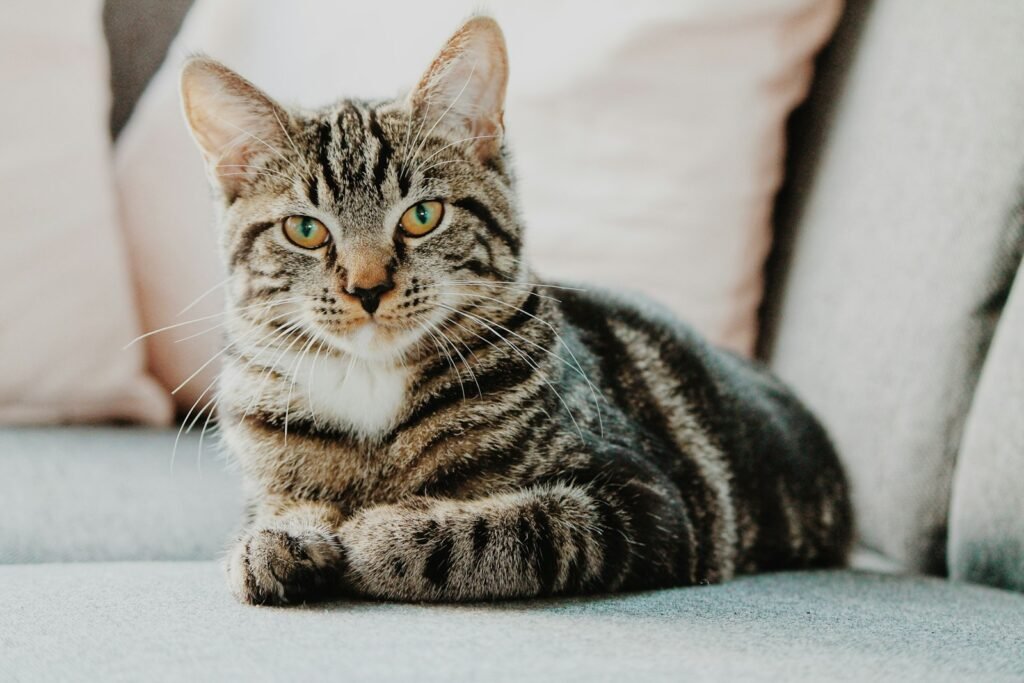
Here’s the thing – cats did not evolve to communicate the way dogs do. Cats are subtle communicators. Unlike dogs, who may express themselves loudly and obviously, cats often use quiet, nuanced movements. That doesn’t mean they’re saying less. It means you have to listen more carefully.
Unlike dogs, cats haven’t evolved to have lots of facial muscles, which means their faces aren’t as expressive as dogs. This is why it’s important to recognize even the smallest signs and changes in their body language, because although they seem small, they say an awful lot. That tiny ear twitch you almost missed? That was a full sentence.
The Tail: Your Cat’s Emotional Barometer
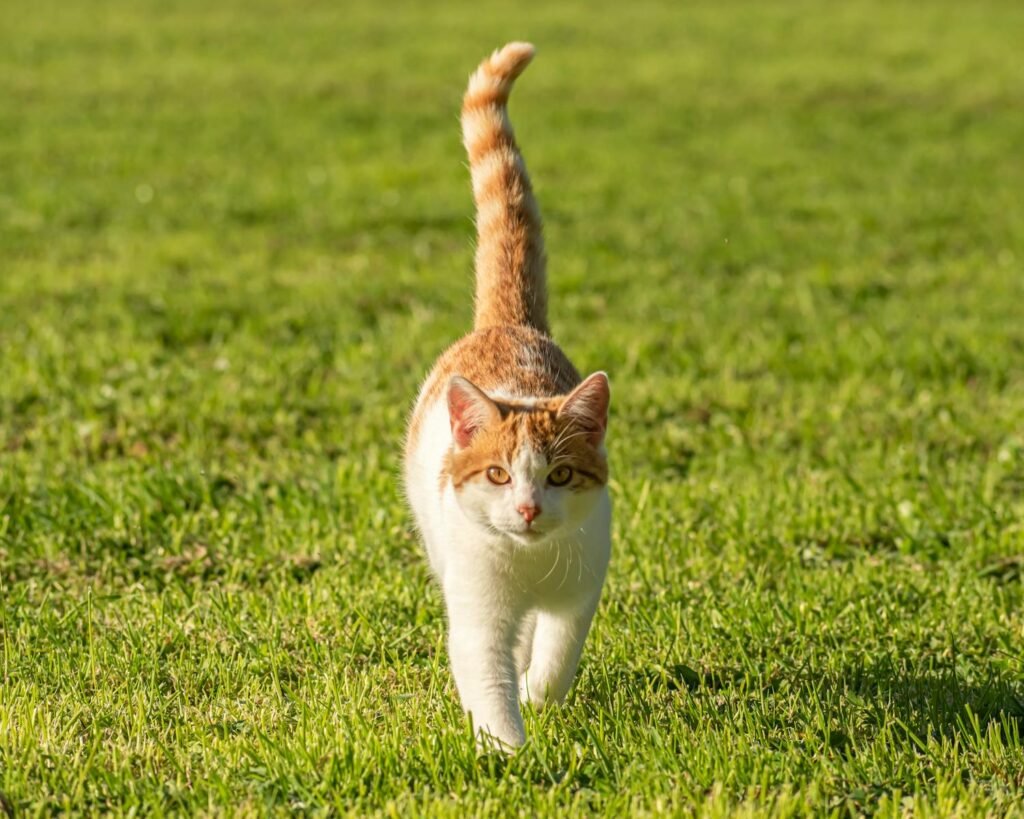
A cat’s tail is a powerful communication tool, and each tail position conveys distinct messages. An erect tail is usually a sign of friendliness, and a tail that is up but hooked at the tip may mean cautiously optimistic. Up and quivering indicates that the cat is either spraying or happy and excited. However, up and bristled means the cat is feeling aggressive.
A tail tucked between the back legs is often a sign that a cat is anxious or fearful, whereas a tail held out, moving slowly side-to-side across the body may signal frustration. A slow, rhythmic swish often signals focus, such as when your cat spots a bird outside the window. However, rapid tail flicking or strong swishes typically reveal frustration or agitation. You can think of it like a mood ring – except it’s fur, and it actually works.
The Eyes Have It: What Your Cat’s Gaze Is Really Saying
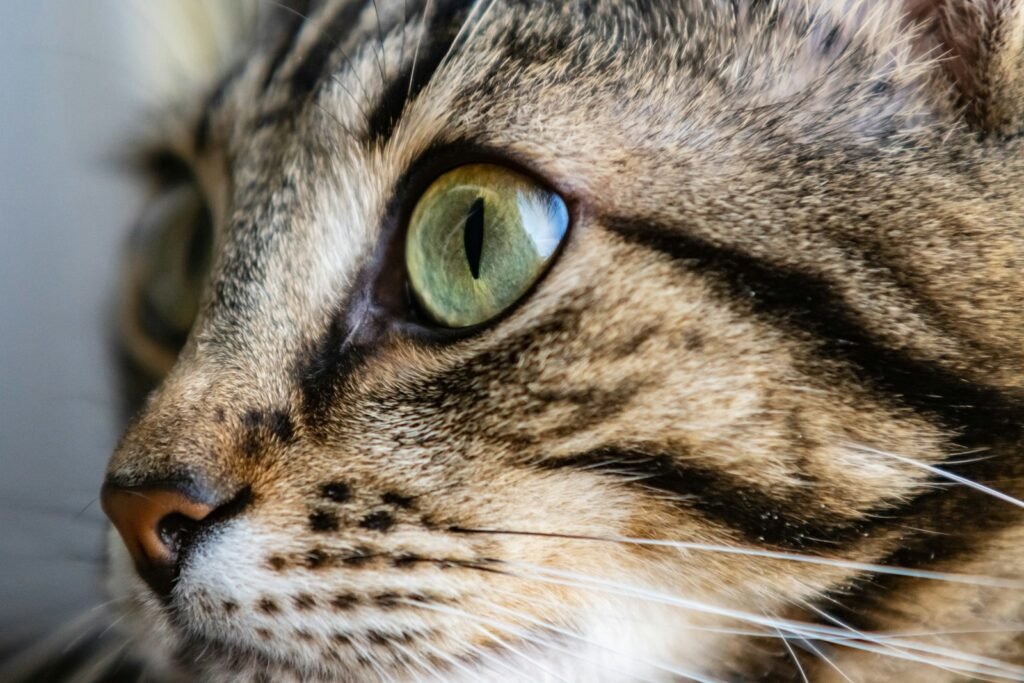
If you’ve ever had a staring contest with a cat and felt vaguely threatened, you weren’t imagining things. A direct stare by a cat usually communicates a challenge or threat and is more likely to be seen in high-ranking cats; lower-ranking cats usually withdraw in response. So if your cat is locking eyes with you without blinking, that’s a power move.
On the flip side, the slow blink is something extraordinary. Cats blink slowly to show affection and relaxation. If a cat blinks slowly at you, they are not threatened by you – in fact, they trust you. To bond with a cat that blinks slowly at you, you can return their gesture by blinking slowly back at them. Research has even confirmed this works. Scientists confirmed that this simple gesture makes cats – both familiar and strange – more likely to approach and engage with humans.
Ear Positions: The Radar Dish of Feline Emotion
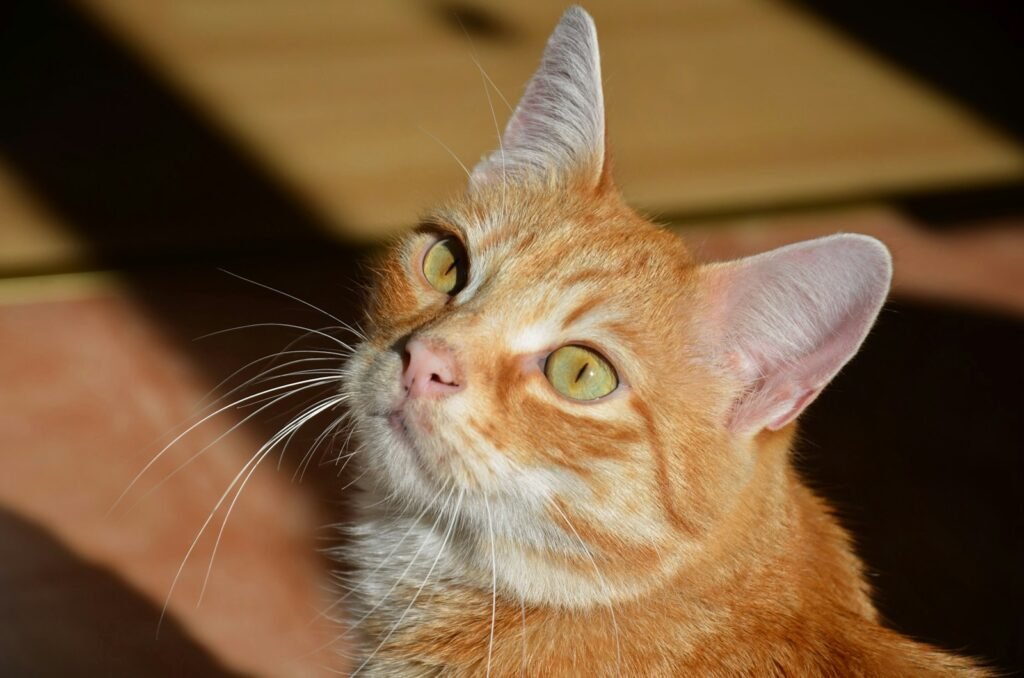
A cat’s ears are like radar, constantly scanning its surroundings and reflecting its emotional state. When a cat’s ears are facing forward and erect, it indicates a positive and friendly disposition. It means the cat is interested in something in its environment, whether a toy, a new sight or a captivating smell. Relaxed and forward ears signify comfort and security in their surroundings.
Sideways ears serve as a warning sign, indicating annoyance, fear or potential aggression. When a cat’s ears are sideways, it is best to remove any potential stimulus causing discomfort and give the cat some space to calm down. Flat back ears are an uncommon but important signal to know – they indicate extreme fear and readiness to attack. In this defensive posture, do not approach the cat, as it may perceive any advances as a threat. Think of flattened ears like a red traffic light: stop, don’t go.
The Secret World of Whiskers
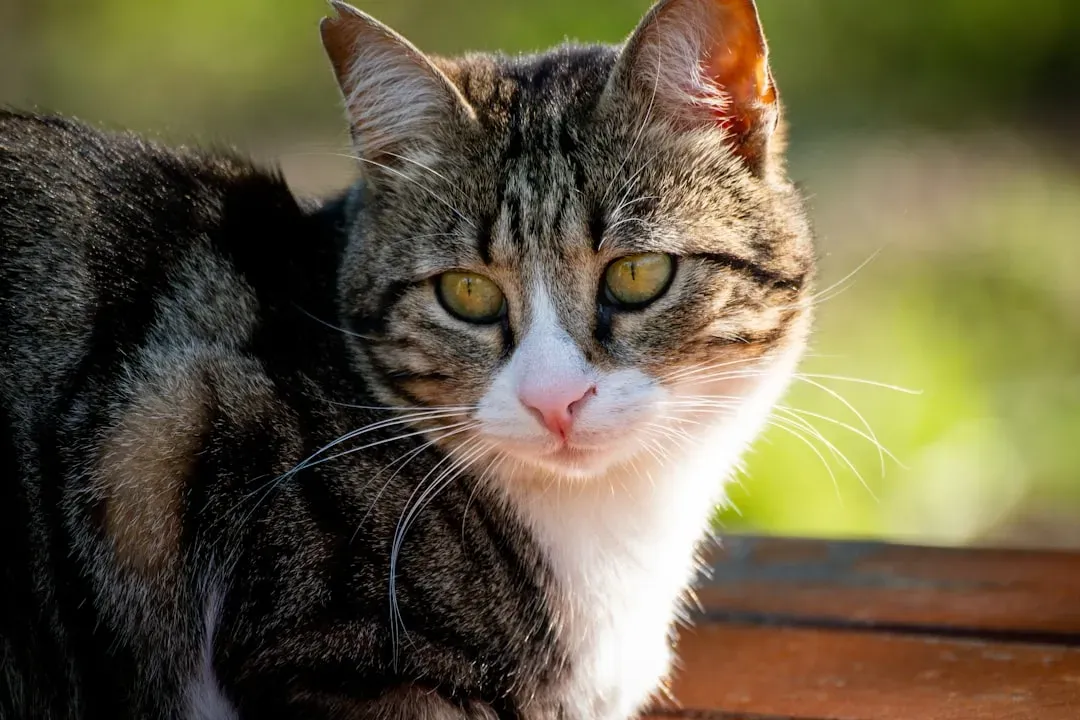
Most people overlook whiskers entirely, treating them as just cute facial features. That’s a mistake. When tense or highly alert, the whiskers will be fanned out and pointing forward in front of the face. When relaxed, a cat’s whiskers point directly out and are less spread out. A frightened or nervous cat may flatten their whiskers against the side of their face and bunch them together.
Whiskers are essentially a precision sensor system for emotional output. When tense or highly alert, the whiskers will be fanned out and pointing forward in front of the face. I think of it like a cat turning up the volume on their awareness dial – and helpfully broadcasting that loudly to anyone paying attention. They’re subtle, but once you start watching, you can’t unsee them.
Purring: Far More Complex Than You Think
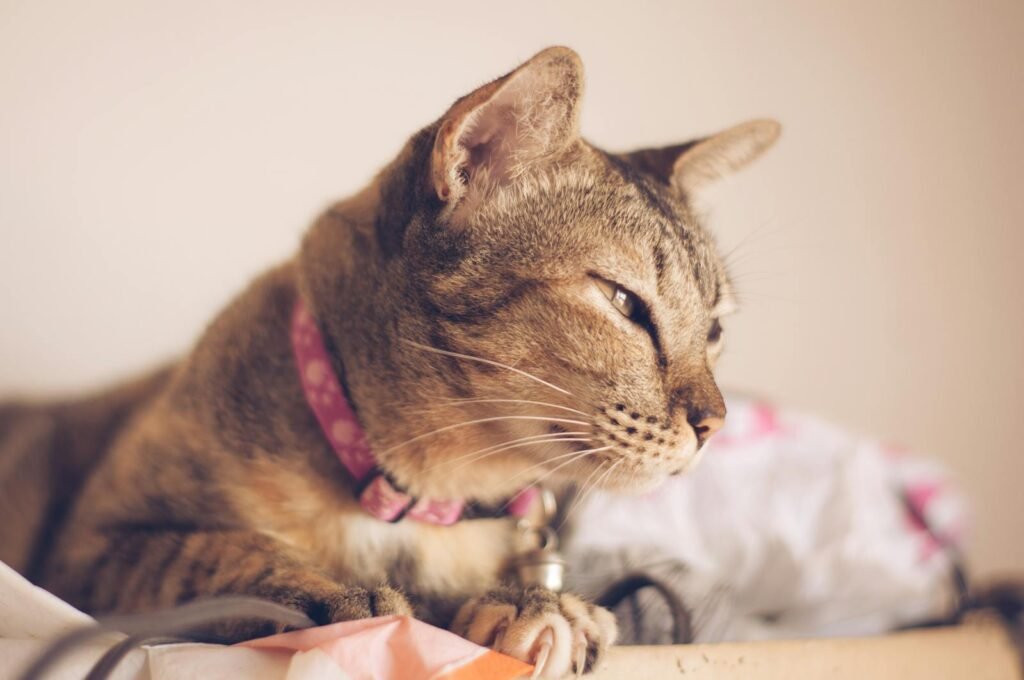
Almost everyone assumes purring equals happiness. That’s only part of the story. A cat purring can mean many things. Usually, the cat purrs to show that it is happy and feels safe. It is claimed that a cat can change the frequency of its purr to match the cry of a human child, which appeals to a human’s nurturing instinct. I know it sounds crazy, but that’s a genuinely sophisticated manipulation tactic – and it works.
However, a cat’s purring can also indicate distress, such as illness, injury, or impending death. The exact reason for this is unknown, but it is suspected that by purring, the cat communicates to other cats that it is harmless or tricks potential predators into thinking everything is fine. The cat can also soothe itself by purring. This is why cats can often purr in stressful situations such as at the vet clinic or when travelling in a vehicle.
Meowing: A Language Invented Just for You
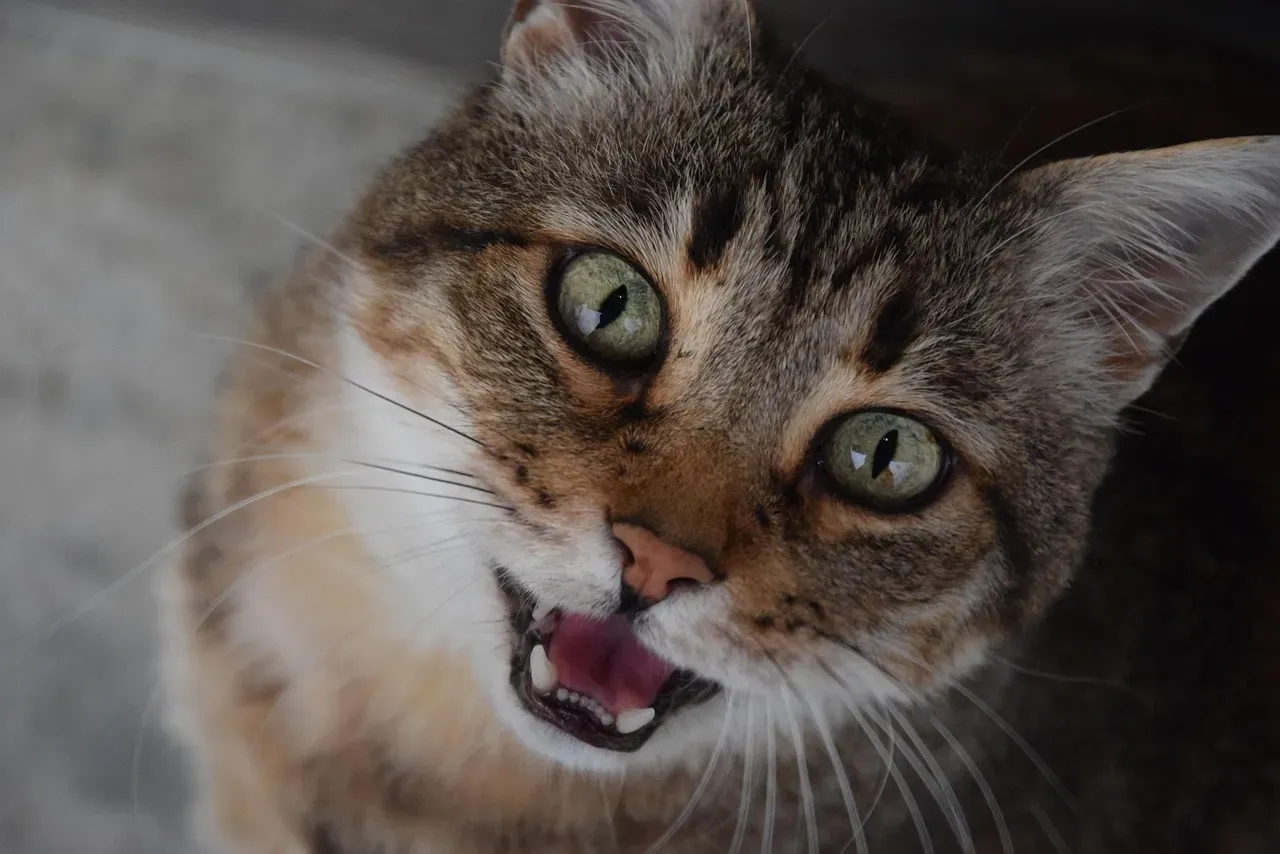
Here’s a jaw-dropping fact that many cat owners don’t know. Studies have shown that domestic cats tend to meow much more than feral cats. They rarely meow to communicate with fellow cats or other animals. That means your cat’s meow is essentially a communication channel developed specifically for your benefit. You’re the target audience.
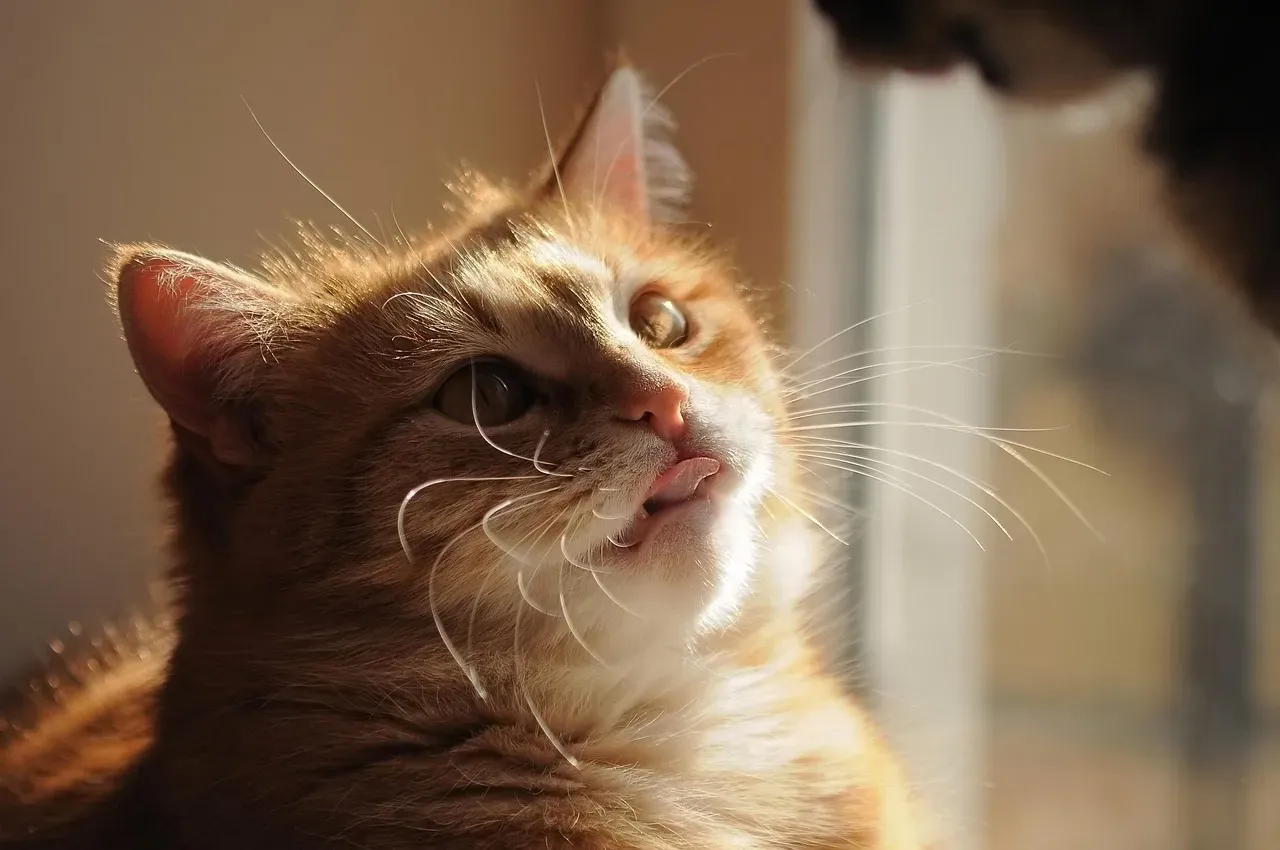
A meow can be assertive, plaintive, friendly, bold, welcoming, attention-soliciting, demanding, or complaining. It can even be silent, where the cat opens its mouth but does not produce any sound. The silent meow is particularly charming. Meowing is one of the most ambiguous types of cat vocalizations because a cat meows for many reasons. Meowing could mean almost anything, from hunger to simple chattiness. Like most other body language signs and behaviors that cats exhibit, meowing should be analyzed as part of the cat’s larger context.
The Power of Scent: An Invisible Conversation
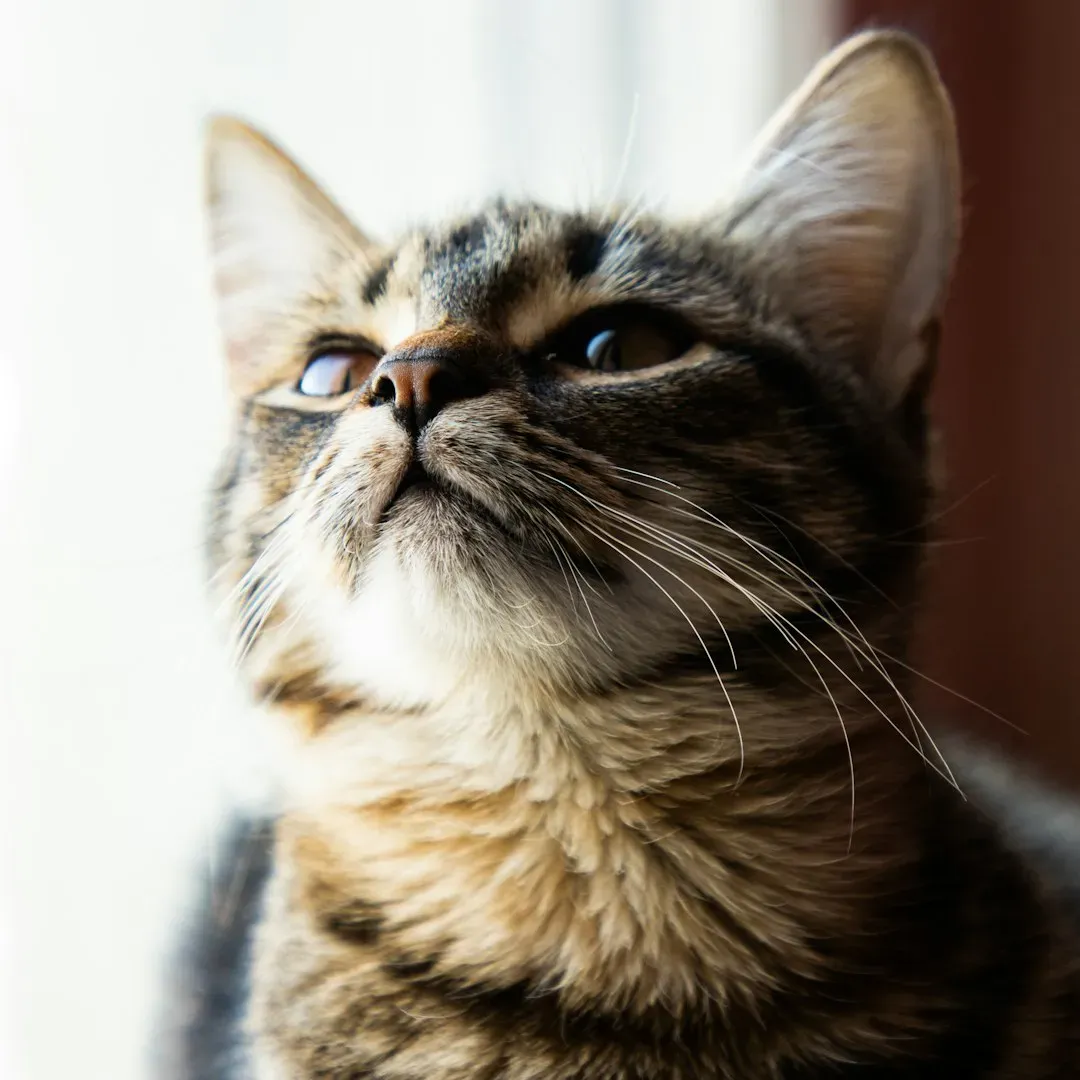
Your cat is leaving you messages all the time – you just can’t read them because they’re written in scent. Pheromones are chemicals secreted in different areas of the body by all cats and are used for cat-cat communication. Cats have an extremely well-developed sense of smell, and this is used extensively for communication. Chemical signalling involving odours and pheromones can be very specific, last for a long time and can spread over long distances.
Humans can’t detect pheromones, but they can still be used in human-cat communication. When your cat rubs their head and body along you, they are releasing pheromones, marking you as a bonded, trusted, and safe member of their social group. So the next time your cat weaves between your legs like a tiny furry figure eight, know that you’ve just been claimed – warmly and affectionately.
Body Posture and the Full Picture
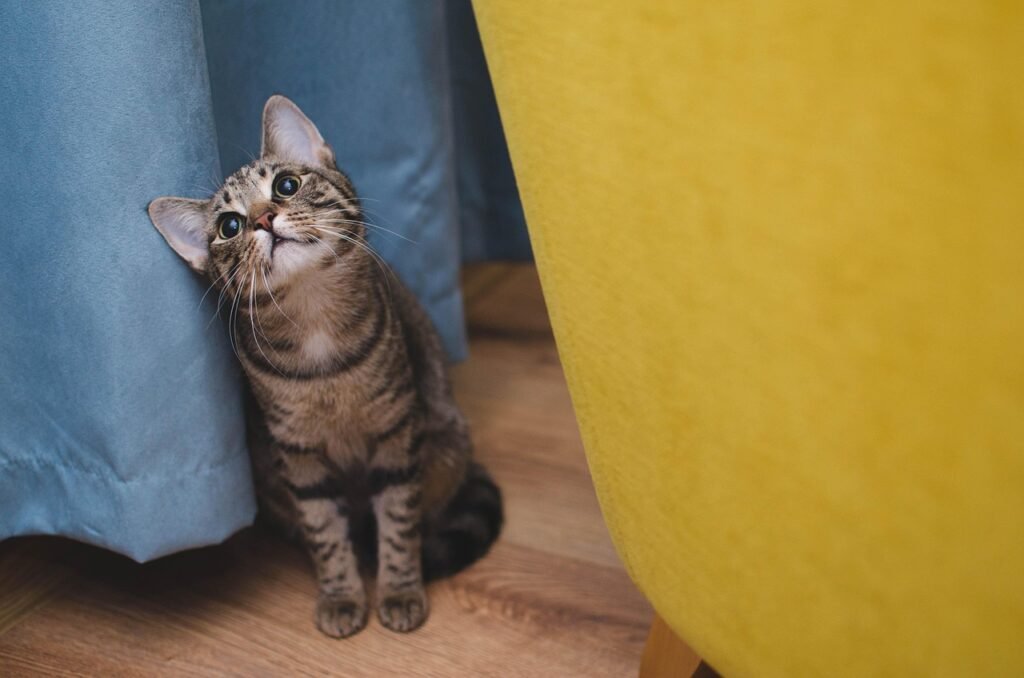
Reading a single signal from your cat is like reading one letter and thinking you understand a full book. A cat’s body language and behaviors should be looked at as part of one big picture. By using the context of the entire situation, trying to see the situation from the cat’s point of view, and looking for subtle cues in body language, you’ll have an excellent chance at understanding your feline friends.
When cats lie on their back with their bellies exposed, they are in a position of vulnerability. Therefore, this position may communicate a feeling of trust or comfort. However, belly exposure doesn’t always mean an invitation for petting. Many cats simply find it a comfortable way to rest. This is a misunderstanding that has cost countless well-meaning humans a scratched hand – consider yourself warned.
How Cats Tune Into You – and Adapt Their Communication
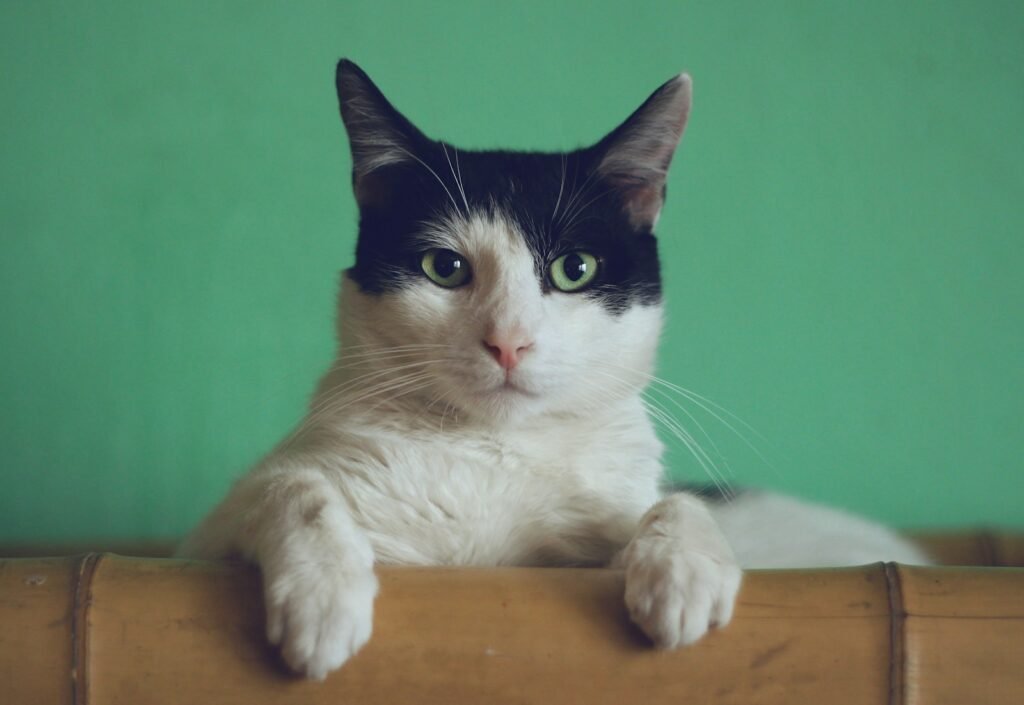
Here’s something genuinely remarkable. Your cat isn’t just broadcasting signals – they’re also receiving yours. When a cat lives with a human, it very quickly learns to read their mood at any given moment from their body language, the sound of their voice and eye contact with them. Cats are extremely good at picking up on emotions such as nervousness, fear, affection and joy. A cat uses these forms of communication too, so if we make a point of observing its behavior, mutual understanding is entirely possible.
Cats can integrate visual and auditory signals sent by humans and modulate their behaviour according to the valence of the emotion perceived. By examining three types of interactions – vocal, visual and bimodal (visual and vocal) – researchers found the modality of communication had a significant effect on the latency in time taken for cats to approach a human experimenter. Cats interacted significantly faster in response to visual and bimodal communication compared to vocal communication alone. In other words, your body language matters to your cat just as much as theirs matters to you.
Conclusion: The Conversation Has Always Been Happening
Cats have never been quiet. They’ve been speaking – through their tails, their eyes, their whiskers, their purrs, and their carefully deposited scent marks – every single day. The gap hasn’t been in their communication. It’s been in our ability to listen.
Behavior is always contextual, so pay attention to the cat’s entire body and to what’s going on in the environment. By paying close attention to our cats’ body language, we can do a better job of attending to their needs and have even stronger, happier relationships with them. Once you start seeing the signals, you realize your cat has been trying to tell you things all along. The slow blink, the upright tail, the head-butt against your leg – these aren’t random gestures. They’re a language.
Learning it might just be one of the most rewarding things you ever do as a cat owner. So the next time your cat looks across the room, locks eyes with you, and slowly blinks – blink back. You’ll both know exactly what it means. What signal from your cat surprised you the most? Tell us in the comments.