You’ve probably watched your cat sit silently across the room, staring at you with those unreadable eyes, and wondered what on earth is going on in that furry little head. Cats have this reputation for being distant, mysterious creatures who couldn’t care less about anyone or anything. Yet here’s the thing: your feline companion is actually talking to you constantly. Every flick of their tail, every twitch of their whiskers, and every slow blink they send your way carries meaning. You just have to know how to read the signals.
Cats are subtle and complicated in the way they communicate, and much of what they’re saying happens without a single sound. While dogs wear their hearts on their sleeves with wagging tails and goofy grins, cats speak a quieter, more refined language. So let’s dive in and decode what your seemingly aloof kitty is really telling you.
The Tail Tells a Story You Can’t Ignore
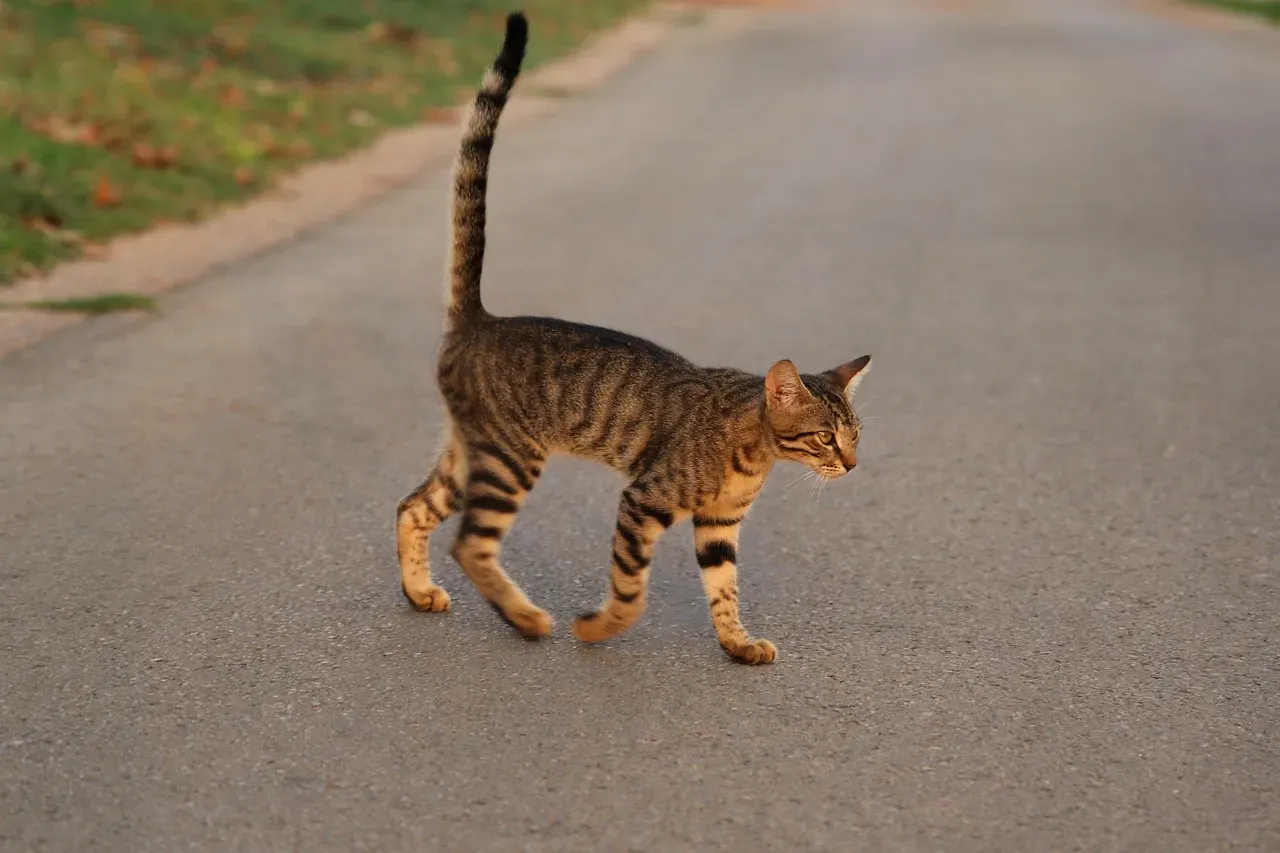
Your cat’s tail is basically a mood ring you can see from across the room. When greeting their owners, cats often hold their tails straight up with a quivering motion that indicates extreme happiness. If you see that confident, upright tail heading your way, congratulations, your cat actually likes you.
On the flip side, things get more complicated. Tail wagging can range from small irritated flicks which may express indecision, or in its most pronounced form, it can be the prelude to a fight. Not all tail movements mean the same thing, which is honestly what makes cats so fascinating. Pay attention to the speed and intensity, because a gentle swish while hunting a toy is completely different from an angry thrash.
Those Ears Are Basically Emotional Radar Dishes
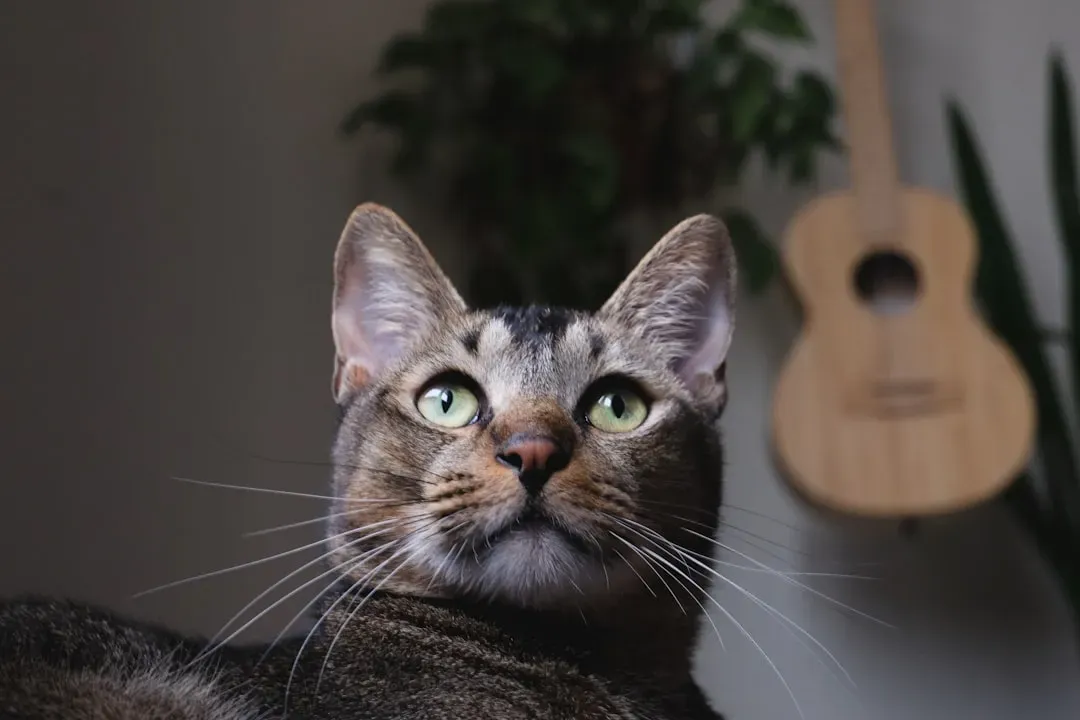
Cats can change the position of their ears very quickly, and continuously, which makes them one of the best indicators of how your cat is feeling right now. They are erect when the cat is alert and focused, slightly relaxed when the cat is calm, and flattened against the head when extremely defensive or aggressive.
Here’s the wild part: Although the tail is a conspicuous feature for human observers, ear positions of the cats in dyadic interactions with other cats are the best predictor of the outcomes of these interactions. So if you really want to know what’s about to happen between two cats, forget the tail for a second and watch those ears. When they go flat, someone is not happy.
The Slow Blink Is Basically a Cat Hug
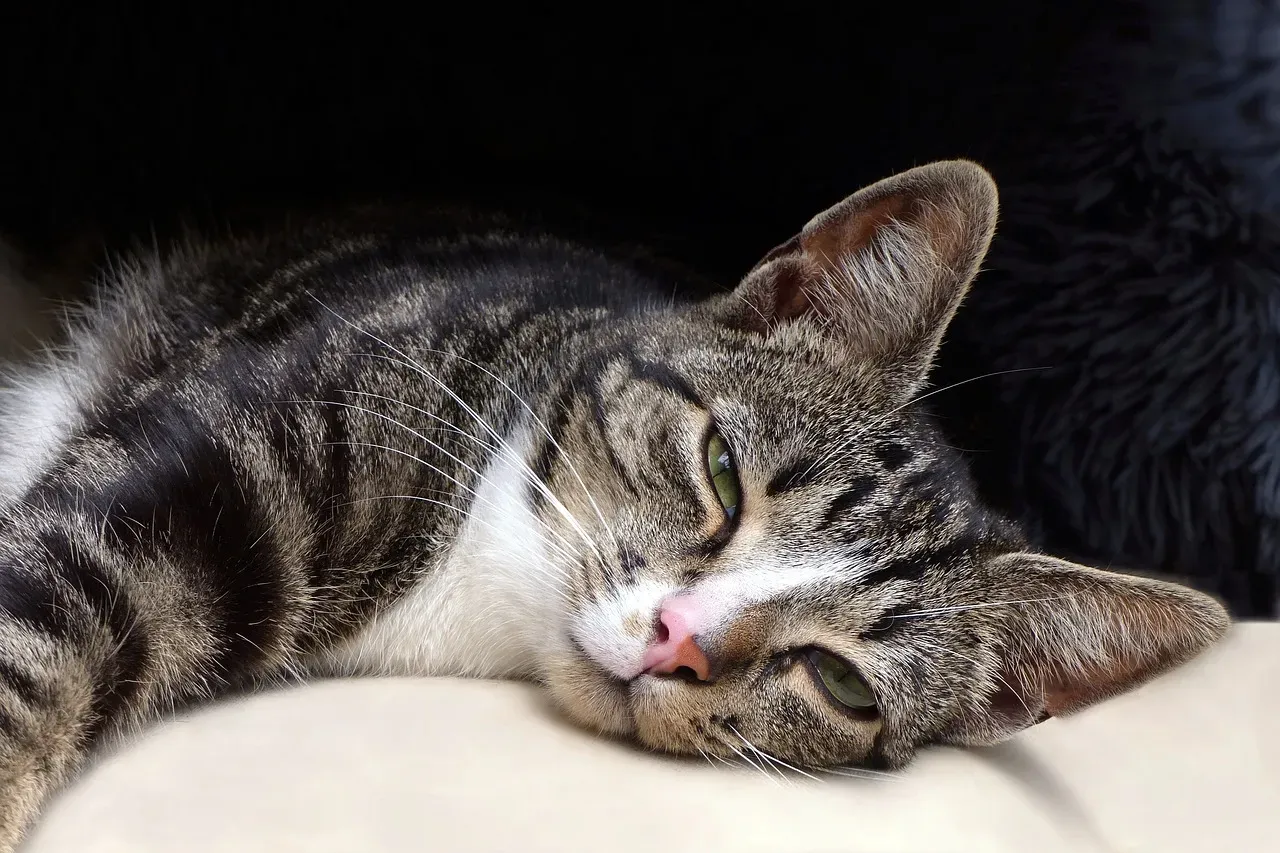
Let’s be real, one of the sweetest things a cat can do is give you a slow blink. Slow blinking is a sign of trust. It means they trust you enough to lower their guard and is your cat telling you they feel comfortable and relaxed in your presence. Think about it: in the wild, closing your eyes makes you vulnerable. When your cat does it around you, that’s huge.
A study conducted by the University of Sussex in the United Kingdom found that cats are more likely to slow blink at their owners when their owners slow blink at them, and cats were more likely to approach an experimenter who had slowly blinked at them. So go ahead, try it. Narrow your eyes and slowly close them for a couple of seconds. Your cat just might blink back, and honestly, it’s one of the best feelings ever.
Whiskers Forward, Backward, Sideways… What Does It All Mean?
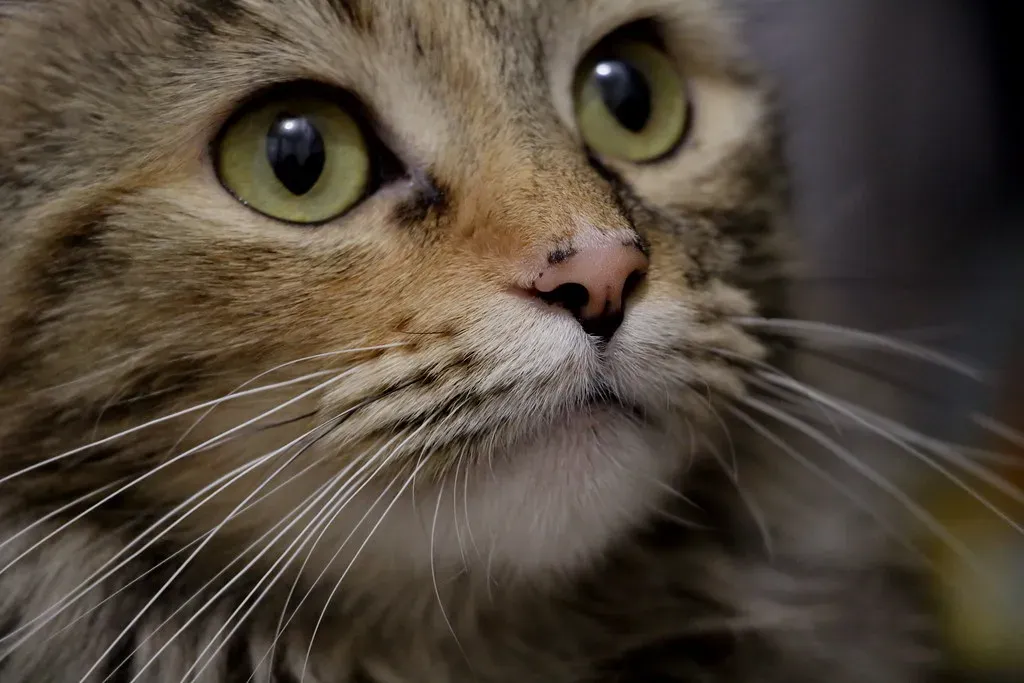
Most people never think twice about cat whiskers, but they’re surprisingly expressive. Cats use their whiskers to judge proximity and express their mood. When a cat’s whiskers are off to the sides and slightly lowered, it indicates a relaxed state. That’s your cat just chilling, no drama.
Forward-facing whiskers indicate curiosity or a hunting mode. Meanwhile, when whiskers are pulled back tightly against the cheeks, it often indicates fear, stress, or aggression, a defensive position that might appear when your cat feels threatened or uncomfortable. Whiskers might seem like a minor detail, but they’re adding context to everything else your cat is telling you.
A Direct Stare Isn’t Always Friendly
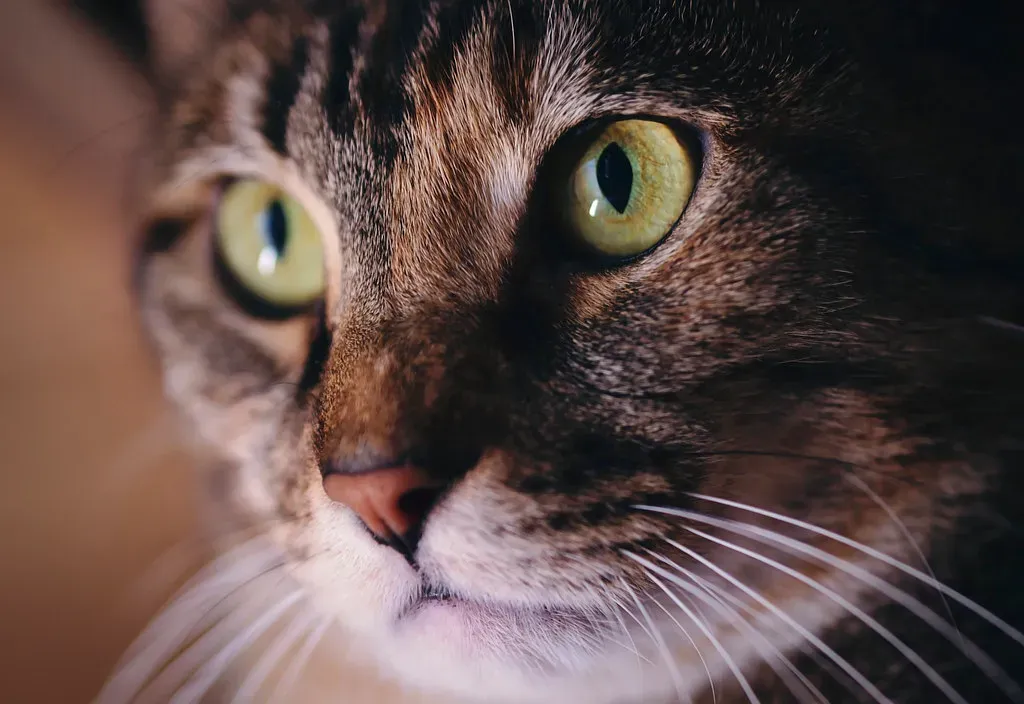
Eye contact with cats is tricky business. A direct stare by a cat usually communicates a challenge or threat and is more likely to be seen in high-ranking cats. So if you’re locking eyes with a cat you don’t know well, you might be accidentally starting something.
Direct eye contact in cats is often associated with asserting dominance, feeling threatened, or preparing to pounce, so avoid making prolonged, direct eye contact, especially with unfamiliar cats, as it can lead to tension and discomfort. Instead, try that slow blink we talked about earlier. It’s like saying, “Hey, I’m cool, you’re cool, we’re all cool here.”
Body Posture Reveals the Whole Emotional Picture
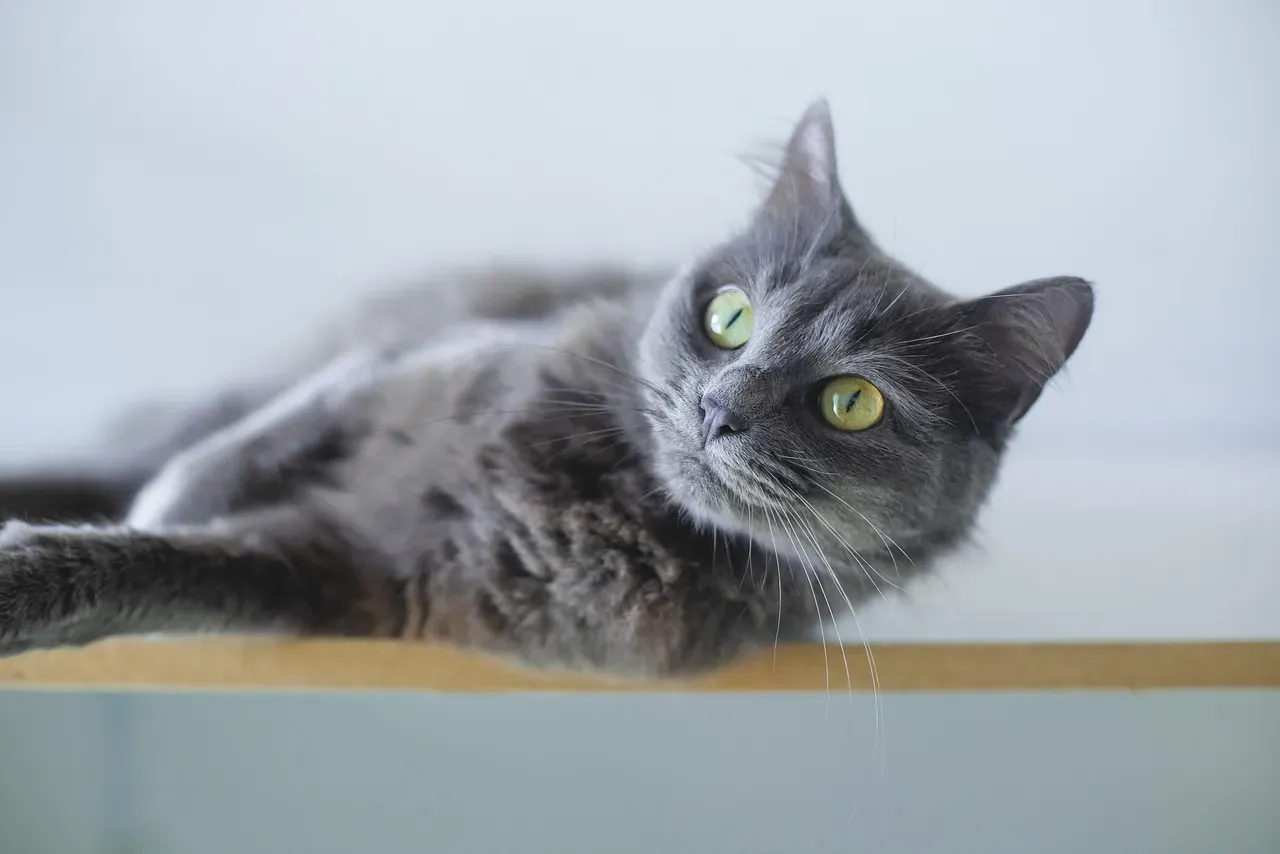
The way your cat holds their entire body tells you volumes about their emotional state. When a cat is happy, their posture is typically loose, with their limbs and tail stretched out away from their body when lying down. You know that sprawled-out cat loaf position? That’s contentment right there.
When a cat is feeling stressed, they may have a stiff and tense body held low to the ground, and may also engage in displacement behaviors like licking their lips, scratching, grooming, and yawning that are performed out of context. If your usually calm cat suddenly starts obsessively grooming during a stressful situation, that’s a tell. They’re trying to self-soothe.
Meows Are Mostly Just for You
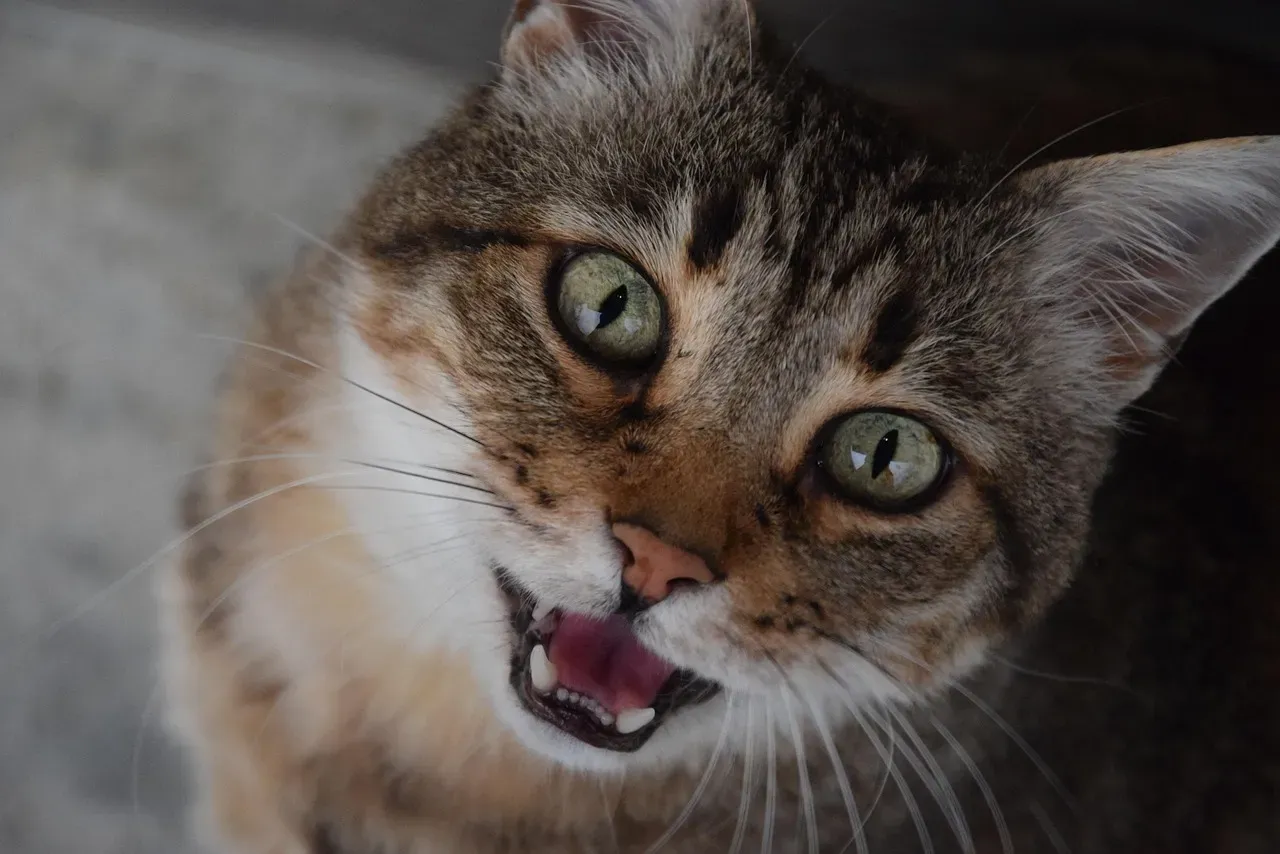
Here’s something that might surprise you: Domestic cats tend to meow much more than feral cats, and they rarely meow to communicate with fellow cats or other animals. Your cat literally developed this vocalization mostly to talk to humans. We trained them to be chatty, and they obliged.
Meows change dramatically depending on context, and domestic cats, in particular, have evolved highly flexible meows as a way to communicate with humans. A short, high-pitched meow might be a greeting. A longer, more insistent one? Probably a demand for food. Cats are smart enough to figure out which sounds get us to do what they want.
Purring Doesn’t Always Mean Happiness
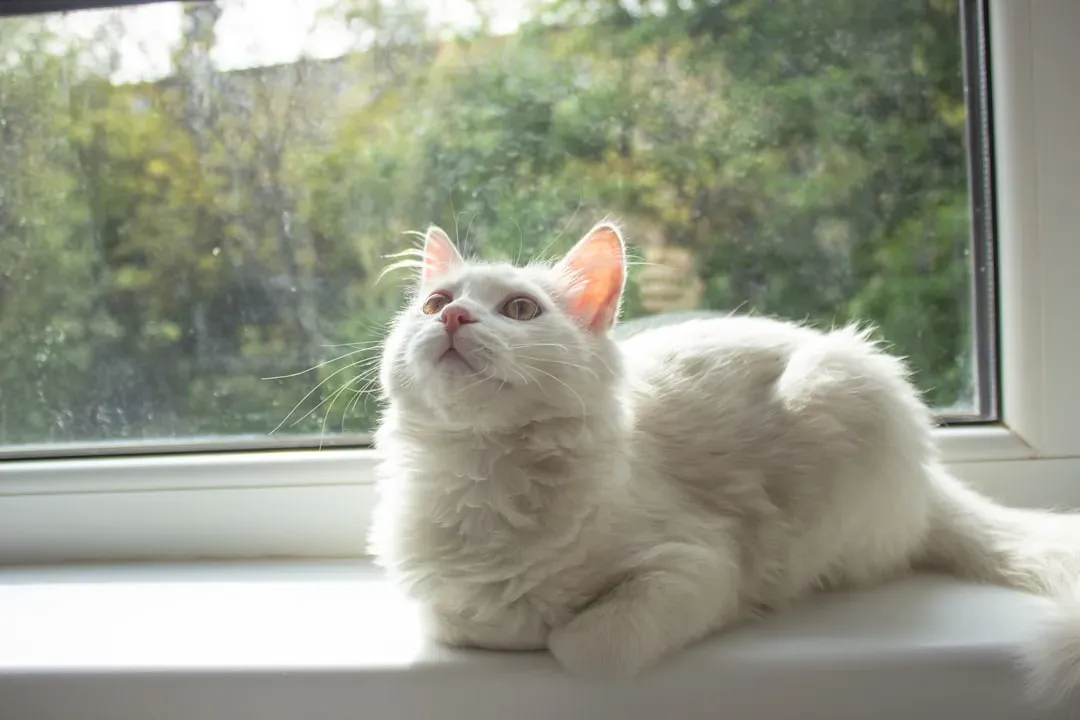
Most people hear a purr and assume everything is perfect in kitty world. Usually, that’s true. The cat purr is generally a sign of contentment. It’s that lovely sound of a relaxed, happy cat nestled on your lap.
Still, there’s a twist. Sometimes cats can purr in stressful situations, such as going to the vet, and they can also sometimes purr if they are in pain. It’s important to watch your cat’s body language as well as looking at the context as this is a better indicator of whether they are happy and comfortable. Context is everything with cats. That’s the golden rule.
When Context Changes Everything
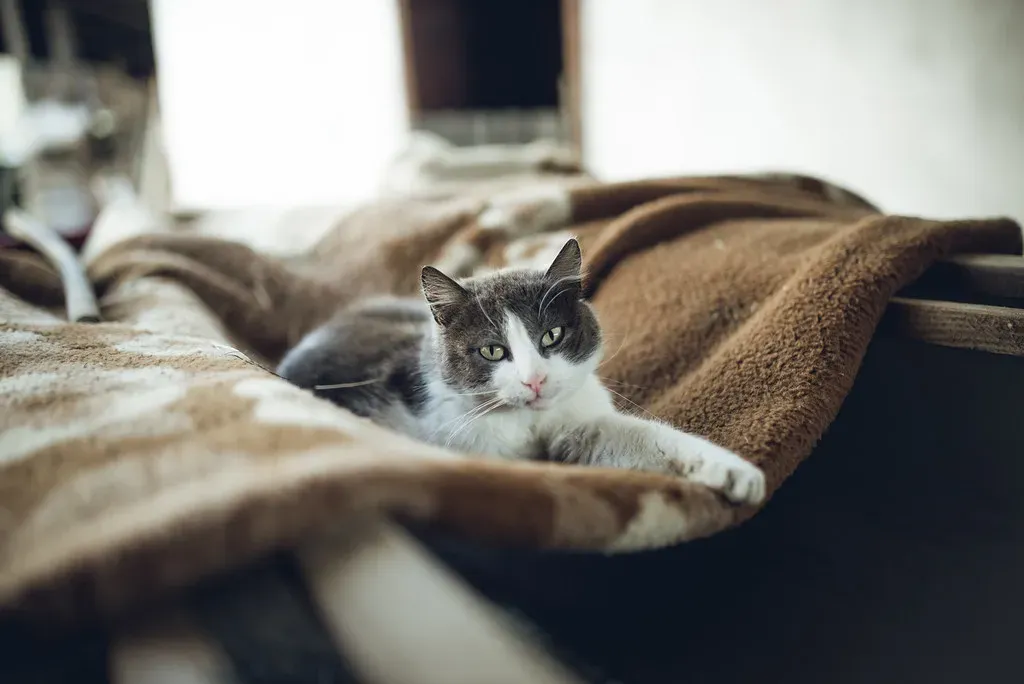
The main takeaway is that a cat’s body language and behaviors should be looked at as a part of single big picture. By using the context of the entire situation, trying to see the situation from the cat’s point of view, and looking for subtle cues in body language, you’ll have an excellent chance at understanding your feline friends. You can’t just look at one signal in isolation.
A cat rolling on their back might be showing trust and comfort, or they might be about to unleash all four sets of claws on your unsuspecting hand. The difference? Look at the ears, the eyes, the tail, the whiskers, and think about what just happened. Are they relaxed, or are they tense? That’s how you avoid the infamous “belly trap.” Trust me, I’ve learned this the hard way more than once.
Reading Your Cat Makes Your Bond Stronger
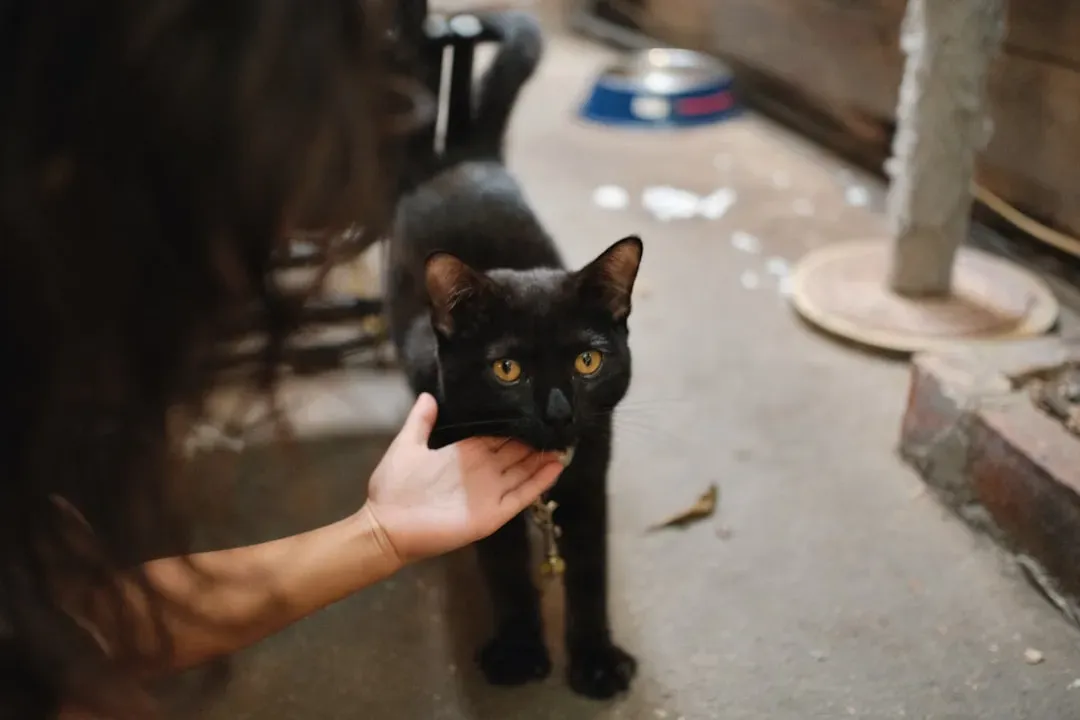
Cats possess intricate and subtle body language, making it crucial to pay close attention to their non-verbal communication. Respecting a cat’s body language is essential in establishing a trusting relationship, and by observing and interpreting their ear and whisker positions, eye cues, and tail movements, cat owners can lay the foundation for deep, long-term connections.
When you start noticing these tiny signals, everything changes. You’ll know when your cat wants attention versus when they need space. You’ll recognize stress before it escalates into aggression. You’ll understand that what looks like aloofness is actually just your cat being… well, a cat. They communicate differently than we do, and that’s okay. Once you learn their language, you’ll realize they’ve been talking to you all along.
So what do you think? Have you been missing your cat’s signals this whole time? Maybe it’s time to start paying closer attention to those whiskers.