You’ve probably heard it a thousand times. Someone mentions getting a cat, and immediately the jokes start rolling in. “Oh, so you want a pet that doesn’t even like you?” or “Get ready to be ignored!” Let’s be real, cats have been handed one of the most unfair reputations in the animal kingdom. People assume they’re cold, distant creatures who only tolerate us because we operate the can opener.
Here’s the thing though. That couldn’t be further from the truth. Your feline friend isn’t ignoring you or playing hard to get. They’re communicating in a language that’s just wildly different from what we’re used to. While dogs practically wear their hearts on their sleeves with tail wags and slobbery kisses, cats speak in whispers, blinks, and the gentlest of gestures. Their affection is there, trust me. You just need to know where to look.
The Slow Blink Is Actually a Cat Kiss
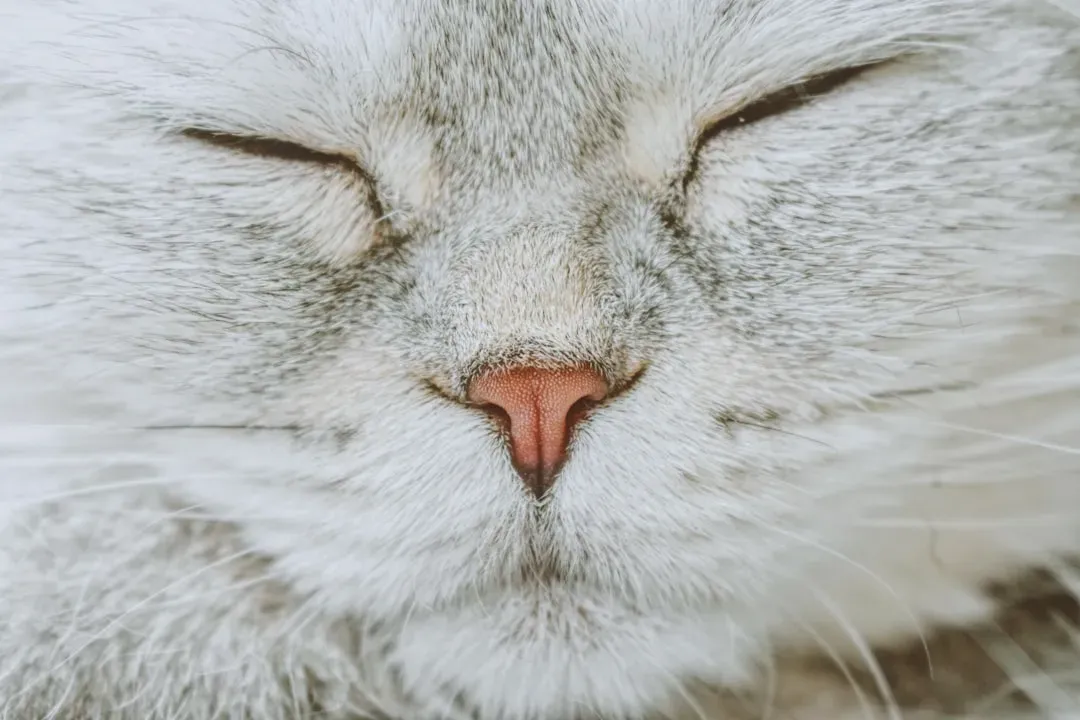
When your cat looks at you and slowly closes their eyes, they’re not being sleepy or confused – they’re confident in their love for you. This behavior is a sign of trust, showing that your cat is relaxed and comfortable in your presence. Think about it from their perspective. In the wild, closing your eyes around another creature makes you vulnerable to attack.
Research shows that cats are more likely to slow blink back at humans after receiving a slow blink, and they’re even more likely to approach a stranger’s extended hand following this exchange. It’s basically the feline equivalent of blowing a kiss. The best part? You can do it right back to strengthen your bond. Next time your cat gives you that drowsy, half-lidded gaze, return the gesture by slowly closing your eyes for a couple of seconds.
Head Bunting Means You’re Part of Their Colony
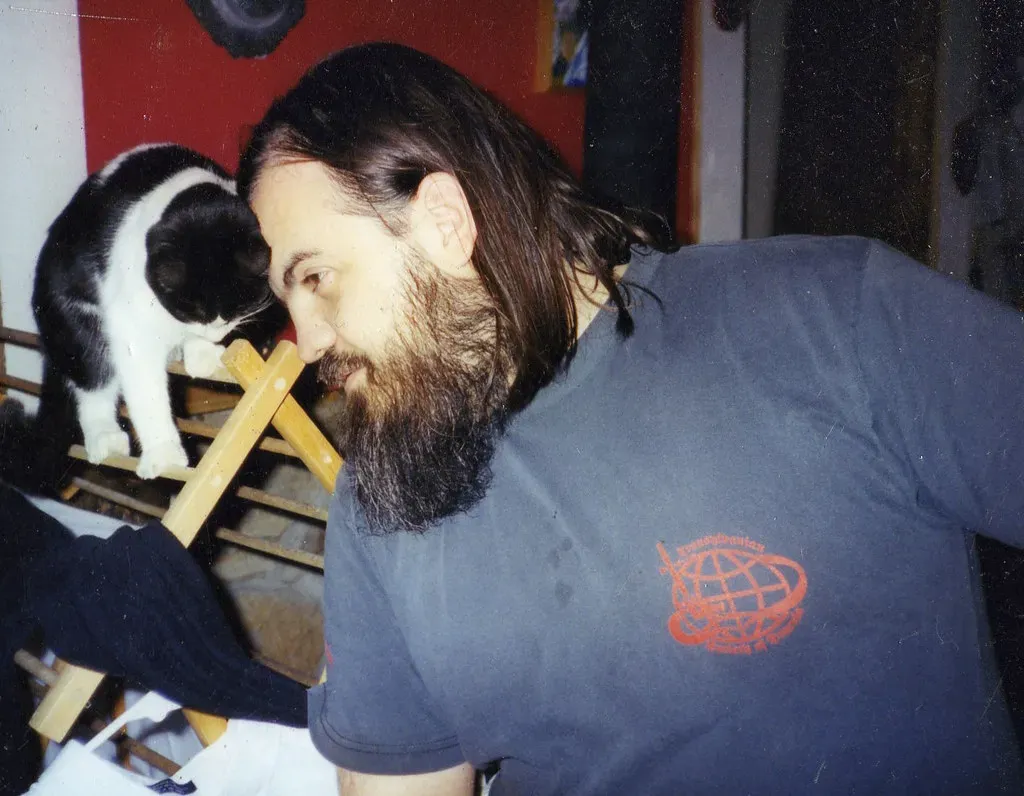
When your cat bumps their head against you or rubs their cheeks on you, they’re displaying a social behavior formed in kittenhood, marking you with their scent to claim you as one of their own. Honestly, it’s one of the sweetest things cats do. They have scent glands around their whiskers, chin, and forehead, and when they rub these areas on you, they’re essentially saying “you belong to me.”
This marking behavior creates a colony with people and other animals they feel safe with, signaling that you’re part of their inner circle. If your cat is regularly head-butting you while you’re trying to work or read, they’re not being annoying. They’re being affectionate in the most cat way possible. I think that’s pretty special, considering how selective cats can be about who makes it into their trusted group.
That Upright Tail With the Slight Curve Is Pure Happiness
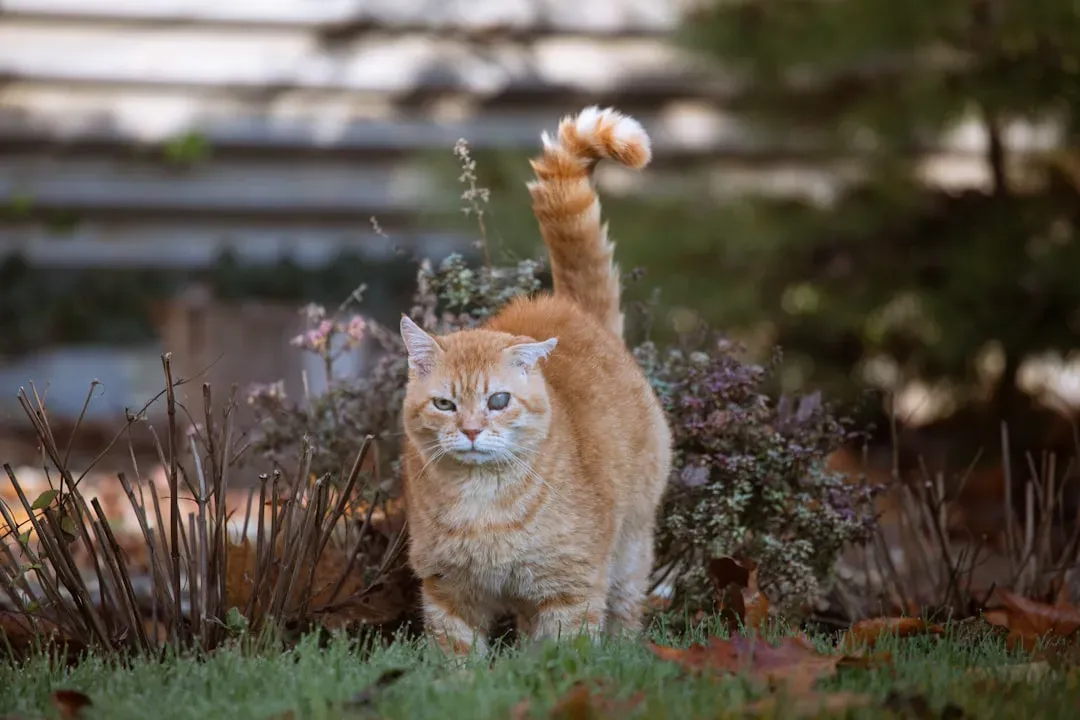
A high, upright tail with a gentle sway is a clear sign of happiness and affection, and if the tail tip twitches while they’re near you, it means they’re excited to see you – a tail that wraps around your legs is basically a hug from your cat. The tail-up display is particularly important when a cat approaches a human being, with the vast majority of cases resulting in the cat rubbing itself on a human’s leg.
It’s hard to say for sure, but this behavior probably evolved during domestication as a specific way to communicate with us. Wild cats don’t typically use this signal with each other in quite the same way. So when your cat greets you with that proud, question-mark tail, recognize it for what it is – a genuine expression of joy at your presence.
Kneading Is a Throwback to Kittenhood Comfort
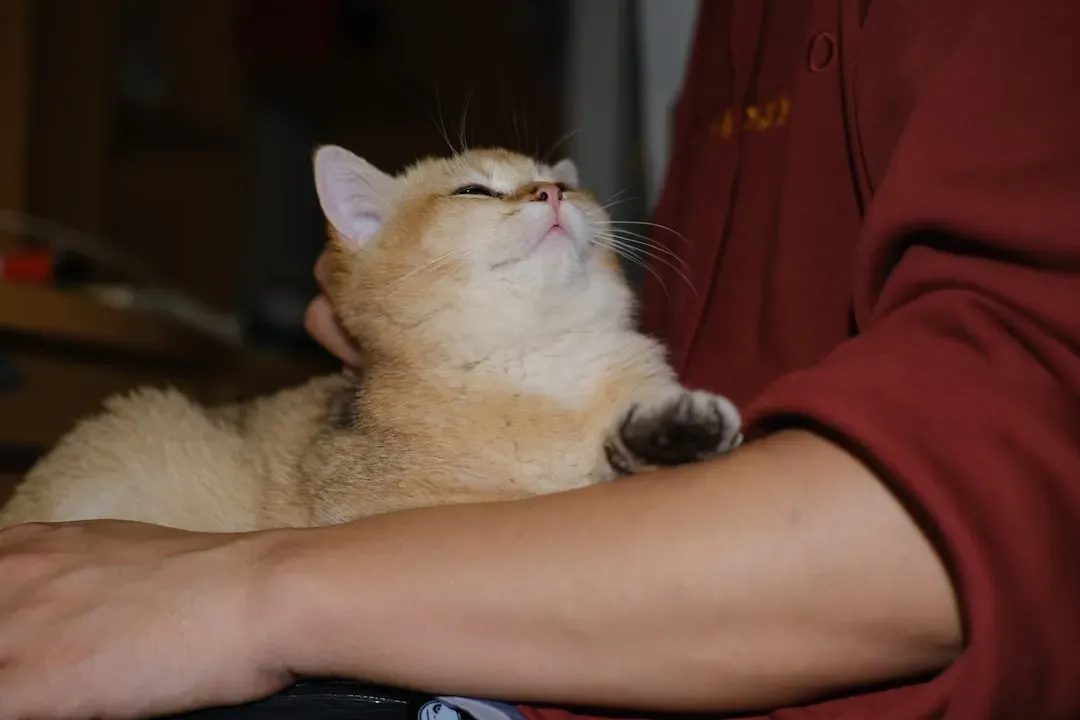
Cats usually knead with their front paws in a behavior that begins in kittenhood and is associated with nursing on their mother, believed to bring comfort by releasing endorphins to reduce stress and promote relaxation. When used on owners, kneading is most definitely a gesture of love. Sure, those claws digging into your lap might not always feel great, but try to appreciate what’s happening.
Your cat is so comfortable and content around you that they’re reverting to their most vulnerable, happy memories. Sometimes cats will even purr while they knead, doubling down on the affection. Though the biscuit-making can get a bit intense, it’s genuinely one of the highest compliments a cat can pay you.
Following You Around Isn’t Stalking – It’s Love
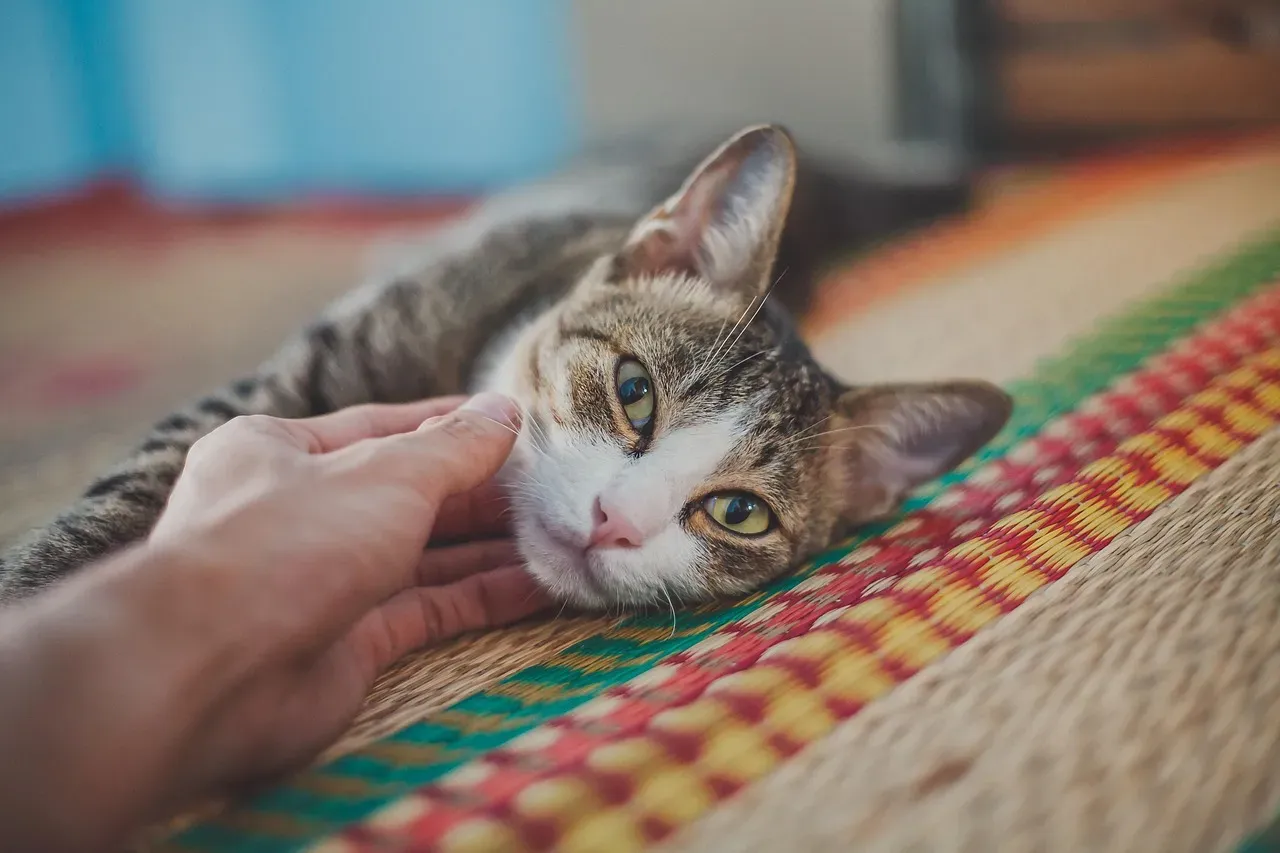
While many people think of cats as loners who don’t need company, others want to be close to their owners whenever possible – some cats will be subtle about this and simply make sure they’re always in the same room, and you might not even notice they’ve been following you until you turn around and see them curled up in a chair, watching you. Proximity is probably the strongest indicator of a cat’s affection, as cats use distance versus proximity to express how comfortable they feel around someone, tending to spend more time close to their preferred associates.
If your cat shadows you from room to room, even if they’re maintaining some distance, that’s genuine attachment. They’re not plotting anything sinister or waiting for you to drop food. They simply want to be near you because your presence makes them feel safe and happy. Cats are social on their own terms, and when they choose your company over solitude, that’s affection in its purest form.
Those Little Chirps and Trills Are Just for You
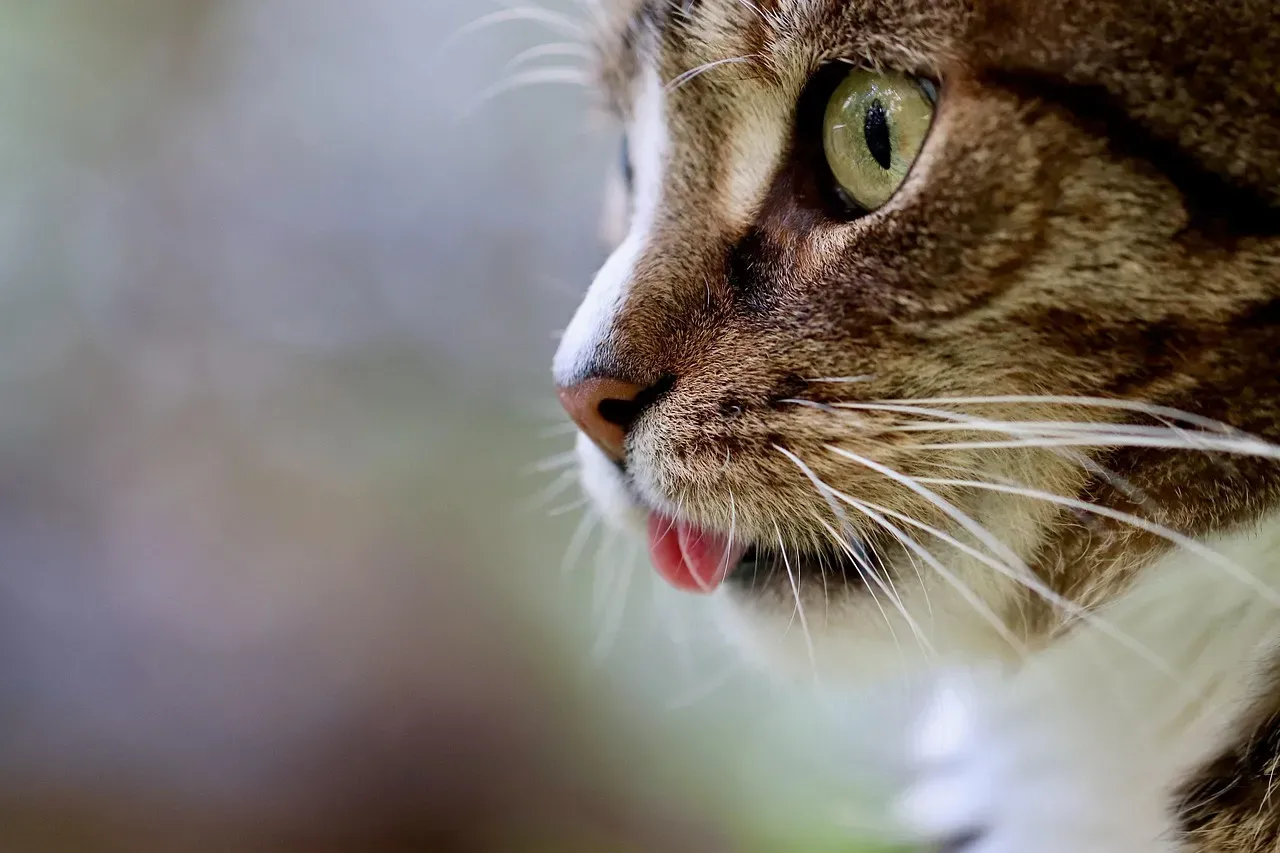
Cats make all sorts of lovely noises, and many will chitter or chat with their owners, even chirping when you call their name and coming running over. Adult cats typically only meow to communicate with people, as they often rely more on smell and body language when interacting with other cats. So basically, your cat developed a whole vocal repertoire specifically to talk to you.
That’s not aloofness – that’s adaptation and connection. The varied sounds cats make when they greet you, from soft trills to insistent meows, are their attempts to bridge the communication gap between species. When your cat vocalizes at you, they’re making an effort to connect in a way they think you’ll understand.
Grooming You Is the Ultimate Compliment
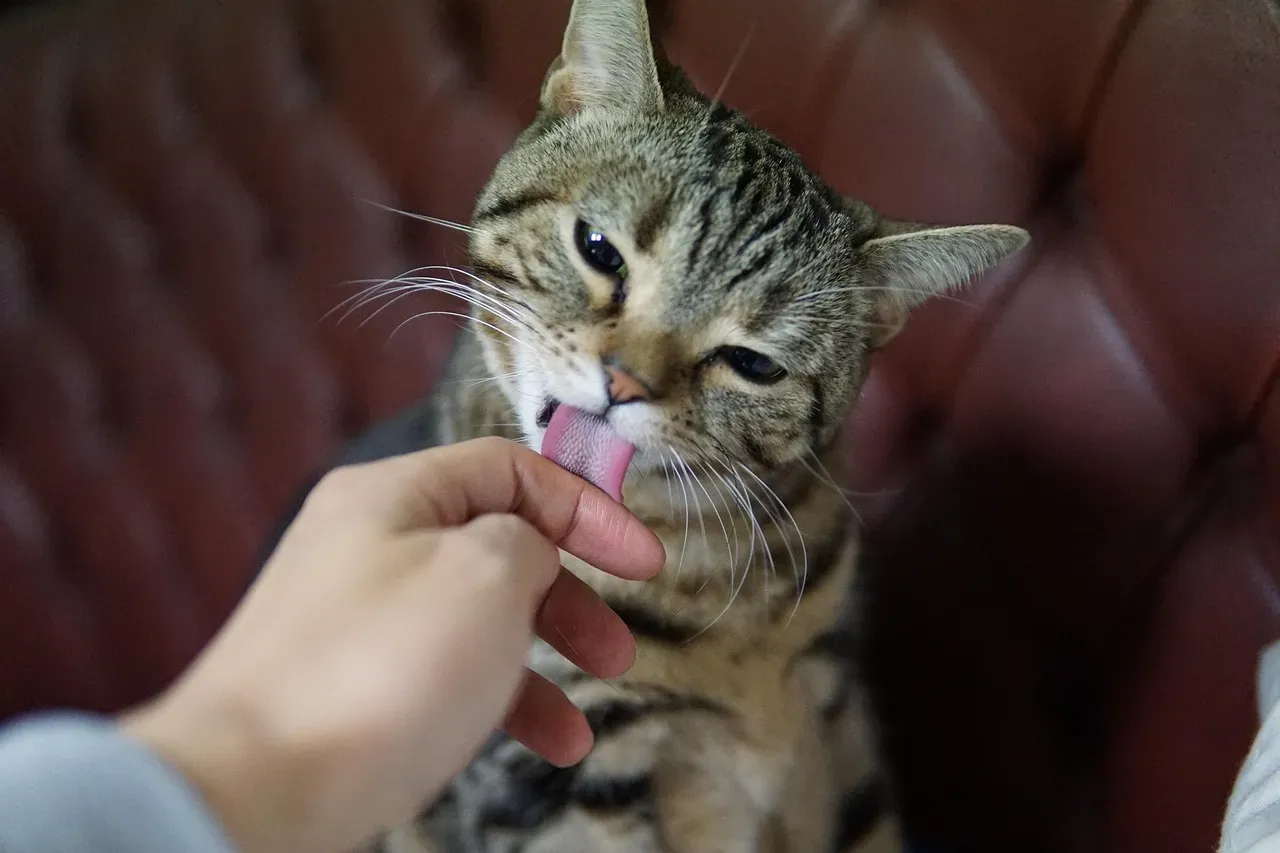
Cats groom each other as a display of affection, and this behavior extends to humans when trust is built – cats will often lick their people, and licking is similar to the grooming cats perform on their feline friends, allowing them to mark each other and build their bond. I know it sounds crazy, but when your cat licks your hand or face with that sandpaper tongue, they’re including you in their social grooming routine.
Being chosen to be groomed means you’ve been inducted into your cat’s circle of trust, and in multi-cat households, mutual grooming is a sign of trust and friendship with only special cats deemed worthy of these sessions. If it’s you getting the treatment, count yourself lucky. Your cat sees you as family, not just a food dispenser.
They Choose to Sleep Near You for a Reason
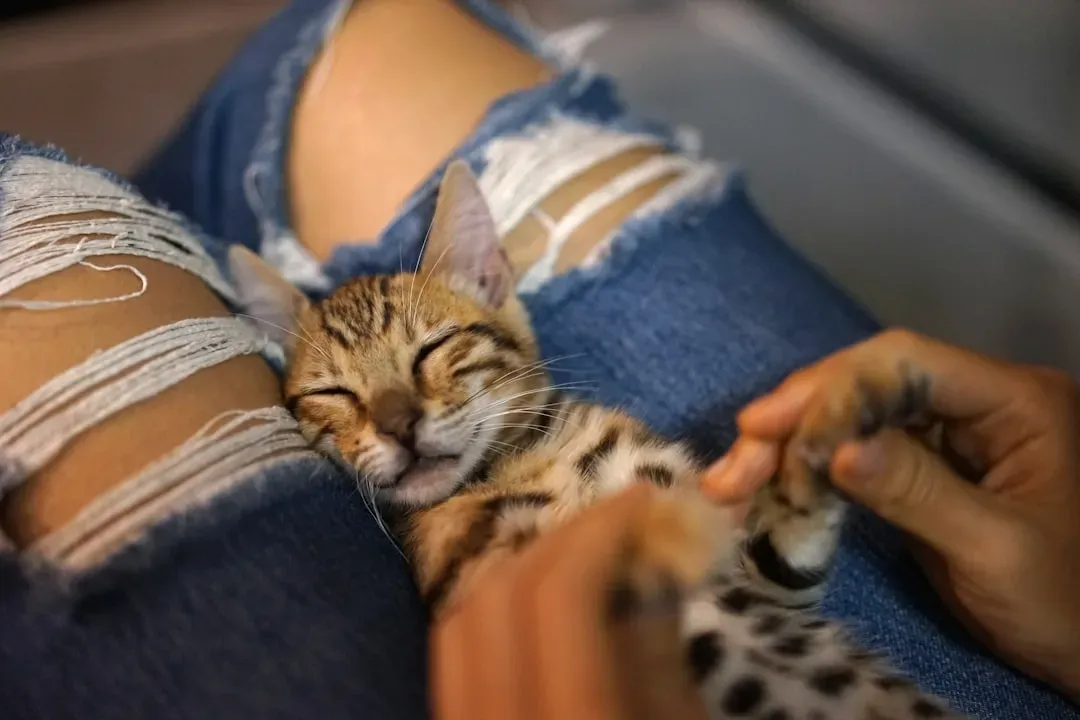
If your cat sleeps on you or near you, it’s a sign of ultimate trust. Sleep is when animals are at their most vulnerable. Predators could strike, danger could emerge, and yet your cat chooses to curl up on your lap or nestle beside you on the bed. That’s not coincidence or convenience – that’s a deliberate decision based on trust and affection.
Even cats who don’t want to be right on top of you but consistently choose to nap in the same room are showing love. While felines may not wag their tails or shower you with kisses like dogs, their affection for their human family runs deep and is expressed through intentional behaviors. Your warmth, your scent, your presence – all of these things make your cat feel safe enough to let their guard down completely.
Conclusion
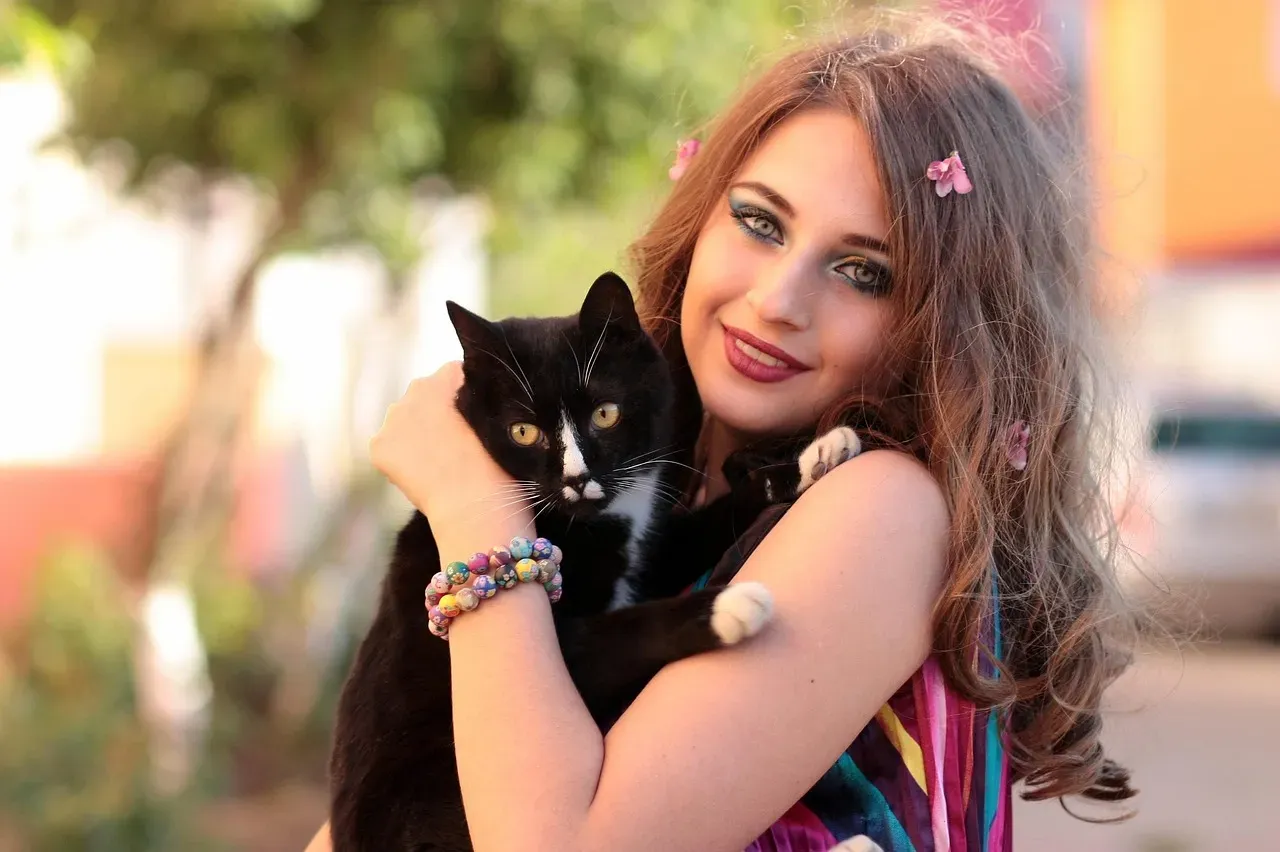
It’s a common misconception that cats are not affectionate, mainly because dogs have more explicit ways of demonstrating affection, whereas cats are much more subtle – just because they’re naturally more understated doesn’t mean the bond is any less strong. The truth is, cats are deeply loving creatures who’ve simply evolved a different emotional vocabulary. Once you learn to read their signals, you’ll realize your cat has been showering you with affection all along.
Domestic cats did not evolve a sophisticated body and facial language to communicate with other individuals as dogs did, which is why their social behavior relies a lot on more subtle behaviors that are sometimes missed by humans. Maybe it’s time we stopped judging cats by canine standards and started appreciating them for the unique, tender-hearted companions they truly are. What’s your cat’s favorite way to show you love? You might be surprised once you start paying attention.